Free written scope consultation - allowances, timeline, and change-order rules on paper before a single trade is scheduled
Styles & brands we work with
- Kitchen remodeling
- Bathroom remodeling
- Home additions & ADU
- Roofing
- Windows & doors
- Driveway & pavers
- Fence
See the difference
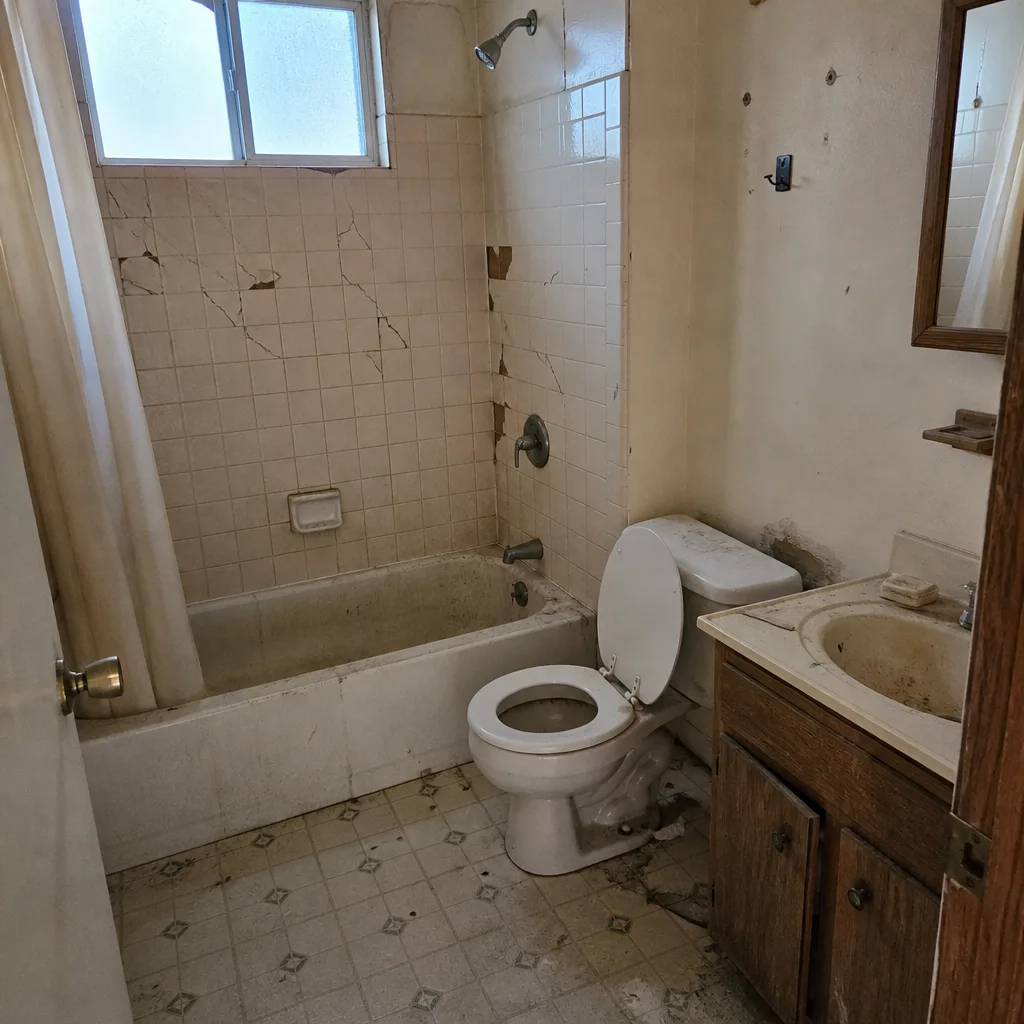 Before
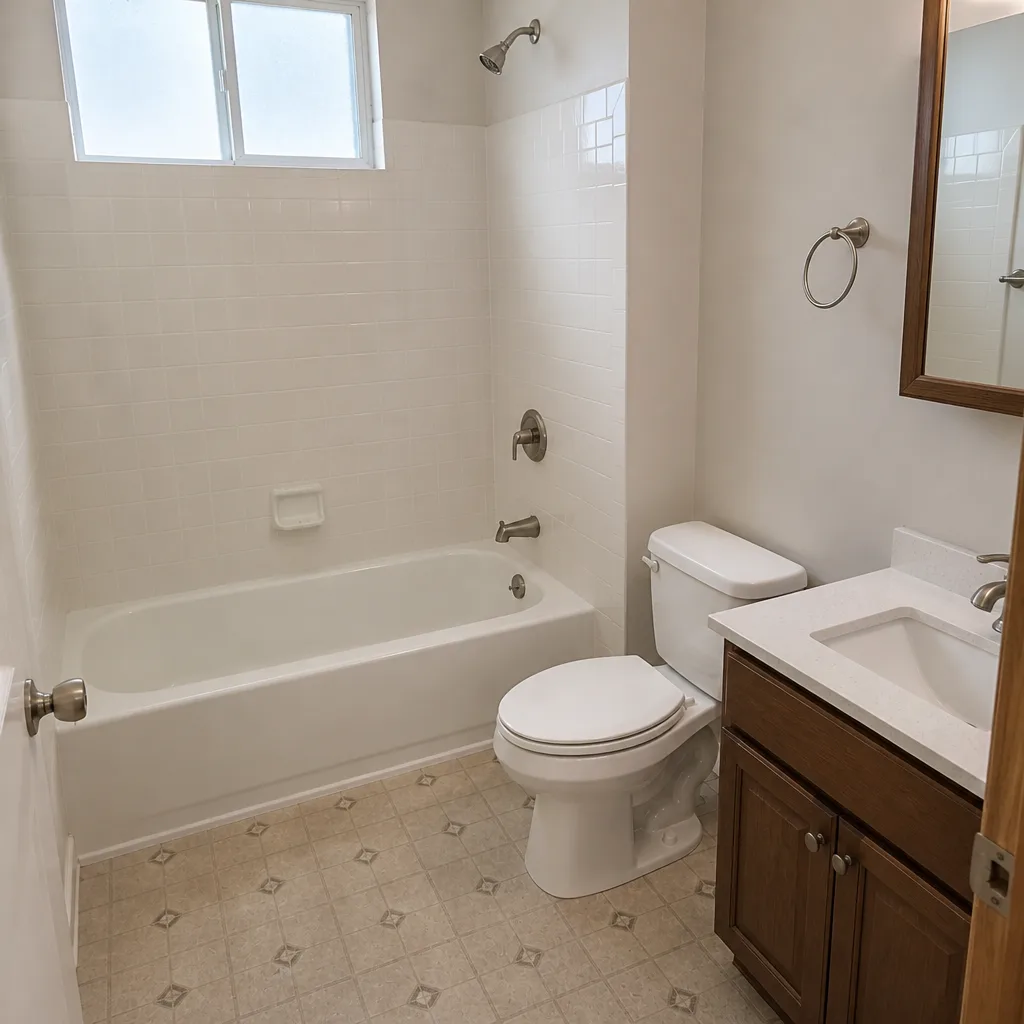 After
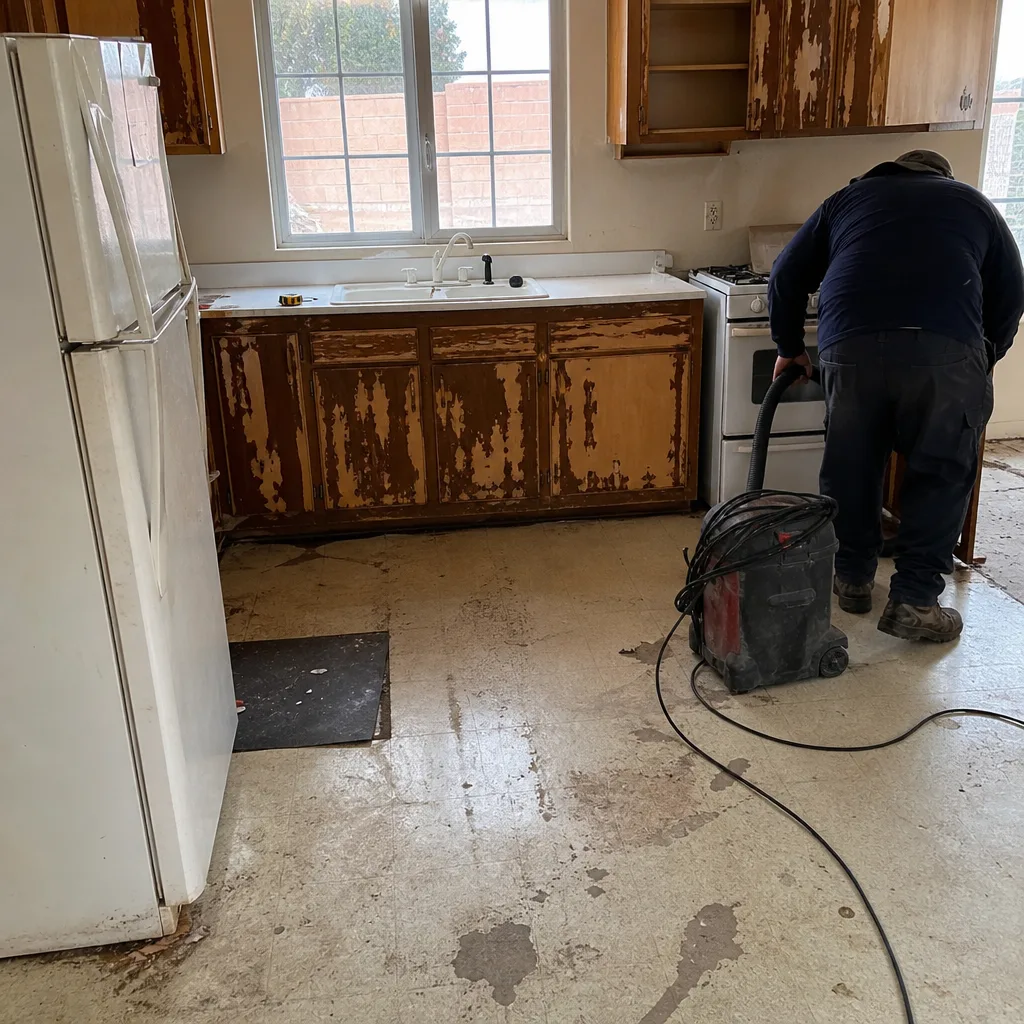 Before
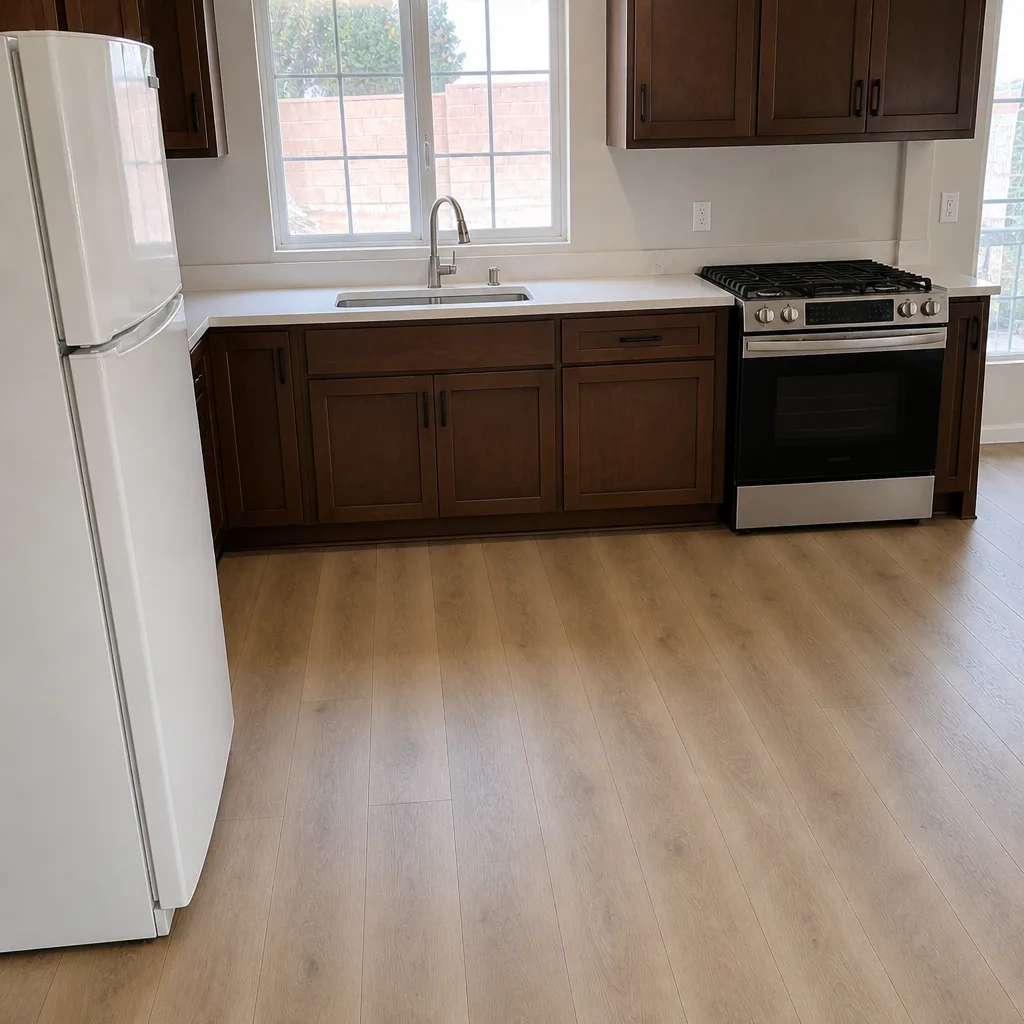 After
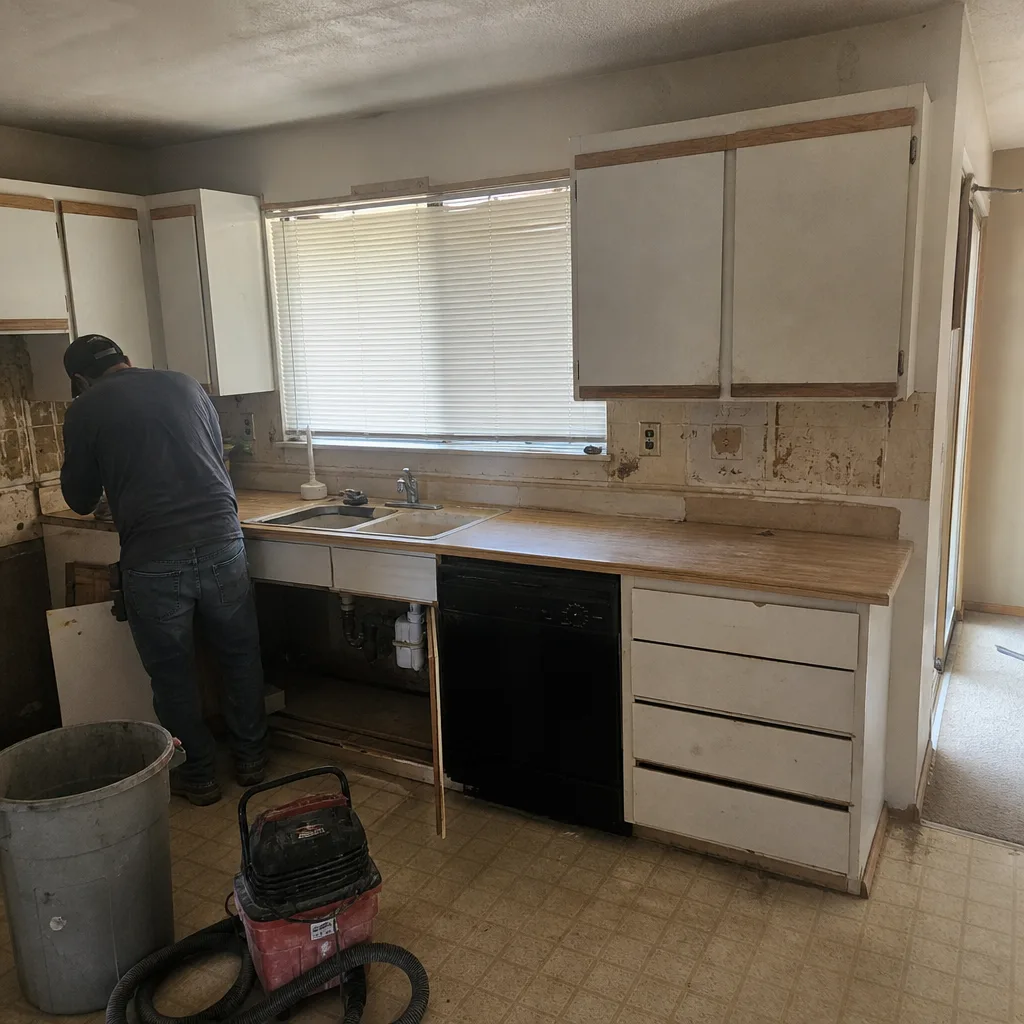 Before
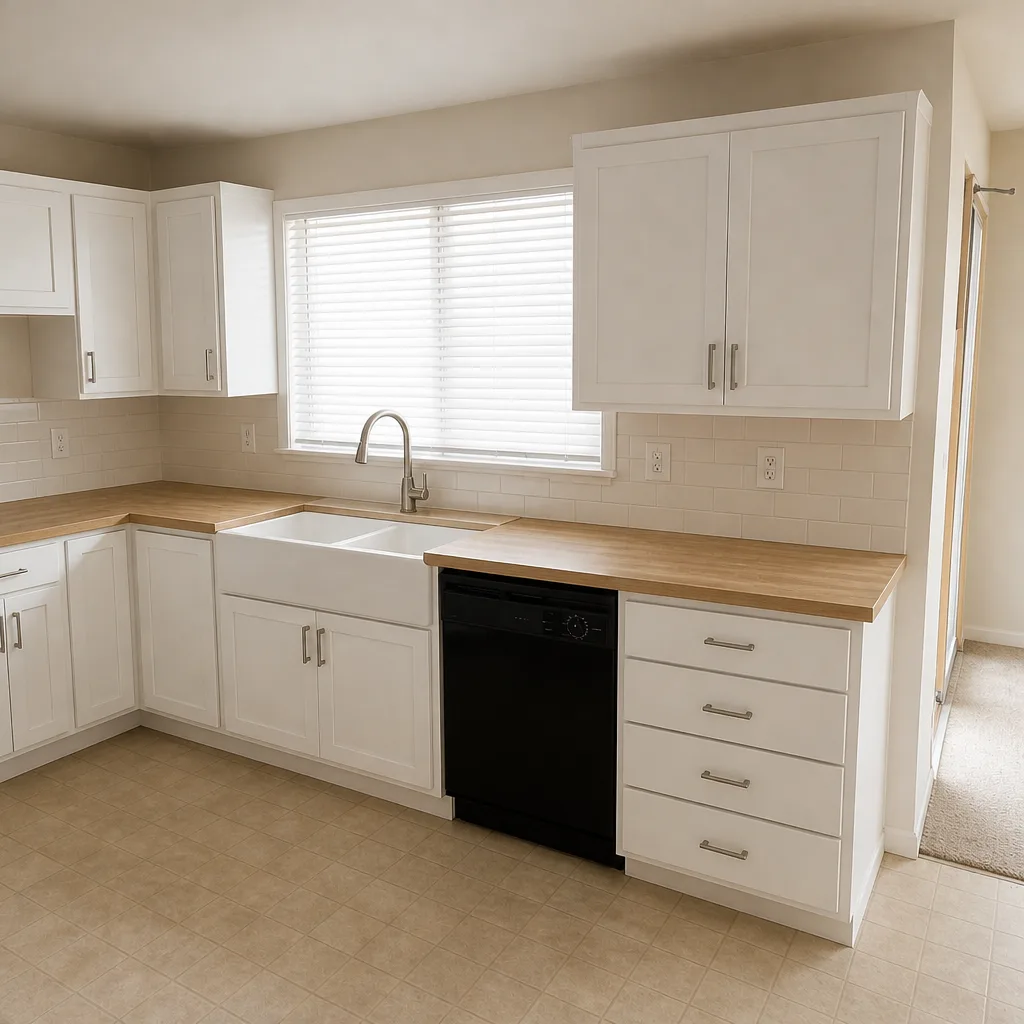 After
How to Choose a General Contractor in Boulder City, NV
Choose a general contractor in Boulder City by verifying the Nevada license, current liability and workers’ comp coverage, and real references, then adding the checks this market demands: historic district review experience, comfort with 1930s construction, and a crew that answers the phone. Boulder City is one of the smallest cities in Nevada, but it has one of the most specific sets of contractor requirements in the state. A GC who’s built a hundred homes in Henderson is still a first-timer here if they’ve never read the historic district design guidelines or poured a footing in 108°F heat. Call (888) 282-1693 for a free estimate.
Why the Standard Vetting Checklist Falls Short Here
The national advice is fine as far as it goes. License, bond, insurance, three references, written contract. We’d never tell you to skip any of it. But Boulder City sits in the Mojave Desert at roughly 2,300-2,500 feet near Lake Mead, and the townsite was built by the Bureau of Reclamation in 1931 to house Hoover Dam workers. That history isn’t background color. It’s the physical reality of the house you live in.
Most of the original bungalows and modest 1930s-40s cottages sit near the historic district. Many have pier-and-beam foundations, unreinforced brick or stucco-over-frame walls, and knob-and-tube-era wiring. Open a wall on a pre-1950 home here and you’ll find something the drawings never showed you. A contractor who hasn’t worked that material palette will quote a number that looks great and then come back for a change order two weeks in.
Then there’s the heat. Summer highs run 100-110°F with intense UV and very low humidity. Concrete needs early-morning pours or shading. Crews need heat-illness protocols. And expansive desert soils shrink and swell with the seasons, which cracks slabs and foundation edges across the city. A GC who schedules like they’re building in a mild climate will hit quality problems and schedule problems at the same time.
The Boulder City Contractor Checklist: Seven Questions to Ask
Use these as a script. A good contractor answers every one without flinching. A weak one gets vague around number three.
- Is the Nevada contractor license active and current? Ask for the number and check it against the state database yourself. Don’t take a photo of a card as proof.
- Are general liability and workers’ comp current? Request certificates dated this year. If a crew member gets hurt on your property and there’s no workers’ comp, that problem can land on you.
- Can they explain the Boulder City Historic Preservation Commission review process by name? Not “we’ll handle permits.” The actual review sequence, what triggers it, and roughly how long it takes.
- Have they completed permitted work inside the historic district in the past 24 months? Recent, local, permitted. Ask for the address. Then drive past it.
- Do they build a contingency line into bids for pre-1950 homes? If the answer is no on a 1930s cottage, the bid is fiction.
- Do they name brands in the materials spec? “Standard grade” means whatever was cheapest that week.
- Does someone answer the phone during business hours? Test it before you sign. More on this below.
That fourth question matters more than it looks. In the historic district, exterior alterations, additions, and even window replacements can trigger preservation review. We’ve seen homeowners handed a standard vinyl-window quote for a 1930s Hoover Dam cottage, only to learn they’d be required to match the original divided-light wood profile. Brands like Therma-Tru and ViewLux make products that can satisfy that spec, but only if the contractor knows to reach for them at the bid stage instead of after the review comes back.
Three Checks Most Homeowners Skip
Call them and see who picks up
A GC who goes to voicemail during business hours is telling you something about how they’ll communicate once your money is in their account. Test it. Call midday on a Tuesday with a real question. Groundwork Construction Co. of Boulder City answers every call with a live person, 24/7, because a homeowner staring at a leaking roof at 9 p.m. doesn’t need a ticket number. It’s a plain signal about responsiveness, and responsiveness is what separates a smooth remodel from a six-month silence.
Read the warranty, then ask why it’s that length
A one-year warranty is a contractor saying they expect their work to hold for exactly twelve months. No longer. On a 1930s Boulder City cottage, where post-completion surprises are common enough to be expected, warranty length is financial protection, not marketing copy. Our work carries the 730-Day Done Right Promise: if it’s not done right, we make it right, for two full years. Ask any contractor you interview what happens on day 400 if a tile cracks or a seam opens.
Notice who shows up on day one
In a small city where neighbors know each other, a crew’s presentation reflects directly on the contractor’s accountability. Background-checked, uniformed technicians aren’t a nicety. They’re evidence that the company verified who’s walking through your house. If an unmarked van rolls up and nobody introduces themselves, you’ve learned something worth knowing before the work starts.
What a Fair Boulder City Bid Looks Like
Upfront pricing means the number you see is the number you pay. A bid should be itemized by trade and should carry a named allowance for anything unknown. Here’s what our Boulder City projects typically run, so you have a benchmark when you compare quotes:
| Project | Typical Range |
|---|---|
| Kitchen remodel | $14,000-$45,000 |
| Small kitchen remodel | $9,000-$20,000 |
| Bathroom remodel | $9,000-$28,000 |
| Walk-in shower installation | $4,500-$12,000 |
| Roof replacement | $8,000-$20,000 |
| Window replacement | $4,500-$15,000 |
| Home addition | $45,000-$130,000 |
| ADU construction | $90,000-$220,000 |
Prices shift with foundation condition, accessibility, and whether the work sits inside historic district review. That’s exactly why the contingency line matters. We pair these figures with 0% financing for 18 months and $1,000 off projects over $10,000, so a larger scope stays workable. Start with our home page to see how the seven service lines fit together under one contractor, from foundation to finish line.
Red Flags Specific to This Market
Watch for a quote on a pre-1960 home with no contingency line. Watch for a historic district project with no mention of preservation review anywhere in the paperwork. Watch for “standard grade” materials with no brands named. And watch for a contractor who can’t tell you which trades they self-perform versus subcontract, because that answer tells you who’s actually accountable when something goes wrong. Roofs here should specify GAF or CertainTeed. Kitchens should name KraftMaid or Cambria. Windows should name Andersen, Pella, Therma-Tru or ViewLux. Anything vaguer than that is a bid you can’t compare to another.
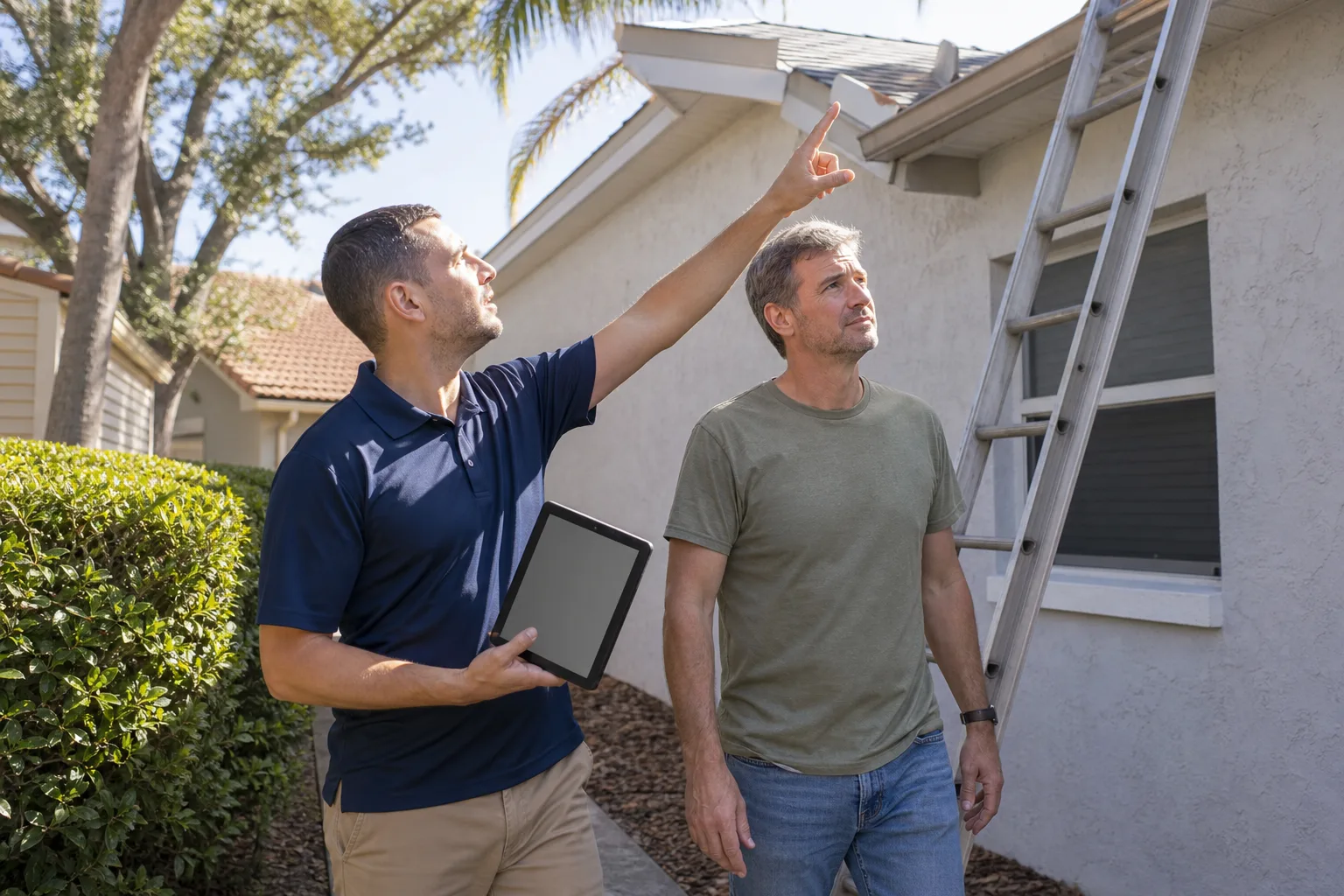
If you’d like a second pair of eyes on a quote you’ve already received, or you’re starting from scratch, we’re glad to walk the house with you. Our technicians have up to 12 years of experience, and we put everything in writing.
FAQs
Ask for the license number in writing and check it yourself against the Nevada State Contractors Board database before signing anything. Confirm the license is active, matches the legal business name on your contract, and covers the specific trade classification for your project. A contractor who hesitates to hand over the number has told you everything you need to know. Call (888) 282-1693 if you want help reading a license or a bid.
Possibly, yes. Any exterior alteration, addition, or window replacement inside the historic district can trigger review under Boulder City’s preservation ordinances, and the approval process runs before permits. Interior-only work usually doesn’t. The safest move is to ask your contractor to confirm review status in writing before demo day. Estimates are free, so call (888) 282-1693 and we’ll help you figure out whether your address falls under review.
Repair usually wins on a single failing system, while replacement wins once two or more connected systems are near end of life. On 1930s cottages, knob-and-tube-era wiring and pier-and-beam foundations often make phased repair the smarter path financially. Ask for both numbers in writing and compare the ten-year cost, not just the invoice. Call (888) 282-1693 for a straight answer on your specific house.
Two years is a reasonable minimum for residential work, and one year is thin. A one-year warranty means the contractor expects their work to hold for twelve months and no longer, which is a real risk on older housing stock where issues surface slowly. Our jobs carry the 730-Day Done Right Promise, one of the longest workmanship guarantees in the residential construction space. Ask any contractor you interview what their warranty actually covers and who honors it.
If you’d rather have it looked at, Groundwork Construction Co. of Boulder City offers a no-pressure assessment in Boulder City. Call (888) 282-1693 for a free estimate and design consult, and we’ll walk the property with you before anyone signs anything.
Written by the team at Groundwork Construction Co. of Boulder City, serving Boulder City, NV.