
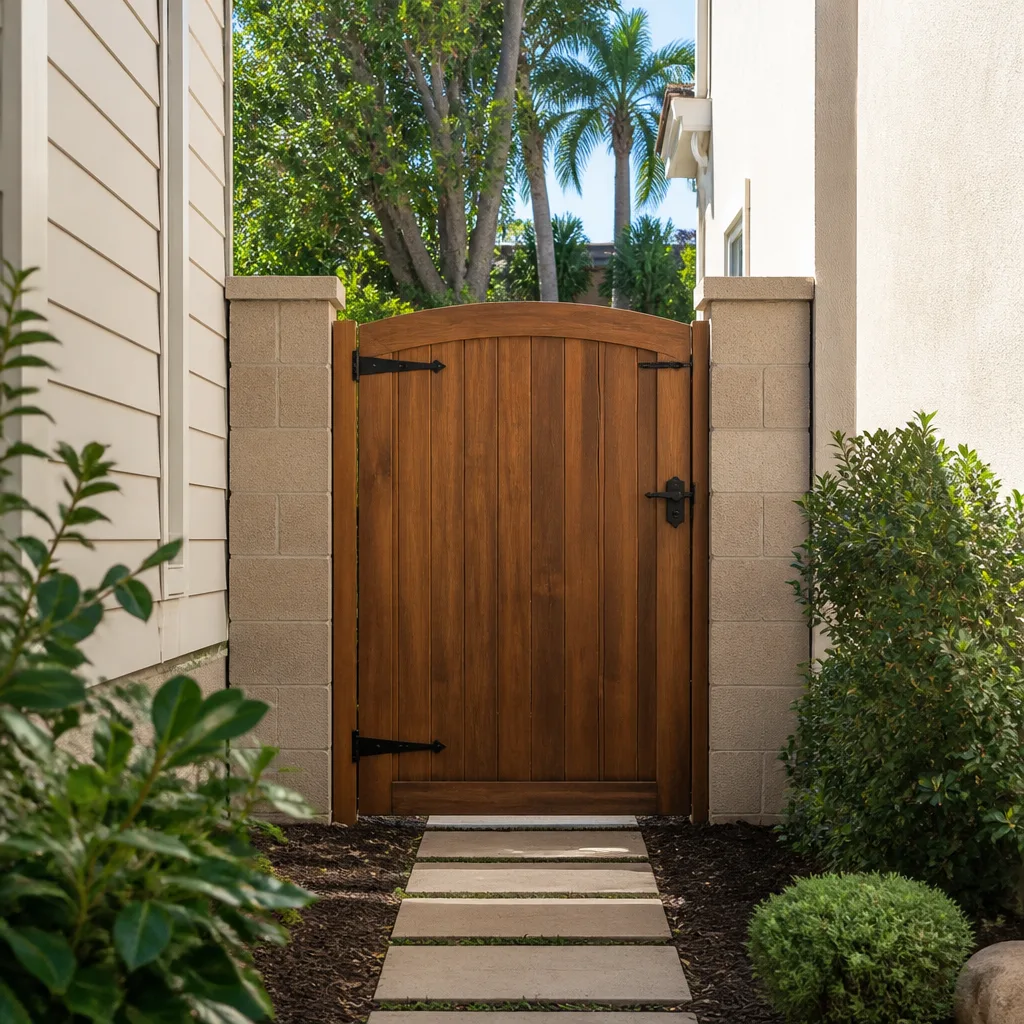
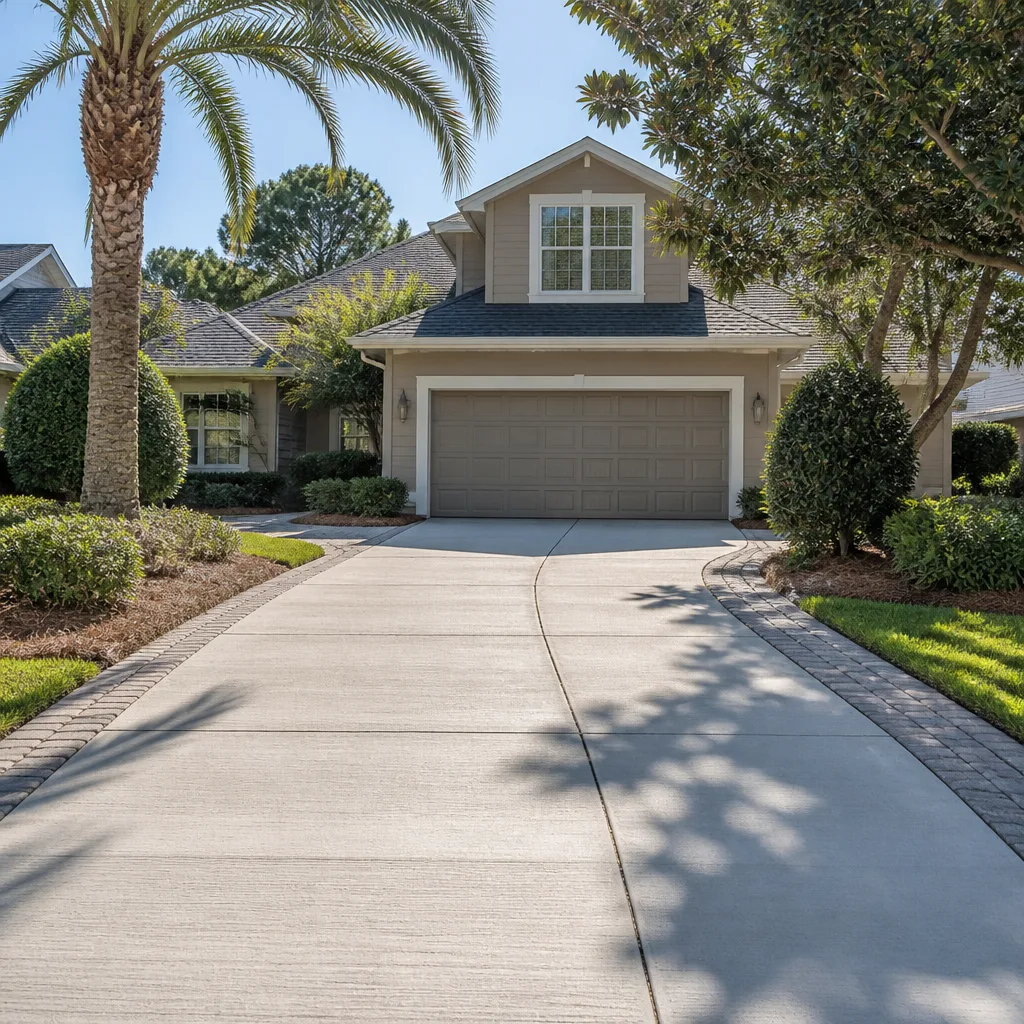

Free written scope consultation - allowances, timeline, and change-order rules on paper before a single trade is scheduled
Styles & brands we work with
- Kitchen remodeling
- Bathroom remodeling
- Home additions & ADU
- Roofing
- Windows & doors
- Driveway & pavers
- Fence
See the difference
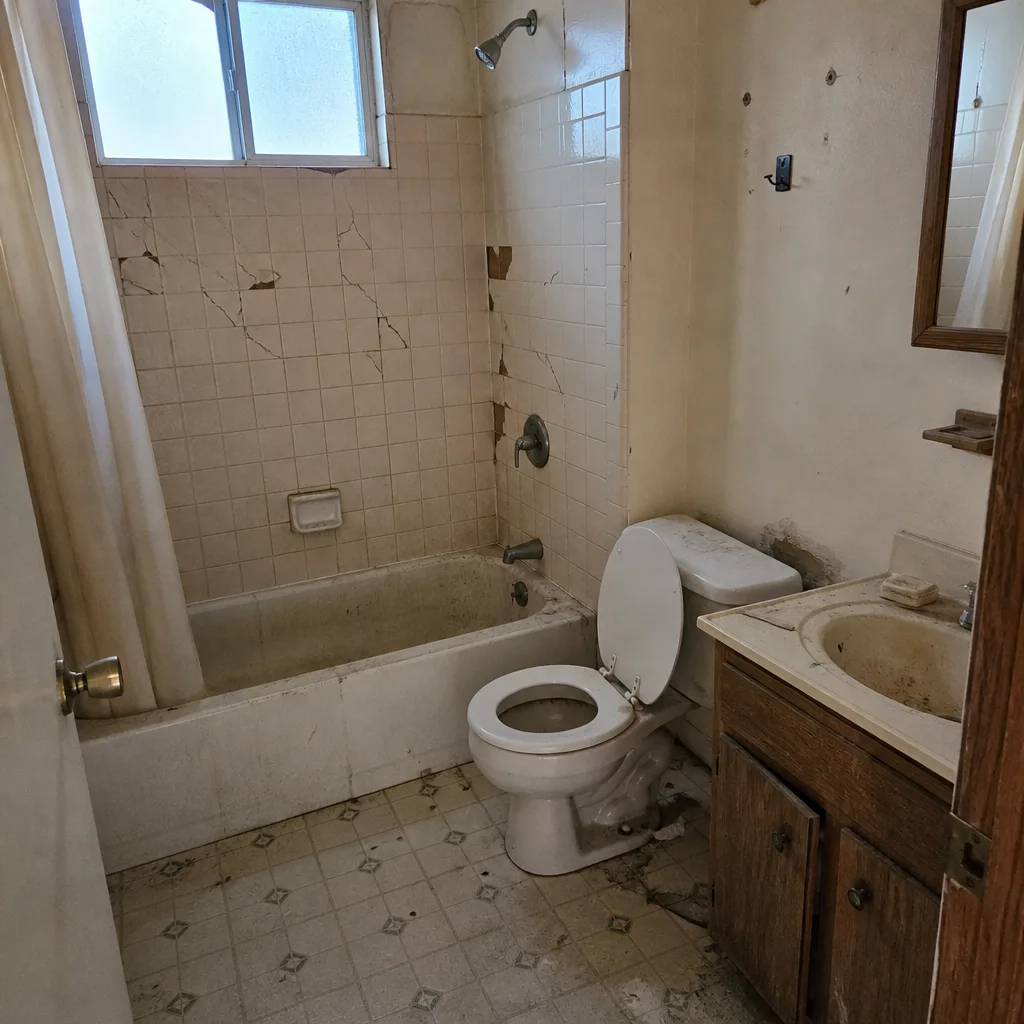 Before
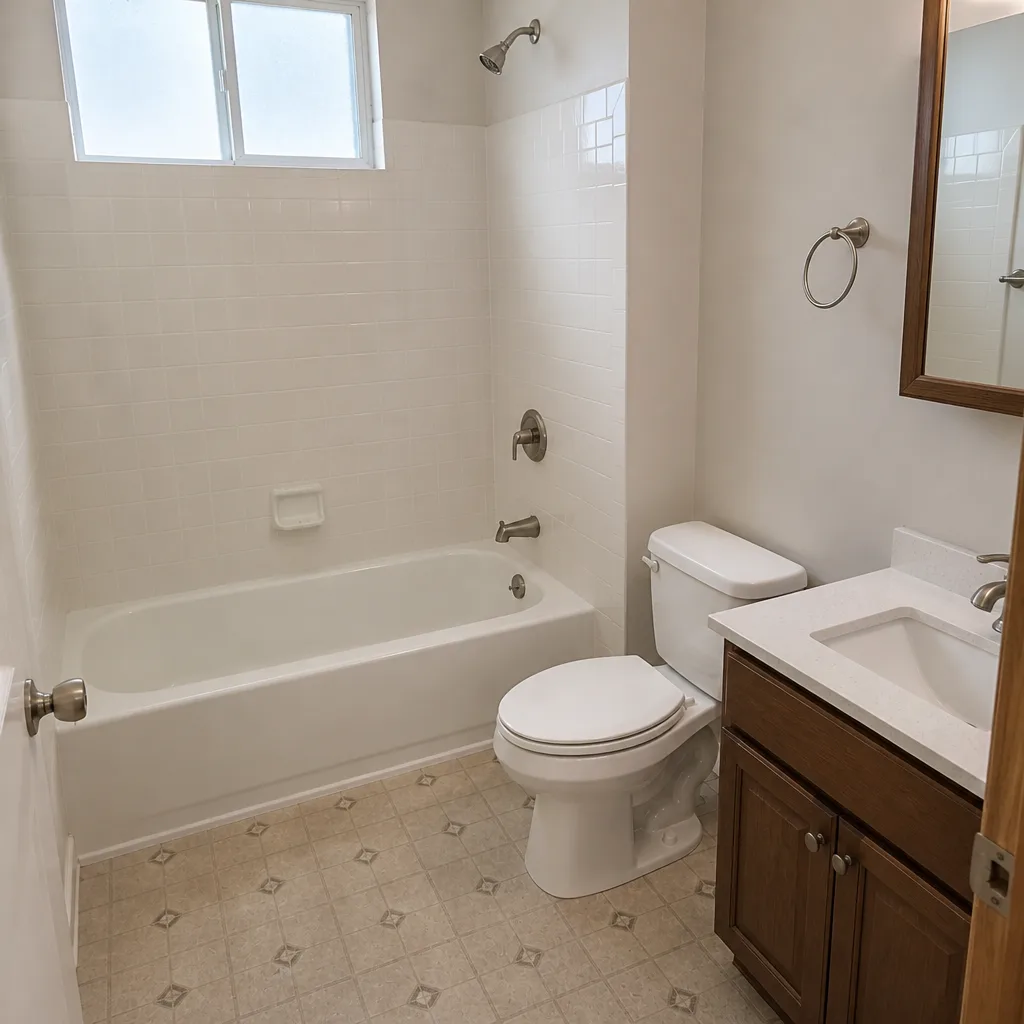 After
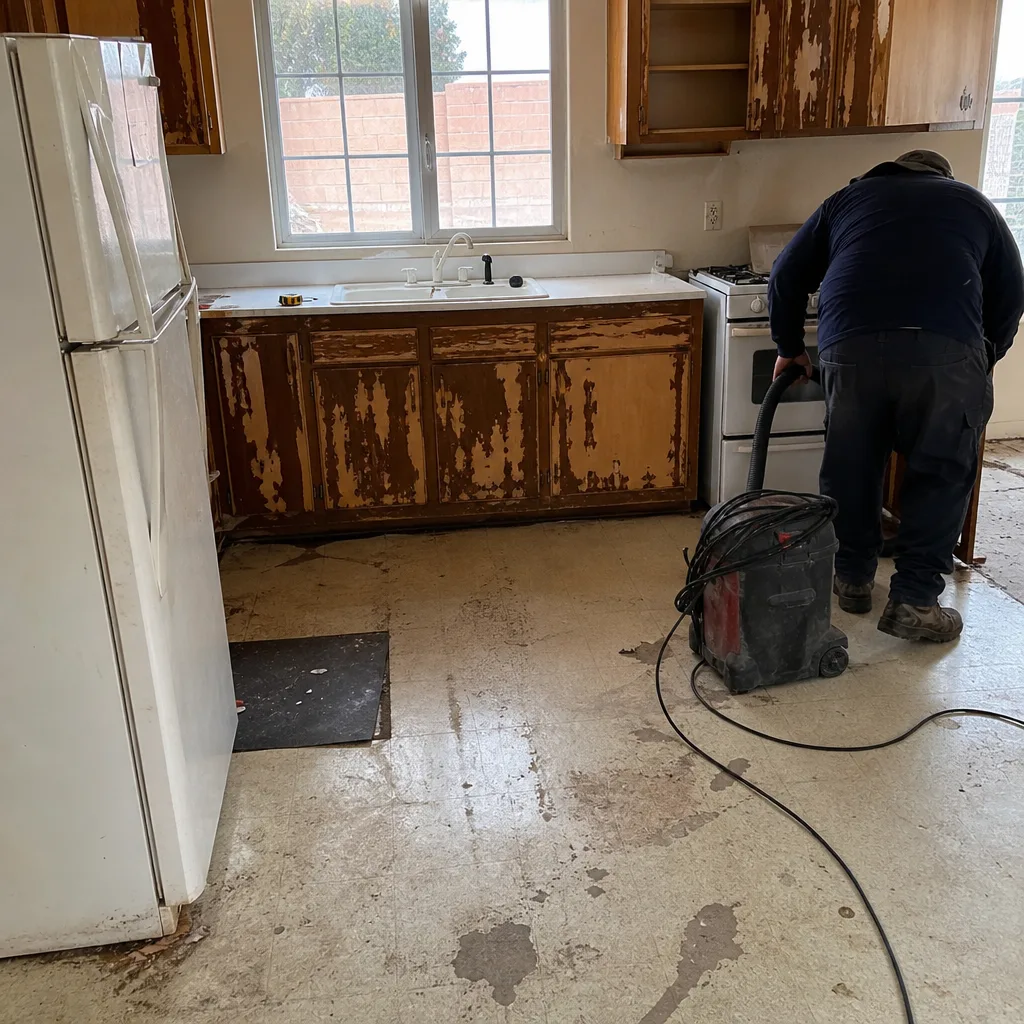 Before
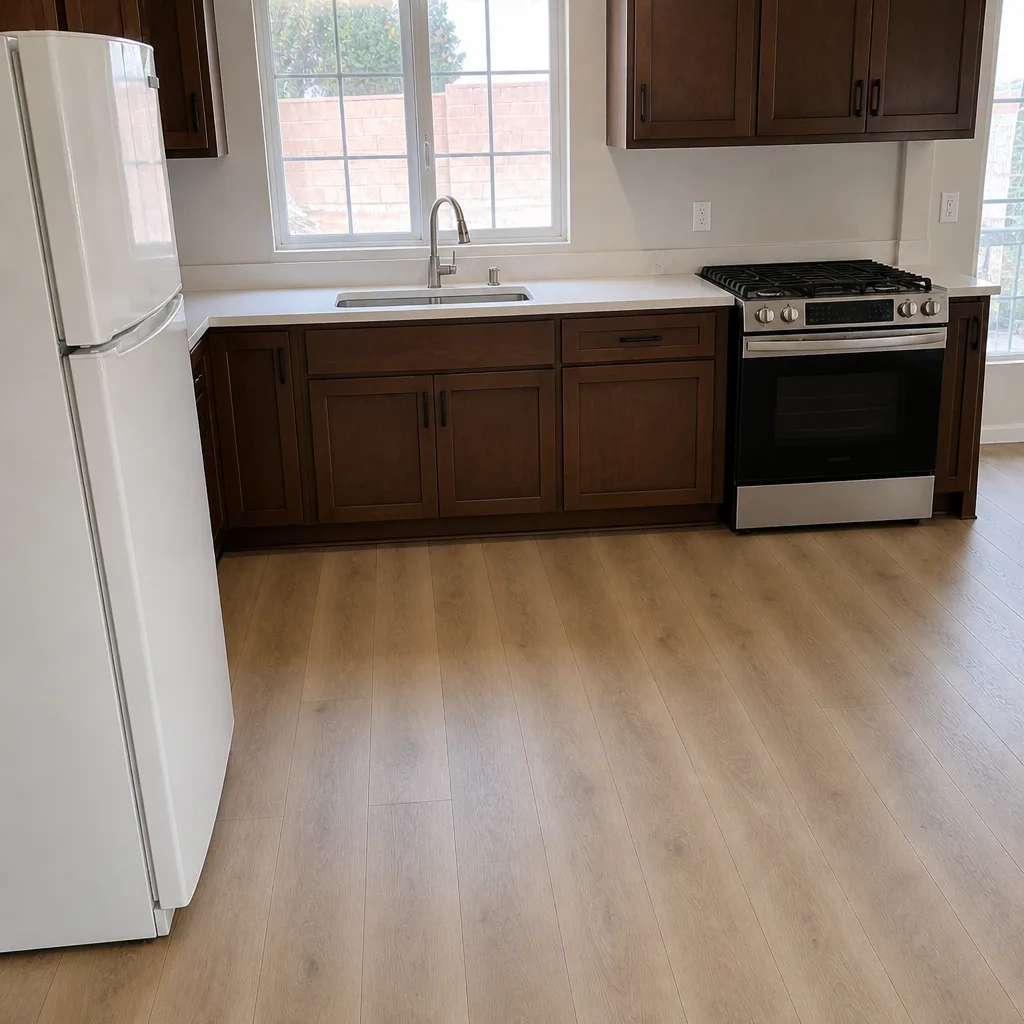 After
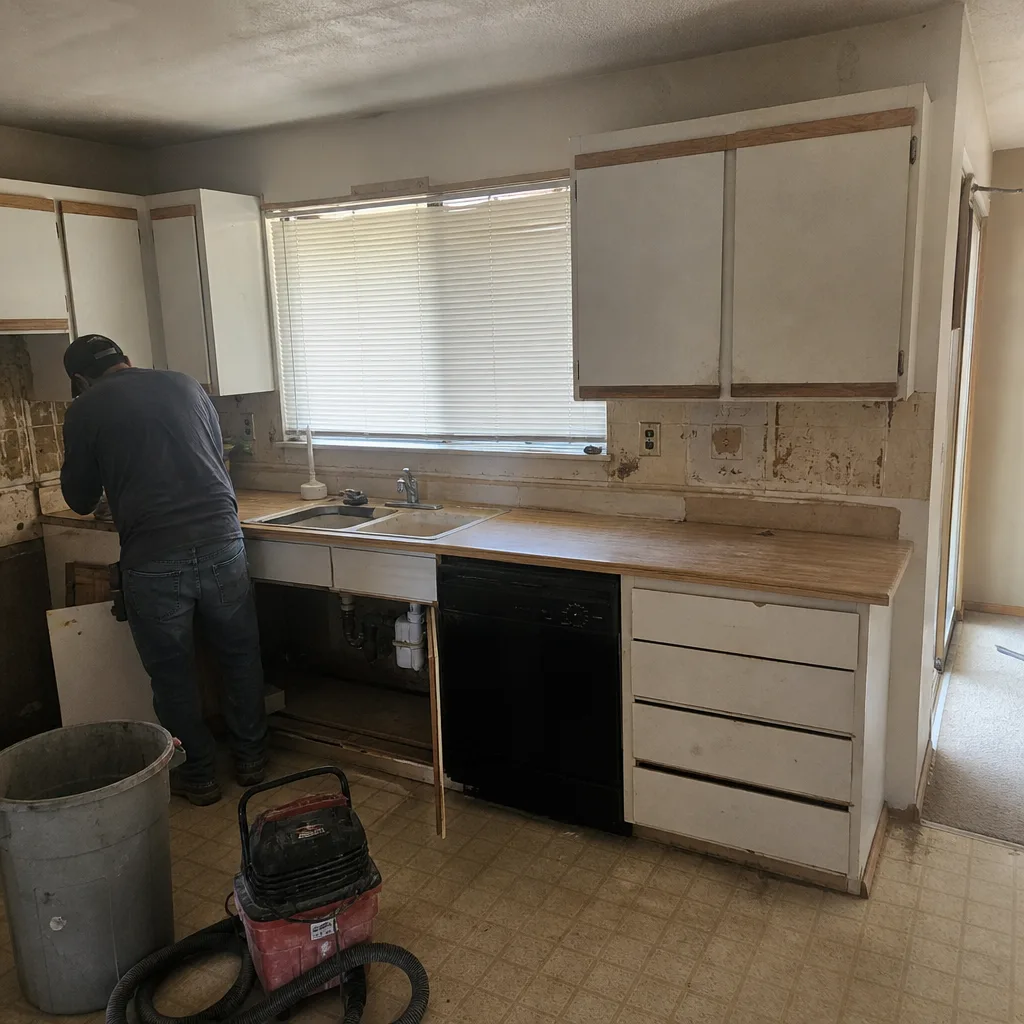 Before
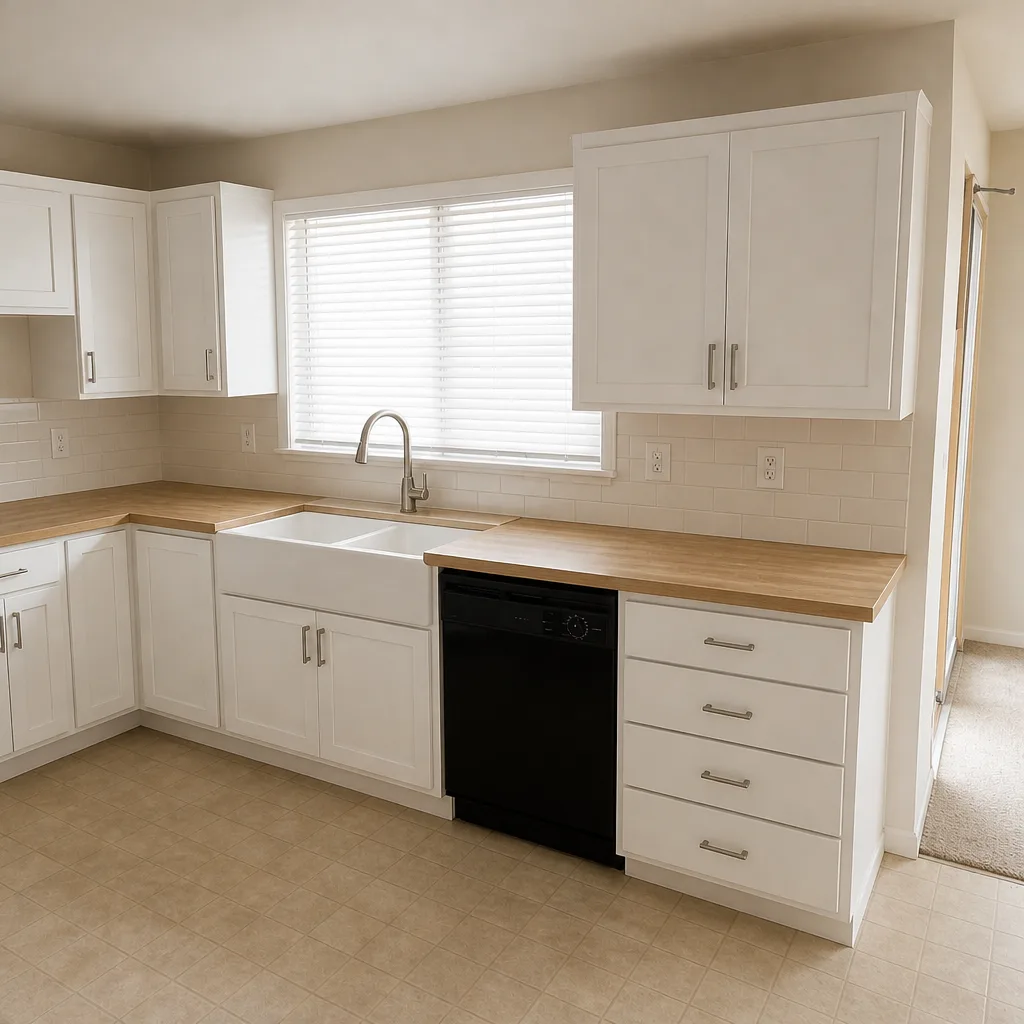 After
Home Addition vs ADU in Boulder City, NV: Which One Actually Fits Your Lot?
Choose a home addition unless your Boulder City lot is a small historic-core parcel with a rear yard that can hold a detached structure – on those lots, an ADU is often the easier permit. Most guides tell you an addition is the simpler project. On a 1930s Hoover Dam-era lot with a tight footprint and a 40% lot-coverage cap, that assumption can be exactly backwards. Here’s the honest decision framework, then upfront numbers. For a side-by-side scoped estimate covering both options, call (888) 282-1693 – a live person answers, day or night.
Key Takeaways
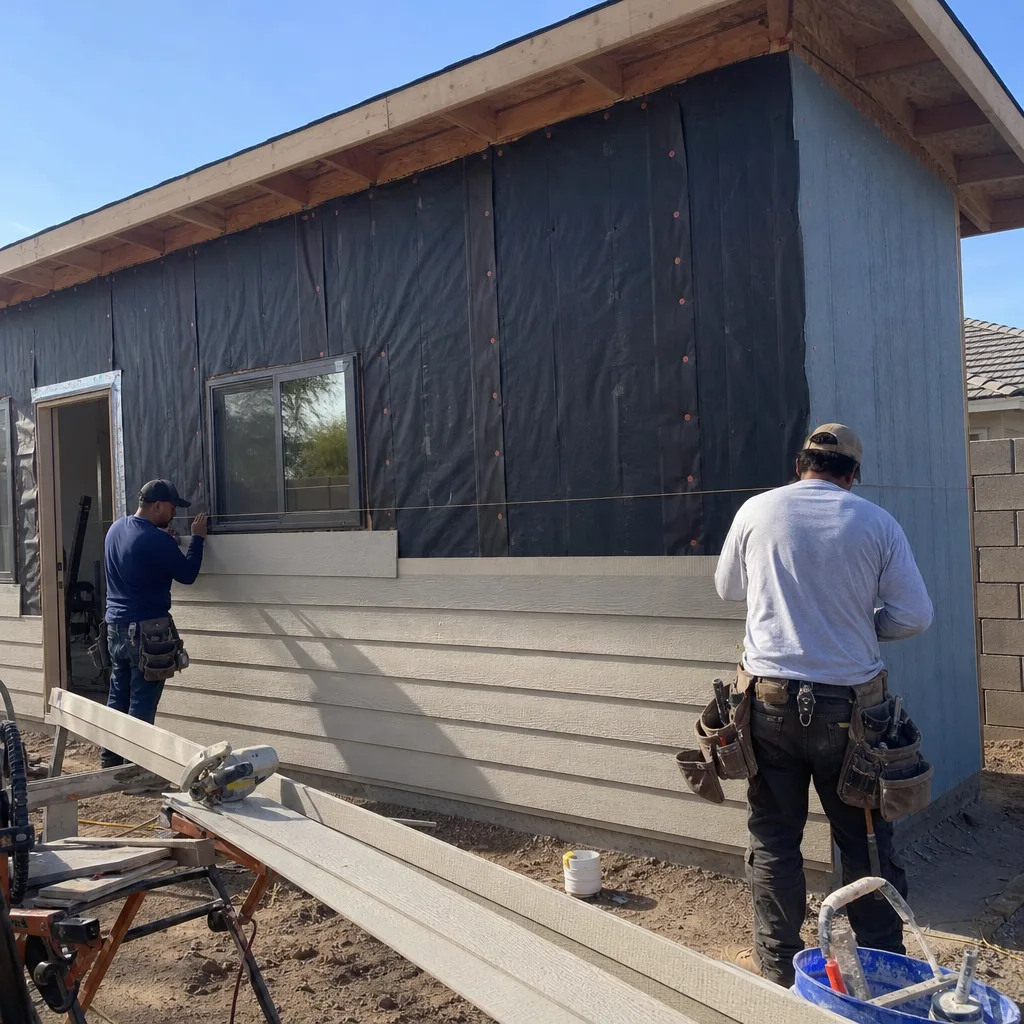
- On older platted historic-core lots, a big addition can consume your remaining lot coverage and lock out a future detached garage or ADU.
- A detached ADU tucked away from the street may avoid Historic Preservation Commission review; a rear addition that changes a contributing structure’s roofline almost always triggers it.
- An ADU can produce rental income that offsets its cost; an addition adds living space but earns nothing.
- Attaching to a 1930s pier-and-beam cottage means foundation matching and likely code upgrades. A detached ADU on its own slab never touches the original framing.
Why Boulder City Lots Flip the Usual Math
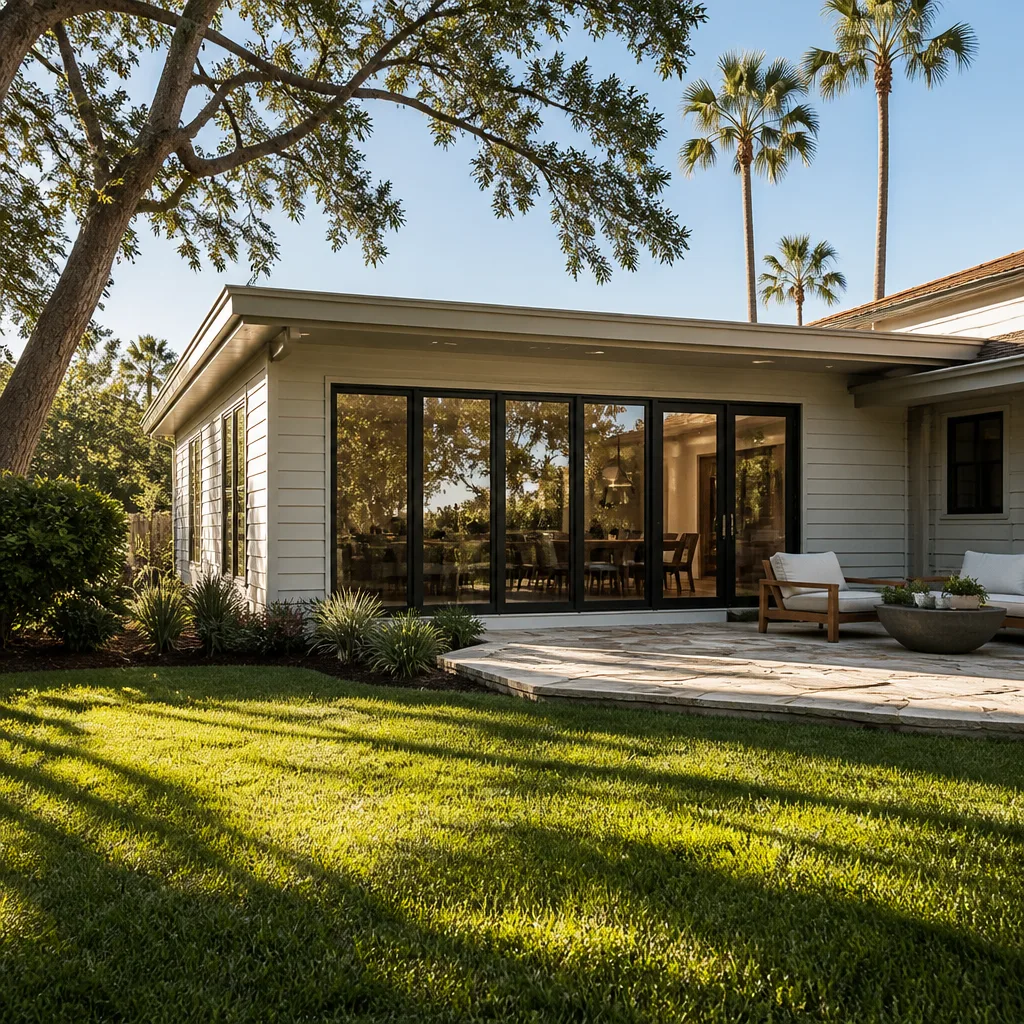
Boulder City is a federally chartered 1931 company town, built by the Bureau of Reclamation to house Hoover Dam workers. That history is why most of the historic district’s original bungalows and modest 1930s-40s cottages sit on small, older-platted lots – footprints that are noticeably tighter than what you’d find in a newer Henderson subdivision.
Here’s the operator detail most comparison guides skip: on a 6,500 sq ft Hoover Dam-era lot, a rear addition big enough to add a real bedroom plus bath can eat most of your remaining permitted lot coverage. Once that coverage is gone, so is any future detached garage or ADU. You’ve permanently limited the property’s flexibility – and you spent money to do it.
Reversing that logic is the whole point of this page. Where a lot is tight, a compact detached ADU often permits more cleanly than the addition people assume is simpler. Same property, opposite answer.
Historic Preservation Review: The Risk Most Homeowners Miss
A detached ADU on a historic-core property that isn’t visible from the street may avoid Historic Preservation Commission review entirely. A rear addition that changes the roofline of a contributing historic structure almost certainly triggers it – and that review adds time, filing costs, and design constraints to your schedule.
Boulder City’s preservation rules reach further than most homeowners expect. Exterior alterations, additions, and even window replacement can pull you into review. A standard vinyl-window quote for a 1930s Hoover Dam cottage can come back told to match the original divided-light wood profile. That’s why brands like Therma-Tru and Mr-Glass come up on preservation-sensitive projects where the profile and finish have to pass muster, not just the price.

Side-by-Side: Addition vs. ADU in Boulder City
| Factor | Home Addition | Detached ADU |
|---|---|---|
| Typical Boulder City cost | $45,000-$130,000 | $90,000-$220,000 |
| Lot coverage impact | Consumes remaining coverage | Compact, sited to preserve flexibility |
| HPC review risk | High if roofline changes | Low if not visible from the street |
| Structural work | Foundation matching, possible code upgrade | Own slab, original framing untouched |
| Income potential | None | Rental income offsets cost |
| Best fit | Larger lots, growing household | Tight historic-core parcels |
One structure we don’t recommend skipping over: a garage conversion, usually $30,000-$80,000. If you already have a detached garage on the lot, converting it is the cheapest path to an income-producing unit – and it sidesteps new-construction lot coverage entirely.
What About the Money? Income Changes the ROI
An ADU generates rental income that can offset construction cost within 3-5 years at Boulder City’s proximity-to-Lake Mead rental premiums. A home addition adds living space but generates no income, so the ROI comparison isn’t simply construction cost per square foot. They’re different financial instruments: one appreciates your home, the other pays you monthly.
What should you check before deciding?
Start with lot coverage and setbacks. Measure what’s actually left after your existing footprint, then check whether your property sits in a preservation-sensitive area. Those two facts decide more than your budget does. Second, get a real structural read on the existing home – a 1930s pier-and-beam cottage with unreinforced brick or stucco-over-frame walls and knob-and-tube-era wiring will reveal surprises once walls open. Desert shrink-swell soils add slab and foundation cracking to the list. Plan for it, don’t discover it.
Third, get side-by-side scoped estimates with permit fees, engineering, and HPC filing costs broken out. Ballpark guesses from a phone sales call can’t settle this. Groundwork Construction Co. of Boulder City writes both numbers upfront – the number you see is the number you pay – so the decision rests on real figures.
Boulder City Pricing for Both Paths
What you’ll actually be quoted depends on scope, lot conditions, and review requirements. The ranges below reflect our Boulder City market, from first permit to final walkthrough.
- Home addition: $45,000-$130,000
- ADU construction: $90,000-$220,000
- Garage conversion: $30,000-$80,000
- Impact window installation: $8,000-$25,000
- Window replacement: $4,500-$15,000
Groundwork also offers $1,000 off projects over $10,000 and 0% financing for 18 months, which makes the larger build more reachable without cutting corners. Every project carries our 730-Day Done Right Promise – if it isn’t done right, we make it right. That’s one of the longest workmanship guarantees in residential construction, and it applies to the work no matter which option you choose.
FAQs
An addition is typically cheaper up front – roughly $45,000-$130,000 versus $90,000-$220,000 for an ADU – but the ADU can earn rental income that an addition never will. If your lot is tight, the addition may also cost more than the quote once historic review and code upgrades land. Call (888) 282-1693 for a free, scoped comparison of both.
Often yes. A rear addition that changes a contributing structure’s roofline almost always triggers Historic Preservation Commission review, while a detached ADU hidden from the street may avoid it. The lot coverage math usually makes it tighter too. A no-pressure assessment in Boulder City will tell you where your property stands – call for one.
Usually, yes, if there’s room after coverage and setbacks – and a detached ADU on its own slab avoids touching your original pier-and-beam framing. Garage conversions are the most budget-friendly path when a detached garage already exists. Call (888) 282-1693 to check your lot against the rules before you commit.
It often does. Matching a 1930s pier-and-beam foundation and bringing an original structure up to current code adds real cost to an attached build, while a detached ADU avoids both. Have it looked at before you sign anything – call for an exact quote, and estimates are free. See our full Home Additions & ADU service and Home Additions & ADU in Boulder City pages for scope details.
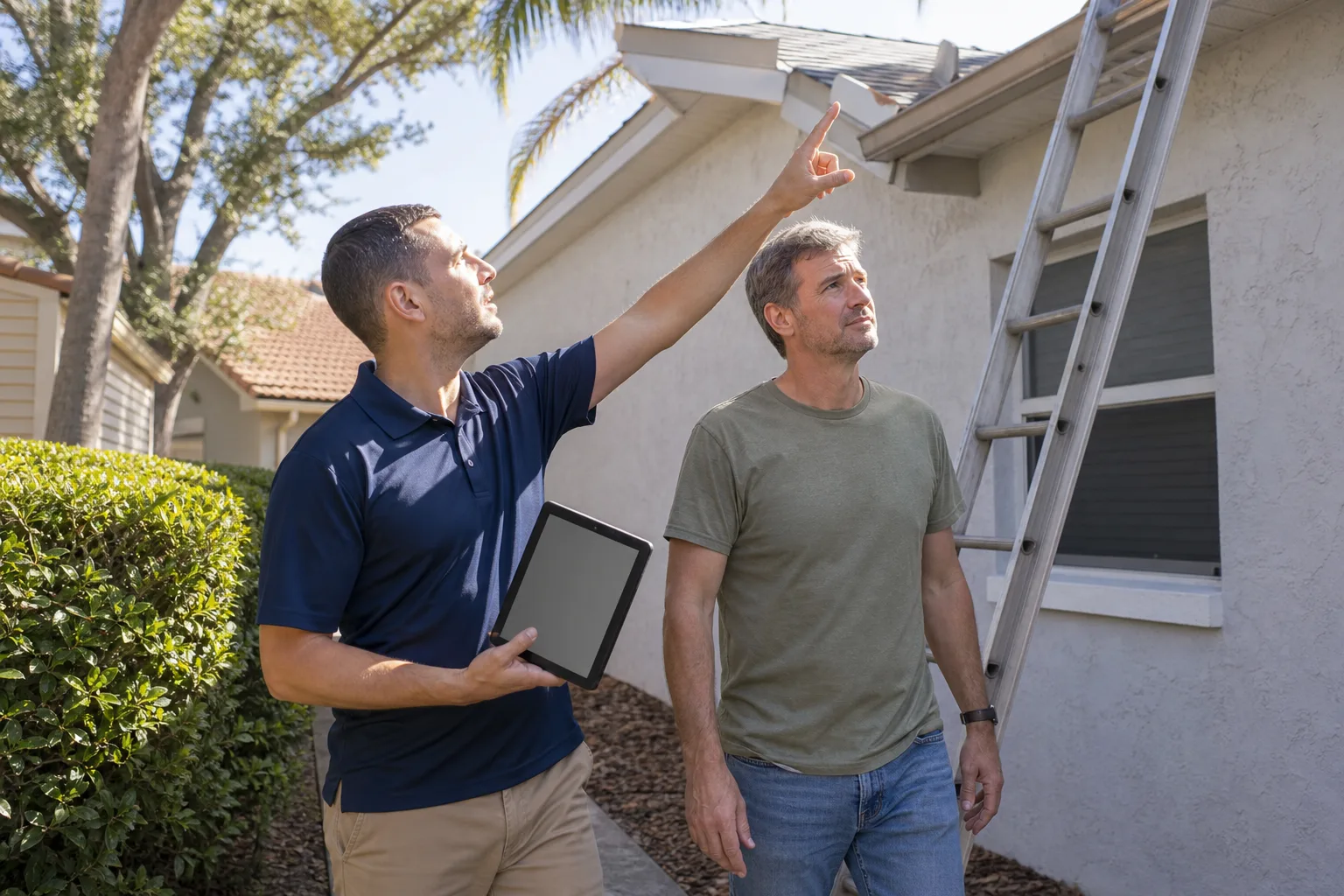
If you’d rather have it looked at, Groundwork Construction Co. of Boulder City offers a no-pressure assessment in Boulder City – call (888) 282-1693. We’ll walk your lot, run the coverage math, flag any preservation review, and hand you side-by-side numbers for both paths. Backed by our 730-Day Done Right Promise and upfront pricing from your first home call, the decision stays yours.
Written by the team at Groundwork Construction Co. of Boulder City, serving Boulder City, NV.