




Free written scope consultation - allowances, timeline, and change-order rules on paper before a single trade is scheduled
Styles & brands we work with
- Kitchen remodeling
- Bathroom remodeling
- Home additions & ADU
- Roofing
- Windows & doors
- Driveway & pavers
- Fence
See the difference
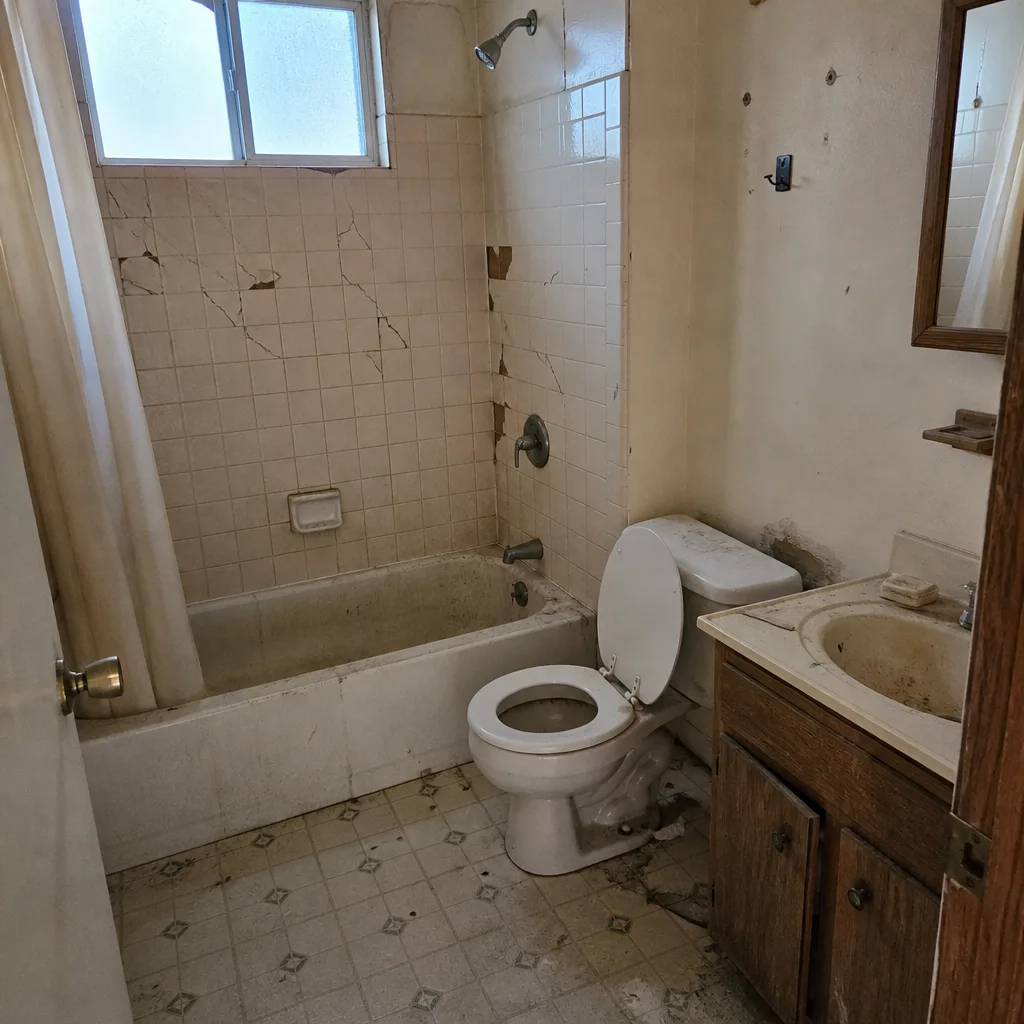 Before
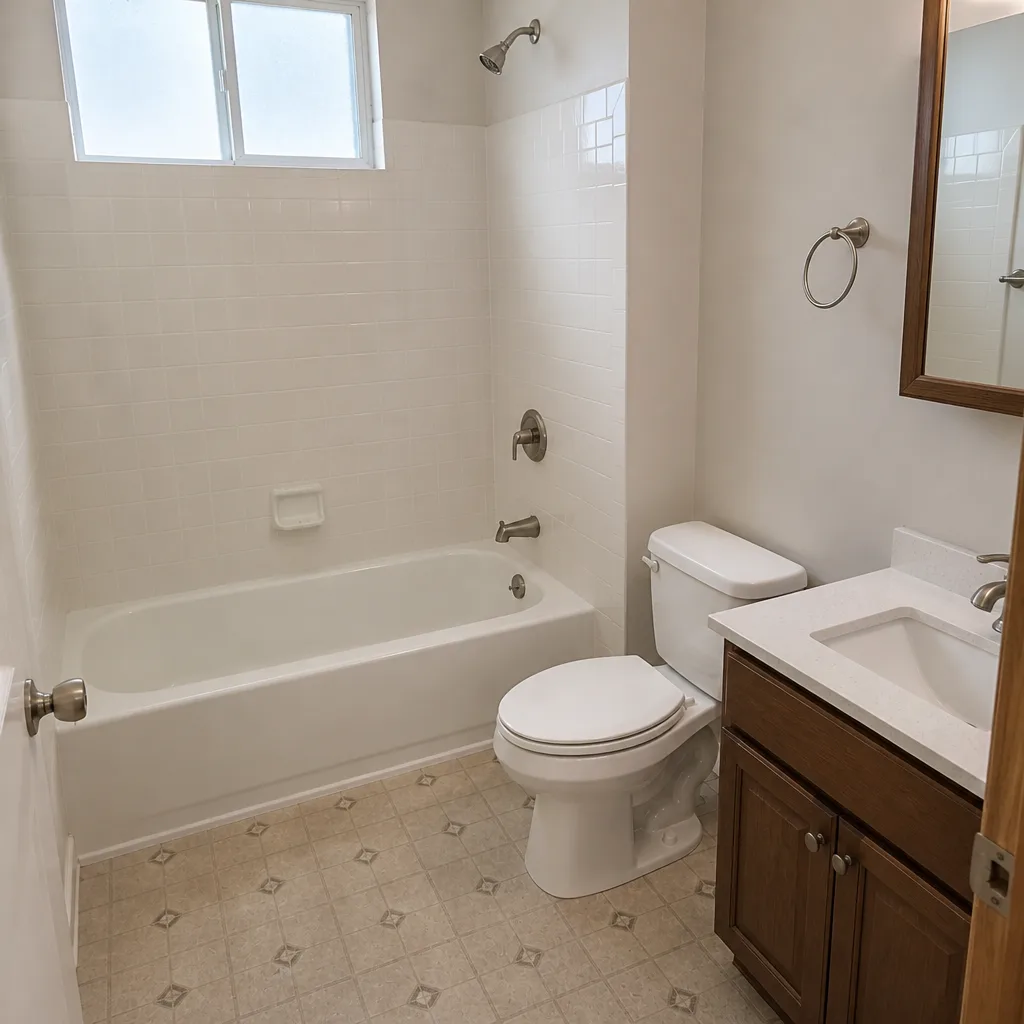 After
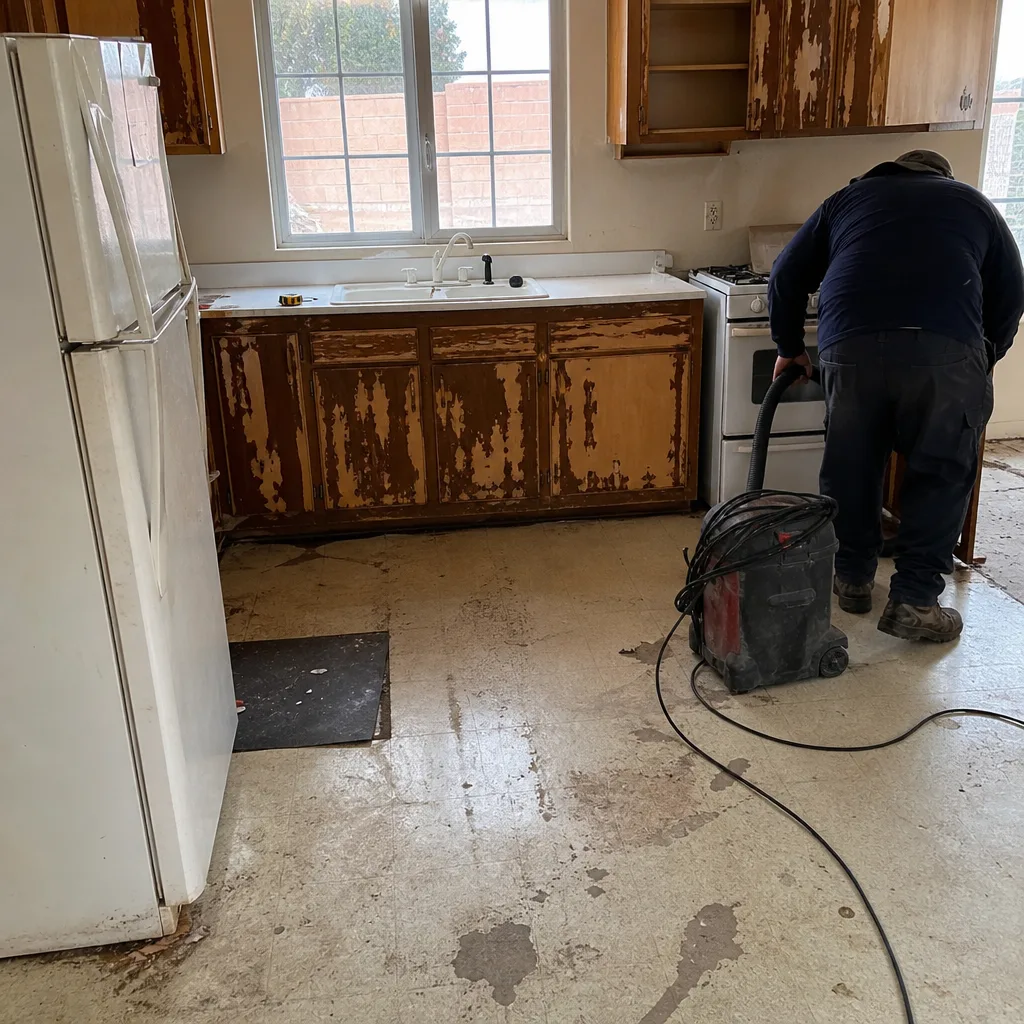 Before
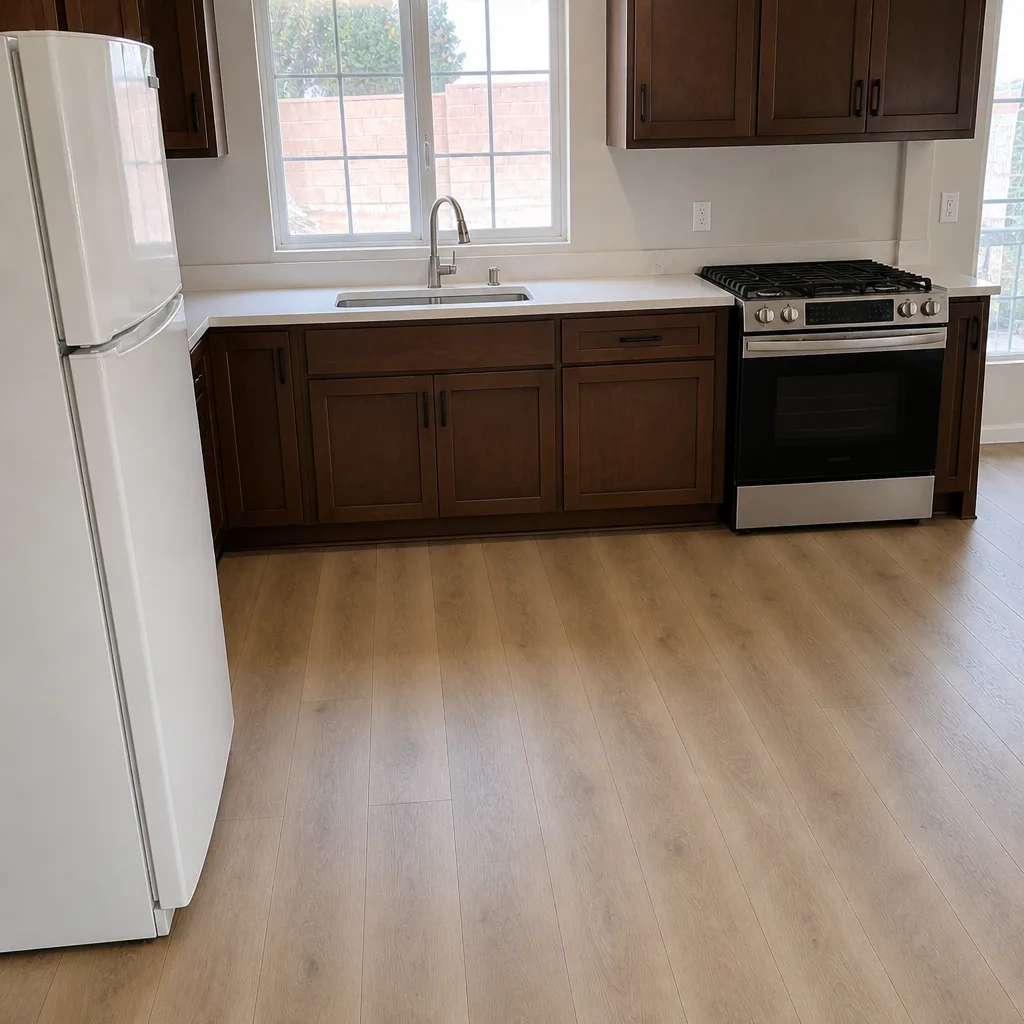 After
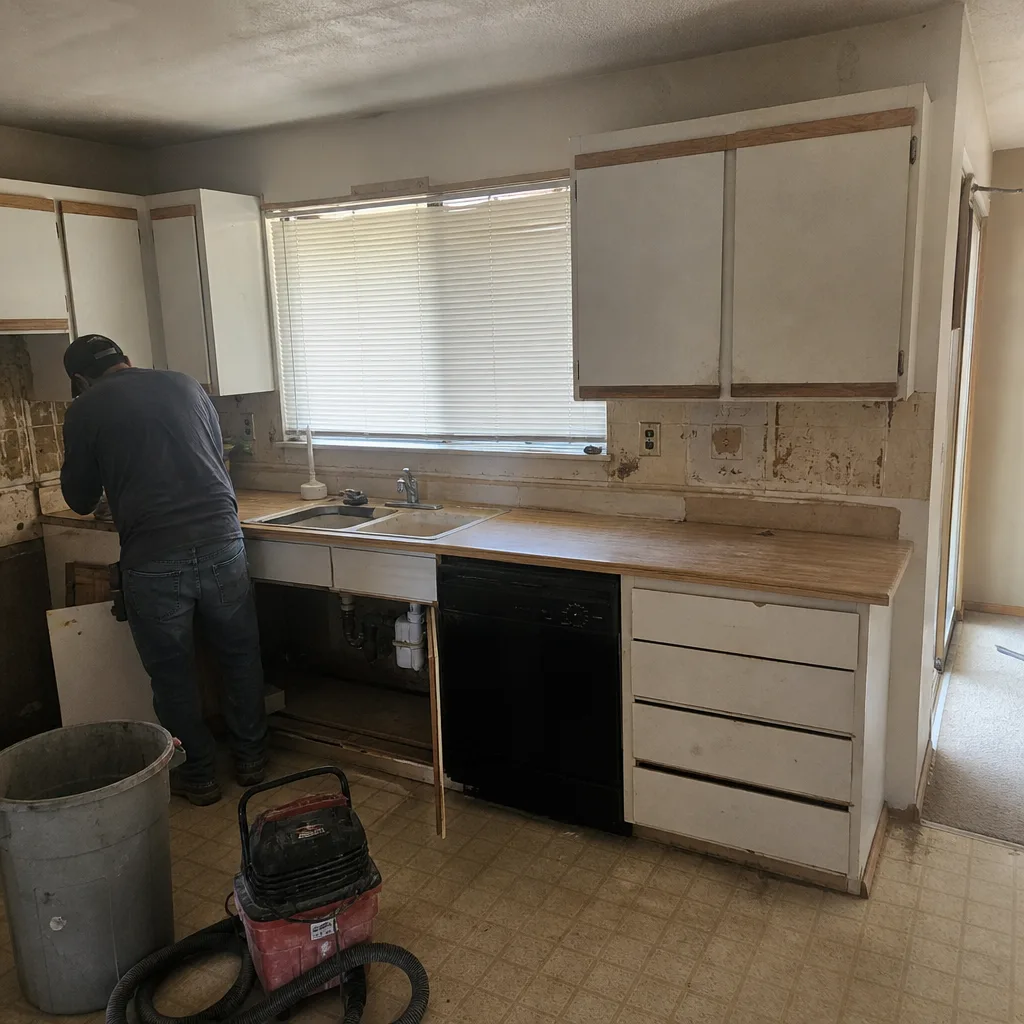 Before
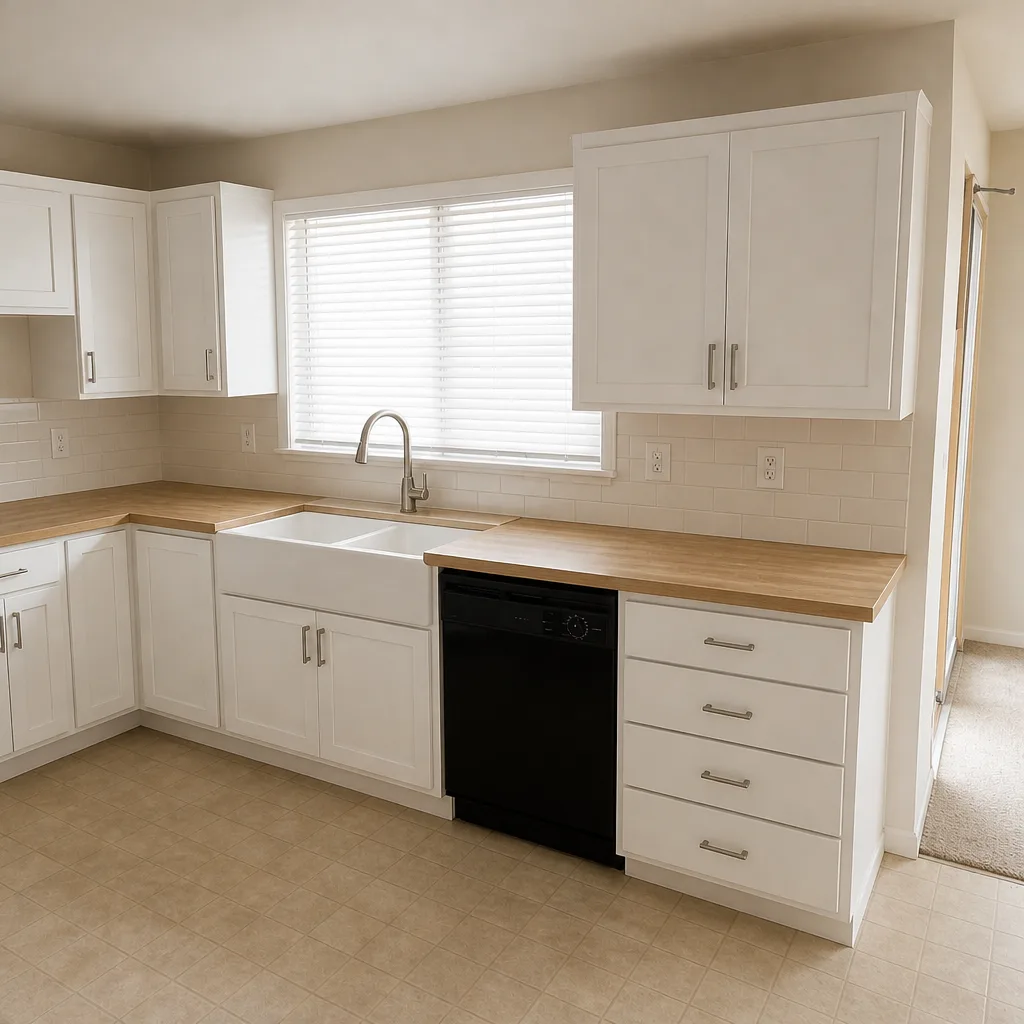 After
Roof Hail Damage Signs in Boulder City, NV: What to Look For After a High-Desert Storm
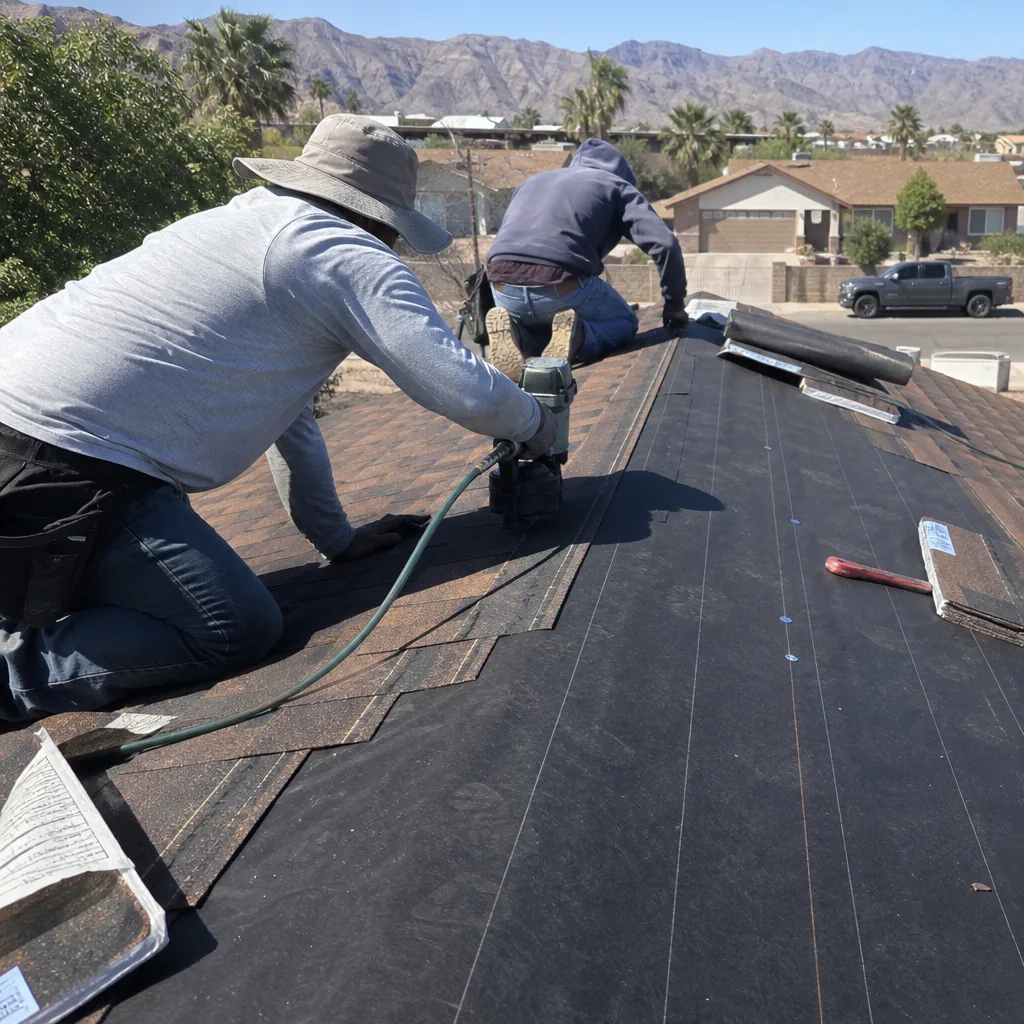
The most common signs of roof hail damage in Boulder City are a “spatter” pattern of bare fiberglass mat spots rather than neat circular bruises, dents in soft aluminum flashing around chimneys and vents, and broken adhesive seals along shingle courses that let the next monsoon wind lift them. On shingles that have baked in Mojave UV for a decade or more, even pea-sized hail can do this damage, which is why the impact threshold here is lower than the charts adjusters use. If you’ve just come through a July convective storm, call Groundwork Construction Co. of Boulder City at (888) 282-1693 for an inspection before you touch anything or sign anything.
Key Takeaways
- Boulder City averages fewer than three hail days a year, but UV-degraded shingles fail at a much lower impact energy than new ones.
- Look for concentrated granule loss and exposed mat spots, not just round dents.
- Dented aluminum flashing is the tell that confirms shingle damage is real even when it looks borderline.
- Hail here usually arrives with 40-60 mph monsoon gusts, so wind-and-hail damage is the more common pattern.
- Documentation (photos, measurements, a written assessment) is what gets a claim paid, not a verbal opinion from a storm chaser.
Why Hail Damage Looks Different on a Boulder City Roof
Boulder City sits in the Mojave Desert at roughly 2,300 to 2,500 feet near Lake Mead, with summer highs that routinely run 100 to 110°F and relentless UV. That climate ages an asphalt shingle in a way a roof in a cooler, wetter market never sees. The granule mat gets brittle, the asphalt binder loses flexibility, and the whole surface becomes less able to absorb an impact.
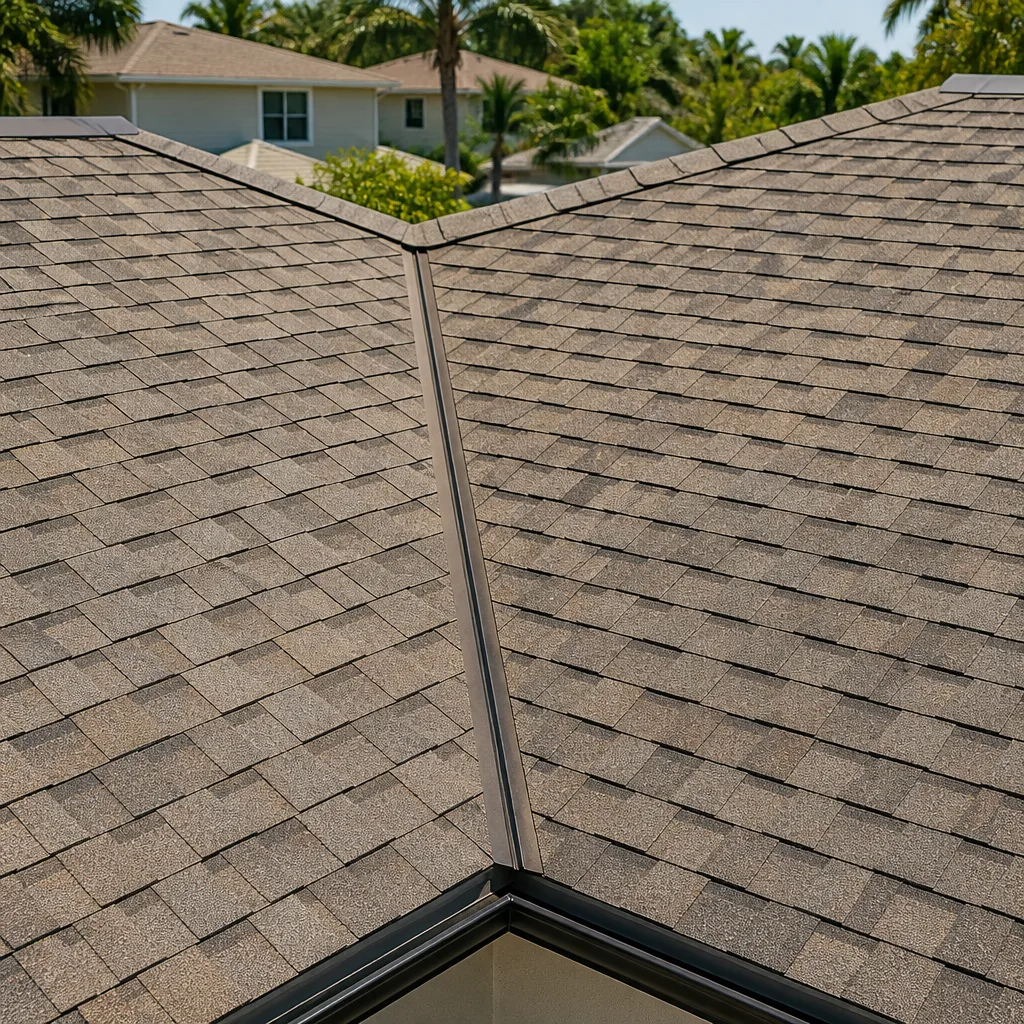
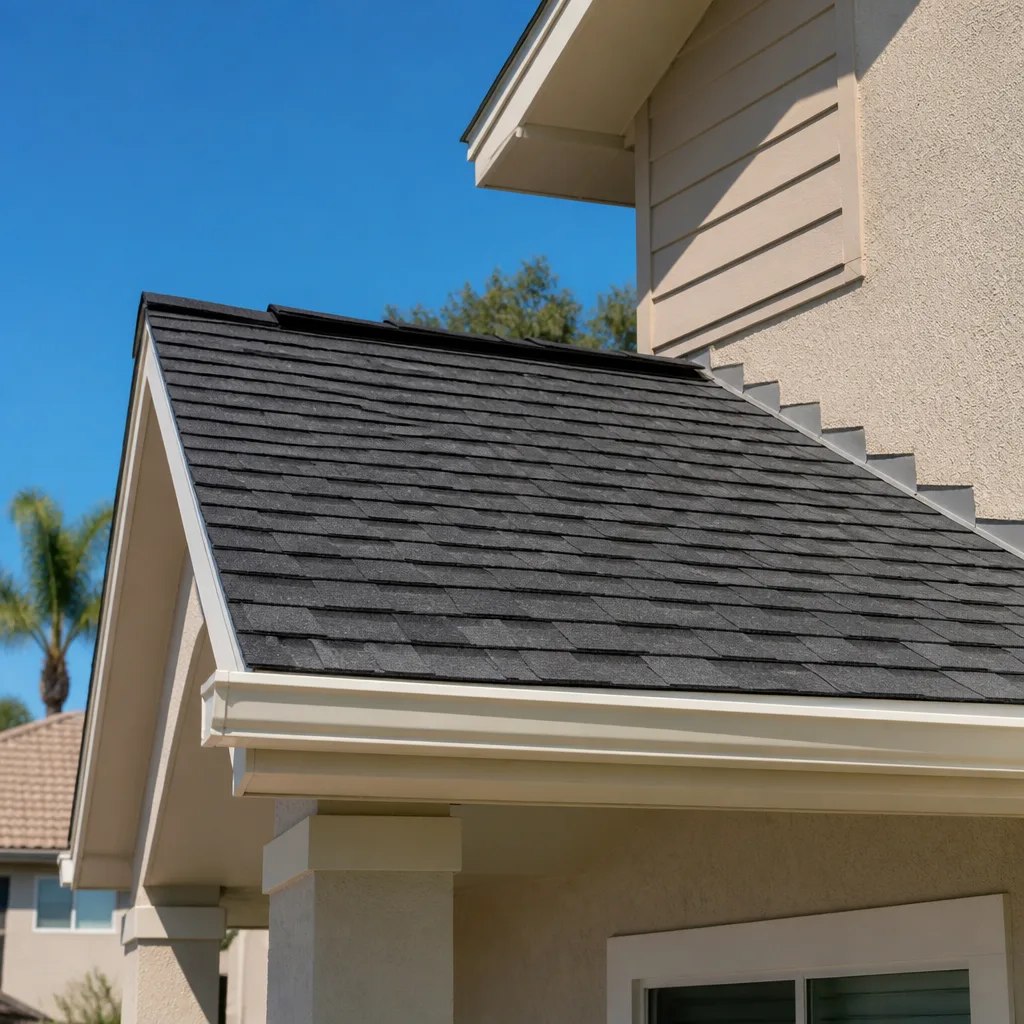
Then a July convective storm rolls through and drops pea- or marble-sized hail. On a new roof, that might leave nothing. On a shingle that’s spent ten summers at 110°F, it knocks granules loose in a scattered, irregular pattern rather than a clean round bruise. That’s the single biggest thing to understand when you’re inspecting your own roof in Boulder City: you’re not looking for the golf-ball dents in every generic article you’ve read. You’re looking for spots where the dark granules are gone and the lighter fiberglass mat shows through in a spray or spatter, often concentrated on the south- and west-facing planes that take the most sun.
What to check from the ground first
- Granule accumulation in gutters: a sudden flush of granules after a storm is a real signal. Some granule loss is normal aging; a heavy dump the day after hail is not.
- Spatter-pattern mat spots: look for clusters of bare spots on the sun-facing slopes, not evenly spaced weathering.
- Dented soft metal: check the aluminum flashing around chimneys, vents, and the roof edge. If it’s dented, treat the shingle damage as real.
- Lifted or curling shingles: black diamond-shaped gaps where adhesive strips broke are a wind signature.
- Interior clues: fresh ceiling stains or attic moisture after a storm, even small ones.
The Flashing Test That Confirms What Your Eyes Can’t
Here’s where we get practical. Shingle damage on a UV-aged roof in Boulder City is often subtle enough that two people can look at the same slope and disagree. The aluminum flashing around your chimney and vents settles the argument. Aluminum is soft, and hail that’s borderline for a shingle will still dent it.
So the logic works this way: if the flashing is dented, the shingle damage is real regardless of how faint it looks. A dent in the metal is objective evidence of impact energy in that exact spot. It also happens to be the kind of evidence an adjuster can’t wave away, which matters more here than most homeowners realize. Adjusters trained on Texas or Front Range hail patterns are used to obvious circular bruises. When they see a Boulder City roof with spatter loss and dented flashing but no textbook bruises, some will undervalue the claim. Documented flashing dents give you a leg up on that conversation.
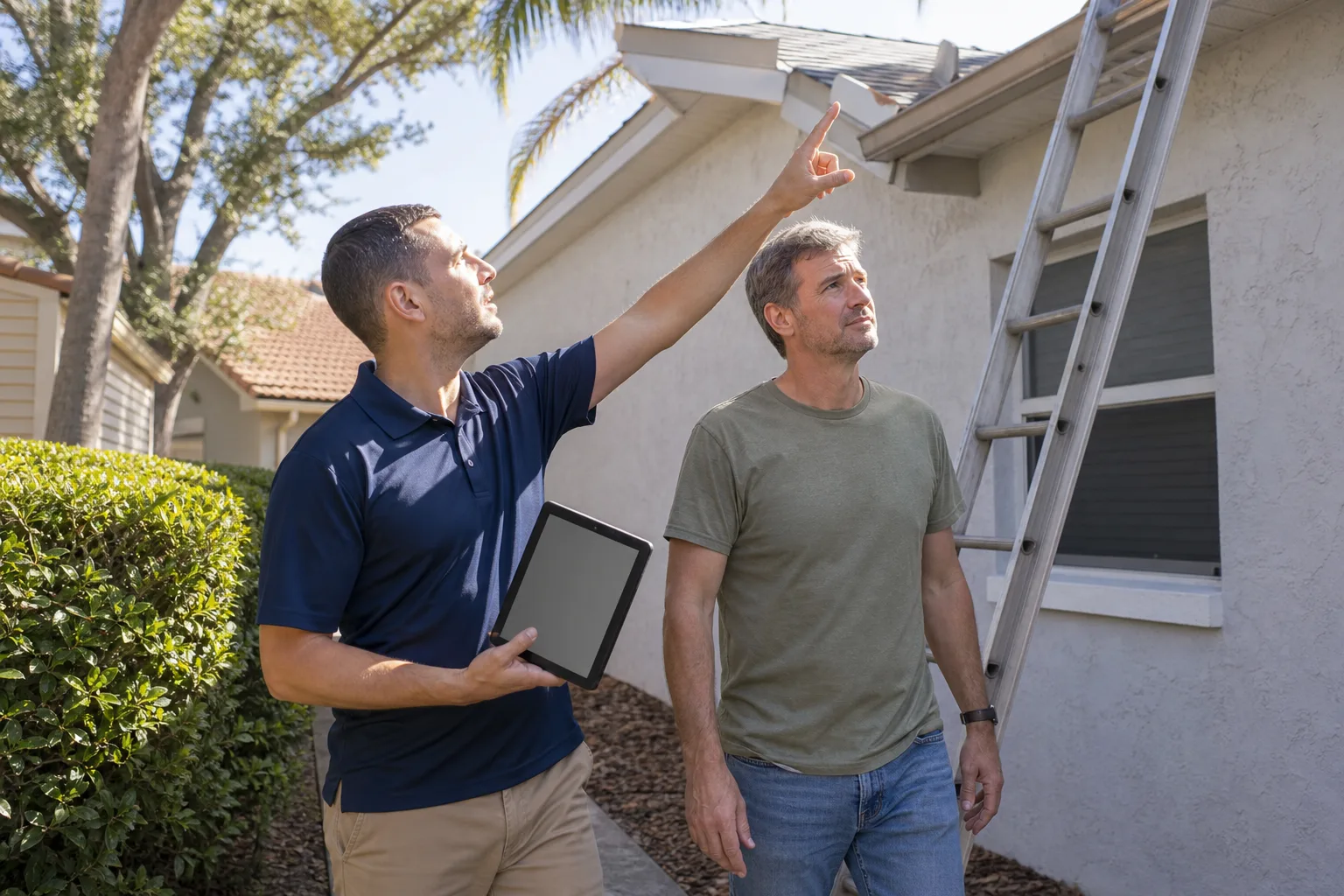
Our technicians have up to 12 years of experience reading high-desert storm damage, and if you’d rather have a trained eye confirm it, our Roofing team handles inspections across the area. If the roof needs more than a spot repair, our Boulder City service area page covers the full scope of what we handle here.
Wind Usually Does More Than Hail: The Combined-Damage Pattern
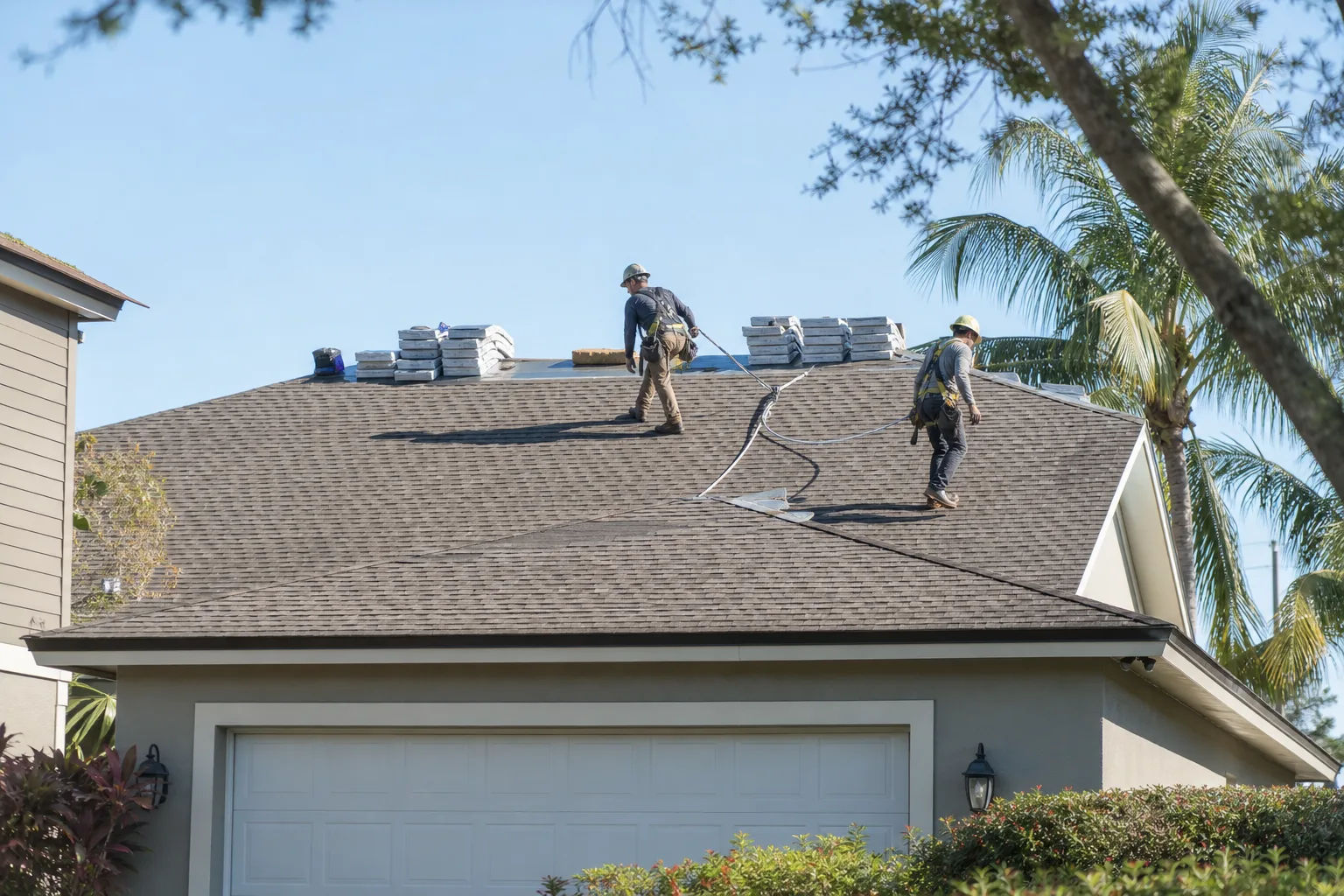
Boulder City hail rarely arrives alone. The same monsoon cells that produce hail typically carry 40 to 60 mph wind gusts, and that combination is the more common damage pattern here than pure hail impact. The inspection protocol has to account for both. That means checking for broken adhesive strips along every course, not just looking for surface marks and calling it done.
When a seal breaks, the shingle is primed to lift on the next gust. A homeowner who only has the hail inspected may get the visible impact fixed while the lifted courses get ignored. Then the first big wind after the repair peels them back and the leak shows up somewhere unexpected. We inspect for both and write down both, instead of handing over a punch list for one.
What It Costs to Fix Hail Damage in Boulder City
Repair costs depend on how many shingles are affected and whether the damage is a handful of mat spots or several compromised courses. Here’s what the work typically runs in this market, with upfront pricing so you know the number before anyone climbs up.
| Service | Typical Boulder City Range |
|---|---|
| Roof repair (spot hail/wind damage) | $400-$1,800 |
| Tile roof repair | $600-$2,500 |
| Full roof replacement (if damage is widespread) | $8,000-$20,000 |
| Metal roof installation | $15,000-$40,000 |
For larger scopes, we back every job with the 730-Day Done Right Promise: if it’s not done right, we make it right. That promise covers workmanship, not the storm itself, but the written inspection we produce is what helps carry your insurance claim forward. GAF and Owens Corning systems are available when replacement is the right call, and projects over $10,000 qualify for $1,000 off plus 0% financing for 18 months.
Who Is Actually on Your Roof After a Storm?
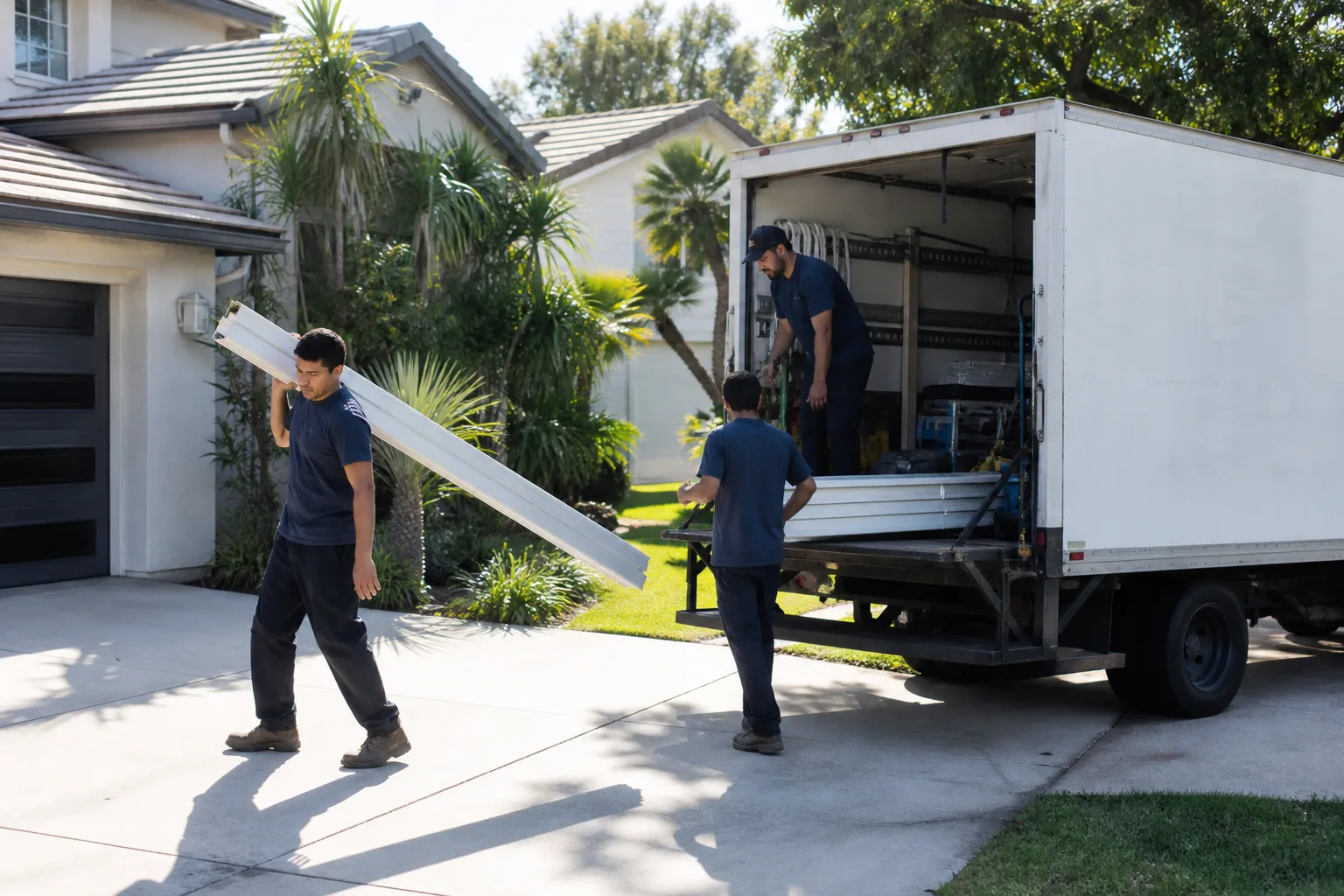
Post-storm inspection is prime season for predatory contractors who follow hail paths across the desert, knocking on doors and offering quick sign-overs. Too often the homeowner has no idea who just climbed up there. That’s a real risk, and it’s exactly why it matters that our technicians are background-checked and arrive in uniform, identified and accounted for. You’ll know who’s on your roof.
It’s also why we put the findings in writing. A photo set, measurements, and a written assessment give you evidence a verbal “looks bad, sign here” from a storm chaser can’t. Call us 24/7 and you get a live person, not voicemail, so you can schedule the inspection the day the storm passes rather than waiting for Monday.
FAQs About Roof Hail Damage Signs in Boulder City
Look for bare fiberglass mat spots in a spatter pattern on the sun-facing slopes, granule accumulation in the gutters, and dented aluminum flashing around chimneys and vents. Dented flashing is the most reliable confirmation, since metal dents where UV-aged shingles can mask an impact. If you spot any of these, a professional inspection is the next step. Call (888) 282-1693; estimates are free.
Repairs typically run $400-$1,800, while tile roof repair lands between $600 and $2,500. Full replacement, if damage spans many courses, runs $8,000-$20,000. We quote upfront so the number you see is the number you pay. Call (888) 282-1693 for an exact figure.
We schedule inspections quickly after a storm and answer calls live 24/7, so you can reach a person the day the weather clears. That speed matters because damaged shingles left through the next wind event usually get worse. Call (888) 282-1693 to book a slot.
Hail damage is generally covered, but the claim hinges on documentation. The adjuster needs evidence of impact, and well-photographed flashing dents and mat spots are what make the case. Our written assessments give you that evidence. Call (888) 282-1693 to start with an inspection.
If you’d rather have it looked at, Groundwork Construction Co. of Boulder City offers a no-pressure assessment in Boulder City. Call (888) 282-1693, and we’ll get eyes on the roof and put the findings in writing.
Written by the team at Groundwork Construction Co. of Boulder City, serving Boulder City, NV.