Free written scope consultation - allowances, timeline, and change-order rules on paper before a single trade is scheduled
Styles & brands we work with
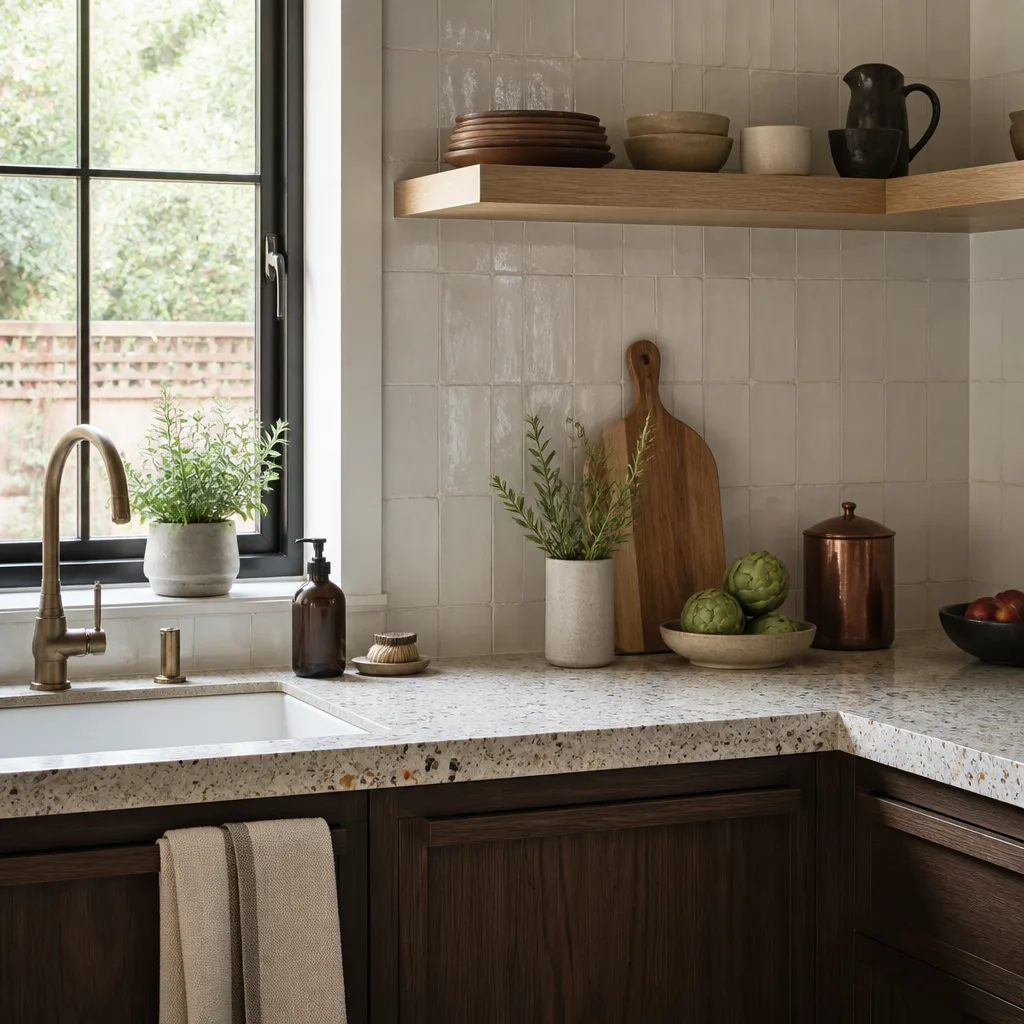
- Kitchen remodeling
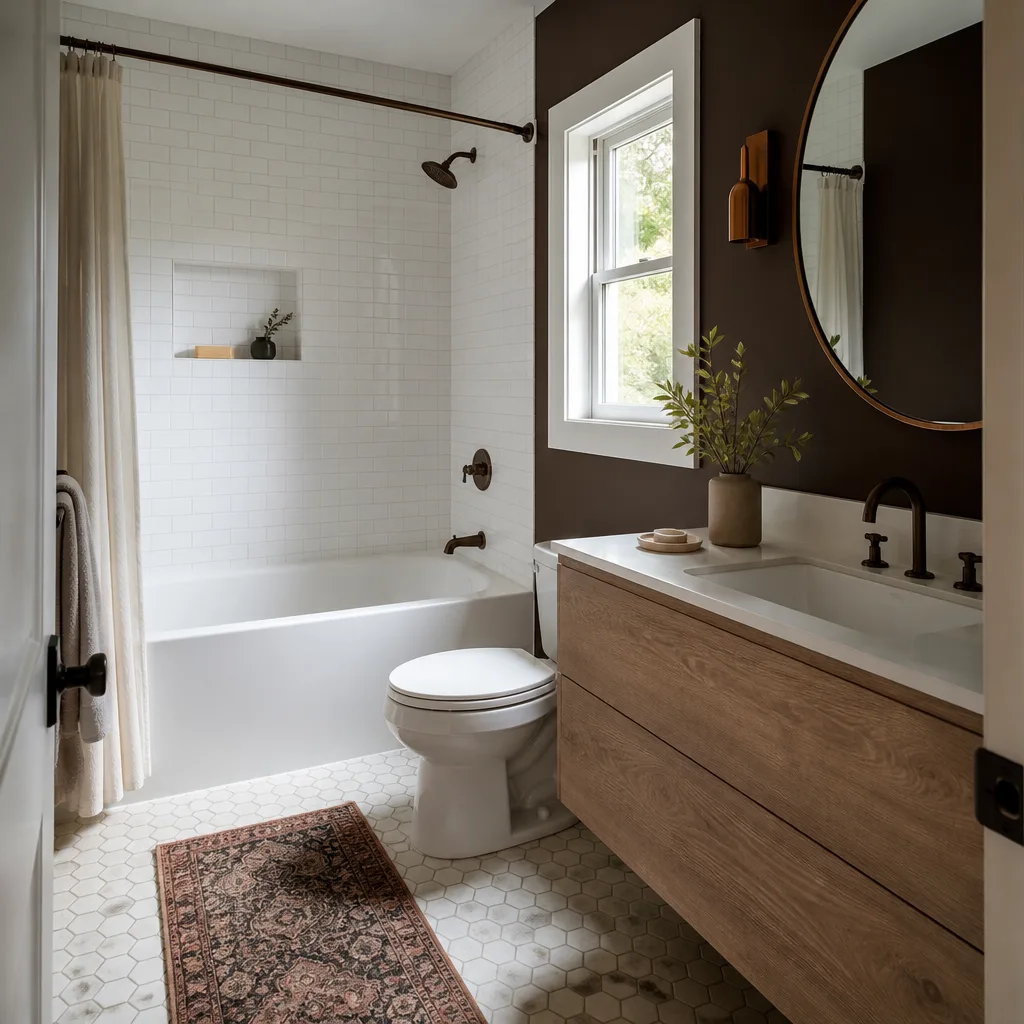
- Bathroom remodeling
- Home additions & ADU
- Roofing
- Windows & doors
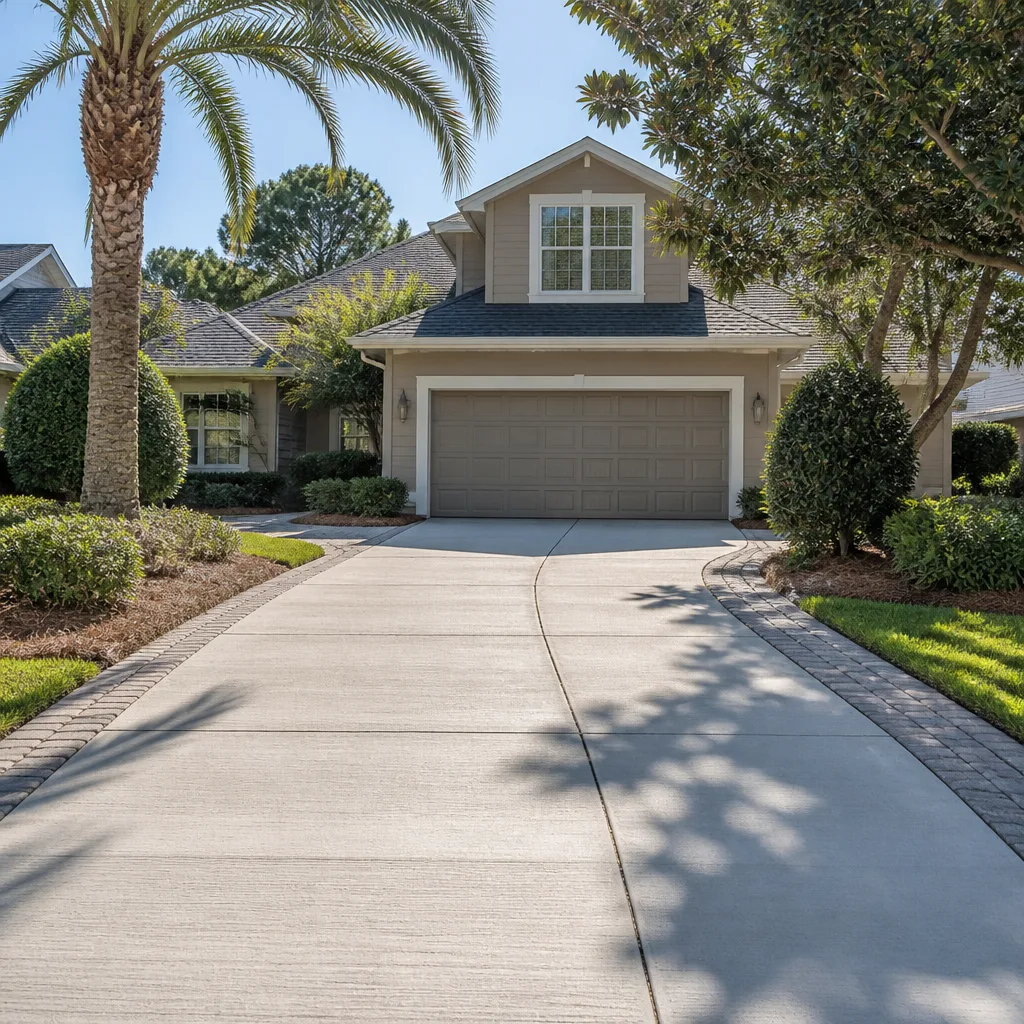
- Driveway & pavers
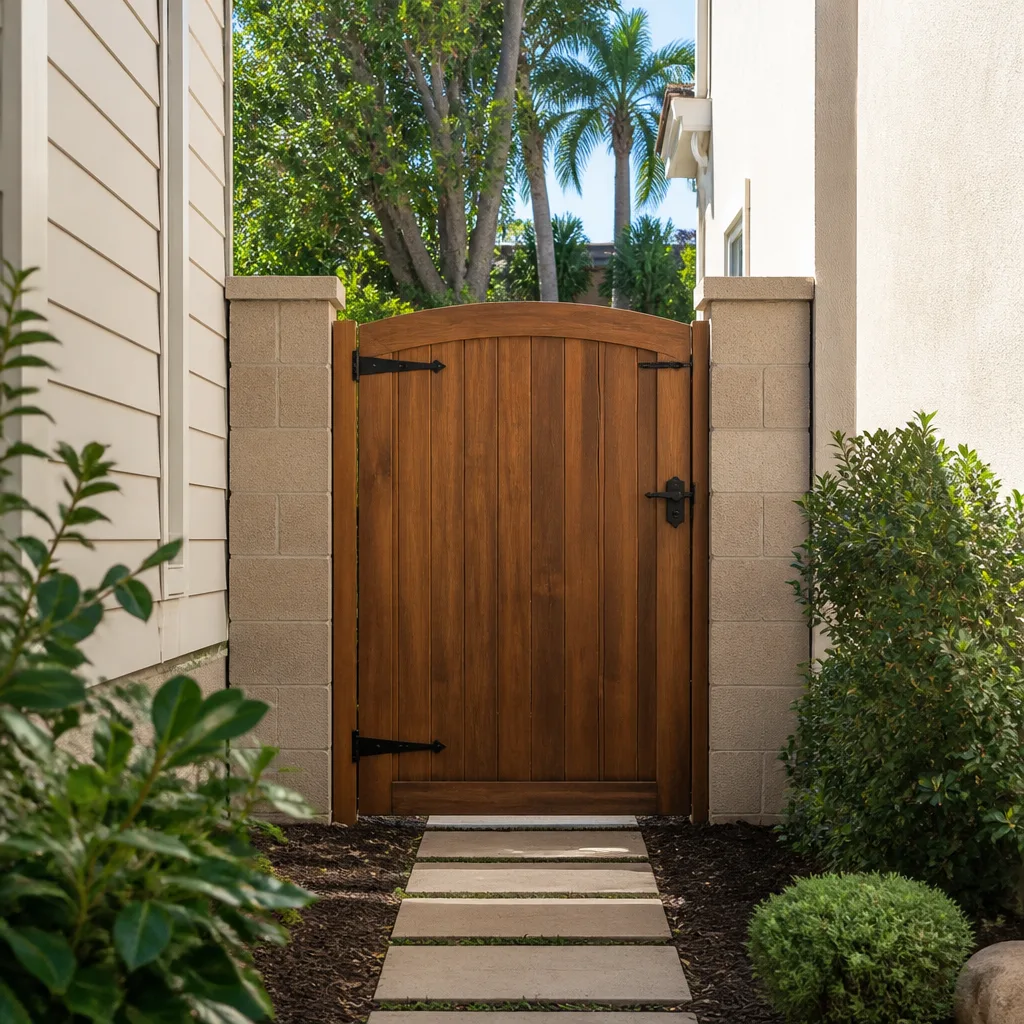
- Fence
See the difference
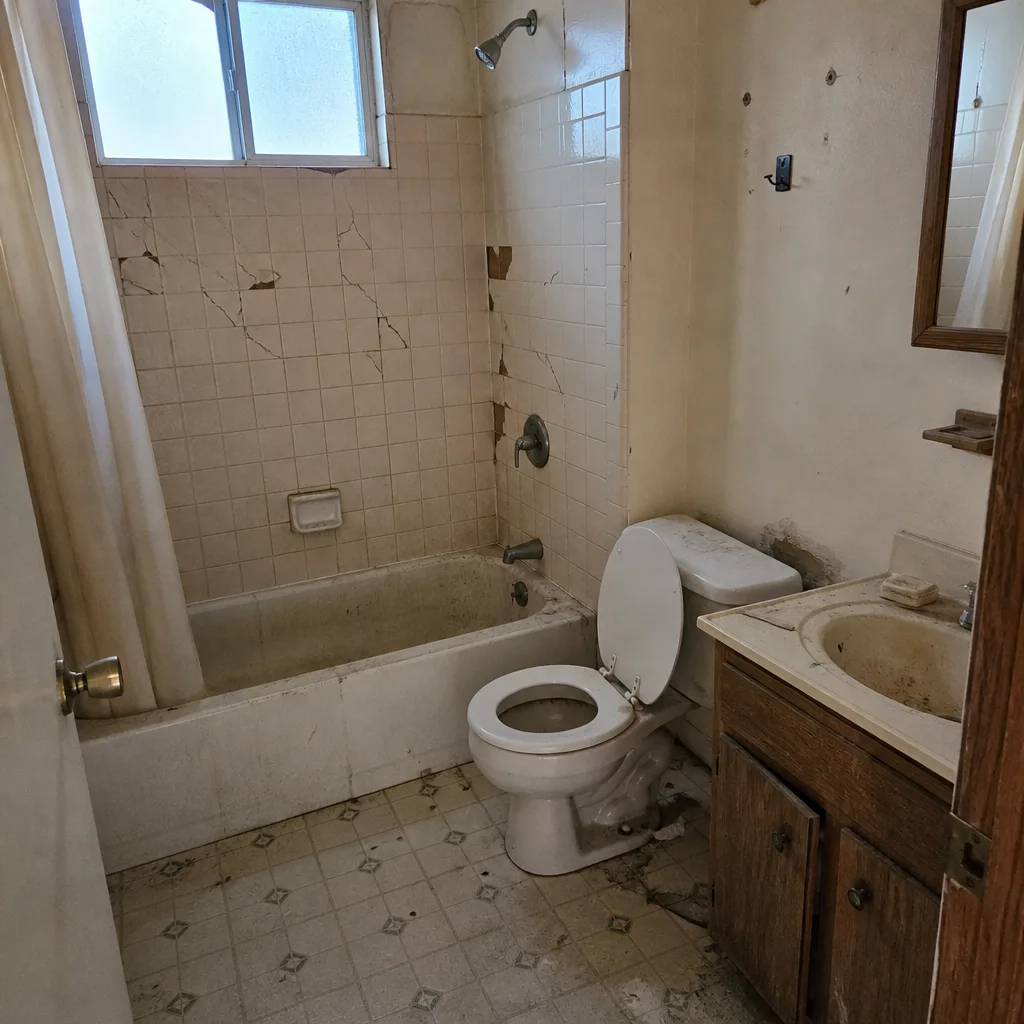 Before
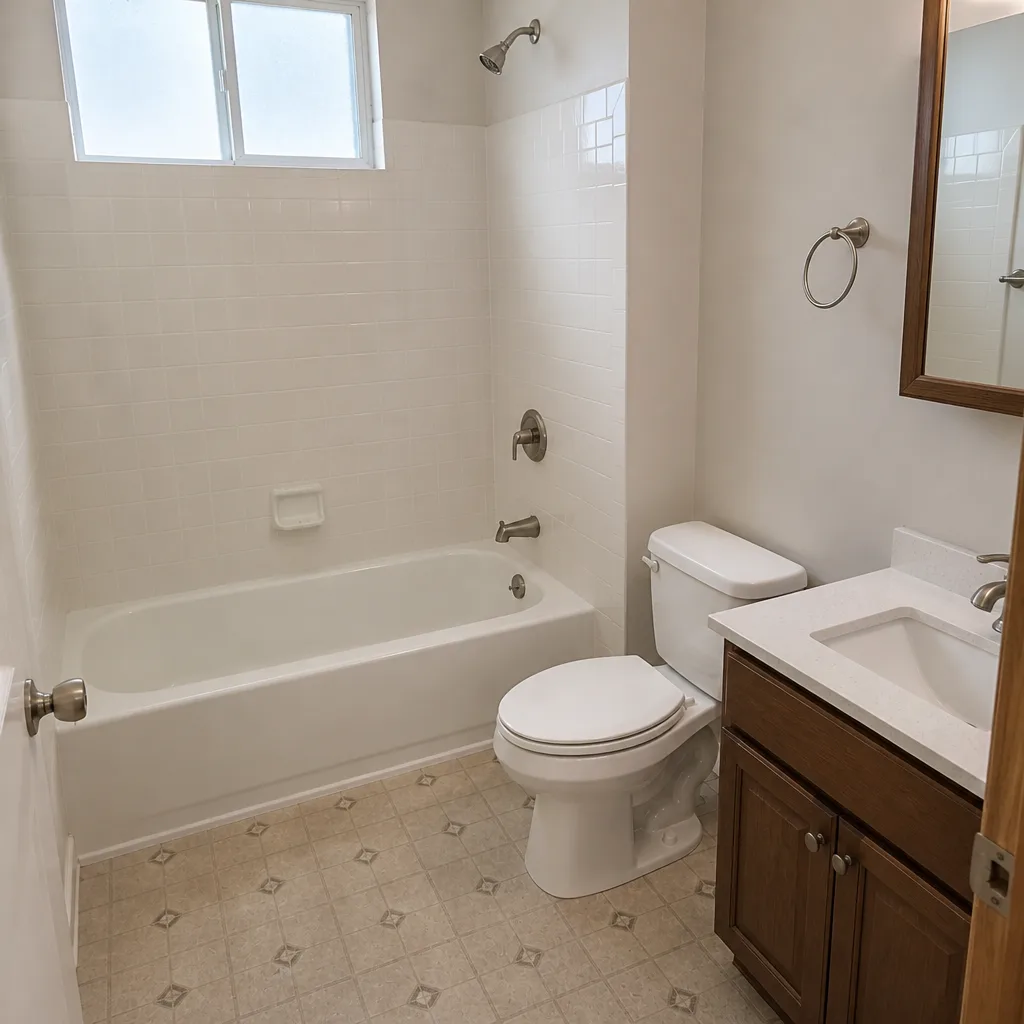 After
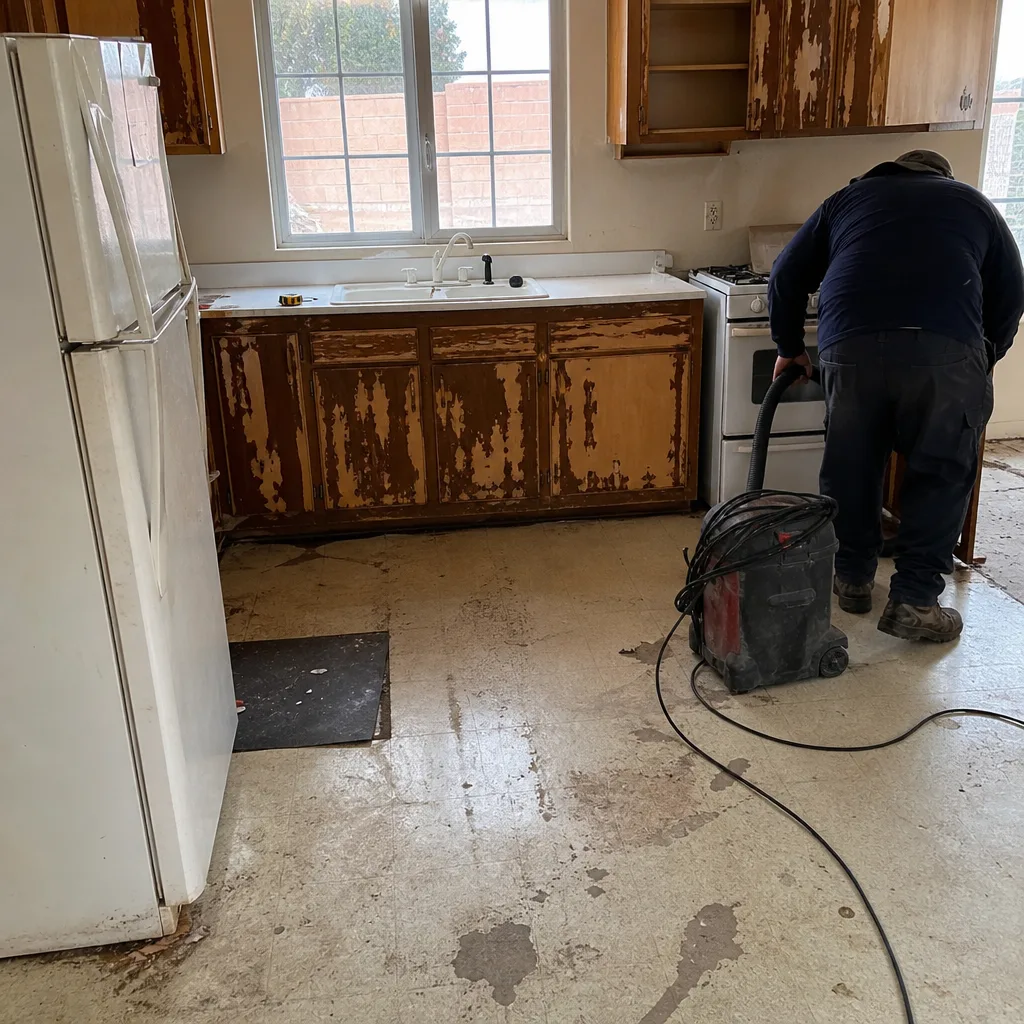 Before
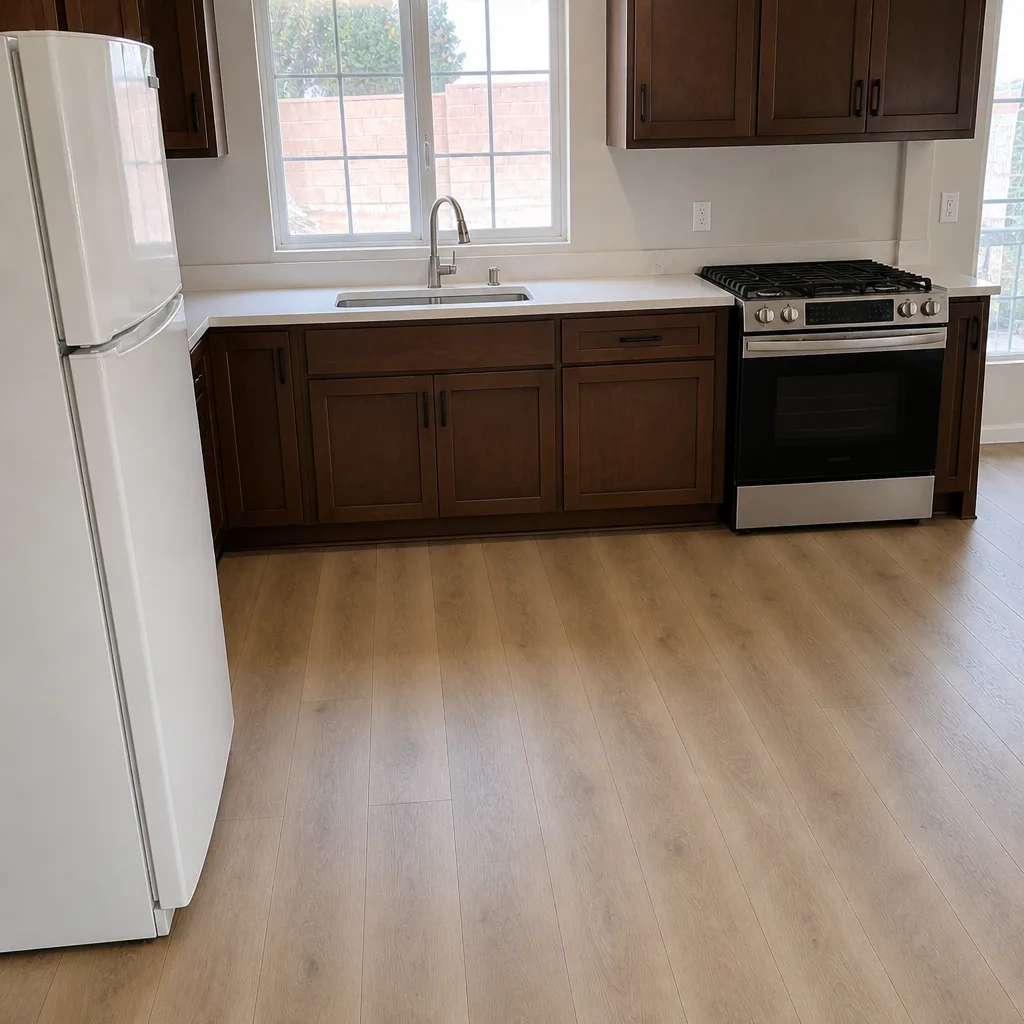 After
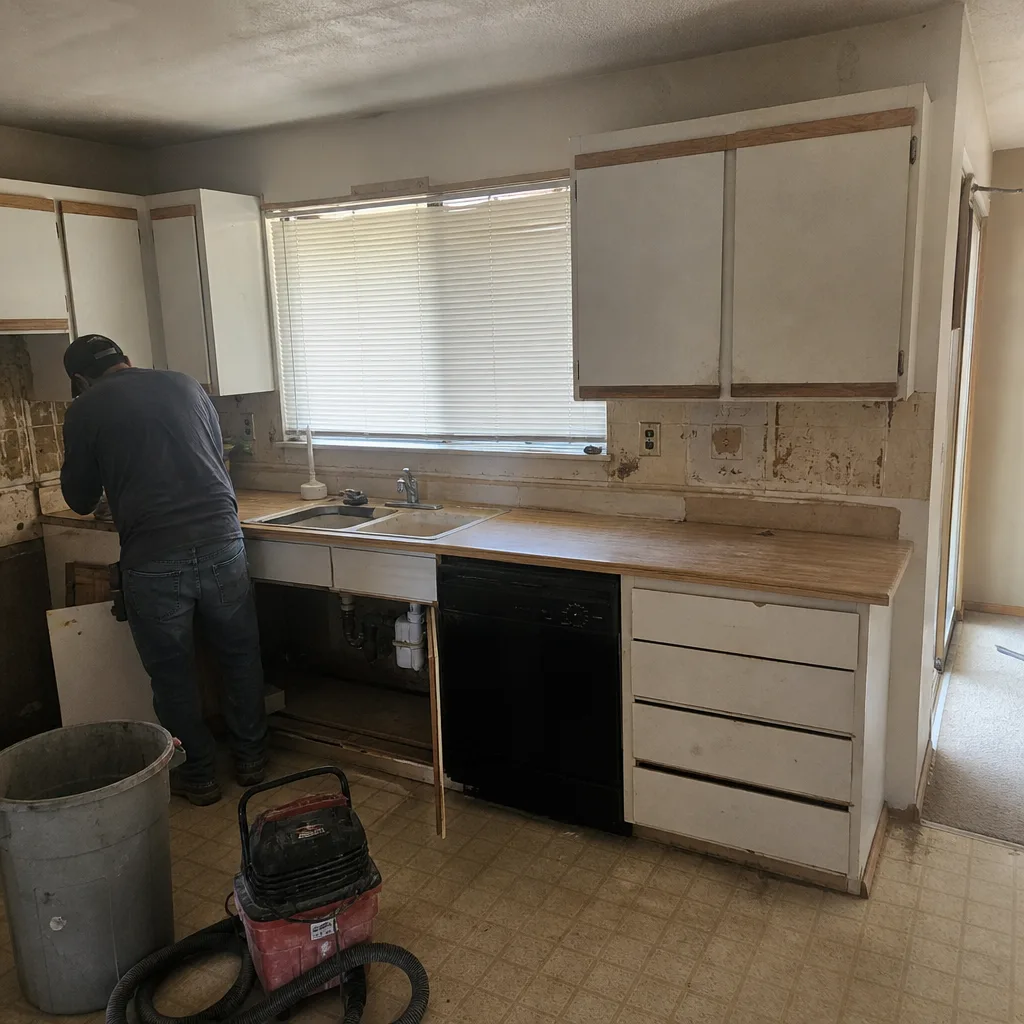 Before
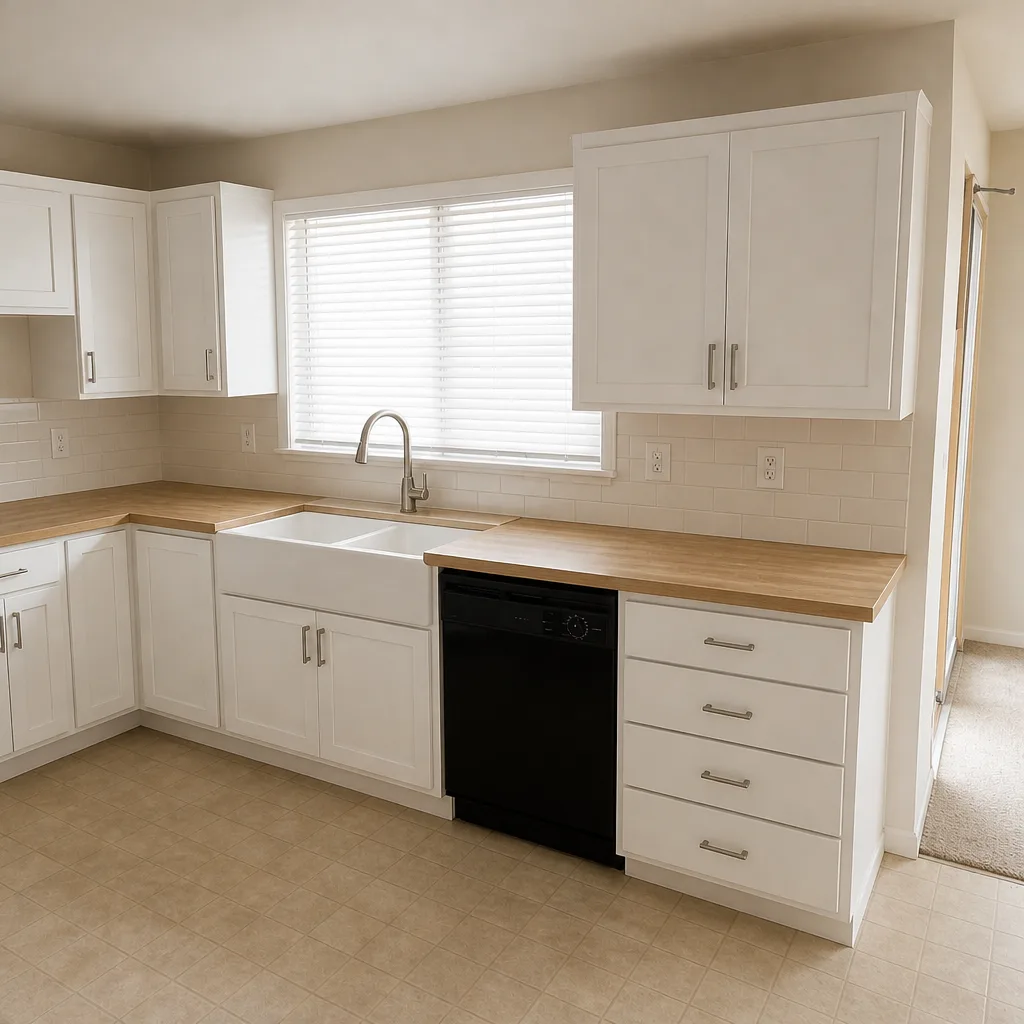 After
Clay vs Concrete Roof Tiles in Boulder City, NV: Which Should You Choose?
Choose clay tile if you’re roofing a historic-district home whose character and preservation review demand it, or if you want the longest service life Mojave UV can’t touch. Choose concrete tile if your budget is tighter, your color needs are broader, and your roof structure is verified to carry the load. Boulder City sits at 2,400 feet, high enough for real winter freeze-thaw cycles and hot enough to cook shingles in July, and that altitude changes the clay-vs-concrete math in ways most Arizona-centric guides never address. Call (888) 282-1693 and we’ll walk your roof before you commit either way.
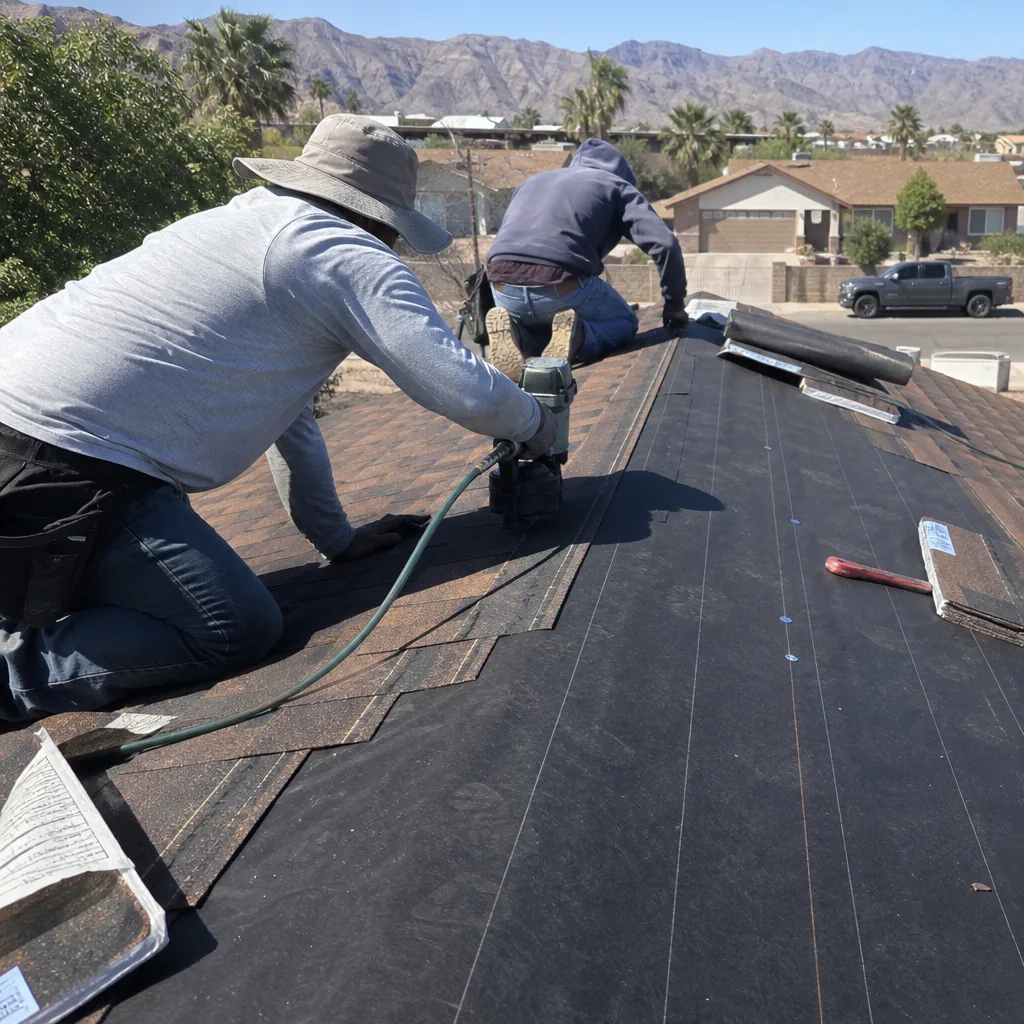
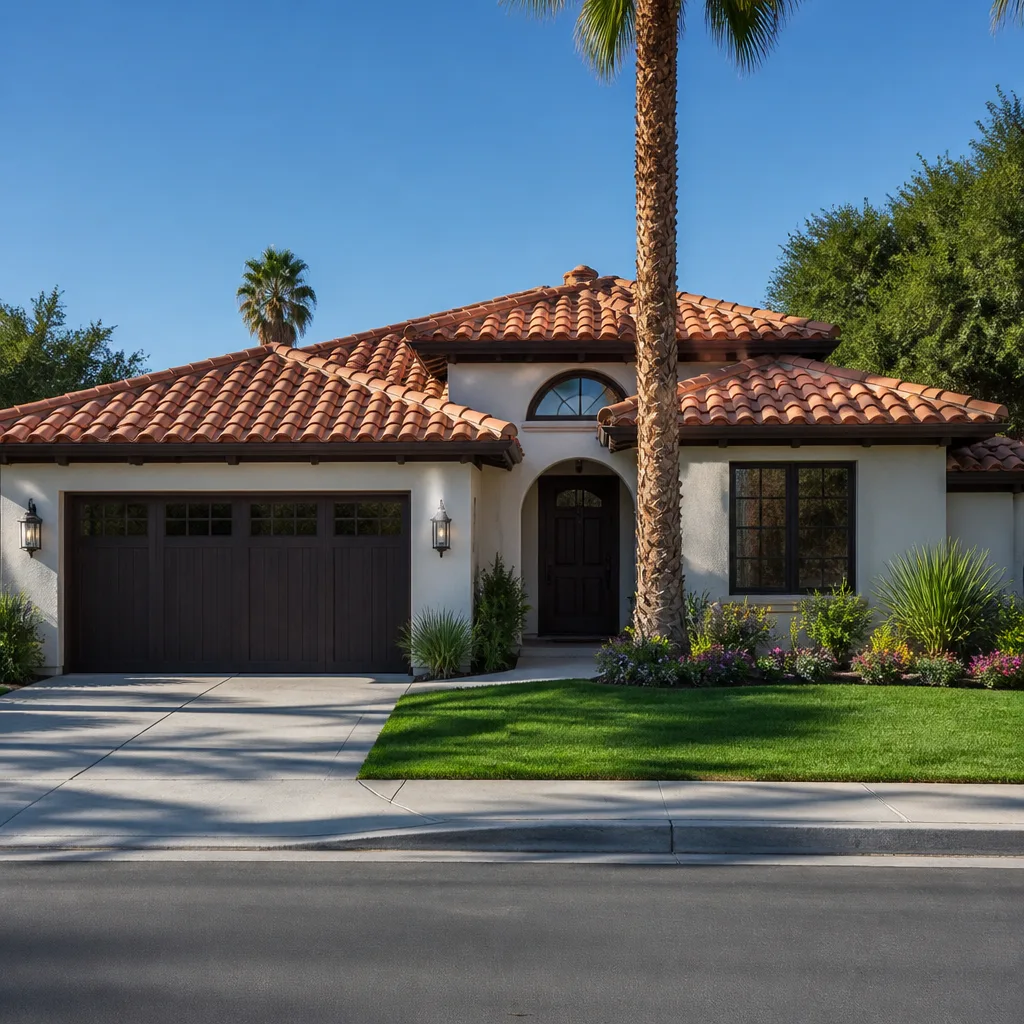
Why Boulder City Roofs Aren’t Phoenix Roofs
Most clay-vs-concrete comparisons are written for the Valley of the Sun, where the roof never freezes. Boulder City doesn’t share that climate. The town sits in the Mojave near Lake Mead at roughly 2,300-2,500 feet, so a January morning can drop below freezing and a July afternoon can hit 110°F. Your roof assembly goes through those swings every year.
That matters most for concrete tile. Concrete absorbs water at roughly 13% by weight; fired clay absorbs closer to 6%. In a wet winter, concrete tile holds more moisture going into a freeze. Water expands when it freezes, and that expansion works on the tile’s surface and edges cycle after cycle. Over a decade or two, you get micro-cracking that a Phoenix installer would never see, because Phoenix doesn’t freeze.
Clay doesn’t drink the water the same way, so it handles freeze-thaw with more margin. That’s one honest reason clay costs more and lasts longer here. It isn’t marketing. It’s physics.
The Weight Question Is Really a Structure Question
Homeowners ask whether clay or concrete is heavier. The numbers: clay runs about 9-12 lbs per square foot installed, concrete lands around 9.5 lbs. Both are heavy. Neither number is the one that should decide your roof.
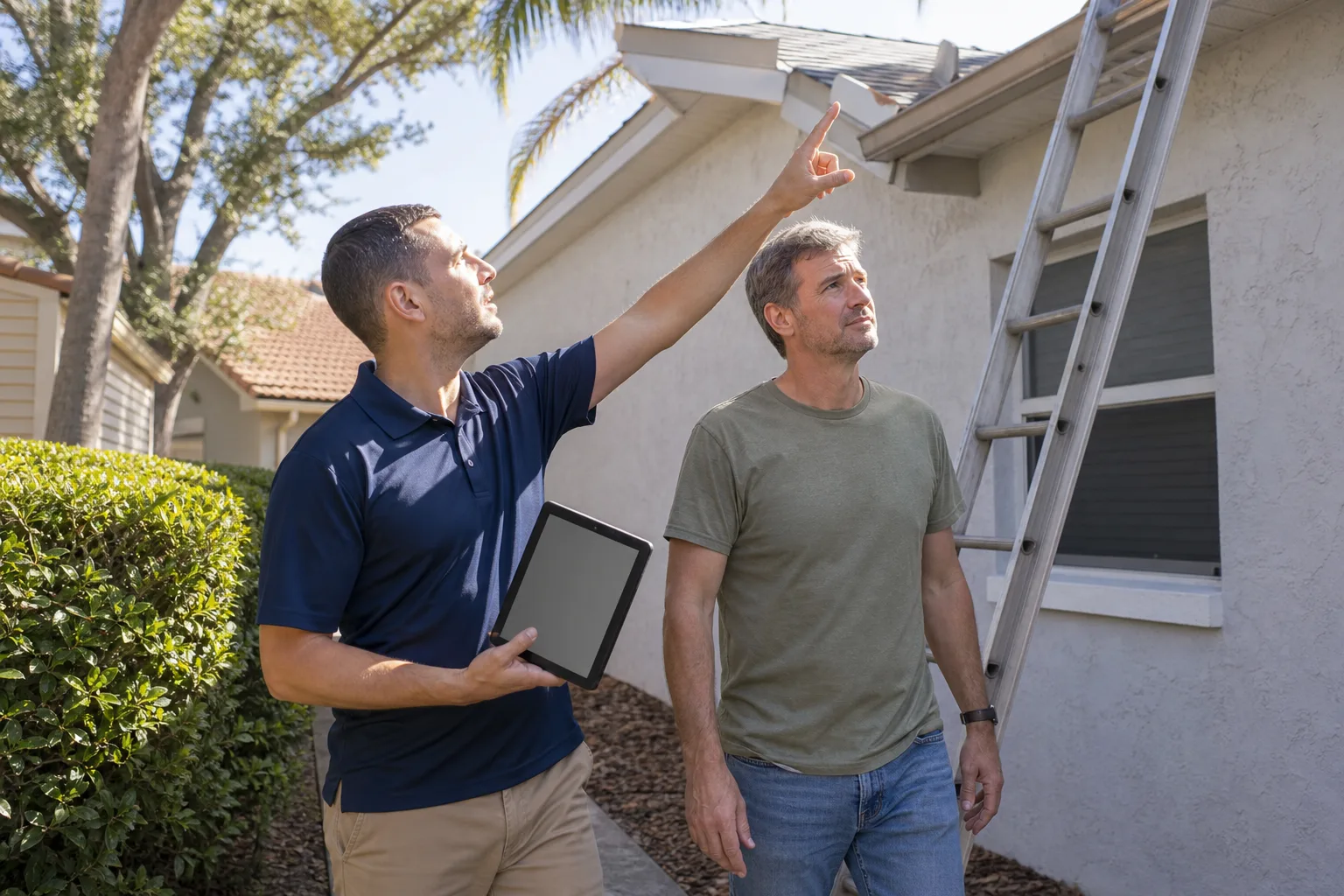
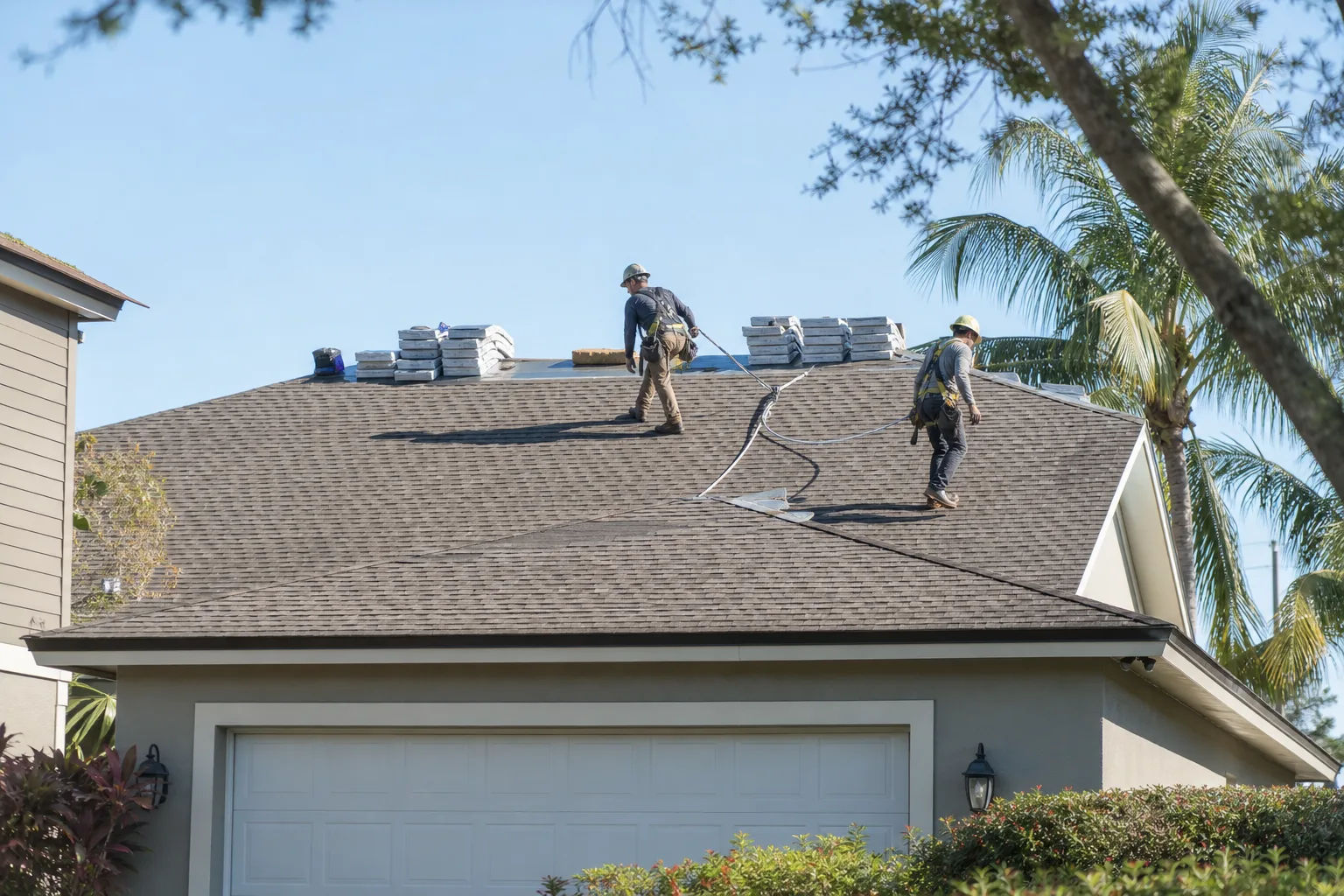
The real question is whether your roof deck and rafters were built to carry tile at all. In Boulder City’s historic core, many homes are 1930s-40s Hoover Dam-era cottages, built by the Bureau of Reclamation to house dam workers. Some of those original roof structures used 2×4 rafter framing sized for lightweight shingle, not tile. Putting either clay or concrete on framing that was never engineered for it is how you get sagging, cracked decking, and a roof that fails early.
Any honest tile bid for a Boulder City cottage starts with a structural look at the rafters and deck. We price that assessment, any reinforcement needed, and the tile installation together before work begins. No surprise structural surcharge shows up mid-project after the old roof is already off.
Boulder City’s Historic District Can Make the Choice For You
If your home sits in Boulder City’s historic district, the preservation ordinance has a say in your roofing material profile and color. Exterior alterations trigger review here in a way they don’t in Henderson or Las Vegas. A Spanish-style clay tile that matches a home’s original character may be the expectation. A concrete tile in a close-but-not-matching profile could get pushed back at review.
We know those review criteria before we bid, so the material conversation happens up front, not after rejection. It’s one of the reasons jobs that would be simple remodels across the valley become preservation-sensitive projects in Boulder City.
Clay vs Concrete: Side-by-Side for Boulder City
| Factor | Clay Tile | Concrete Tile |
|---|---|---|
| Water absorption | ~6% | ~13% |
| Freeze-thaw resilience at 2,400 ft | Stronger | More micro-cracking over time |
| Installed weight | ~9-12 lbs/sq ft | ~9.5 lbs/sq ft |
| UV color fade in Mojave sun | Minimal; fired clay holds color | Pigment surface fades and weakens |
| Typical service life | 50+ years | 30-50 years |
| Color and profile range | Narrower | Broad |
| Upfront cost | Higher | Lower |
| Historic-district fit | Often required to match | Profile must match closely |
What 50 Years Actually Costs in Boulder City
Here’s where clay’s higher sticker price earns its keep. UV doesn’t degrade fired clay the way it fades and weakens concrete’s surface pigment. In Mojave sun, a concrete roof shifts color and its surface slowly breaks down over decades. Clay holds its color and its skin.
Fifty-year lifecycle math looks like this: a concrete tile roof runs $8,000-$20,000 and likely needs one replacement inside 50 years. A clay roof costs more up front but can outlast concrete by 20+ years in these conditions, so it may never see a second installation. When you factor Boulder City labor and the cost of tearing off and re-decking, the clay premium often closes. Full tile roof repair, when something does fail, runs $600-$2,500 for either material.
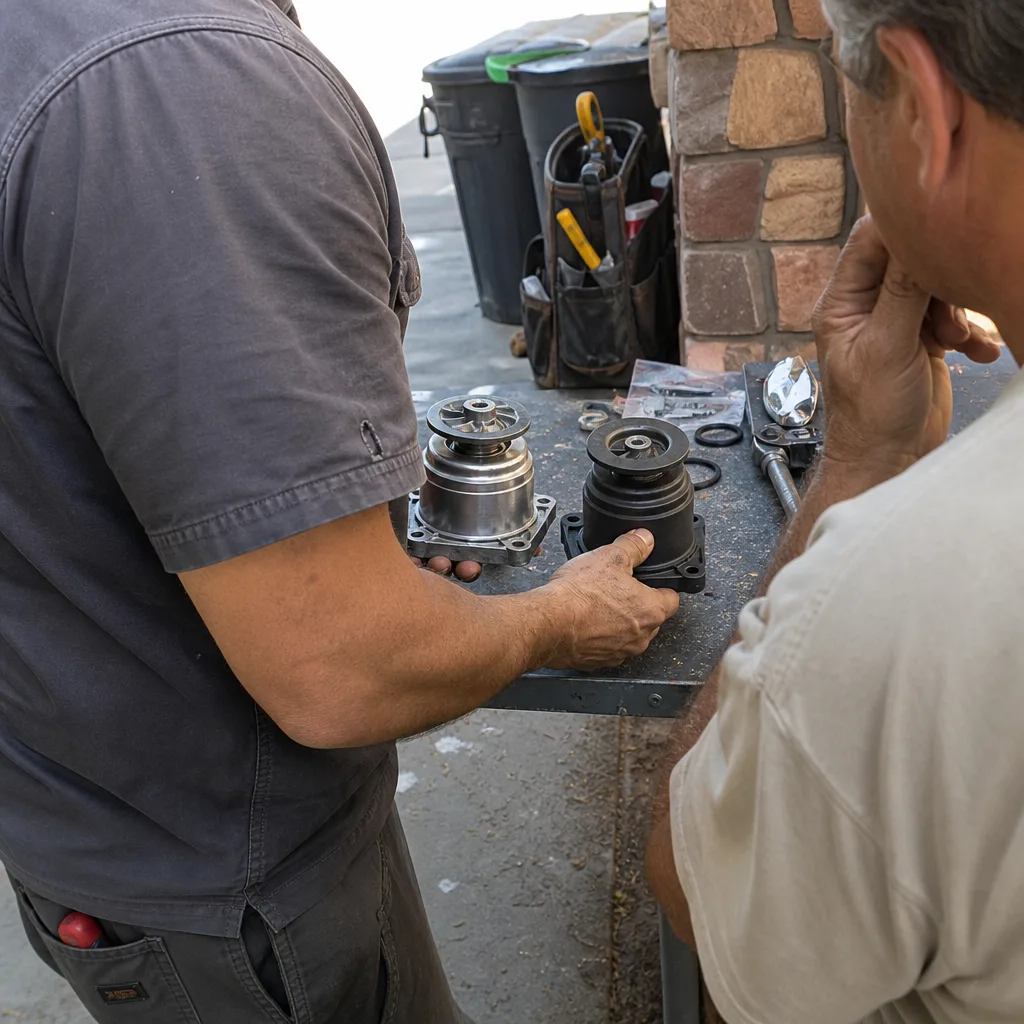
We carry quality tile lines from Atlas and Boral, and we’ll quote both materials on one upfront number so you can compare real totals, not guesses. Add our Roofing service pricing to the picture and the decision gets clearer.
Common Local Scenarios We See in Boulder City
- 1930s cottage near the historic district: Original 2×4 rafters sized for shingle. We check the framing before recommending any tile, and the preservation review usually points toward clay in a period profile.
- 1950s-70s tract home east of the historic core: Deck framing is more forgiving. Concrete tile in a wide color range often wins on budget here, with clay as the long-life upgrade.
- Homeowner sold a “tile-ready” roof that isn’t: We find out during the structural assessment. Better to know before the old roof is off than after.
- Roof already tiled and leaking at the valleys: Usually flashing, not the tile itself. Repair at $600-$2,500 beats a full replacement.
What to Expect From Groundwork Construction Co. of Boulder City
Our technicians have up to 12 years of experience on tile roofs, and every project is covered by our 730-Day Done Right Promise: if it’s not done right, we make it right. That’s one of the longest workmanship guarantees in the residential construction space, and it applies to the structural work and the tile alike. Calls are answered by a live person 24/7, technicians are background-checked and arrive in uniform, and our pricing is upfront: the number you see is the number you pay.
Planning a larger project around the roof? We also handle Boulder City service area work across home additions and ADU builds, kitchen remodeling, bathroom remodeling, windows and doors, fence installation, and driveway and pavers, all from foundation to finish line.
Compare across nearby areas too: Henderson, Las Vegas, and North Las Vegas have their own roofing conditions and pricing. If you’re weighing a whole-house upgrade, see our roof replacement guide, the tile roof repair breakdown, and our metal roof installation comparison.
Taking on a bigger remodel alongside the roof? Our garage conversion and impact window installation pages cover price ranges. And to understand how we work before you call, read about Groundwork.
FAQs
Clay is generally the better long-term choice in Boulder City because it absorbs less water and handles the town’s freeze-thaw cycles better than concrete, and it holds its color in Mojave UV. Concrete wins when budget is the priority and your roof structure is confirmed to carry it. Call (888) 282-1693 for an exact quote on either – estimates are free.
Tile roof replacement in Boulder City typically runs $8,000-$20,000 for a full roof, with tile roof repair at $600-$2,500. Clay sits at the higher end because of material cost. Structural reinforcement, if the deck needs it, is priced separately and up front. Call (888) 282-1693 for a free estimate.
Often yes. Many original cottages near the historic district were framed with 2×4 rafters sized for lightweight shingle, not tile, so a structural assessment comes first. If reinforcement is needed, we price it before work starts. Call (888) 282-1693 to schedule an assessment.
You can, but only if the profile and color pass historic preservation review. A close-but-not-matching concrete profile can be rejected, and Spanish-style clay is frequently the safer match for original character. We know the review criteria before we bid. Call (888) 282-1693 to talk through your options.
If you’d rather have it looked at, Groundwork Construction Co. of Boulder City offers a no-pressure assessment in Boulder City – call (888) 282-1693, with live people answering 24/7, so you get a straight answer on clay, concrete, and what your rafters can actually carry.
Written by the team at Groundwork Construction Co. of Boulder City, serving Boulder City, NV.