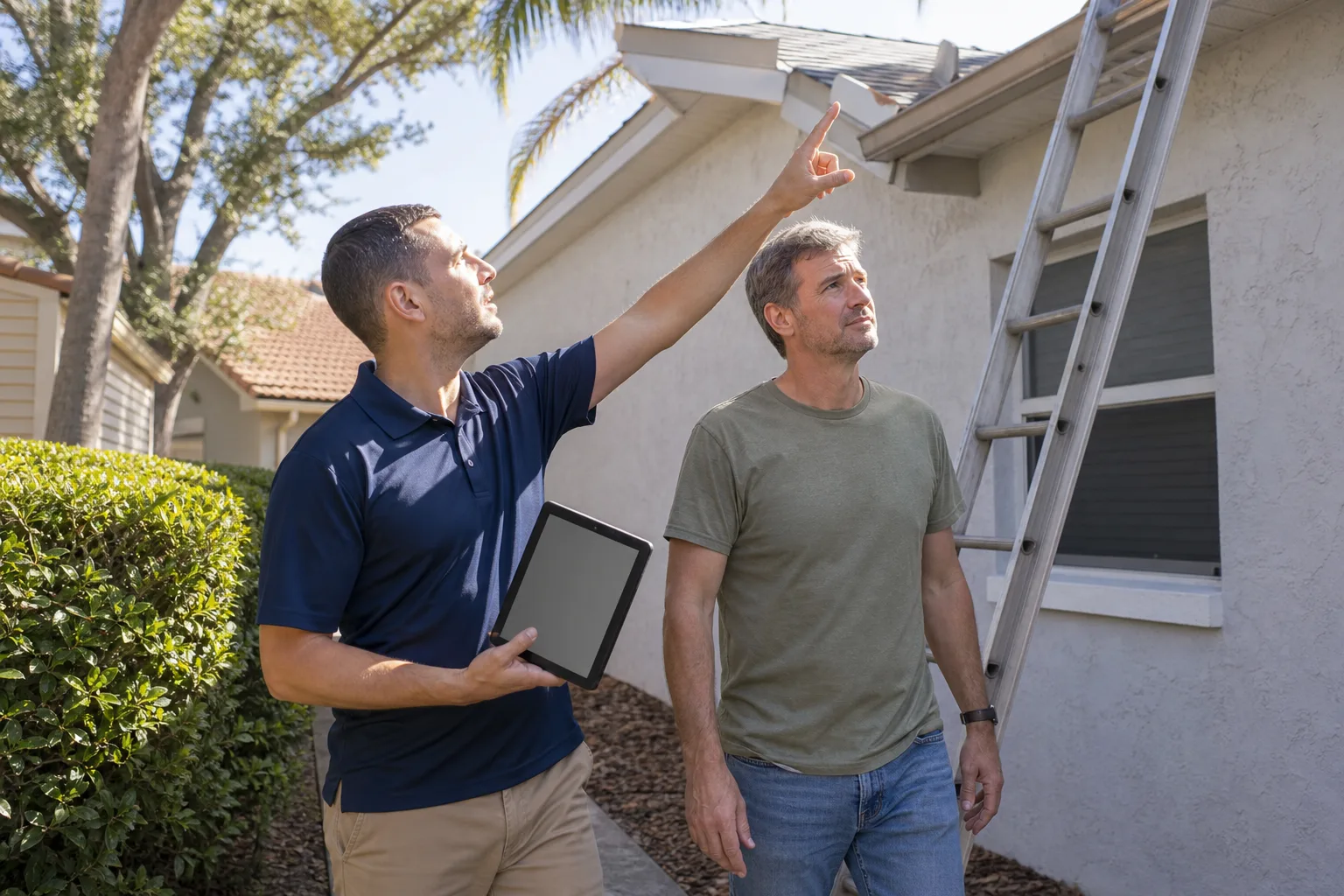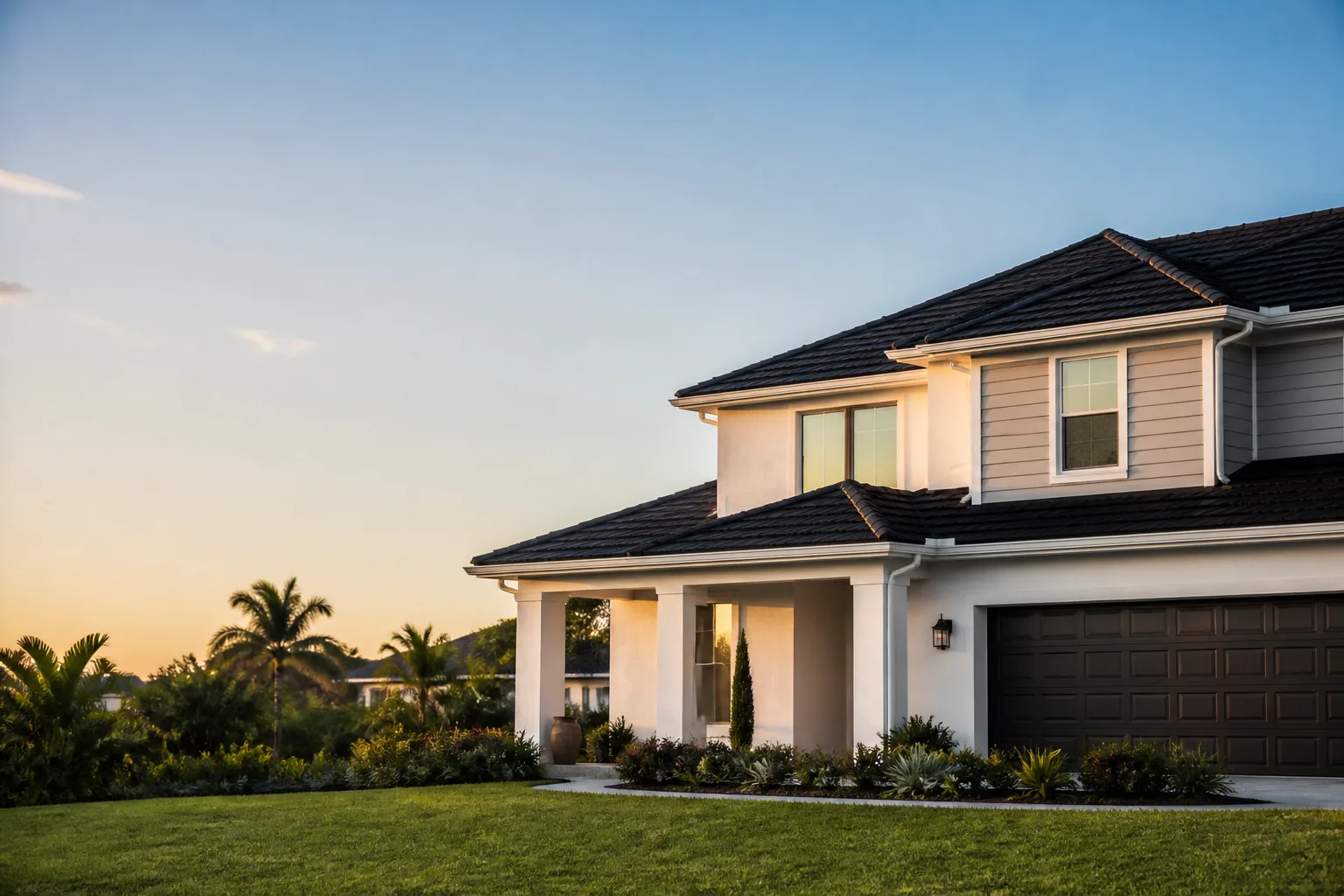
Free written scope consultation - allowances, timeline, and change-order rules on paper before a single trade is scheduled
Styles & brands we work with
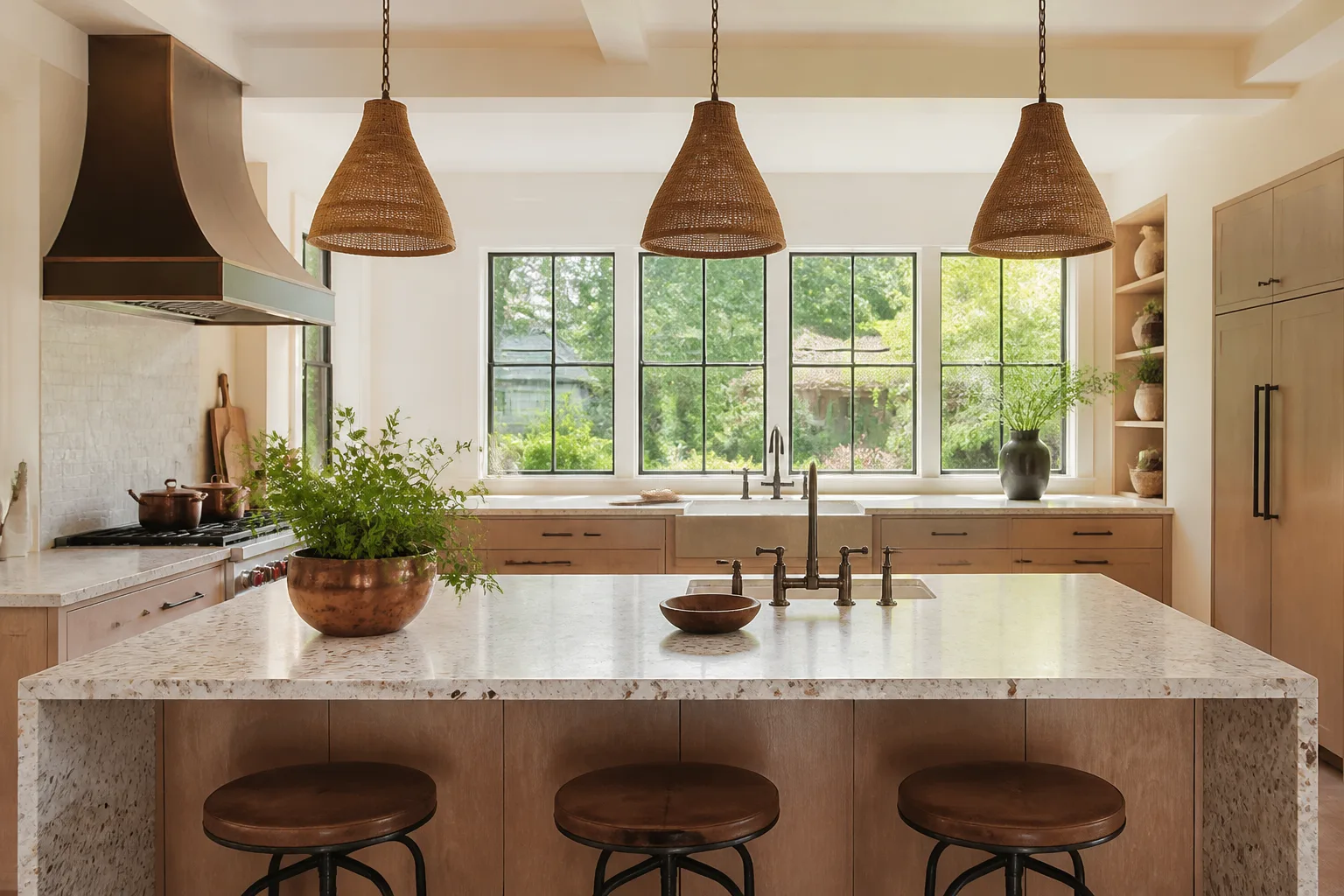
- Kitchen remodeling
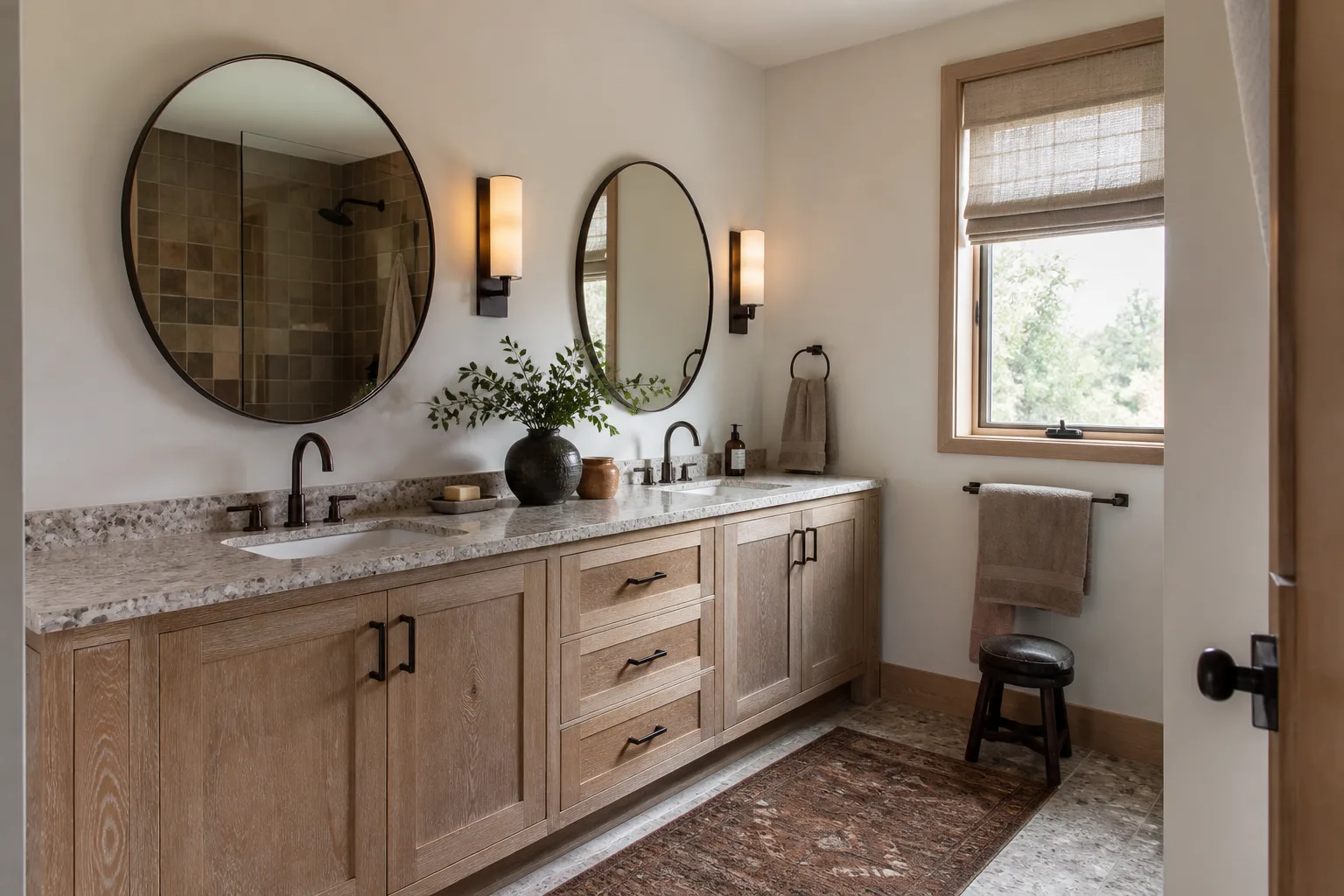
- Bathroom remodeling
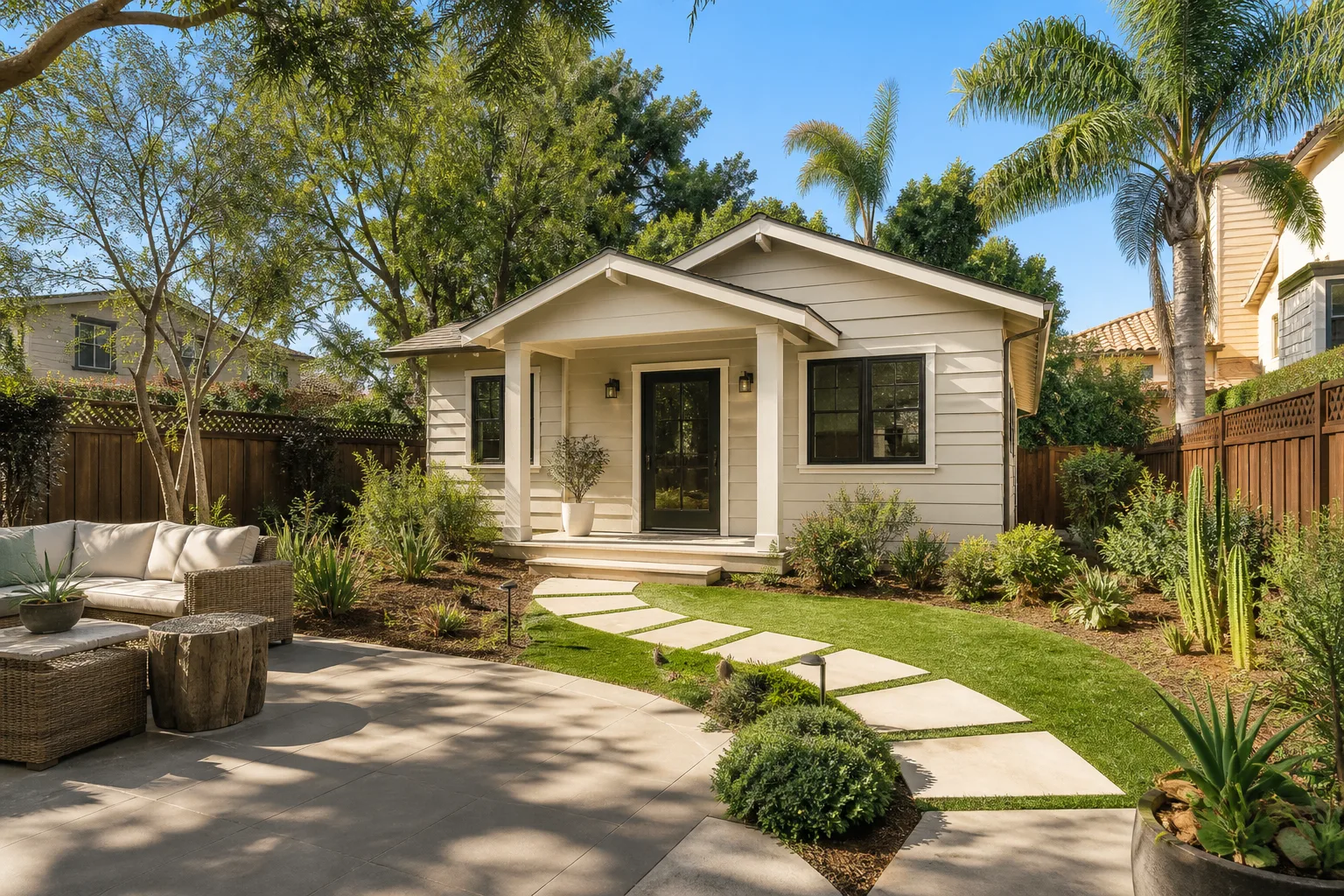
- Home additions & ADU
- Roofing
- Windows & doors
- Driveway & pavers
- Fence
See the difference
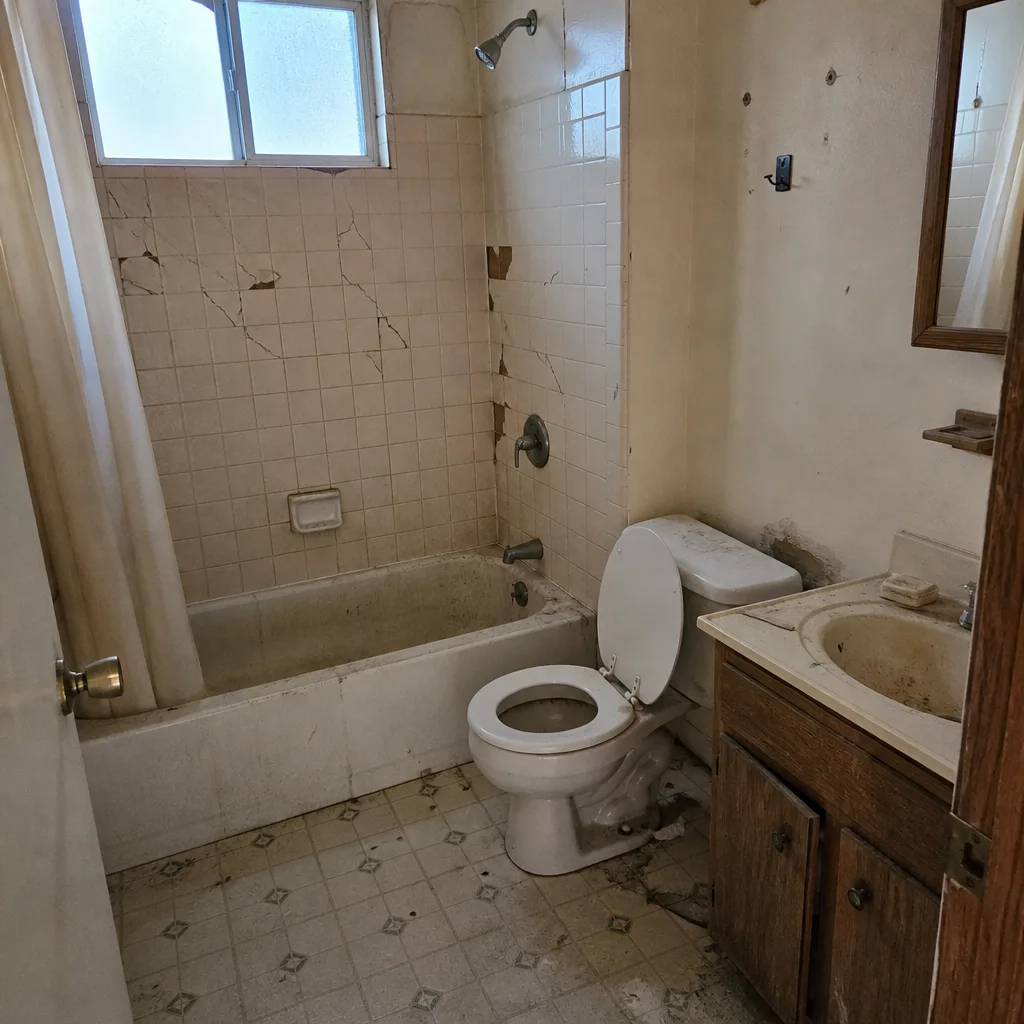 Before
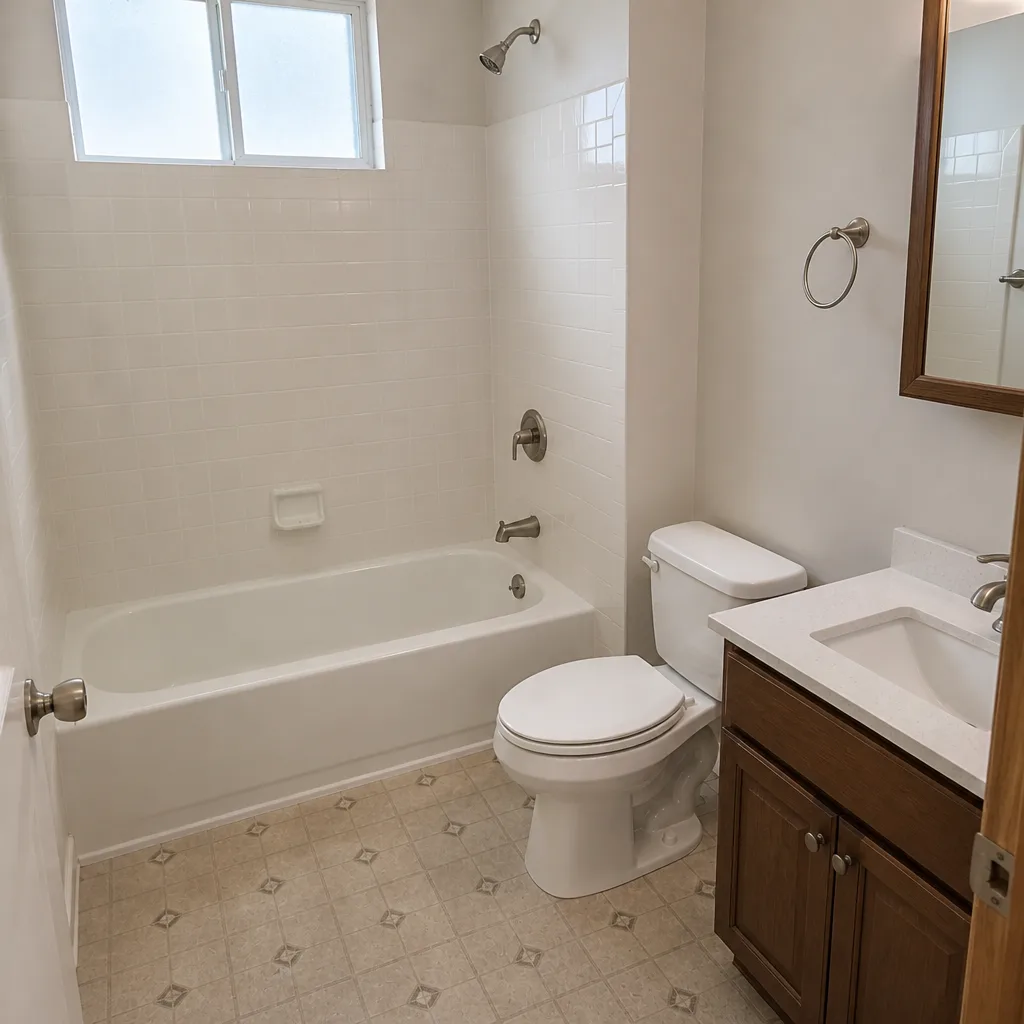 After
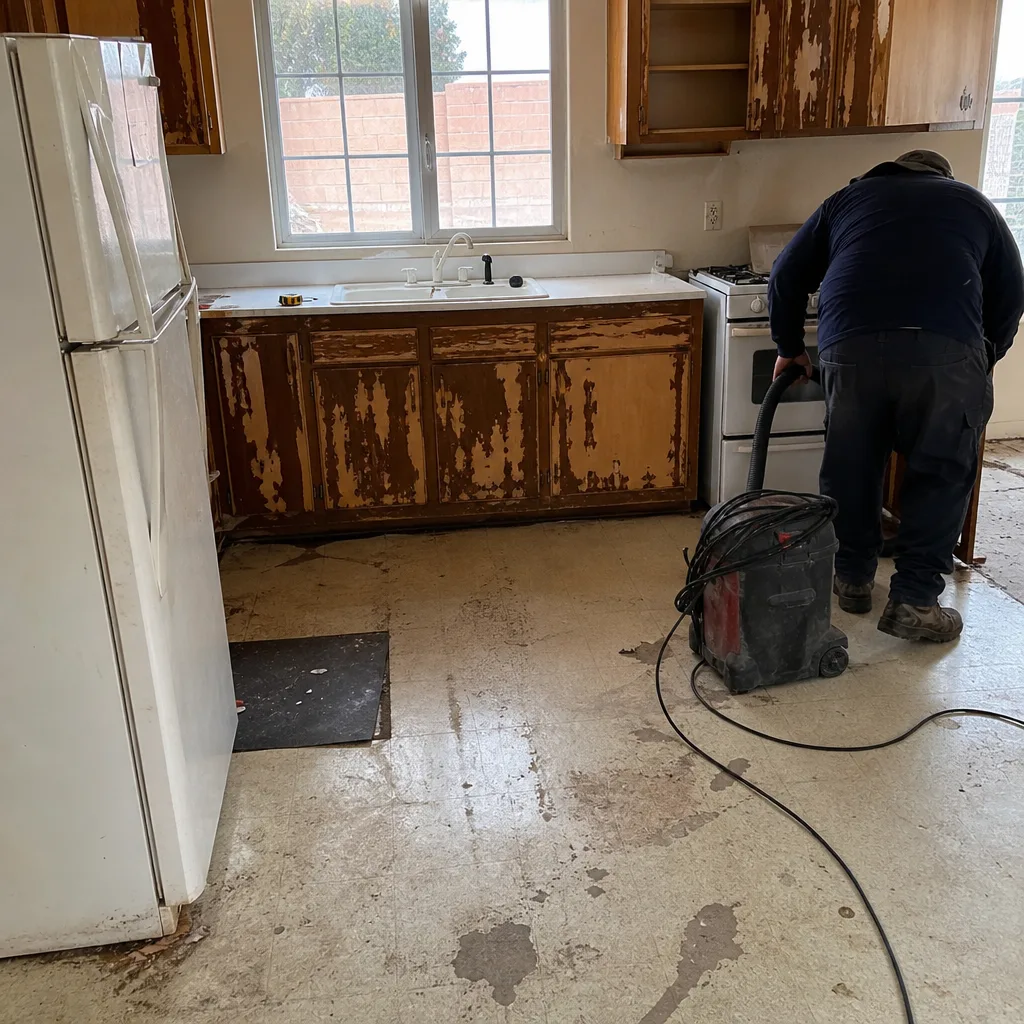 Before
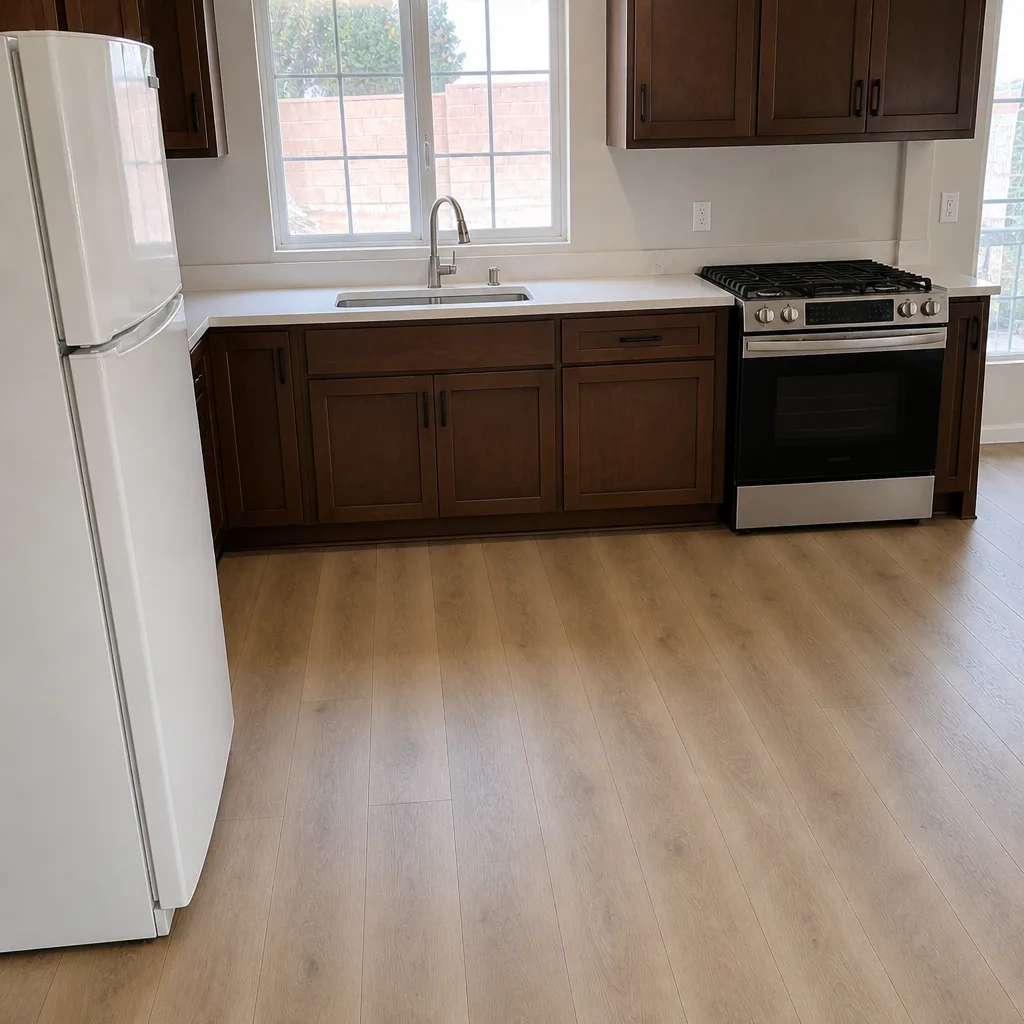 After
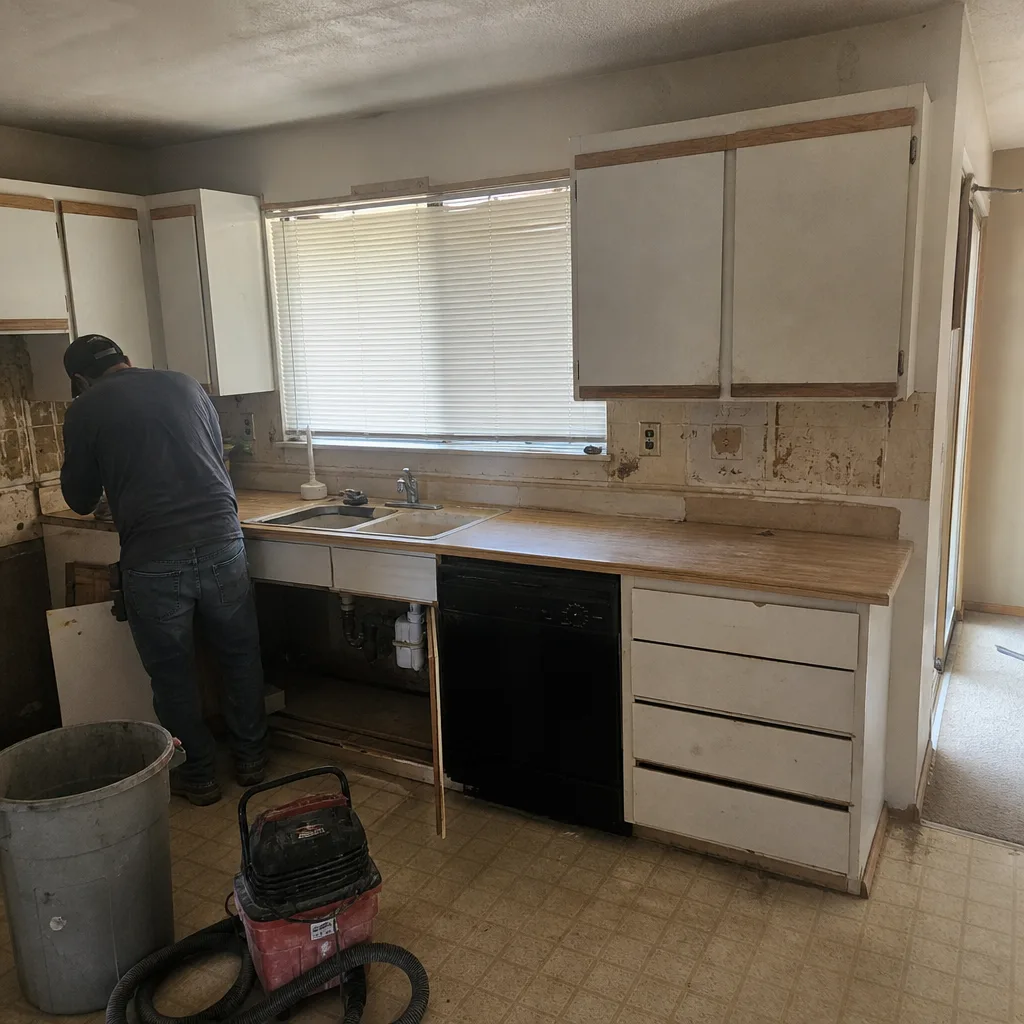 Before
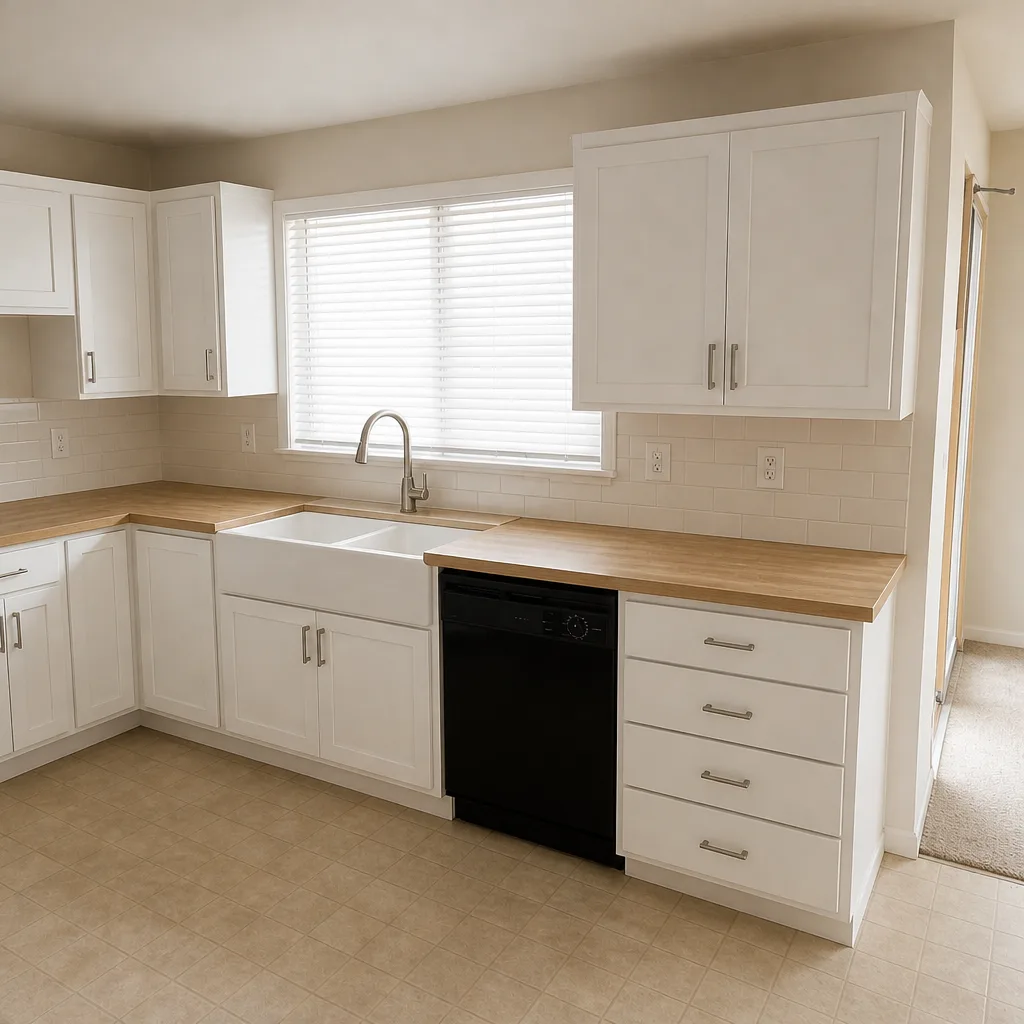 After
How Long Does a Tile Roof Last in Boulder City, NV? Two Lifespans, Not One
The tile itself can last 50 years or more. The underlayment holding it waterproof usually won’t make it past 20 to 25 years, and on a south-facing Mojave slope that bakes all summer it can fail closer to 15. That’s the gap tile salespeople rarely bring up: you’re not buying one roof here, you’re buying two components with two very different clocks. Most Boulder City tile-roof calls we field aren’t about broken tile at all. They’re about water showing up at a ceiling the tile above looked perfectly fine. Call (888) 282-1693 if you’re seeing stains and want a straight answer on which layer is talking.
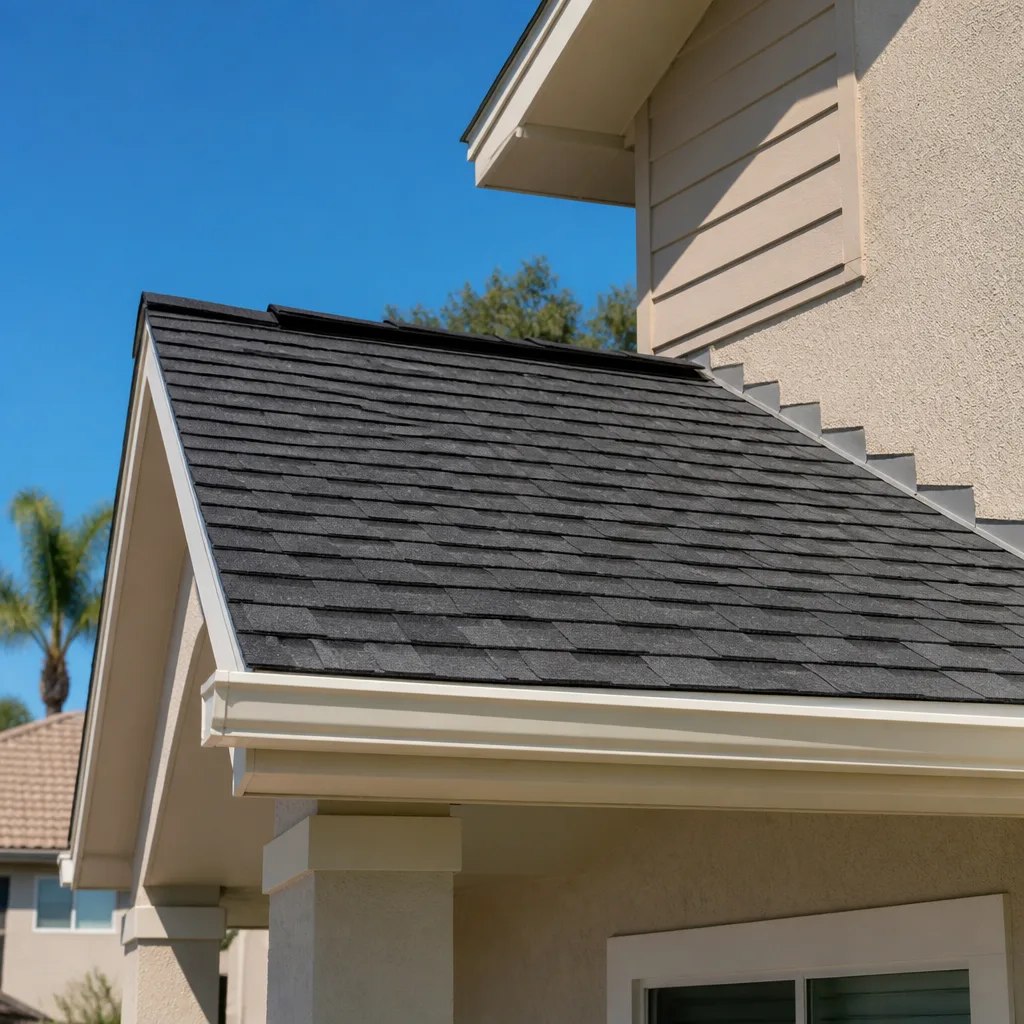
Tile Body vs. Underlayment: Two Clocks Running at Once
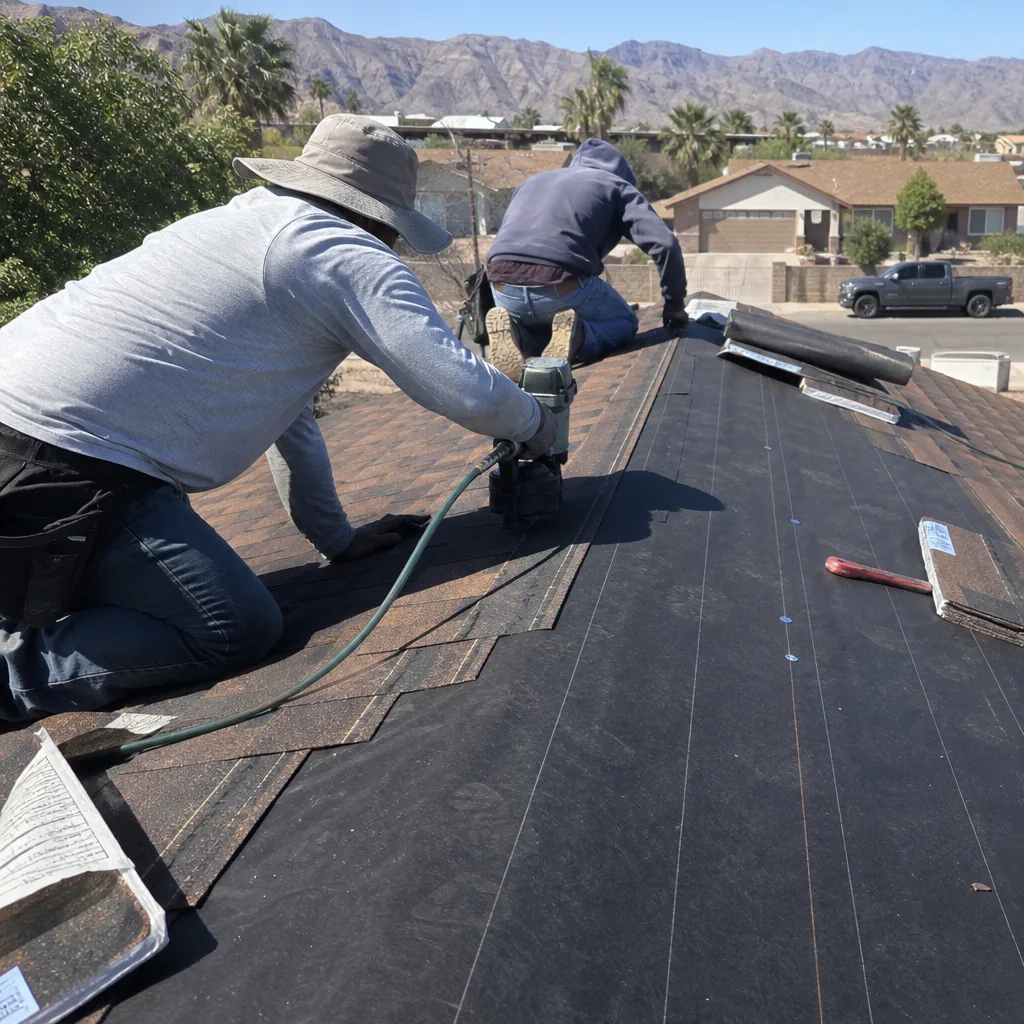
Underneath every field of clay or concrete tile sits an underlayment, a rolled waterproofing membrane nailed to the deck. The tile sheds most of the sun and rain. The underlayment is the actual waterproofing. Tile is not watertight on its own, and it was never meant to be.
That underlayment takes the heat, the daily expansion cycles and the sun exposure that sneaks past the tiles. It degrades independently of the tile above it. So a roof can look brand new from the curb and still be leaking, because the visible layer is fine and the hidden layer isn’t. Here’s how the two timelines actually break down:
| Component | Typical Service Life | What Fails First |
|---|---|---|
| Clay or concrete tile body | 50+ years | Rarely fails; occasional cracks, slips, hail damage |
| Standard felt underlayment | 15-20 years (shorter in desert heat) | Dries, embrittles, tears at fasteners |
| High-temp synthetic underlayment | 20-30 years | Holds up far better to sustained heat |
| Flashing and valley details | 20-25 years | Sealant dries, metal lifts, valleys back up |
The repair cost ranges reshape once you understand this. Tile roof repair in Boulder City runs $600 to $2,500. A full roof replacement runs $8,000 to $20,000. But you can often lift the tile, replace only the underlayment and set the tile back down, provided the tile is sound. That middle path costs far less than a full replacement and is exactly the option most homeowners never hear about.
Why Boulder City Heat Punishes Underlayment Harder Than Tile
Boulder City sits at roughly 2,300 to 2,500 feet near Lake Mead, with summer highs that hold between 100°F and 110°F for weeks. On a south- or west-facing slope, the tile surface climbs higher still, and that heat radiates straight down onto the underlayment. Felt that might last 20 years on a shaded roof in a cooler climate can dry out and crack years sooner here.
That’s why the honest specification for a Mojave roof is a high-temperature synthetic underlayment, not builder-grade felt. When you get bids, ask two questions: what underlayment product is going on, and is it rated for high-temperature exposure under tile? If the answer is a generic “30-pound felt,” you’re buying a failure date. The better systems are the ones manufacturers rate for tile assemblies, and it’s worth confirming your contractor installs to that spec. This is the kind of detail our crews handle on every Roofing project, because it’s where most tile roofs actually give out.
Monsoon season sharpens the problem. Boulder City’s storms are brief but violent, with downbursts that hit a roof already thermally stressed all summer. Tiles that have been expanding and contracting daily are the ones most likely to have slipped or cracked by August, and those gaps are where a monsoon finds its way in. Late spring, before the heat peaks and before the storms, is the smartest time to have a roof inspected.
Historic District Tile: When “Close Enough” Gets Rejected
The historic core of Boulder City still carries 1930s and ’40s Hoover Dam-era cottages, some with original Spanish tile profiles. Boulder City’s preservation review is strict, and exterior work that changes a roof’s look can trigger it. We’ve seen tile-for-tile replacements where a “close enough” concrete substitute was turned back, because the profile and color didn’t match what the review board expected.
So on those homes the question isn’t just how long a tile roof lasts. It’s which tile you’re allowed to put back. Groundwork Construction Co. of Boulder City knows which profiles clear review and which ones come back with a rejection letter, and we plan the paperwork into the schedule instead of discovering it mid-job. Jobs that would be simple in Henderson become preservation-sensitive here, and a contractor who hasn’t worked the historic district rules can cost you weeks.
Common Local Scenarios We Run Into
- The 20-year leak on a “new” roof. A homeowner in the historic district sees a ceiling stain and assumes the tile is shot. It’s the felt underneath, past its service life. Lifting and re-underlaying beats a full tear-off.
- The south-facing bake. A west-side bungalow with full afternoon sun has underlayment failing well ahead of schedule. The symptom is a small leak after a monsoon and no visible tile damage.
- The slipped-tile August call. Daily heat expansion cracks or lifts a few tiles by late summer, and the first downburst pushes water in. A quick tile reset now beats a ceiling repair later.
- The preservation review surprise. An original-tile cottage gets a bid using a mismatched concrete substitute, and the job stalls at review. Matching the profile up front keeps the schedule intact.
One more thing worth knowing: whichever path you choose, the failure points that generate callbacks are the underlayment seams, the flashing, and the valley details. Our 730-Day Done Right Promise backs every one of those against installation defects for two years after the job, so if a seam or a valley starts leaking, we come back and make it right. Few workmanship warranties in residential construction run that long.
FAQs About Tile Roof Lifespan in Boulder City
The tile commonly lasts 50 years or more, but the underlayment beneath it usually fails in 15 to 25 years, and desert heat pushes that toward the shorter end on sun-baked slopes. Plan on the underlayment setting the real replacement clock. Call (888) 282-1693 for an assessment of which layer is actually worn.
Yes, if the tile is sound. Crews lift the tile, install new high-temperature synthetic underlayment, then set the original tile back. It’s cheaper than a full replacement and preserves original tile that may be required to stay. The honest check is whether the tile itself has cracked or gone brittle. Estimates are free, so it costs nothing to find out.
Tile roof repair here runs $600 to $2,500 depending on how many tiles and how much underlayment is involved. A full roof replacement runs $8,000 to $20,000. Call us for an exact quote, since the range depends on slope, access and whether preservation review applies.
Repair usually wins when the tile is sound and only underlayment or flashing is failing. Replacement makes more sense when the tile is brittle or widespread, or when the deck underneath has issues. We’ll tell you which one your roof actually needs, not which one bills higher. Call (888) 282-1693 and we’ll walk you through it.
Get a Straight Answer on Your Tile Roof
A tile roof’s real lifespan lives in the layer you can’t see. If you’re in Boulder City and unsure whether yours is fine or running out of time, we’ll look and tell you honestly. Groundwork Construction Co. of Boulder City offers a no-pressure assessment in Boulder City - call (888) 282-1693 and we’ll get you scheduled. Upfront pricing, no surprises.
Written by the team at Groundwork Construction Co. of Boulder City, serving Boulder City, NV.