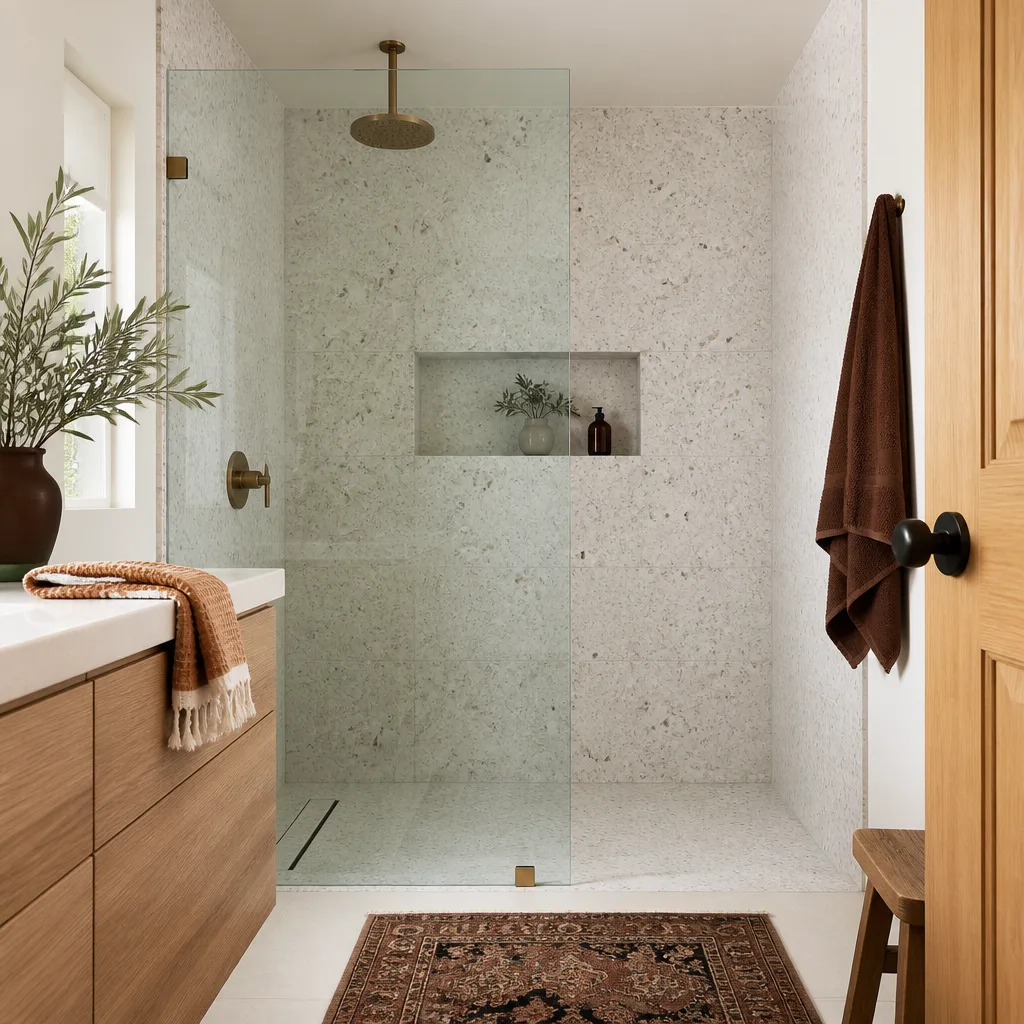
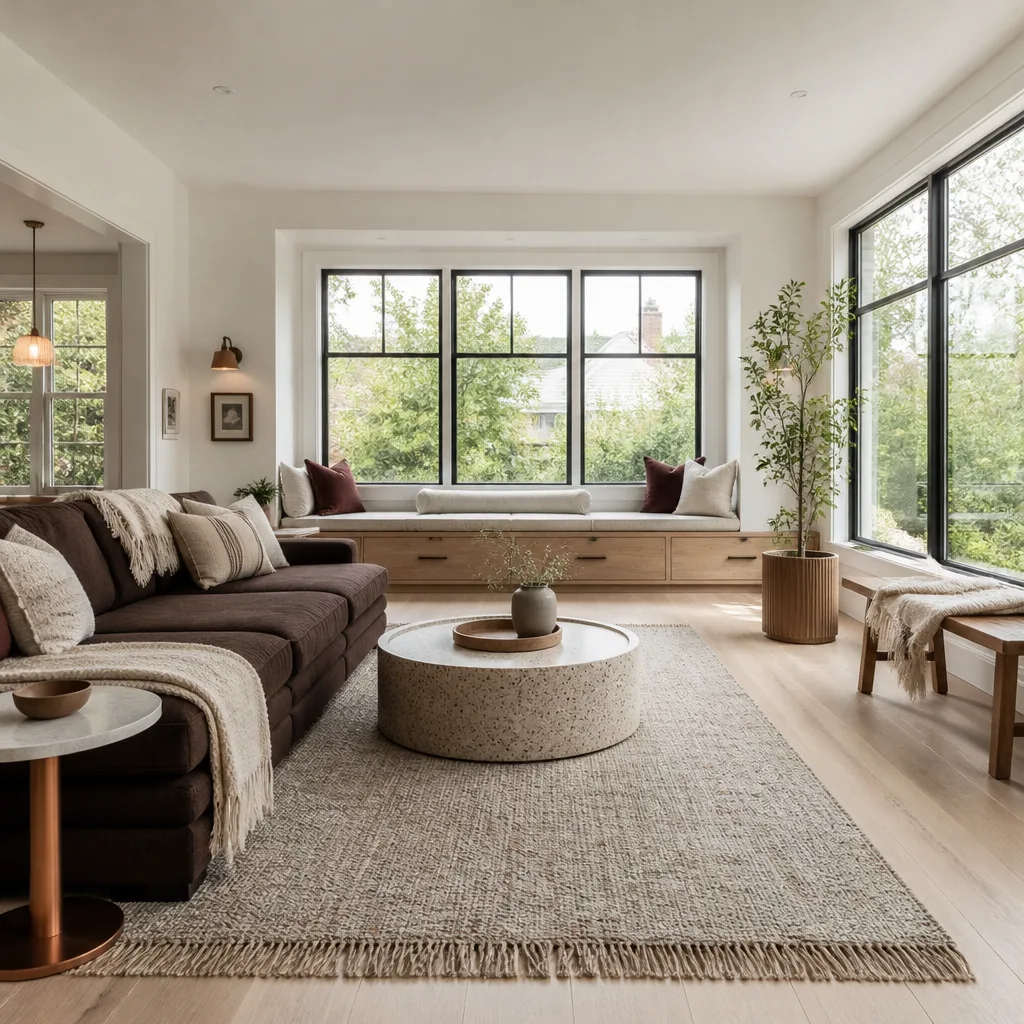
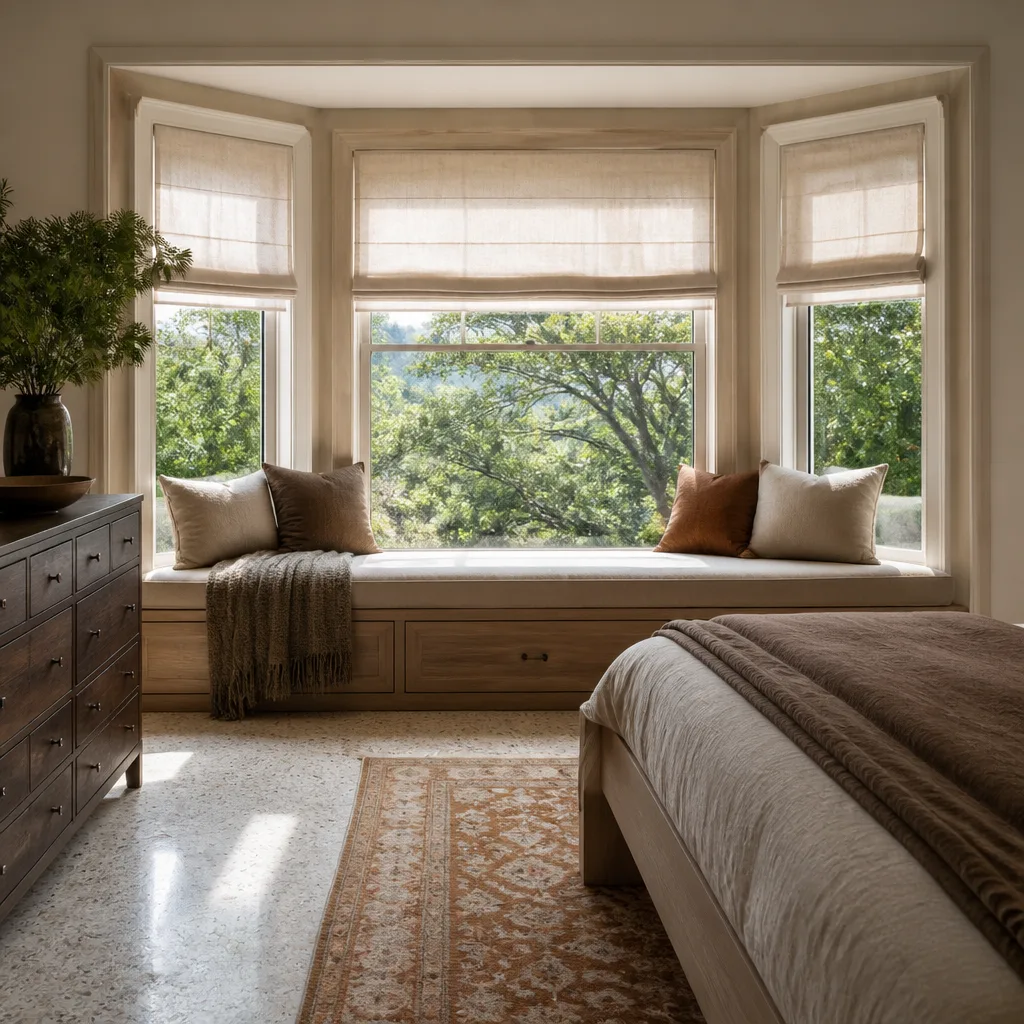
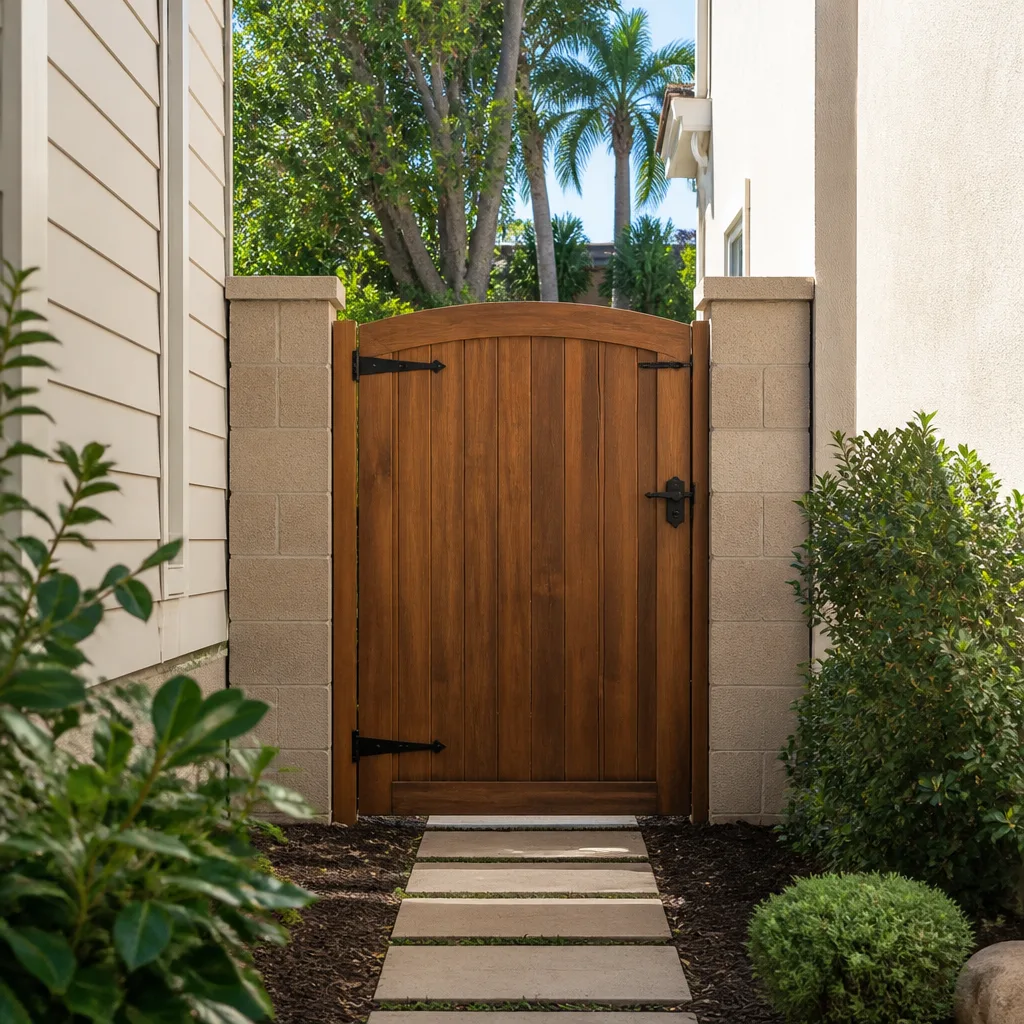
Free written scope consultation - allowances, timeline, and change-order rules on paper before a single trade is scheduled
Styles & brands we work with
- Kitchen remodeling
- Bathroom remodeling
- Home additions & ADU
- Roofing
- Windows & doors
- Driveway & pavers
- Fence
See the difference
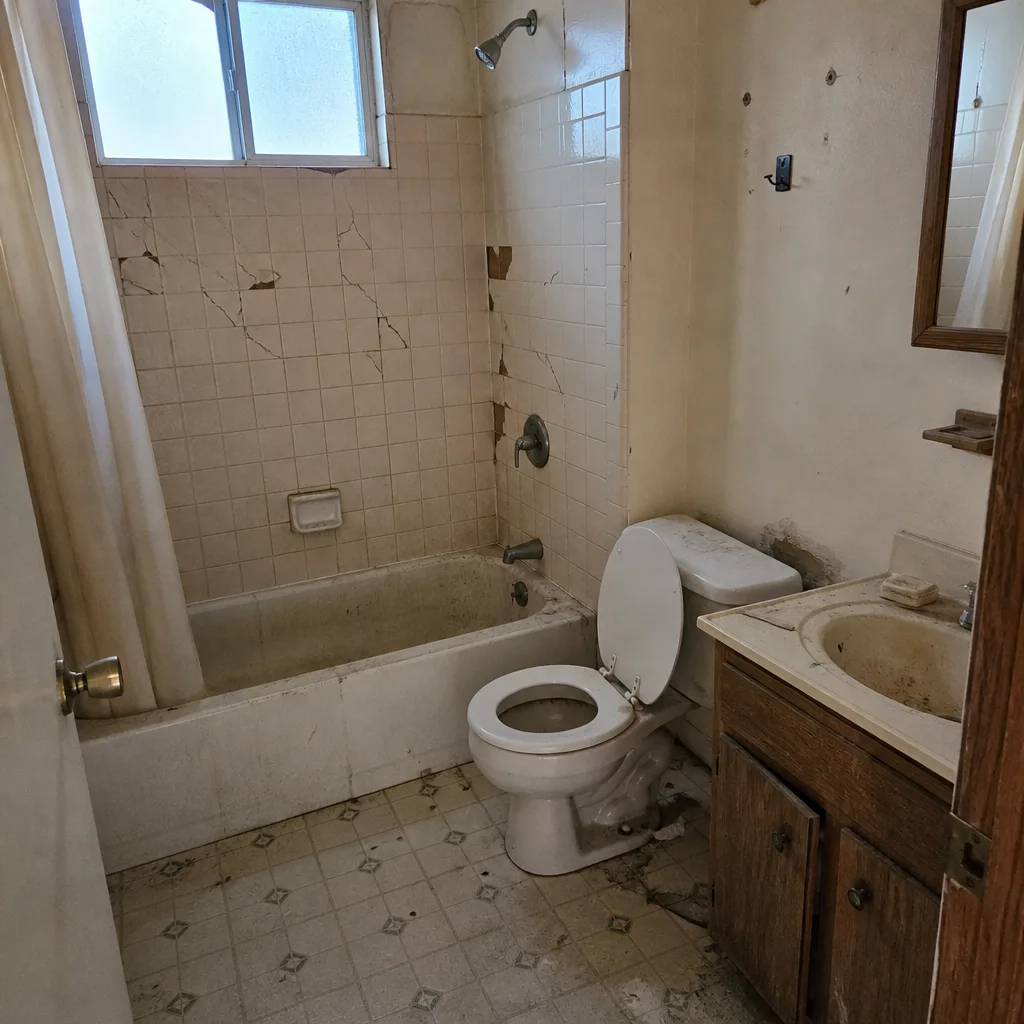 Before
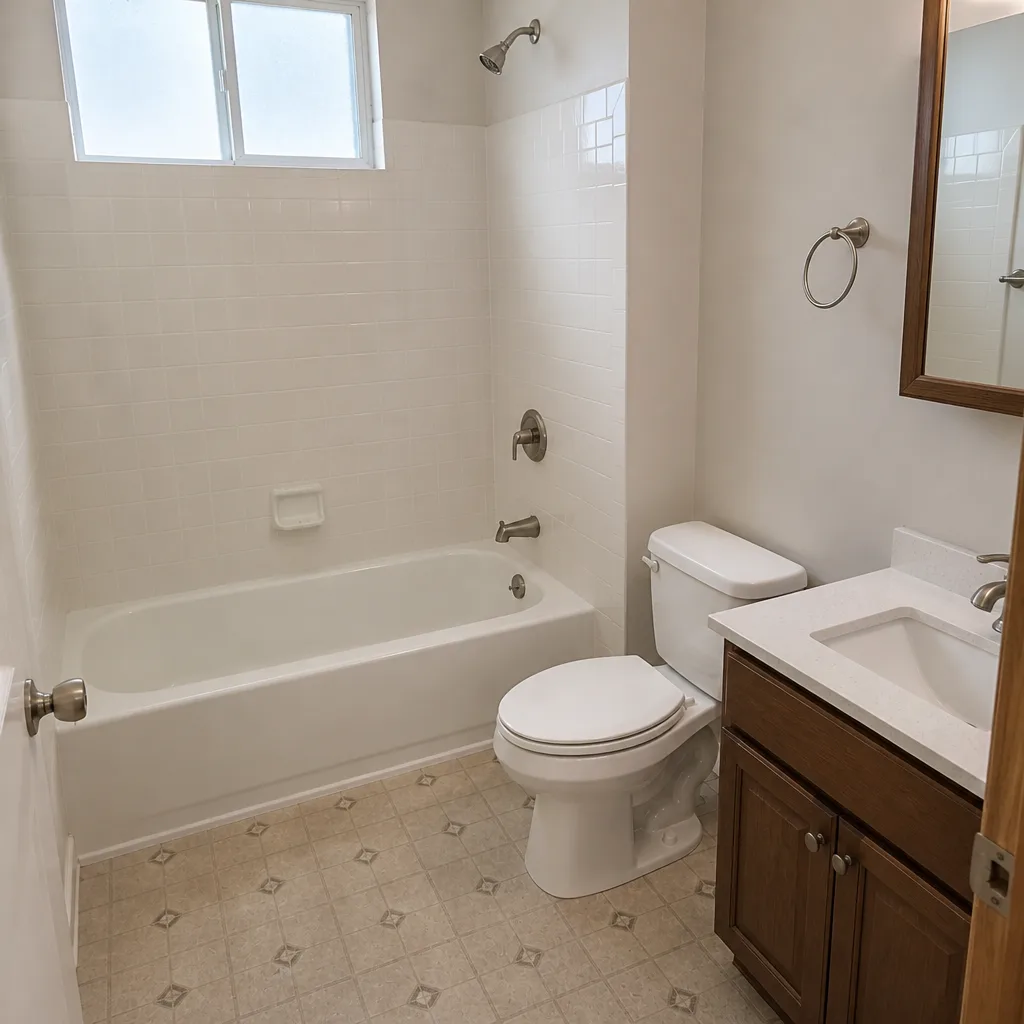 After
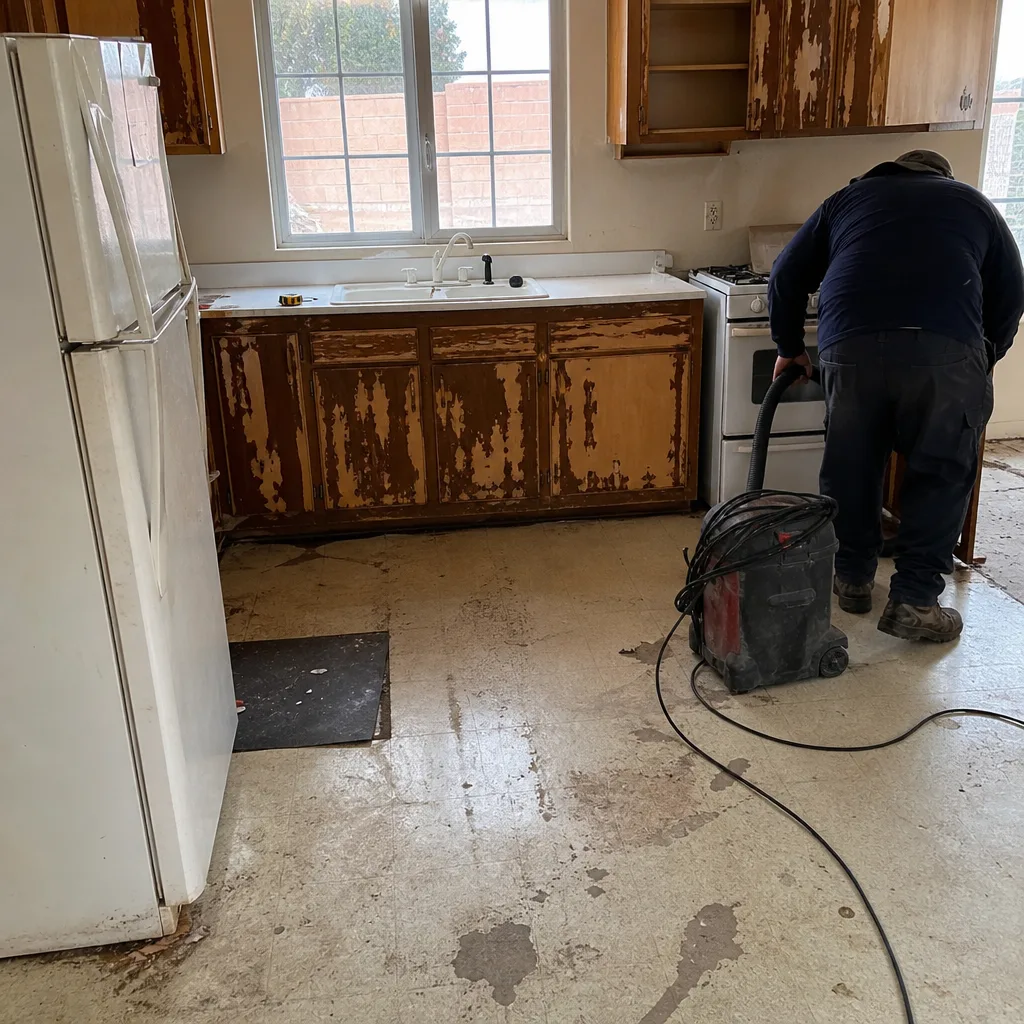 Before
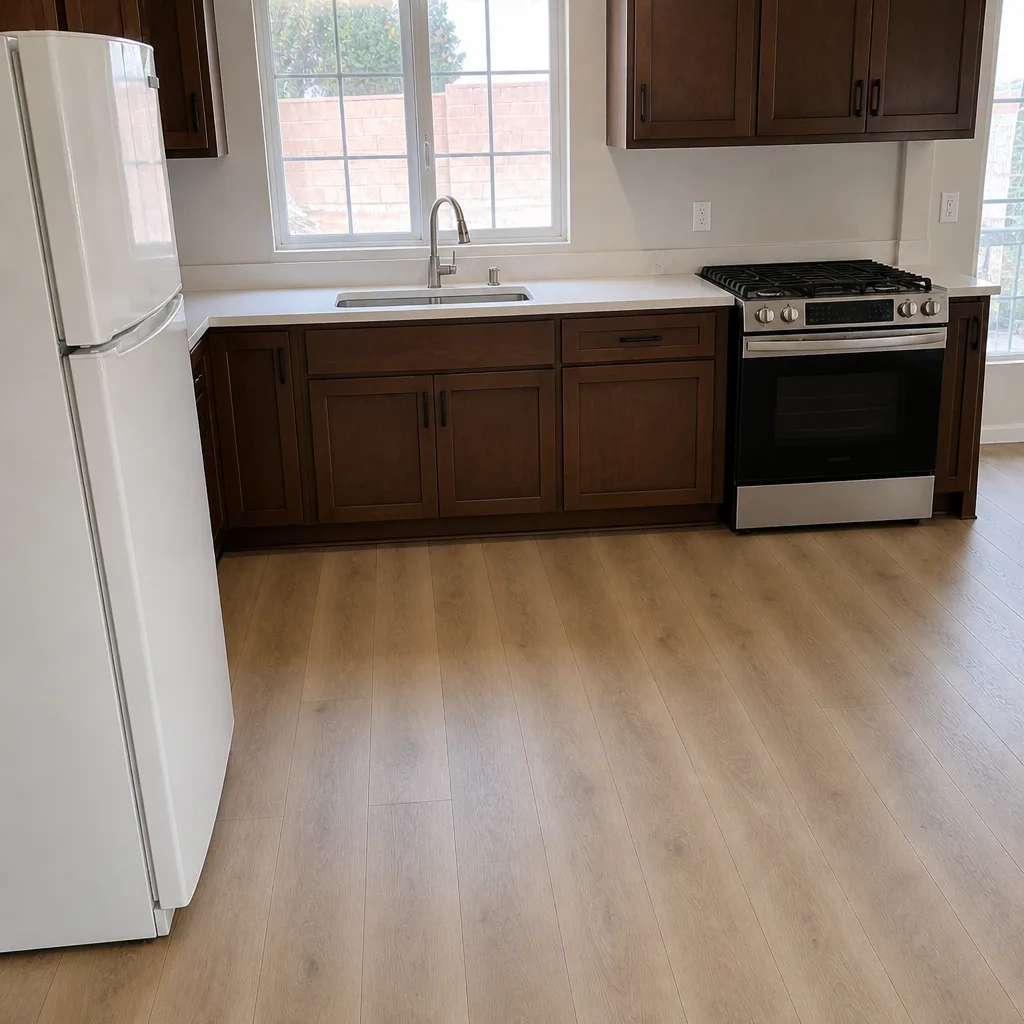 After
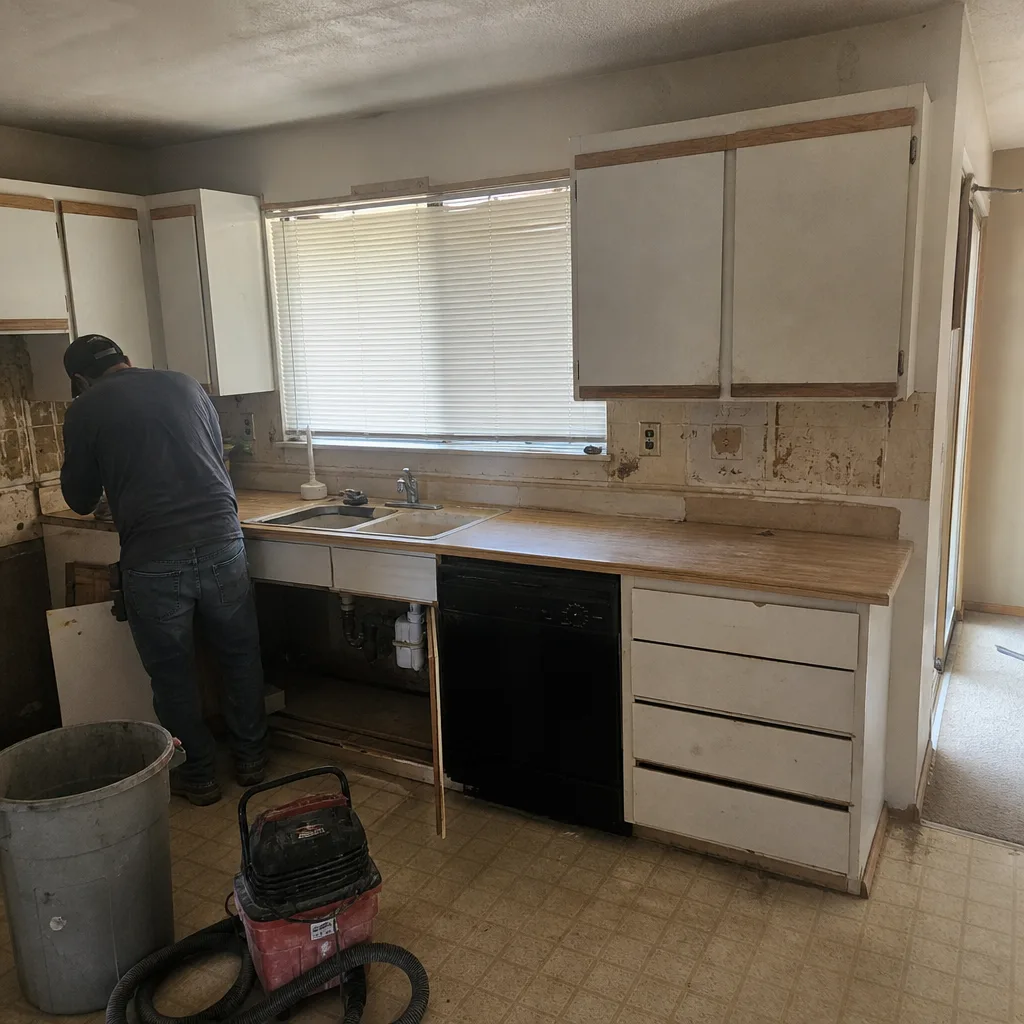 Before
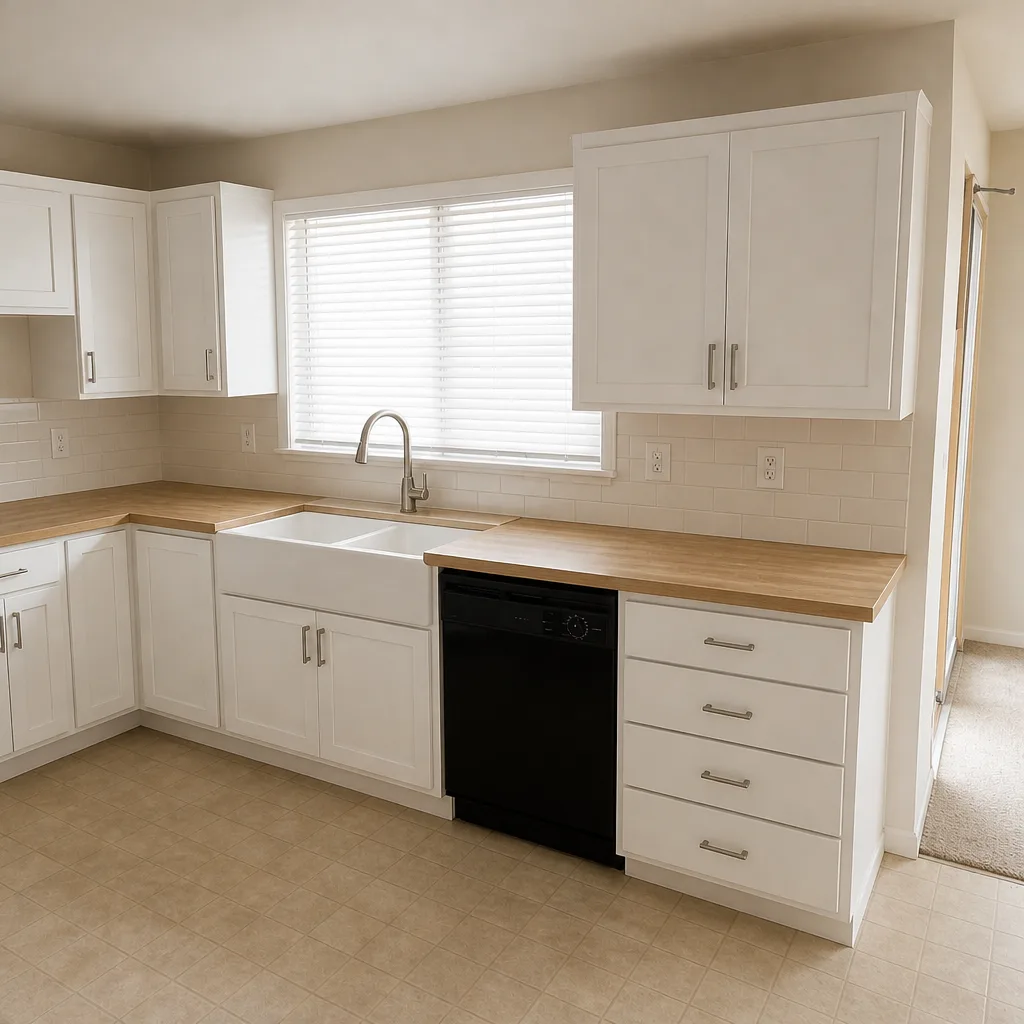 After
Here’s the page for Groundwork Construction Co. of Boulder City.
The Best Roofing Material for Boulder City, NV - And Why It Isn’t What Las Vegas Guides Tell You
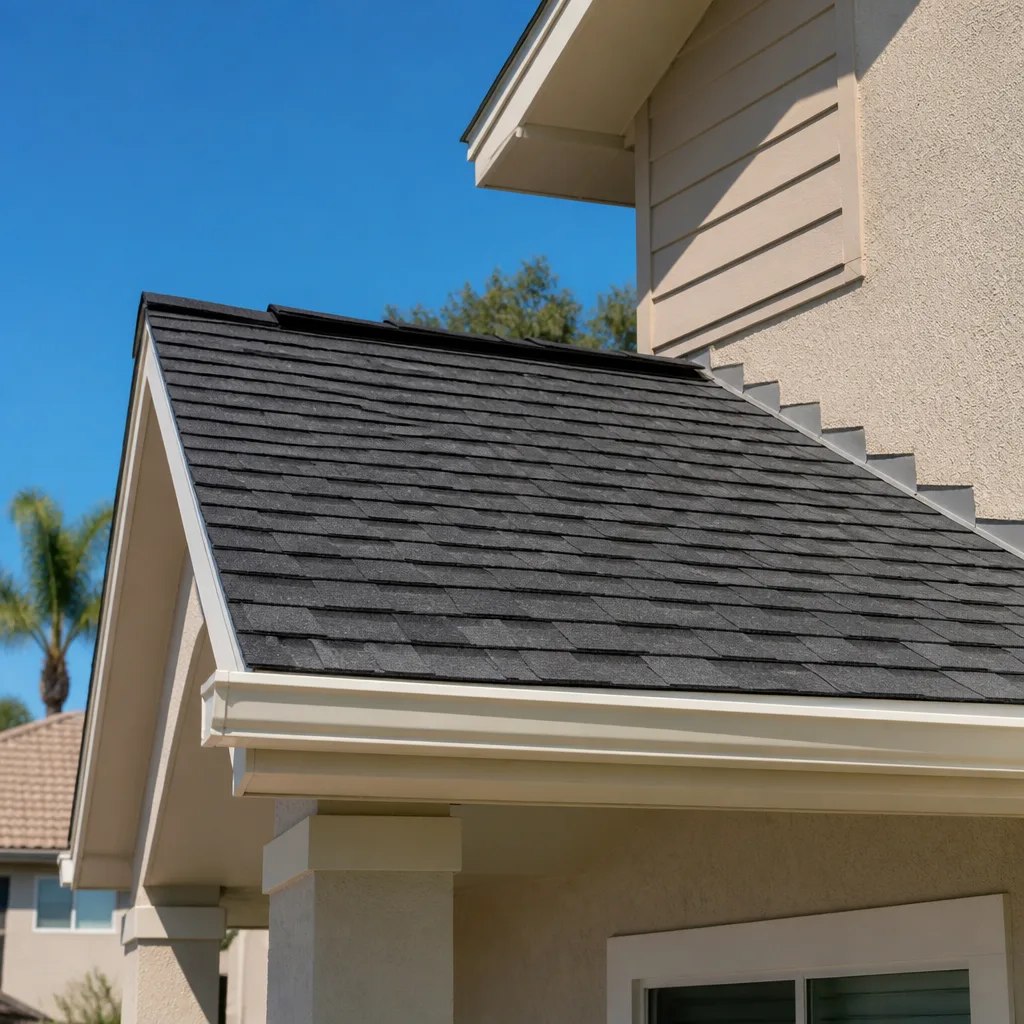
Choose a Class A architectural shingle system from GAF or Owens Corning unless you’re reroofing a heavy-timber or masonry historic-district building that can carry tile, or you want the 40-plus-year service life of standing-seam metal and can budget $15,000-$40,000. For most Boulder City homes, the answer is a high-temperature SBS-modified architectural shingle: light enough for 1930s rafter systems, rated for the UV load at 2,400 feet, and specified for the fire-adjacent Mojave landscape. Call Groundwork Construction Co. of Boulder City at (888) 282-1693 for a free estimate, and we’ll tell you which material your roof structure can actually carry before you spend a dollar.
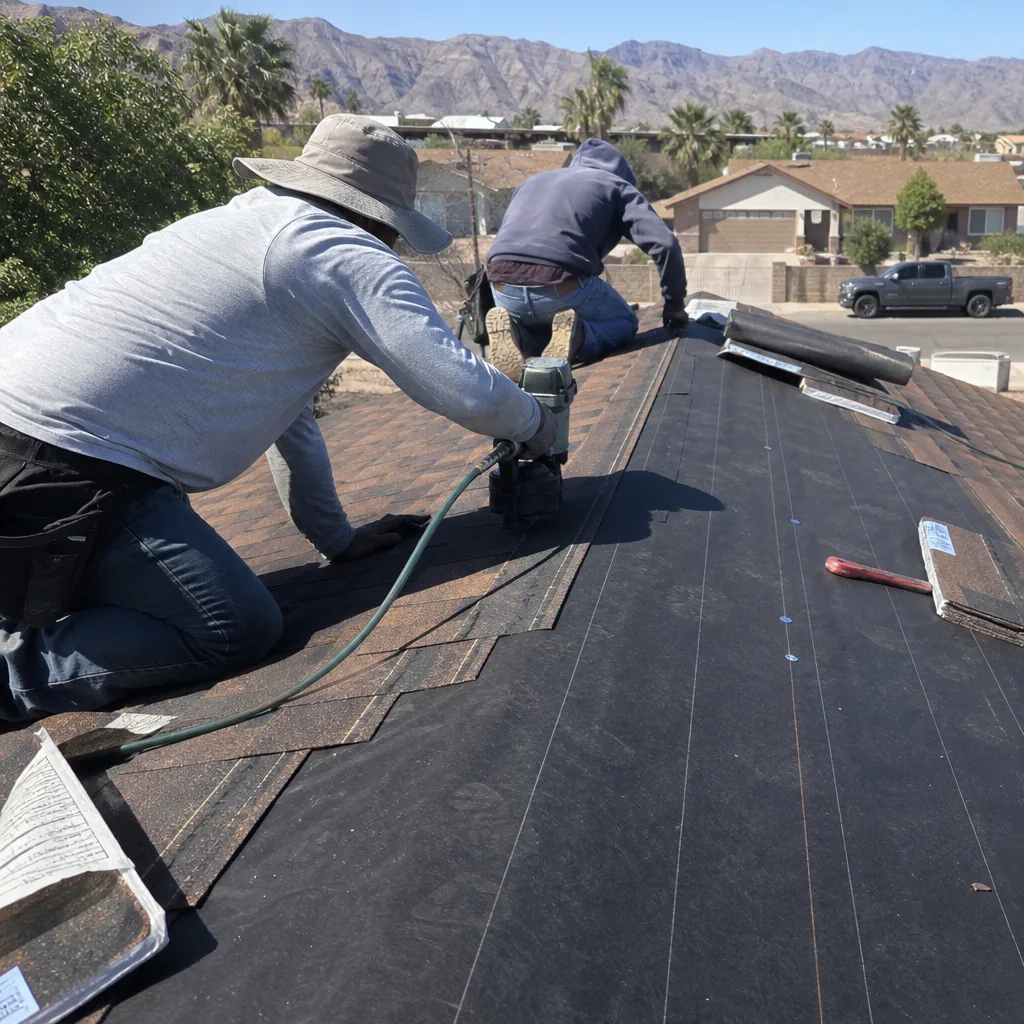
Every “best roofing material” article is secretly written for a hypothetical American house in a hypothetical American climate. Boulder City isn’t hypothetical. It’s 110°F in July, roughly 2,300-2,500 feet above sea level near Lake Mead, and your neighbor’s cottage may sit in a historic district where the wrong material choice triggers a preservation review before a single shingle goes down. That changes the answer.
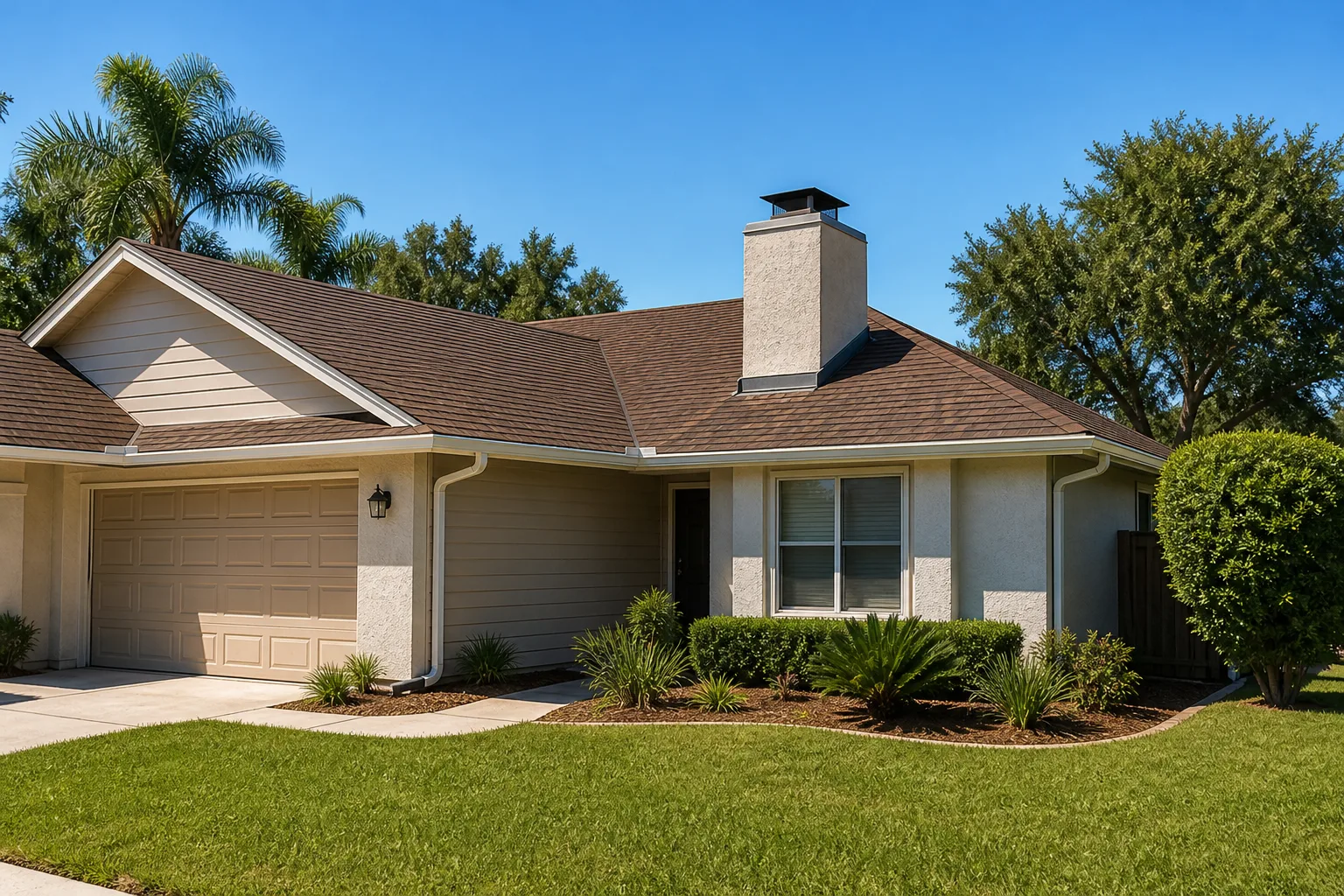
Why Boulder City Roofing Isn’t Las Vegas Roofing
Most southern Nevada roofing advice gets written for the Las Vegas valley, and that advice doesn’t travel cleanly up the hill. Las Vegas sits around 1,600 feet with milder freeze risk and no historic preservation overlay across most of its housing stock. Boulder City sits several hundred feet higher, cools harder on winter nights, and carries a preservation review that governs exterior changes in the historic core. A material recommendation calibrated for the Strip corridor can be the wrong call here.
The town itself explains the stakes. Boulder City is a federally chartered 1931 company town, built by the Bureau of Reclamation to house Hoover Dam workers, and many of the original bungalows and modest 1930s-40s cottages still stand near the historic district. That means Depression-era construction methods: unreinforced brick, pier-and-beam foundations, original bungalow framing, and roofs that were never engineered for the weight of modern concrete tile. A job that would be a simple swap in Henderson becomes a preservation-sensitive project here.
What we see on the ground: the dry climate and expansive desert soils move with seasonal shrink-swell, and roofs on older homes telegraph that movement as cracked flashing, popped fasteners, and ridge-line separation. When we’re up on a roof in July, the surface temperature runs hot enough that crews work early mornings and shaded sides first. Material choice affects how long your roof survives that, and so does the quality of the system underneath.
The Boulder City Roofing Scorecard: Five Criteria That Actually Matter Here
Weigh any roofing material against these five local criteria before you compare prices. A material that wins on cost per square can lose badly on two or three of them.
- UV and heat resistance. Intensity at this elevation plus low humidity means reflective or heat-modified surfaces hold up far longer than commodity asphalt.
- Weight compatibility with aging structures. The deciding factor for Hoover Dam-era bungalows. Tile, metal, and architectural shingle are not interchangeable without a structural check on the existing rafters.
- Historic district compliance. Exterior alterations and even full roof changes can trigger review in the historic districts. Profile, color, and material visibility all get scrutinized.
- Monsoon water-shedding. The desert gets its rain in violent bursts. Pitch, underlayment, and flashing details matter more than the top layer.
- Coating and finish durability in near-zero humidity. Materials engineered for humid climates may not hold finish or sealant the same way; high-temperature SBS-modified products are built for markets like southern Nevada.
How the common materials score against those criteria
| Material | UV / Heat | Weight Fit | Historic Fit | Monsoon Shedding | Coating Durability |
|---|---|---|---|---|---|
| Architectural asphalt shingle (SBS-modified) | Good with heat-rated product | Excellent (light) | Strong if profile matches | Good | Good |
| Concrete or clay tile | Excellent | Poor unless structure allows | Often preferred in historic districts | Excellent | Excellent |
| Standing-seam metal | Excellent | Moderate | Depends on profile and color | Excellent | Excellent |
| Commodity 3-tab shingle | Fair | Excellent | Risky if visible | Fair | Fair |
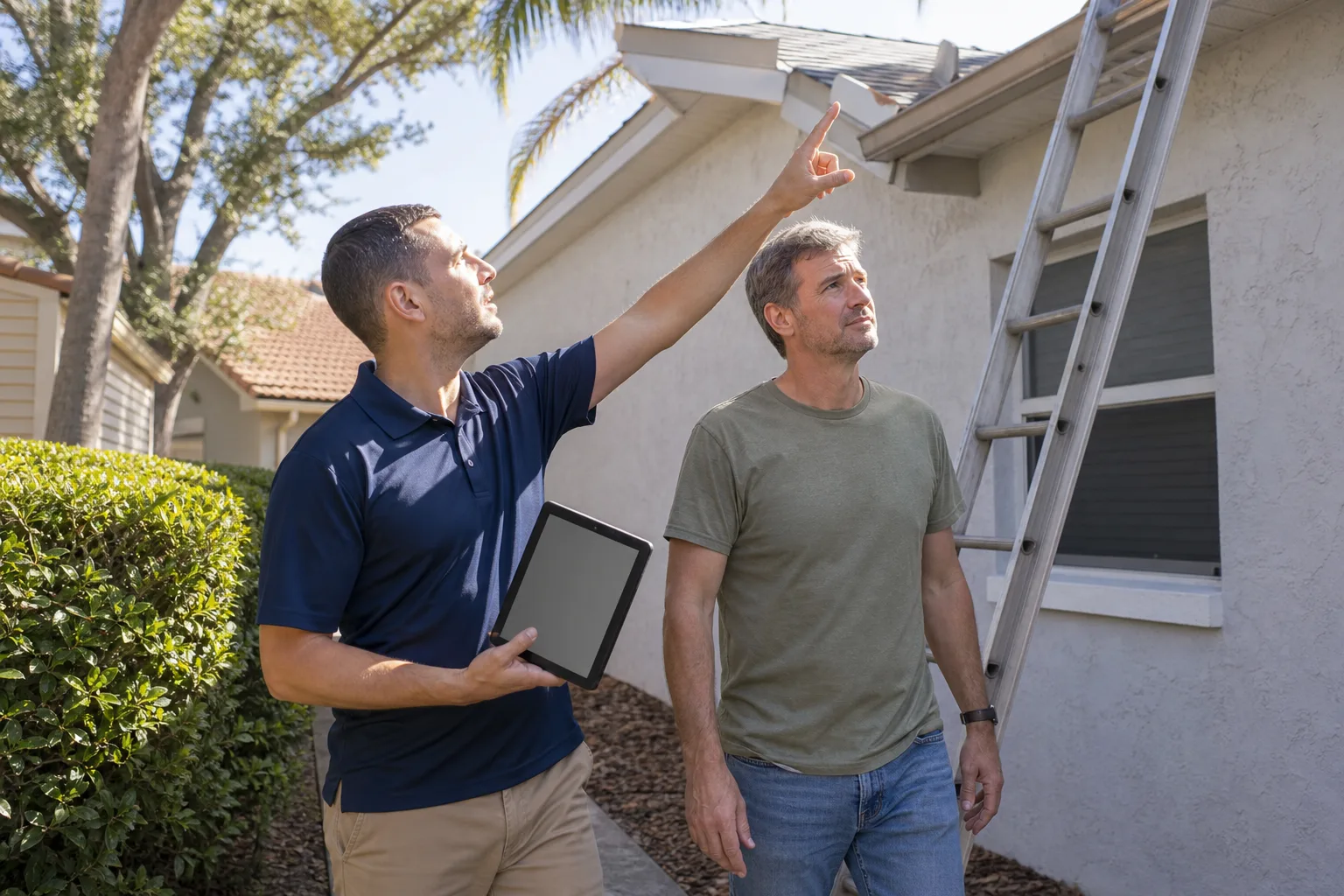
This is where our Roofing service earns its keep: we start with a structural check before we start talking about product. If your rafter system was built for wood shingles in 1938, it was not built for concrete tile, and nobody should sell you tile without verifying that first.
Which Material Fits Which Boulder City Home?
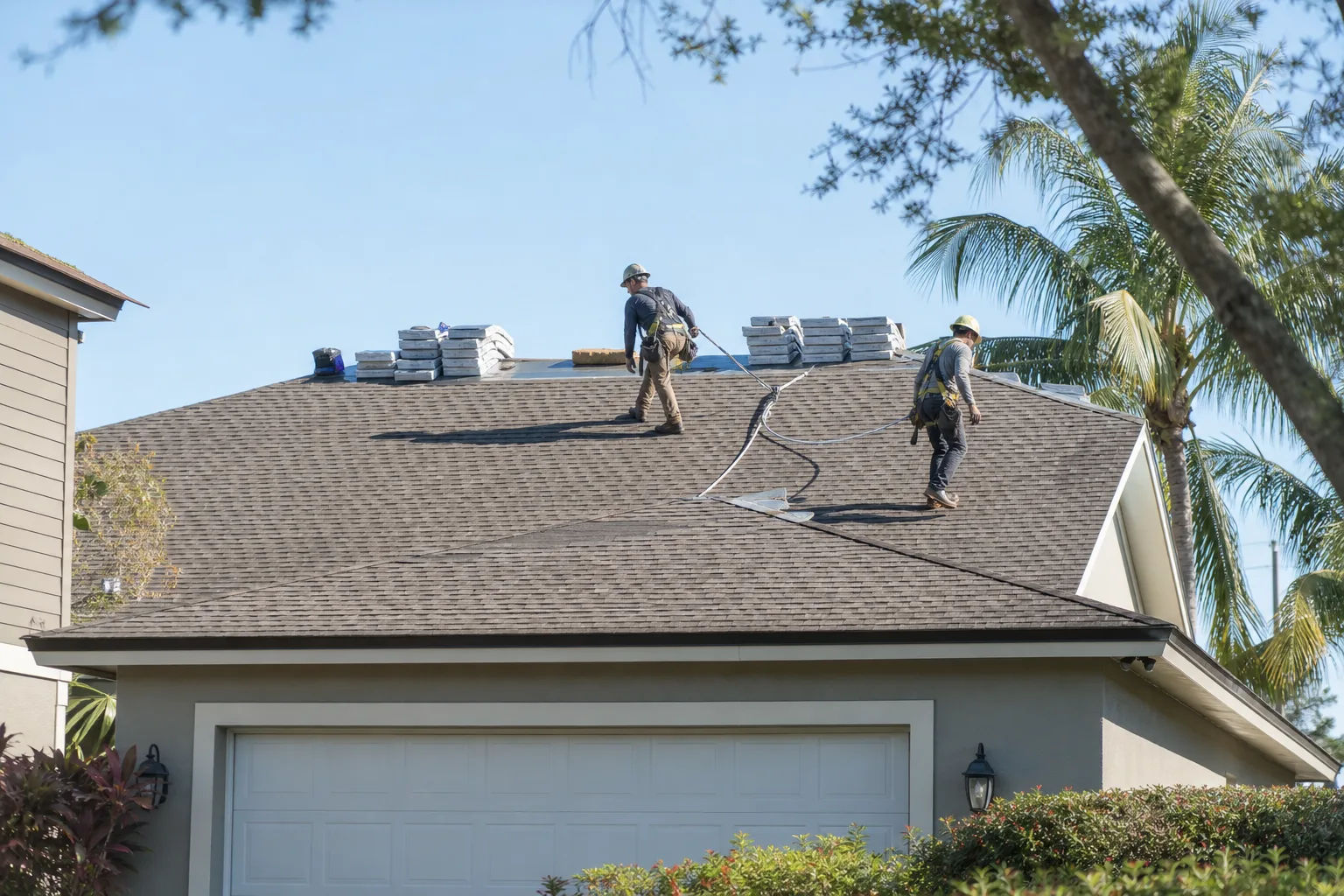
1930s-40s historic-district cottages and bungalows. Architectural shingle in a period-appropriate profile is usually the smartest call, and we’ll walk you through whether the color and exposure will pass preservation review. If the structure can carry it and the review board expects it, tile is the historically honest choice. Weight is the gate.
1950s-70s tract homes east of the historic district. These usually have more structural headroom. This is where standing-seam metal at $15,000-$40,000 makes long-term sense, and where a standard architectural shingle replacement at $8,000-$20,000 is the value leader.
Newer custom builds. Fewer structural constraints, more room to optimize for the 100-110°F summers with reflective finishes and high-performance underlayment.
What Does a Roof Cost in Boulder City?
Here are the ranges we quote in Boulder City. Upfront pricing, no surprises: the number you see is the number you pay.
| Service | Typical Range |
|---|---|
| Roof replacement (architectural shingle) | $8,000-$20,000 |
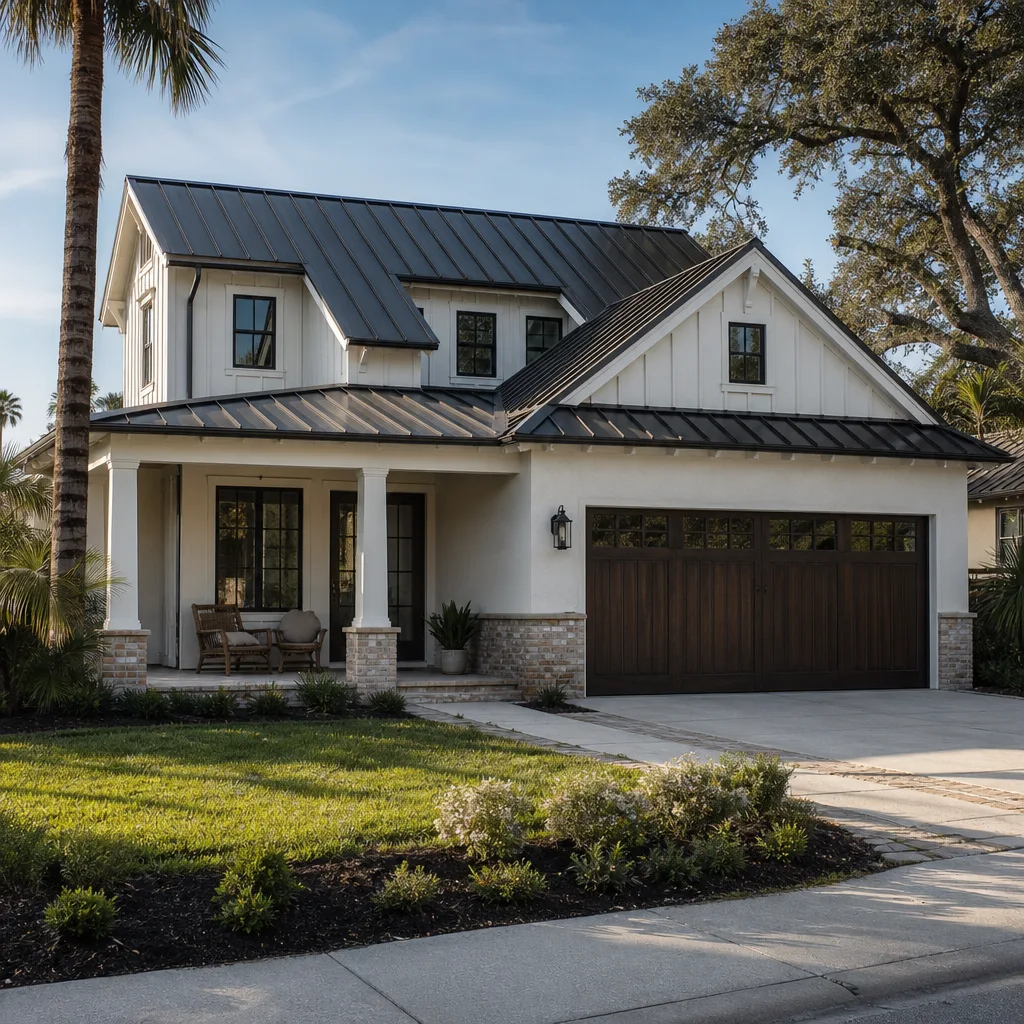
| Metal roof installation | $15,000-$40,000 |
| Roof repair | $400-$1,800 |
| Tile roof repair | $600-$2,500 |
Pair a full replacement with any project over $10,000 and you get $1,000 off, plus 0% financing for 18 months. A free project estimate and design consult comes standard. Every roof we install is covered by our 730-Day Done Right Promise. If it isn’t done right, we make it right.
What Separates a Good Roof From a Cheap One
Two roofs with the same product label can fail at very different ages. That’s the part most material comparisons miss. The same shingle category varies enormously by manufacturer quality, and it matters even more in this climate where UV accelerates the breakdown of cheap asphalt.
That’s why we specify from a curated portfolio of top-tier brands, including GAF and Owens Corning. Their shingle systems carry Class A fire ratings, and in a fire-adjacent Mojave landscape that isn’t a marketing line, it’s a safety specification. Their high-temperature SBS-modified products are engineered for markets like southern Nevada. Homeowners choosing among genuinely top-tier products get a better roof than homeowners handed whatever the distributor had in stock. Keep that distinction in mind when you compare bids.
Groundwork also answers the phone 24/7 with a live person, no voicemail black holes, and sends background-checked, uniformed technicians to every project. Our roofing technicians have up to 12 years of experience. If you’re new to the area, our Boulder City service area page covers what to expect; for kitchen, bath, or addition planning you can start from our home page.
FAQs
Architectural asphalt shingles with a high-temperature SBS-modified formula, or standing-seam metal, are the top performers for desert heat. Shingle systems resist UV cycling well when the product is rated for it, and metal reflects more heat and lasts longer. Commodity 3-tab shingles degrade fastest here. Call (888) 282-1693 for an exact quote - estimates are free.
Only after a structural check on the existing rafters. Tile is heavy, and Hoover Dam-era roof structures in the historic district were not designed for it. When the framing can’t carry the load, architectural shingle or metal is the right answer. We inspect before we recommend. Call (888) 282-1693 to schedule an assessment.
Possibly, yes. Exterior alterations in the city’s historic districts can trigger preservation review, and the material profile and color may need to match original character. We know what the review board looks for and plan the material selection around it. Call (888) 282-1693 - estimates are free.
Repair wins when the damage is isolated, typically $400-$1,800 for standard fixes or $600-$2,500 for tile. Replace when the shingles are past their service life or when flashing and underlayment have failed in multiple spots; another repair just delays a full replacement. Call (888) 282-1693 - we’ll walk you through the numbers.
Ready for a Straight Answer on Your Roof?
If you’d rather have it looked at, Groundwork Construction Co. of Boulder City offers a no-pressure assessment in Boulder City - call (888) 282-1693. We’ll check the structure, weigh the material options against your home and your budget, and give you a clear recommendation with a number attached. From foundation to finish line, and built to last, backed in writing.
Written by the team at Groundwork Construction Co. of Boulder City, serving Boulder City, NV.