Free written scope consultation - allowances, timeline, and change-order rules on paper before a single trade is scheduled
Styles & brands we work with
- Kitchen remodeling
- Bathroom remodeling
- Home additions & ADU
- Roofing
- Windows & doors
- Driveway & pavers
- Fence
See the difference
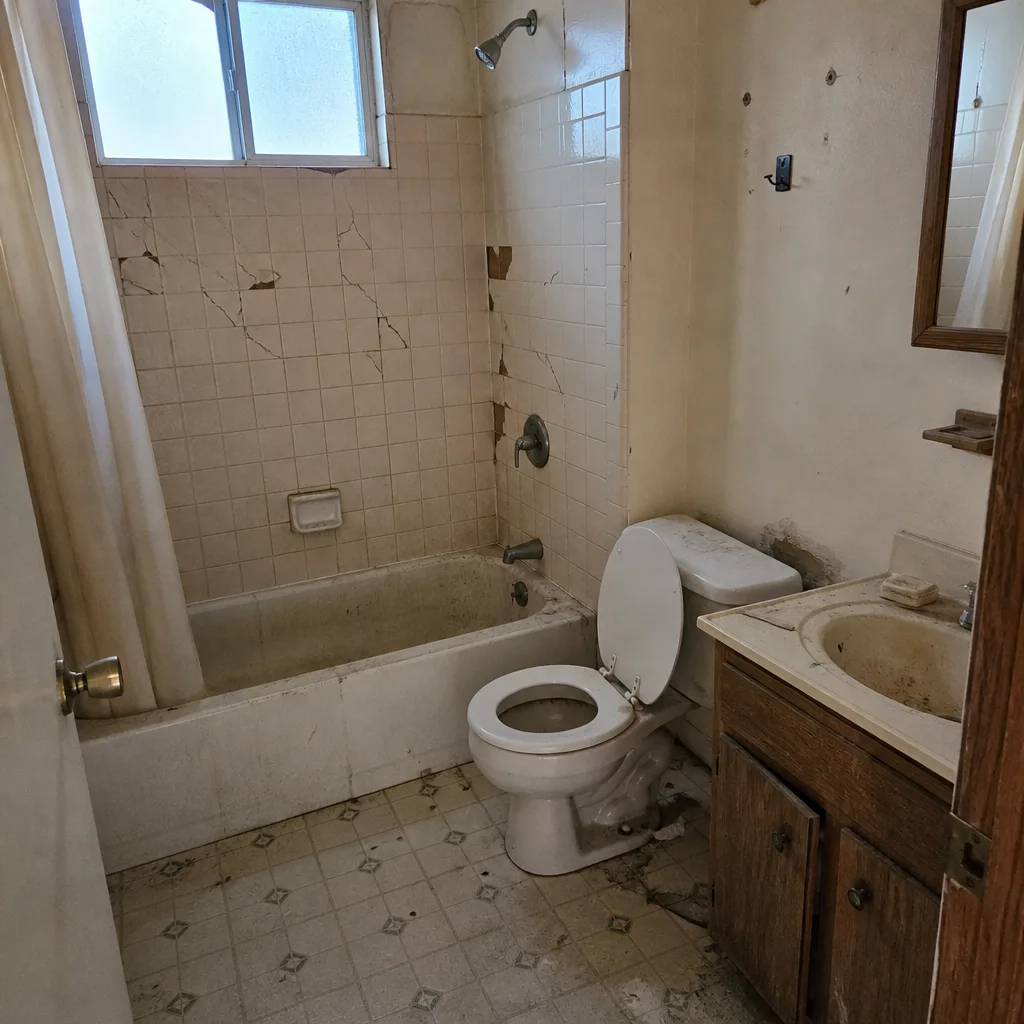 Before
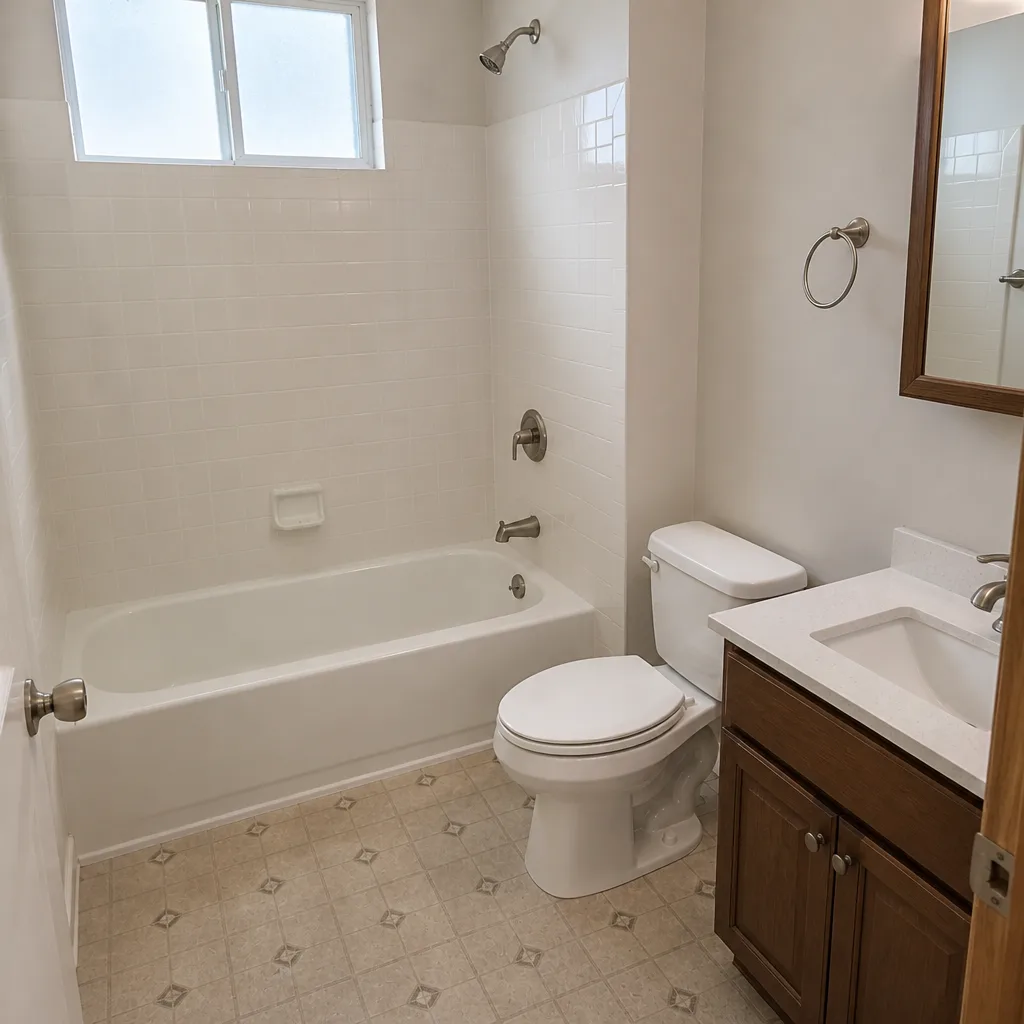 After
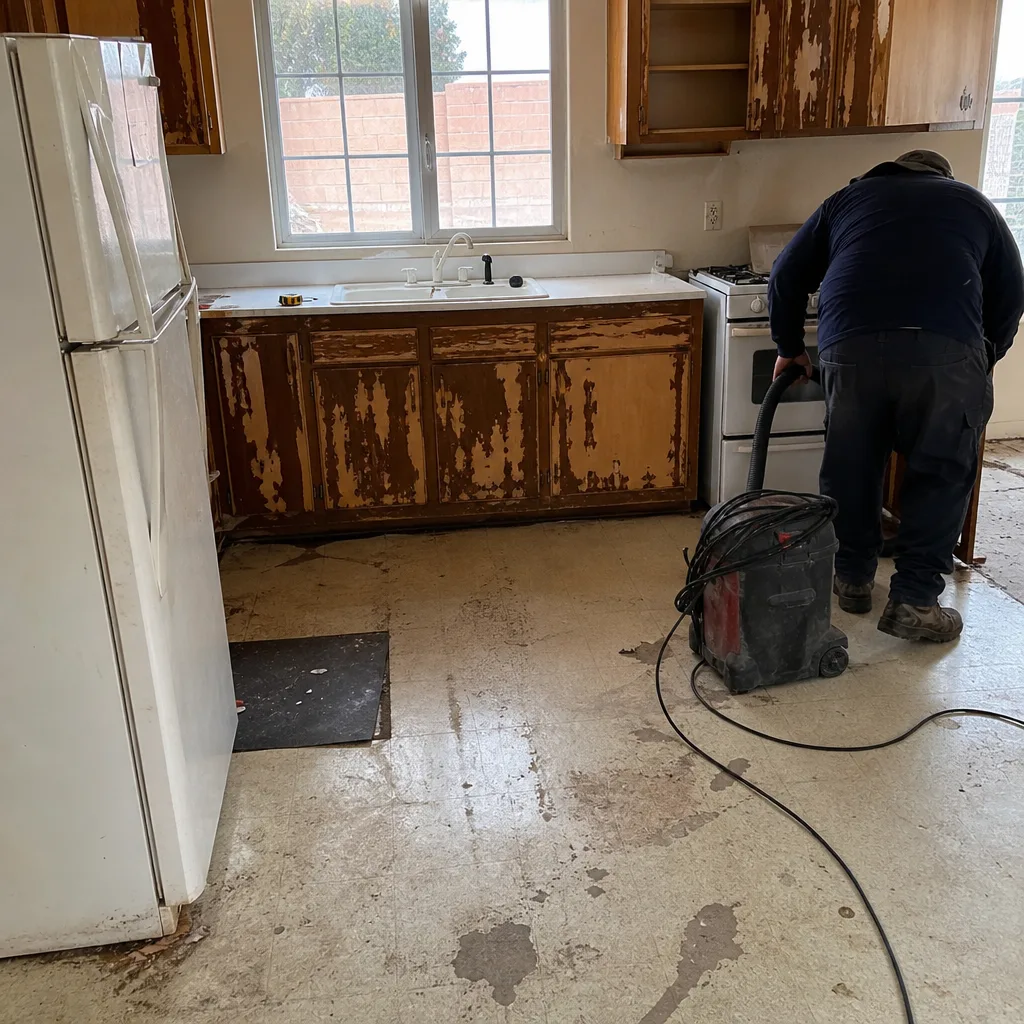 Before
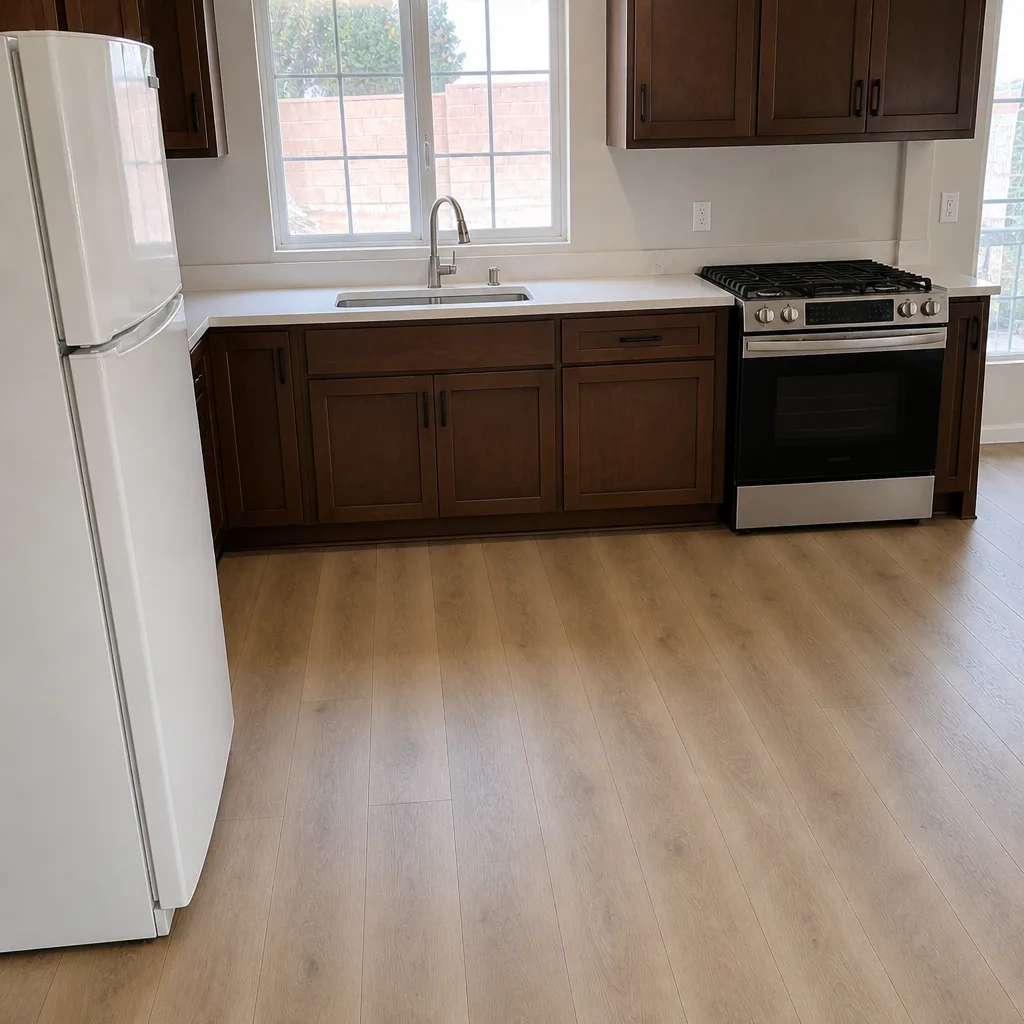 After
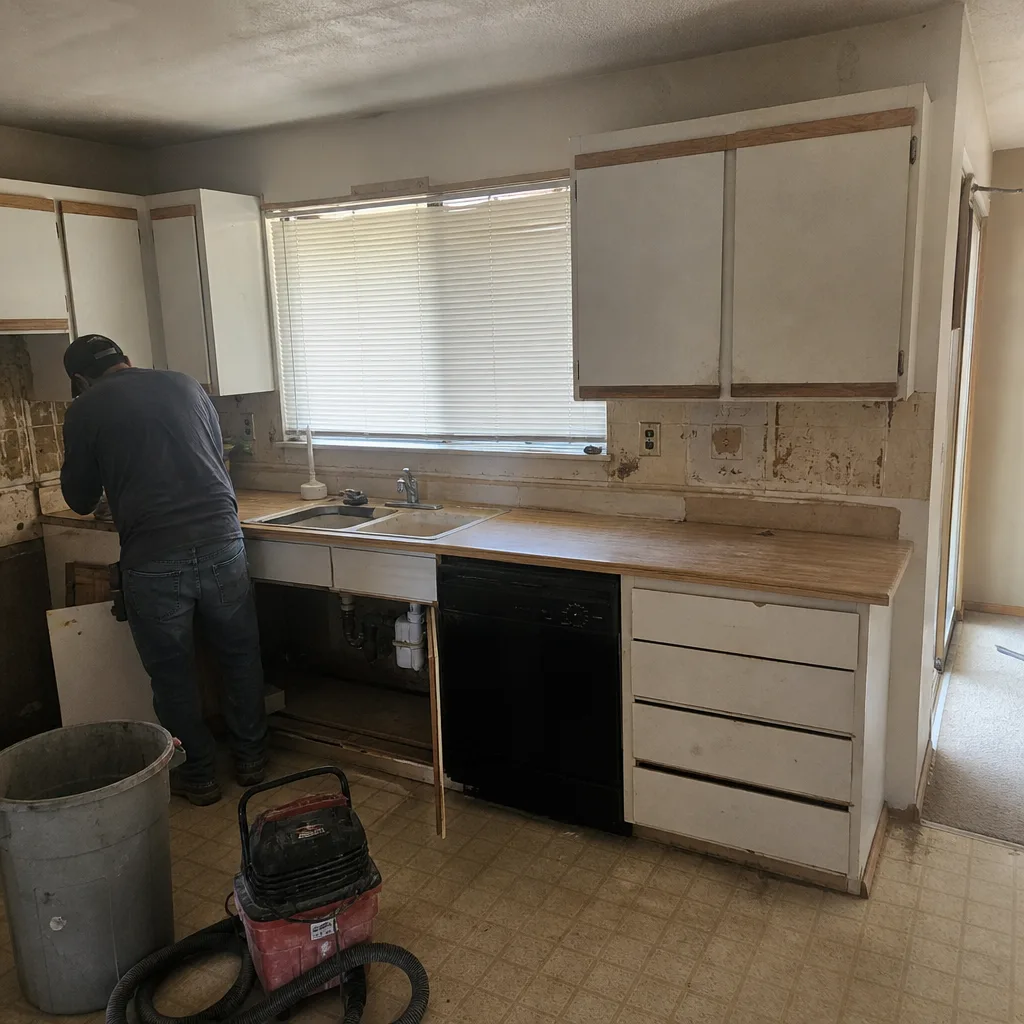 Before
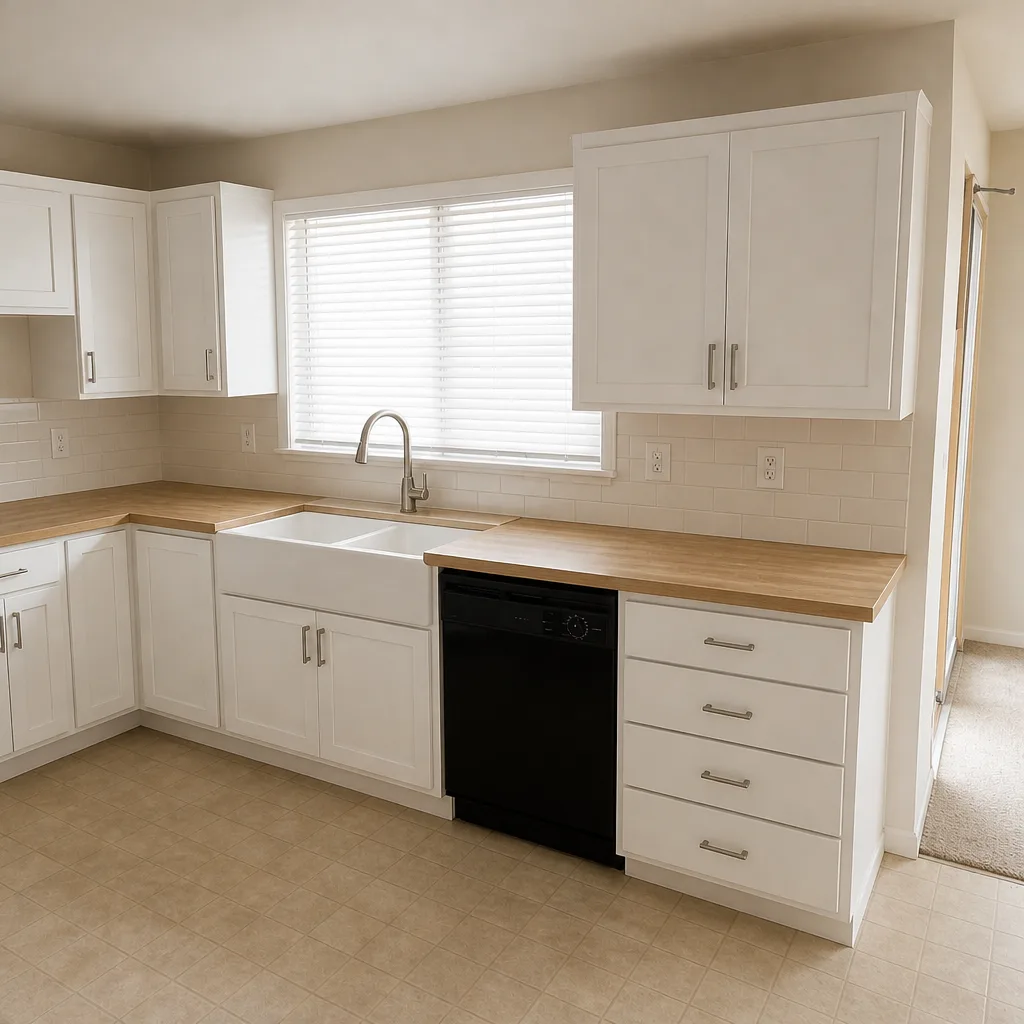 After
I’ll write this page with the Boulder City historic-district angle front and center, since that’s the genuine information gain here.
Double Hung vs Casement Windows in Boulder City, NV: Which One Fits Your Home?
Choose double hung if your Boulder City home sits in or near the historic district, or was built before 1945; choose casement if you’re in the newer infill east of the historic core and want the tightest possible seal against Mojave heat and wind. That’s the honest short answer. The longer answer has a local wrinkle most comparison guides skip entirely: in Boulder City, window style is a preservation question as much as an energy question. If your home is a 1930s Hoover Dam-era cottage, swapping original double-hung wood sashes for casements can trigger a historic review that delays the project and may be denied outright. Call (888) 282-1693 and we’ll help you figure out which side of that line your house falls on before you spend a dime.
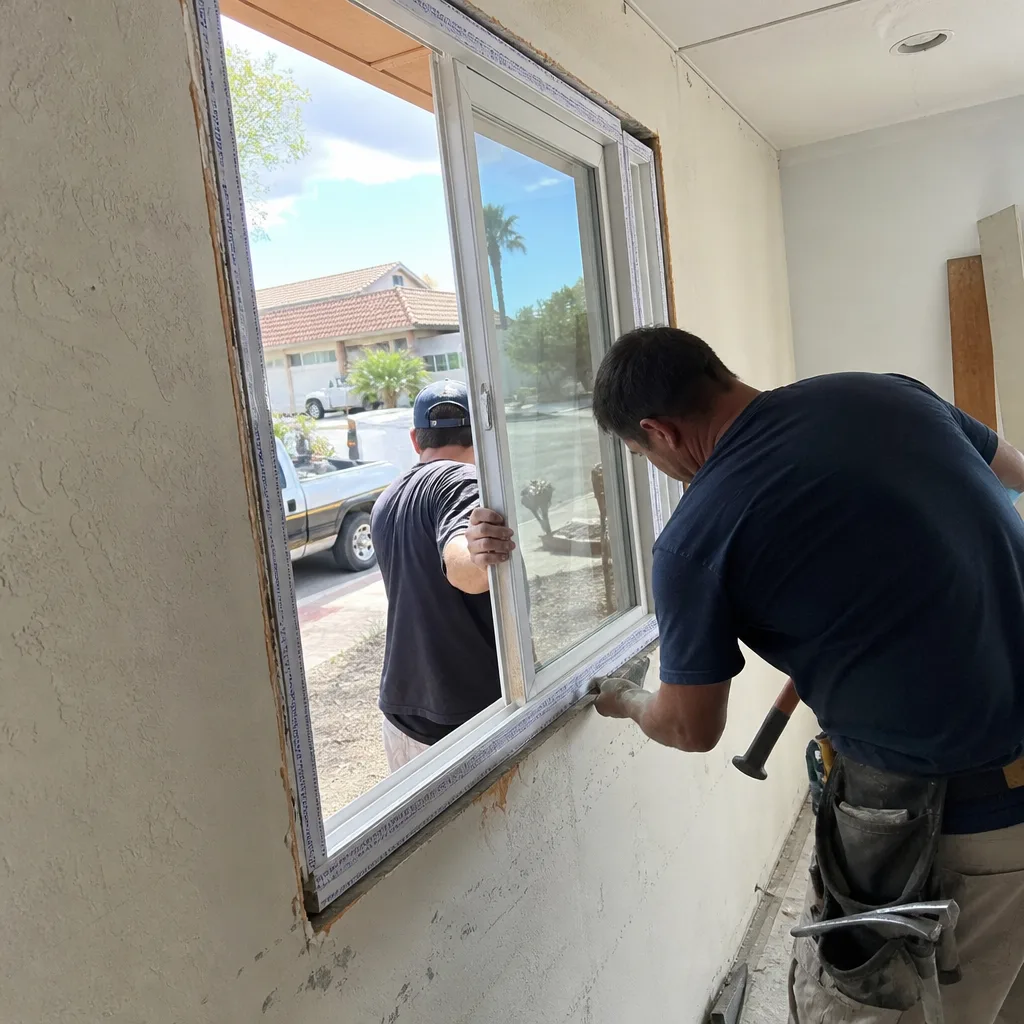
Why does that matter so much here? Boulder City is a federally chartered 1931 company town, built by the Bureau of Reclamation to house Hoover Dam workers. Most of the original bungalows and modest 1930s-40s cottages cluster near the historic district, and the city’s preservation review is unusually rigorous for a town this size. A standard vinyl-window quote that flies in Henderson gets sent back here with a note about divided-light profiles. Knowing that up front saves you weeks.
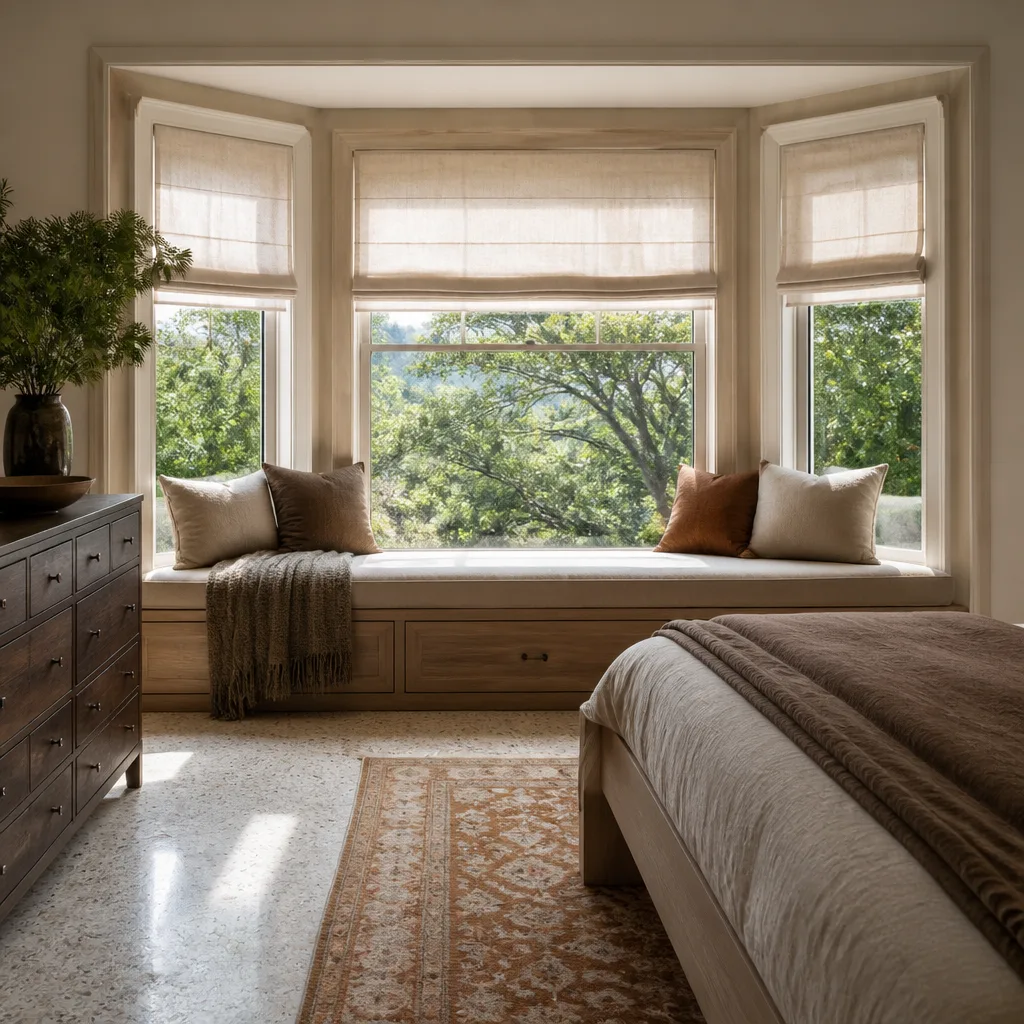
What’s the real difference between double hung and casement windows?
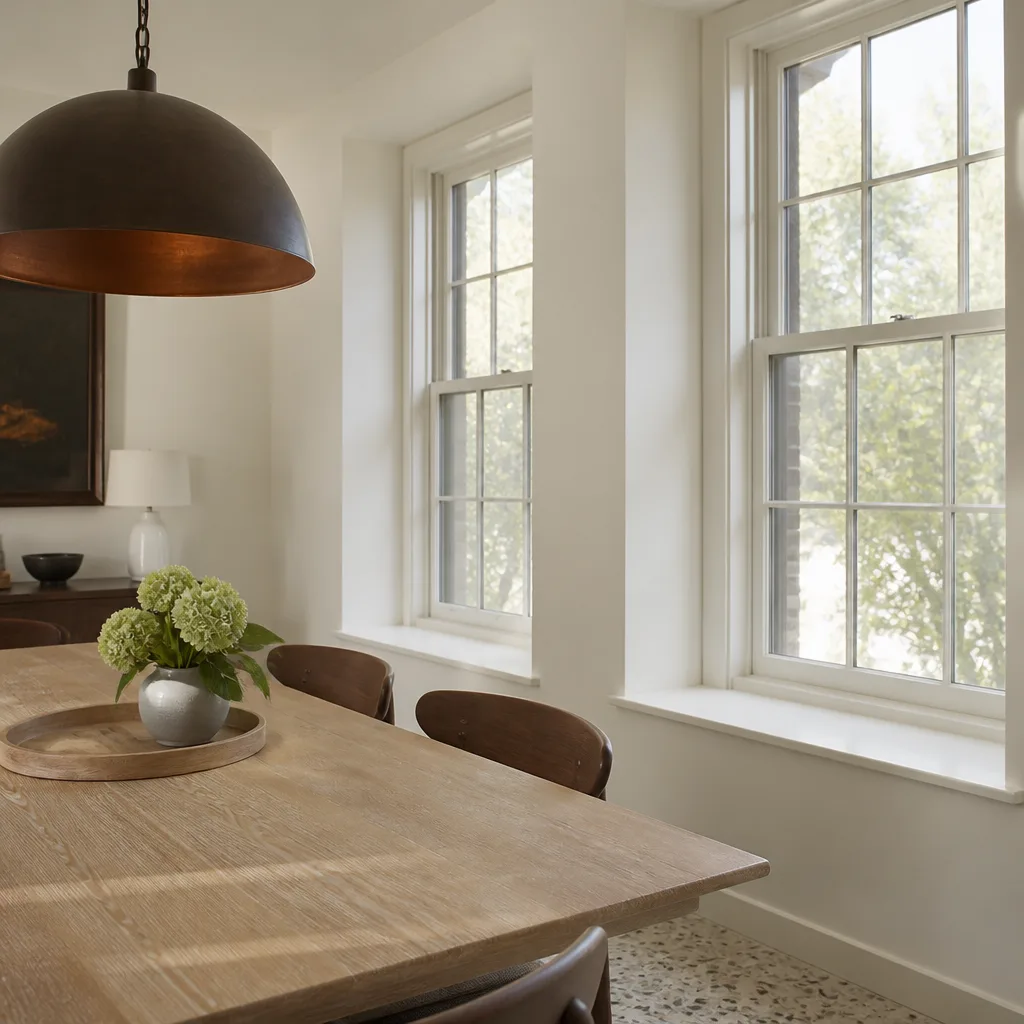
Double hung windows slide up and down, with two sashes that move independently; casement windows swing outward on a crank, hinging on one side. The mechanism is simple. What changes is how each one behaves in a desert climate and how each one reads against a historic streetscape.
| Factor | Double Hung | Casement |
|---|---|---|
| How it opens | Sashes slide vertically | Sash cranks outward, hinges on one side |
| Air seal at 110°F | Good; sashes slide past each other | Better; sash compresses against the frame |
| Ventilation style | Half-opening, top and bottom | Full opening, scoops outside air inward |
| Historic district fit | Matches the original 1930s-40s vocabulary | Alters fenestration pattern; may need review |
| Hardware wear in desert UV | Spring balances hold up well | Cranks and seals degrade faster under sustained sun |
| Typical installed cost | Generally lower per unit | Generally higher per unit |
Both styles show up in our Windows & Doors work around Boulder City, and neither is “the best” in a vacuum. The house decides.
In the historic district, why does window style get reviewed at all?
The answer is that Boulder City’s historic-district guidelines are anchored to the 1930s-40s building vocabulary, and the original Hoover Dam-era bungalows were built with double-hung wood sashes. Casement replacements change the fenestration pattern – the visual rhythm of how windows sit in a wall – in a way that triggers preservation review. “I wanted better ventilation” is not a variance argument that holds up.
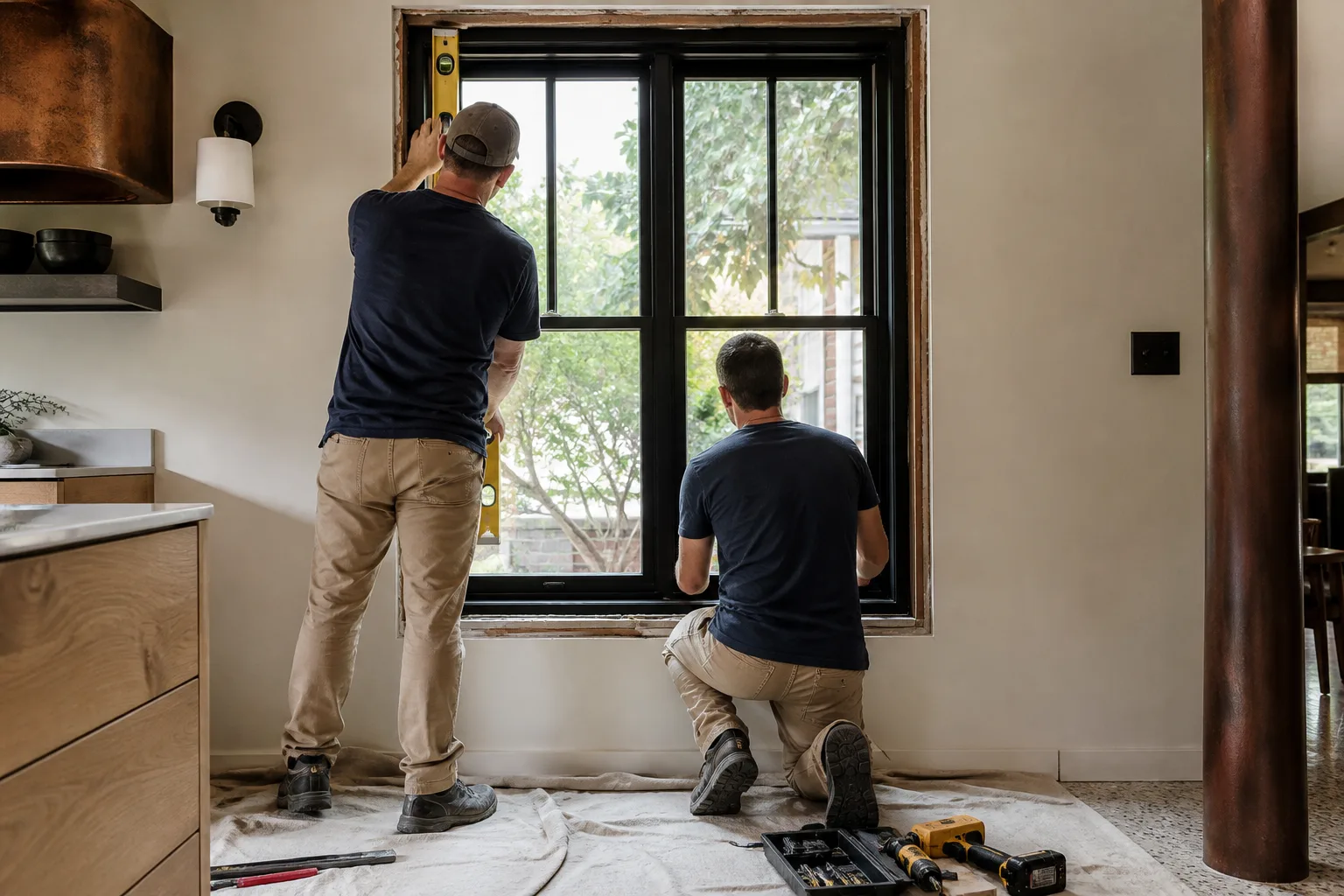
This is where the material portfolio matters more than the sales pitch. Our brand partners include Andersen and Marvin divided-light double-hung profiles that satisfy most historic-review requirements, which means you can get modern thermal performance inside a historically compliant exterior. If you want to see how that plays out on a real preservation-sensitive project, our Boulder City service area page lays out the local ground rules.
- Original wood double hung, before 1945: restore and weatherstrip where the sashes are sound; match the divided-light profile if you replace.
- Pre-1945, sashes beyond saving: divided-light double hung in a thermally broken frame keeps you compliant.
- 1950s-70s infill east of the historic core: no preservation constraint; casement becomes a strong option.
- Newer custom builds: pick for performance and your own aesthetic, not for a review board.
Where do casement windows actually win?
Casements win on air sealing and on shoulder-season ventilation. The sash compresses against the frame rather than sliding past it, which holds up better at the temperature extremes Boulder City sees at roughly 2,300 to 2,500 feet near Lake Mead, where summer highs routinely hit 100 to 110°F and the humidity drops to almost nothing. That compression seal is the reason casements with Andersen 400-series or Marvin Elevate frames are our first suggestion for non-historic infill homes east of the historic core.
There’s a second win that only shows up in spring and fall. A cranked-out casement catches prevailing wind and scoops it into the room, which can pre-cool a house in the brief shoulder seasons when you’d rather not run the AC. Double hung windows move air too, but they open to half their area.
The catch with casements in the desert
The catch is hardware. Exposed crank mechanisms and the perimeter seals take sustained UV and grit, and they degrade faster here than a double-hung spring-balance system will. That’s not a reason to avoid casements; it’s a reason to buy quality hardware and to know who’s covering it if it fails.
What do new windows cost in Boulder City?
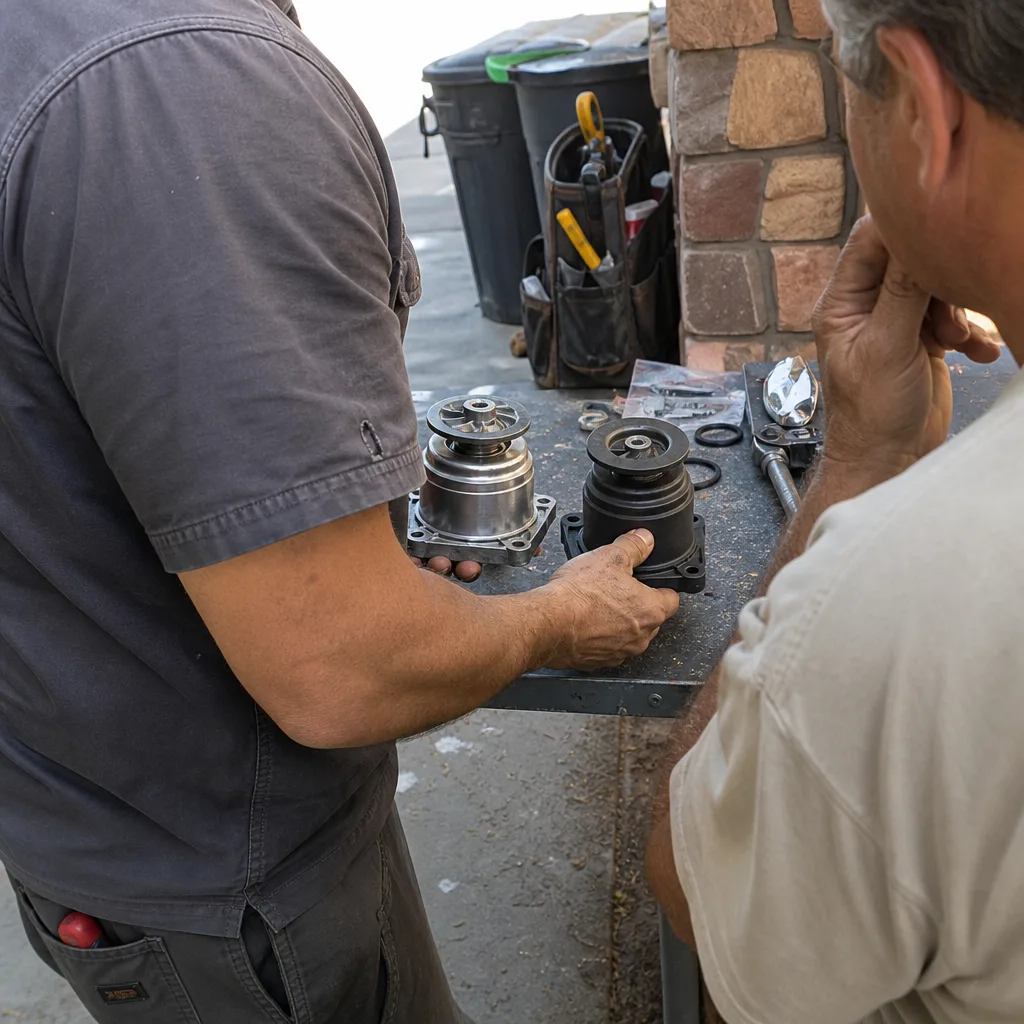
Window replacement around Boulder City runs $4,500 to $15,000 for a typical whole-house project, and impact-rated installation runs $8,000 to $25,000. Style affects the number: casements generally cost more per unit than double hung because of the crank hardware and the heavier frame, while divided-light profiles add cost over a plain single-light sash. These are the ranges we work from, quoted upfront and held to – no surprise line items at the end.
Preservation review can add soft costs if the project needs it, and we’ll tell you honestly when a review looks likely rather than after you’ve signed. On larger jobs, the standing offers apply: 0% financing for 18 months, and $1,000 off projects over $10,000. The estimate and design consult are free.
One operator detail worth knowing: in Boulder City we routinely see original wood sashes that are actually restorable. A 1930s cottage sash with sound wood often takes weatherstripping and glazing work far cheaper than replacement, and it keeps your historic profile intact. We’ll tell you when that’s the better call even though it’s the smaller job for us.
Can you handle the historic review process?
Yes, and handling it is half the value. We start by identifying whether your address falls inside the review boundary, then match a window profile to the existing divided-light pattern before anything gets ordered. If a variance is needed, you’ll know before the deposit, not after the windows arrive on a truck. Background-checked, uniformed technicians handle the install, and every job is covered by our 730-Day Done Right Promise: if a casement crank, balance, or seal fails within two years of installation, it’s fixed at no cost. No arguing about whether it was product failure or installation error.
That long guarantee is uncommon in residential window work, and it’s the mechanism that makes the casement hardware question less nerve-racking. Our technicians have up to 12 years of experience, and calls are answered by a live person 24/7 – no voicemail, no waiting until Monday. From foundation to finish line, we’re the single contractor on the job, which matters when a review board needs to see consistent details across the whole exterior.
Frequently Asked Questions
For air sealing, yes – casements compress against the frame and hold a tighter seal at 110°F than double hung, which makes them the better choice for non-historic homes east of the historic core. But casement crank hardware and seals degrade faster under sustained UV, so quality hardware matters more here than in cooler climates.
Often, yes. Window replacements in the historic district can trigger review because the 1930s-40s Hoover Dam-era bungalows were built with double-hung wood sashes, and casement replacements alter the fenestration pattern. The safest path is a divided-light double-hung profile that matches the original; we’ll confirm whether your address is inside the boundary before you commit to anything. Call (888) 282-1693 for a free assessment.
Repair is frequently cheaper when the sash wood is sound – weatherstripping and glazing work on a 1930s cottage sash often beats replacement cost, and it keeps you historically compliant. Replace when the wood is rotted or the sash is warped beyond a clean fit. We’ll give you the honest comparison rather than defaulting to the bigger sale.
Most single-window and small-batch jobs finish in a single visit, and whole-house replacements are typically scheduled in stages so the house stays weather-tight each night. Call (888) 282-1693 and we’ll give you a real timeline for your Boulder City address after a quick look at the existing frames.
Get a straight answer on your windows
If you’d rather have it looked at, Groundwork Construction Co. of Boulder City offers a no-pressure assessment in Boulder City – call (888) 282-1693. We’ll tell you whether your house can take casements, whether preservation review is in play, and what it costs before anything is ordered. Upfront pricing, no surprises, built to last and backed in writing.
Written by the team at Groundwork Construction Co. of Boulder City, serving Boulder City, NV.