Free written scope consultation - allowances, timeline, and change-order rules on paper before a single trade is scheduled
Styles & brands we work with
- Kitchen remodeling
- Bathroom remodeling
- Home additions & ADU
- Roofing
- Windows & doors
- Driveway & pavers
- Fence
See the difference
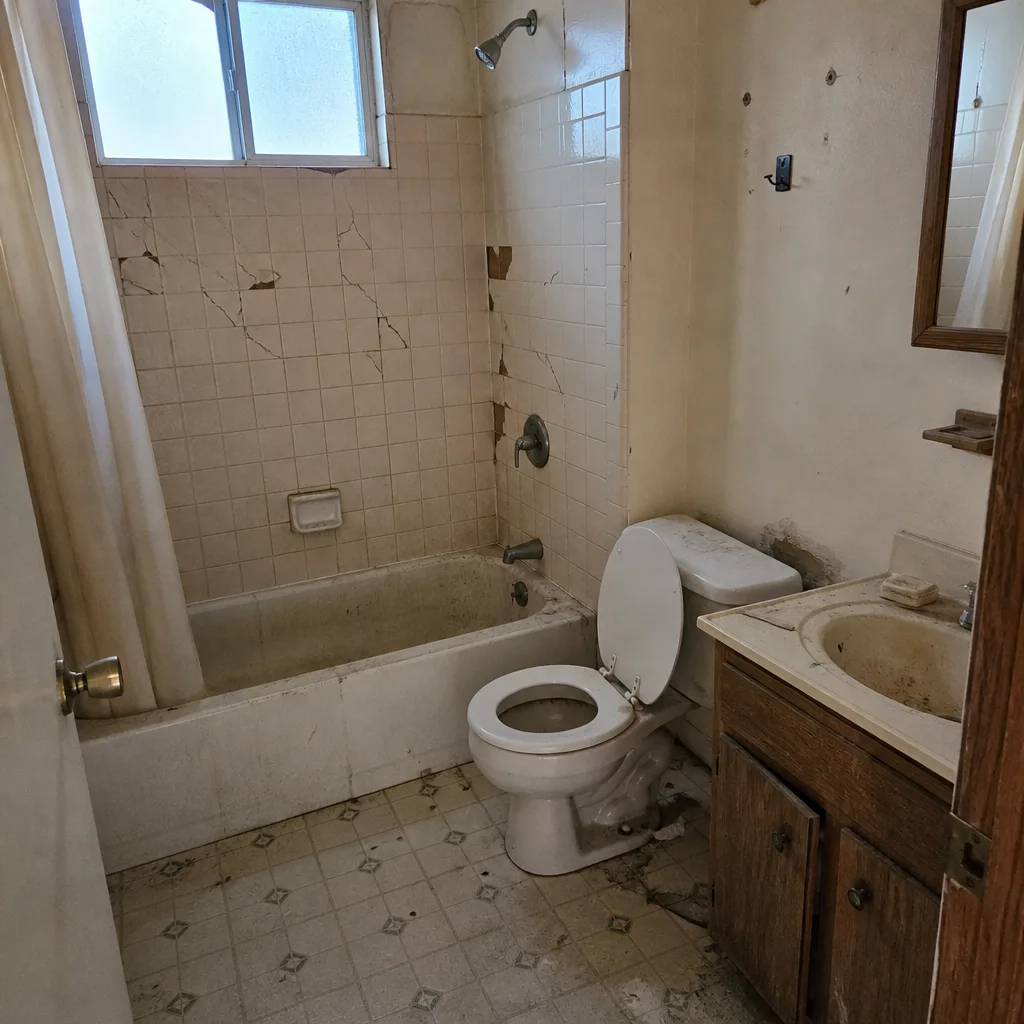 Before
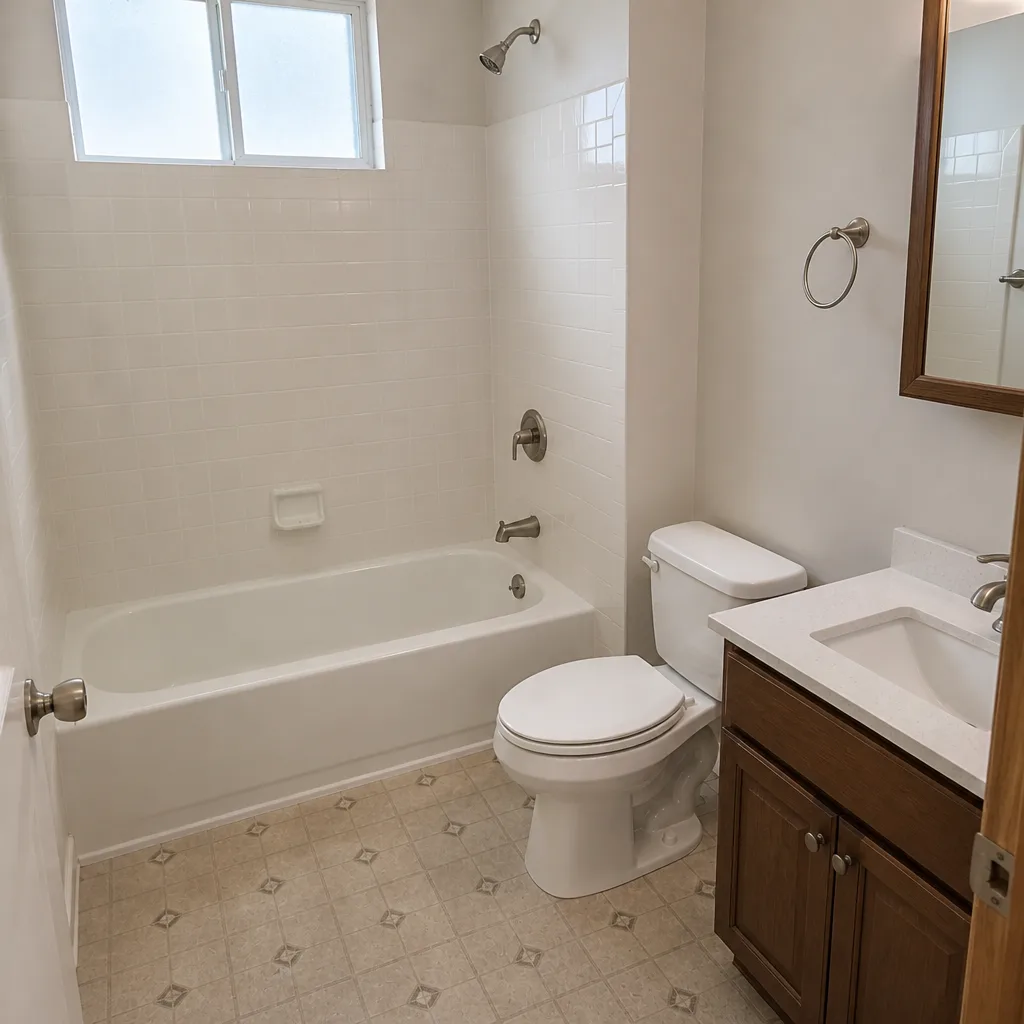 After
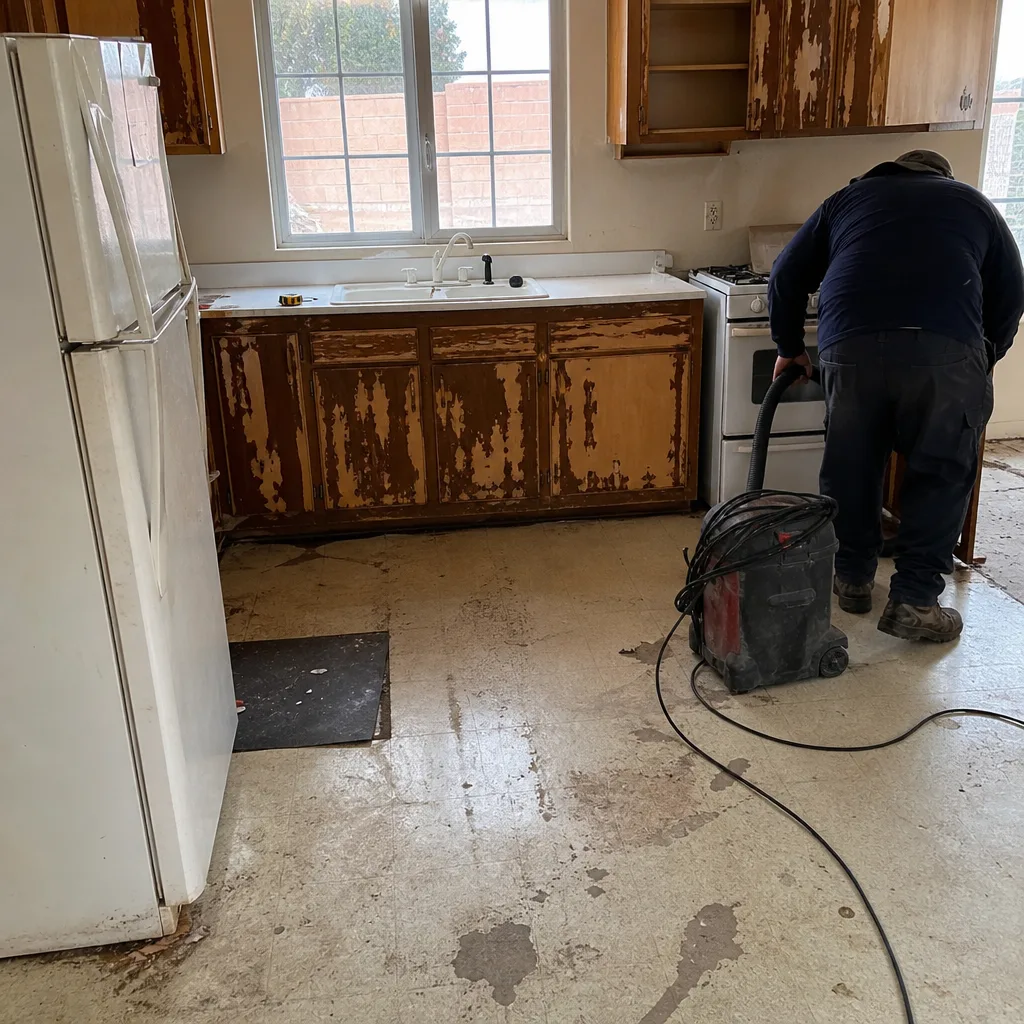 Before
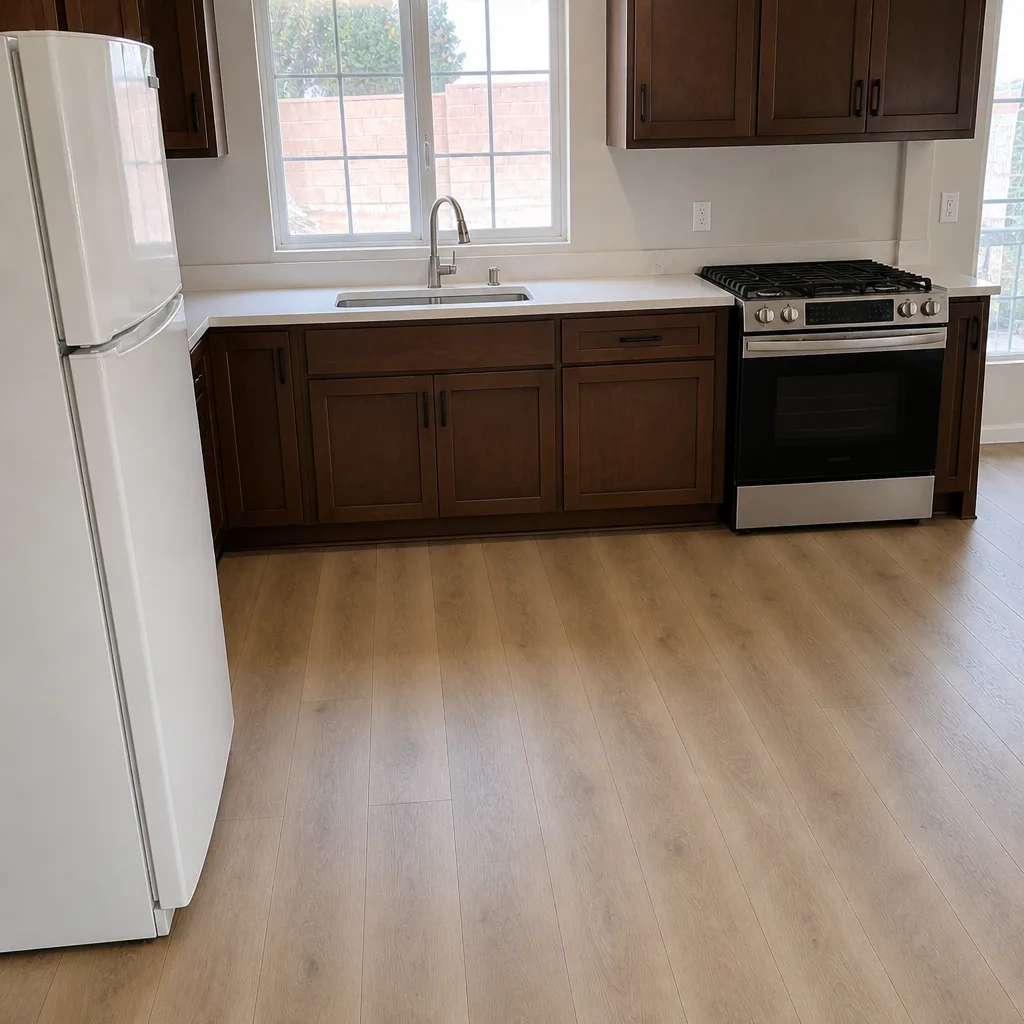 After
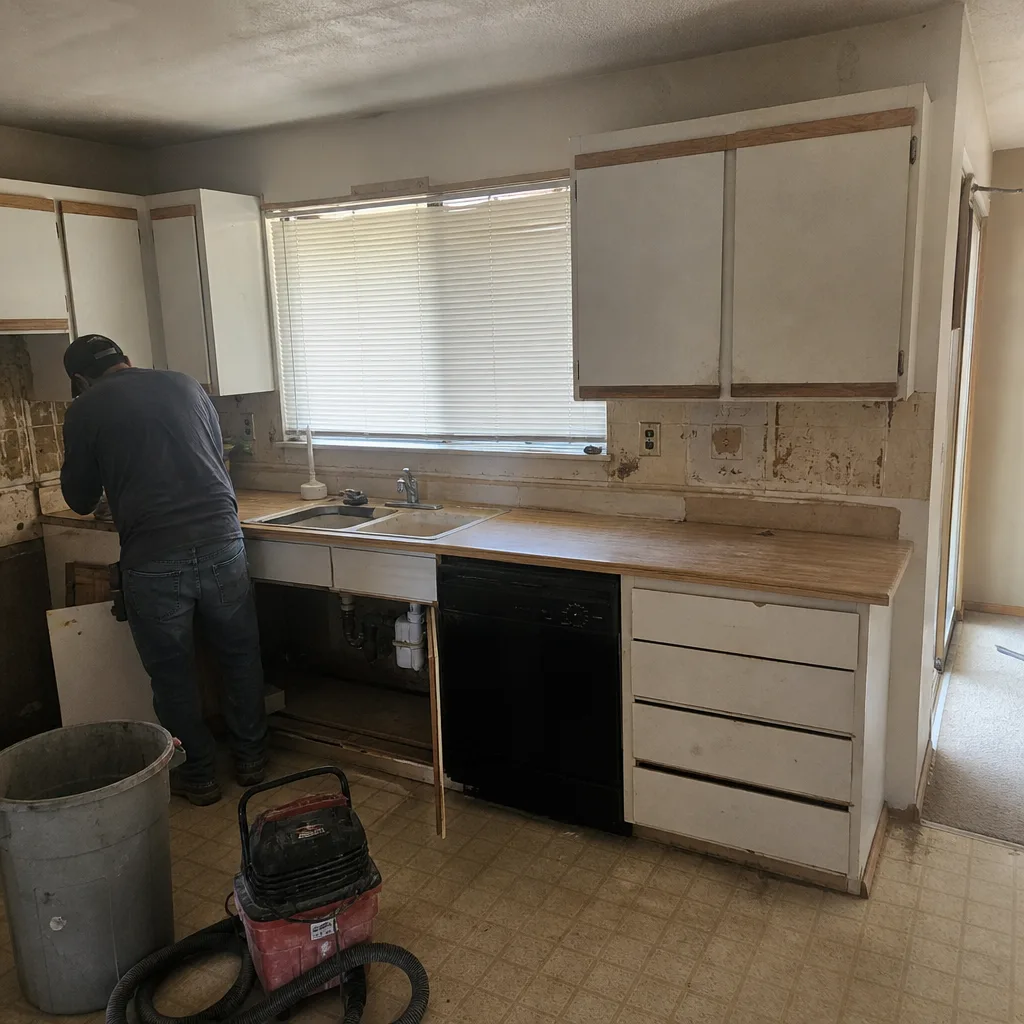 Before
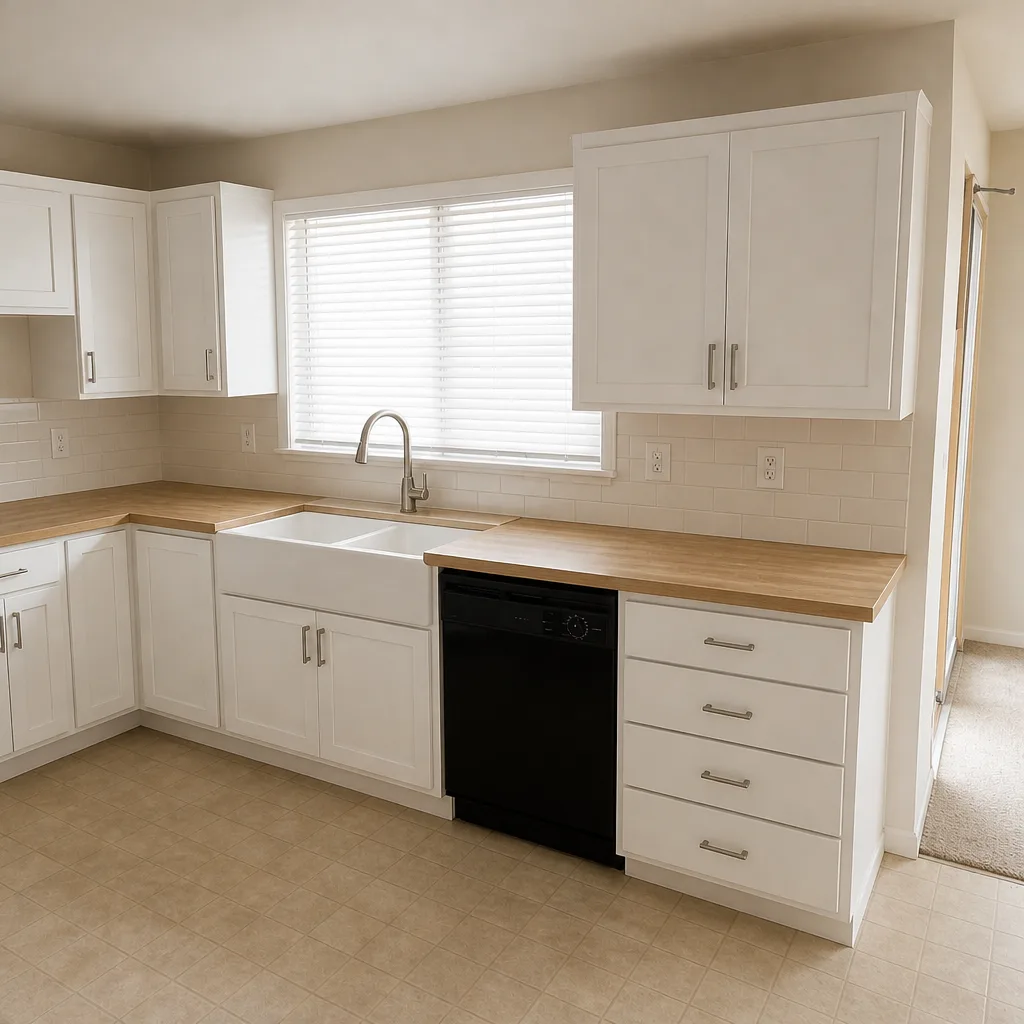 After
What Is Low-E Glass? The Boulder City Answer Starts With SHGC, Not U-Factor
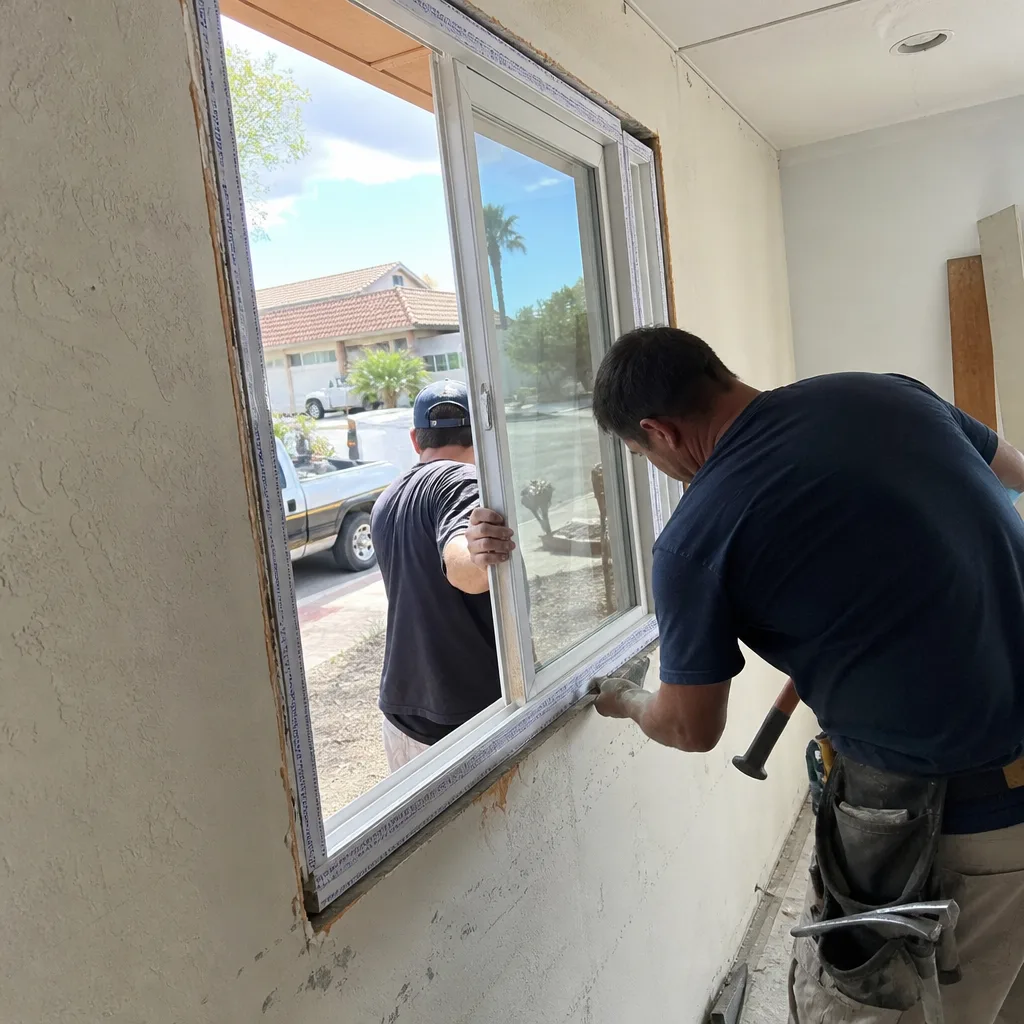
Low-E glass is window glass with an invisible metallic oxide coating that reflects infrared heat and ultraviolet radiation back away from your home while still letting visible light through. In Boulder City, the number that matters most is the solar heat gain coefficient (SHGC), not the U-factor that most explainer articles lead with. A low-E window rated for a Minnesota winter can actually make your summer cooling bills worse here in the Mojave. If you want a straight read on your own windows before you buy, call Groundwork Construction Co. of Boulder City at (888) 282-1693 and we’ll walk you through the spec sheets.
Why U-Factor Gets Top Billing Everywhere Except Here
U-factor measures how quickly heat escapes a window. In cold climates, that’s the whole game. A low U-factor keeps your furnace from running all night. Every generic low-E article puts that number front and center because most of them were written for readers shivering through February in the Midwest or Canada.
Boulder City doesn’t shiver. Summer highs here routinely hit 100 to 110°F, the UV index runs hot for months, and the sun hammers south- and west-facing windows from mid-morning until well past dinner. In that climate, the battle is heat coming in, not heat leaking out. That’s what SHGC measures: the fraction of solar heat that passes through the glass. A window with a low SHGC blocks the solar load before it ever reaches your living room. A window with a high SHGC in Boulder City is a radiator you paid to install.
This is where buyers get burned. A homeowner reads a low-E label, sees an impressive U-factor, assumes “energy efficient” means efficient for them, and buys a passive low-E product tuned for a cold climate. Cooling costs climb and nobody can figure out why. The coating is working exactly as designed. It’s just designed for the wrong desert.
Passive Low-E vs. Solar-Control Low-E (The Distinction That Decides Your Power Bill)
Low-E coatings come in two families, and they do opposite things.
- Passive low-E lets solar heat in and keeps it there. It’s engineered for heating-dominated climates and it’s a poor fit for Boulder City’s south- and west-facing exposures.
- Solar-control low-E blocks solar heat gain while still passing visible light. This is the correct family for the Mojave Desert zone. You want the sun’s light without the sun’s load.
For the exposures that take the worst beating here, solar-control low-E with an SHGC around 0.25 or below is the target. South and west walls in Boulder City collect the most solar energy over a year, and that’s where a low SHGC earns its keep. North-facing windows can usually run a higher SHGC because they pick up far less direct sun.
The UV Problem Most Low-E Articles Skip
Solar heat load is the expensive problem. UV fading is the quiet one. Boulder City’s UV index runs extreme for a good chunk of the year, and interior finishes take the hit at a rate homeowners from cooler, cloudier places consistently underestimate. Wood floors fade. Rugs bleach. Upholstery and artwork lose color along the sun path.
Low-E coatings block most UV radiation as part of the same reflective job they do on infrared. That’s a genuine second benefit in this climate, and it’s worth asking about directly instead of assuming every coated window handles it the same. The old Boulder City company-town cottages near the historic district often have furniture that’s been in the family for decades and floors that show the sun pattern. Coating choice protects those investments just as much as it protects the electric bill.
What Low-E Windows Cost in Boulder City
Upfront pricing matters, and the ranges below reflect the Boulder City market. The number you see is the number you pay; we don’t do vague bids that grow after the drywall opens.
| Project | Typical Range |
|---|---|
| Window replacement (whole-home or multi-window) | $4,500-$15,000 |
| Impact window installation | $8,000-$25,000 |
| Historic-district window matching (divided-light wood profile) | Quoted per opening after review |
Specifying solar-control low-E rarely adds much to a replacement window compared to the base glass, and it can pay back over Boulder City’s long cooling season. We offer 0% financing for 18 months and $1,000 off projects over $10,000 so the upgrade fits a real budget instead of straining one. Every project carries the 730-Day Done Right Promise - built to last, backed in writing.
Common Local Scenarios We Run Into in Boulder City
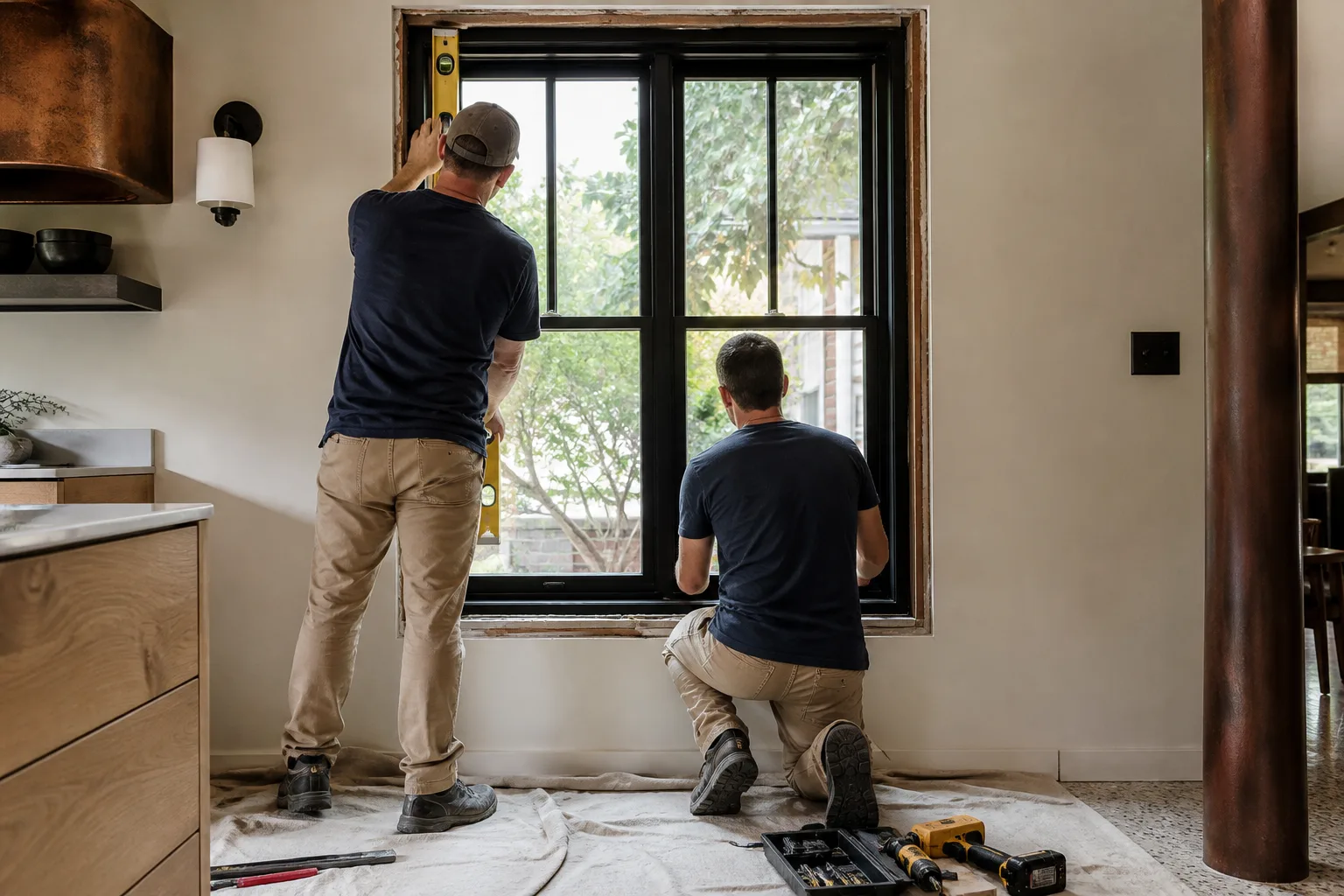
A 1930s cottage in the historic district. Window replacement here can trigger review under Boulder City’s preservation ordinances. The original divided-light wood profiles are part of the town’s character, and a standard vinyl quote for a Hoover Dam-era cottage may get sent back. Here’s the part most homeowners don’t know: low-E coatings are available in formats that fit preservation-sensitive divided-light profiles. The technology does not force a modern aesthetic on a historic home. It works behind the glass you already have.
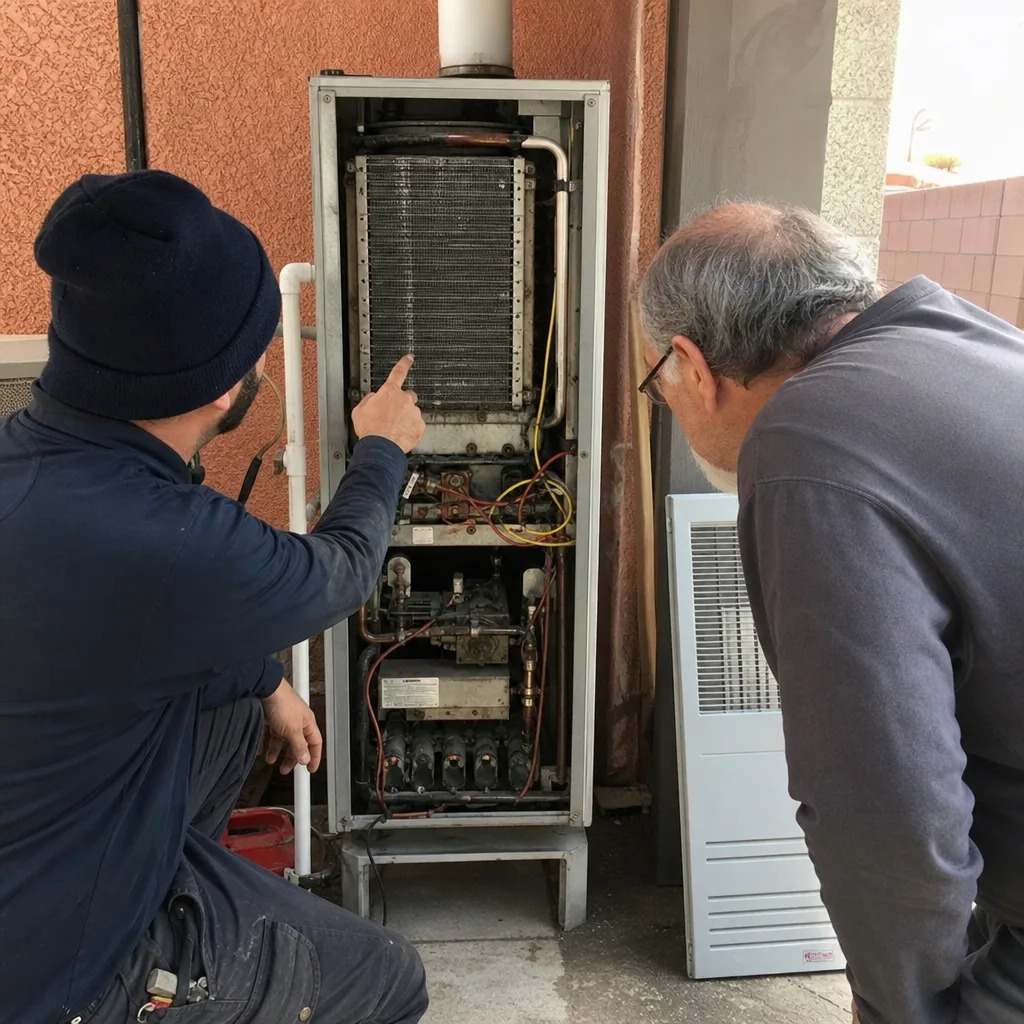
A later tract home east of the historic district. The 1950s through 1970s infill homes have standard single-pane or early double-pane glass that’s now fogged, leaking, or just cooking the back rooms. These are the straightforward solar-control low-E swaps, and the difference on west-facing rooms is immediate.
A lake-facing or elevated property slogging through a long summer. Boulder City sits around 2,300 to 2,500 feet near Lake Mead. The elevation doesn’t cool a west wall in July. The same solar-control spec applies.
If you want the full picture on window replacement and installation, see our Windows & Doors service page. If you’re also considering a bigger project, our Boulder City service area page covers what we handle locally, and you can start from our home page to explore everything else.
Why the Window Brand You Choose Has to Show Its Numbers
Andersen and Marvin both publish documented SHGC and U-factor ratings by product line. That matters because “energy efficient” is a marketing phrase, not a spec. We pull the actual ratings for the specific model and the specific glass package so you can see the numbers before you sign, not after the windows are in.
Our technicians have up to 12 years of experience reading those spec sheets and matching them to the right exposure on your house. Andersen and Marvin are the window lines we specify for this reason: verifiable ratings, product lines that respect historic glass profiles, and coatings that hold up under Mojave UV.
Frequently Asked Questions
Low-E glass is window glass with a thin, invisible metallic coating that reflects infrared heat and UV radiation while letting visible light pass through. In Boulder City, you want the solar-control version of that coating so it blocks summer heat instead of trapping it.
Yes, and it’s worth more here than in most of the country because the cooling season is long and the sun is relentless. The right solar-control low-E for your south and west windows cuts the solar load that drives your summer power bill. Call (888) 282-1693 and we’ll walk you through which exposures to prioritize - estimates are free.
Aim for an SHGC around 0.25 or below on south- and west-facing windows, which take the most direct sun. The number you actually want depends on the room, the exposure, and how much glass you have, so it’s worth having someone read your specific layout before you buy. Call (888) 282-1693 for a no-pressure assessment.
Yes. Low-E coatings come in formats compatible with preservation-sensitive divided-light wood profiles, so the technology doesn’t force a modern window look onto a 1930s Hoover Dam-era cottage. This matters when the Historic Preservation Commission is reviewing your permit. Call (888) 282-1693 and we’ll sort out what your historic-district project can and can’t specify.
If you’d rather have it looked at, Groundwork Construction Co. of Boulder City offers a no-pressure assessment in Boulder City - call (888) 282-1693. Live person, 24/7, ready to get the right glass on the right wall.
Written by the team at Groundwork Construction Co. of Boulder City, serving Boulder City, NV.