


Free written scope consultation - allowances, timeline, and change-order rules on paper before a single trade is scheduled
Styles & brands we work with
- Kitchen remodeling
- Bathroom remodeling
- Home additions & ADU
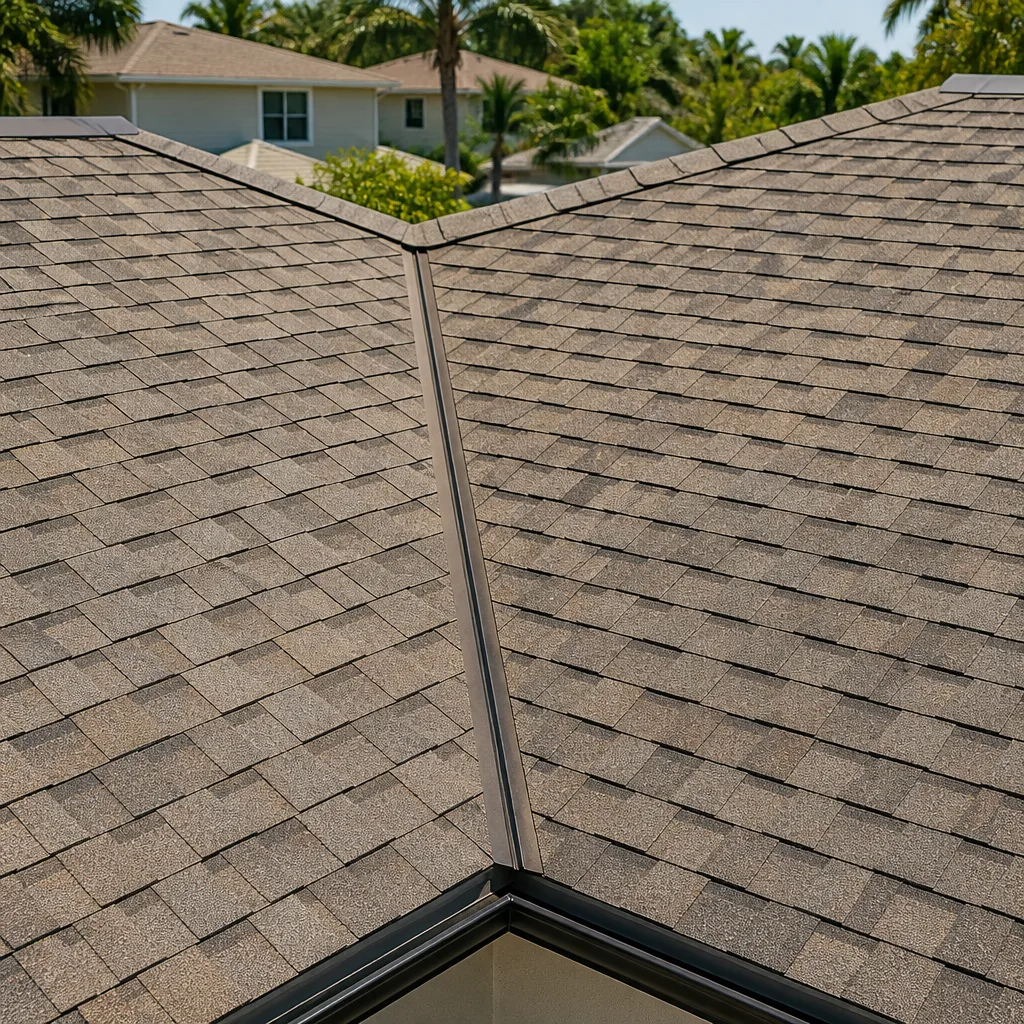
- Roofing
- Windows & doors
- Driveway & pavers
- Fence
See the difference
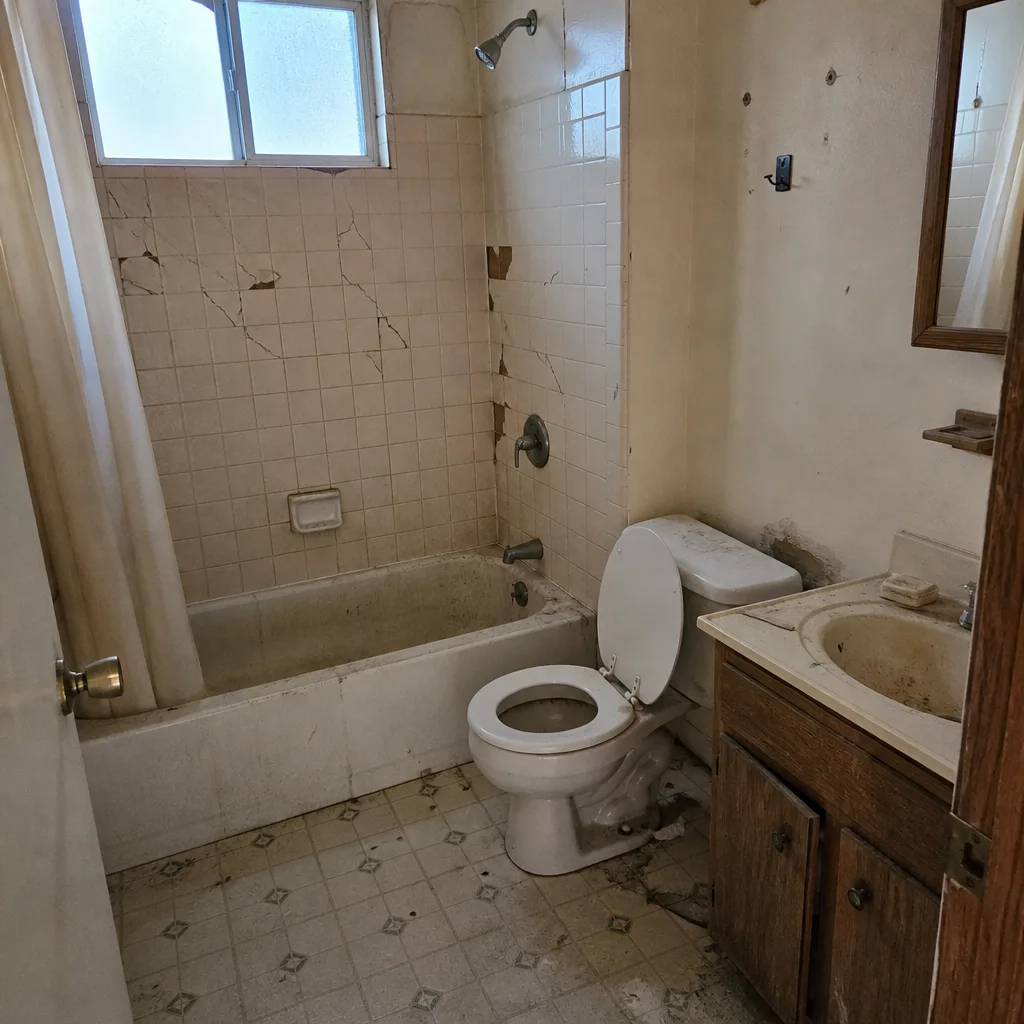 Before
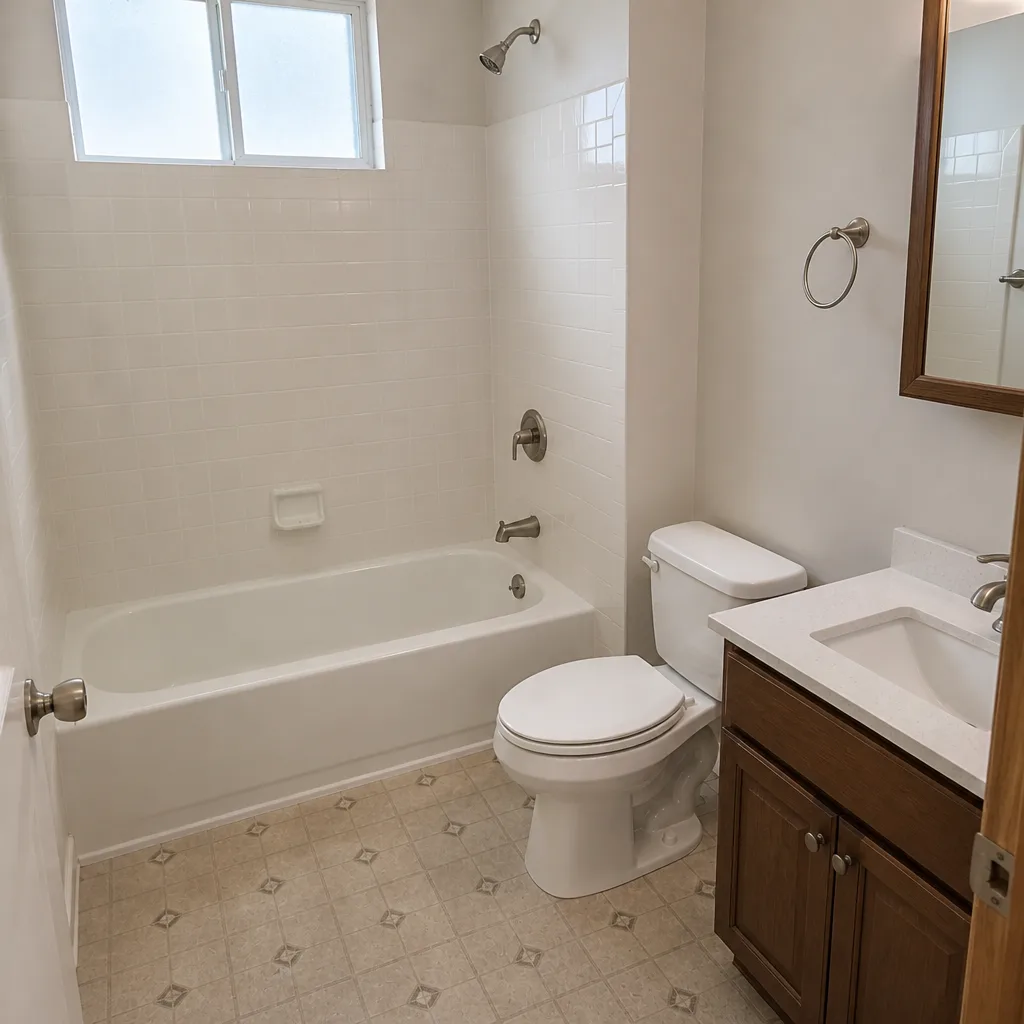 After
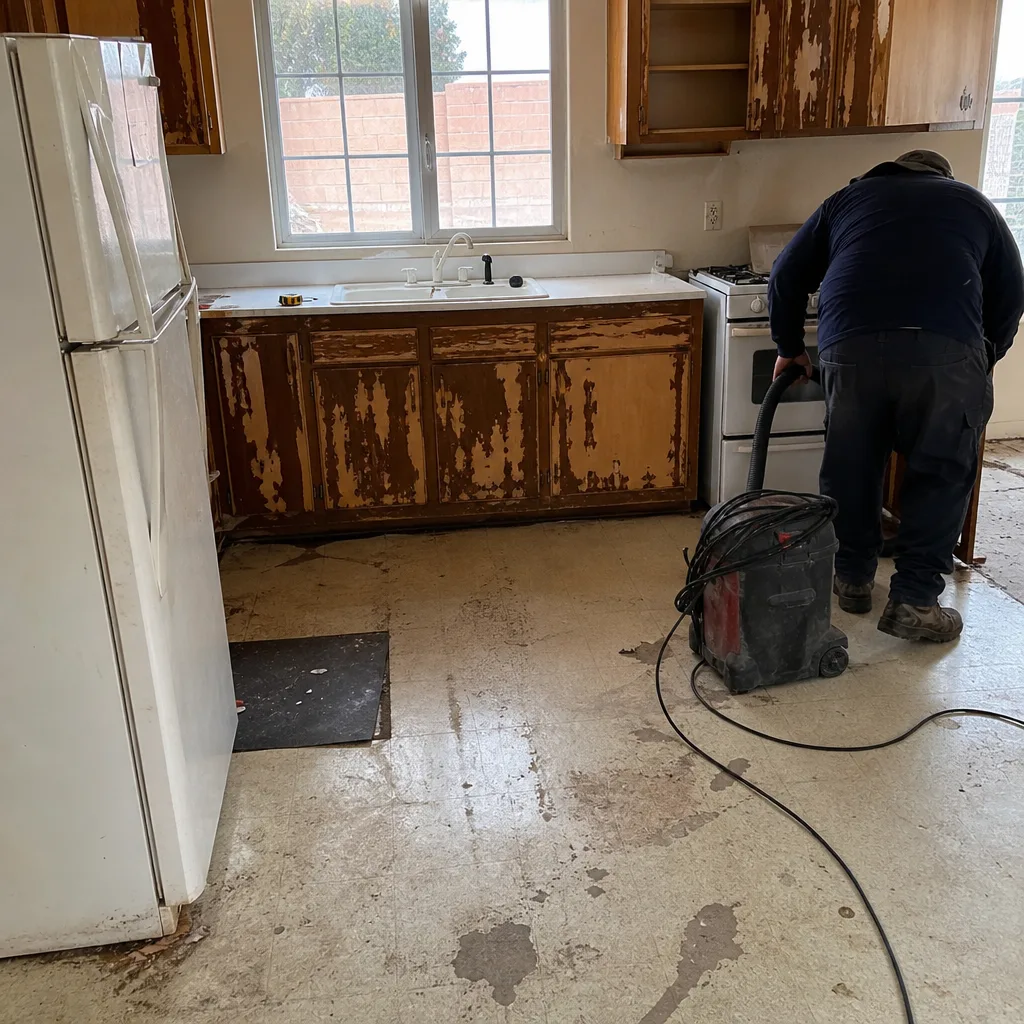 Before
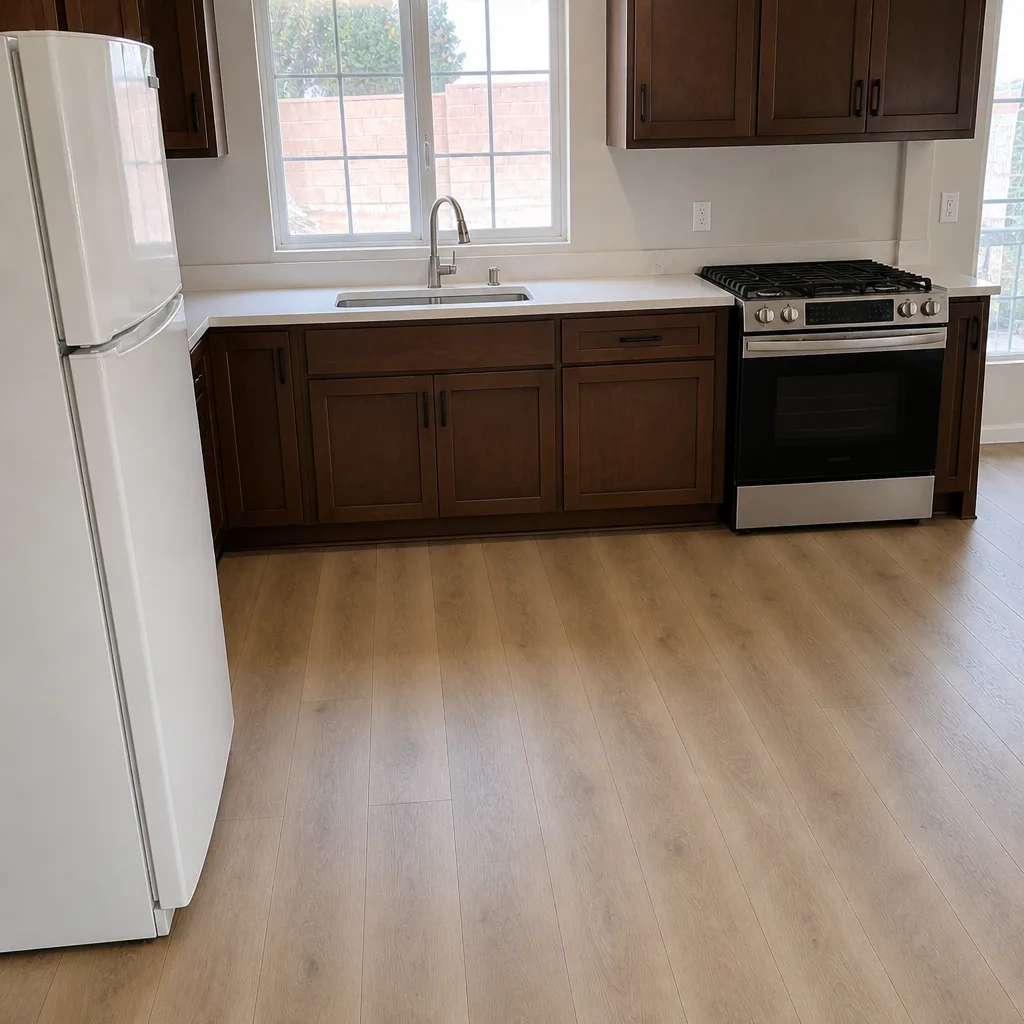 After
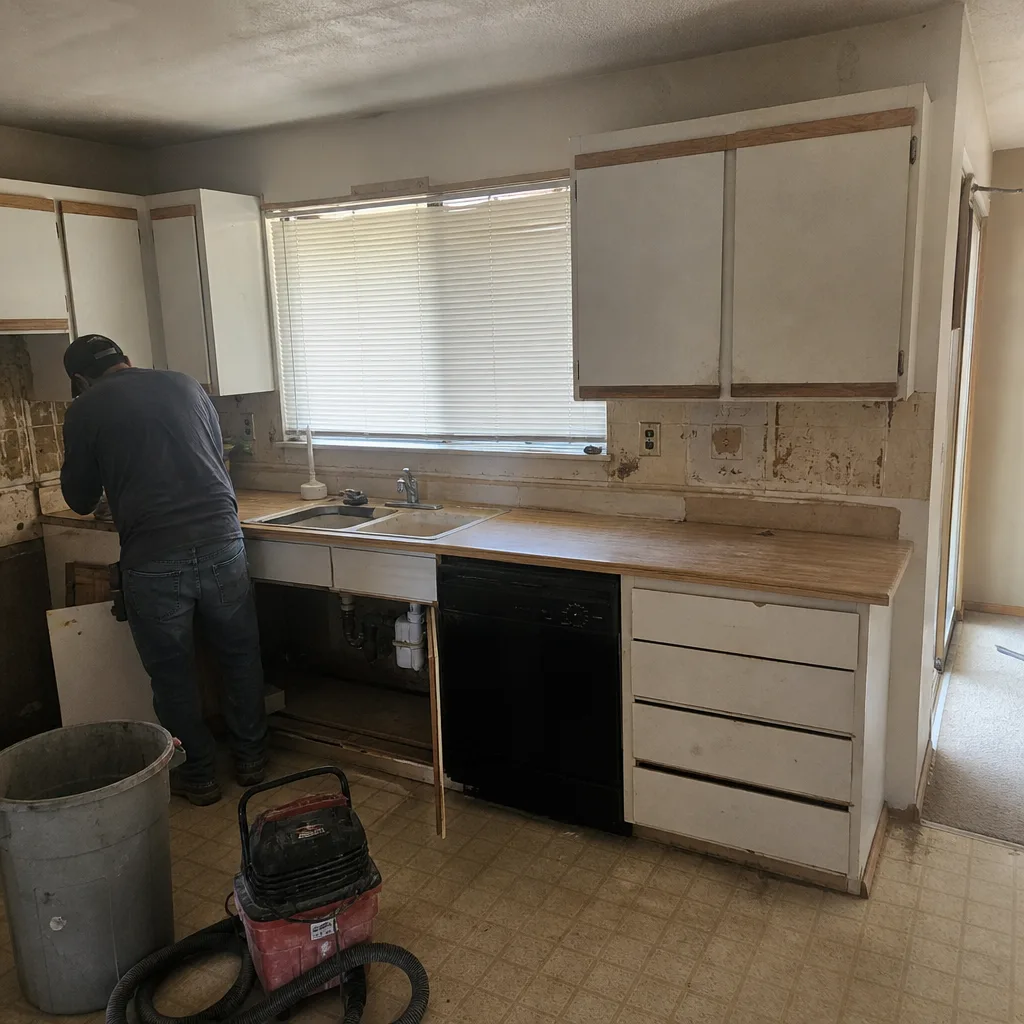 Before
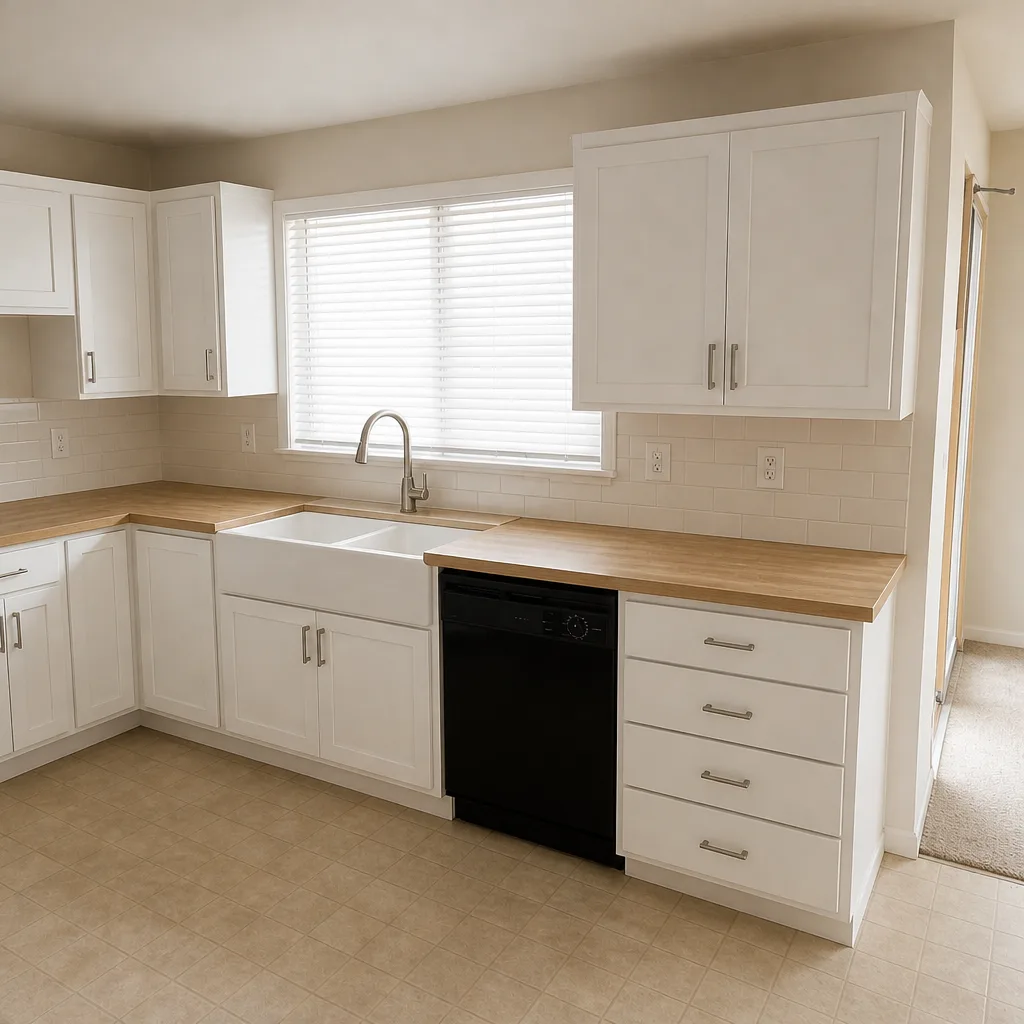 After
What Is a Miami-Dade NOA? The Window Certification Boulder City Homeowners Should Understand
A Miami-Dade NOA (Notice of Acceptance) is a product certification issued by Miami-Dade County’s Building Code Compliance Office that confirms a window or door passed the most demanding impact, wind-pressure, and water-infiltration testing protocol used in U.S. residential construction. It’s a Florida document, but it shows up on spec sheets for Boulder City window projects because it’s the toughest certification a window can carry. If you’re comparing replacement windows and a contractor quotes a product as “impact-rated,” the NOA number is how you verify that claim instead of trusting it.
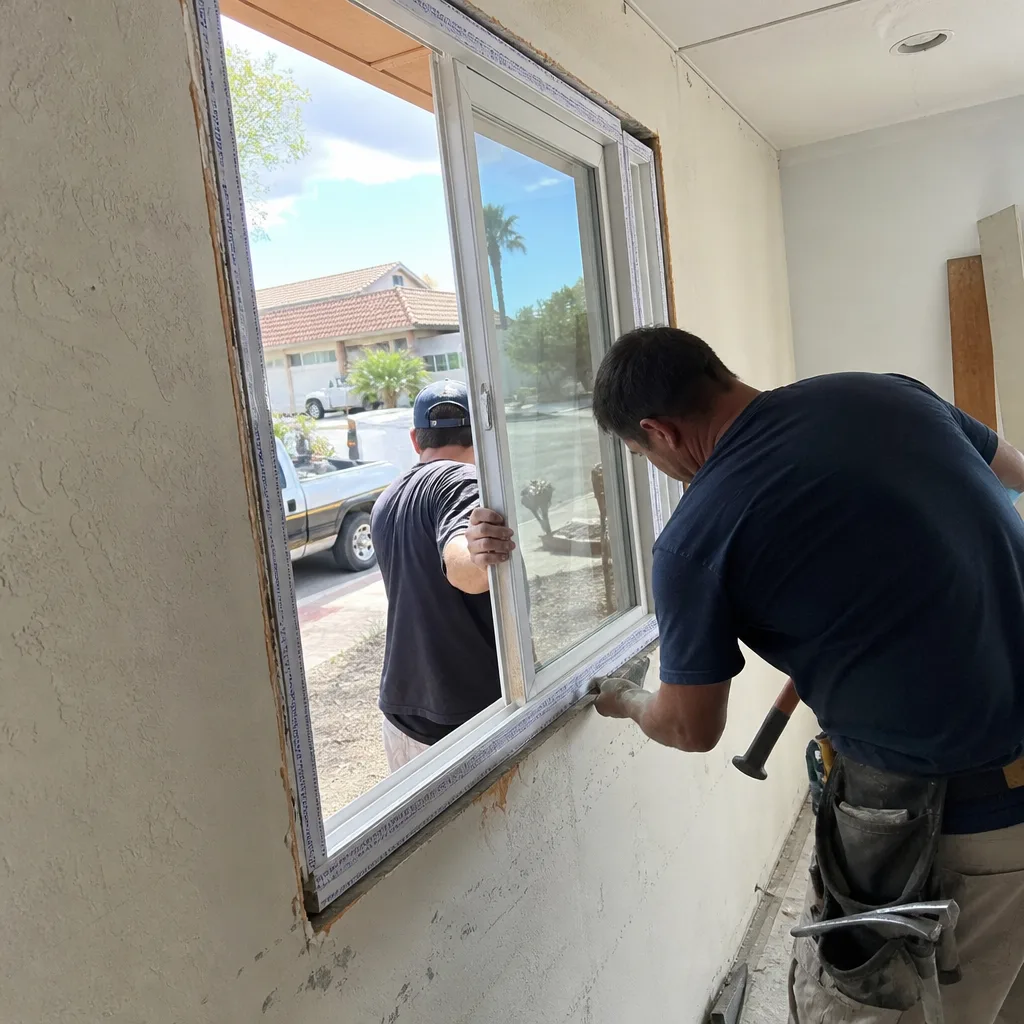
That answer matters more here than you’d expect. Boulder City’s housing stock is old – most of the historic core is 1930s-40s Hoover Dam-era cottages and bungalows – and window replacement in the historic district can trigger preservation review, so the product you install needs documentation that survives a permit inspector’s questions. Call (888) 282-1693 if you want us to walk through the paperwork on a window you’re considering.
Why a Florida Certification Ends Up on a Nevada Window Spec Sheet
Boulder City sits in the Mojave at roughly 2,300 to 2,500 feet near Lake Mead, with summer highs that routinely hit 100 to 110°F plus intense UV and very low humidity. Impact-rated windows earn their keep in that climate for glass durability and heat rejection, even though we don’t have hurricanes. The certification that proves a product was actually engineered for that duty is the Miami-Dade NOA.
Here’s the distinction that gets glossed over in most window sales pitches: a Miami-Dade NOA is more demanding than the Florida Statewide Product Approval. It’s the highest available impact certification bar in the country. When a manufacturer earns an NOA, that product has been tested to impact standards, cyclic wind pressure, and water infiltration under conditions far beyond what a normal window is subjected to. A window that carries the Florida statewide approval but not an NOA hasn’t cleared the same bar.
That’s why insurers outside Florida pay attention. Many carriers writing Nevada homeowners policies accept or prefer NOA documentation when underwriting impact-window premium credits. The NOA is a third-party proof point they can rely on, not a marketing phrase. If your agent offers a credit for impact glass, the NOA number is often what closes the loop on the underwriting side.
How to Verify a Window’s NOA Number Yourself
You don’t have to take anyone’s word for it. Miami-Dade County maintains a public product database where you can search an NOA number and pull the exact product, its test parameters, and its approved installation requirements. When Groundwork specifies an impact-rated window for a Boulder City home, we hand over the full product spec sheet and NOA documentation so you can do that lookup yourself. It’s part of how we run a project – transparent from the bid, no surprises at the walkthrough – and it’s covered by our 730-Day Done Right Promise if anything on the install side doesn’t match what we specified.
What to check when you look up a product:
- The NOA number matches the exact product line and model – not a similar window from the same manufacturer.
- The test parameters cover the wind pressures and impact ratings relevant to your location.
- The approved installation detail matches how the window will actually be set in your wall.
- The product and the installation method shown in the NOA are what your contractor put in writing.
The Installation Detail Is the Part That Actually Voids a Certification
This is where a valid NOA gets quietly undermined, and it’s the thing we see most often. NOA certification is both product-specific and installation-method-specific. A window keeps its certification only when it’s installed according to the approved installation detail documented in the NOA. A contractor who deviates from that detail – different fasteners, a different flashing sequence, skipping the approved sill pan – voids the certification. That matters for permit inspections and it matters if you ever file an insurance claim and the carrier asks for documentation on an “impact-rated” window.
In Boulder City’s historic district, that can get complicated fast. Exterior alterations and even window replacements can trigger review under the town’s preservation ordinances, and plenty of contractors who show up with a standard vinyl-window quote for a 1930s Hoover Dam cottage get pushed back to match the original divided-light wood profile. Matching the profile while keeping the certification intact takes a contractor who reads both the preservation review and the installation detail before ordering. We specify window products from names like Mr-Glass, Therma-Tru, and ViewLux depending on the home, and the NOA paperwork comes with each one.
What Window Replacement Costs in Boulder City
For planning, here are the market ranges we work from for Boulder City window work. Upfront pricing, the number you see is the number you pay.
| Project | Typical Range |
|---|---|
| Impact Window Installation | $8,000-$25,000 |
| Standard Window Replacement | $4,500-$15,000 |
| Historic-district profile matching (added to base) | Quoted per opening |
Whole-home impact upgrades land at the higher end of that first range; a single problematic opening on a historic bungalow can be far less. What moves the number most is historic-district profile matching and whether the old framing and sill need repair once the window comes out. Our technicians have up to 12 years of experience and read the opening before quoting it.
When This Matters for Your Project (and When It Doesn’t)
If you’re replacing one window in a 1950s infill home east of the historic district, the NOA may never come up. It matters when you’re choosing impact-rated glass, when a historic-district project needs documentation for preservation review, when you want to claim an insurance credit, or when you just want to know the window you paid a premium for actually passed the testing it claims. If you’re not sure which category your home falls into, that’s a quick conversation. If you’d rather start with the bigger picture, our Windows & Doors service page covers the full scope, and the Boulder City service area page explains how we handle projects across the area.
FAQs
It proves that specific product passed Miami-Dade County’s impact, wind-pressure, and water-infiltration testing and is approved for use under that certification. To confirm it, look up the NOA number in Miami-Dade’s public database and match the product, test parameters, and installation detail to what your contractor quoted. Call (888) 282-1693 and we’ll go through the documentation with you.
Not by code – Boulder City doesn’t require NOA certification the way Miami-Dade does. It becomes worth having when you’re installing impact-rated glass, filing an insurance credit claim, or documenting a window replacement for historic-district preservation review. For a standard window in a 1970s track home, the certification adds cost without a clear benefit. Call (888) 282-1693 and we’ll tell you honestly whether it’s worth it for your home.
Yes. The NOA is certification of a product installed a specific way, so a different fastener, flashing sequence, or sill detail voids it. That’s why we tie every impact-window install to the approved installation detail and give you the paperwork to prove it. Call (888) 282-1693 for a free estimate that spells out the install method before work starts.
You can when the replacement respects the original profile – which usually means matching the divided-light wood look of a 1930s Hoover Dam cottage rather than dropping in a stock vinyl unit. We specify products that satisfy preservation review and confirm the installation detail up front, so the approval process doesn’t stall the project. Call (888) 282-1693 to schedule a no-pressure assessment.
If you’d rather have it looked at, Groundwork Construction Co. of Boulder City offers a no-pressure assessment in Boulder City – call (888) 282-1693 for a free estimate, upfront pricing, and the product documentation to back it up.
Written by the team at Groundwork Construction Co. of Boulder City, serving Boulder City, NV.