Free written scope consultation - allowances, timeline, and change-order rules on paper before a single trade is scheduled
Styles & brands we work with
- Kitchen remodeling
- Bathroom remodeling
- Home additions & ADU
- Roofing
- Windows & doors
- Driveway & pavers
- Fence
See the difference
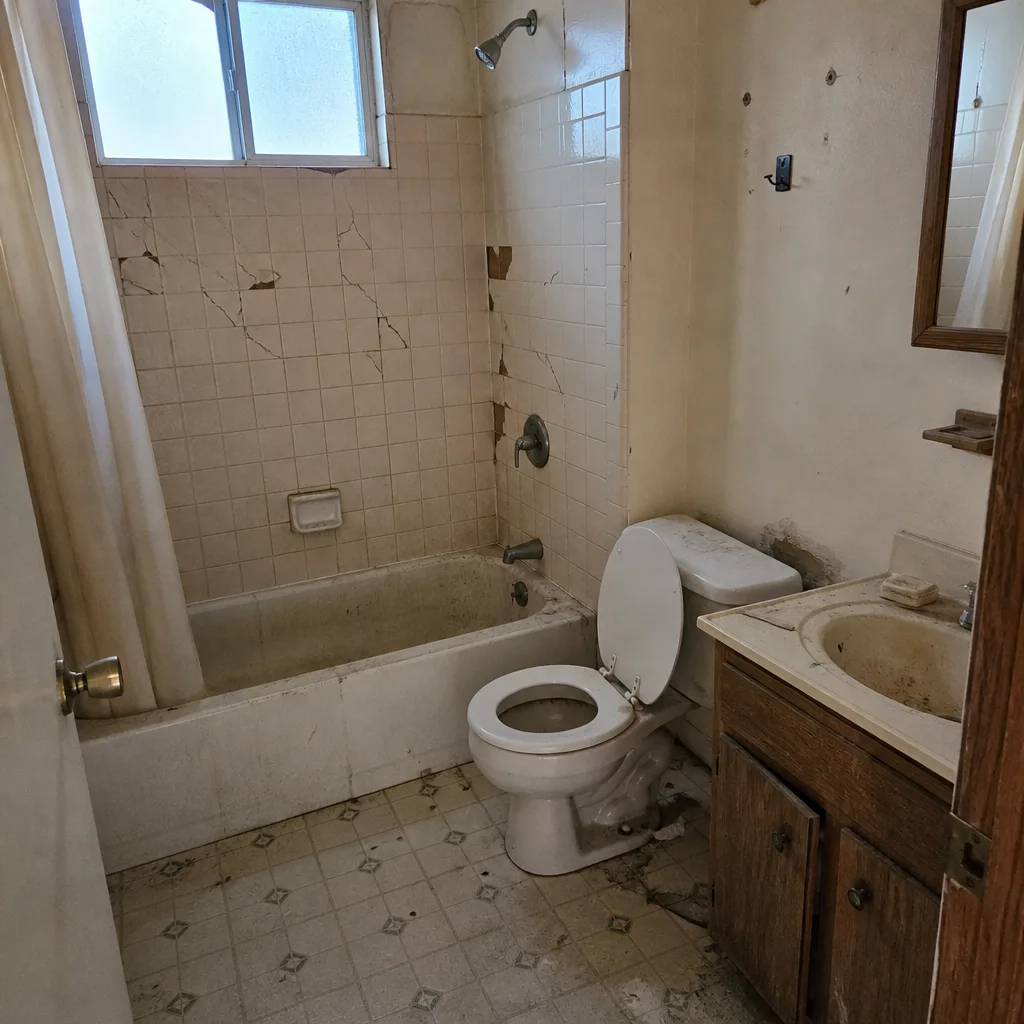 Before
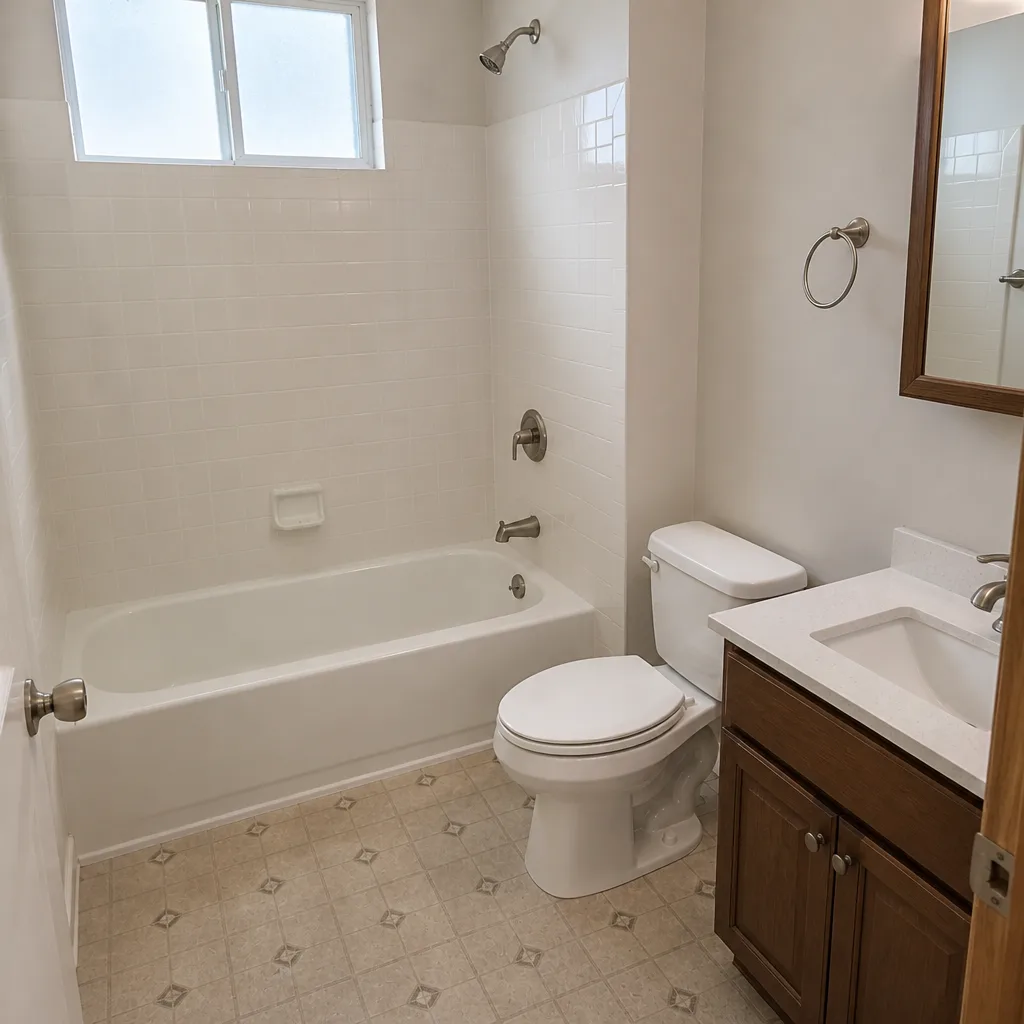 After
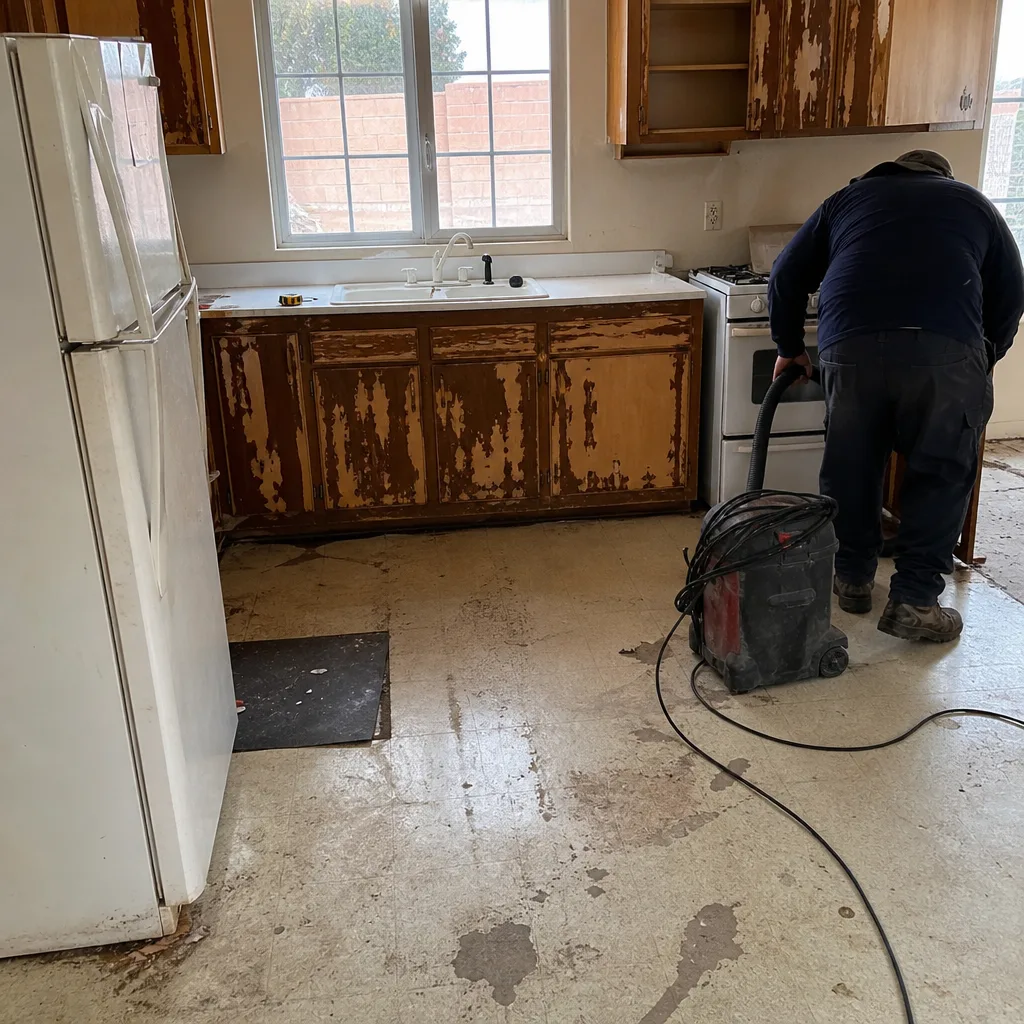 Before
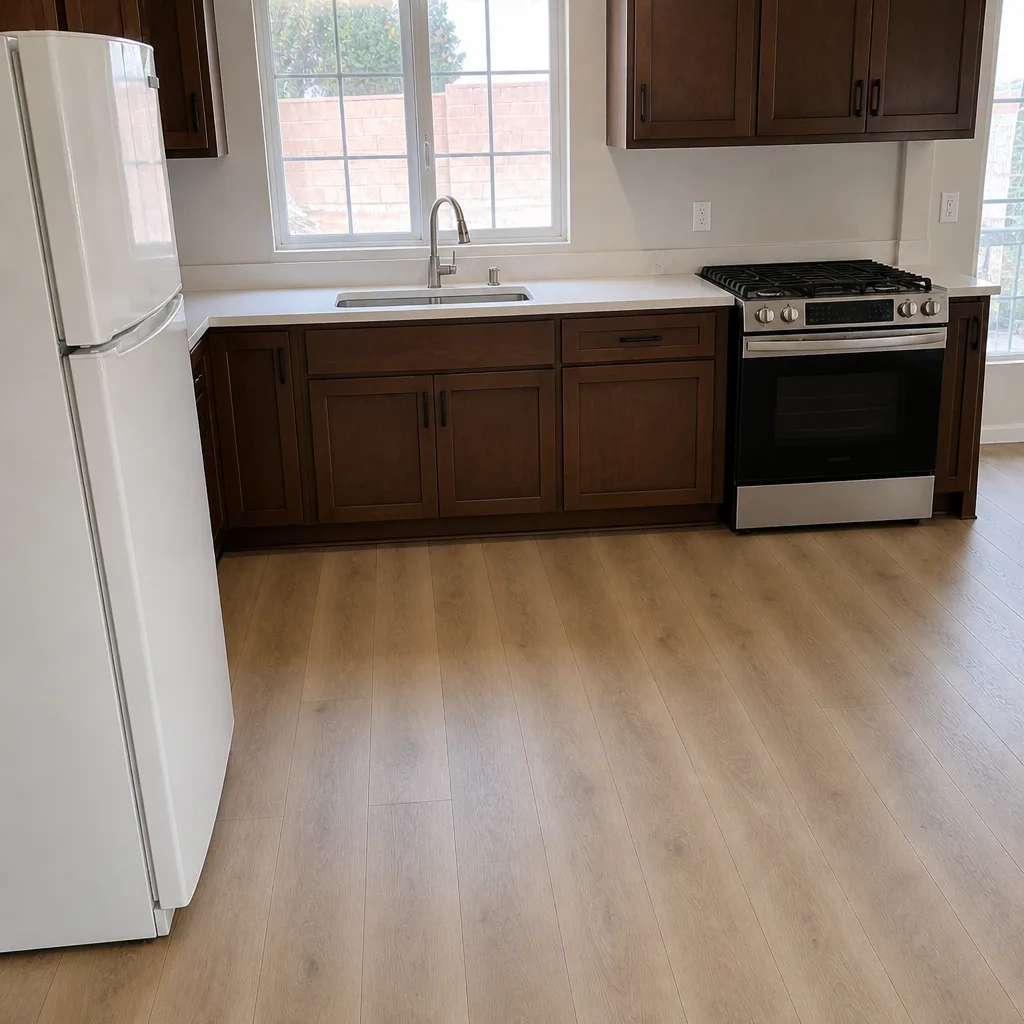 After
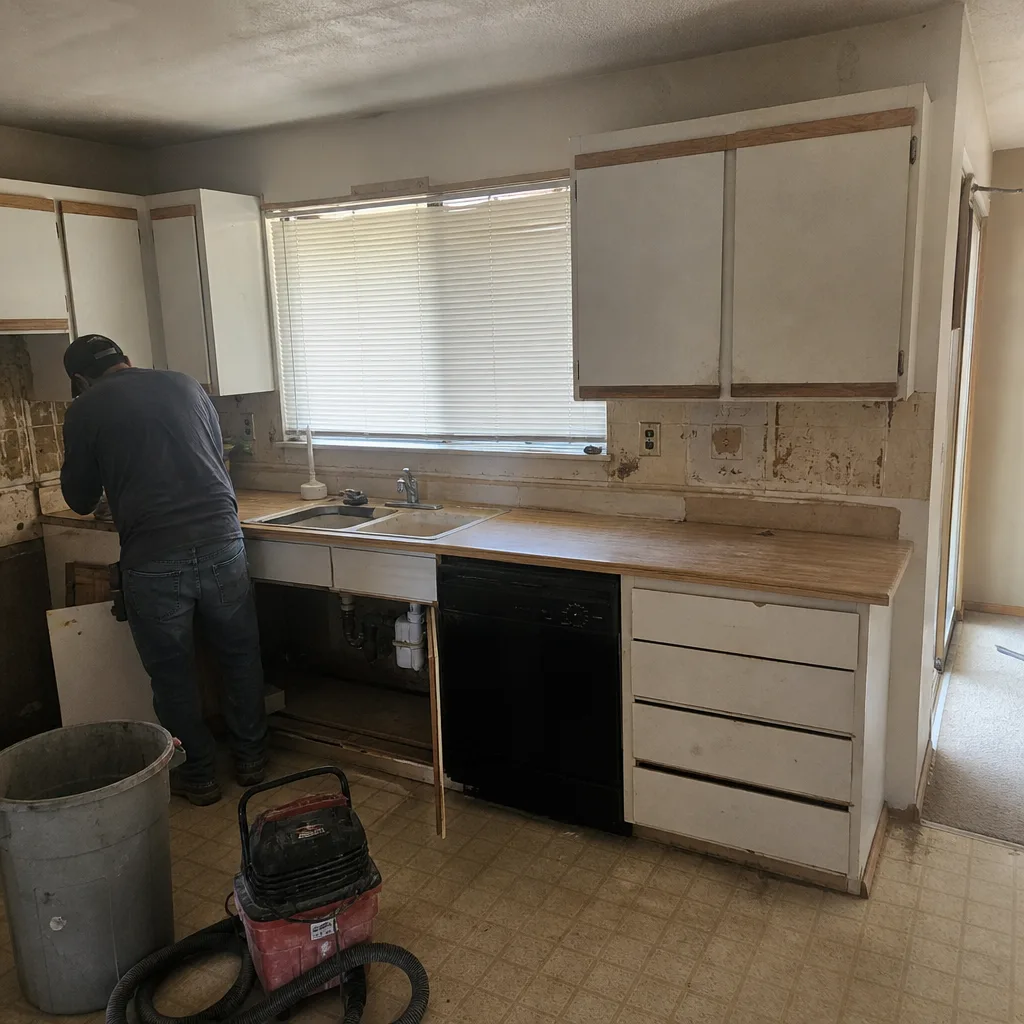 Before
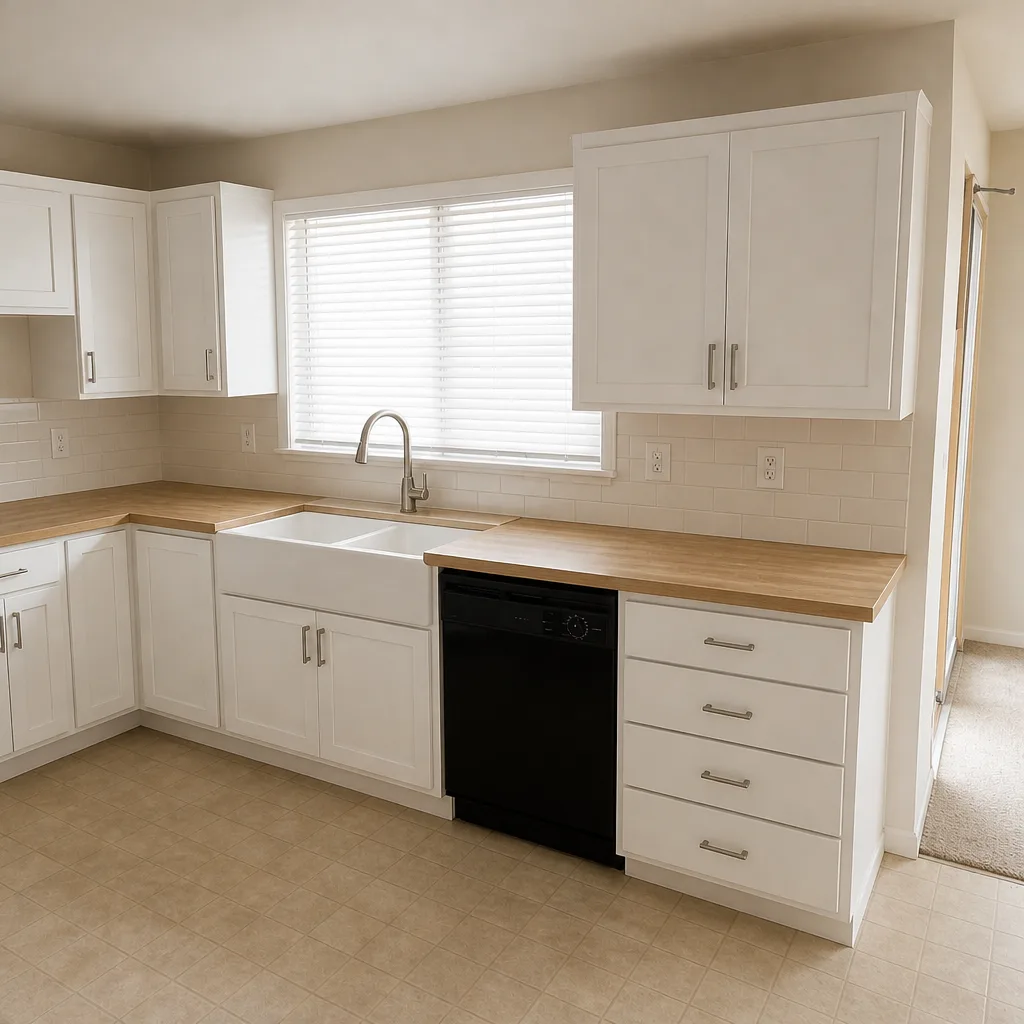 After
Window Design Pressure Ratings in Boulder City, NV: What the Number Actually Means
A design pressure (DP) rating tells you how much wind load, measured in pounds per square foot (psf), a window is engineered to withstand before it deflects, leaks, or fails. The higher the DP number, the stronger the unit. In Boulder City, that number isn’t a coastal detail you can wave off: Mojave wind corridors near Lake Mead, a 2,300-2,500 foot elevation, and a historic district that reviews every exterior change mean the wrong DP spec can cost you a rejected permit and a second window order. Call (888) 282-1693 for a free estimate and we’ll match the rating to your house before anything ships.
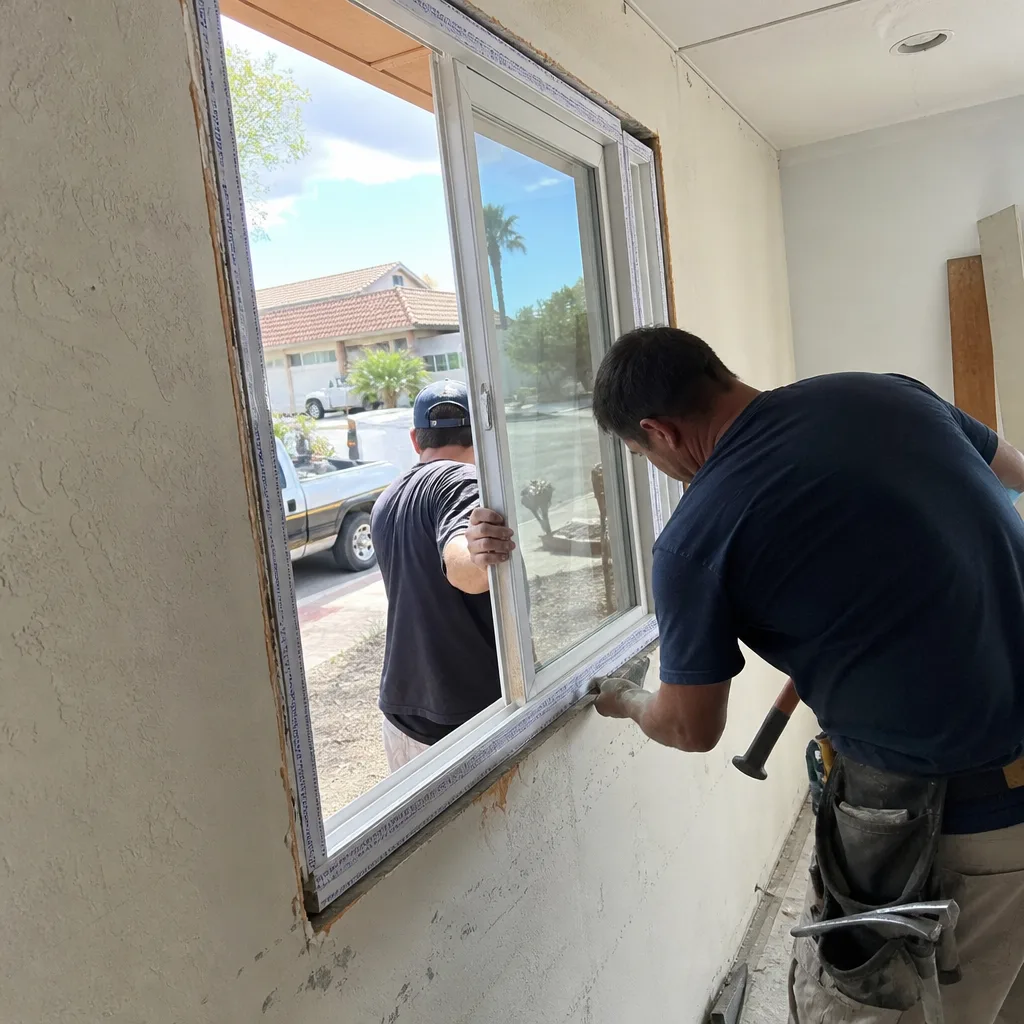
Why a Window That Passes on Paper Can Still Get Rejected Here
Boulder City is a federally chartered 1931 company town, and most of the original bungalows and modest 1930s-40s cottages near the historic district were built to house Hoover Dam workers. Those homes carry unreinforced brick, pier-and-beam foundations, and original divided-light window profiles. Exterior alterations, including window replacements, can trigger review under the town’s preservation ordinances.
Here’s the tension most homeowners don’t see coming. A high-DP vinyl window often needs a thicker sash rail to hit the load rating. Thicker rail means a chunkier frame profile. And a chunky frame is exactly what the Historic Preservation Commission will flag when it’s comparing your replacement against the original divided-light geometry of a Depression-era cottage. So the DP spec and the visual profile pull against each other. Get the balance wrong and you order a structurally sound window that the review board sends back.
That’s why we handle the spec conversation before a single unit is ordered. Our Windows & Doors work runs through Andersen and Marvin on the wood-composite side, because those units let us hit the required DP while keeping a slim, historically faithful profile that clears preservation review on Boulder City’s older homes.
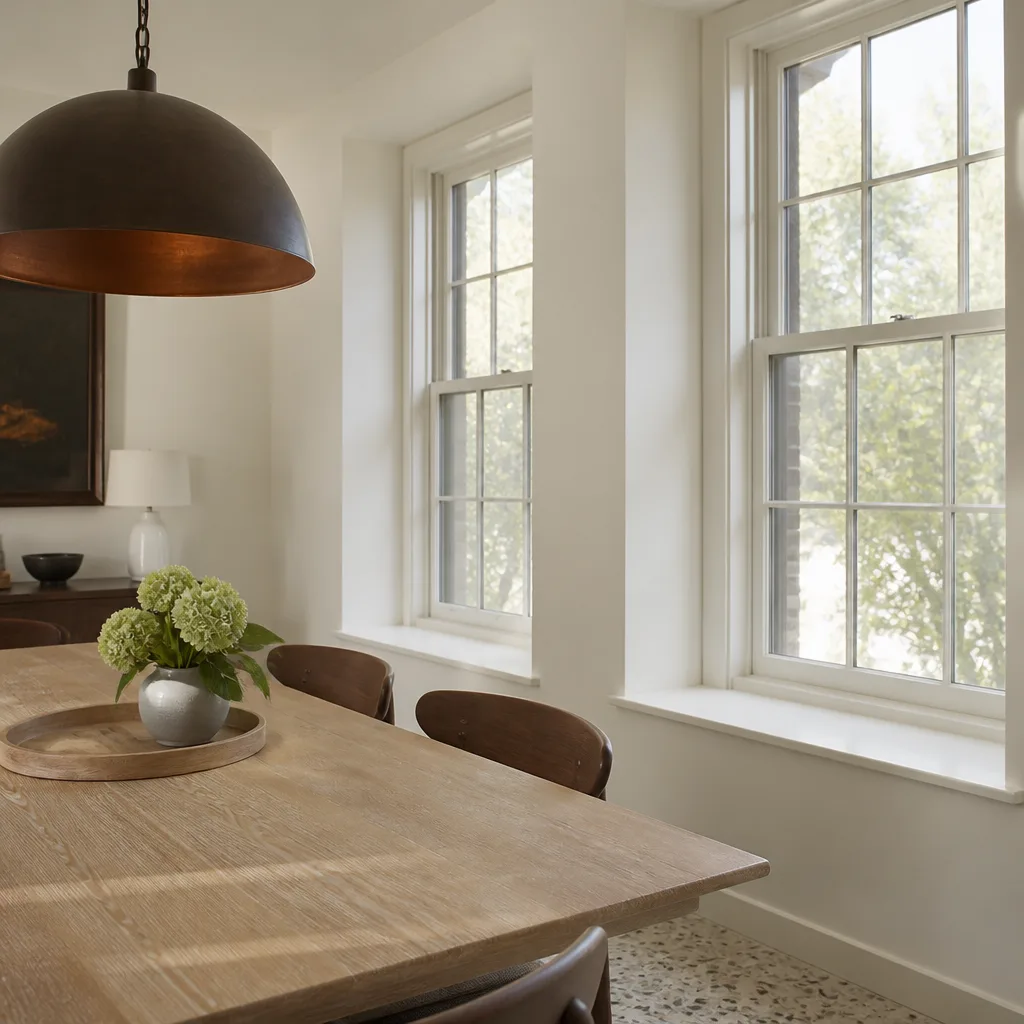
Positive vs. Negative Pressure: What DP Really Measures
Design pressure measures force in two directions, and both matter. Positive pressure pushes inward on the window from wind hitting the exterior face. Negative pressure pulls outward as wind moves across the surface and creates suction on the leeward side. A DP rating covers both directions, so the number on the label is the load the unit is certified to survive without failure, excess deflection, or water infiltration.
Think of it this way:
- DP 30 – a baseline rating many production vinyl windows carry; suits sheltered, single-story infill homes east of the historic district where wind exposure is lower.
- DP 40 to DP 50 – the range we see specified on most exposed Boulder City properties, especially anything with open sightlines toward Lake Mead where gust loads climb.
- DP 50 and up – heavier-duty units for large glass panels, second-story exposures, or homes sitting on a ridge line catching the corridor wind.
What the number actually certifies is deflection under that pressure at a stated test protocol, plus resistance to water penetration and repeated pressure cycling. A window rated DP 40 isn’t guaranteed watertight in a monsoon downpour outside its rating; it’s guaranteed to meet the deflection and infiltration limits the code test sets at 40 psf. That distinction matters when you’re specifying for a house that sees real desert wind events.
Does Boulder City’s elevation and wind change the minimum rating?
Yes. Nevada building and energy codes set minimum design pressures based on wind speed for the site, and Boulder City’s exposure near Lake Mead pushes that minimum higher than a sheltered valley lot would require. Elevation near 2,400 feet thins the air slightly but the bigger driver is the open wind corridor off the lake and the lack of tree cover to break gusts. A replacement window that would be code-compliant in a sheltered Henderson subdivision can fall short here. We pull the site exposure into the spec so the unit you order meets the actual load, not just a generic default.
How DP Ratings Tie to Frame Material and the Historic Profile
Frame material is where DP ratings get practical. Vinyl windows can hit high DP numbers, but the reinforcement needed to get there usually adds depth to the sash and frame. On a 1930s Hoover Dam cottage, that added bulk is visible from the street, and it’s the first thing the preservation reviewer notices.
Wood-composite and engineered wood units thread that needle. They carry structural integrity in a slimmer profile, so you can meet a DP 40 or DP 50 requirement without throwing a chunky modern frame onto a Depression-era facade. That’s a big part of why we lean on Andersen and Marvin for these jobs: the available profiles let us match original divided-light geometry and hit the load rating in the same unit. For newer custom builds east of the historic district, we have more latitude and can specify vinyl or aluminum where the exposure and budget call for it.
If you’re weighing how much a full window project runs before you get into rating specifics, our Boulder City service area page lays out the local picture, and the ranges below give you a working budget.
| Window Project | Boulder City Price Range |
|---|---|
| Window Replacement (whole-home typical) | $4,500-$15,000 |
| Impact Window Installation | $8,000-$25,000 |
Those are real installed ranges, not teaser numbers. Upfront pricing means the figure we quote is the figure you pay, and the spec conversation (including the DP rating and profile match) happens before we finalize it.
The Hidden Cost of Ignoring DP Specs
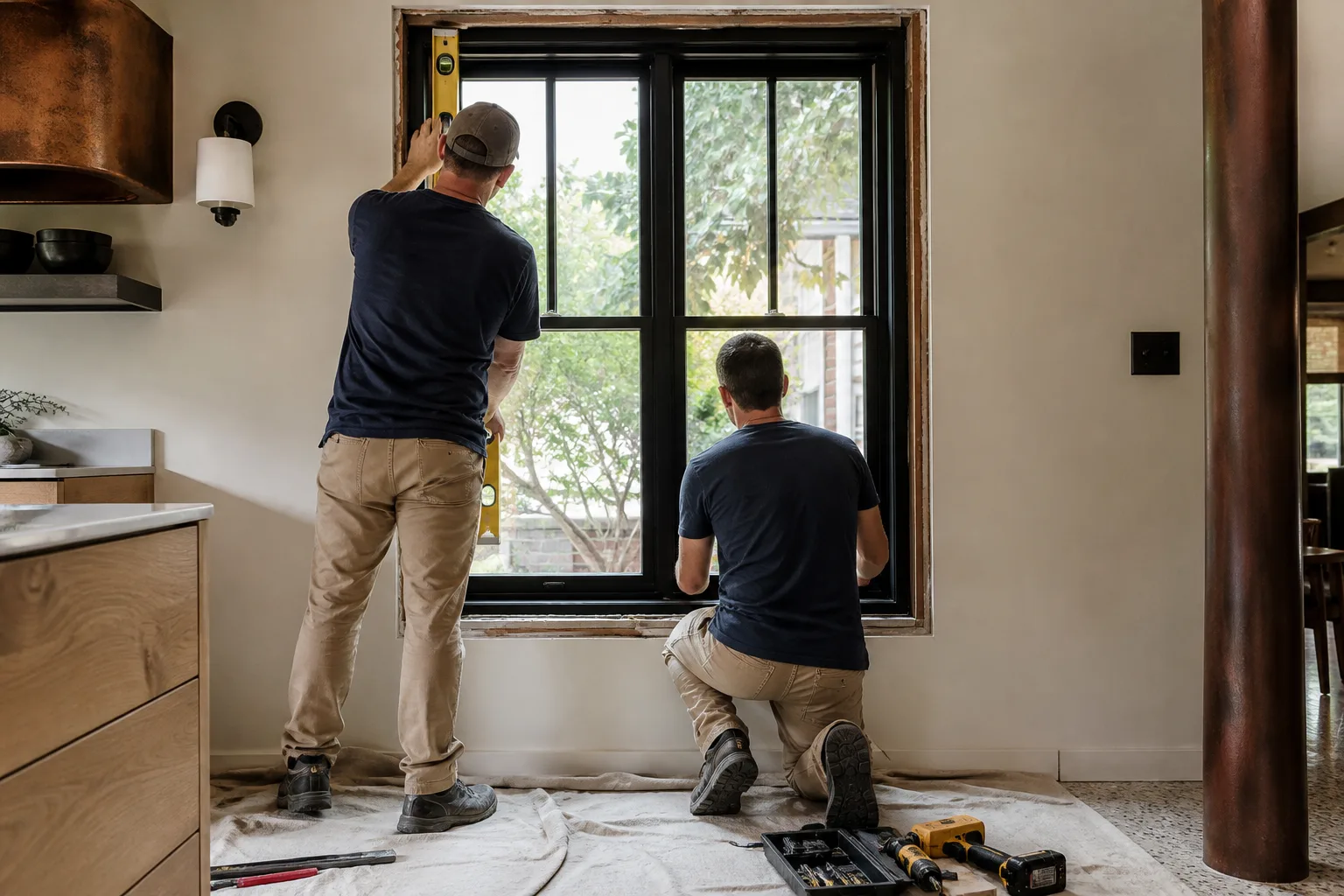
Ordering a window with the wrong DP rating, or a profile the preservation review rejects, isn’t a small hiccup. It means weeks lost to a failed inspection, a re-order, and a second delivery window, on top of the first order’s cost. On a historic-district cottage, the added step of a preservation review can stretch that timeline further. We’ve seen homeowners eat that cost because a bidder quoted a stock vinyl unit without checking either the site wind exposure or the historic profile requirement.
Our approach locks the spec in before anything ships. We verify the required design pressure for your address, match it to a frame profile that clears review (or fits your newer build), and price it upfront. That’s the whole point of bringing the brand partnerships and the spec work together on the front end. Our technicians have up to 12 years of experience reading these jobs, and every project carries the 730-Day Done Right Promise: if a unit fails under real desert wind load within that window, whether it’s a seal or frame integrity issue, we make it right.
What about the heat and sun?
Boulder City summers routinely hit 100-110°F with intense UV and very low humidity. That combination is hard on seals and glazing over time, and it’s a reason a properly rated, well-built unit matters more here than the label alone suggests. A window that meets its DP rating but has a weak seal will show it fast under that thermal cycling. When we spec a unit, we’re accounting for the load and the climate together.
FAQs
A DP 40 rating means the window is certified to withstand 40 pounds per square foot of wind pressure in both directions without exceeding deflection limits or failing water infiltration tests. For most exposed Boulder City properties facing the Lake Mead wind corridors, DP 40 to DP 50 is the working range we specify. Call (888) 282-1693 to confirm what your address actually requires.
Not always. Window replacements on 1930s-40s cottages near the historic district can trigger preservation review, and the commission may require the new unit to match original divided-light wood profiles. That’s why the DP rating and the frame profile have to be chosen together. Call (888) 282-1693 and we’ll walk through what your home’s review is likely to require.
It depends on whether the failure is a seal or the frame itself. A seal issue is often a repair; a frame or structural deflection failure usually means replacement because the unit isn’t rated for the load it’s facing. We diagnose which one you have and quote accordingly. Call (888) 282-1693 for a no-pressure assessment.
We answer calls with a live person 24/7, so start with a call and we’ll schedule the soonest assessment. Site exposure and any preservation review need to be checked before we order, so the visit comes first, then the spec, then the order. Call (888) 282-1693 to get on the schedule.
If you’d rather have it looked at, Groundwork Construction Co. of Boulder City offers a no-pressure assessment in Boulder City - call (888) 282-1693. We’ll verify the DP rating your address needs, match it to a profile that fits your home, and quote it upfront with the 730-Day Done Right Promise behind the work.
Written by the team at Groundwork Construction Co. of Boulder City, serving Boulder City, NV.