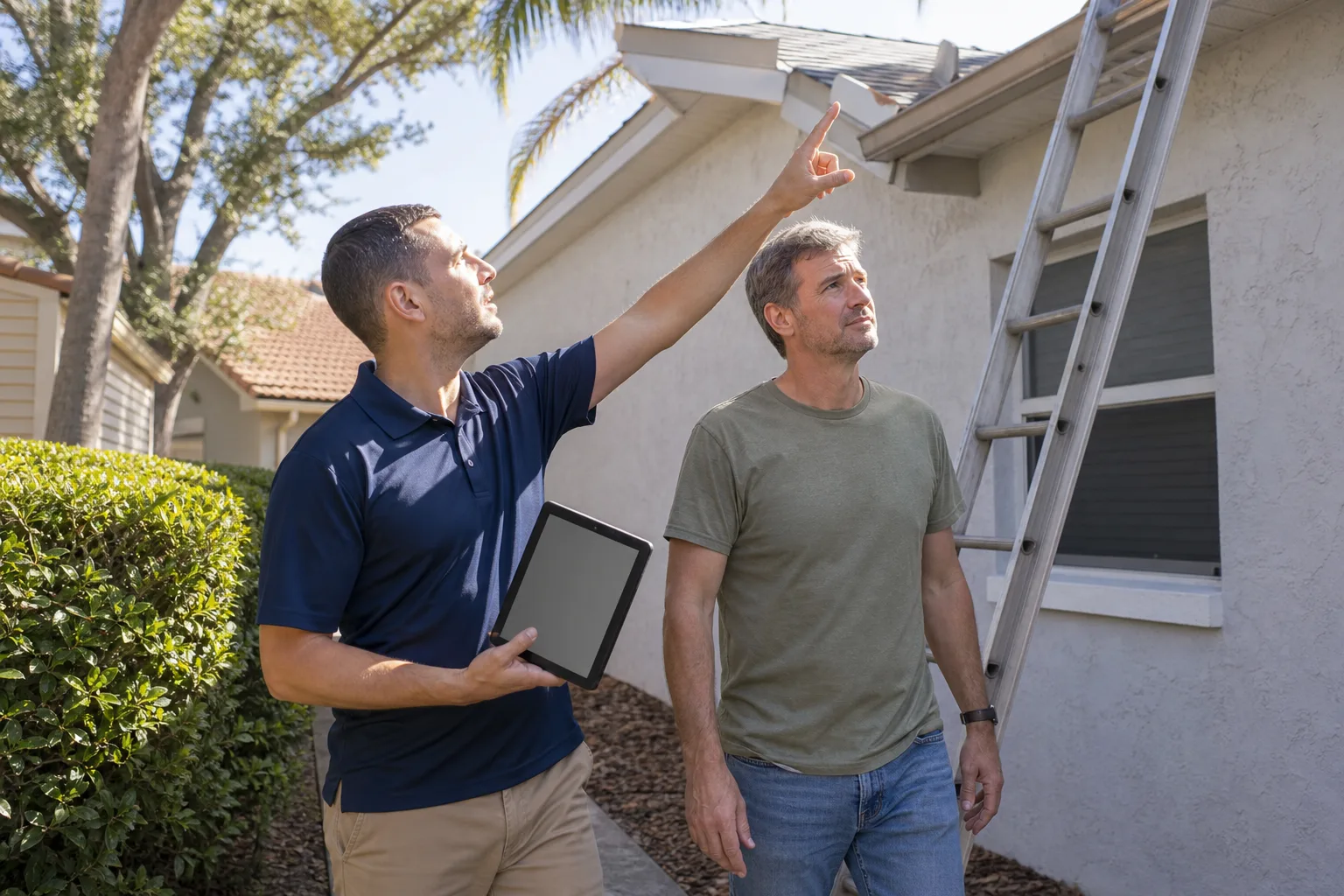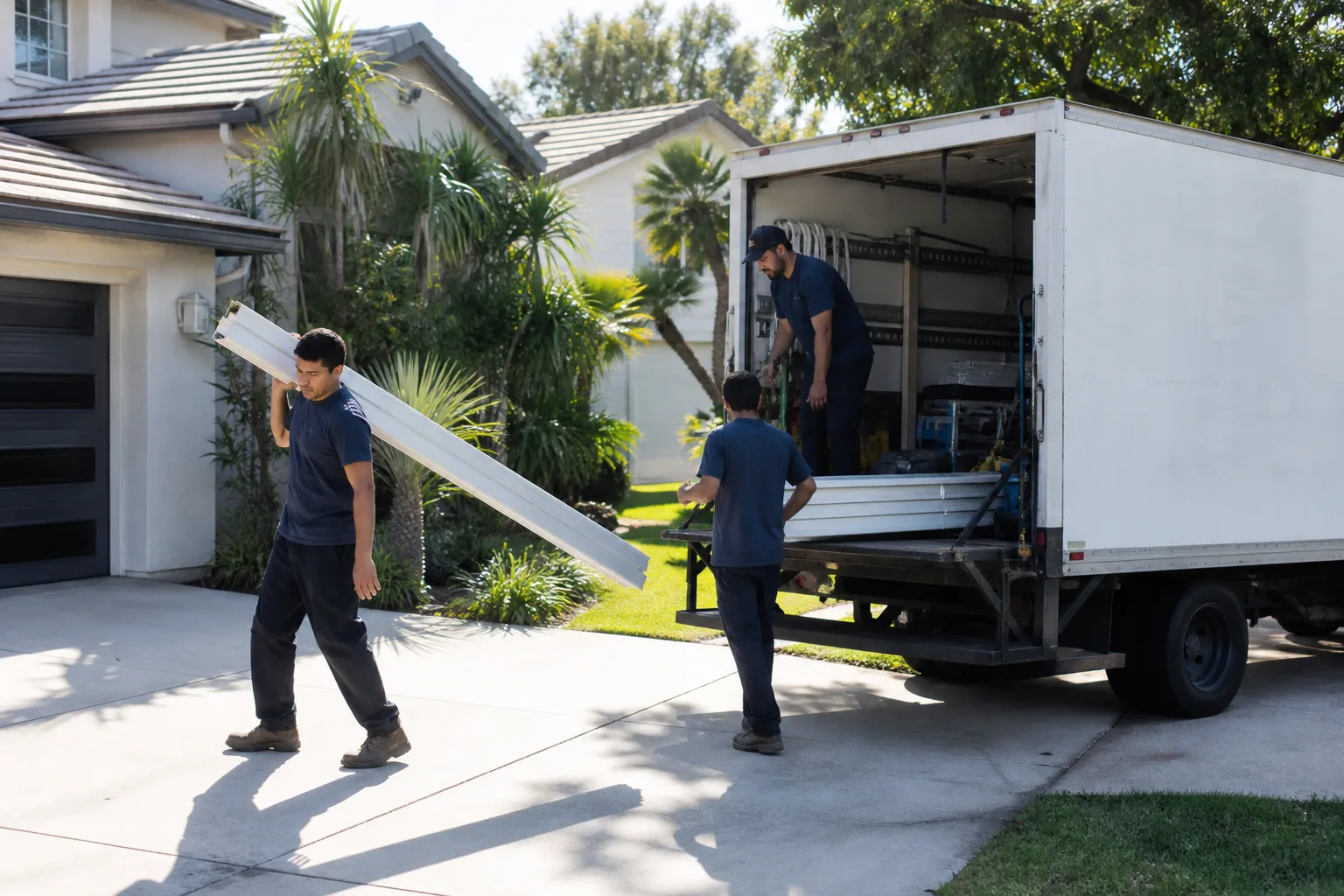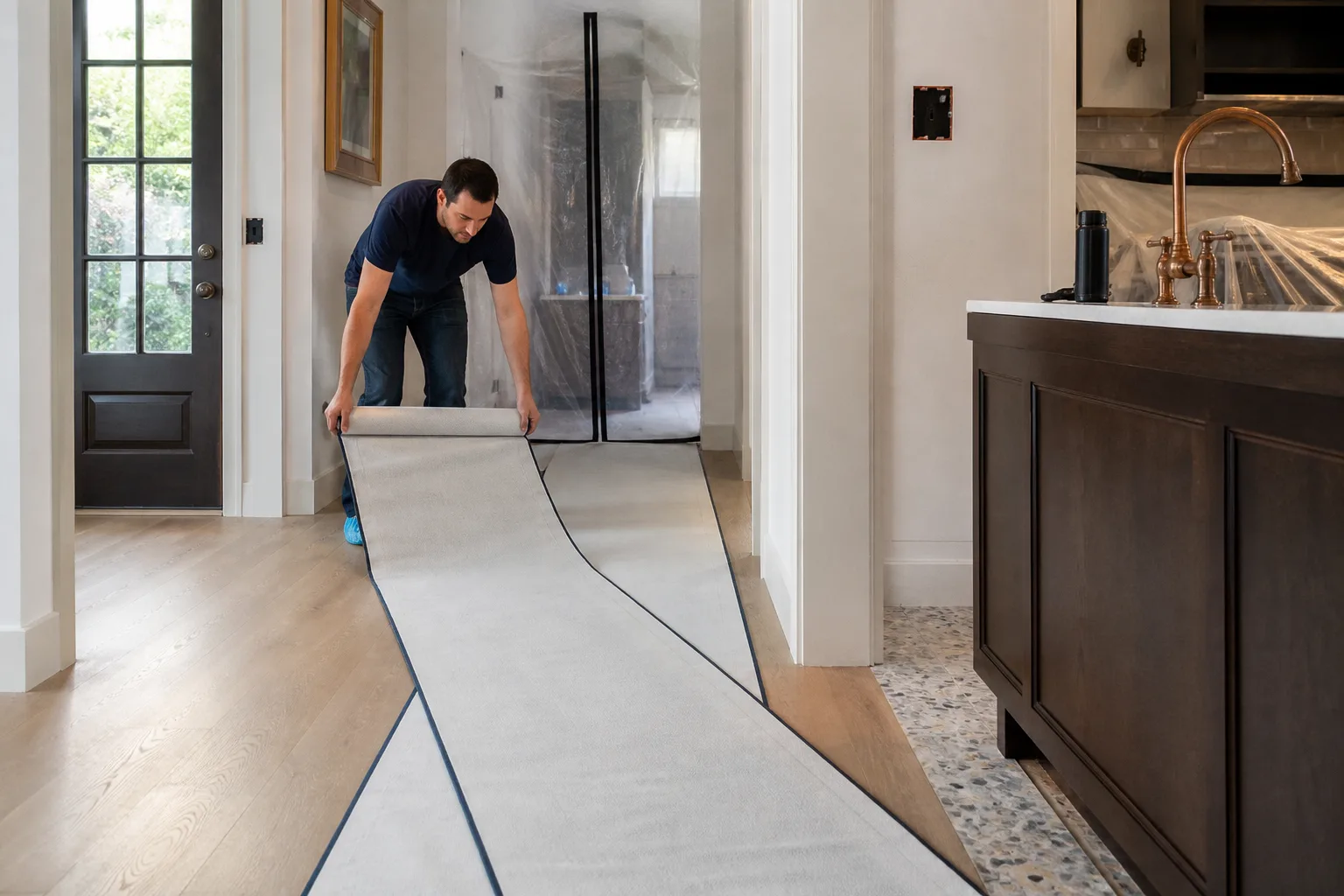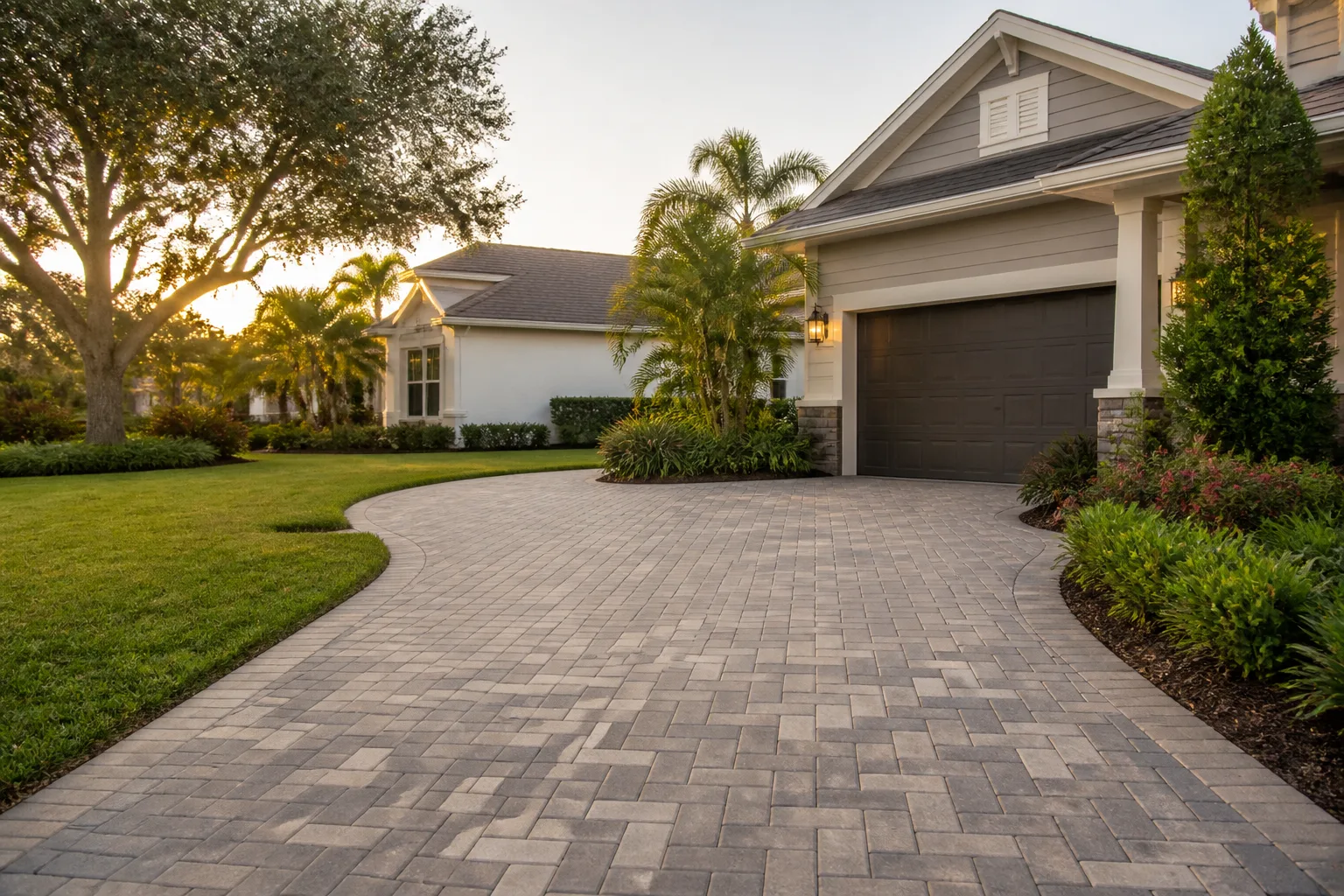
Free written scope consultation - allowances, timeline, and change-order rules on paper before a single trade is scheduled
Styles & brands we work with
- Kitchen remodeling
- Bathroom remodeling
- Home additions & ADU
- Roofing
- Windows & doors
- Driveway & pavers
- Fence
See the difference
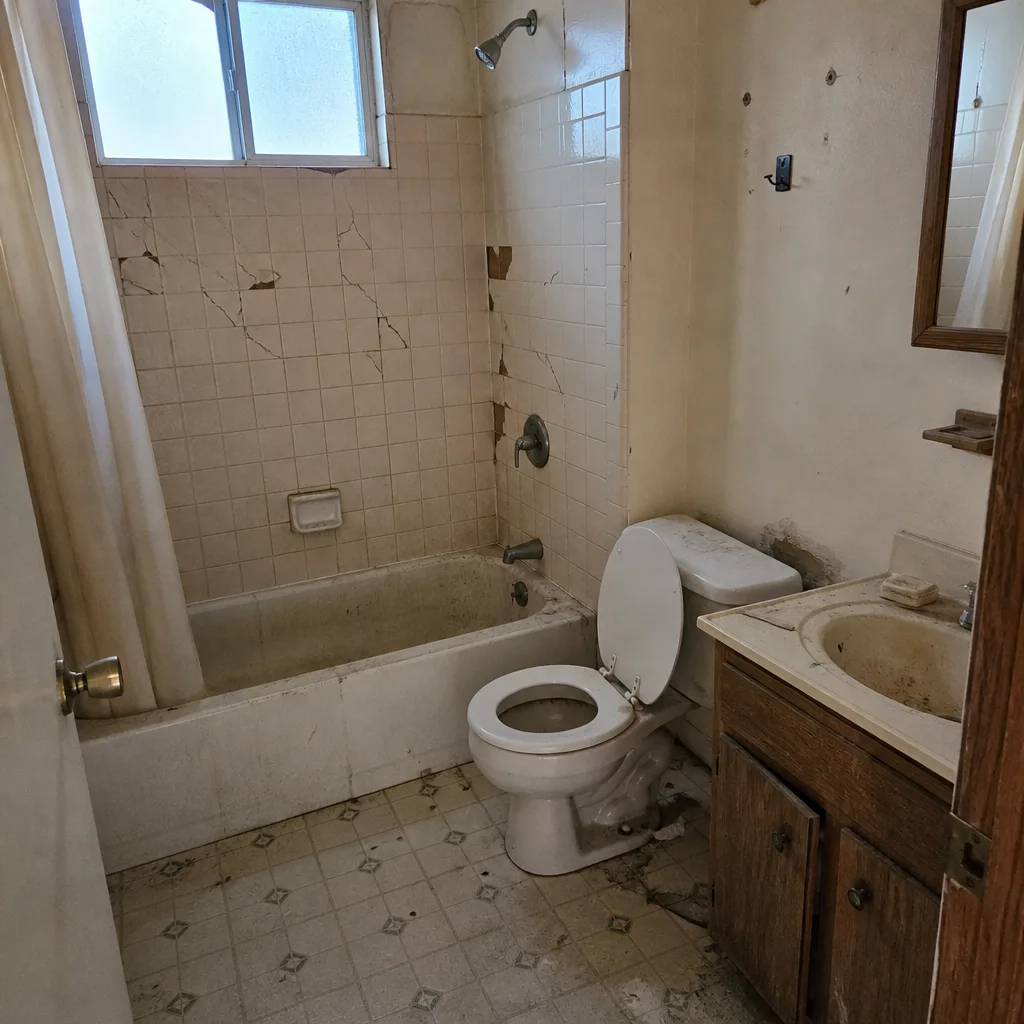 Before
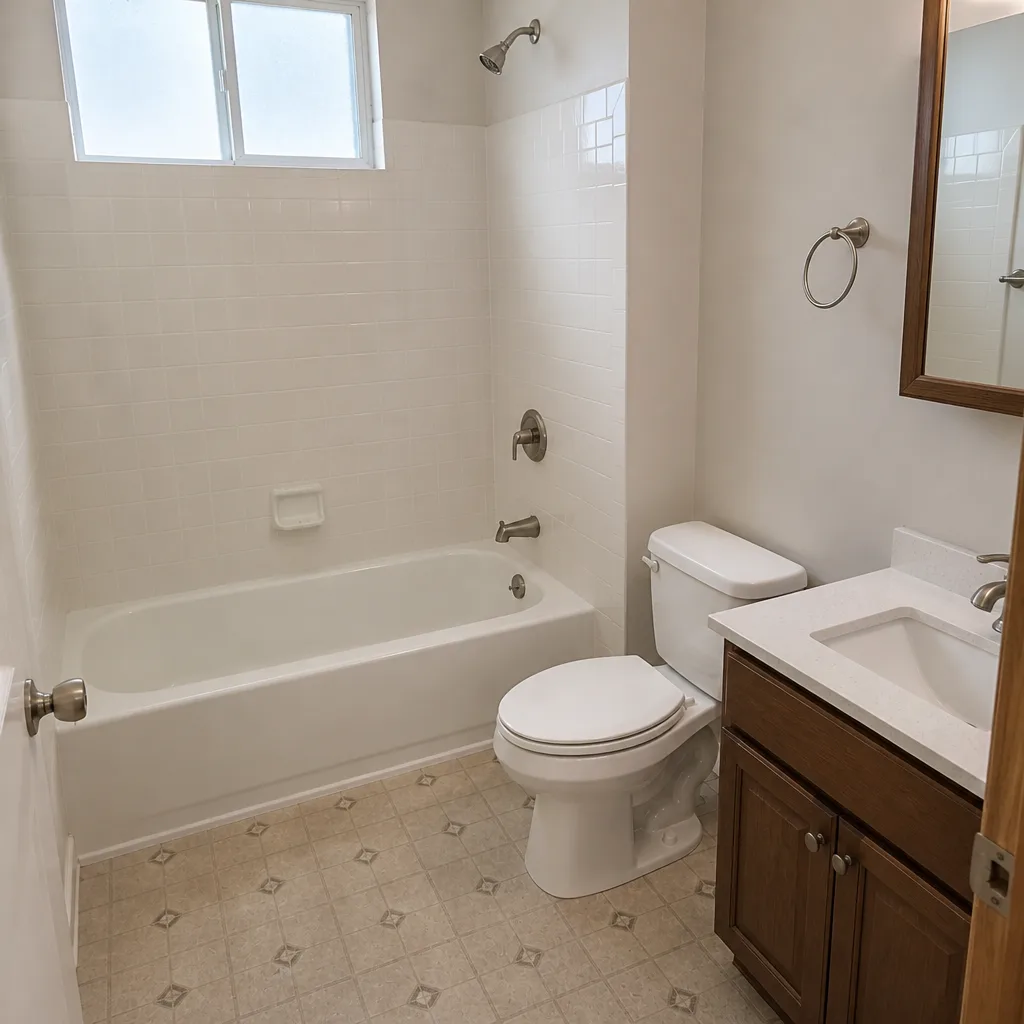 After
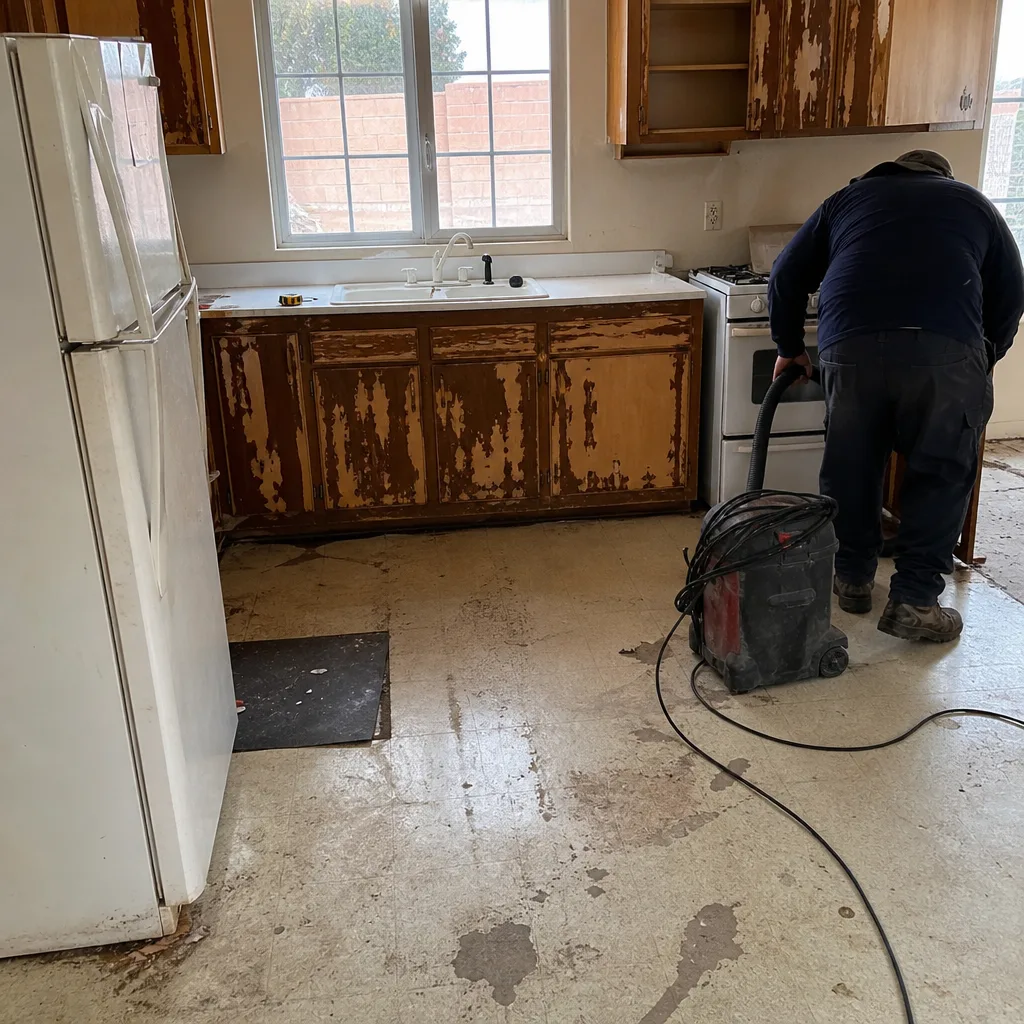 Before
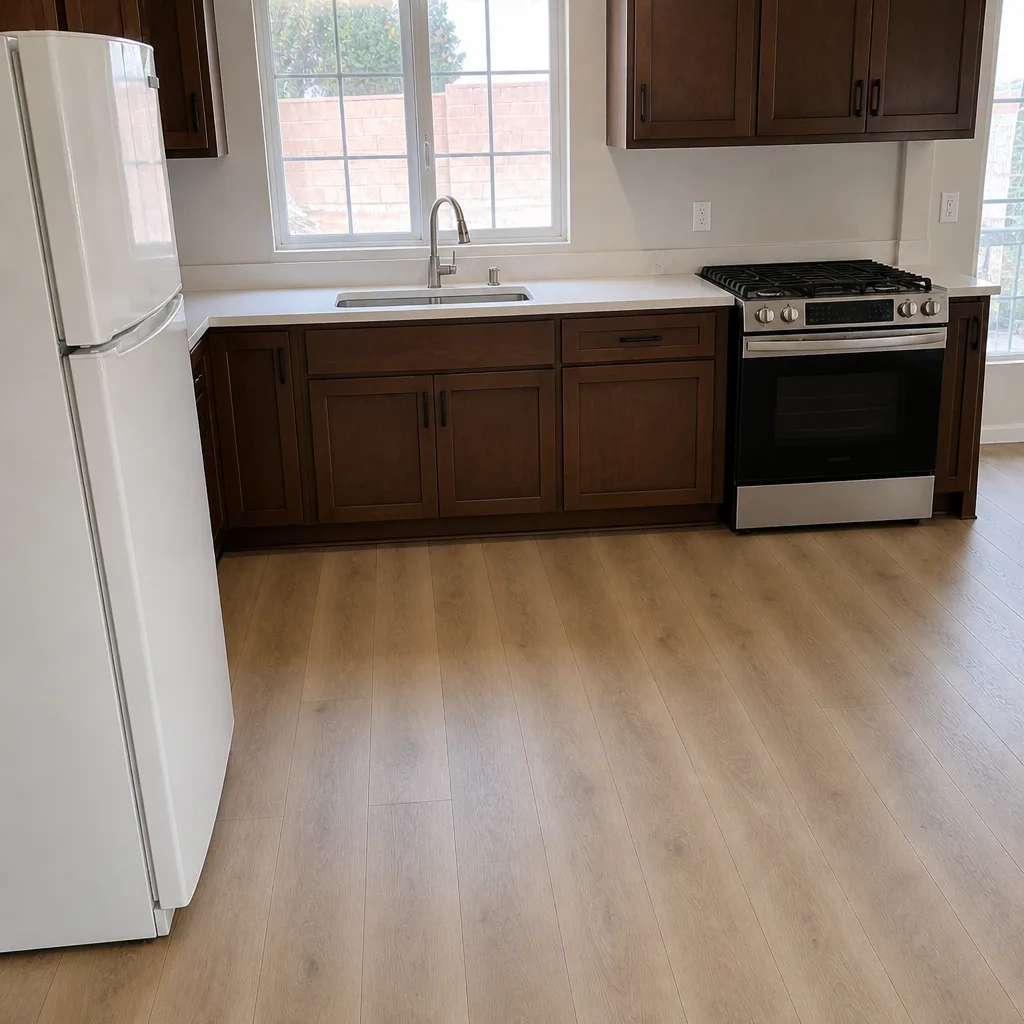 After
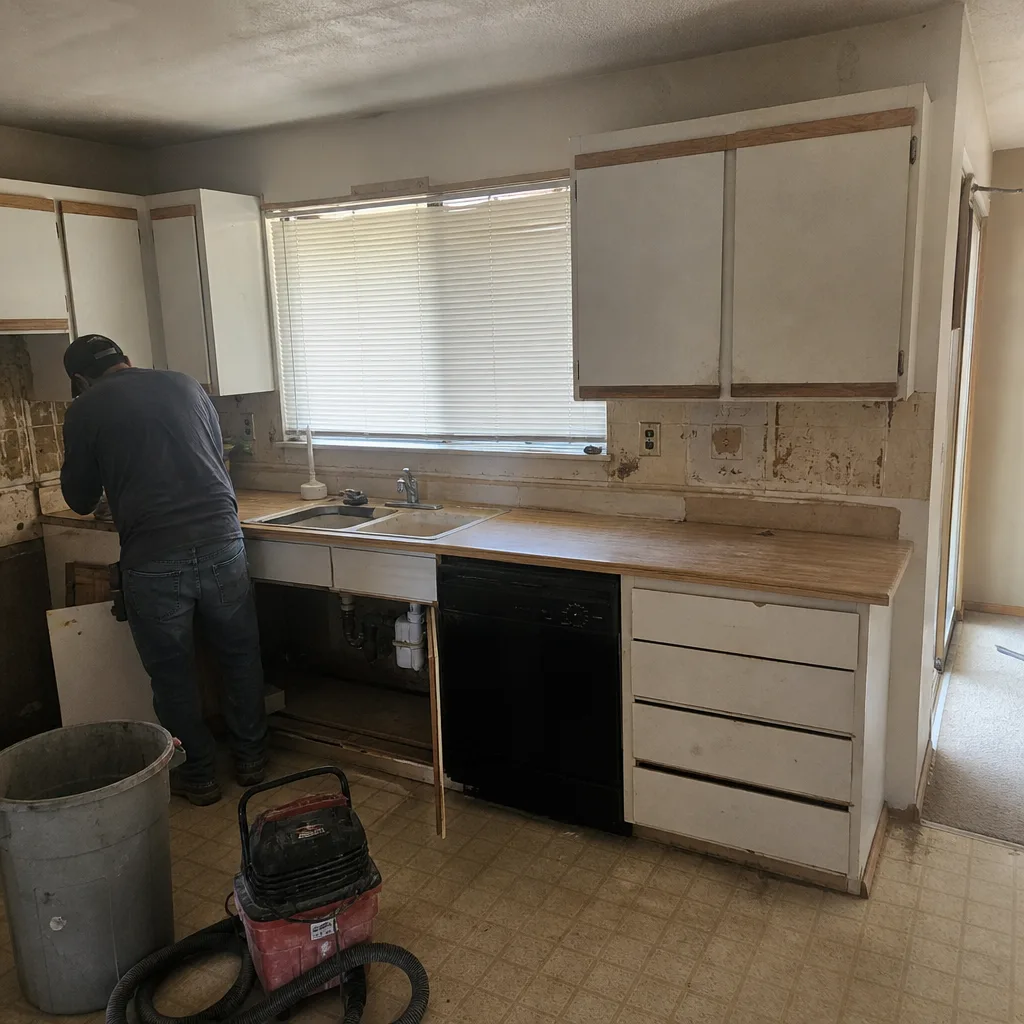 Before
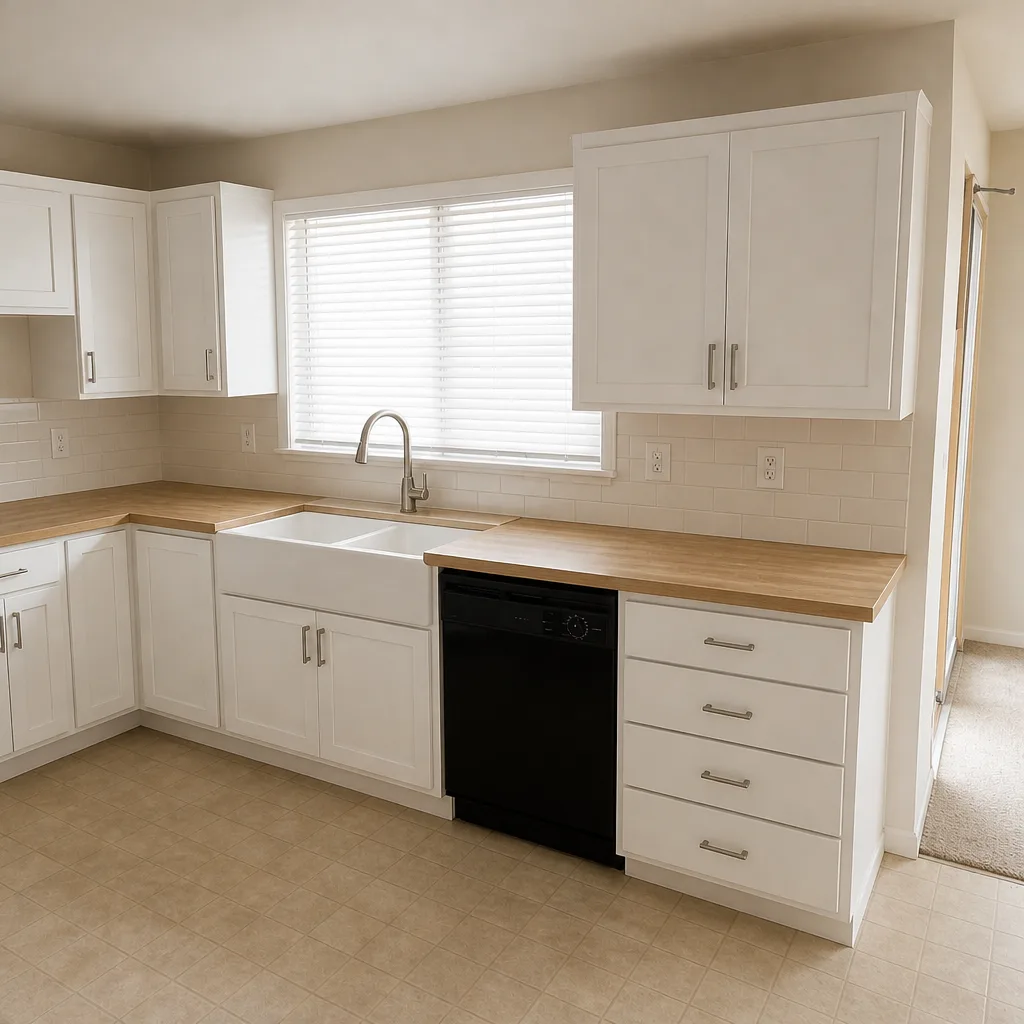 After
When to Seal a New Asphalt Driveway in Boulder City, NV: A Heat-Adjusted Timeline
In Boulder City, seal a new asphalt driveway in late September through early November, not at the 90-day mark or the standard 6-to-12-month mark most guides give. At 110°F air temperature, a sun-exposed Boulder City driveway surface can reach 160°F, and that heat rewrites the rules: the asphalt oils gas off faster in our Mojave summers, so the usual wait compresses to roughly 3-4 months, but sealing before those oils finish escaping traps volatiles and causes premature peeling. The window is narrower than anywhere in the Las Vegas Valley. Get it wrong and you can do more harm than skipping the sealant for a season. For a written scope before anyone shows up, call (888) 282-1693.
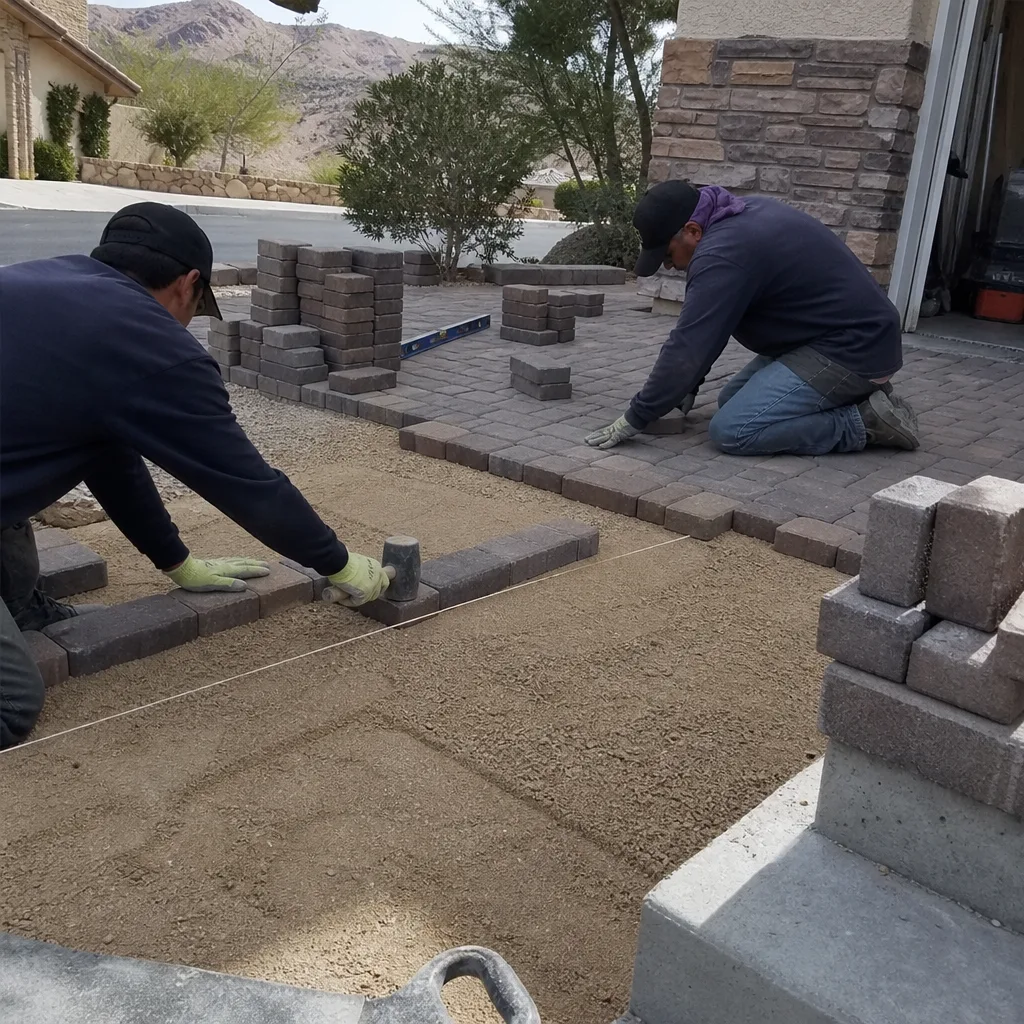
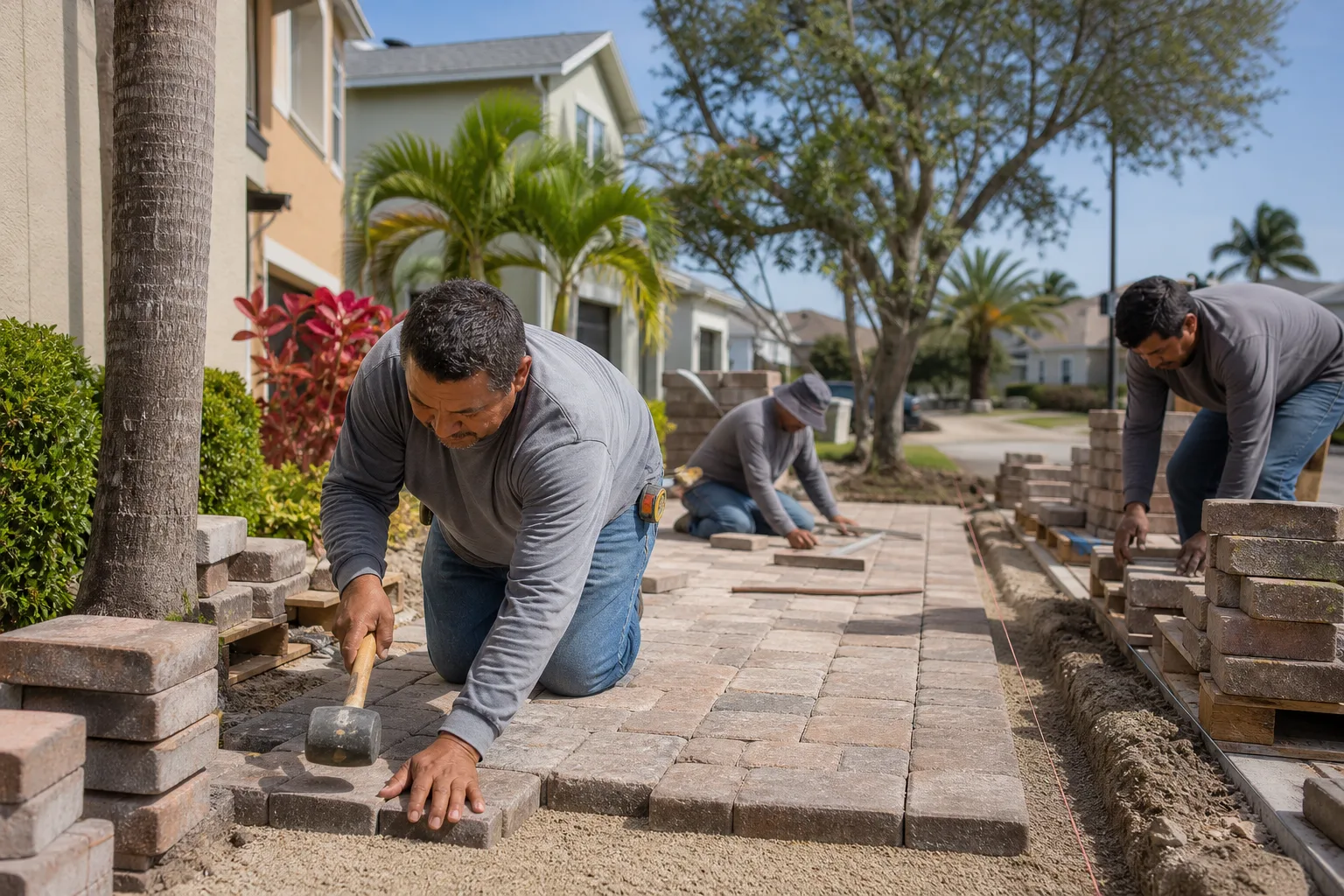
Why the Standard “Wait 90 Days” Rule Fails Here
Most sealing advice is written for a temperate climate with mild UV and modest summer heat. Neither exists at 2,300-2,500 feet on the edge of Lake Mead. Boulder City sits in the Mojave Desert with summer highs that routinely hit 100-110°F, intense UV, and very low humidity. That combination cures new asphalt fast in two opposite directions, and both can hurt you.
Seal too early, before the lighter oils have fully gassed off, and you lock those volatiles under the sealant film. The surface looks great for a few weeks, then blisters and peels in sheets once the trapped solvents push against the coating. Seal too late, after the sun has already oxidized and hardened the top layer, and the sealant can’t grip a surface that’s gone chalky and gray. So the real question isn’t a fixed number of months. It’s whether your specific driveway has finished curing.
How to Read Your Own Driveway’s Curing Stage
You don’t need a lab. You need to look and feel.
- Color: Fresh asphalt is deep black. As oils escape, it fades toward dark gray. A driveway in Boulder City that’s already gone gray in full sun is likely past the sweet spot.
- Touch test: Press a clean rag or paper towel on a warm afternoon. If oils still smear noticeably, give it more time.
- Surface feel: Tired, sandy, loose grit means oxidation has begun. Soft and slightly tacky means it’s still curing.
- Weather since paving: Two solid months of Boulder City summer sun does more curing than four mild months would. Track it by heat exposure, not just the calendar.
The most reliable move is scheduling an assessment in late summer so a trained eye times the actual seal for you rather than guessing from a rule of thumb. Our technicians have up to 12 years of experience reading desert asphalt, and they’ll tell you plainly whether your driveway is ready or needs to wait. If your driveway is past sealing and needs a full redo, see our Driveway & Pavers in Boulder City page.
Why Late September Through Early November Is the Boulder City Window
Sealant is a coating. It needs to cure at a controlled rate, and Boulder City’s late-fall weather is the only stretch all year where that reliably happens. From late September into early November, daytime surface temps drop below 90°F and the nights cool off enough for the sealant to set gradually instead of flash-drying.
Sealant applied on a 150°F July surface can skin over before it bonds, then crack as it cures unevenly – the classic “alligator” pattern that looks like the sealant failed when really the schedule did. In March through May, the opposite problem: overnight lows near freezing and gusty spring winds can slow curing, and blowing desert grit lands in the wet coat. The fall window threads the needle. It also sets the driveway up to survive the following summer’s UV assault, which is when most oxidation damage actually accumulates.
What Fresh Sealing Costs in Boulder City
| Service | Typical Range |
|---|---|
| Driveway sealing | $250-$700 |
| Asphalt driveway paving (new) | $3,500-$9,000 |
| Concrete driveway installation | $4,500-$12,000 |
| Driveway replacement | $5,000-$14,000 |
| Paver driveway installation | $7,000-$18,000 |
Sealing itself is the smallest line item on the list, which is exactly why timing it right matters. A $250-$700 seal done at the wrong time can peel and need a fresh coat, and the recoating isn’t free. Do it once, in the right window, and the seal protects the asphalt for years. See the full scope of what we handle on our and Driveway & Pavers pages.
When Sealing Is the Wrong Answer: Cracks That Signal a Base Problem
Boulder City’s desert soils have high shrink-swell potential. They expand when wet and shrink when dry, and that movement shows up as cracking in the slab or asphalt above. A sealant is a surface treatment; it can’t hold a driveway together that’s moving underneath. Before you pay for a seal, know which cracks you’re looking at.
- Hairline surface cracks, no displacement: normal aging, and a good candidate for sealing.
- Cracks that keep re-opening after patching: the base is moving. Sealant over a failing base is money down the drain.
- Long cracks running a consistent direction across the whole driveway: often a sub-base or drainage problem, not a surface one.
- Cracks with edges at different heights (offset): the panel is dropping. That’s structural, and a seal won’t touch it.
If you’re seeing any of the last three, sealing is the wrong first move. The fix is base or slab work, and you want that diagnosed before a sealer is ordered. This is where an upfront written scope pays off. Our pricing is set before any crew shows up, so there’s no surprise “we also noticed your base needs work” upsell after you’ve already committed to a seal.
Built on Real Standards, Backed in Writing
Groundwork Construction Co. of Boulder City works from a curated set of top-tier material brands across every trade, and every project is covered by our 730-Day Done Right Promise – if a sealed surface fails within that coverage window due to workmanship, we make it right. That’s a workmanship guarantee most asphalt and sealant contractors simply don’t offer once the job is done. Calls are answered by a live person 24/7, technicians are background-checked and arrive in uniform, and pricing is upfront with no surprises. Learn more about our Driveway & Pavers work and how we approach every trade from foundation to finish line.
Common Boulder City Scenarios We See
A 1930s historic-district bungalow with a newly poured driveway. Original Hoover Dam-era cottages near the historic district often come with narrow, irregular driveways that were never designed for modern vehicles. Pour schedules get tight in summer heat, and if the asphalt goes in during June, the fall sealing window is your friend. Plan the seal the same week the paving is scheduled so you don’t blow past it.
A 1970s infill home east of the historic district. The asphalt here has usually been there a decade or more. By the time it’s gone chalky gray in full sun, it’s past the ideal seal window – sealing a fully oxidized surface can flake off within a season. Best move here is often a fresh top coat or a redo rather than a hopeful seal over a tired surface.
A custom build on a graded lot with expansive soils. When the base was cut and fill, the shrink-swell movement after a wet spring can start minor cracking within the first year. Identify the crack pattern before sealing. If it’s moving, the seal is the finish line, not the starting line.
Every one of these paths starts with the same step: a real assessment before any sealer is opened. If your driveway is at the point where sealing or replacement is the real question, our full Driveway & Pavers service covers both.
FAQs
About 3-4 months in Boulder City if the driveway was paved in late spring or early summer, because intense Mojave UV and heat accelerate the oil gassing-off that curing depends on. If it was paved in cooler months, wait closer to the standard 6-12 months. The safest answer is to time the seal for late September through early November regardless of when it was poured. Call (888) 282-1693 for a free assessment and we’ll tell you where your driveway actually stands.
Sealing in the right window is far cheaper – $250-$700 in Boulder City versus $3,500-$9,000 for new asphalt or $5,000-$14,000 for a full replacement. But sealing a driveway that already has moving cracks or a failing base wastes the money, because the seal won’t hold what’s shifting underneath. Get it assessed before you spend. Call (888) 282-1693 to get a written scope and pricing upfront.
You can, but the heat makes it risky. Sealant applied to a surface over 90°F can flash-dry before it bonds, and Boulder City summer afternoons routinely exceed that. Flash-dried sealant cracks and peels, and you’ve paid for the product plus your time only to redo it. A trained crew knows what surface temperature to work at and when to wait. Call (888) 282-1693 if you’d rather have it done right the first time.
Usually 24-48 hours, and longer in cooler fall weather, because the sealant needs to cure fully before traffic touches it. In the late-September-to-November window, cooler overnight temps can stretch curing to a full two days. Your written scope will tell you exactly when the surface is ready, which is part of our upfront pricing – the number you see is the number you pay. Call (888) 282-1693 to schedule.
Get Your Driveway Timed Right
If you’d rather have it looked at, Groundwork Construction Co. of Boulder City offers a no-pressure assessment in Boulder City. We’ll tell you whether your driveway is ready to seal, needs to wait, or is signaling a bigger base problem. Call (888) 282-1693 for a free estimate and design consult. The 730-Day Done Right Promise and upfront pricing come standard on every job.
Written by the team at Groundwork Construction Co. of Boulder City, serving Boulder City, NV.