Free written scope consultation - allowances, timeline, and change-order rules on paper before a single trade is scheduled
Styles & brands we work with
- Kitchen remodeling
- Bathroom remodeling
- Home additions & ADU
- Roofing
- Windows & doors
- Driveway & pavers
- Fence
See the difference
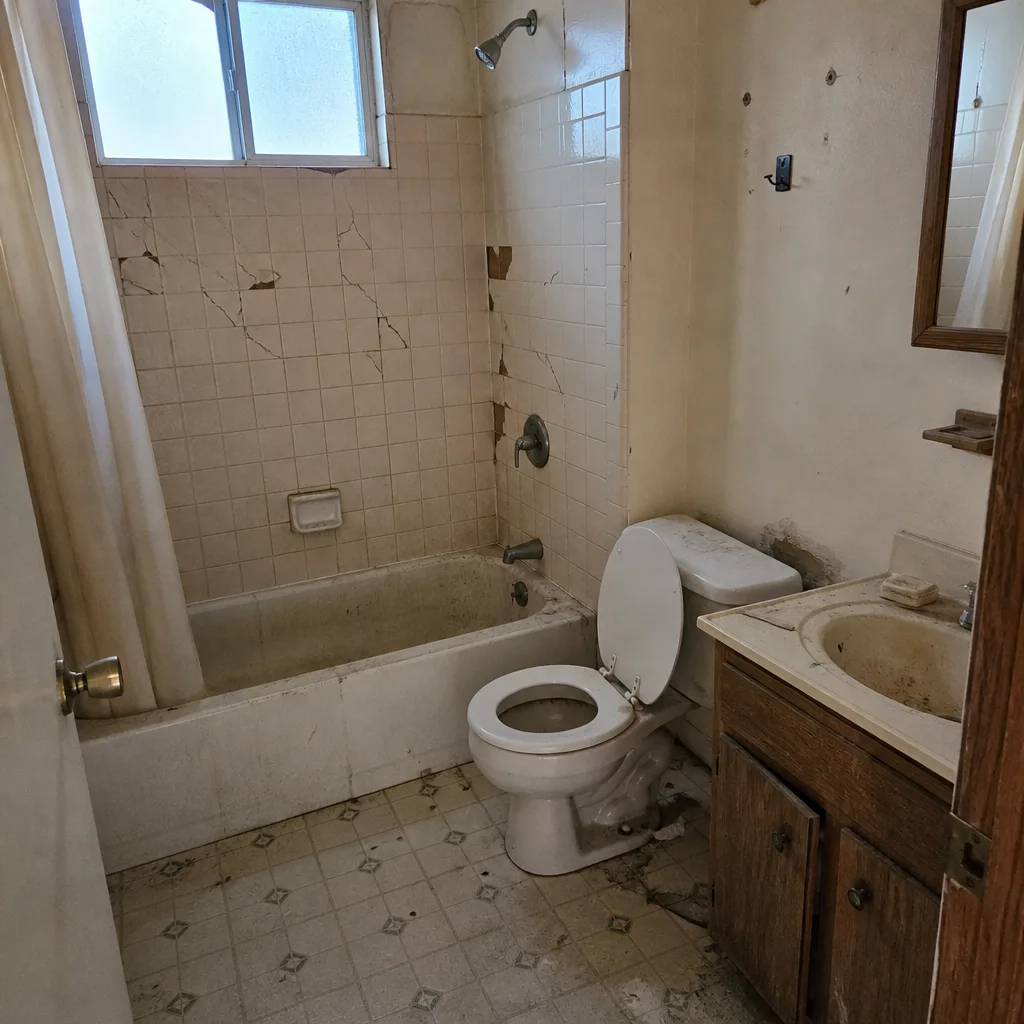 Before
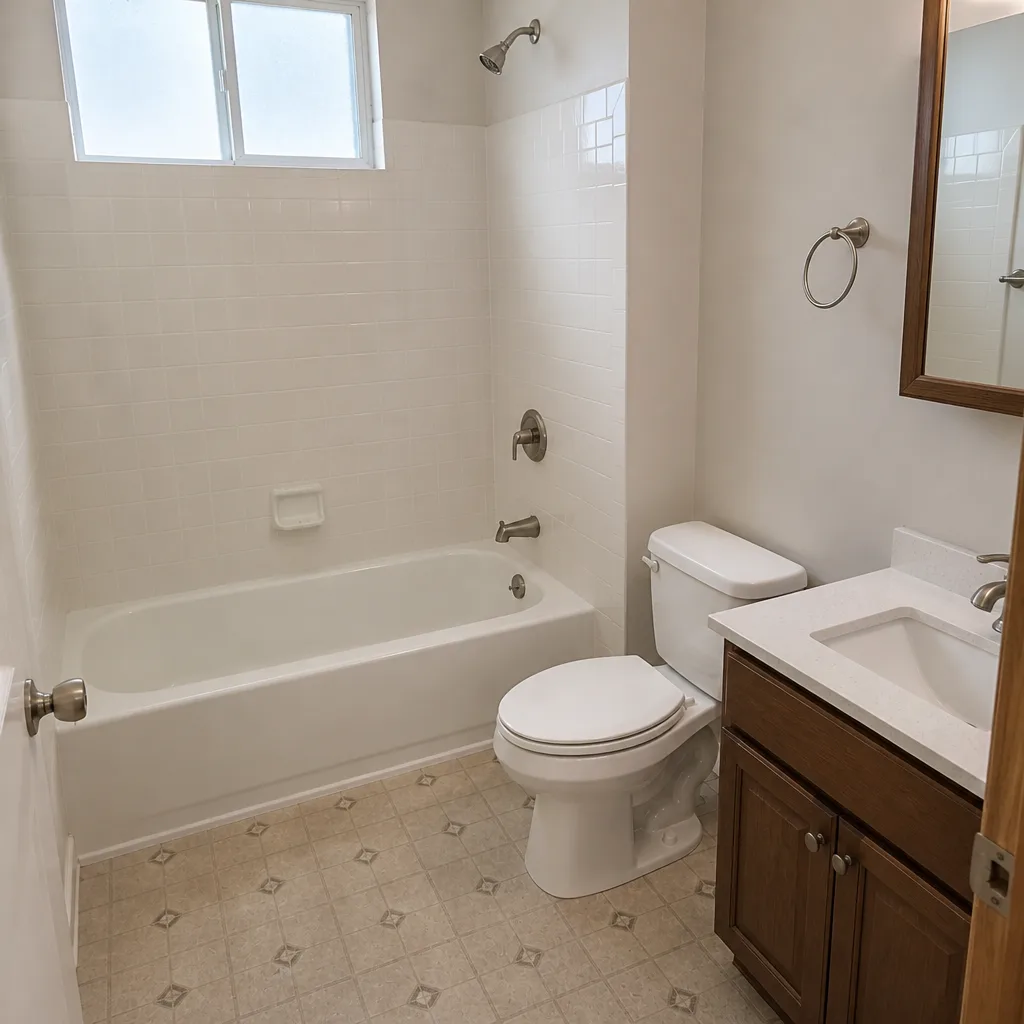 After
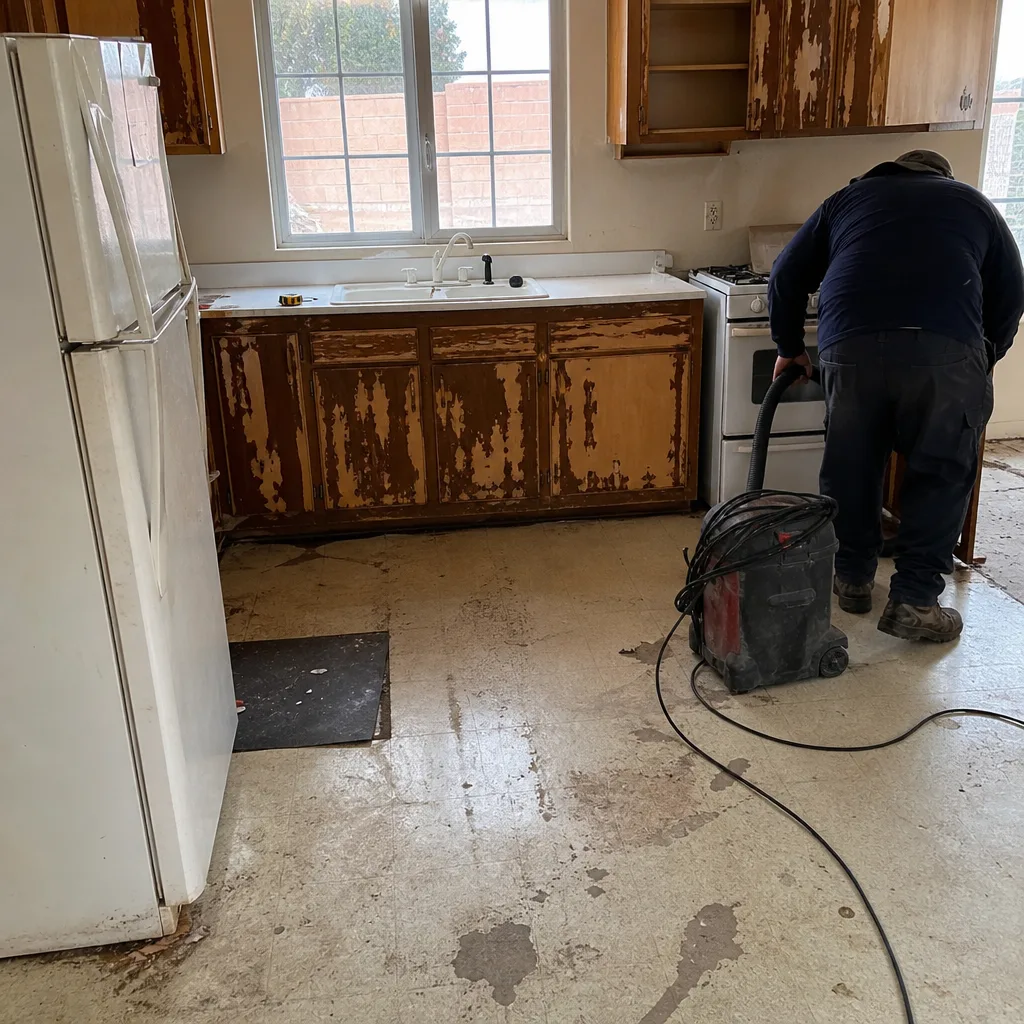 Before
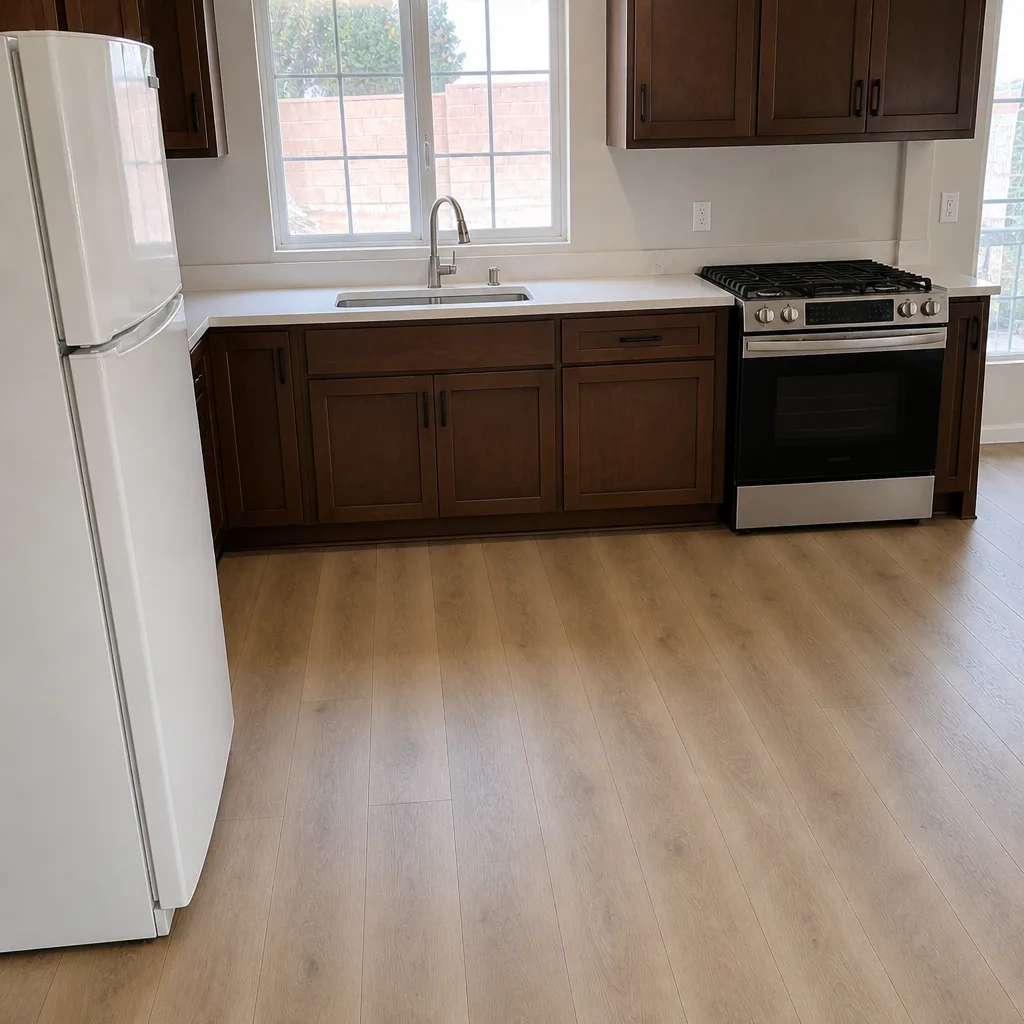 After
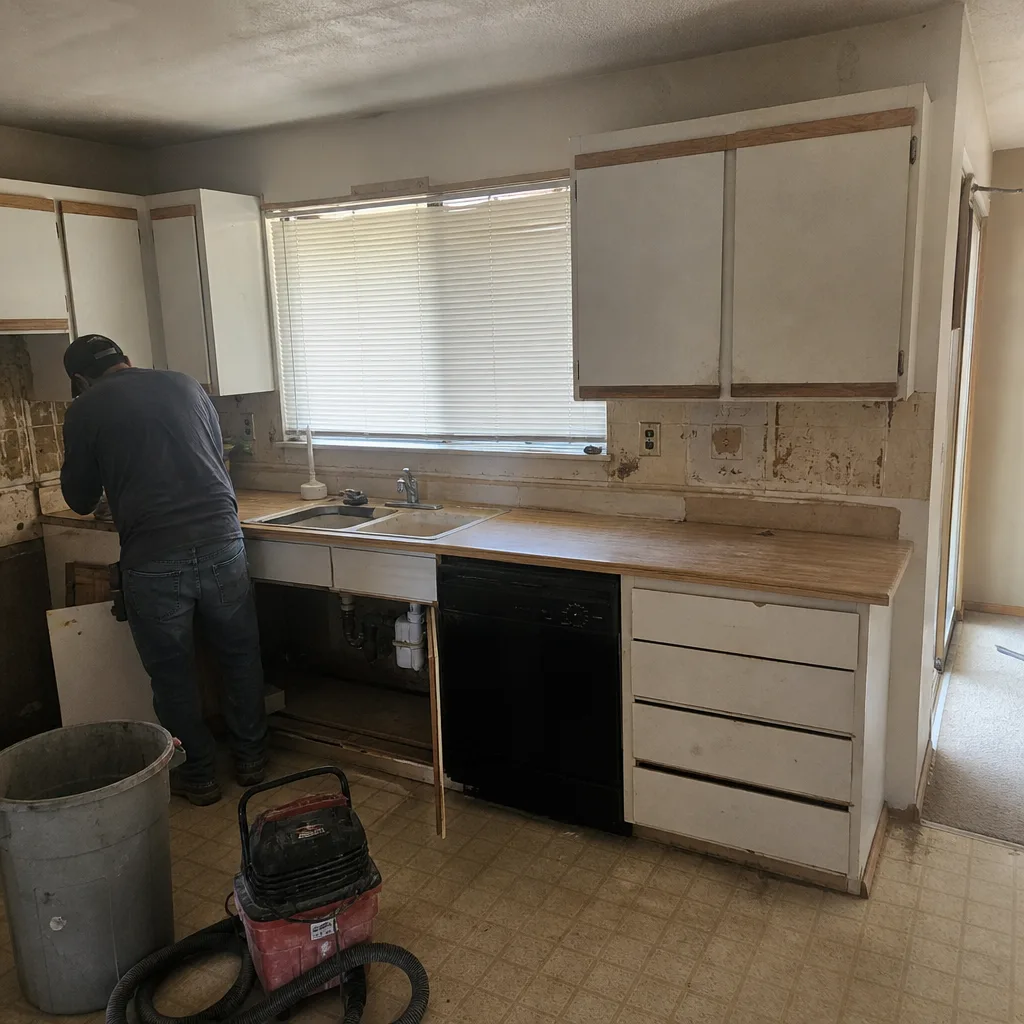 Before
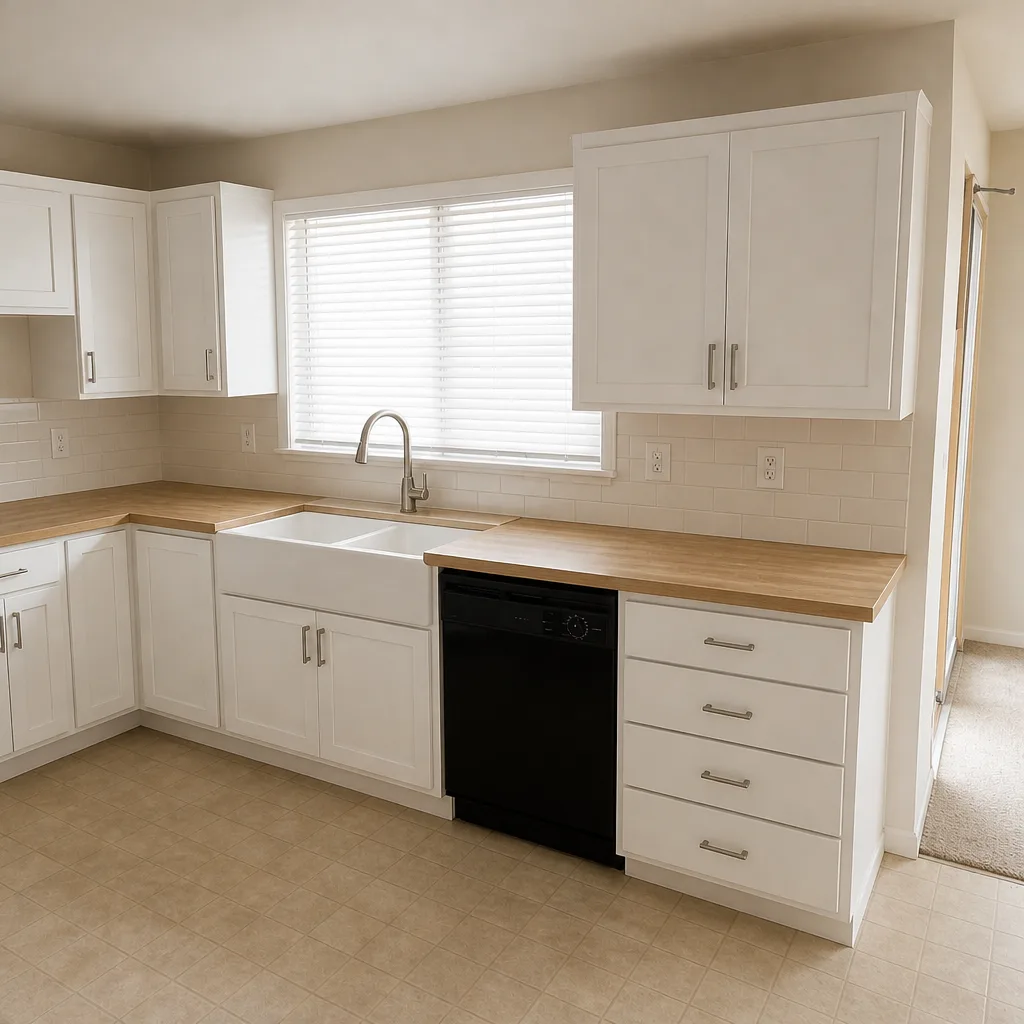 After
Stamped Concrete vs Pavers in Boulder City, NV: What Actually Passes Review
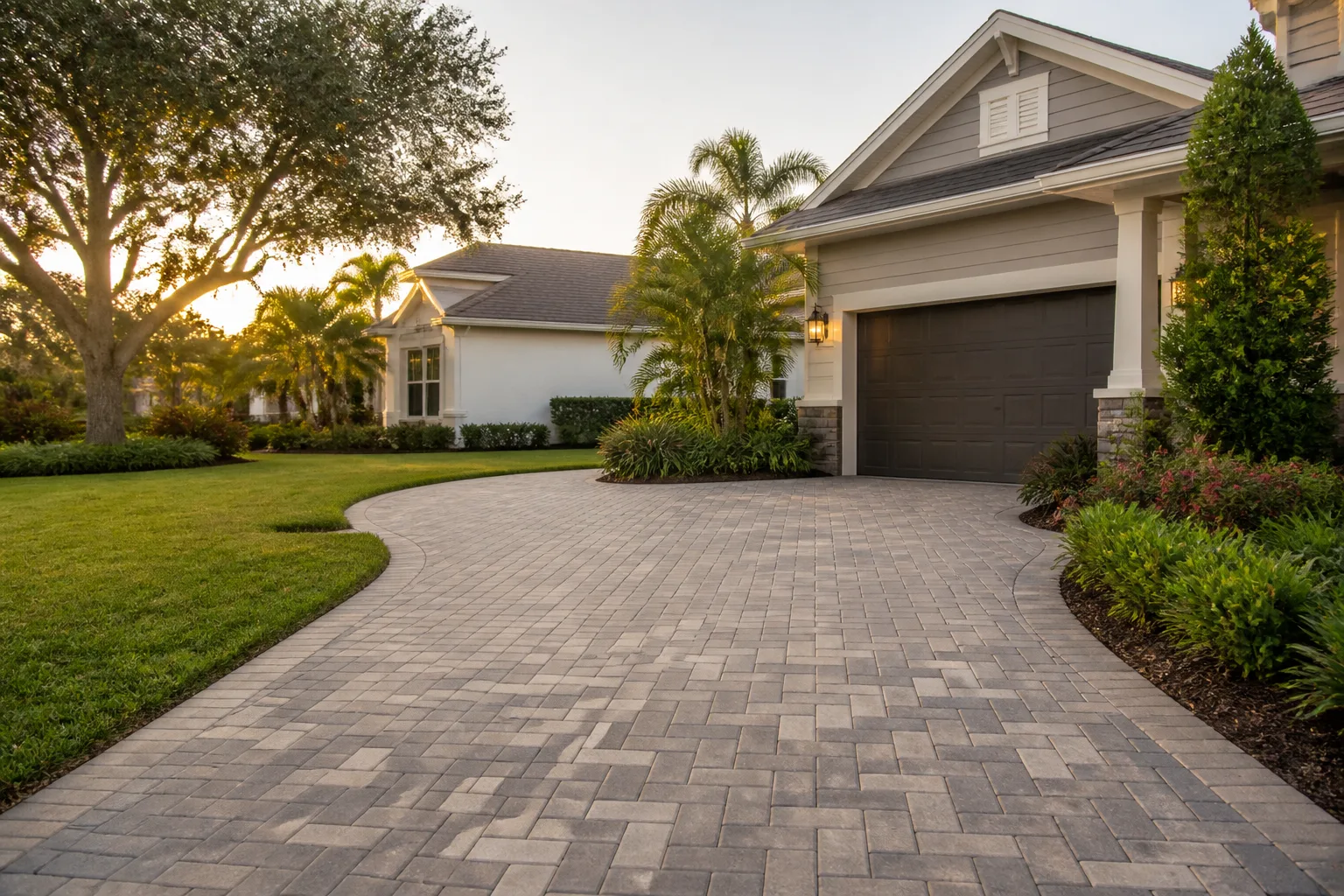
Choose pavers over stamped concrete in most Boulder City driveways and patios, unless you’re outside the historic district and want the lowest upfront cost. The honest reason isn’t aesthetic taste. It’s that stamped concrete that mimics brick or stone is frequently treated as a non-authentic substitute under Boulder City’s preservation review, while real clay or concrete pavers in a period-appropriate profile tend to pass. Add Mojave UV that fades stamped surfaces within 5-7 years, and pavers win more often than the price tag suggests. Call (888) 282-1693 for a free estimate.
Why Boulder City Is a Different Comparison Than Anywhere Else in Nevada
Boulder City was a federally chartered 1931 company town built by the Bureau of Reclamation to house Hoover Dam workers. Most of the original bungalows and modest 1930s-40s cottages sit close to the historic district, which means exterior work here runs into preservation review far more often than it would in Henderson or Las Vegas. A standard vinyl-window quote on a Depression-era cottage can come back with a request to match the original divided-light wood profile. The same logic applies to your driveway and patio.
So when we’re asked Driveway & Pavers questions, the stamped-concrete argument changes. It’s not just “which looks better in the desert” – it’s “which material the city will actually approve, and which will still look good in year eight.”
What Does Preservation Review Actually Look At?
Boulder City’s ordinances for the historic district evaluate whether exterior materials are “consistent with the period of significance.” In practice that’s a materials question, not a color question. The review board is asking: does this look like something that could have been built there in the 1930s or 40s?
Here’s where the two options land:
- Stamped concrete that mimics brick or cobble – treated as a manufactured substitute for a material the period actually used. Can be denied, or approved with conditions that defeat the point.
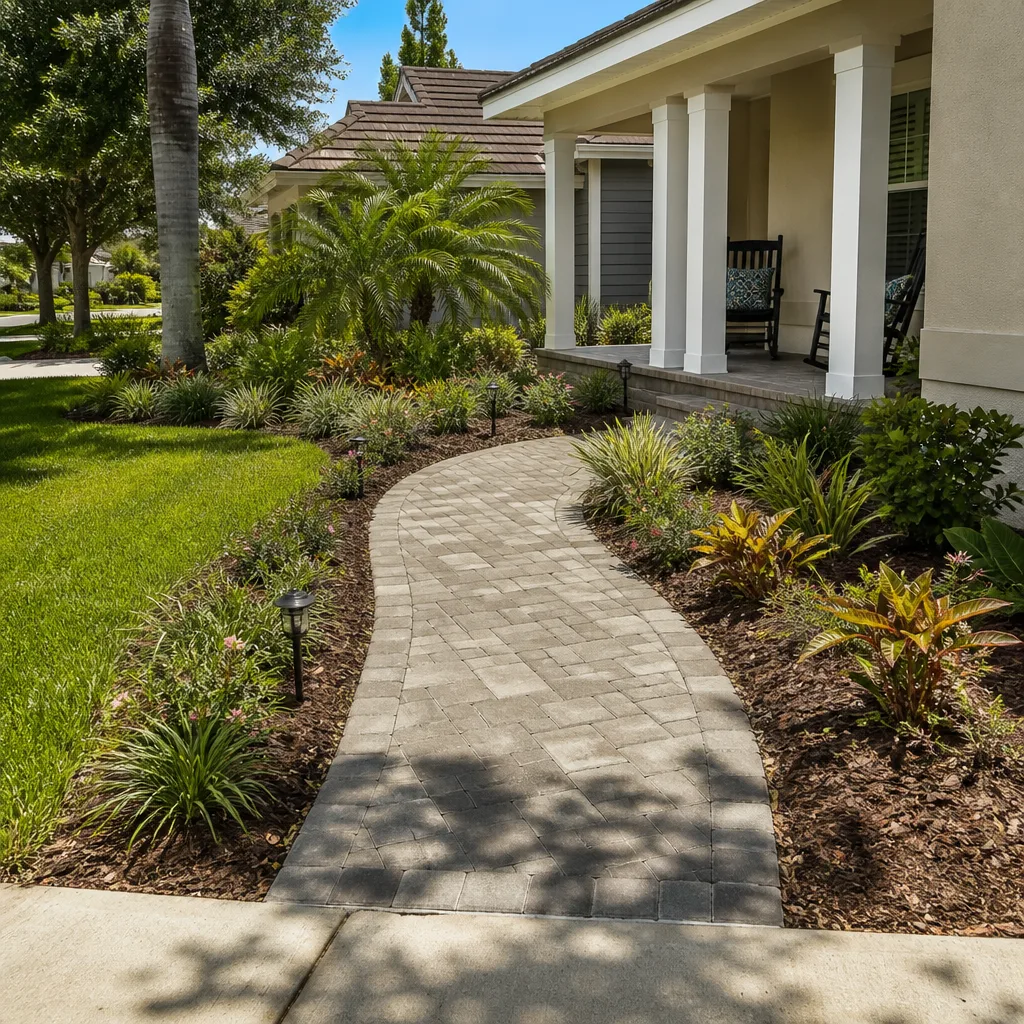
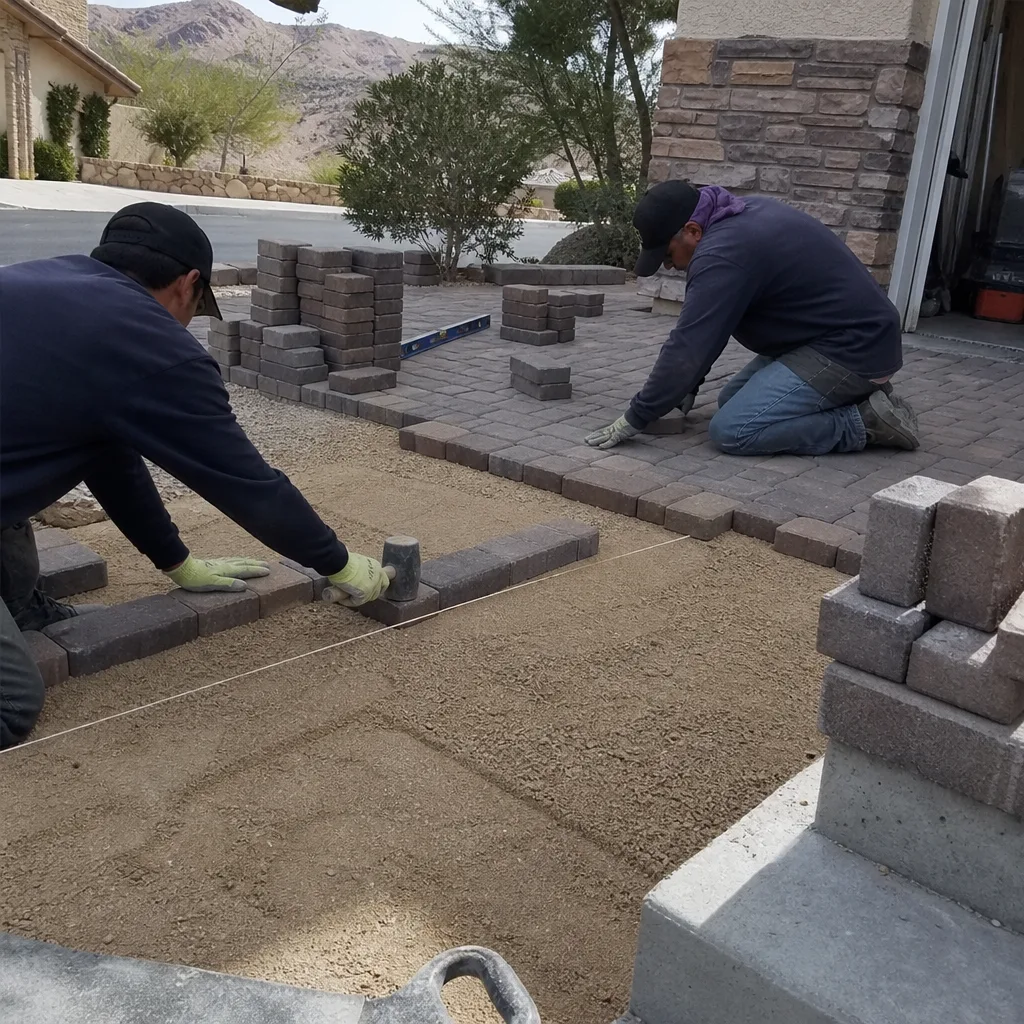
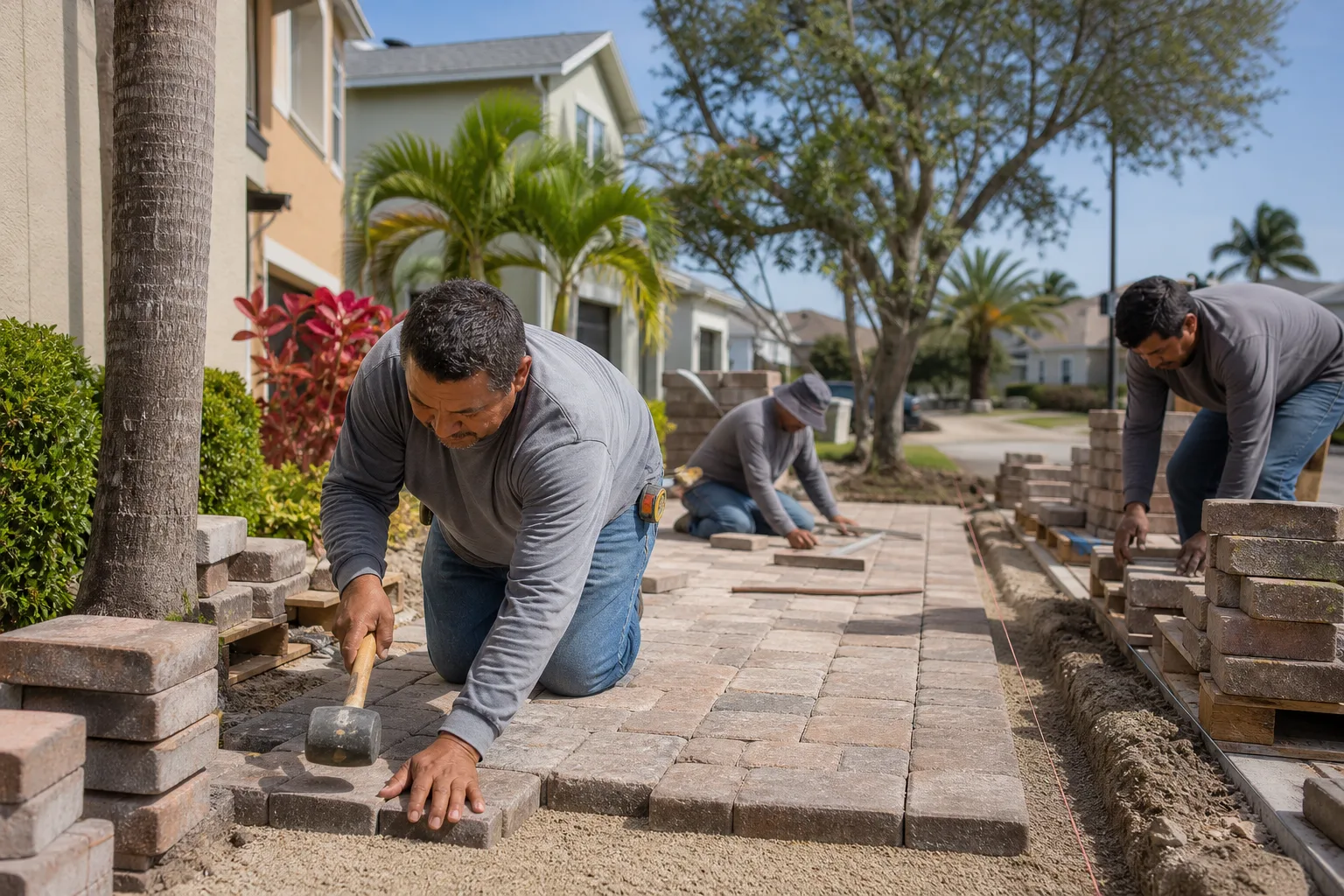
- Real clay brick pavers or concrete pavers in a period profile – closer to authentic materials. More likely to gain approval.
- Plain concrete (no stamping) – sometimes easier to approve than faux-brick stamping, because it’s not pretending to be something else.
- Pavers in a modern large-format profile – approval depends heavily on the surrounding streetscape. Not automatic.
We’ve worked on historic-district properties around Boulder City and know the documentation the city wants before exterior hardscape work begins. That’s a step a lot of crews skip entirely, then hand the homeowner a stop-work notice. Groundwork Construction Co. of Boulder City builds the review step into the front of the project, not the middle.
How Does the Mojave Heat Treat Each Material?
Stamped concrete in Boulder City takes a beating the comparison pages never mention. Summer highs here routinely hit 100-110°F with intense UV and very low humidity. The release agents and sealers used in the stamping process degrade faster under that kind of sun than the concrete itself does. Within 5-7 years, stamped surfaces around Boulder City often look significantly worse than pavers of the same age – surface scaling, color fade, and a seal coat that starts flaking in patches.
Pavers handle the same sun with a different failure mode. They don’t scale, because each unit is dense and cured the same way all the way through. Colors can still soften over long years, but the surface doesn’t pit and chalk. Brands like Cambridge Pavers and Oldcastle are built around this – dense, uniform units that hold their color far longer than a stamped topping.
One more thing about the soil. Boulder City’s expansive desert soils shrink and swell with the seasons. A single continuous slab has nowhere to go when the ground moves under it, so cracks show up. Pavers flex at the joints and move with the ground. A few pavers get re-leveled. A cracked slab gets replaced.
Stamped Concrete vs Pavers: Side-by-Side in Boulder City
| Factor | Stamped Concrete | Pavers |
|---|---|---|
| Historic district review | Often treated as non-authentic; can be denied | Period-appropriate profiles more likely to pass |
| UV and heat life in Boulder City | Sealer fades and scales within 5-7 years | Dense units hold color; no seal coat to fail |
| Cracking from expansive soil | Single slab cracks and needs patching | Flexes at joints; individual units reset |
| Utility and irrigation access | Has to be cut to reach buried lines | Units lifted and reinstalled cleanly |
| Repair after damage | Whole slab often replaced | Single paver swapped |
| Typical cost in Boulder City | $4,500-$12,000 (concrete driveway) | $7,000-$18,000 (paver driveway) |
Pavers cost roughly 50% more on the front end. What they return is repairability, lower long-term maintenance, and a better shot at preservation approval. In the historic district that last point usually decides it.
What Does Each Option Cost in Boulder City?
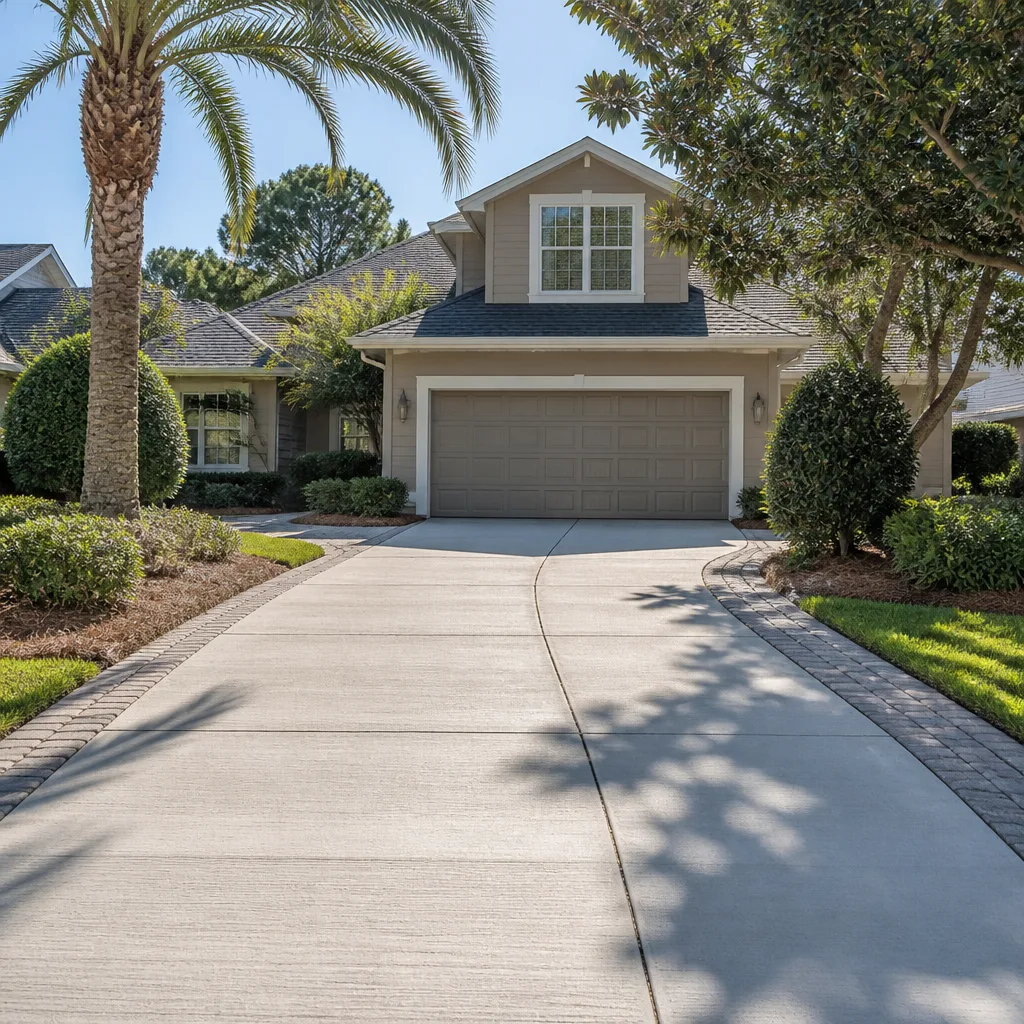
Real numbers, no bait. Boulder City paver driveways run $7,000-$18,000 depending on square footage, base prep, and paver selection. Stamped concrete driveways run $4,500-$12,000. Patios break down lower: paver patio installation runs $3,500-$11,000. Driveway sealing for existing concrete runs $250-$700 and is a recurring cost with stamped surfaces, not a one-time one.
For older Boulder City lots, plan for the “surprise” line item. Many homes near the historic core have irrigation and conduit that were never mapped, so any hardscape project can turn up unmarked lines. Pavers handle that gracefully – lift, work around, reinstall. Stamped concrete means cutting a slab open and patching it.
Upfront pricing here means the number you see is the number you pay. No-hassle quotes, no bait pricing, and 0% financing for 18 months, plus $1,000 off projects over $10,000, is how we make a four-figure paver project fit a normal budget. Get a free design consult on Driveway & Pavers in Boulder City if you want to price the actual job.
Which Should You Choose?
Choose pavers if the property is inside or near the historic district, if you expect to stay in the home past year seven, if you have unmapped underground utilities, or if you want a material that can be repaired unit-by-unit. Choose stamped concrete if you’re outside the review area, want the lowest upfront number, and plan to seal it every couple of years to hold the finish.
What we tell Boulder City homeowners on the fence: the cost difference is real, but the wrong choice inside the historic district costs you the entire project – not just the difference. homepage.
Every paver installation we do is covered by the 730-Day Done Right Promise. If joints shift or pavers settle unevenly within that window, it’s corrected at no charge. That’s a hard guarantee to match on a stamped slab, because once concrete cracks, no contractor can honestly promise a permanent fix. Our background-checked technicians have up to 12 years of experience working Boulder City properties, and they arrive in uniform and treat the review documentation as part of the job. If you’d like to price both options for your property, the Driveway & Pavers service details are worth a look before you commit.
FAQs
Not automatically. Stamped concrete that mimics brick or stone is frequently treated as a non-authentic substitute under Boulder City’s preservation review, and can be denied. Actual clay or concrete pavers in period-appropriate profiles are more likely to gain approval because they match materials the period actually used. Always get the review checked before you commit to a material – call (888) 282-1693 for a free assessment.
The concrete holds up, but the stamped finish doesn’t last as long as people expect. Release agents and sealers break down faster under intense Mojave UV, so scaling and color fade often show up within 5-7 years and the surface looks significantly worse than pavers of the same age. Re-sealing every couple of years extends the look but adds to the total cost. Call (888) 282-1693 for a quote on pavers instead.
Usually replace, because a single continuous slab can’t be patched invisibly – the seam shows and the crack tends to reopen. Full replacement on a concrete driveway runs $5,000-$14,000 in Boulder City. Pavers are the repairable option: single units lift and reset for a fraction of that. Call (888) 282-1693 for an honest repair-or-replace estimate.
Sometimes, but it’s a case-by-case decision and not something to assume. Pavers over concrete only work when the slab is sound, has proper drainage, and – critically – doesn’t trip the historic review question for exterior hardscape. A lot of Boulder City slabs fail one of those tests. Call (888) 282-1693 and we’ll walk the property before recommending anything.
Get a Straight Answer on Your Property
If you’d rather have it looked at, Groundwork Construction Co. of Boulder City offers a no-pressure assessment in Boulder City – we’ll check preservation review requirements, soil and drainage, and utility depth before we quote. Call (888) 282-1693 for a free estimate, or reach a live person anytime – we answer 24/7, no voicemail, no waiting until Monday. Built to last, backed in writing.
Written by the team at Groundwork Construction Co. of Boulder City, serving Boulder City, NV.