Free written scope consultation - allowances, timeline, and change-order rules on paper before a single trade is scheduled
Styles & brands we work with
- Kitchen remodeling
- Bathroom remodeling
- Home additions & ADU
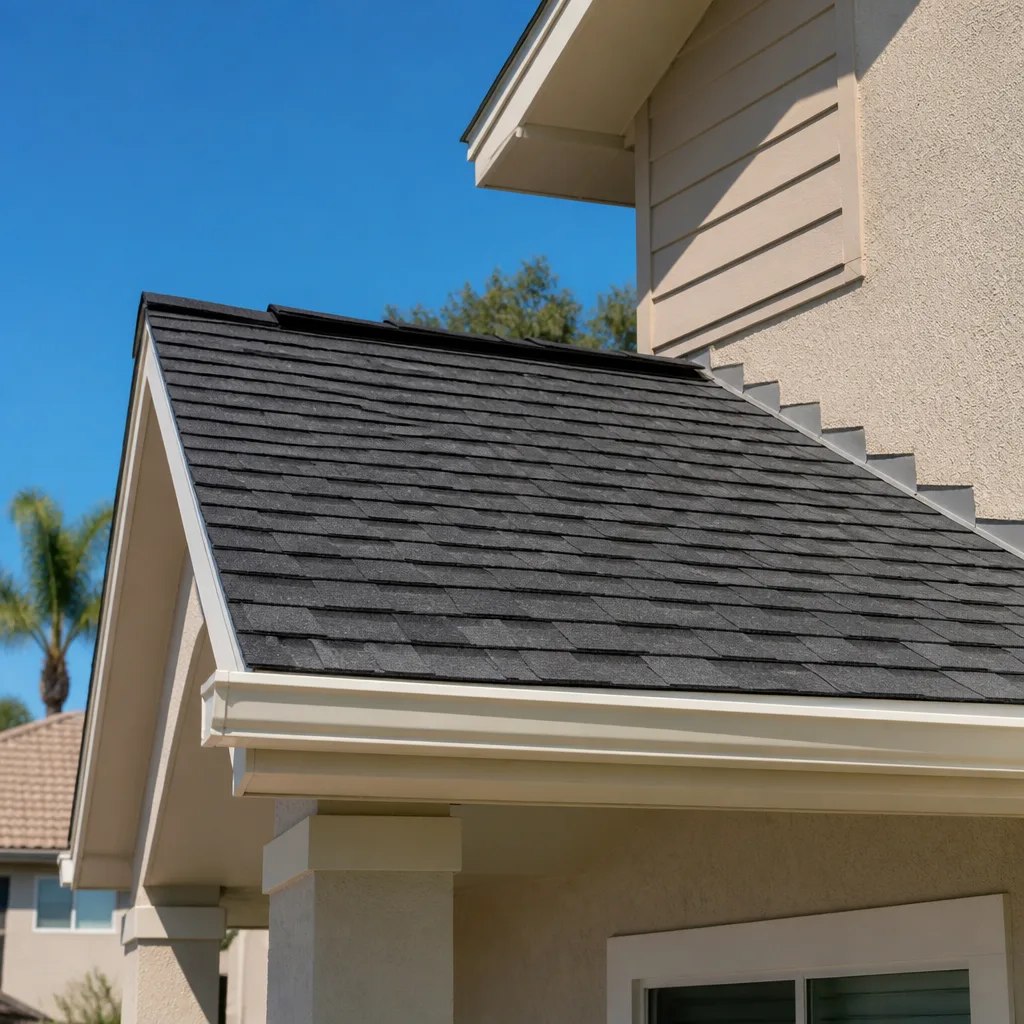
- Roofing
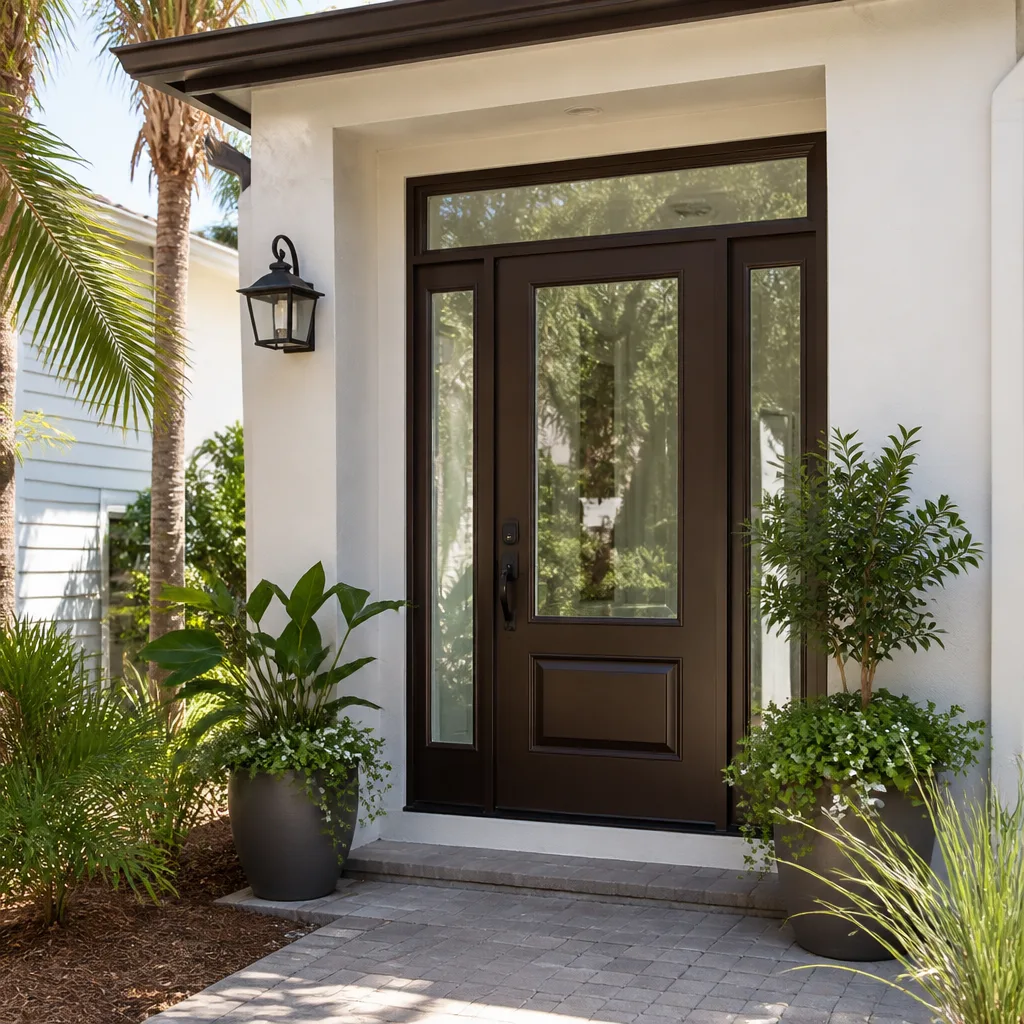
- Windows & doors
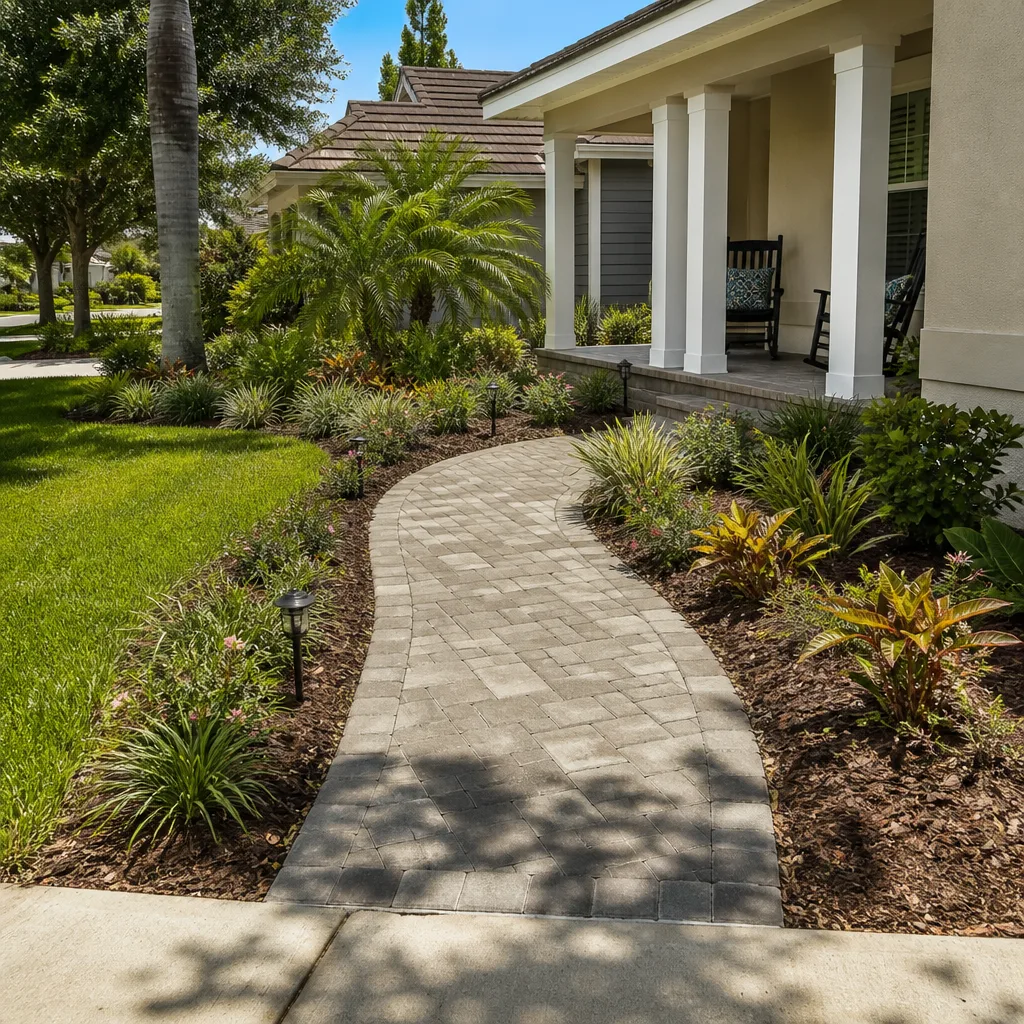
- Driveway & pavers
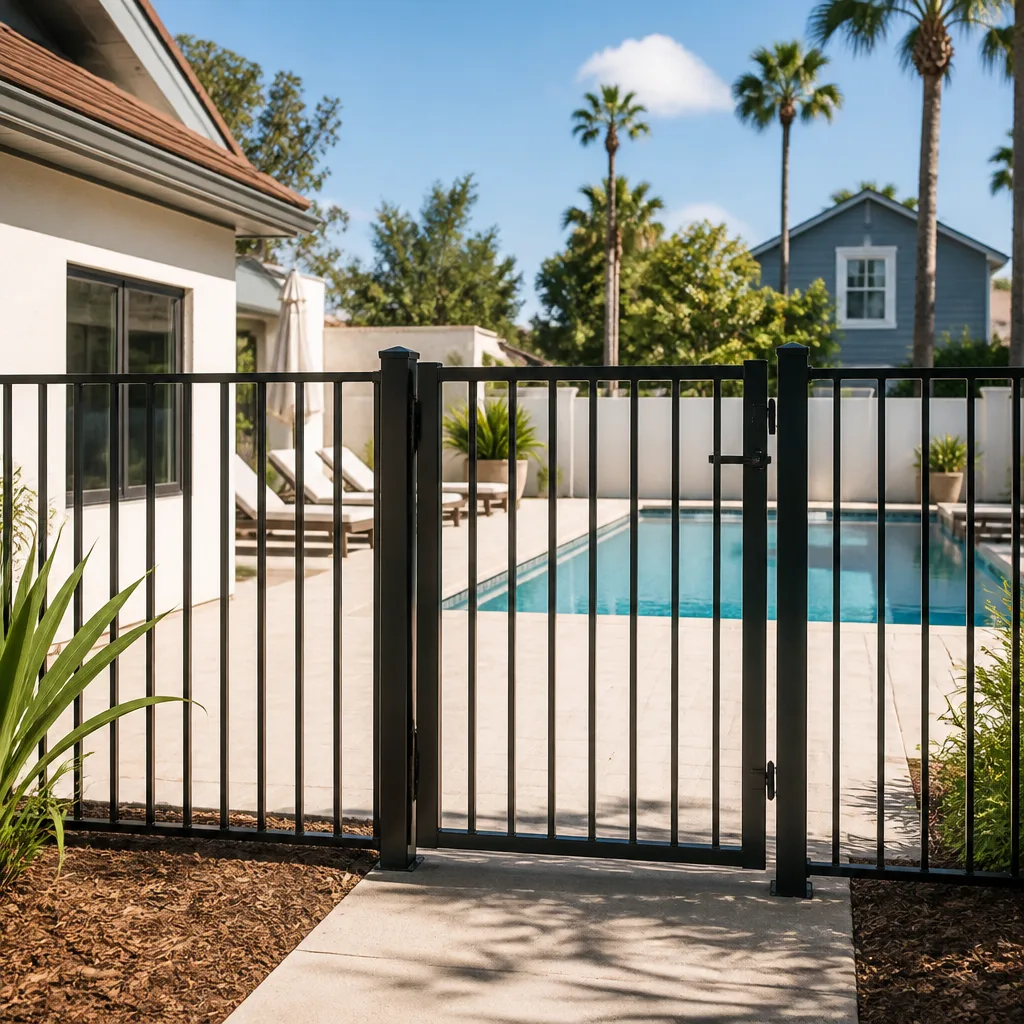
- Fence
See the difference
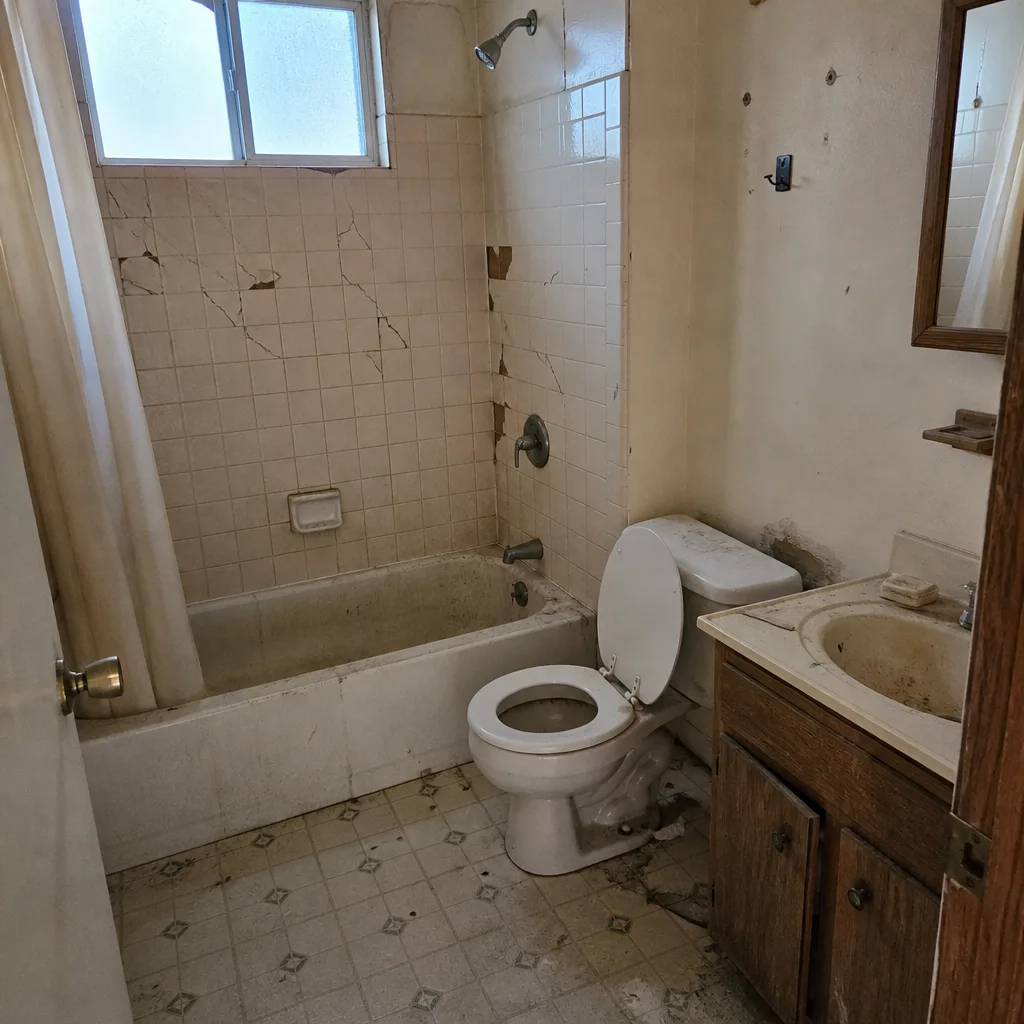 Before
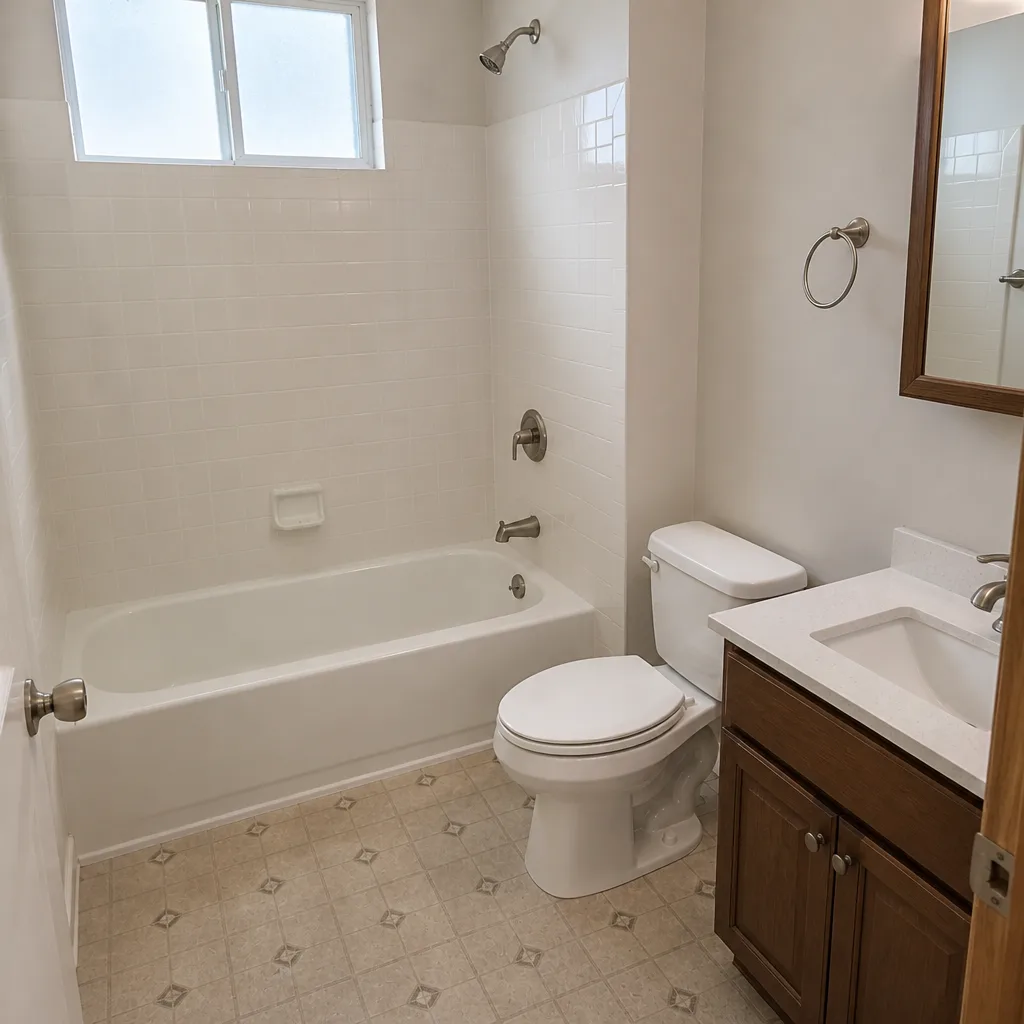 After
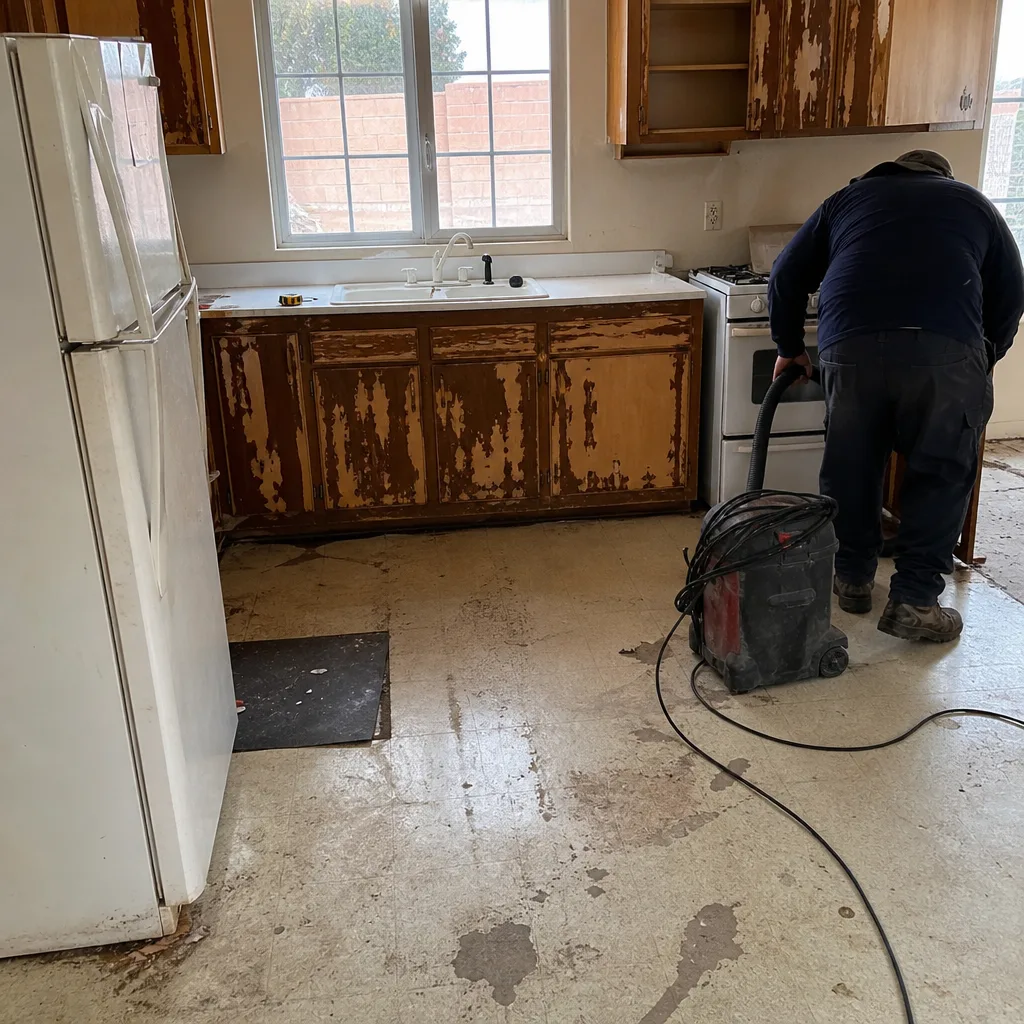 Before
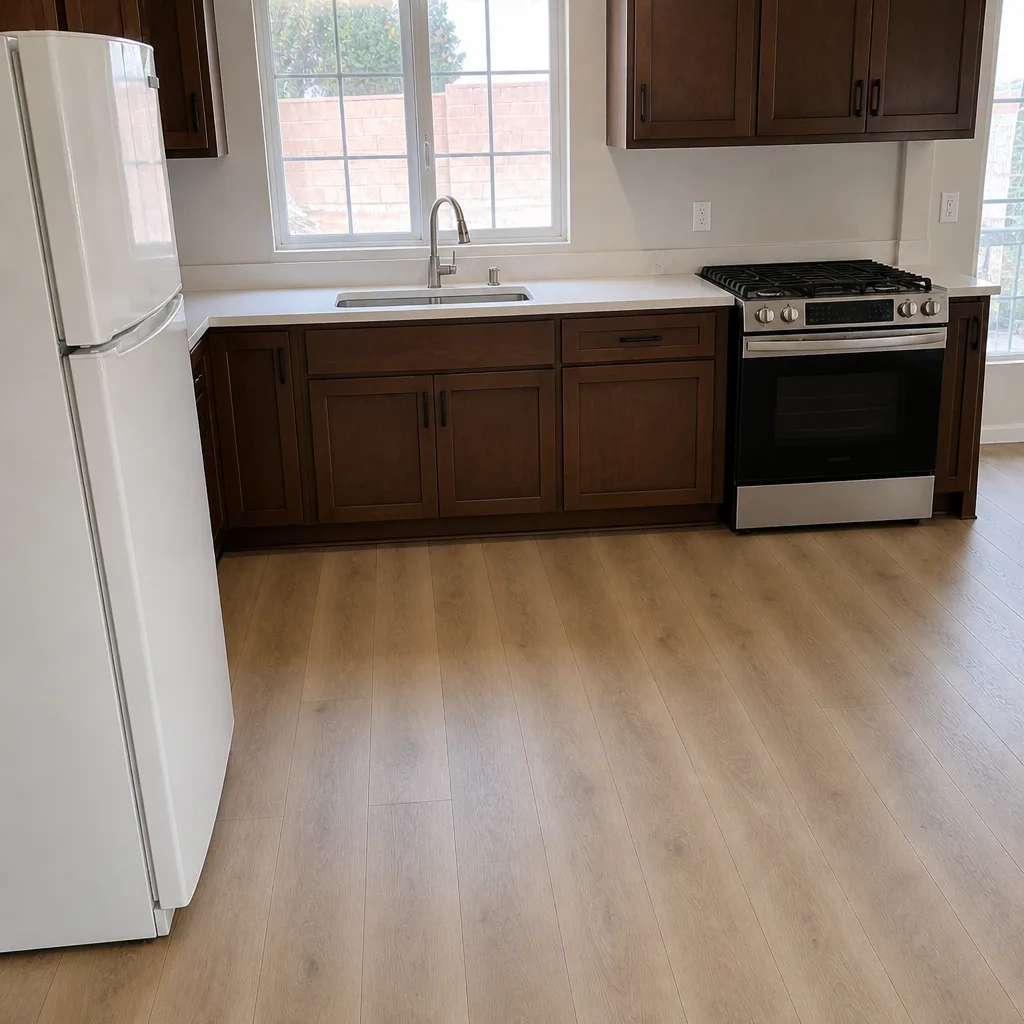 After
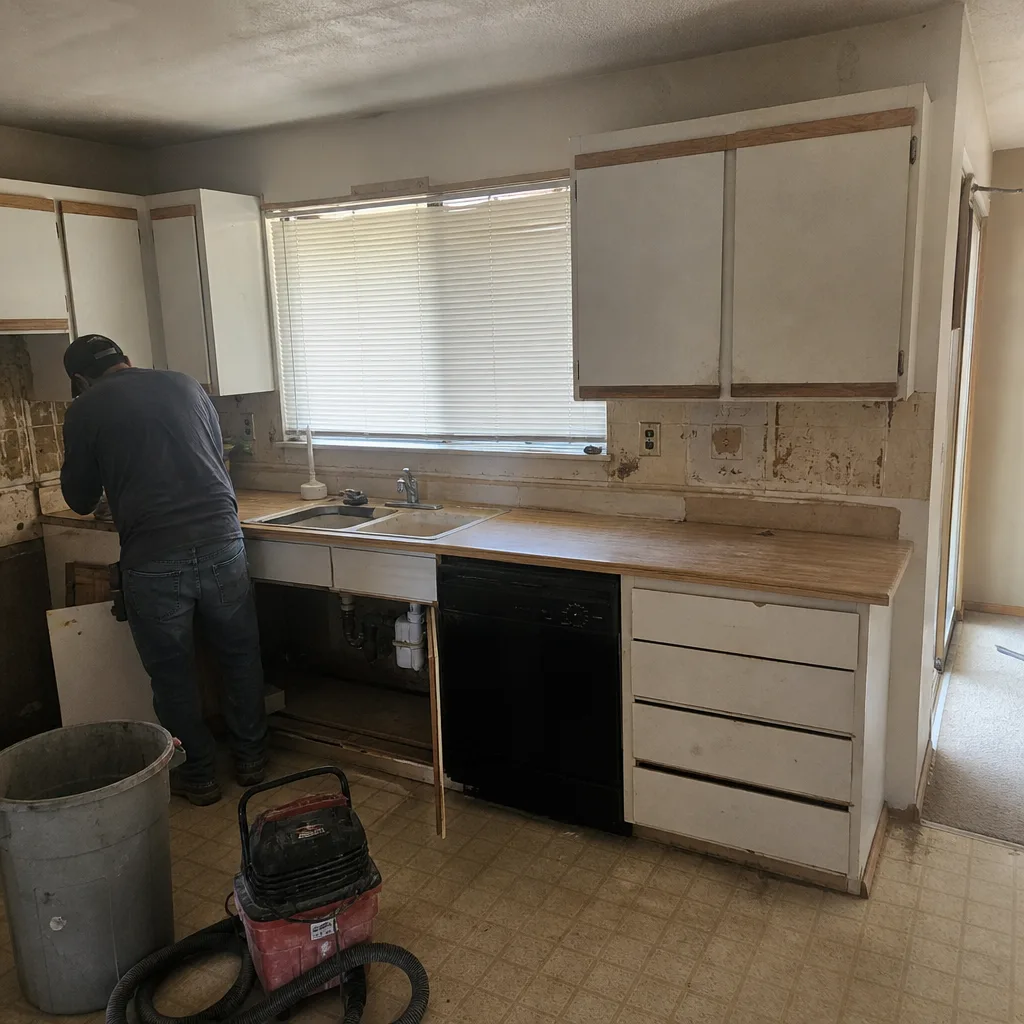 Before
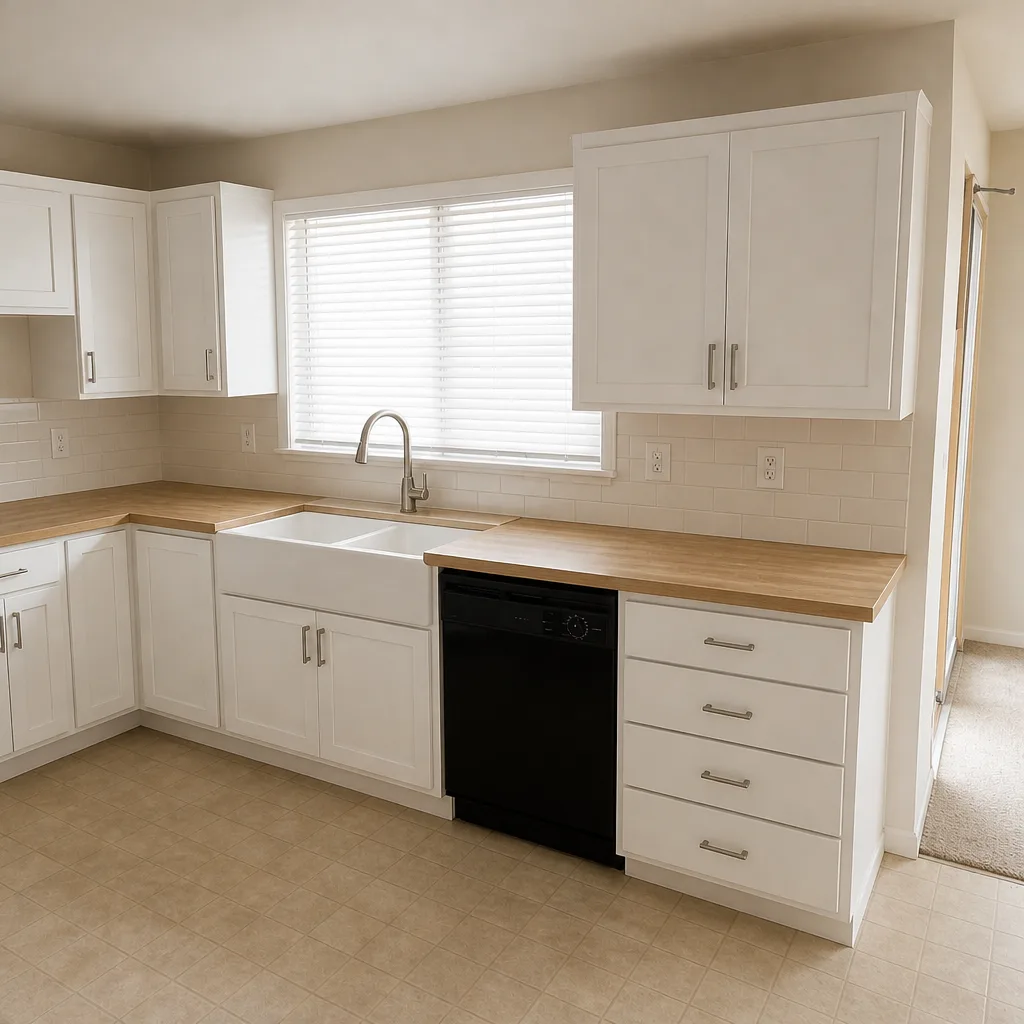 After
Junior ADU or Standard ADU in Boulder City, NV? Choose the JADU if your cottage sits in the historic district.
A junior ADU (JADU) is created entirely inside your existing home’s footprint and capped at 500 square feet. A standard ADU can be detached, attached, or carved from a garage. In Boulder City, that legal difference drives a preservation difference: interior JADU conversions typically avoid the Historic Preservation Commission review that a new detached structure almost always triggers. For owners of the town’s 1930s Hoover Dam-era cottages, the JADU is often the faster, quieter route to rental income. Call (888) 282-1693 and we’ll walk your specific property through both paths.
Key takeaways
- A JADU stays inside the existing walls (max 500 sq ft) and usually sidesteps HPC exterior review.
- A detached standard ADU adds a street- or alley-visible structure that almost always needs preservation sign-off.
- Nevada requires owner-occupancy for JADUs but not for standard ADUs.
- Boulder City ADU construction runs $90,000-$220,000; garage conversions $30,000-$80,000.
- The 730-Day Done Right Promise covers the finished unit whichever route you choose.
Why the historic district changes the JADU vs. standard ADU math in Boulder City
Boulder City was laid out in 1931 as a federally chartered company town for Hoover Dam workers. Most of the original bungalows and modest 1930s-40s cottages still stand near the historic district, and the preservation ordinances here are stricter than most of the Las Vegas Valley. In practical terms, exterior alterations, additions, and even window swaps can pull a project into review. We’ve watched a standard vinyl-window quote for a 1930s cottage come back with a requirement to match the original divided-light wood profile. That is the environment your ADU decision lives in.
A JADU is interior work. You’re converting square footage that already exists: a spare bedroom, a den, a portion of a larger room. Because you’re not changing the exterior envelope, the Historic Preservation Commission generally has no reason to weigh in. A detached standard ADU is the opposite. It puts a new building on the lot, visible from the street or the alley, and HPC will evaluate its massing, materials, and compatibility with 1930s neighborhood character. Those two realities sit at the center of the Home Additions & ADU conversation here far more than they do in Henderson or Las Vegas.
It helps to understand what the review actually asks. The commission wants to see that new construction reads as compatible with the Depression-era palette: brick, stucco, wood siding, divided-light windows, appropriate roof pitch. Meeting those standards is doable, and we do it. But it adds cost and calendar. A JADU sidesteps that entire conversation.
How do the two options compare in Boulder City?
Here is the honest side-by-side, grounded in how these projects actually play out on Boulder City lots.
| Factor | Junior ADU (JADU) | Standard ADU |
|---|---|---|
| Location | Inside existing home footprint, max 500 sq ft | Detached, attached, or garage conversion |
| HPC review | Usually not triggered (interior work) | Almost always required (new exterior structure) |
| Review timeline | Minimal preservation delay | Typically 1-3 months of HPC process |
| Owner-occupancy (NV) | Required | Not required |
| Typical build cost | Lighter scope, lowest barrier to entry | $90,000-$220,000; garage conversion $30,000-$80,000 |
| Rental income | Lower (smaller unit, shared outdoor space) | Higher (600-800 sq ft with private outdoor space) |
| Resale flexibility | Tied to owner-occupancy rules | Rent both units if you move out |
The cost picture is where the JADU-vs-standard-ADU gap narrows more than people expect. A detached unit commands higher rent, no argument. But once you add three months of HPC process and the design-compatibility costs of matching a 1930s material palette, the delta against a JADU shrinks. On some tighter historic-district lots it nearly disappears.
The owner-occupancy catch that no one mentions
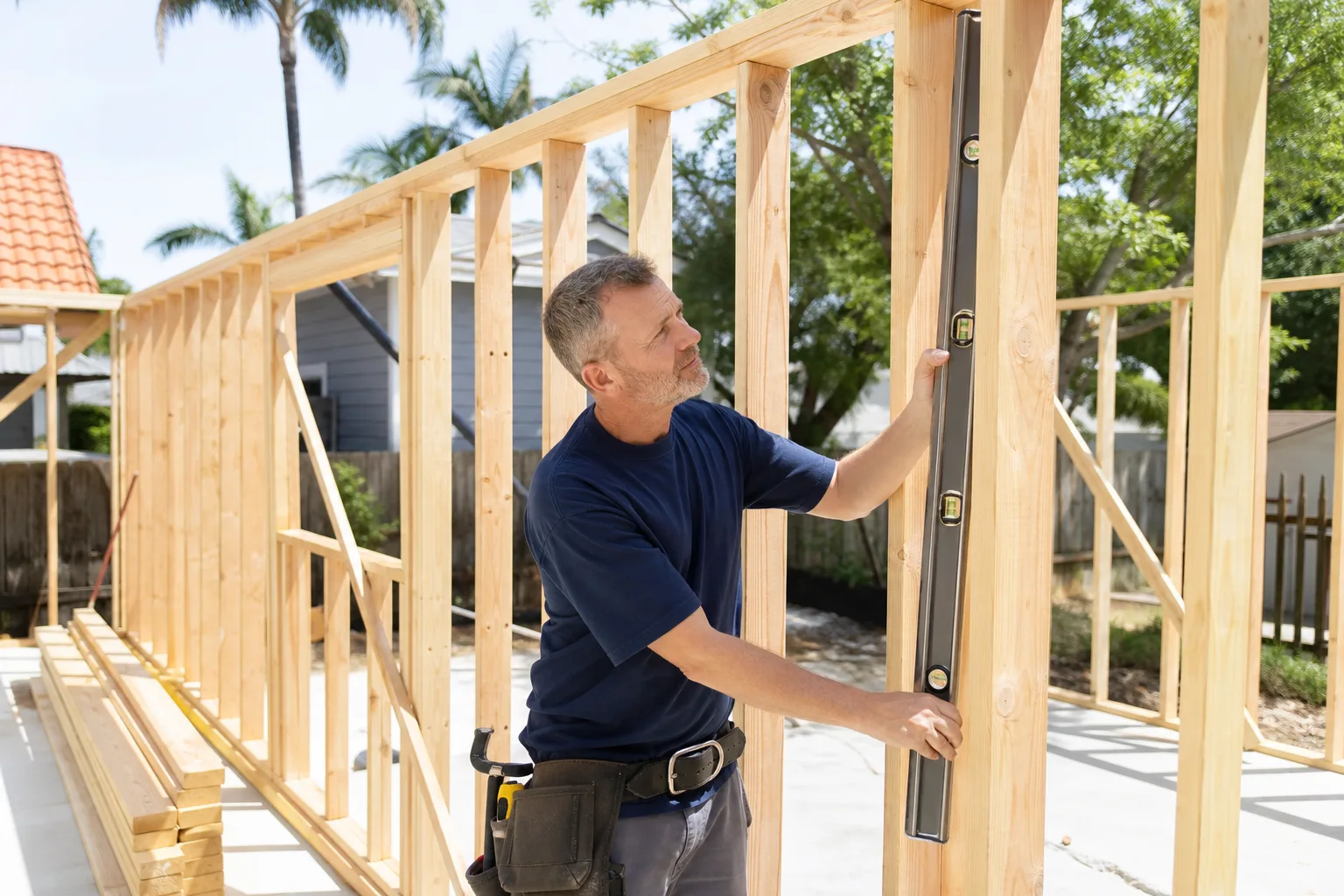
Nevada treats the two units differently on owner-occupancy. A JADU carries an owner-occupancy requirement: you live in the primary home for the JADU to be permitted and used as a rental. A standard ADU does not. If your plan is to hold the property as a rental and eventually move out while renting both units, the standard ADU is the only path that permits it. If you intend to stay put and use the JADU rent to offset your mortgage, the JADU is the cleaner fit. We ask this question early because it flips the recommendation for some owners.
Common local scenarios we see in Boulder City
A 1938 cottage near the historic district, owner living in place. The owner wants rental income without triggering preservation review. A JADU carved from an underused back bedroom and a portion of a hall is usually the answer. Interior work, minimal review friction, rent to offset the mortgage.
A 1950s infill home east of the historic district, owner plans to move out in a few years. Here the standard ADU wins. No historic-district constraints to speak of, and the owner wants to rent both units eventually. A detached unit or a garage conversion (we quote garage conversions at $30,000-$80,000) fits the long game.
An original bungalow with pier-and-beam framing and knob-and-tube-era wiring. Any conversion inside this footprint will surface structural and electrical surprises when we open walls. Desert shrink-swell soil has likely worked on the foundation too. We budget for that discovery honestly rather than papering over it.
A historic-district cottage where the owner wants maximum square footage. This is the hardest case. The owner wants a full 700-square-foot detached ADU, but the lot sits in the review zone and the exterior must read as compatible with the 1930s palette. We design to that standard, but we tell the owner upfront that HPC will add one to three months.
What we bring to either path
Groundwork Construction Co. of Boulder City designs, permits, and builds both JADUs and standard ADUs through our Home Additions & ADU in Boulder City practice. Our technicians have up to 12 years of experience, and every finished unit is covered by the 730-Day Done Right Promise: if it’s not done right, we make it right. Calls are answered by a live person 24/7, technicians are background-checked and arrive in uniform, and pricing is upfront so the number you see is the number you pay. When the project calls for fence or hardscape around the new unit, we work with brand partners like Belgard and ActiveYards so the finished property reads as one coherent design.
Materials matter on ADU exteriors too. The desert throws 100-110°F summers, intense UV, and very low humidity at whatever we build, so exterior finishes need to hold up. We source windows and roofing through established partners rather than whatever’s cheapest that week.
FAQs
Yes, a JADU is almost always less expensive to build than a standard ADU because it uses existing walls, roof, and utilities instead of new construction. A standard ADU runs $90,000-$220,000 in Boulder City, while a garage conversion lands at $30,000-$80,000 and a JADU conversion sits below both. The gap narrows once you add HPC review time and 1930s design-compatibility costs to a detached unit. Call (888) 282-1693 for an exact quote on your property.
Usually not. A JADU is interior work inside the existing footprint, so it typically avoids the HPC review that a new detached structure triggers. That’s the core reason we often recommend the JADU for historic-district cottages. Confirm the specifics of your lot with us before you commit.
No. Nevada’s owner-occupancy requirement for JADUs means you must live in the primary home for the JADU to be used as a rental. If your plan is to move out and rent both units, the standard ADU is the only path that allows it. Tell us your five-year plan and we’ll align the design to it.
A JADU is the faster route because it skips most preservation review; a detached standard ADU in the historic district typically adds one to three months of HPC process on top of permitting and build. We map the realistic timeline for your specific property before you sign anything. Call (888) 282-1693 for a free estimate and design consult.
If you’d rather have it looked at, Groundwork Construction Co. of Boulder City offers a no-pressure assessment in Boulder City. We’ll tell you which route fits your lot, your preservation exposure, and your rental plan. Call (888) 282-1693 for a free estimate.
Written by the team at Groundwork Construction Co. of Boulder City, serving Boulder City, NV.