Free written scope consultation - allowances, timeline, and change-order rules on paper before a single trade is scheduled
Styles & brands we work with
- Kitchen remodeling
- Bathroom remodeling
- Home additions & ADU
- Roofing
- Windows & doors
- Driveway & pavers
- Fence
See the difference
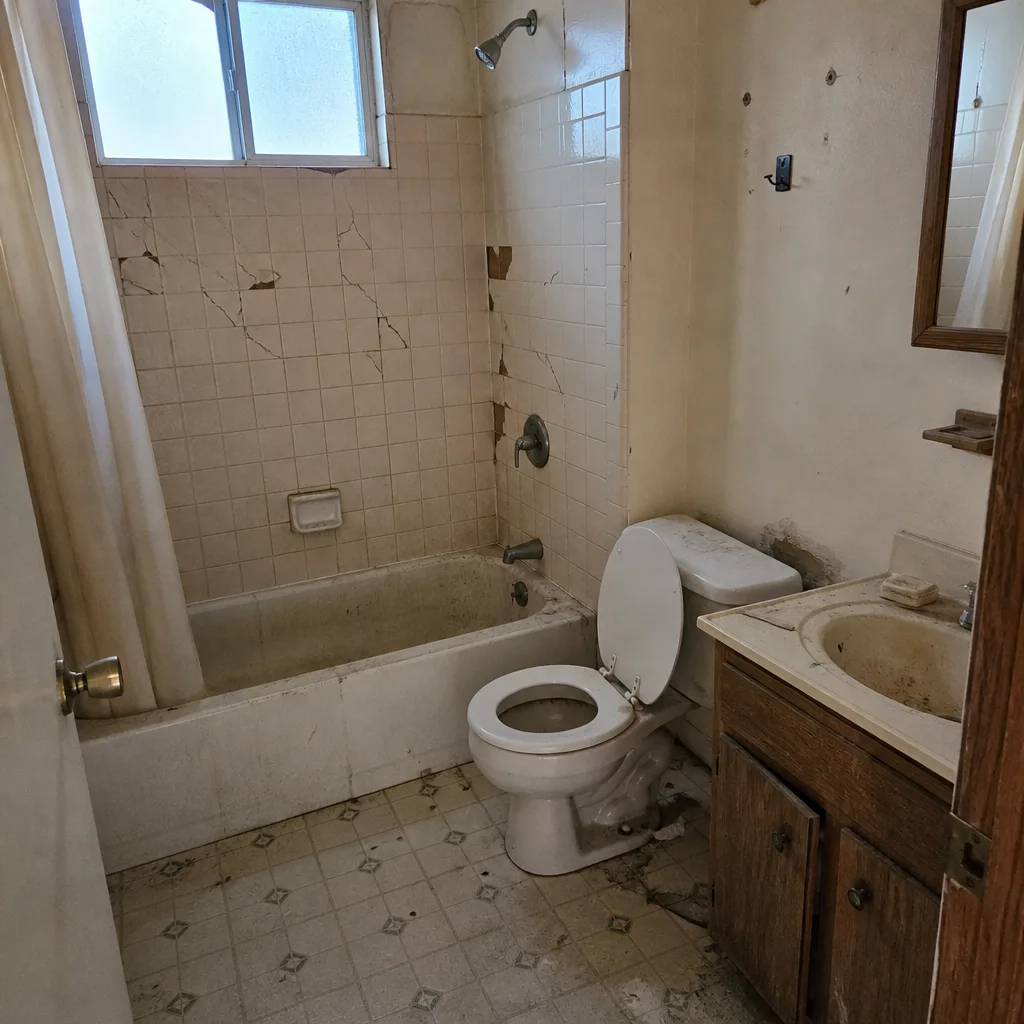 Before
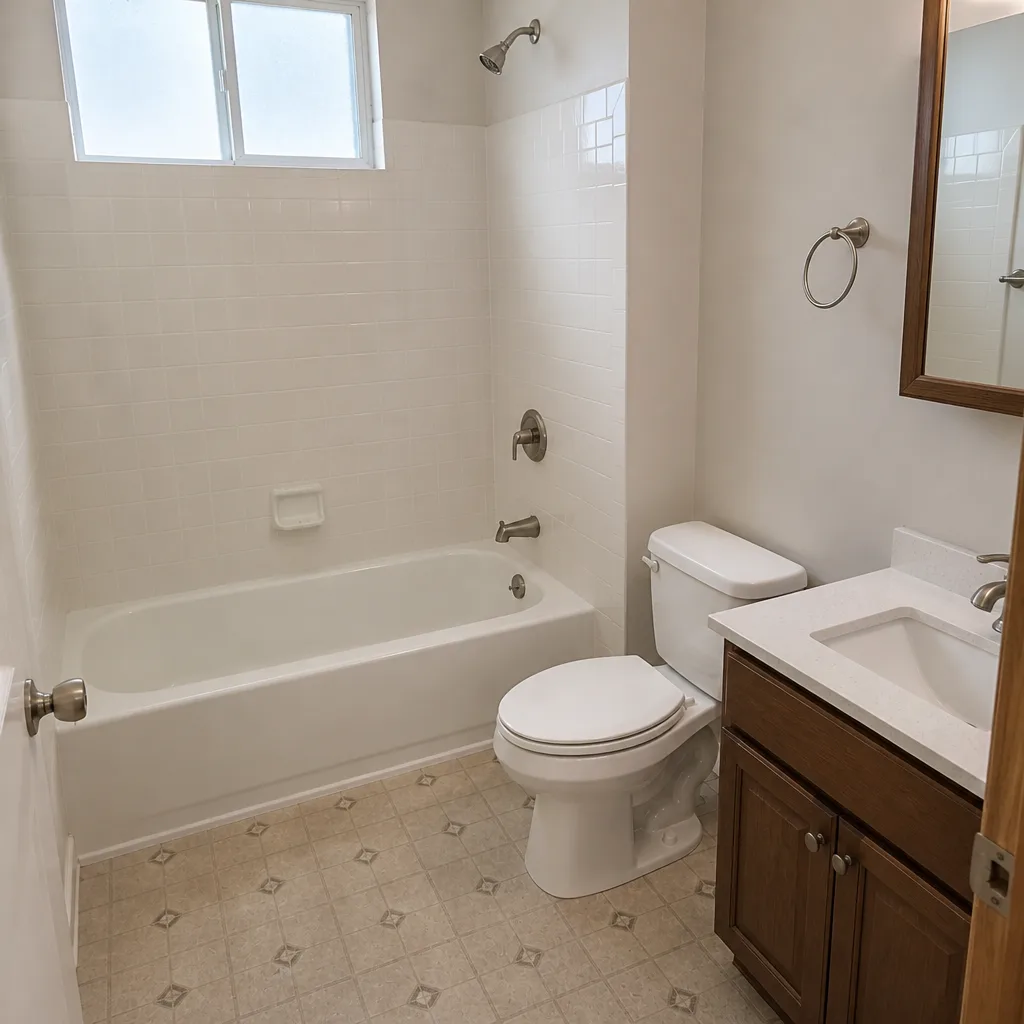 After
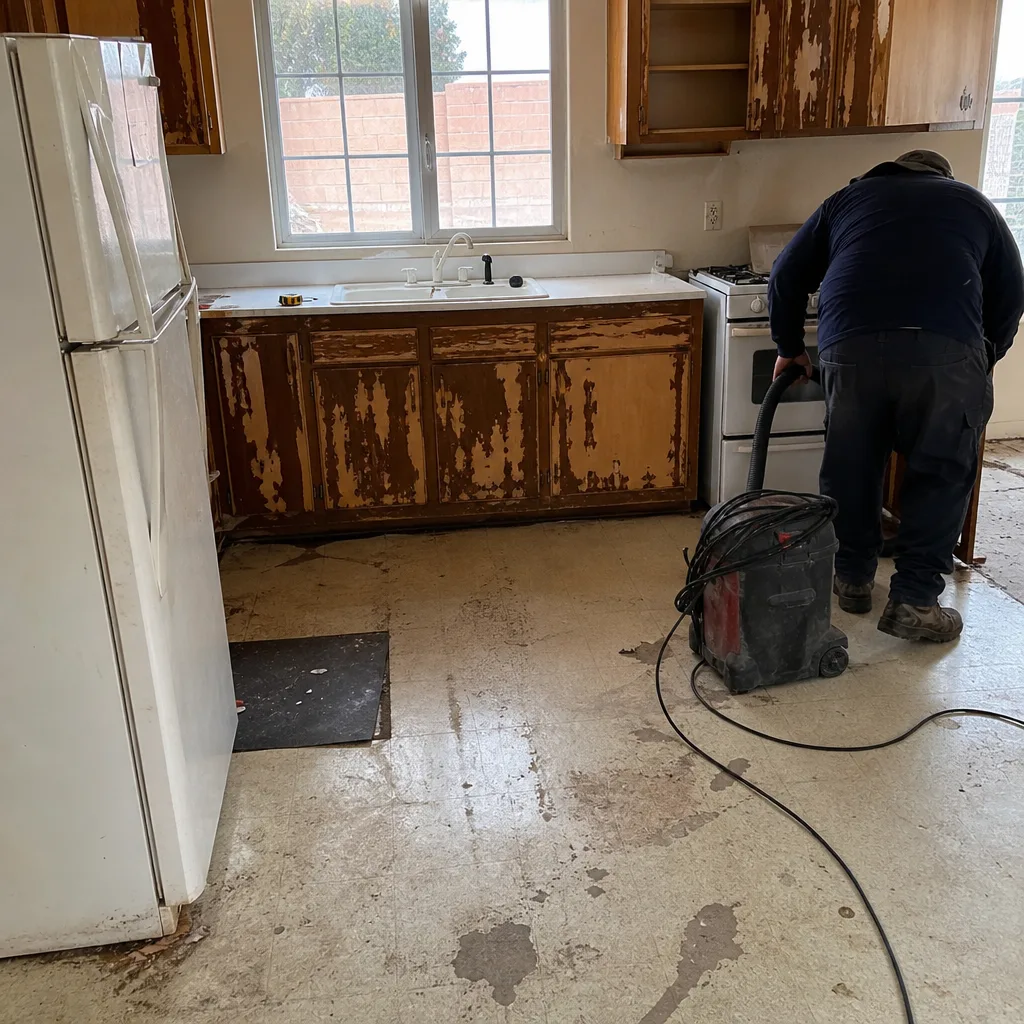 Before
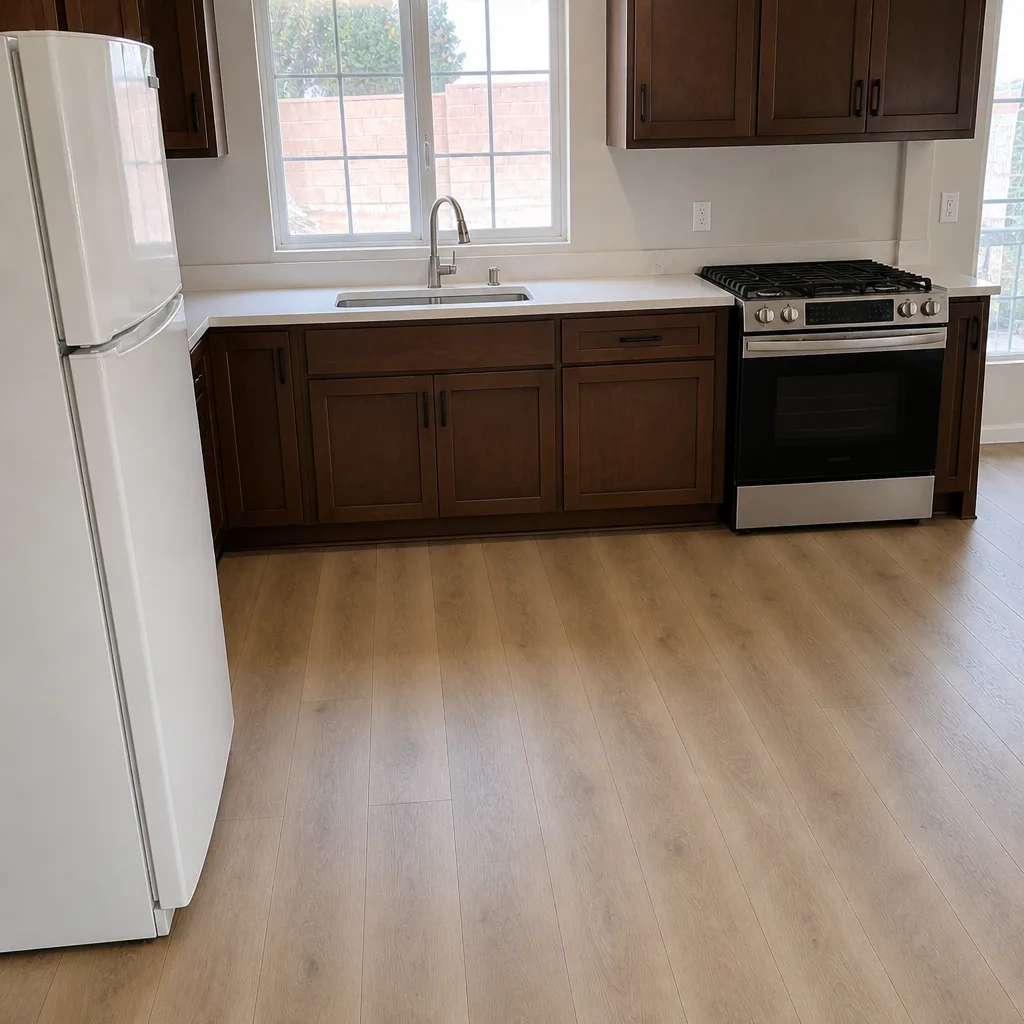 After
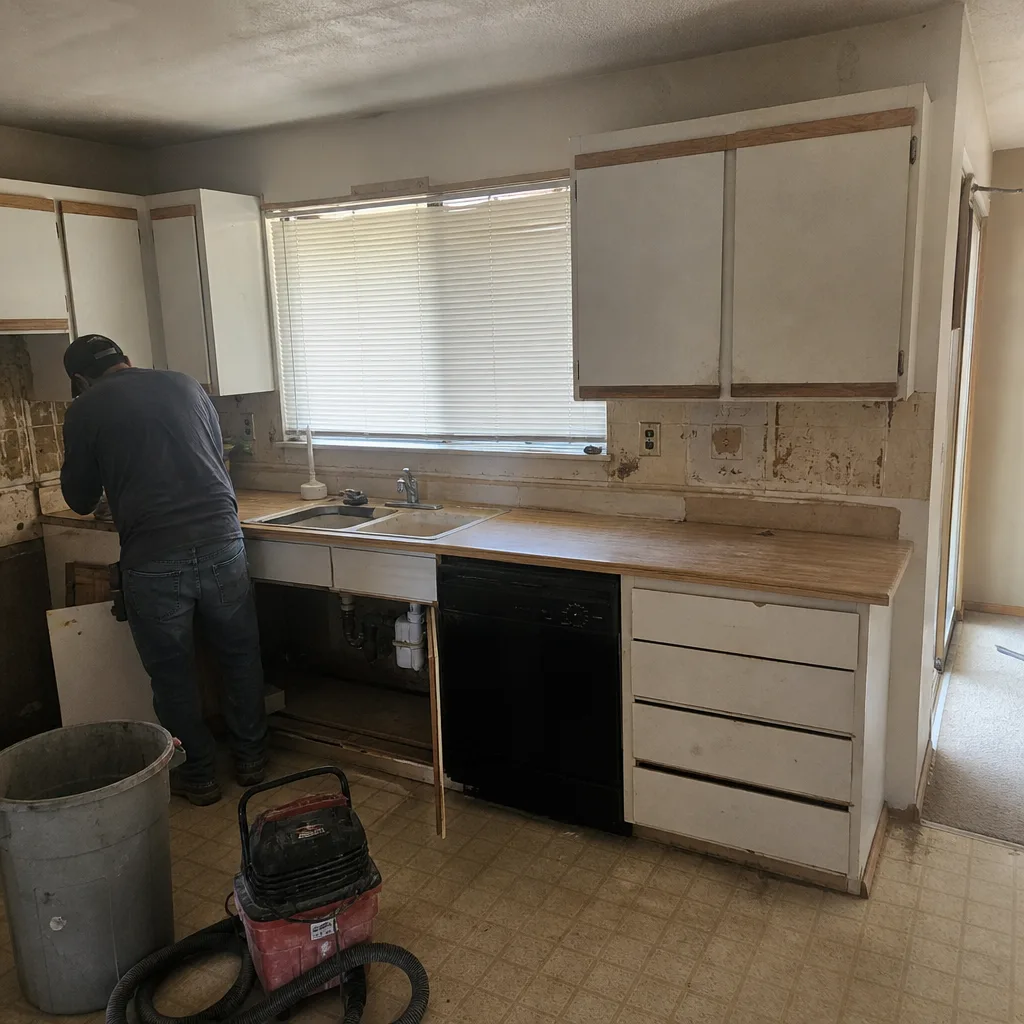 Before
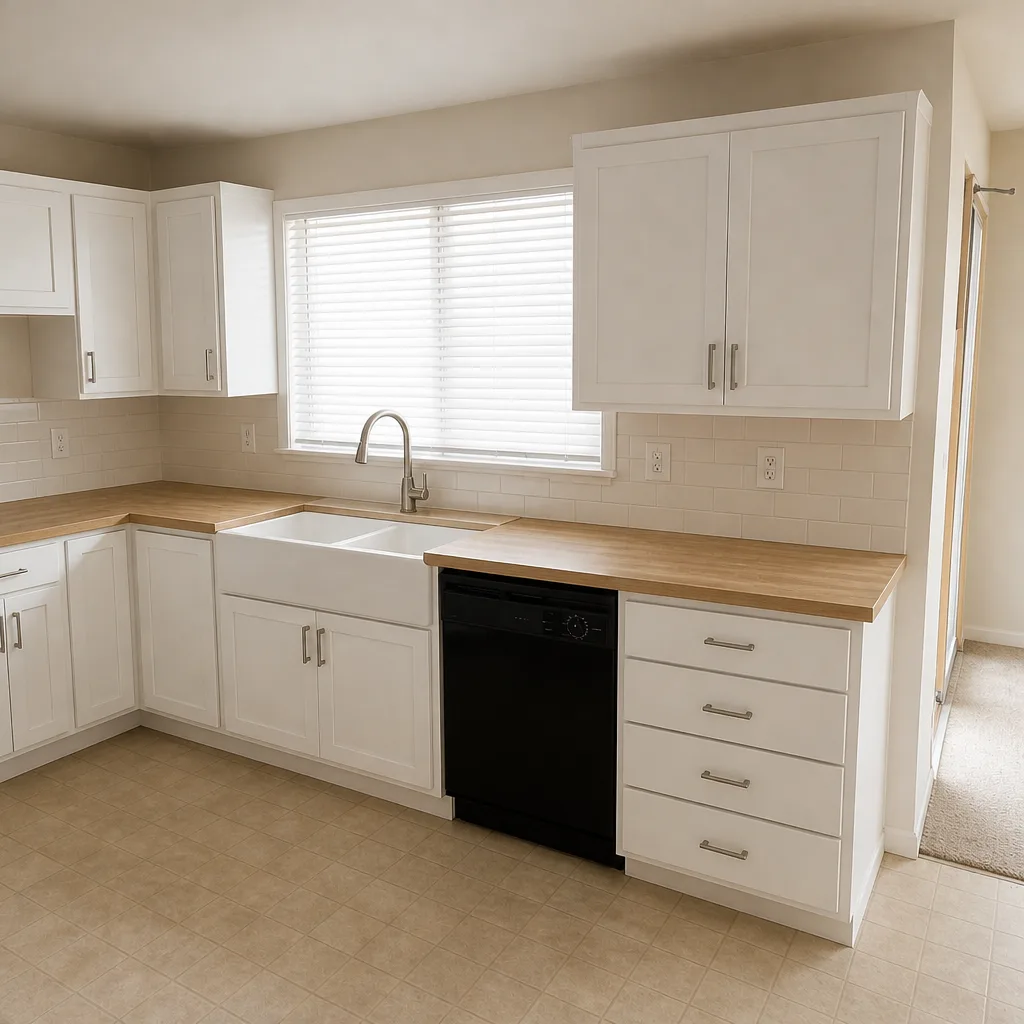 After
ADU Rules and Requirements in Boulder City, NV: What You Can Actually Build on Your Lot
Nevada’s 2021 ADU legislation loosened accessory dwelling unit rules across much of the state, but it did not loosen them the same way everywhere. Boulder City holds a federal charter and its own zoning authority, so its owner-occupancy requirements and lot-coverage limits were not fully preempted the way Clark County’s were. In plain terms: what your neighbor in Henderson was allowed to build is not automatically what you’re allowed to build on a Boulder City lot. A detached ADU here runs roughly $90,000-$220,000 all-in, and the rules that shape that number are local, not statewide. Call (888) 282-1693 to talk through your lot before you spend a dollar on design.
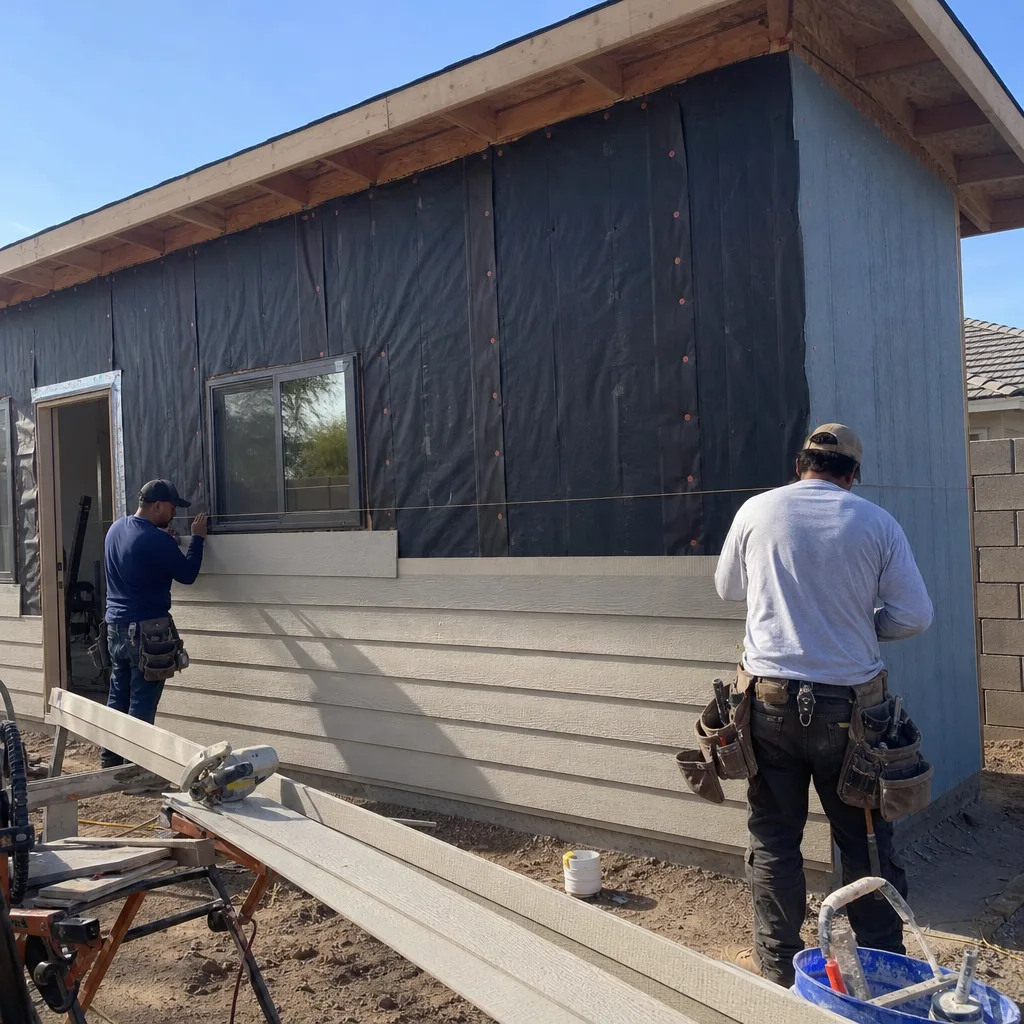
The reason this matters is simple. Boulder City was laid out as a federally chartered company town in 1931 to house Hoover Dam workers, and the original bungalows and 1930s-40s cottages sit right up against the historic district. Construction here runs into Depression-era methods and a preservation review process that doesn’t exist in most of the valley. A homeowner who assumes the state guide applies is often surprised at the first planning counter visit.
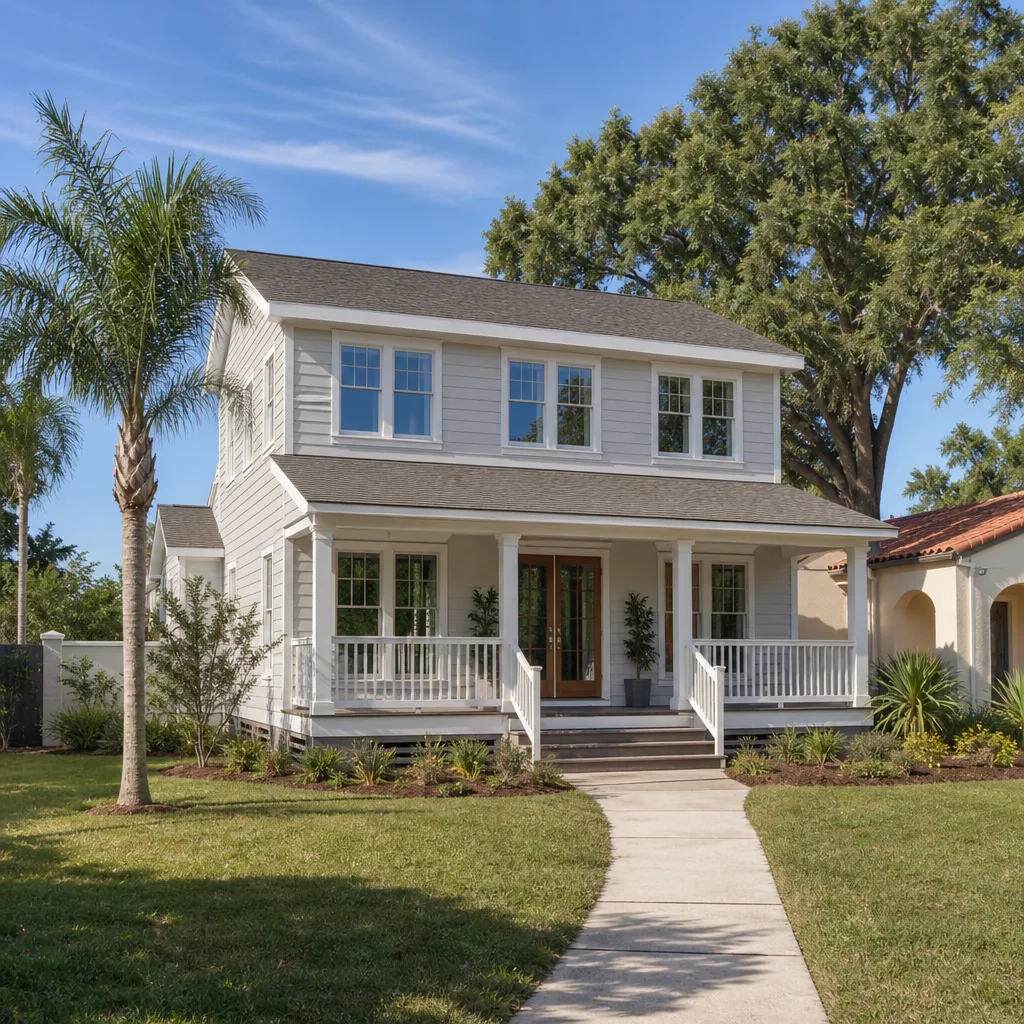
Where Boulder City’s ADU Rules Diverge From the Rest of Clark County
Start with the charter. Because Boulder City governs its own zoning, an ADU application here is evaluated against the city’s code, not a blanket state override. That shows up most clearly in two places: owner-occupancy requirements and lot-coverage limits. Both are still live questions in Boulder City in ways they’ve been simplified elsewhere, so the only reliable answer is a parcel-specific one. Before design work, we pull the lot dimensions, check the current coverage cap, and confirm how the city is reading the rules for that specific parcel today.
Why Lot Size Is the First Thing We Check (and Often the Last)
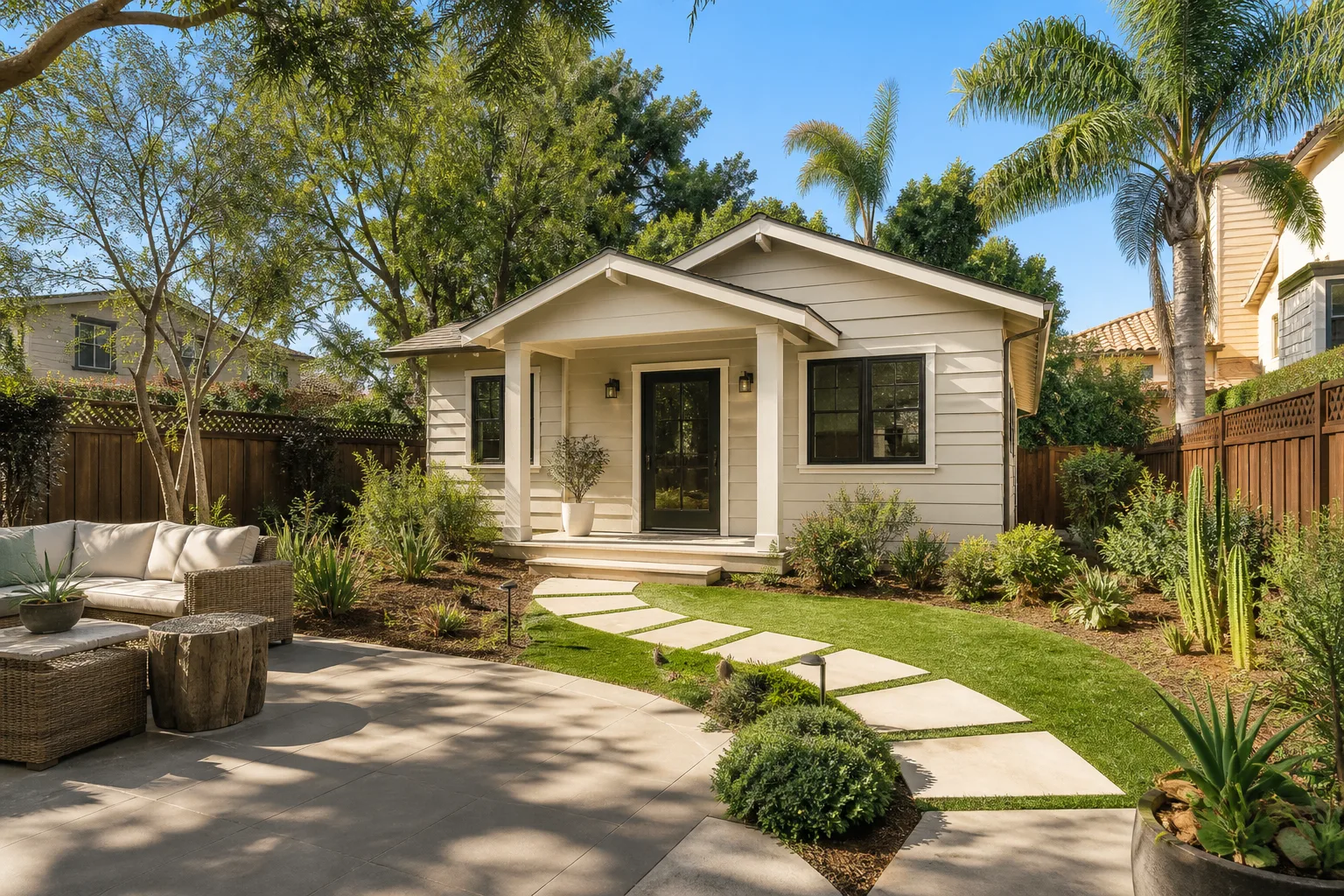
Boulder City’s historic core was platted for modest Hoover Dam worker cottages, and many of those lots run 6,000-7,500 square feet. That sounds roomy until you subtract the house, the driveway, and required setbacks. Add a detached ADU of 600-900 square feet and you can brush right up against the lot-coverage maximum without realizing it.
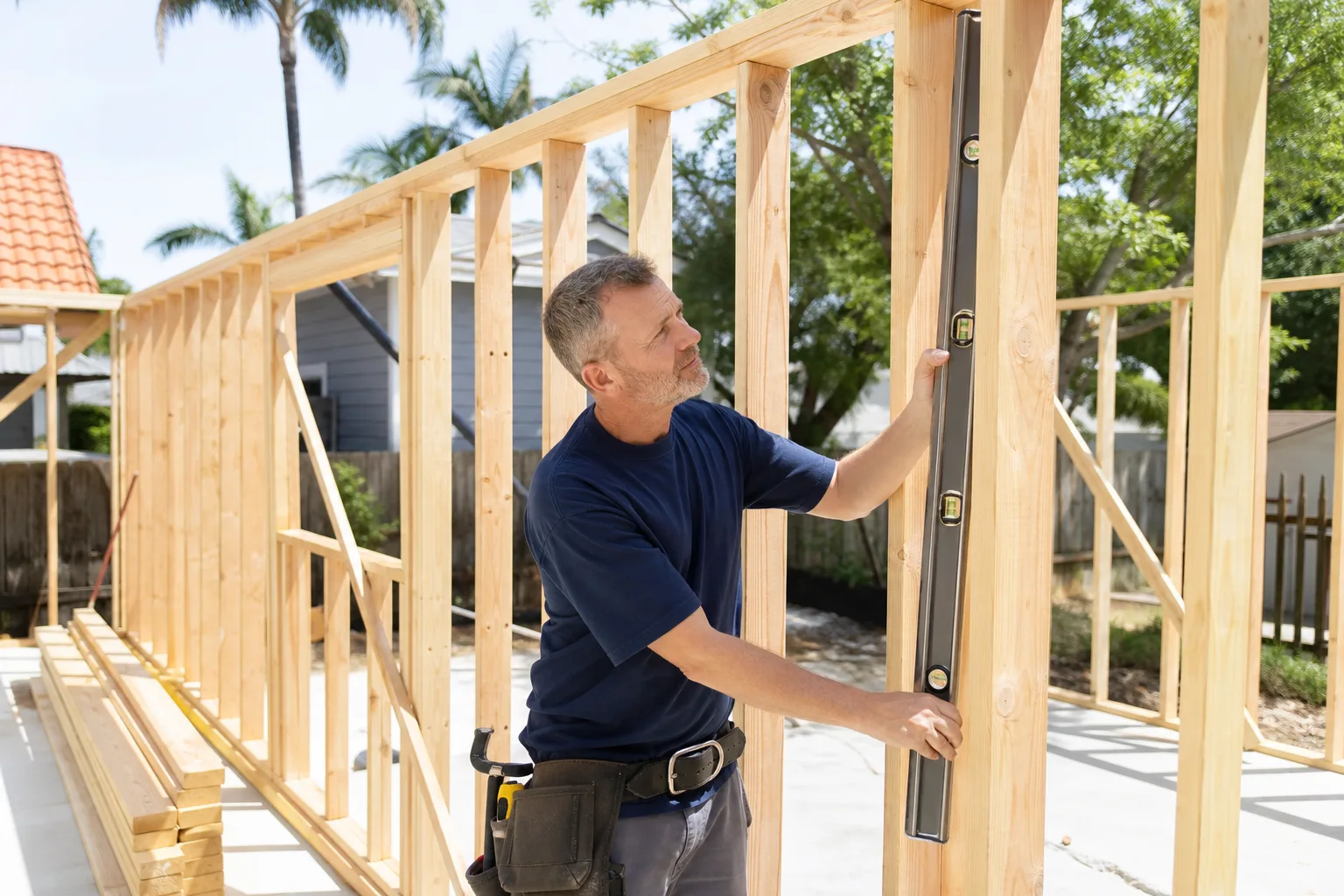
That’s why footprint and setback math comes before any floor plan gets drawn. A simple exercise: if your lot is 6,500 square feet and the coverage limit is 40 percent, your entire buildable footprint (house plus ADU plus any covered structure) tops out around 2,600 square feet. Subtract the existing home and you see exactly how much room an ADU really has. Skipping this step is the single most common reason an ADU project stalls after the owner has already paid for drawings.
Historic District Review: The Rule That Kills the “Quick Garage Conversion”
Most ADU guides describe a garage conversion as the fast, cheap path. In or adjacent to Boulder City’s historic district, that path often closes. If the proposed ADU is visible from the street or shares a wall with a contributing historic building, the project may require Historic Preservation Commission review. That review can change materials, rooflines, window profiles, and even whether a detached structure is allowed at all in a given spot.
We’ve watched a standard vinyl-window quote come back with a requirement to match the original divided-light wood profile on a 1930s cottage. Better to know that before you order materials. Our team builds the preservation filing into the permit package from the start, so the review is part of the plan rather than a mid-project surprise.
Foundations, Soils, and Utilities: The Costs That Live Below Grade
Boulder City sits in the Mojave Desert near Lake Mead, and its expansive desert soils shrink and swell with moisture. A detached ADU foundation needs the same shrink-swell soil analysis as a primary home addition on this ground. That engineering step adds cost and a few weeks, and it’s the difference between a slab that stays true and one that cracks and makes the unit hard to lease within a few years. It’s money well spent.
Utilities are the other place budgets go sideways. The city assesses sewer lateral capacity and electrical panel sizing for each ADU individually, so there’s no one-size answer. Our licensed trades evaluate both during the initial site assessment, which is how we keep infrastructure surprises out of the middle of construction.
What to Look For in an ADU Builder Here
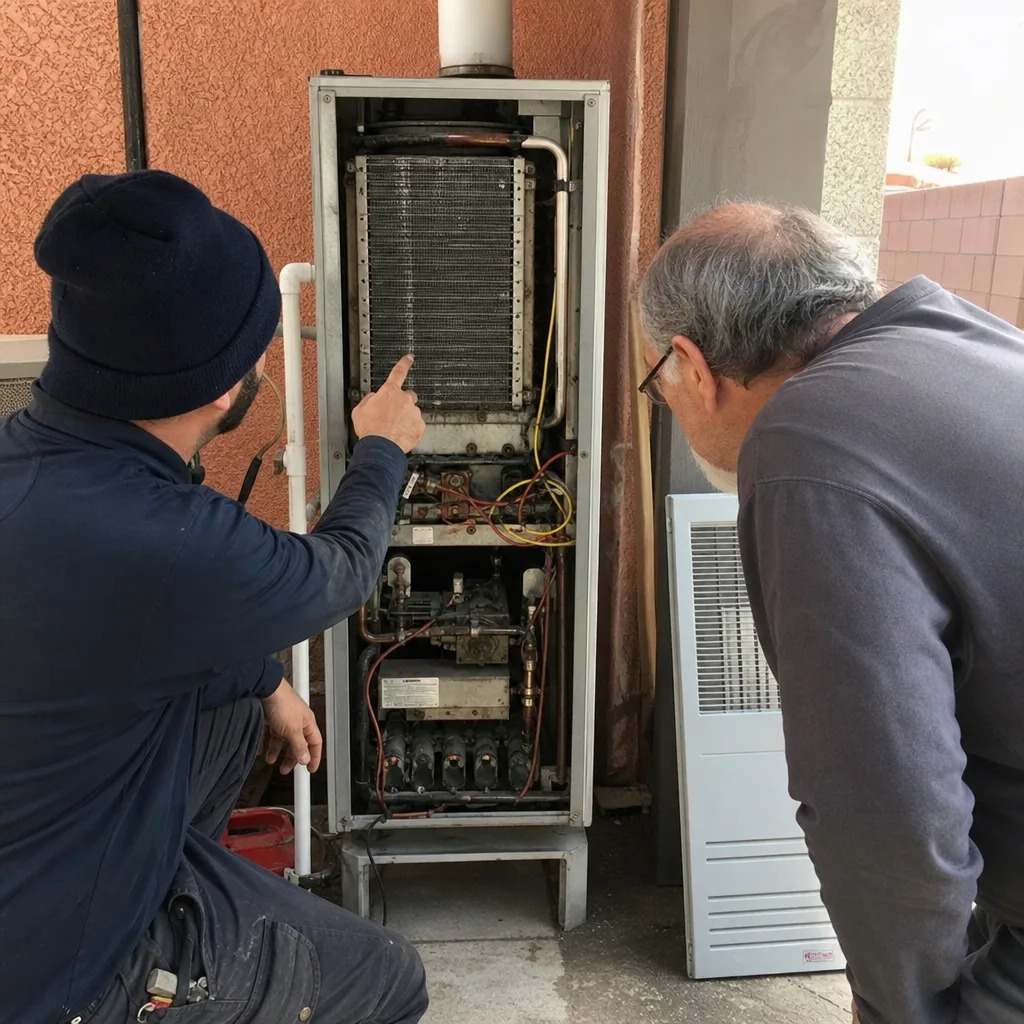
Because the rules are local, the builder has to be local too. Here’s the short list of what separates a Boulder City ADU job that sails through review from one that burns a year:
- Parcel-level rule checks before design. They confirm lot coverage, setbacks, and owner-occupancy requirements for your specific lot, not a county handout.
- Historic Preservation Commission experience. They know when a filing is triggered and how to prepare materials that pass.
- Soil and foundation engineering built in. The shrink-swell analysis is in the quote from day one, not discovered later.
- Utility capacity assessed upfront. Sewer and electrical are checked during the first visit.
- Written workmanship protection. Every Groundwork project carries the 730-Day Done Right Promise – if it’s not done right, we make it right.
One more: finish materials that hold up in 100-110°F summers with intense UV. We work with brands like James Hardie for cladding and KraftMaid for interior cabinetry, so the ADU is built to last and backed in writing. If you’d rather start with the broader picture, our Home Additions & ADU page covers the full scope.
What Does an ADU Cost in Boulder City?
An ADU in Boulder City typically runs $90,000-$220,000 depending on whether it’s a detached new build, an attached addition, or a garage conversion. The rules drive the number as much as the square footage does, so the ranges below include the compliance items that Boulder City specifically requires.
| ADU Type | Typical Cost Range |
|---|---|
| ADU Construction (detached or attached) | $90,000-$220,000 |
| Garage Conversion | $30,000-$80,000 |
| Home Addition (if attached is the only option) | $45,000-$130,000 |
Those figures are upfront pricing, no surprises, and include the permit and review package plus the soil analysis where a detached foundation requires it. We also offer 0% financing for 18 months and $1,000 off projects over $10,000, which softens the cash-flow side of a large build. For a full walkthrough of your lot, see our Home Additions & ADU in Boulder City service, or head back to our home page to see the other trades we cover under one roof.
Worth adding: a lot that needs utility upgrades, historic review, and special foundation engineering will land at the higher end, while a conversion of an existing compliant garage on a modern lot can come in near the bottom. Ask for a site assessment before you finalize a budget.
Can I Add an ADU to a Historic Boulder City Cottage?
Often yes, but it usually needs Historic Preservation Commission review first if the new unit is visible from the street or shares a wall with a contributing building. That review can shape materials, rooflines, and siting, so it belongs in the early planning stage. Call (888) 282-1693 and we’ll confirm whether your parcel triggers it.
How big can an ADU be on a 7,000 sq ft Boulder City lot?
It depends on the current lot-coverage maximum, but many 6,000-7,500 square foot lots in the historic core leave room for a 600-900 square foot ADU once the house and setbacks are subtracted. The coverage cap is the limiter, not square footage alone. We run the numbers for your parcel before design starts.
Do I have to live on the property to build an ADU in Boulder City?
Owner-occupancy requirements in Boulder City are not fully preempted by the 2021 state law, so they may still apply and can affect whether you can build and rent out the unit. The answer is parcel-specific, and we check it as part of the initial assessment. Call (888) 282-1693 for a free estimate on your lot.
How long does the ADU permit process take in Boulder City?
Plan for several months rather than weeks, mainly because the soil analysis and any Historic Preservation Commission review add time that a standard permit doesn’t. Projects in the historic district take longer than infill lots east of it. We file the full package, including the preservation paperwork, so nothing sits waiting on a missing document.
If you’d rather have your lot looked at by someone who knows these rules cold, Groundwork Construction Co. of Boulder City offers a no-pressure assessment in Boulder City. Our technicians have up to 12 years of experience, calls are answered by a live person 24/7, and every project is covered by the 730-Day Done Right Promise. Call (888) 282-1693 for a free estimate.
Written by the team at Groundwork Construction Co. of Boulder City, serving Boulder City, NV.