Free written scope consultation - allowances, timeline, and change-order rules on paper before a single trade is scheduled
Styles & brands we work with
- Kitchen remodeling
- Bathroom remodeling
- Home additions & ADU
- Roofing
- Windows & doors
- Driveway & pavers
- Fence
See the difference
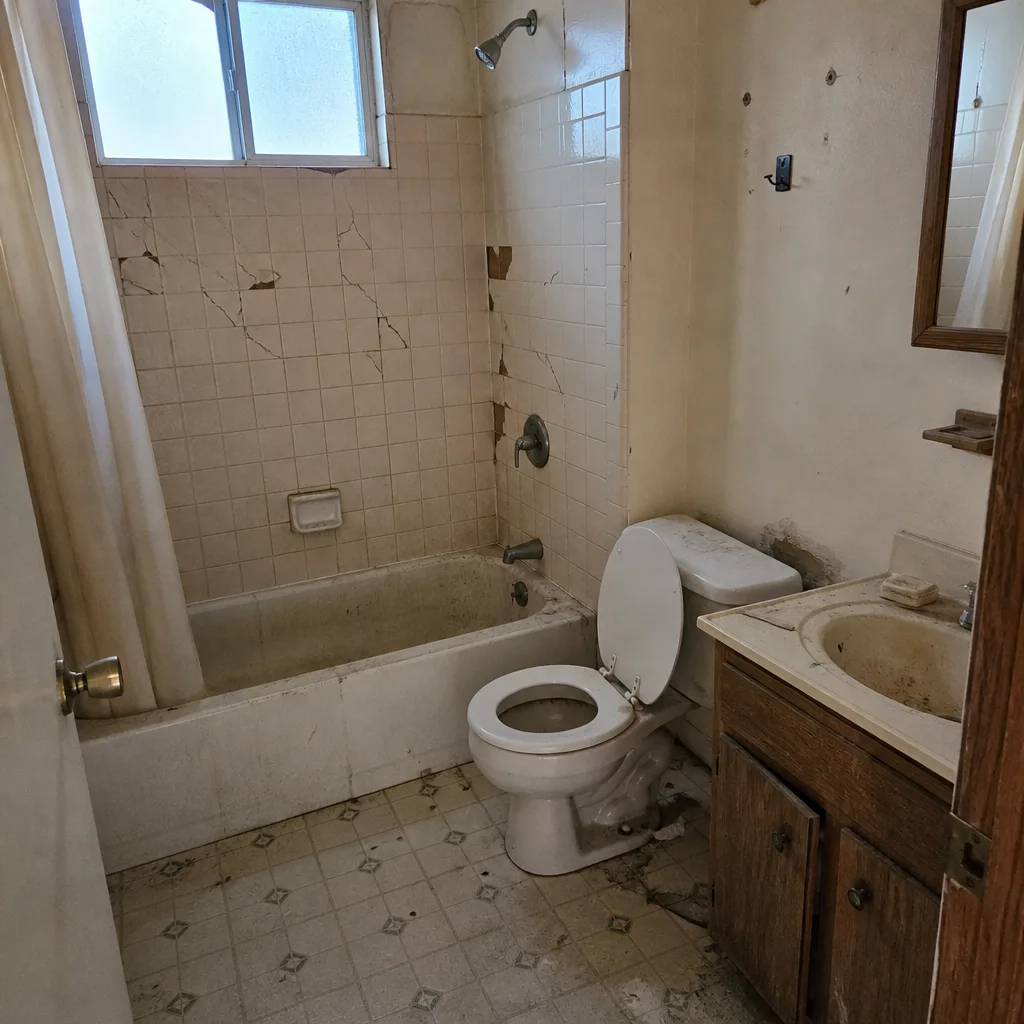 Before
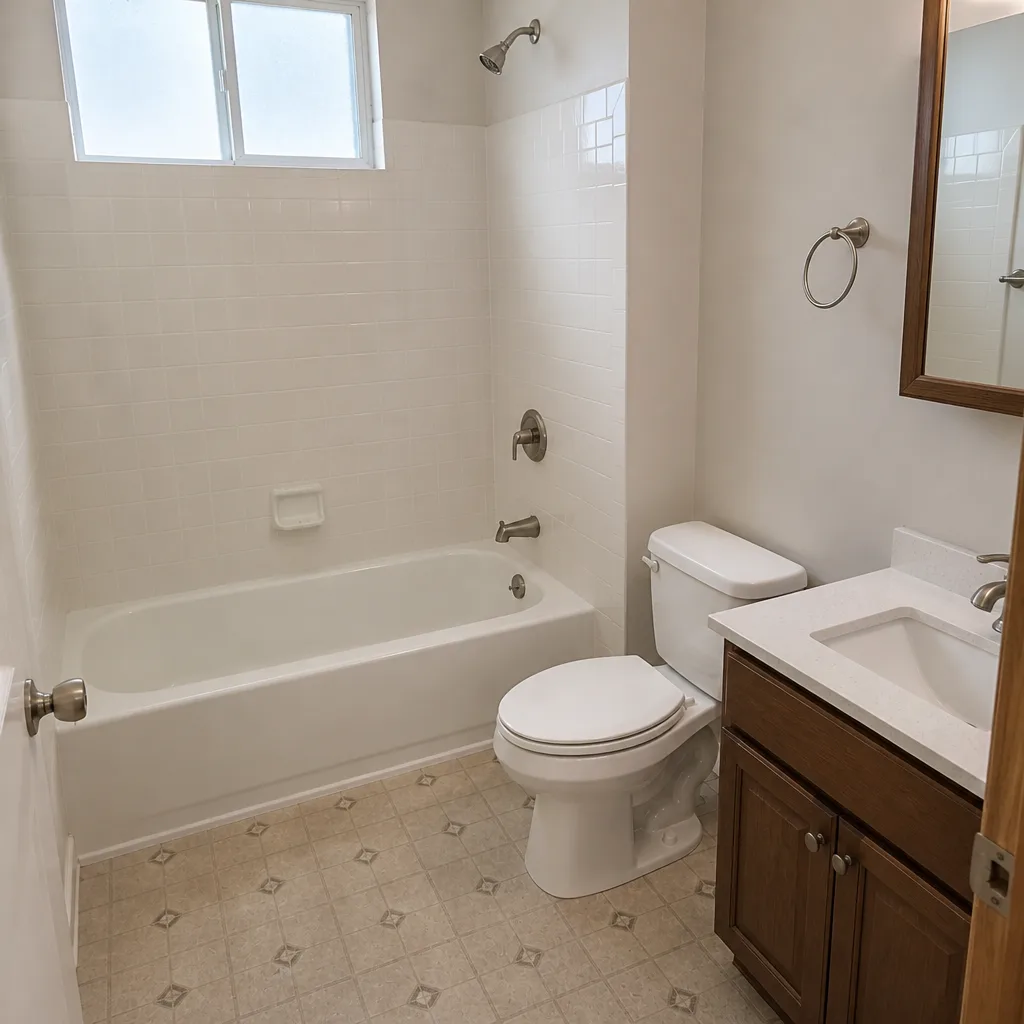 After
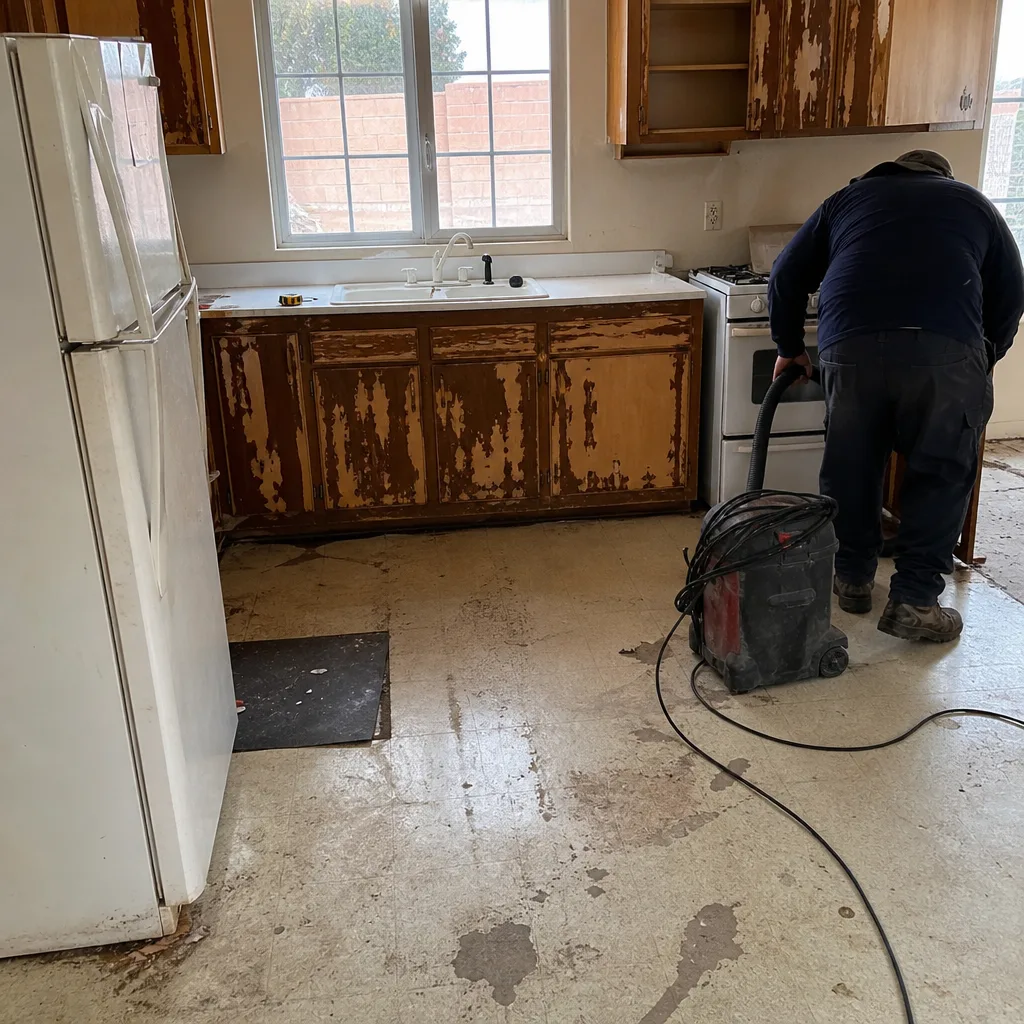 Before
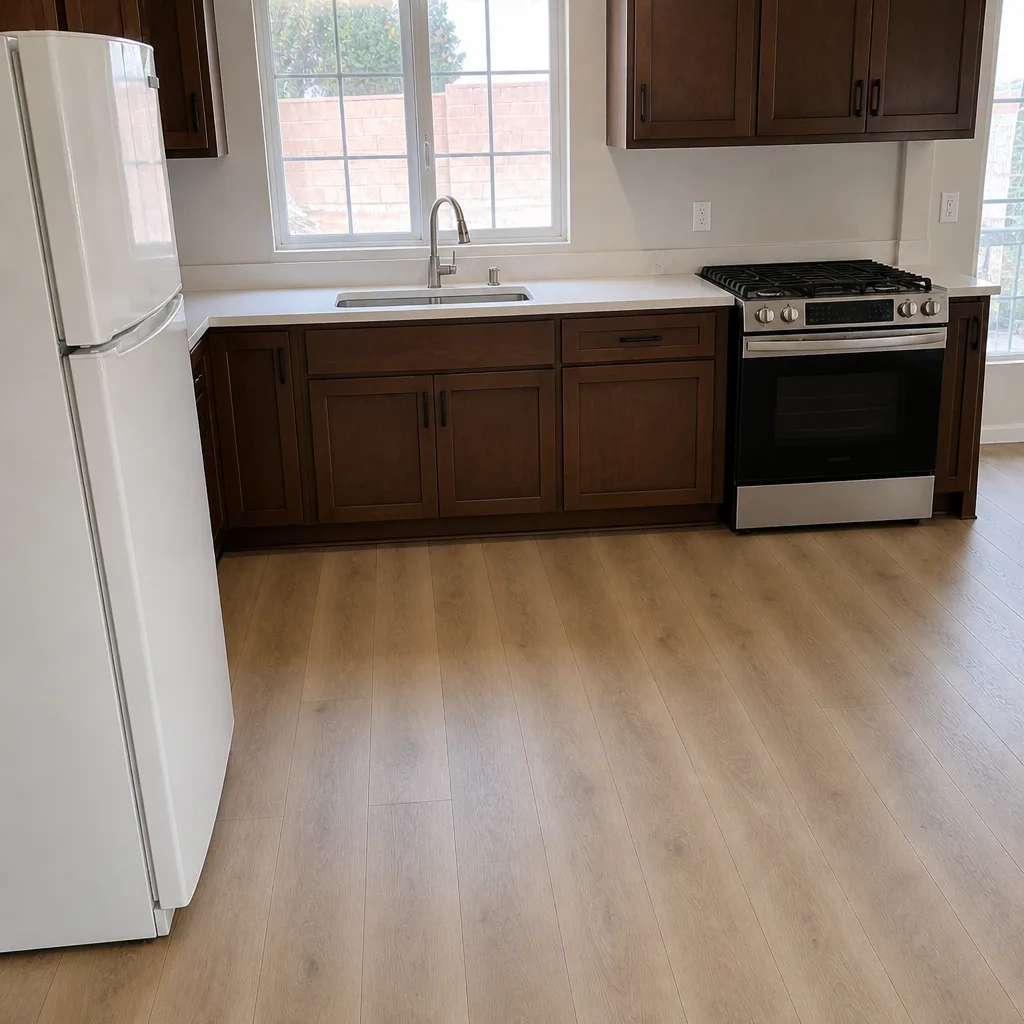 After
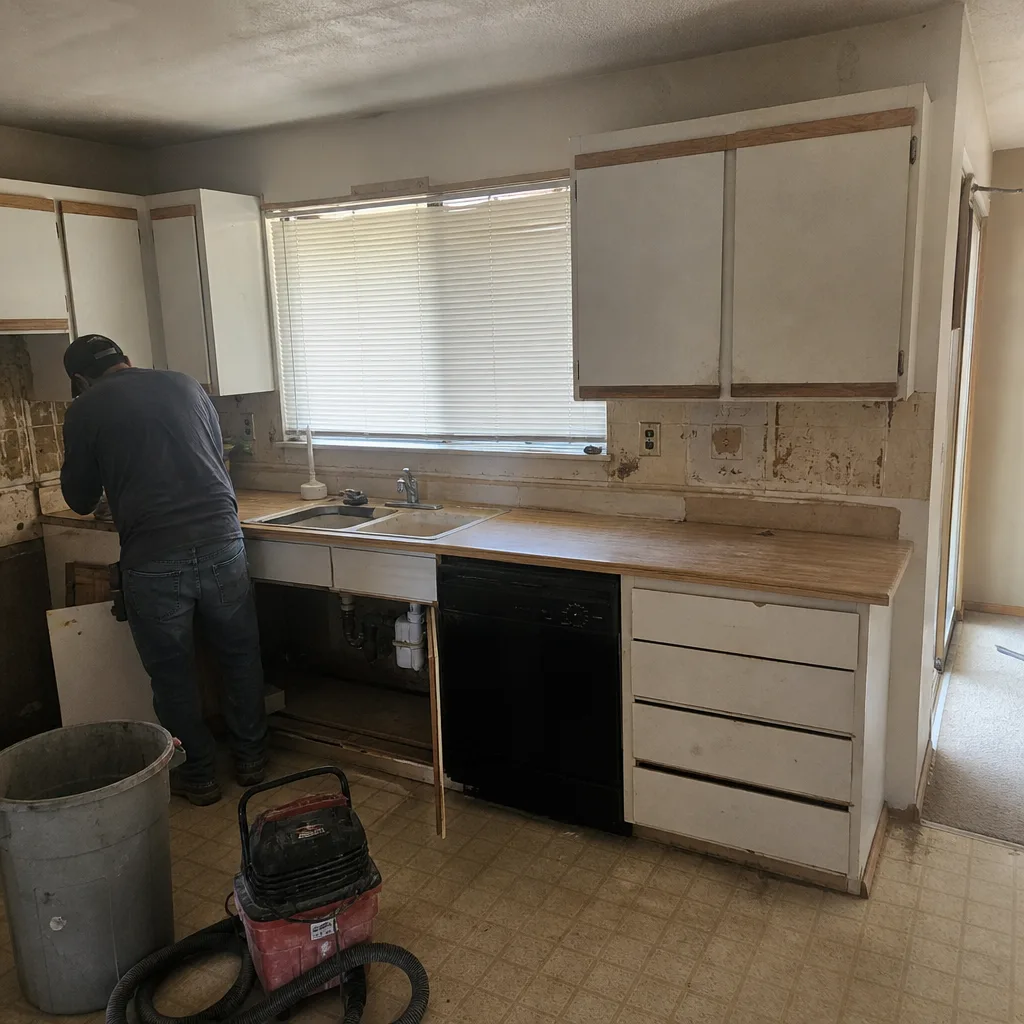 Before
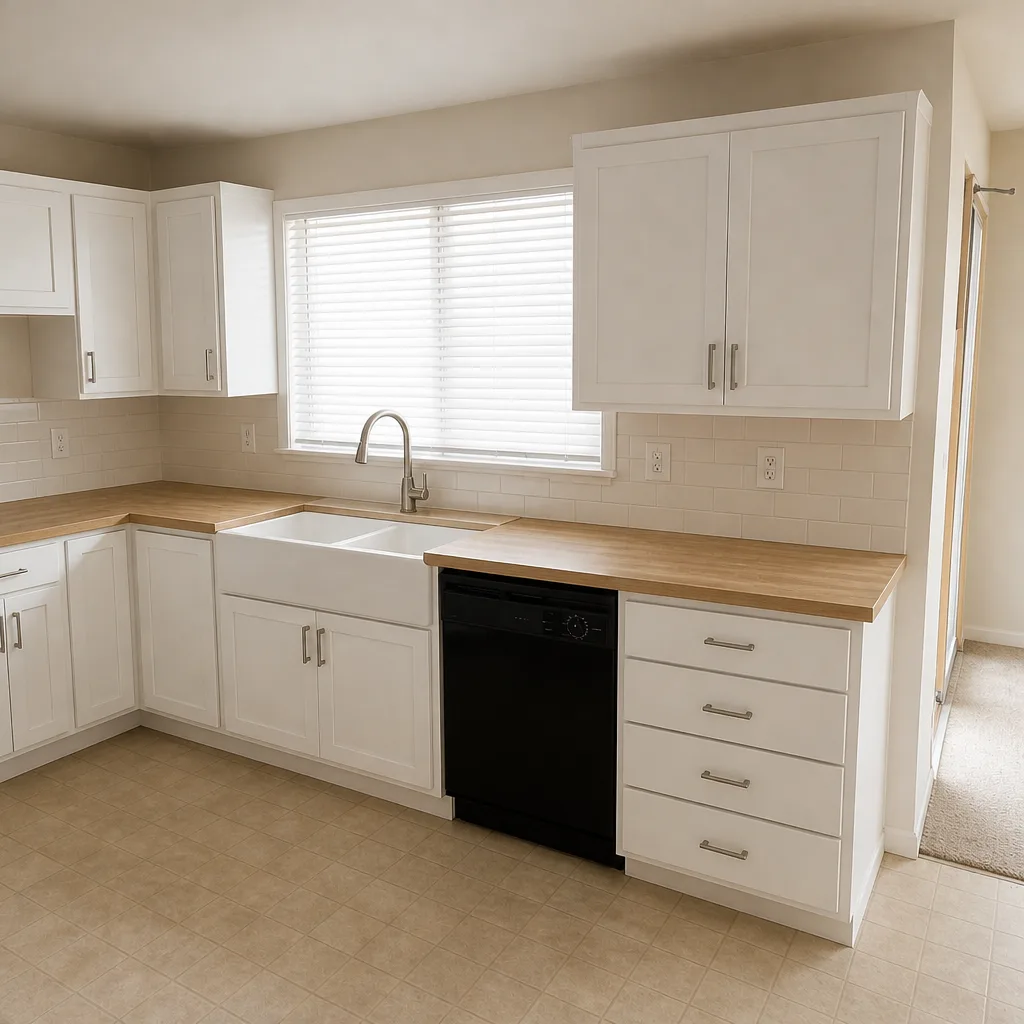 After
Asphalt vs Architectural Shingles in Boulder City, NV: Which Roof Is Right for Your Home?
Choose architectural shingles unless your home sits in Boulder City’s historic district and the preservation review expects a low-profile roof. Architectural shingles outperform 3-tab in wind, heat, and lifespan for nearly every home here. But if your 1930s Hoover Dam-era bungalow is in the historic core, the dimensional shadow lines of an architectural shingle may work against your permit approval. Call Groundwork Construction Co. of Boulder City at (888) 282-1693 for a straightforward read on which way your roof should go.
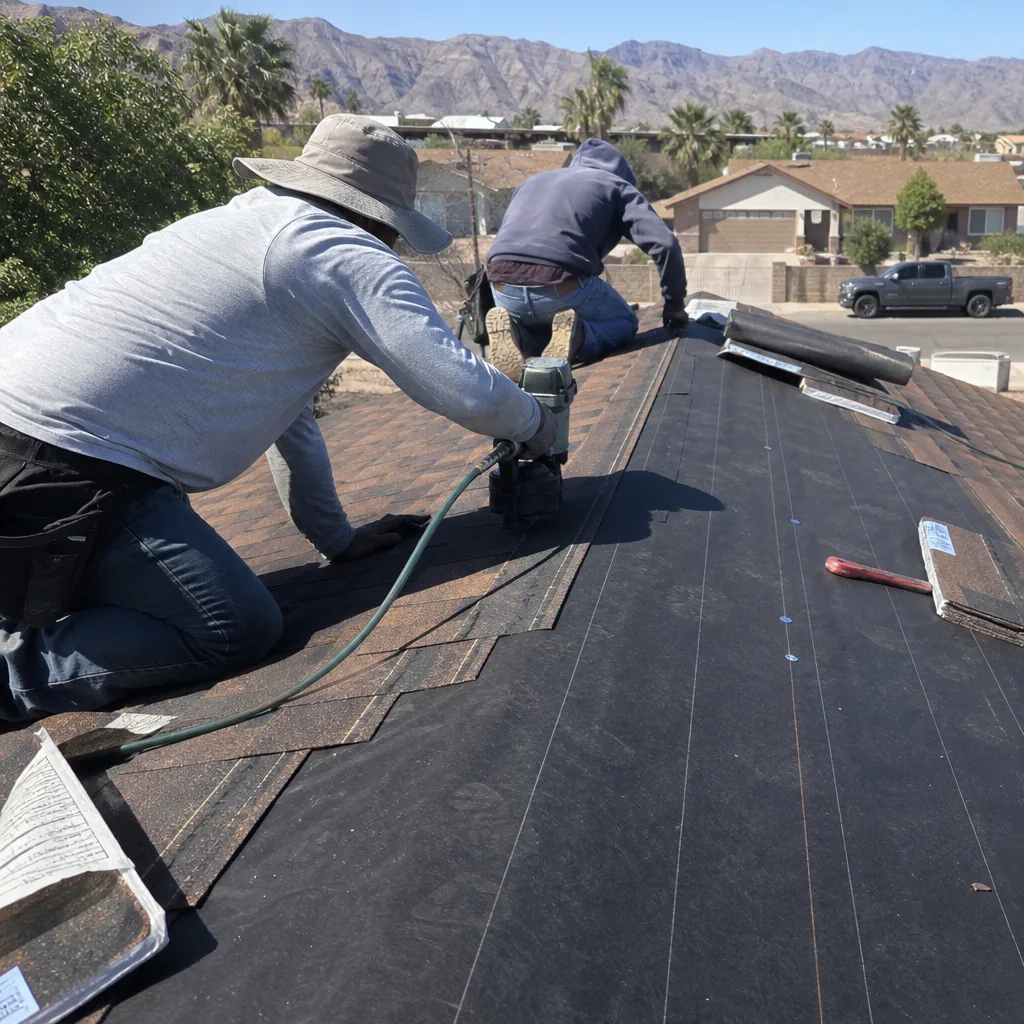
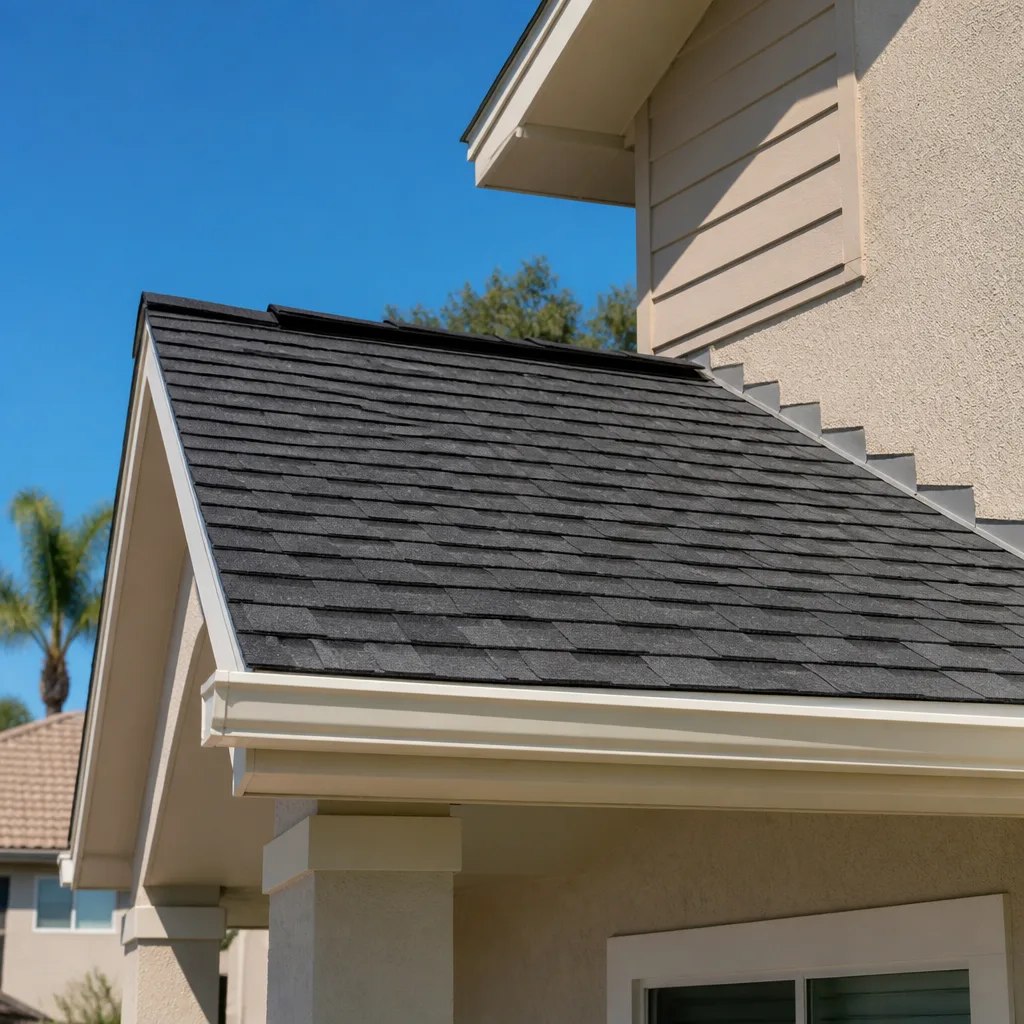
First, a terminology correction that trips up a lot of Boulder City homeowners, and a few contractors. “3-tab asphalt” and “architectural” are the same material. Both are fiberglass-mat asphalt shingles. The word “architectural” describes the laminated, dimensional profile, not a different substance. So the real question isn’t asphalt versus something else. It’s flat-tab versus laminated profile, and that choice has performance, cost, and historic-review consequences specific to how Boulder City is built.
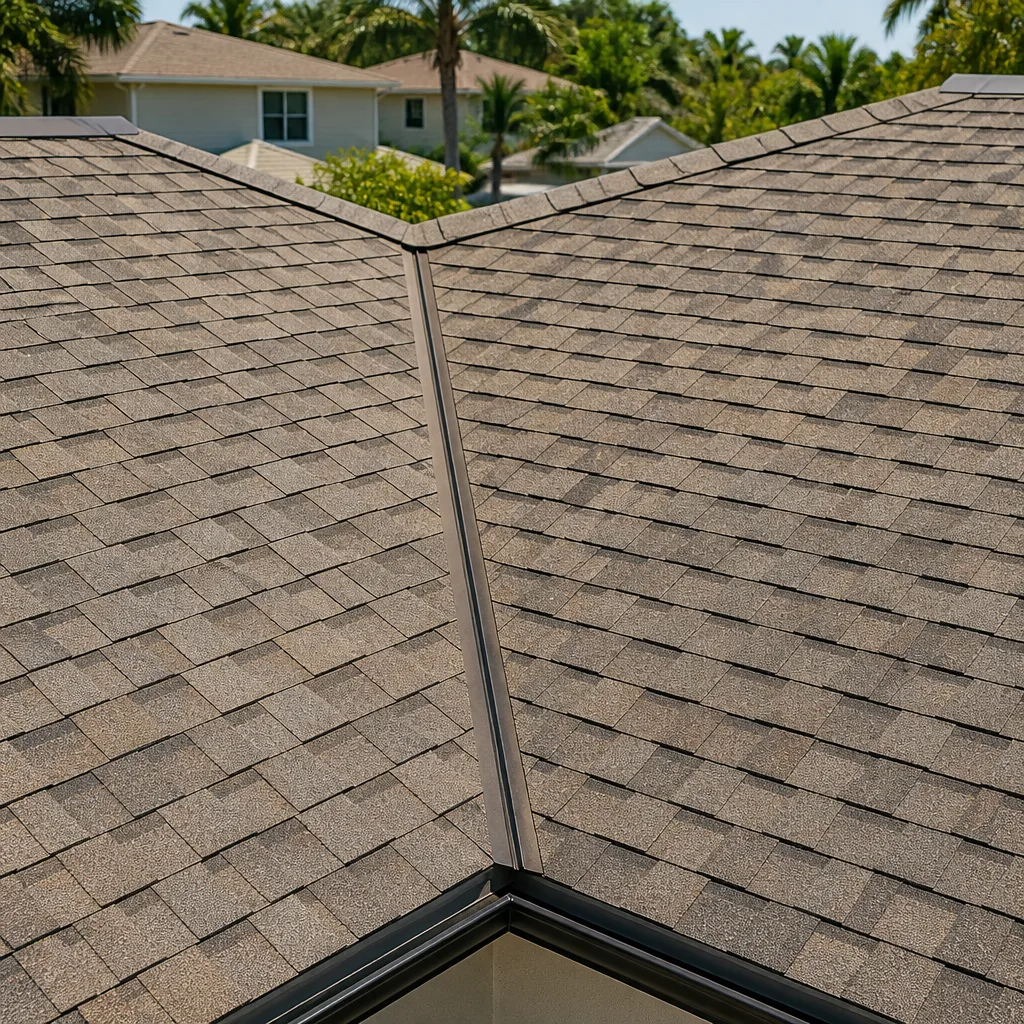
The Honest Comparison: Flat-Tab vs. Architectural Shingles
| Factor | 3-Tab (Flat-Tab Asphalt) | Architectural (Dimensional/Laminated) |
|---|---|---|
| Material | Fiberglass mat + asphalt | Fiberglass mat + asphalt (two laminated layers) |
| Installed cost in Boulder City | Lower, roughly 20-40% less | Higher, but longer service life |
| Wind rating | Often 60-70 mph | Frequently 110+ mph |
| UV / granule loss in Mojave sun | Faster granule loss on lighter mats | Heavier mat resists UV breakdown better |
| Typical lifespan in Vegas Valley heat | Shorter | Longer |
| Historic-district look | Closer to original 1930s-40s profile | Deep shadow lines that can read as anachronistic |
| Warranty | Standard | Often longer manufacturer coverage |
Architectural shingles carry two laminated layers, which is why they resist wind uplift better. That matters in Boulder City during the occasional high-wind events that roll off the desert and across the basin. The heavier mat also holds up against granule loss under our UV load better than the lighter 3-tab products. If your roof is exposed and open, that difference shows up over a decade of summers.
Why Boulder City’s Housing Stock Makes This Decision Harder
Boulder City is a federally chartered 1931 company town, built by the Bureau of Reclamation to house Hoover Dam workers. Most of the original bungalows and modest 1930s-40s cottages cluster near the historic district. Those roofs were originally covered in simple flat-tab profiles. When a homeowner in the historic core replaces a roof, the preservation review can consider roof profile as part of the overall character of the structure. A heavily textured architectural shingle on a low-slope 1930s cottage may look out of place, and a reviewer may say so.
Here’s the piece most roofing pages skip: Groundwork Construction Co. of Boulder City knows which GAF and Owens Corning shingle profiles have passed review in Boulder City’s historic core. We’ve walked homeowners through that back-and-forth enough times to know which architectural lines read appropriately on a period cottage. Some flatter, low-profile architectural products thread the needle between modern performance and period-appropriate appearance. Others don’t, no matter how good they look on a sample board.
East of the historic district, the calculus is simpler. The 1950s-70s tract-style homes and newer custom builds don’t carry the same review weight, and architectural shingles are the clear default. Call (888) 282-1693 if you’re unsure which side of that line your property falls on.
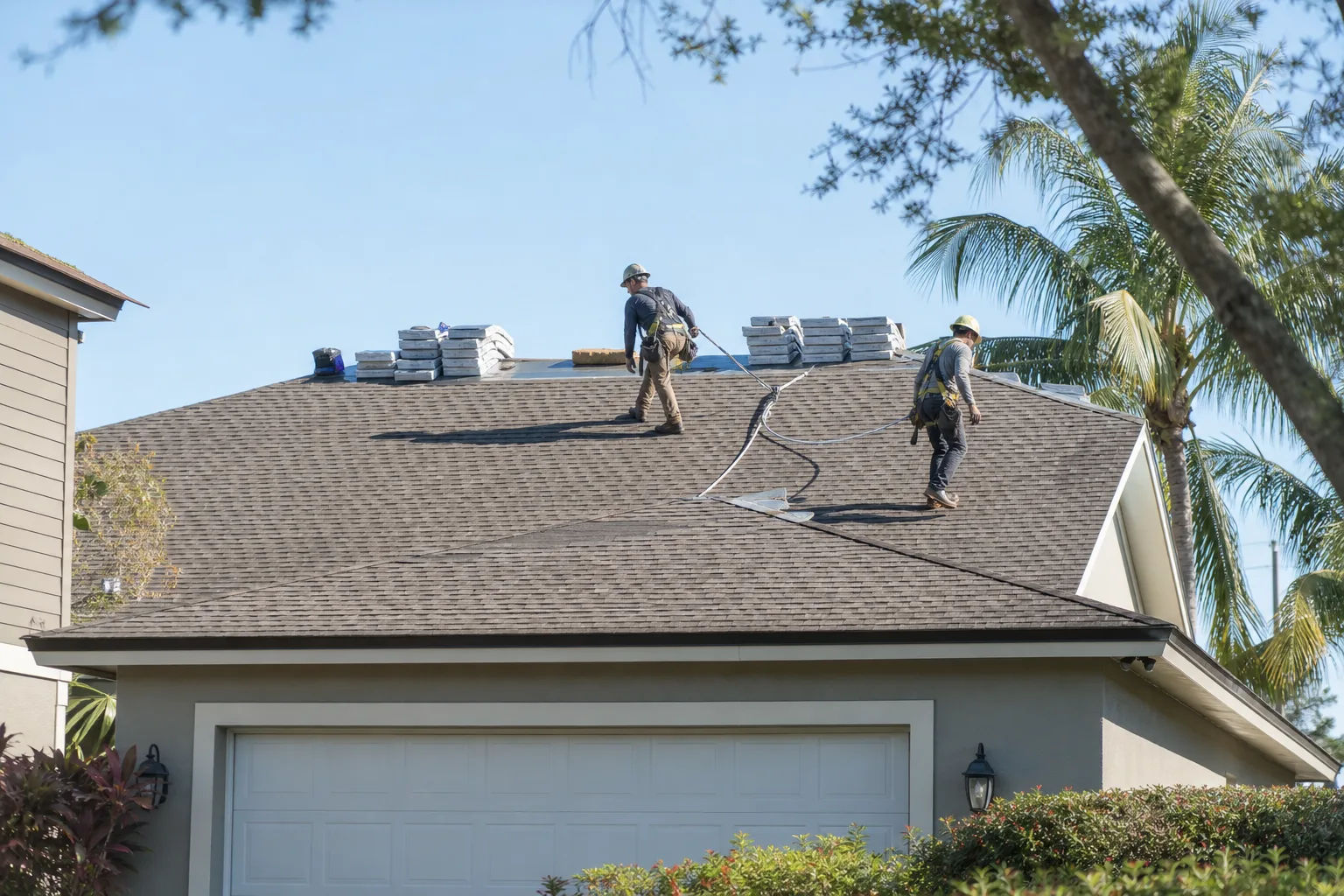
What to Look For When You Compare Shingles
When you’re weighing a bid, these are the things that actually separate one roof from another. Use them as a checklist, not a sales pitch.
- Wind rating on the spec sheet, not the marketing. Look for the manufacturer’s wind-uplift rating. 110+ mph architectural lines matter in Boulder City’s wind corridor.
- Reflectivity and cooling. Higher-reflectivity shingle lines can lower attic heat load in our 100-110°F summers, which shows up on your cooling bill.
- Decking and underlayment. A premium shingle over failing underlayment is money wasted. On 1930s pier-and-beam homes, we flag deck condition before the shingle conversation.
- Historic-review compatibility. If you’re in the historic district, confirm the profile will pass review before you sign anything.
- Full installed cost, not the shingle price. Ask for the line-item delta between flat-tab and architectural so you can see the real number.
- Warranty terms in writing. A manufacturer warranty is only as good as the installer behind it. Our Roofing work is covered by the 730-Day Done Right Promise, which sits alongside the manufacturer coverage instead of replacing it.
Cost vs. Lifespan: The Boulder City Math
Architectural shingles run roughly 20-40% more installed than 3-tab. That sounds like a lot until you run the 30-year math using Boulder City labor rates and our heat conditions. A roof replacement here falls in the $8,000-$20,000 range depending on square footage and pitch. Roof repairs run $400-$1,800, and if you’re comparing shingle options, you’re usually looking at replacement rather than patching.
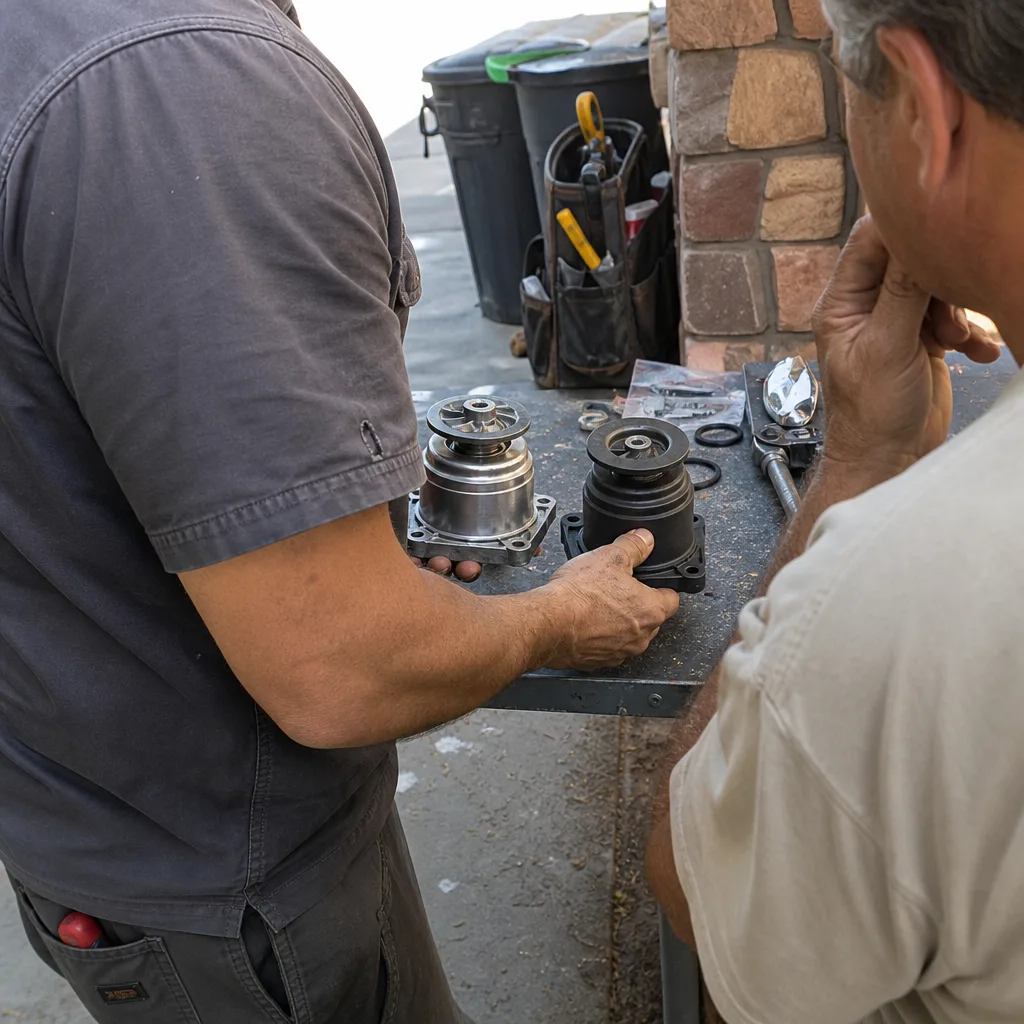
Suppose a flat-tab roof needs replacement again sooner than a quality architectural line would. The second round of labor, tear-off, and disposal is money you’d have avoided. Add the cooling-cost difference from higher-reflectivity options over the same years, and the architectural upgrade often pays back before the 30-year mark. In our experience, the homeowner who chose architectural rarely regrets the spend. The homeowner who chose 3-tab on price alone sometimes does when the next hail or wind event hits.
Upfront pricing means the full delta lands on paper before you commit. No surprise change-orders. And with $1,000 off projects over $10,000, upgrading to a premium architectural line often becomes a straightforward decision rather than a budget stretch. Add 0% financing for 18 months and the monthly picture is easy to compare side by side with the flat-tab quote.
FAQs
They’re the same material. Architectural shingles are asphalt shingles with a laminated, dimensional profile; 3-tab shingles are flat-tab asphalt shingles. The difference is profile and performance, not chemistry. Architectural have heavier construction, better wind ratings, and longer lifespan. Call (888) 282-1693 and we’ll show you both side by side.
Yes, 3-tab shingles are still allowed for most residential roofs in Boulder City. The exception is the historic district, where the preservation review may weigh roof profile as part of the overall character of the home. If your bungalow is in the historic core, verify compatibility with the reviewer before you sign a contract. That one phone call saves weeks of back-and-forth.
Architectural shingles typically run 20-40% more installed than 3-tab. On a roof replacement that starts around $8,000-$20,000, that’s a meaningful but not enormous jump. With $1,000 off projects over $10,000, the real-world delta narrows further. For an exact figure on your roof, call (888) 282-1693 for a free estimate.
Architectural shingles hold up better in both. Their heavier laminated construction resists wind uplift during our desert wind events and resists UV-driven granule loss longer than lighter 3-tab products. In our climate, that gap in durability is real money over time. The one exception is a historic home where the flatter profile is required for review, and that’s a rule question first, a performance question second.
Why Homeowners in Boulder City Call Groundwork Construction Co. of Boulder City
Experienced technicians. Background-checked and uniformed on every project. Brands like GAF and Owens Corning on the roof, alongside partners across every trade. And a 730-Day Done Right Promise that stands behind the work long after the crew has packed up. That covers the shingle-to-deck story from start to finish.
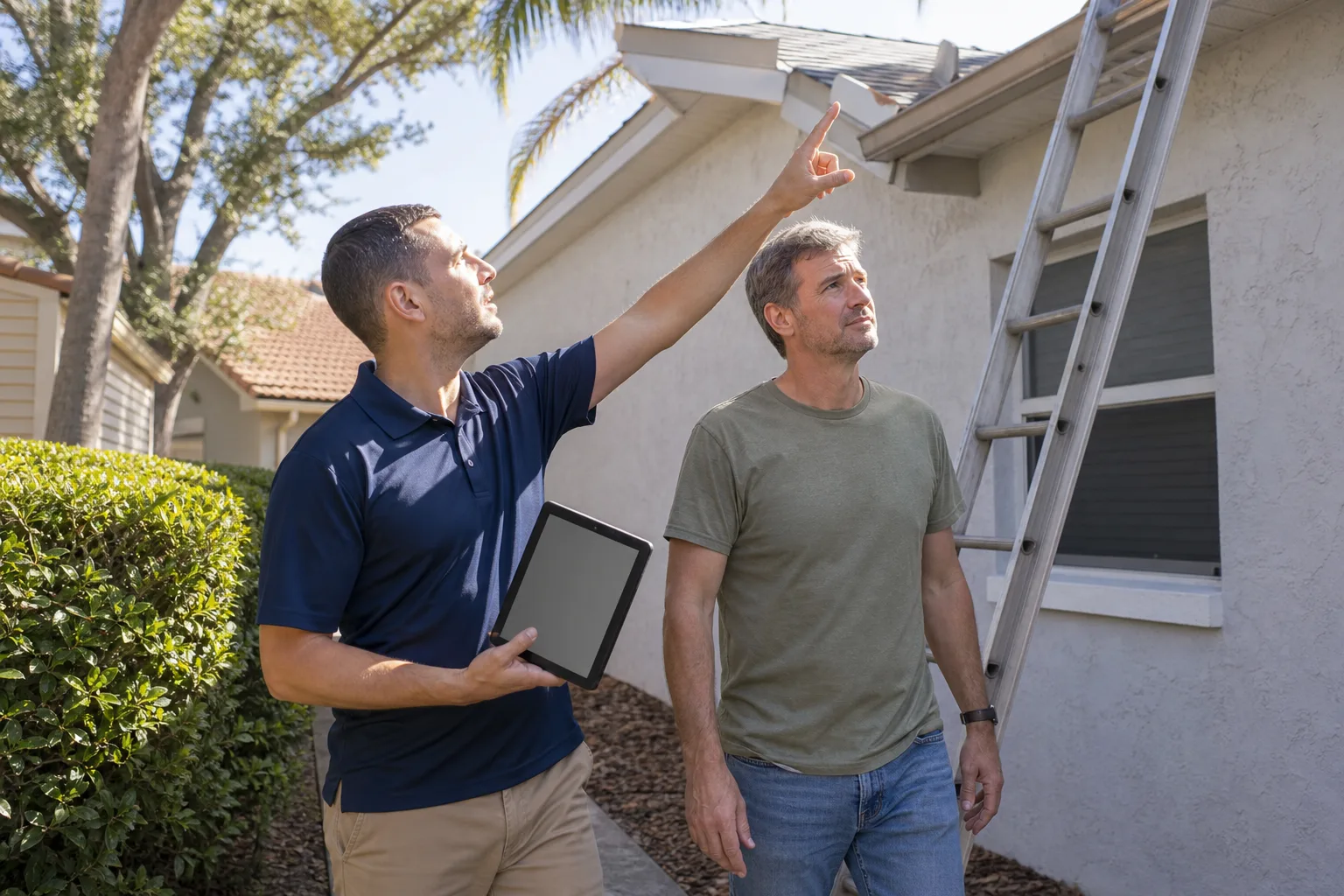
If you’d rather have your roof looked at than guess from a sample board, Groundwork Construction Co. of Boulder City offers a no-pressure assessment in Boulder City. Call (888) 282-1693 for a free estimate. We’ll put the architectural versus 3-tab delta in writing, and we’ll answer questions without a sales script.
Written by the team at Groundwork Construction Co. of Boulder City, serving Boulder City, NV.