Last updated November 18, 2026
Free written scope consultation - allowances, timeline, and change-order rules on paper before a single trade is scheduled
The Complete Driveway & Pavers Guide for Boulder City Homeowners
Soil temperatures in Boulder City regularly climb past 160°F at the surface in July. Not air temperature – ground temperature, the number that actually cooks a paver. That single fact eliminates three popular driveway materials before you ever open a catalog, and it’s the reason so many paver driveways here look tired within a few seasons while the contractor who installed them insists nothing’s wrong. This guide is written from inside Boulder City conditions: caliche hardpan, desert heat cycling, mountain-elevation freeze-thaw, strict HOA rules, and real local costs. By the end you’ll know which materials survive here, how deep a base your driveway actually needs, what the city and your HOA will require, and what a fair Boulder City price looks like – line by line.
Quick Answer
A driveway in Boulder City should be built on a compacted aggregate base that’s deeper than national residential specs recommend (typically 6-8 inches here versus 4 in milder climates), because caliche hardpan and heat cycling punish shallow builds. Concrete pavers, travertine, and permeable systems all work in Boulder City when installed with flexible polymeric joint sand rather than rigid mortar. Budget $14-$28 per square foot installed, depending on material, site prep, and HOA-driven design requirements.
Styles & brands we work with
- Kitchen remodeling
- Bathroom remodeling
- Home additions & ADU
- Roofing
- Windows & doors
- Driveway & pavers
- Fence
Table of Contents
- Why Caliche Soil Changes Everything About Base Prep in Boulder City
- Which Paver Materials Survive Boulder City Heat
- The Desert Freeze-Thaw Cycle and Why Flexible Joints Win
- Boulder City Code and HOA Rules That Shape Your Driveway
- What a Driveway Really Costs in Boulder City
- How a Boulder City Paver Driveway Gets Built, Step by Step
- Caring for a Desert Driveway Over the Long Haul
- Common Mistakes to Avoid
Why Caliche Soil Changes Everything About Base Prep in Boulder City
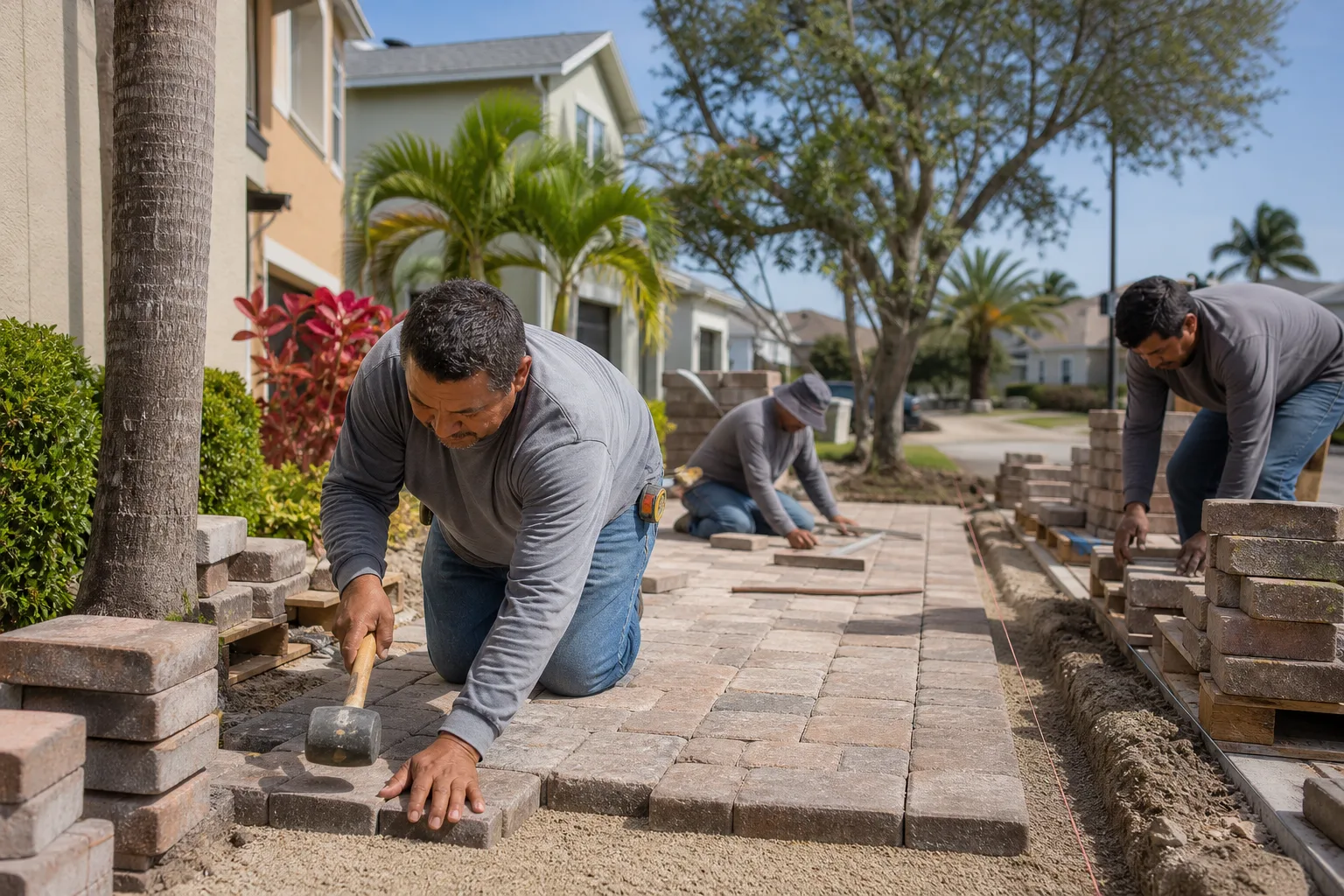
Caliche is a calcium-carbonate hardpan that forms in arid soils, and Boulder City has it in abundance. It behaves like low-grade concrete: nearly impermeable, brutally hard to dig, and prone to creating perched water pockets where moisture sits against the underside of a driveway instead of draining away. A builder who treats Boulder City ground like ordinary soil will compact a shallow base, lay pavers over it, and hand you a driveway that heaves, settles, and separates within two or three summers.
The fix starts underground. National paver guidelines usually call for a 4-inch compacted aggregate base for residential driveways. In Boulder City we spec 6-8 inches, and deeper where the caliche is especially dense or the site slopes. That extra depth does two jobs: it spreads vehicle loads across a wider footprint so the hardpan below doesn’t crack the surface above, and it gives water somewhere to go when a rare monsoon dumps an inch in an afternoon.
Caliche also forces changes to how we excavate. Standard box-blade scraping won’t cut it. We break the hardpan with a ripper tooth or hoe ram, then re-compact in lifts of 2-3 inches with a plate compactor so each layer locks into the next. Skipping the lift-by-lift compaction is the single most common shortcut we find on failing Boulder City driveways.
What proper base prep actually looks like
- Excavate to a depth that accounts for paver thickness, bedding sand, and the full aggregate base.
- Break and remove caliche where it prevents drainage or uniform compaction.
- Lay a separation geotextile to keep fines from migrating up into the base.
- Place aggregate in 2-3 inch lifts, compacting each one before the next.
- Verify slope with a laser level – 1-2% away from the house, never toward it.
- Finish with a screeded bedding sand layer before pavers go down.
Get this part wrong and no paver on the market saves you. Get it right and a Boulder City driveway will hold its line through decades of heat and the occasional cold snap. Base prep is also the single biggest driver of what a driveway costs here, which is why a quote that seems suspiciously low usually has 2 fewer inches of base hidden somewhere in the fine print.
Which Paver Materials Survive Boulder City Heat
Not every paver that performs well in Phoenix or Las Vegas belongs in a Boulder City driveway. The combination of 115°F ambient temperatures, intense reflected heat off the ground, and 2,500 feet of elevation creating colder winter nights puts materials through a wider swing than most paver guides account for. Here’s how the three main options actually behave here.
Concrete pavers
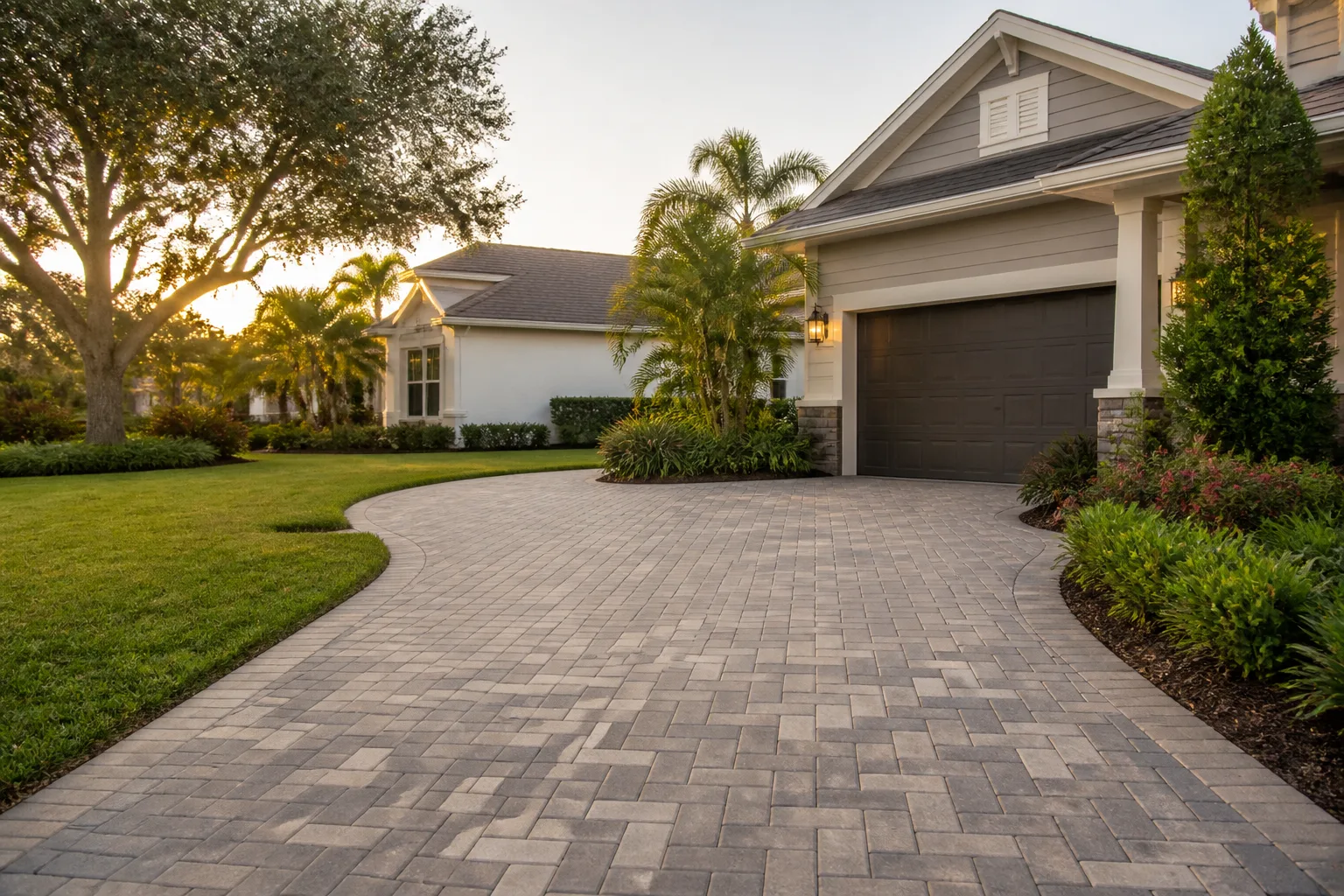
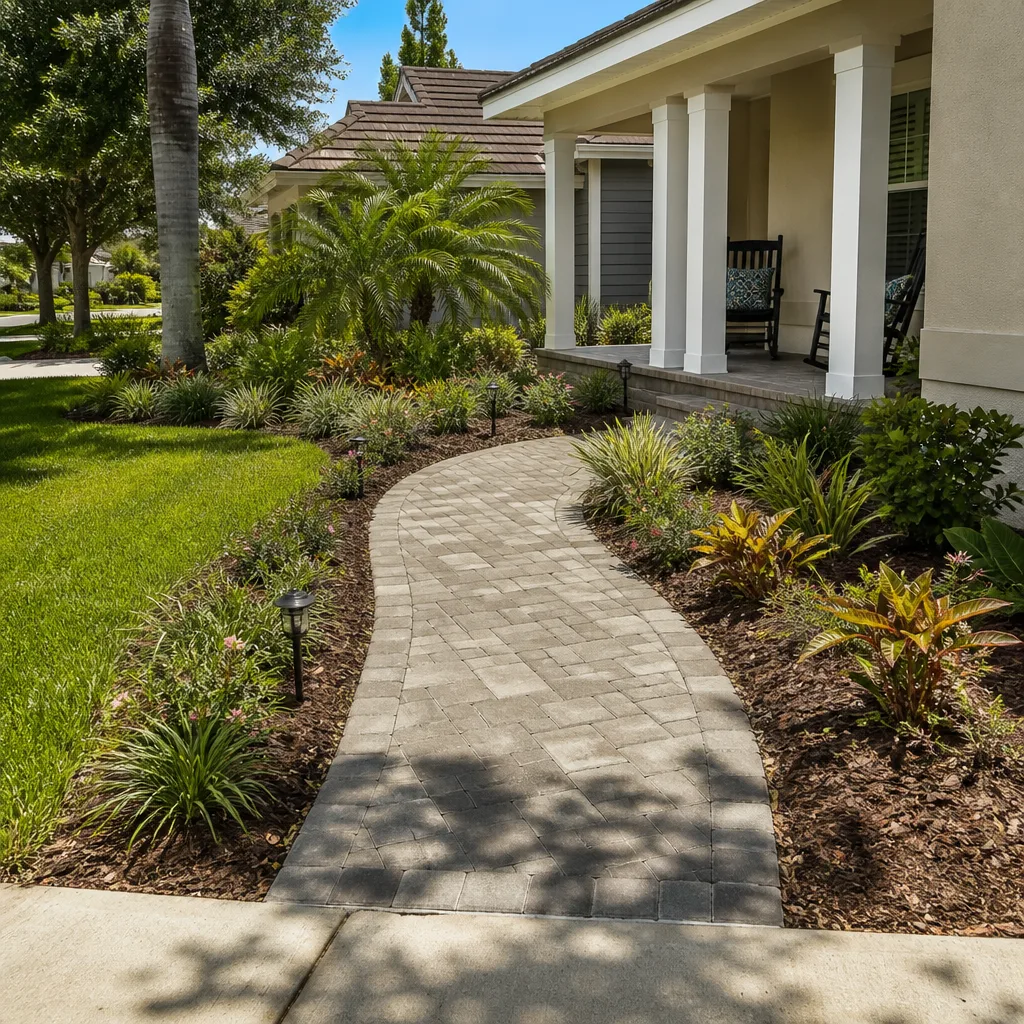
Interlocking concrete pavers are the workhorse choice for Boulder City driveways, and for good reason. Modern pavers from quality manufacturers use UV-stable pigments that resist the fade that cheap big-box product suffers within a couple of seasons. They handle vehicle loads well, they’re easy to repair because individual units lift and replace, and they come in enough colors and textures to satisfy most HOA palettes. The catch is pigment quality – we specify pavers with a through-body color rather than a surface tint, because in Boulder City sun a surface-only color can chalk out in three or four summers. Belgard pavers are our usual spec for exactly this reason.
Travertine
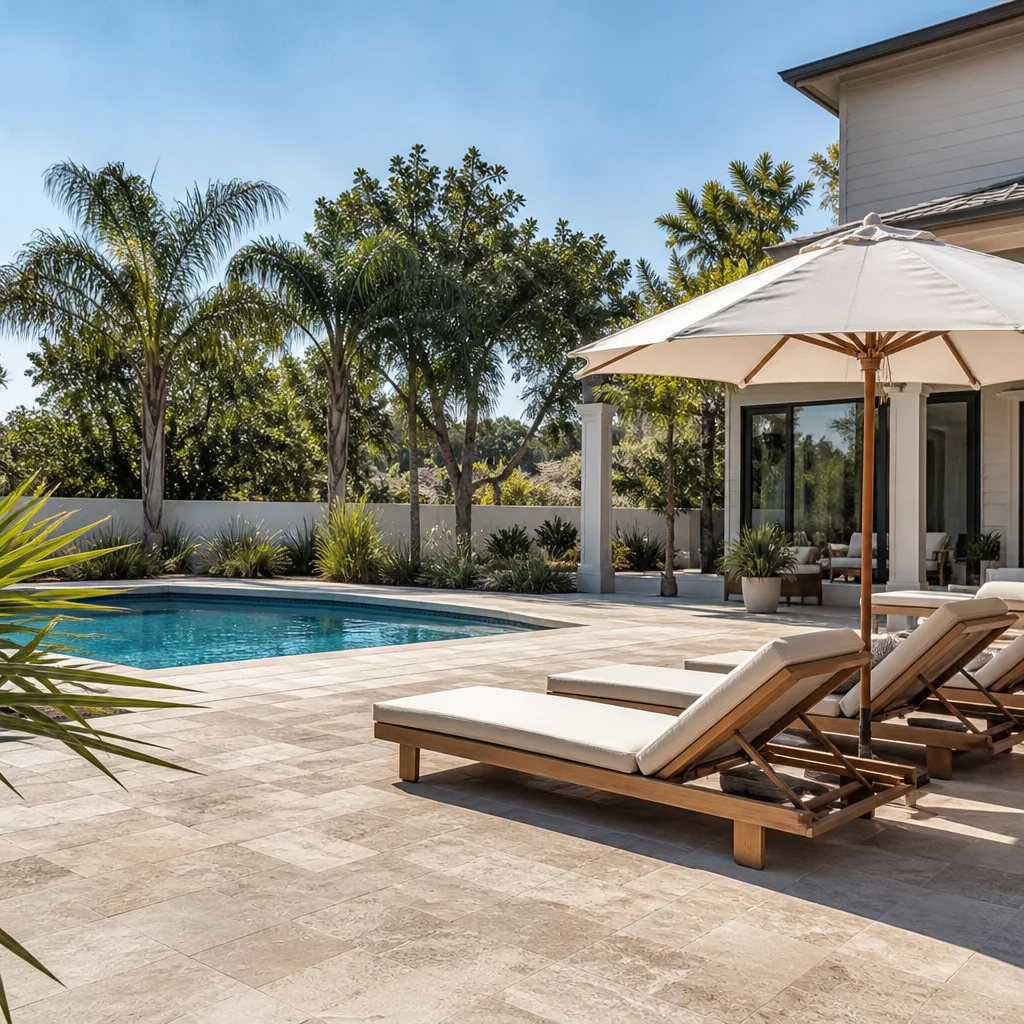
Travertine pavers stay noticeably cooler underfoot than concrete, which matters when a barefoot kid crosses the driveway in July. The natural stone holds color indefinitely since the color runs through the material, and it drains well. On the downside, travertine is softer than concrete pavers and can chip under heavy loads, and it costs more. For Boulder City driveways it works best on low-traffic or decorative zones rather than the primary parking area, though plenty of homes here use it throughout with good results when it’s set on a properly prepared base.
Permeable pavers
Permeable systems let water drain through open joints and an open-graded base into the soil below. In Boulder City, where caliche can trap water and monsoon storms arrive fast, permeable pavers reduce runoff and pooling. They cost more than standard concrete because the base and joint materials differ and the excavation is deeper. But on a sloped lot or one where roof runoff concentrates, they can be the difference between a driveway that sheds water and one that ponds it against the garage door.
Materials to reconsider in Boulder City
- Stamped concrete over rigid mortar: cracks under heat movement, hard to repair, fades unevenly.
- Thin brick veneers: spall when moisture gets behind them and the desert sun bakes the surface.
- Low-grade big-box pavers: surface-tinted color chalks out in a few seasons under Boulder City sun.
If you’re also planning fences, patios, or a backyard redo at the same time, it’s worth coordinating materials. Driveway & Pavers in Boulder City covers how paver design ties into the rest of an exterior project.
The Desert Freeze-Thaw Cycle and Why Flexible Joints Win
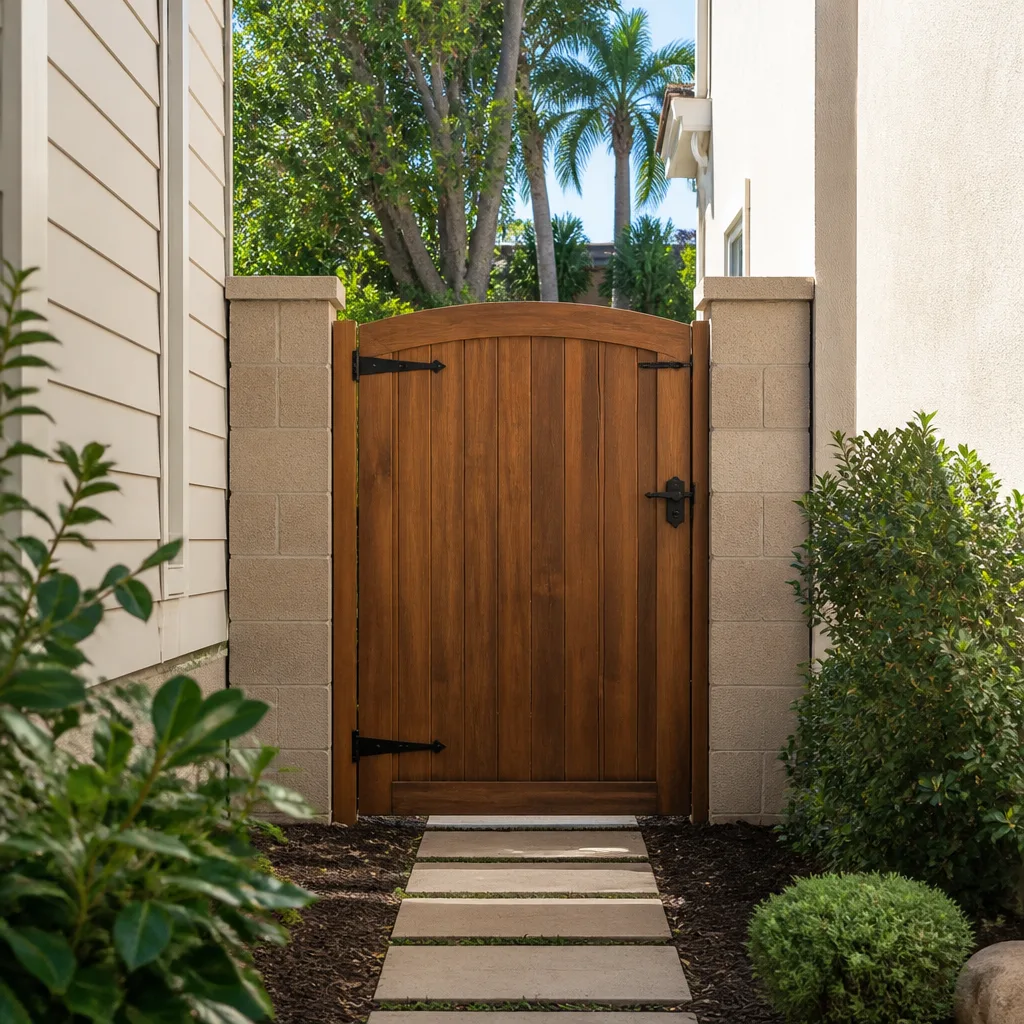
Here’s the counterintuitive part: even though Boulder City summers hit triple digits, winters at 2,500 feet drop below freezing often enough to matter. Every time water gets into a paver joint, freezes overnight, expands, then thaws during the day, it works the joint and the base a little harder. Do that a few dozen times a winter for 15 years and a rigid mortar joint will crack – not if, but when.
That’s why a desert driveway should use flexible polymeric joint sand, not mortar. Polymeric sand hardens into a semi-flexible binding that moves with the pavers as they expand and contract, sheds water, and resists weed growth. Mortar is rigid. When the pavers expand in July heat and the base settles a fraction of an inch, mortar has nowhere to go, and you get hairline cracks along the joints that widen with each season.
Joint material matters for looks too. A tight, uniform polymeric joint is what makes a paver driveway read as a finished surface instead of a pile of loose blocks. And when a paver does need to be lifted for a repair – say, a utility line or a cracked unit – polymeric sand can be removed and replaced cleanly, which mortar won’t allow.
What this means for the homeowner
- Ask your installer which joint material they’re using and confirm it’s flexible polymeric sand, not mortar.
- Expect a refill of joint sand every few seasons in high-traffic areas – normal, not a defect.
- Keep irrigation heads pointed away from the driveway; constant moisture accelerates joint work.
- Don’t pressure-wash the joints out – a low-pressure rinse is enough.
This is one of those details that separates a Boulder City driveway that still looks sharp after 15 years from one that needs a rebuild after 6. It costs little at install time and saves a great deal later.
Boulder City Code and HOA Rules That Shape Your Driveway
Boulder City takes its historic character seriously, and that affects driveways more than you might expect. The city’s design review process and many neighborhood HOAs have opinions about driveway width, slope, materials, and even color. A paver driveway that’s beautifully built but doesn’t clear design review is a problem you don’t want.
Here’s the practical picture. The city generally caps driveway width so you don’t pave over your whole front yard, requires a minimum slope away from the structure for drainage, and may restrict curb cuts or apron design near the street. Some older neighborhoods and the historic district have tighter rules about how much of the front lot can be hardscape. HOAs often go further, specifying paver color palettes, joint patterns, and prohibiting certain materials outright.
We’ve seen Boulder City homeowners buy a full pallet of pavers on sale, only to discover their HOA requires a different color entirely. Check the rules before you shop, not after.
The pre-project checklist for Boulder City driveways
- Pull your HOA’s architectural guidelines and confirm approved paver colors and materials.
- Confirm your lot’s maximum allowable hardscape coverage with the city or your HOA.
- Get any required design review approvals before ordering materials.
- Verify drainage requirements so runoff doesn’t pond or run onto a neighbor’s lot.
- Check whether a permit is needed for any curb, apron, or grading changes.
Doing this homework up front turns a potential rebuild into a straightforward project. It’s also where a full-scope construction partner earns its keep – we build driveways and fences and additions under the same roof, so we catch conflicts between trades before they become change orders. If your driveway project sits alongside a fence or gate decision, Fence Installation in Boulder City is worth a read on how the two tie in.
What a Driveway Really Costs in Boulder City
National average paver costs are next to useless for a Boulder City budget. Labor here reflects local rates, material has to be trucked in from Las Vegas-area suppliers, and the caliche hardpan adds excavation time most national price guides ignore. Below are realistic installed ranges for a typical 20-by-20 foot driveway (about 400 square feet) in Boulder City.
Cost breakdown
- Concrete pavers, standard: $14-$20 per square foot installed ($5,600-$8,000 for 400 sq ft).
- Premium concrete pavers (Belgard or equivalent): $18-$24 per square foot.
- Travertine: $20-$30 per square foot.
- Permeable paver system: $18-$28 per square foot.
- Caliche excavation surcharge: $2-$5 per square foot (varies with hardness).
- Base prep, deeper than national spec: included above, but adds $1,500-$3,000 versus a shallow build on the same footprint.
- HOA design review and permit fees: $100-$500, depending on scope.
- Color-match polymeric sand: $40-$80 per 50 lb bag, several needed for a typical driveway.
For a typical Boulder City two-car driveway, expect $6,000-$12,000 installed, with premium materials and difficult sites pushing toward the top of that range. A full-scope contractor who builds driveways alongside other exterior work can often fold design and scheduling in together, which trims cost without cutting corners.
On budgeting: Groundwork Construction Co. of Boulder City offers no-hassle upfront pricing – the number you see is the number you pay – plus 0% financing for 18 months and $1,000 off projects over $10,000. That’s the difference between a paver driveway being a someday project and being something you start this season. We’re licensed, insured, and bonded, and every project carries the 730-Day Done Right Promise: if it’s not done right, we make it right – one of the longest workmanship guarantees in residential construction.
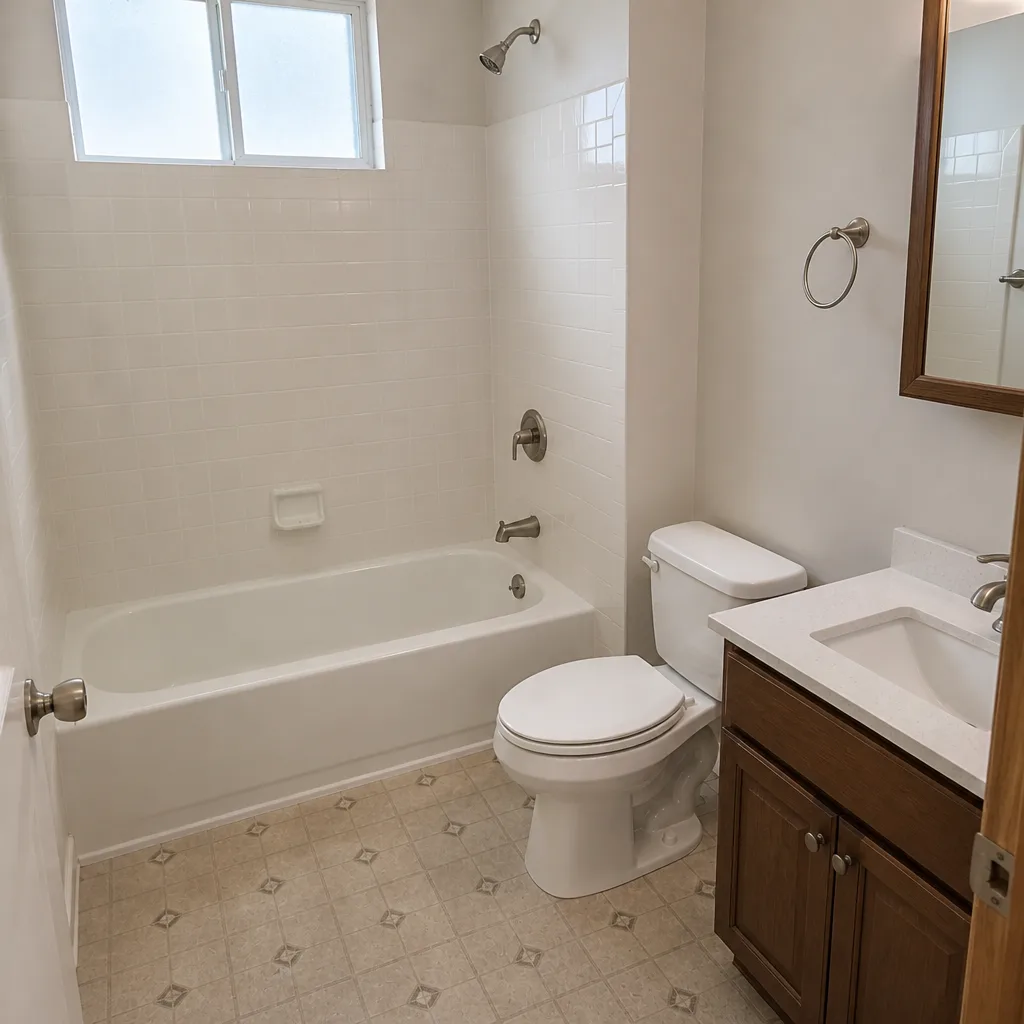
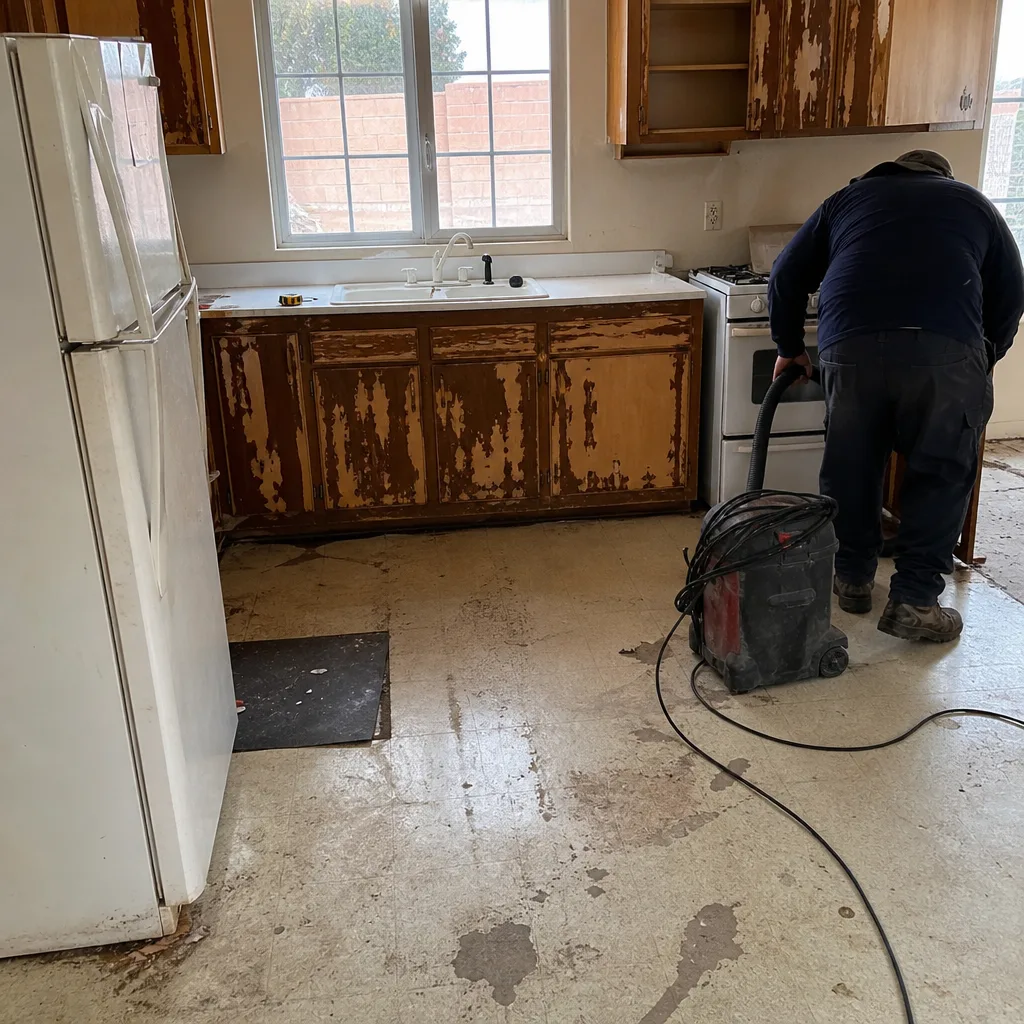
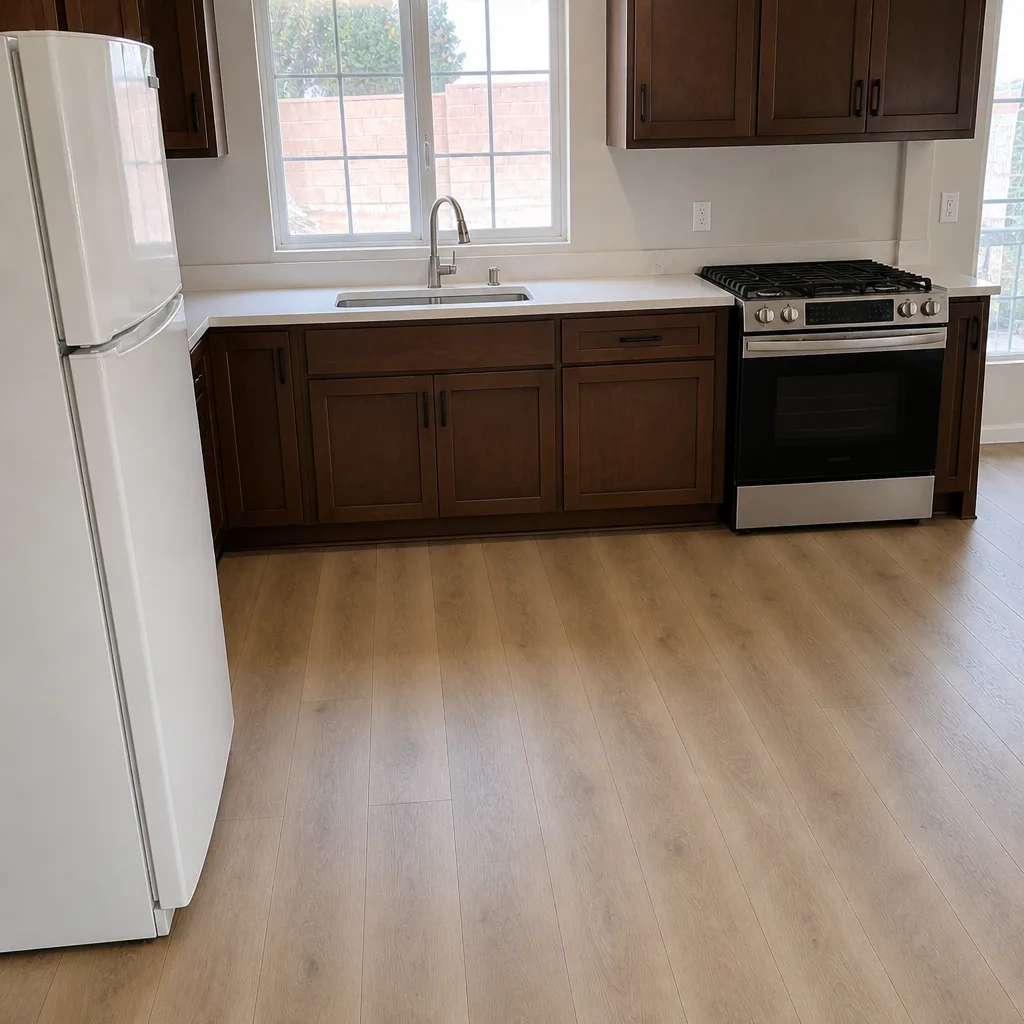
See the difference
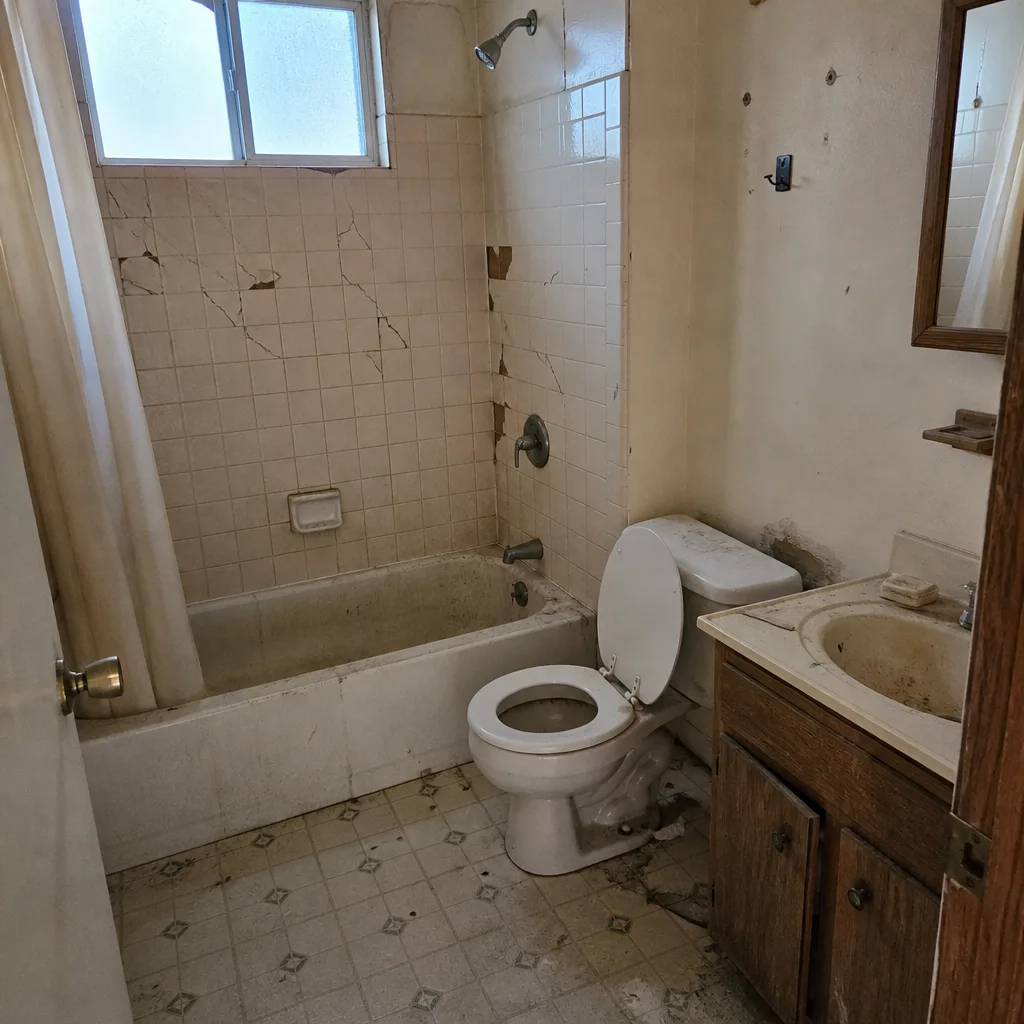 Before
 After
 Before
 After
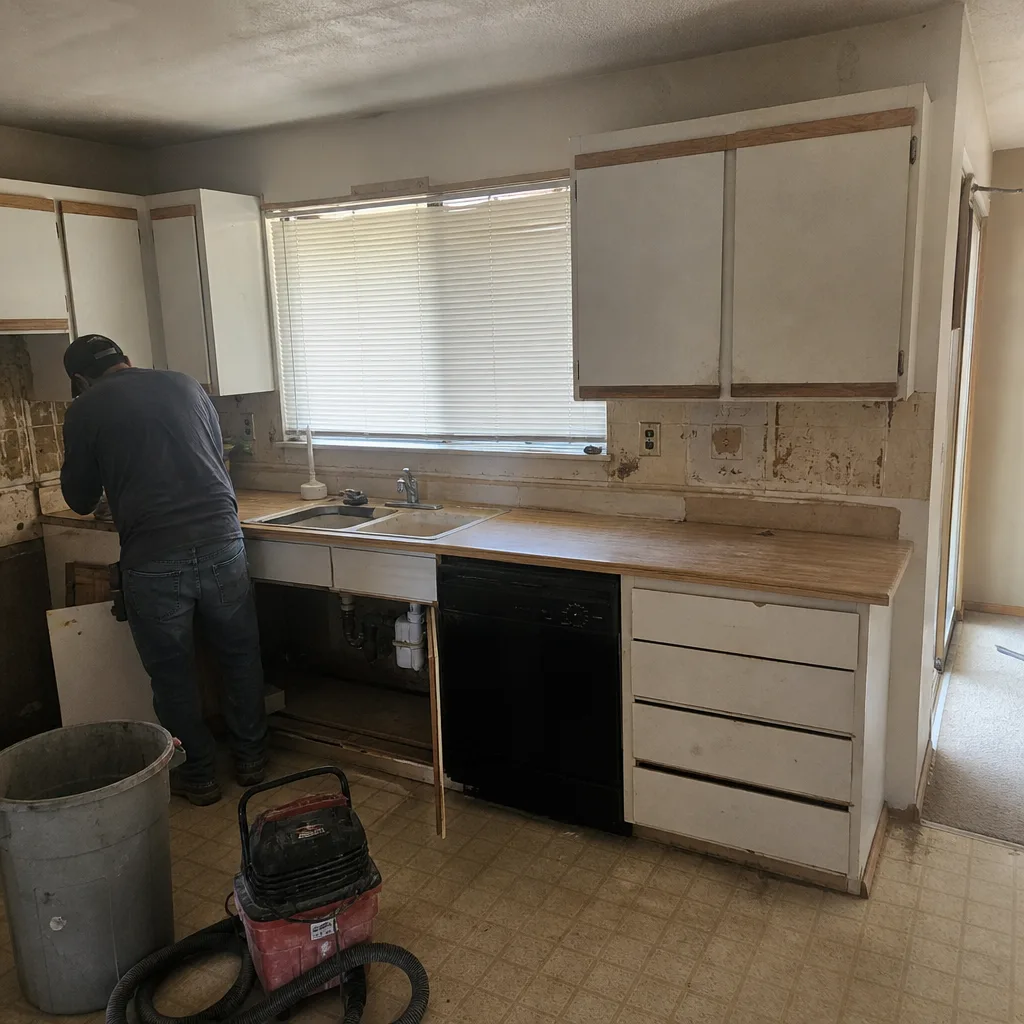 Before
 After
How a Boulder City Paver Driveway Gets Built, Step by Step
Understanding the sequence helps you ask better questions and spot a shortcut when you see one. Here’s how a Boulder City paver driveway goes together, from first cut to final sweep.
- 1
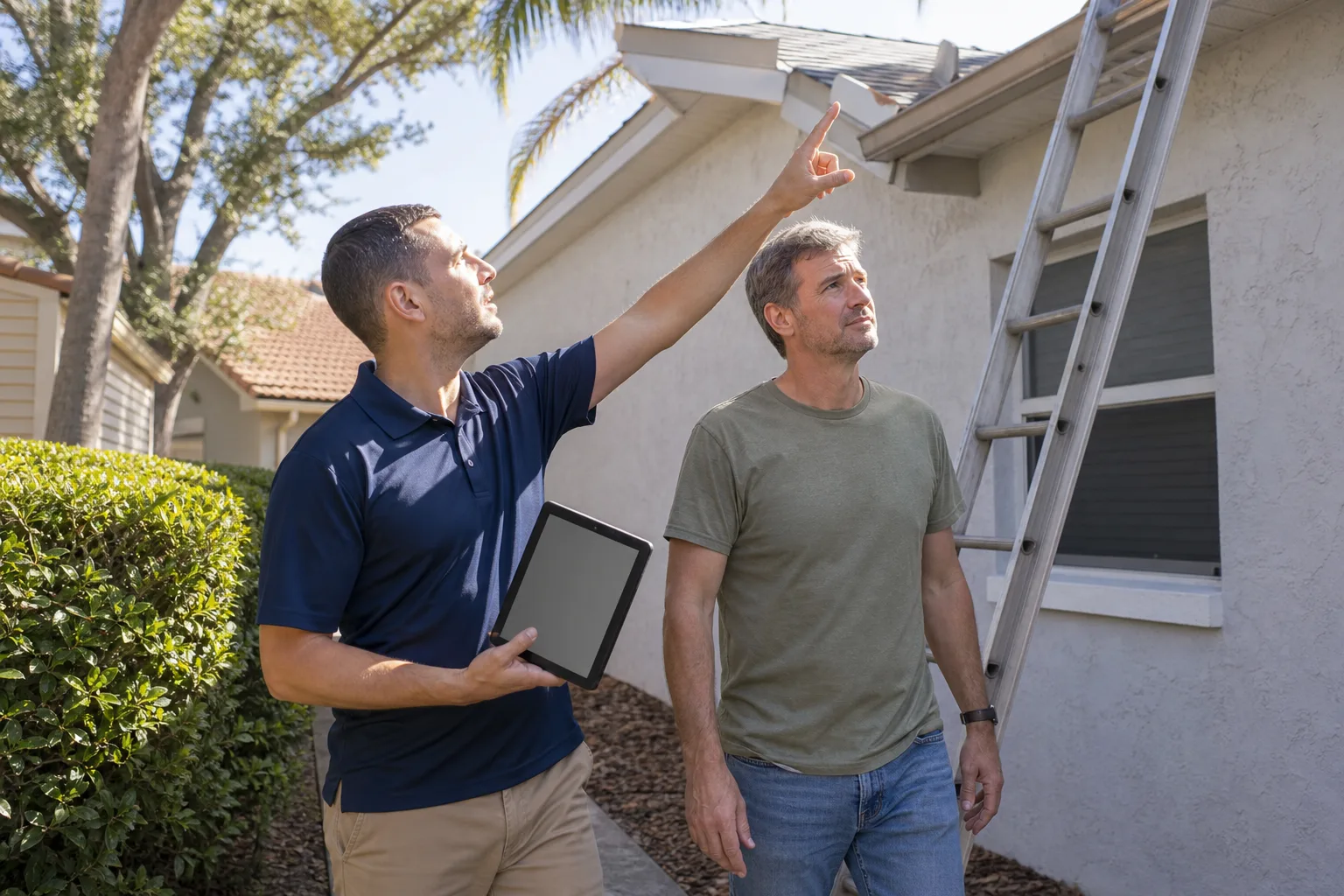
Site evaluation and layout. We walk the grade, check drainage path, mark the footprint, and confirm HOA approvals are in hand.
- 2
Excavation through caliche. The hardpan is ripped and removed to the designed depth. This is the loudest, dirtiest, most important day.
- 3
Geotextile and base placement. Separation fabric goes down, then aggregate in 2-3 inch lifts, each compacted before the next.
- 4
Final grade and slope check. Laser level verifies pitch away from the structure and toward the street or a drainage point.
- 5
Bedding sand and screed. A uniform sand bed is screeded to depth across the whole footprint.
- 6
Paver installation. Pavers laid in the chosen pattern, cut at edges and around features, set tight.
- 7
Edge restraint. A restraining edge pins the perimeter so the field can’t creep over time.
- 8
Polymeric joint sand. Sand worked into the joints, then activated so it sets firm but stays flexible.
- 9
Final compaction and clean-up. A pass with a turf-tamping compactor locks everything in, and we sweep and haul away debris.
Most Boulder City driveways take three to five working days, weather permitting. Caliche-heavy sites can run longer on excavation. We schedule each project so you know which days the crew is on site and which days equipment is staged, and we keep our technicians background-checked and in uniform so you always know who’s on your property. Calls to our line are answered by a live person 24/7 – no voicemail, no waiting until Monday.
While the driveway is underway, it’s a good time to think about related projects. A new driveway often pairs with a fresh front walk, a widened apron, or a new fence, and having one contractor handle the whole exterior avoids seams and scheduling headaches. Groundwork Construction Co. of Boulder City home lays out the full scope of what we build.
Caring for a Desert Driveway Over the Long Haul
A properly built Boulder City paver driveway is close to maintenance-free, but “close to” isn’t “none.” A few habits keep it looking sharp for decades.
- Replenish joint sand when it drops. Every few years a little polymeric sand works loose from high-traffic zones. Top it off so water stays out.
- Sweep rather than blast. A stiff broom handles most desert dust. A low-pressure rinse is fine for heavier clean-up; a pressure washer on high will blow joints out.
- Watch irrigation. Drip lines pointed at the driveway keep the base wet and accelerate settling. Aim them at plants.
- Pull weeds early. Polymeric sand resists weeds, but a stray seed finding a weak joint is a five-second fix if you catch it young and a nuisance if you don’t.
- Address standing water immediately. Any ponding after a rare rain means slope or drainage has shifted. Get it checked before another summer of expansion makes it worse.
- Inspect annually in fall. A quick walk-through before winter freeze-thaw catches loose pavers and joint gaps cheaply.
Keep at these and a well-built driveway in Boulder City holds its color and its line far longer than one neglected in the heat. The base does the heavy lifting, but the surface maintenance is what makes the difference you notice.
If you’re eyeing a bigger property upgrade down the road, it’s worth knowing the full picture. Home Additions & ADU in Boulder City covers how additions interact with driveways, parking, and site work – a driveway that’s planned without that in mind often needs reworking later.
Common Mistakes to Avoid
- Skipping a deeper base because a national guide said 4 inches is fine. Boulder City’s caliche and heat demand 6-8 inches of compacted aggregate. A shallow base fails in this climate.
- Buying pavers before checking HOA colors. We’ve seen homeowners lose a full pallet of on-sale product because the HOA required a different shade. Confirm the palette first.
- Using mortar for the joints. Mortar cracks under desert freeze-thaw. Flexible polymeric sand is the right spec here, every time.
- Leaving irrigation spraying the driveway. Constant moisture against the base is one of the fastest ways to trigger settling and joint failure.
- Ignoring drainage slope. A driveway pitched toward the garage or a low spot holds water when a monsoon hits. Slope away from the structure, full stop.
- Choosing surface-tinted pavers to save money. That color chalks out within a few summers of Boulder City sun. Through-body color lasts.
- Hiring a crew that skips lift-by-lift compaction. Ask how they compact the base. If the answer is vague, walk away.
When to Call a Professional
Some driveway work is a weekend project. Paver driveways in Boulder City usually aren’t. Call a professional if you’ve got caliche hardpan to break, if your grade needs correction for drainage, if your HOA or the city requires design review, or if the driveway is part of a larger exterior plan. This isn’t a “give it a try and see” situation – a driveway that fails at the base costs far more to rebuild than it would have to build right. Groundwork Construction Co. of Boulder City offers free estimates in Boulder City – call (888) 282-1693. We’re licensed, insured, and bonded, backed by the 730-Day Done Right Promise and upfront pricing, and our technicians have up to 12 years of experience building in desert conditions. From foundation to finish line, we handle the full scope so you’re not coordinating three contractors.
Frequently Asked Questions
A paver driveway in Boulder City typically costs $14-$28 per square foot installed, or $6,000-$12,000 for a typical two-car driveway, depending on material and site conditions. Caliche excavation and deeper-than-national base prep add to that range, but they’re what makes the driveway last here. Call (888) 282-1693 for an exact quote – estimates are free.
Quality concrete pavers with through-body color and travertine hold up best to Boulder City heat, both when set on a properly prepared base with flexible polymeric joints. Permeable pavers also perform well, especially on sloped or runoff-prone lots. Avoid surface-tinted pavers from the big-box aisle – they fade fast under desert sun.
Often yes. Boulder City design review and many neighborhood HOAs regulate driveway width, slope, materials, and sometimes paver color. Confirm your HOA’s architectural guidelines and any city requirements before you order materials or start excavation. A qualified contractor can walk you through the approval sequence as part of a free estimate.
Most fail because the base wasn’t built for local conditions – too shallow over caliche hardpan, or compacted without lift-by-lift passes. Rigid mortar joints are the other frequent culprit; they crack under the desert freeze-thaw cycle. Build the base right and use flexible joints and a driveway here lasts decades.
Most installations run three to five working days, weather permitting. Caliche-heavy sites can add a day or two of excavation. Nobody installs a driveway in a single afternoon – any contractor promising that is skipping steps. Schedule the project when you can be home to walk the final result.
Yes. We build driveways alongside fences, additions, and exteriors under one roof, which lets us coordinate scheduling and materials and catch conflicts before they cost extra. That’s the advantage of a full-scope partner – see what else we build, and call (888) 282-1693 to start the conversation.
The Bottom Line
Boulder City driveways aren’t like driveways anywhere else. Caliche hardpan demands a deeper, more carefully compacted base. Desert heat and 2,500-foot elevation swing rule out mortar joints and cheap surface-tinted pavers. City and HOA rules shape everything from width to color. Get those three right and a paver driveway holds its line and color for decades. Get them wrong and you’re rebuilding in five years. Budget $14-$28 per square foot installed, confirm your material and palette before you buy, and hire a builder who’ll put the promise in writing – the 730-Day Done Right Promise, upfront pricing, and a free project estimate to start. Call (888) 282-1693 today to schedule yours.
Written by the team at Groundwork Construction Co. of Boulder City.