Last updated November 18, 2026

Free written scope consultation - allowances, timeline, and change-order rules on paper before a single trade is scheduled
The Complete Windows & Doors Guide for Boulder City Homeowners
A window sold as “desert-rated” in Phoenix can still fail here. Boulder City sits at roughly 2,200 feet against the River Mountains, with Lake Mead a few miles away, and that combination creates something most southwestern window specs never plan for: brutal UV and 110°F summer peaks, then sudden humidity swings rolling off the lake that push and pull at seals from the outside in. Frames that hold up in dry Tucson can swell, stick, and lose their weatherstripping faster along our stretch of the valley. This guide breaks down which materials survive that, what Nevada code actually requires, which NV Energy rebates most installers forget to mention, and how to tell a real replacement quote from a paint-and-patch job. It’s written for Boulder City homeowners, not spec sheets.
Quick Answer
For Boulder City’s climate, fiberglass frames with low-E, argon-filled dual-pane glass and a Solar Heat Gain Coefficient under 0.25 are the strongest all-around choice, followed by high-grade vinyl and wood-clad. Any replacement must meet Nevada Title 24 energy code and pull a city building permit, and you should confirm NV Energy rebate eligibility before you sign. A full-frame replacement that addresses flashing, insulation, and trim is the only version that fixes the leaks and heat gain our summers expose.
Styles & brands we work with
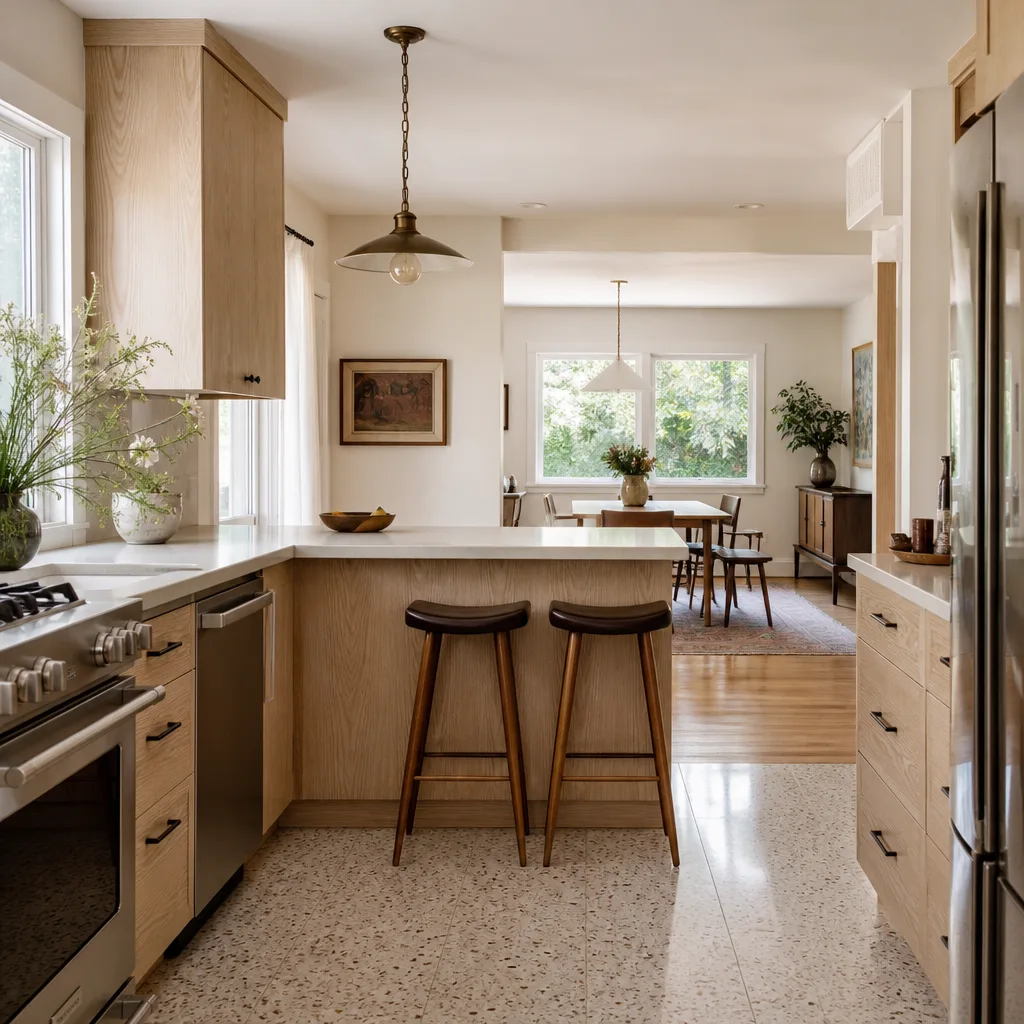
- Kitchen remodeling
- Bathroom remodeling
- Home additions & ADU
- Roofing
- Windows & doors
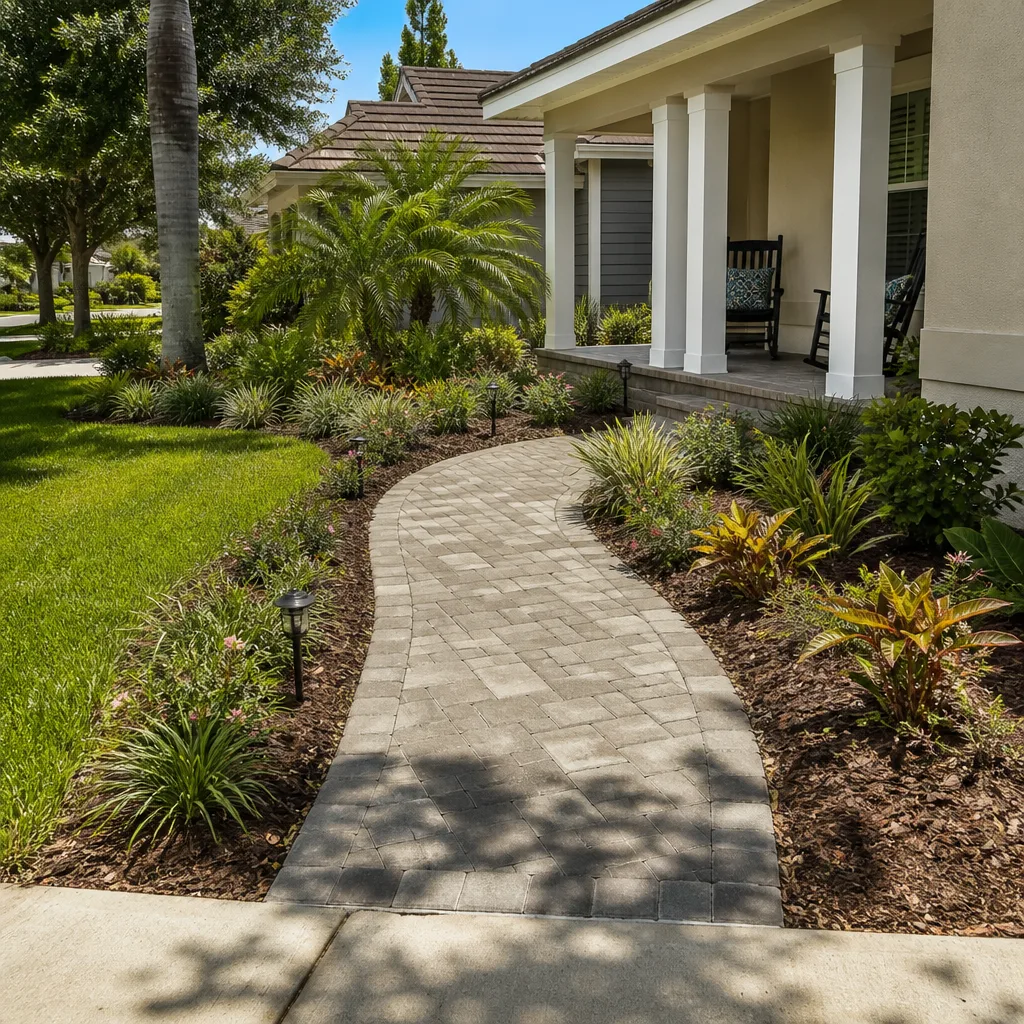
- Driveway & pavers
- Fence
Table of Contents
- Why Windows and Doors Age Differently in Boulder City
- Frame Materials Ranked for Boulder City’s UV and Heat
- Glass and ENERGY STAR: What Nevada Actually Requires
- How Lake Mead’s Microclimate Attacks Your Seals
- Nevada Title 24 and Boulder City Permit Rules
- NV Energy Rebates Most Installers Don’t Mention
- How to Read an Installation Quote: Full-Frame vs. Sash Swap
- Entry and Patio Doors: The Weak Point in Every Envelope
- A Maintenance Schedule That Matches Our Seasons
Why Windows and Doors Age Differently in Boulder City
Most window guides are written for a general American climate. That’s the wrong lens here. A Boulder City window spends June through September absorbing UV levels that break down vinyl plasticizers and chalk the surface of lower-grade frames, then spends winter nights dropping into the 30s. That daily swing of 40 degrees or more expands and contracts every joint, seal, and gasket on the unit. Do that 365 times a year for a decade and you understand why cheap weatherstripping dies early in this town.
Then there’s the wind. Desert gusts funnel through the Eldorado Valley and along the river corridor, and they don’t just whistle past a window; they push fine dust into every gap in your building envelope. Any window or door with a weak seal becomes a dust pump. You’ll notice it first as grit on the interior sill, then as a draft, then as a heating bill that creeps up without explanation.
In our experience, the failures we see on Boulder City homes cluster into a few predictable patterns:
- Vinyl frames that bow or stick at the corners after several summers of thermal cycling
- Failed dual-pane seals that fog from the inside, usually on south- and west-facing glass first
- Weatherstripping on doors that compresses flat within a few years of wind exposure
- Caulk lines and flashing that pull away from stucco after UV exposure
- Wood frames that dry-check and split on the sunny side of the house
None of this is random. It all follows from the same two forces: UV and thermal movement. Choose materials and installation methods that account for both and your windows will outlast the neighborhood average by a wide margin.
Frame Materials Ranked for Boulder City’s UV and Heat
Frame material matters more here than it does in most of the country, because the frame takes the UV hit before the glass does. Here’s how the four common options stack up for Boulder City’s conditions, ranked by real-world performance:
1. Fiberglass
Fiberglass is the top performer in our climate. It expands and contracts at nearly the same rate as the glass it holds, which means the seals stay tight through our temperature swings. It doesn’t chalk or fade under UV the way vinyl can, and it holds paint well if you want a color change down the road. The trade-off is cost: expect to pay 15-25% more than comparable vinyl, and it’s worth it on south- and west-facing walls where the sun does the most damage. Fiberglass also holds up better on doors, where the constant open-and-close load stresses the frame harder than a fixed window ever gets.
2. Vinyl (PVC)
Vinyl is the most common choice and a solid one, if you buy quality. Better vinyl formulations include UV stabilizers that resist chalking, and multi-chamber extrusions that handle thermal movement without bowing. The cheap builder-grade vinyl sold at big-box stores will look fine for five years and then start to yellow and stick. If you’re going vinyl in Boulder City, ask specifically about UV-stabilized compounds and how the frame handles expansion at the corners. We generally recommend vinyl on east- and north-facing walls where sun exposure is lower, and reserve the premium spend for the sunny exposures.
3. Wood-Clad
Wood-clad (aluminum or vinyl over a wood core) is beautiful and insulates well, but the aluminum cladding takes the UV hit and needs a factory finish that won’t chalk. Good cladding holds up; cheap cladding pits and peels within a decade. Wood-clad makes sense on the visible faces of a Boulder City home where you want the look, but we don’t recommend it for full-sun walls unless the cladding is a high-quality factory finish with a strong warranty.
4. Solid Wood
Solid wood is the weakest choice for our climate and we rarely recommend it for full replacement unless the home is historic and you’re matching existing character. Wood dries, checks, and splits in low humidity, and it needs repainting every few years to survive here. It’s also the frame most likely to let wind-driven dust past the seals.
Bottom line: match the material to the exposure. Splurge on fiberglass or premium vinyl where the sun hits, save the budget on shaded walls.
Glass and ENERGY STAR: What Nevada Actually Requires
Frame is half the story. Glass is the other half, and it’s where most homeowners leave money on the table because they don’t know what to ask for. Nevada sits in ENERGY STAR’s South-Central climate zone (the map labels it “South Central”), which means the certification tiers that matter most here are the ones built for hot summers, not cold winters.
What to ask for on any Boulder City window quote:
- Low-E coating. A spectrally selective low-E coating blocks infrared heat while letting visible light through. This is the single most important glass spec in our climate.
- Dual-pane minimum. Single-pane glass is a code violation on new construction and a money leak on replacement. Dual-pane with argon between the panes is the standard for a reason.
- Solar Heat Gain Coefficient (SHGC) of 0.25 or lower on sun-facing glass. The lower the number, the less heat enters. West-facing glass should be at the low end.
- U-factor of 0.35 or lower for the whole window assembly, not just the glass center. The whole-unit number is what code looks at.
- Tempered glass for any door or window within 18 inches of a floor, and for full-height glass doors.
Ask for the NFRC label on every unit you buy. It lists the exact U-factor, SHGC, and Visible Transmittance for that specific assembly with that specific frame, and it’s the only number you can trust. A salesman who quotes “energy efficient glass” without the label is asking you to take their word for it. You shouldn’t. For the broader picture of how windows and doors fit into a whole-home build, our Groundwork Construction Co. of Boulder City home page shows how we scope full-scope renovations across every trade.
How Lake Mead’s Microclimate Attacks Your Seals
Here’s the part most window guides miss entirely. Lake Mead sits a few miles from most Boulder City neighborhoods, and that body of water does something to our local weather that surrounding desert towns don’t get: it adds humidity. Not the sticky humidity of the Southeast, but enough moisture in the air that morning readings in the 30-40% range aren’t unusual, then dropping to single digits by afternoon. That daily swing is what we mean by a microclimate, and it’s what makes Boulder City a harder climate for window seals than Las Vegas or Henderson.
What that means for the parts of the window you can’t see:
- Foam weatherstripping (the open-cell type) absorbs moisture and then dries out, which crumbles it fast. Avoid it.
- EPDM rubber and silicone bulb weatherstripping handle the humidity swing and UV far better. Ask what your installer is using.
- Corner welds on the frame are where moisture gets in first. A poor weld or a mechanical corner joint will fail faster in our humidity swing than it would in dry Las Vegas.
- Flashing and sill pans at the rough opening are your waterproofing against wind-driven rain from summer monsoons. Look at the detail work, not just the window.
The first sign of a failing seal is usually interior fogging on a dual-pane unit, or a visible gap in the weatherstripping around a door. Catch it early and it’s a repair; ignore it and water gets into the wall cavity, which is a much bigger job. We’ve seen Boulder City homes where a $200 weatherstripping fix would have prevented a $4,000 stucco and framing repair. The lake doesn’t care how nice your window looked in the showroom.
Nevada Title 24 and Boulder City Permit Rules
This is where a lot of quotes go sideways, and where a homeowner can end up with a window package that a city inspector won’t sign off on. Nevada’s energy code (based on Title 24, adopted through the state’s energy code, and updated through the IECC cycle) sets minimum performance for replacement windows, and Boulder City enforces it through its building department.
The requirements you need to confirm before your installer orders glass:
- Whole-unit U-factor of 0.35 or lower (0.32 in some code cycles for certain components) for the assembly, not the glass center.
- SHGC of 0.25 or lower on the assembly, with stricter limits on west- and south-facing glass in some cases.
- Air leakage rating from the NFRC label, typically 0.3 cfm/ft² or less.
- A permit for any replacement that involves changing the rough opening, replacing the frame, or altering the egress path. Many installers will tell you a permit isn’t needed; for a like-for-like sash swap that’s often true, but for a full-frame replacement or any change to the opening, it usually isn’t.
- Egress requirements: any sleeping room needs at least one operable window with a clear opening of 5.7 square feet, a minimum width of 20 inches, a minimum height of 24 inches, and a sill no more than 44 inches from the floor.
The egress number catches people who are replacing a bedroom window with a fixed or smaller opening. A Boulder City inspector will flag it, and you’ll be pulling the window back out. Ask your contractor to confirm egress compliance in writing before the order goes in. A reputable pro will already know this and will flag it for you. The same principle applies across our other trades, which is why our Home Additions & ADU in Boulder City work builds permit and inspection sign-off into every scope from day one.
NV Energy Rebates Most Installers Don’t Mention
Nevada has a utility-funded energy efficiency program through NV Energy that includes incentives for qualifying window and door upgrades. The program terms change from year to year, and the specific dollar amount depends on the unit performance and the current program cycle, but here’s the important part: most window installers never bring it up because they don’t want to do the paperwork.
What to ask about before you sign:
- Whether the window package qualifies for the current NV Energy residential window incentive
- Whether the contractor will handle the rebate paperwork or whether you file it yourself
- What the qualifying performance threshold is for this program year (it typically sits at or below the U-factor and SHGC thresholds already required by code)
- Whether there’s a separate incentive for high-performance doors, patio doors, or smart thermostats installed at the same time
The honest answer is that the rebate won’t cover the job. It’s a few hundred dollars on a typical Boulder City replacement, not a few thousand. But it’s real money, and it’s the kind of detail that separates a contractor who knows the local utility landscape from one who’s just moving units. Ask for the rebate amount in writing before you sign, so there’s no surprise when the check arrives. On a related front, if your replacement project includes a garage or entry door facing the driveway, our Driveway & Pavers in Boulder City page covers the site work that should happen before the new door goes in.
How to Read an Installation Quote: Full-Frame vs. Sash Swap
Two quotes for the same six windows can differ by thousands of dollars, and it’s not because one contractor is greedy. It’s usually because they’re quoting two different jobs. Here’s how to tell them apart.
The sash-only swap (also called a “pocket replacement” or “insert”)
This is what you get when you keep the existing frame and put a new sash and glass into it. It’s faster, cheaper, and fine if the existing frame is sound and the flashing and insulation are intact. The problem in Boulder City is that most of the frames we’re replacing are 20-plus years old, and the wall cavity around them has already absorbed years of UV and wind-driven dust. A sash swap leaves that old frame and old insulation in place.
The full-frame replacement
This is the full-scope job. The old window comes out entirely, the rough opening gets inspected and repaired, new flashing and sill pan go in, new insulation fills the cavity, and the new window goes in with fresh interior and exterior trim. It costs more, it takes longer, and it’s the only version that actually fixes heat gain, air leakage, and the dust infiltration our climate throws at a home.
What a full-scope quote should include, line by line:
- Unit cost per window, with brand and model number
- Labor for removal and disposal of the old unit
- Flashing, sill pan, and rough-opening repair allowance
- New insulation at the perimeter
- Interior trim and exterior trim, or a stated allowance for each
- Caulking and sealant
- Permit fee and inspection coordination
- Rebate paperwork, if applicable
- Workmanship warranty length and what it covers
If a quote doesn’t break these out, ask for a revised one that does. A contractor who won’t itemize is a contractor who plans to charge you for surprises. Our work runs on no-hassle upfront pricing, and the 730-Day Done Right Promise backs the workmanship in writing. That’s what “built to last, backed in writing” actually means on a Boulder City window job.
Entry and Patio Doors: The Weak Point in Every Envelope
Windows get all the attention, but on a Boulder City home the doors are usually where the envelope actually fails. An entry door gets opened and closed dozens of times a day, which racks the frame, compresses the weatherstripping, and stresses the lockset. Add wind and dust and the door stops sealing well within a decade.
The specs that matter on a Boulder City door:
- Insulated core. A solid foam or composite core holds temperature far better than a hollow or wood-core door, and it doesn’t warp from the humidity swing.
- Adjustable threshold. An adjustable sill lets you tighten the seal as the door settles; a fixed threshold means replacing the whole sill later.
- Silicone or EPDM weatherstripping, not foam. Foam dies fast in our climate.
- Multi-point locking hardware on entry doors. It pulls the door tight against the seal at multiple points, which is the difference between a drafty door and a tight one.
- Top-hung patio sliders with stainless rollers if you’re going that route. Cheap rollers on a bottom-track slider wear out in a few years under dust.
One detail most homeowners miss: the rough opening at the door is usually where the wall gets wet. Wind-driven monsoon rain finds the sill, and if the flashing was skipped during the original install, the door is already leaking. When we quote a door replacement, we inspect the rough opening before we order anything, and we tell you what we found. A door that’s installed into a wet opening will fail, no matter how good the door is. If your project also includes a new fence line to screen the entry, our Fence Installation in Boulder City page covers the site work that pairs with a door and entry upgrade.
A Maintenance Schedule That Matches Our Seasons
Windows and doors in this climate need a little attention a couple of times a year. The schedule below is what we recommend to Boulder City homeowners, and it’s simple enough to actually keep up with.
Spring (March-April), before the heat arrives
- Wash south- and west-facing glass, and check for fogging between the panes. Fog means a failed seal and a likely warranty claim.
- Inspect caulk lines at the exterior frame. Re-caulk any section that’s lifted, cracked, or pulled away. Use a high-quality exterior sealant rated for UV.
- Clean and lubricate door hinges, locksets, and slider tracks. Dust here grinds down the hardware over a summer.
- Check weatherstripping on every exterior door. It should compress against the door with no visible gaps. If it’s flat or cracked, replace it.
Fall (September-October), before the monsoon leftovers and cold nights
- Test the seal around every window with a dollar bill or a piece of paper: if it slides out with no resistance, the seal is too loose.
- Inspect the flashing and sill pans at doors and windows from the outside. Look for gaps, lifted stucco, or signs of water staining.
- Check the adjustable threshold on exterior doors and tighten it if there’s a draft at the bottom.
- Check the weep holes in the window frames. They need to be clear so any water that gets into the frame drains out.
That’s it. A couple of hours in spring and fall will extend the life of your windows and doors by years, and catch the small failures before they become wall damage. The work is simple, and most of it is visual inspection rather than repair. For anything that involves removing a window or door, or working at height on a ladder, call a pro.
Common Mistakes to Avoid
- Buying the cheap vinyl. The $180-per-window builder-grade unit at the big-box store looks fine for five years and then yellows and sticks. In Boulder City’s UV, the difference between cheap vinyl and UV-stabilized vinyl is the difference between a 10-year window and a 25-year window.
- Accepting a sash swap when the frame is already failing. If the existing frame is 20-plus years old or shows any sign of water intrusion, a sash swap leaves the problem in the wall. Ask what’s behind the old frame before you order.
- Skipping the permit. A full-frame replacement usually requires a Boulder City permit and inspection. A contractor who says otherwise is usually trying to avoid the paperwork, and you’re the one exposed if there’s ever an issue.
- Ignoring egress on a bedroom window. Replacing a bedroom window with a fixed or undersized operable unit is a code violation and a safety problem. Confirm the clear opening meets the 5.7-square-foot minimum before the order goes in.
- Not asking about the NV Energy rebate. It’s a few hundred dollars, and most installers won’t mention it. Ask for the amount in writing.
- Letting the weatherstripping go. A $200 weatherstripping replacement done at the first sign of a gap will prevent a $4,000 stucco and framing repair. The lake and the wind will find the gap long before you notice it from inside.
- Choosing based on the showroom, not the wall. A window that looks beautiful in the showroom is a different thing when it’s facing west into a 110°F afternoon. Match the material and glass to the exposure, not to the catalog photo.
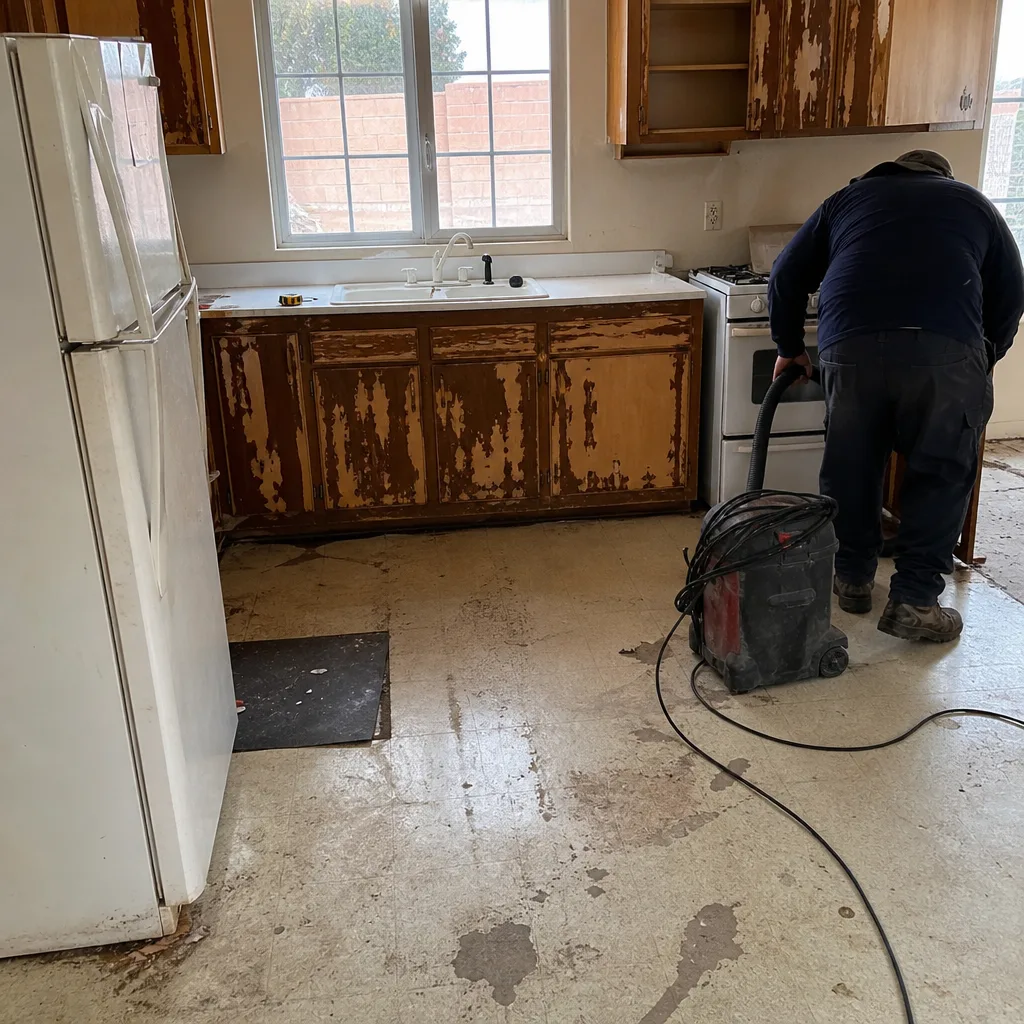
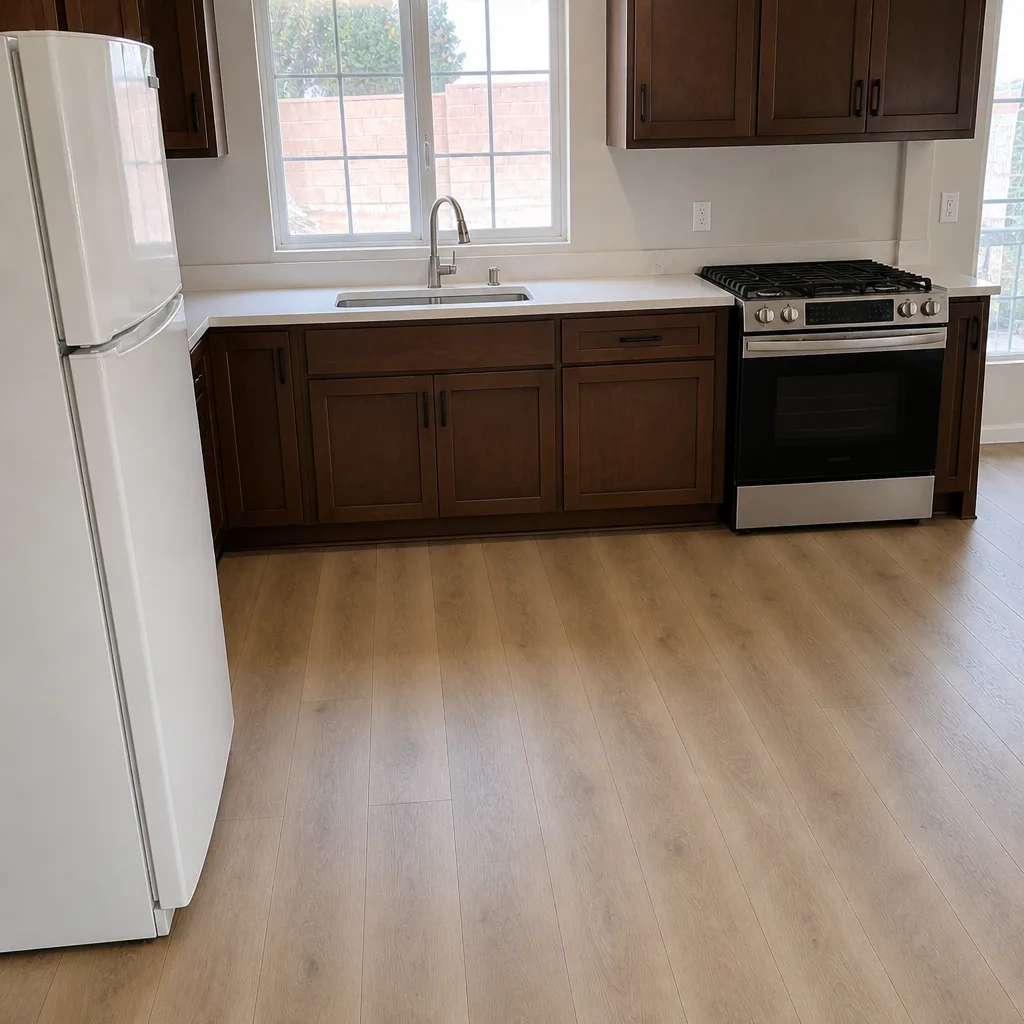
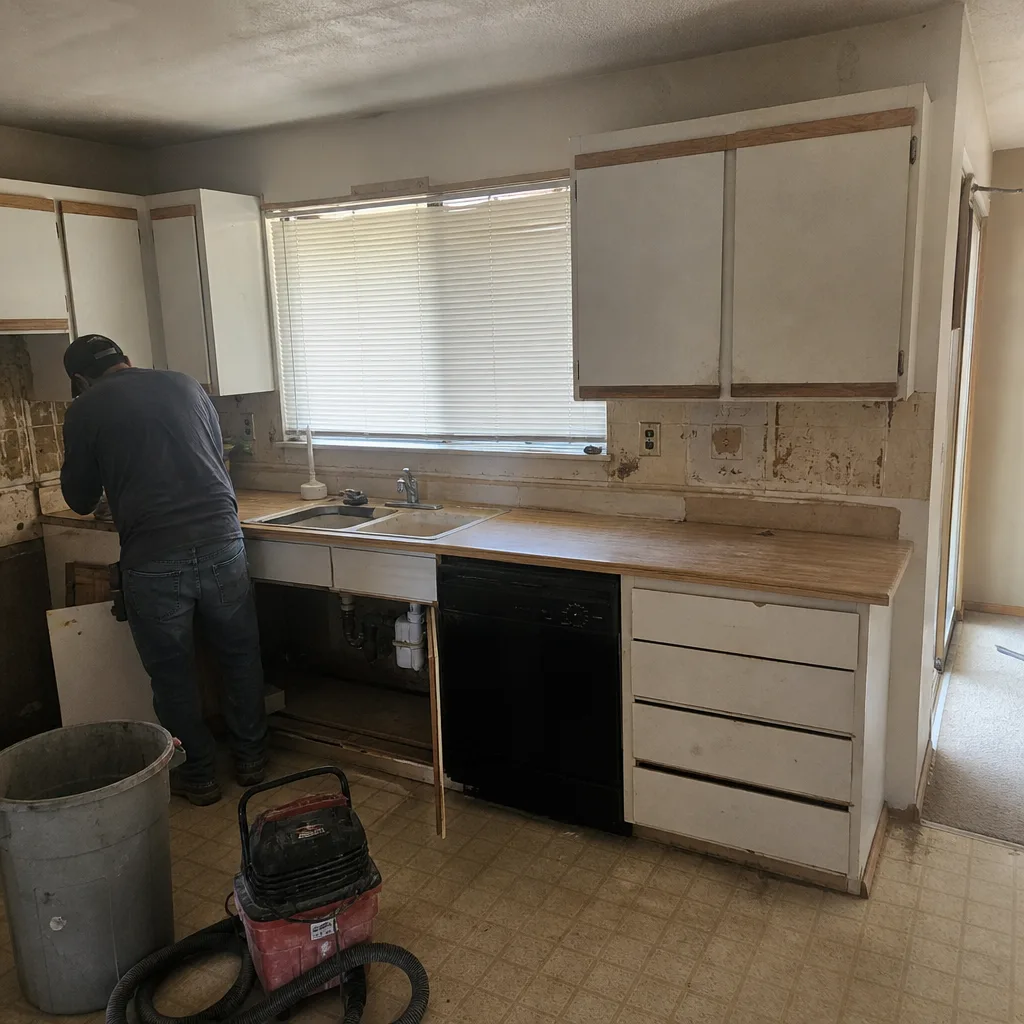
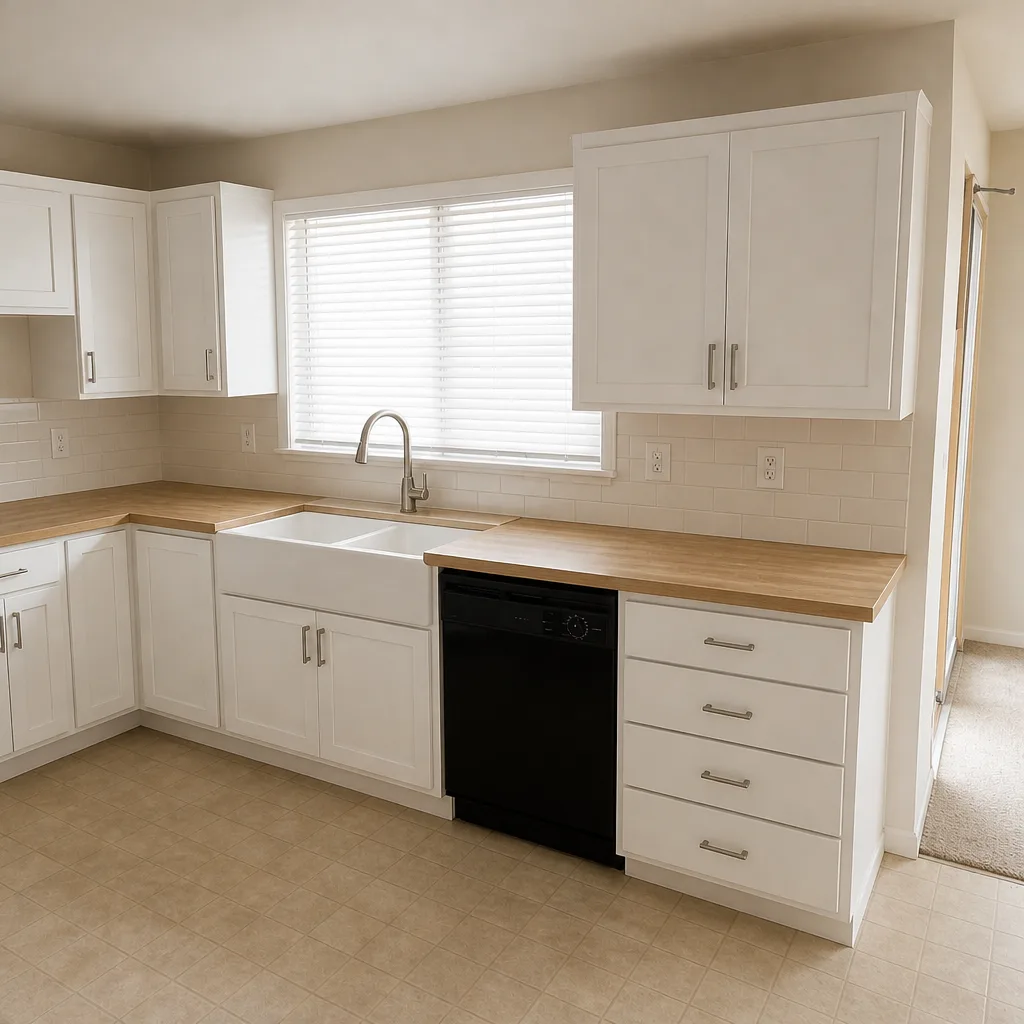
See the difference
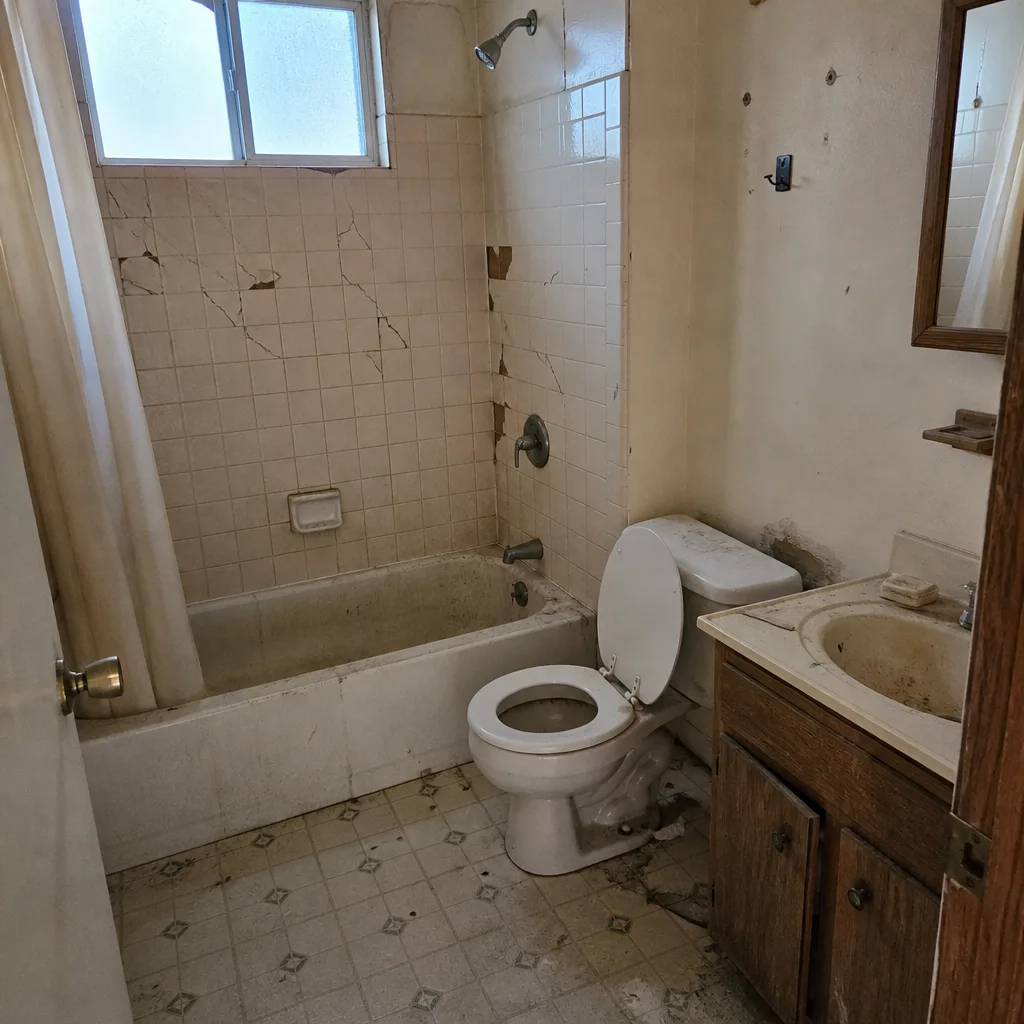 Before
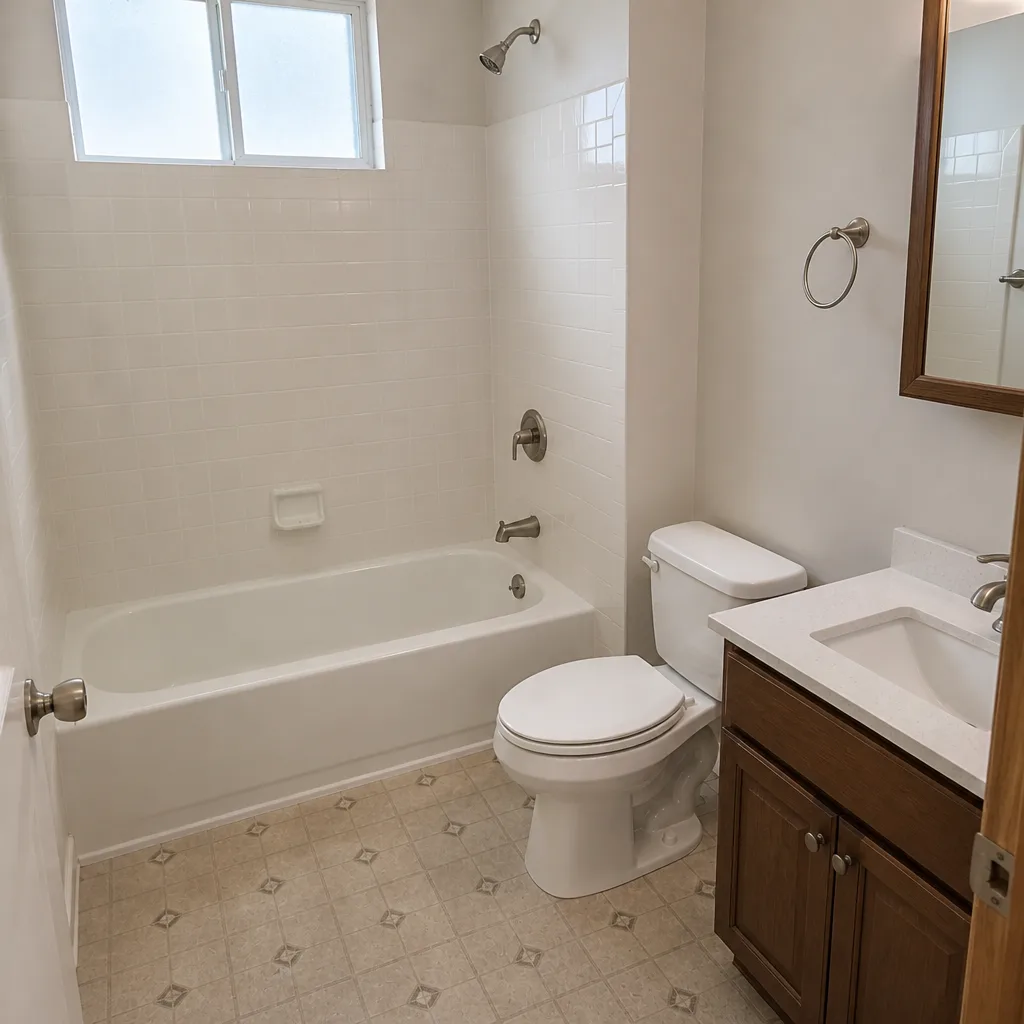 After
 Before
 After
 Before
 After
When to Call a Professional
Some window and door care is genuinely DIY: washing glass, re-caulking, replacing a piece of weatherstripping, tightening a threshold. The line gets crossed when the work involves removing a unit, working at height, or touching the building envelope. Call a pro if you’re seeing interior fogging between panes, if a door won’t seal or sticks badly, if you see water staining or lifted stucco around any opening, if a bedroom window needs replacement (egress is a code question, not a hunch), or if you’re planning a full-frame replacement on more than one window. Climbing a ladder on a Boulder City afternoon in July to pull a window is a bad idea, and a fall from a second-story window is a life-changing event. Our technicians have up to 12 years of experience with these jobs, and they’re background-checked and arrive in uniform. Groundwork Construction Co. of Boulder City offers free estimates in Boulder City. Call (888) 282-1693 and we’ll walk the house with you.
Frequently Asked Questions
Most Boulder City homeowners spend in the range of $550 to $1,200 per window for a full-frame replacement, depending on size, frame material, and glass package, with fiberglass and premium vinyl at the top of that range and larger picture windows running higher. A sash-only swap typically runs $350 to $600 per window, but it only makes sense when the existing frame is sound. Entry doors usually land between $1,800 and $4,500 installed, and patio sliders between $2,500 and $6,000. Call (888) 282-1693 for an exact quote on your home; estimates are free.
It shouldn’t, and on a properly scoped job it won’t. The reason we itemize the quote line by line is so there’s nothing left to surprise you with once the first window comes out. The only legitimate change-order scenarios are hidden damage behind the wall (rotted framing, failed flashing, missing insulation) that nobody could see until the old unit came out, and we document and price those in writing before any work continues. The number you see is the number you pay, and the 730-Day Done Right Promise backs the workmanship in writing.
Yes, for any replacement that requires one. A full-frame replacement, any change to the rough opening, or any change to a bedroom egress window requires a Boulder City building permit and inspection, and we pull it and coordinate the inspection as part of the job. A straight like-for-like sash swap sometimes doesn’t require a permit, but we’ll tell you clearly which category your job falls into before we order anything. We don’t start a job that needs a permit without one.
Most single-story Boulder City homes with a standard window count are completed in one to three days, and most of our jobs are finished in a single visit once the units are on site. The lead time on the windows themselves is usually the long pole: expect four to eight weeks from order to install for most brands, longer for special-order sizes or colors. A single entry door is typically a one-day install. We’ll give you the timeline in writing at the estimate.
On south- and west-facing walls, yes. Fiberglass moves at nearly the same rate as the glass it holds, so the seals stay tight through the daily temperature swings that break down cheaper frames, and it doesn’t chalk under UV. On the shaded north and east sides of a house, premium vinyl does the job for less, and we’ll tell you that. The right answer depends on the exposure of each wall, not on a single material for the whole house.
Interior fogging between the panes is the clearest sign, and it usually shows up on the sun-facing glass first. A close second is a door that suddenly drafts or sticks, which usually means the weatherstripping has compressed or the frame has moved. Catch either early and it’s a repair; wait and water gets into the wall, which turns a small fix into a framing and stucco job. Call (888) 282-1693 if you want us to inspect a suspect window; the visit is free.
The Bottom Line
Boulder City asks more of a window than most of the desert Southwest does, because the lake adds a humidity swing that dry-climate specs don’t plan for. Fiberglass frames with low-E, argon-filled dual-pane glass and an SHGC of 0.25 or lower are the strongest all-around choice, and the smarter play is to match the material to the exposure on each wall rather than buy one package for the whole house. Confirm Nevada Title 24 compliance, pull the permit on any full-frame job, ask for the NFRC label on every unit, and ask about the NV Energy rebate before you sign. Insist on a line-item quote that separates a full-frame replacement from a sash swap, and keep up with the spring and fall weatherstripping inspection. That’s how your windows and doors handle Boulder City, and how a good installation in this town stays good for 25 years.
Groundwork Construction Co. of Boulder City is a full-scope construction partner connecting homeowners with independent local professionals who do the work. Every project carries the 730-Day Done Right Promise, calls are answered by a live person 24/7, and pricing is upfront with no surprises. Our technicians have up to 12 years of experience. If your windows and doors are ready for replacement, call (888) 282-1693 to schedule your free estimate and get a written, itemized quote. We’ll walk the house with you, tell you what actually needs to be replaced and what doesn’t, and put the answer in writing.
Written by the team at Groundwork Construction Co. of Boulder City.