Last updated November 18, 2026


Free written scope consultation - allowances, timeline, and change-order rules on paper before a single trade is scheduled
DIY vs Professional Driveway & Pavers: What’s Safe to Do Yourself
Here’s the counterintuitive truth about paver driveways: the phase most homeowners want to DIY (laying the pavers) is the phase most forgiving of small errors, and the phase they’d rather hire out (excavation and base prep) is the one that destroys the whole project if it’s off by half an inch. We’ve seen homeowners spend three weekends hand-setting a beautiful paver pattern over a base that was never compacted properly, then watch it heave and settle through a single Mojave summer. This guide breaks a paver project into its eight real phases and tells you, honestly, which ones you can safely handle and which ones belong to a crew with the right equipment. If you’re weighing DIY driveway pavers against hiring a contractor in Boulder City, read the phase breakdown before you rent anything.
Quick Answer
For Boulder City homeowners, laying pavers is learnable DIY, but excavation, grading, and base compaction are not. Because our desert soil and 100°F-plus summers make base failures fast and expensive, the compaction phase is the one part of a driveway project you should almost always leave to a professional with commercial equipment. If you want to save money yourself, legitimately do the demolition, material staging, and pattern layout planning while a crew handles the base.
Styles & brands we work with
- Kitchen remodeling
- Bathroom remodeling
- Home additions & ADU
- Roofing
- Windows & doors
- Driveway & pavers
- Fence
Table of Contents
- Phase-by-Phase Breakdown of a Paver Driveway Project
- Why Base Compaction Is the Non-Negotiable Professional Phase
- What a Plate Compactor Rental Can and Can’t Replicate
- The Hidden Cost of DIY Mistakes in Base Work
- What a Homeowner Can Legitimately Do to Cut Costs
- How Boulder City Permits Affect Who Can Do the Work
- Boulder City Climate and Soil: Why Location Matters for Pavers
Phase-by-Phase Breakdown of a Paver Driveway Project
Every paver driveway, whether it’s 400 square feet in Boulder City or an estate driveway in the hills, moves through the same eight phases. The skill and equipment demands vary wildly from one to the next. Here’s our honest read on each.
- Excavation. Removing existing concrete, asphalt, or soil to the right depth and hauling it off. Requires a skid steer or excavator, a dumpster or dump trailer, and the ability to read grade stakes. DIY possible for small, easy-access sites with a rented mini-excavator, but the margin for error on depth is thin.
- Grading and slope. Shaping the subgrade so water sheds toward the street, not toward your garage slab or foundation. Requires laser or string-line leveling and an understanding of the local drainage pattern. DIY risky; a 1% error in slope means ponding water every monsoon season.
- Base compaction. Spreading and compacting 4 to 8 inches of class II base rock in lifts, with each lift compacted to 95% density. This is the phase where professionals earn their keep. A plate compactor in a homeowner’s hands rarely achieves what a commercial plate or vibratory roller does.
- Bedding sand. A 1-inch screeded sand layer over compacted base. Learnable, but the screeding itself takes practice; a fouled bedding layer telegraphs through the pavers as an uneven surface.
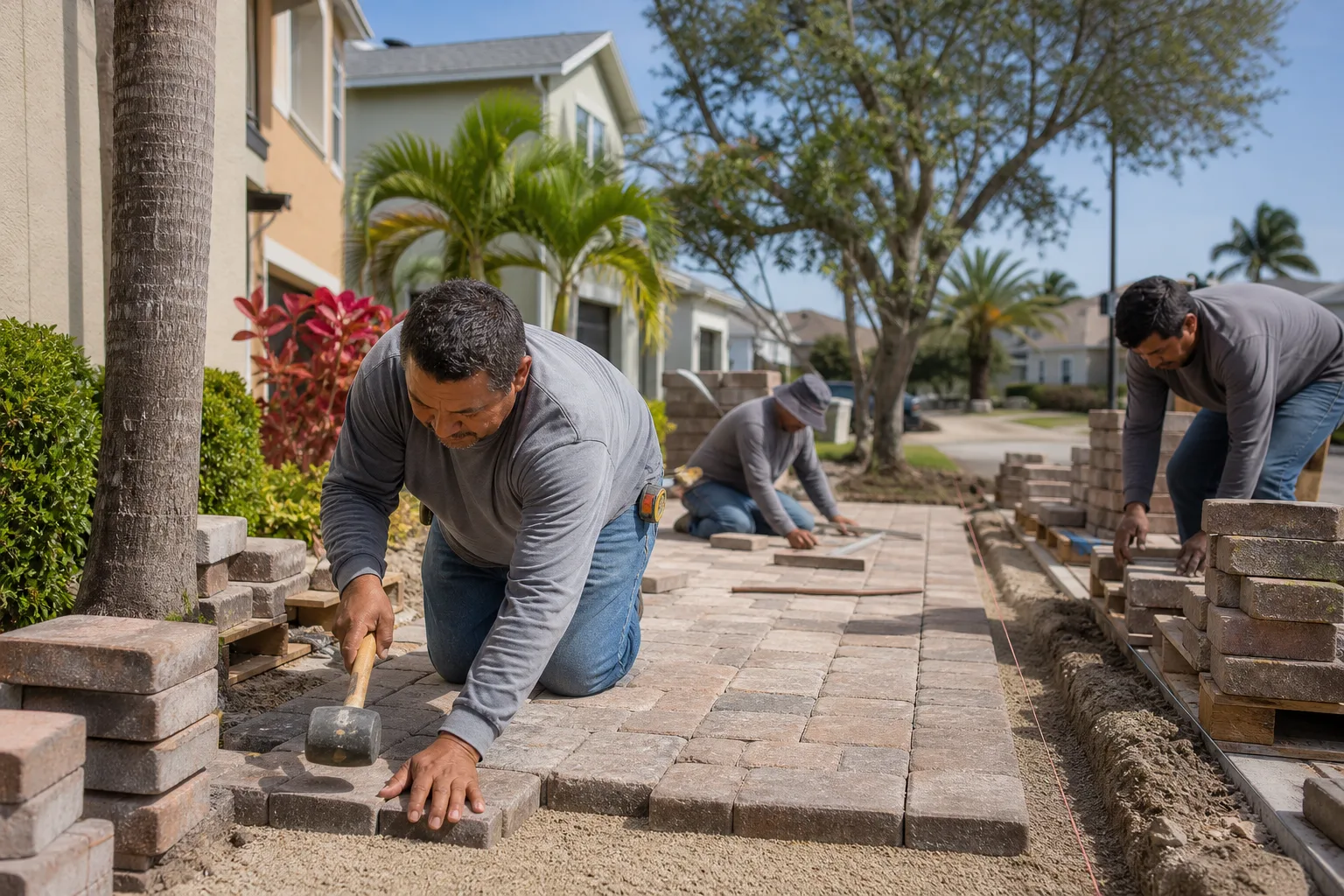
- Paver laying. Setting pavers in the chosen pattern, working from a fixed line and keeping joints tight and consistent. Genuinely learnable. Slow going, but the mistakes here are cosmetic and fixable one paver at a time.
- Cutting. Wet saw or angle grinder with a diamond blade for edges, curves, and penetrations. Learnable for edge cuts; a wet saw rental costs around $80 to $120 per day in Boulder City.
- Edge restraint. Aluminum or plastic edge fixed into the base with spikes to keep the paver field from spreading. Mechanical but unforgiving; edge restraint failures mean the whole paver field creeps open over a season or two.
- Joint sand and final compaction. Polymeric or stabilized sand swept into joints, then a final pass with a plate compactor. This step uses residential-scale equipment even on professional jobs, so it’s the most DIY-friendly of the “professional” phases.
Read that list again and you’ll notice the pattern: every phase that touches the structural integrity of the driveway depends on compaction and precision. Every phase that follows the base is cosmetic. That’s the real line between DIY and professional work in Boulder City and everywhere else.
Why Base Compaction Is the Non-Negotiable Professional Phase
Base compaction is the one phase in a paver driveway where a mistake isn’t just visible; it’s structural, and it doesn’t show up until the second or third monsoon season, long after the pavers look finished. Compaction is measured in percent of maximum dry density. Industry standards call for the base layers to reach 95% density at the required moisture content. Hit that number and you get a driveway that rides like concrete for fifteen years or more. Miss it and you get settling, rutting, and shifting, and no amount of joint sand will fix it.
The reason a professional crew gets to that number has less to do with skill and more to do with three things a homeowner working alone basically can’t recreate:
- Commercial compaction equipment. A walk-behind vibratory plate compactor pushes energy into the soil with heft and vibration amplitude a rental plate can’t match. Reversible plate compactors and small ride-on rollers used on larger driveways apply several times the compaction energy of a residential rental unit.
- Lift thickness discipline. Base rock must go down in lifts (typically 2 to 4 inches) with each lift compacted before the next is added. A homeowner trying to save time spreads the full base at once, and the bottom of that pile stays loose no matter how long they run the plate on top of it.
- Moisture control. Base compacts best at a specific moisture content. In Boulder City’s dry air, base rock dries out fast, and a crew knows to water and re-till for best density. Dry base doesn’t reach density no matter what equipment is used on it.
In our experience working in Boulder City, driveways that fail through the base almost always trace back to a base only partly compacted, then covered up. That’s the phase where the phrase “what you can’t see matters most” actually earns its keep.
What a Plate Compactor Rental Can and Can’t Replicate
A plate compactor rental from a Boulder City equipment outfit costs roughly $80 to $150 per day, and yes, it’s a real compactor. But comparing it to what a professional crew uses on a driveway base is like comparing a garden tiller to a skid steer. Both turn dirt. Only one is the right tool for the job.
What a rental plate can do:
- Compact a thin (1 to 2 inch) base lift on small areas with patient back-and-forth passes.
- Do a final surface compaction over installed pavers after joint sand is swept in.
- Tamp down point repairs and small utility cut restorations.
- Handle moderate compaction on walkways and patios under 300 square feet.
What a rental plate usually can’t do:
- Reach 95% density across a full drive’s worth of base, especially deeper than 4 inches.
- Compact fast enough to keep a full driveway job economically viable; you’d need to run the plate for far longer than an experienced crew, and your time has a cost.
- Match the moisture content discipline a crew uses out of habit, which is a critical factor most DIY guides skip entirely.
- Handle large-scale grading or hauling; rentals are small and slow compared to a skid steer.
We’ve seen homeowners in Boulder City rent a plate, run it across their base for eight hours, and still end up with a driveway that settles within two years. The plate wasn’t broken. The job just needed more compaction energy than a residential rental provides.
The Hidden Cost of DIY Mistakes in Base Work
Homeowners sometimes think a base mistake means digging up the base and starting over. It’s worse than that. When the base settles, everything above it moves with it, and the entire paver field has to come back up. That means resetting every paver, re-screeding the bedding sand, and re-doing the edge restraint. You don’t just redo the phase you got wrong; you redo every phase after it.
Here’s a realistic cost picture for a typical 500-square-foot Boulder City paver driveway when base work goes wrong:
- Renting the plate compactor in the first place: $80 to $150 per day, plus your time.
- Removing and resetting pavers: $3 to $6 per square foot in labor for resetting, on top of any paver breakage.
- Re-doing base rock: new class II base rock at roughly $30 to $50 per ton, delivered. A typical driveway base is several tons.
- Re-screeding bedding sand: $1 to $2 per square foot in materials plus your labor.
- Replacing cut pavers that broke on the way back up: varies, but edges and curves are where the highest breakage happens.
- Rented dumpster for old base removal: $400 to $600 for a full driveway’s worth of material disposal.
Add up the whole reset and a base failure from DIY errors often costs more than the professional compaction phase would have cost in the first place. That’s the trap: DIY saves money right up until it doesn’t.
What a Homeowner Can Legitimately Do to Cut Costs
We don’t want to talk you out of every DIY opportunity. There are three phases where you can honestly save real money on a Boulder City paver project, and none of them involve cheating the base.
1. Demolition of existing concrete or asphalt
Pulling up and hauling away an old concrete driveway is sweaty, unskilled labor that a determined homeowner can do with a rented demolition hammer and a dumpster. Expect to spend a weekend on a typical residential driveway. You’ll save the labor line in the contractor’s bid, which is typically $2 to $4 per square foot. Hire the hauling if you don’t have a truck and trailer.
2. Material staging and delivery coordination
You can order the base rock, bedding sand, pavers, and edge restraint yourself and have them delivered to a staging spot on your property, saving the markup a contractor often applies to materials. This only works if your driveway can physically accept a delivery truck and if you’ve measured precisely. If you under-order pavers, a mid-job reorder can add days and shipping cost, so get the takeoff and layout plan from a professional before you call the supplier.
3. Pattern layout planning
Choosing a pattern (herringbone, running bond, basket weave) and mapping it onto a scaled drawing of your driveway is real planning you can do yourself, and doing it well means fewer paver cuts and less waste. Bring the drawing to your contractor, and they’ll tell you which patterns work best with the pavers you’ve chosen. Do this in Boulder City’s dry heat with a shade umbrella and a lemonade; it’s the only phase where you can sit still.
What a homeowner can’t legitimately DIY is compaction, grading, and edge restraint that requires specific equipment and site discipline. Those are the phases a crew has to run.
How Boulder City Permits Affect Who Can Do the Work
Any driveway that touches the public right-of-way, changes curb lines, or crosses a sidewalk typically requires a permit from the City of Boulder City before work begins. The good news: in Boulder City, permits for a residential paver driveway are usually straightforward when the scope is a straight replacement. The permit process cares about several specific things that affect who can legally do the work on your behalf:
- Contractor licensing. A permit holder for structural or right-of-way work generally has to be a licensed contractor. A homeowner can sometimes pull an owner-builder permit for their primary residence, but the scope and inspection requirements are tighter, and the owner-builder permit can complicate things if you later sell.
- Right-of-way and drainage. If your driveway drains toward the street, the city will want to see that the slope and grade don’t push water onto the sidewalk or neighboring property. A homeowner grading plan that doesn’t address this will get sent back.
- Inspections. Base and final inspections are typical. A professional working for you handles scheduling, corrections, and sign-off; you’re on the hook for those if you’ve pulled the permit yourself.
- Neighborhood associations. Boulder City has older historic neighborhoods where a specific paver style or color might be restricted by guidelines. The professional or designer doing your material selection will usually check this for you.
If you’re hiring a contractor, confirm they’re pulling the permit in their own name and are licensed and insured. The Driveway & Pavers in Boulder City service page lays out what you should ask before work starts.
Boulder City Climate and Soil: Why Location Matters for Pavers
Boulder City sits in a high desert basin with 100°F-plus summer days, cool winters, and a soil profile that moves noticeably between seasons. That combination makes paver base quality a bigger deal here than in, say, coastal California or the Pacific Northwest. Here’s what that means in practice:
- Summer heat stress. Pavers and base rock heat to 140°F or hotter in direct July sun. That heat expands pavers and drives moisture out of the bedding sand, putting more pressure on the base and the joint sand. Proper compaction is what holds the field together when pavers expand.
- Monsoon season. When late-summer storms hit, a driveway that sheds water correctly (from grading) stays intact; one that pools water at the base edge will settle. We’ve seen Boulder City driveways fail faster from a single poorly-graded monsoon season than from a decade of dry heat.
- Expansive soil in patches. Parts of the Boulder City area have clays that swell and shrink with moisture. A compacted, properly drained base isolates pavers from that soil movement; an under-compacted base doesn’t.
- Wind-blown dust and sand. Our local wind delivers sand into paver joints. Polymeric joint sand that’s been properly compacted in place resists that migration; loose, un-compacted sand blows out by the end of the first season.
The upshot: the base compaction phase isn’t just an industry standard, it’s specifically what keeps a paver driveway working through the extremes this part of Nevada throws at it.
Common Mistakes to Avoid
- Spreading the whole base in one pass. Homeowners trying to save time skip lift compaction, and the bottom of the base never reaches density. This is the single most common failure we see in Boulder City on DIY driveways.
- Underestimating the excavation depth. Pavers are only the top 2 to 3 inches; the base and bedding below add another 5 to 9 inches. Dig too shallow and your finished driveway ends up higher than the surrounding grade, which creates a trip-edge and drainage problem.
- Grading toward the house instead of away. If you get the slope wrong, water pools against the slab edge and you get freeze-thaw and differential settlement along the foundation line. In Boulder City, we’ve seen this happen most on driveways that were graded casually without a level.
- Renting a plate compactor and calling it done. A small plate is a real tool but can’t match commercial compaction energy on a full driveway base. Rent the plate, but rent it for edge work, not the main field.
- Mis-ordering materials. Ordering 5% less pavers than the layout requires means a mid-job shipment delay, cutting waste that was already calculated, and sometimes a color lot mismatch. Get a proper takeoff before you order.
- Skipping polymeric joint sand. Plain sand blows out in our wind within a season. Polymeric sand (silica or stabilized) locks in place and is what professional crews in Boulder City use as standard.
- Cutting pavers without a wet saw. Dry angle grinders kick up silica dust that’s hazardous to breathe, and the cuts are less clean. Rent a wet saw, wear a respirator, and remember that dry-cutting is where most DIY paver injuries happen.
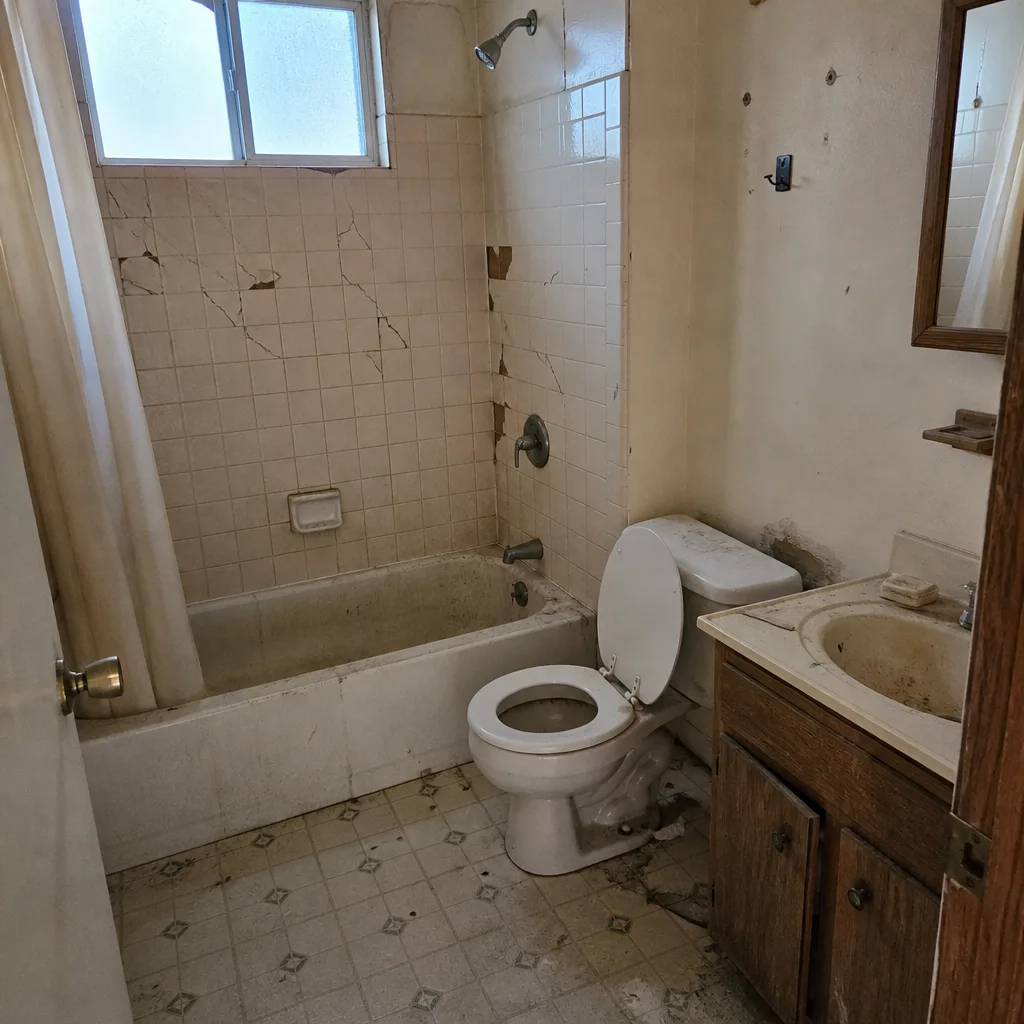
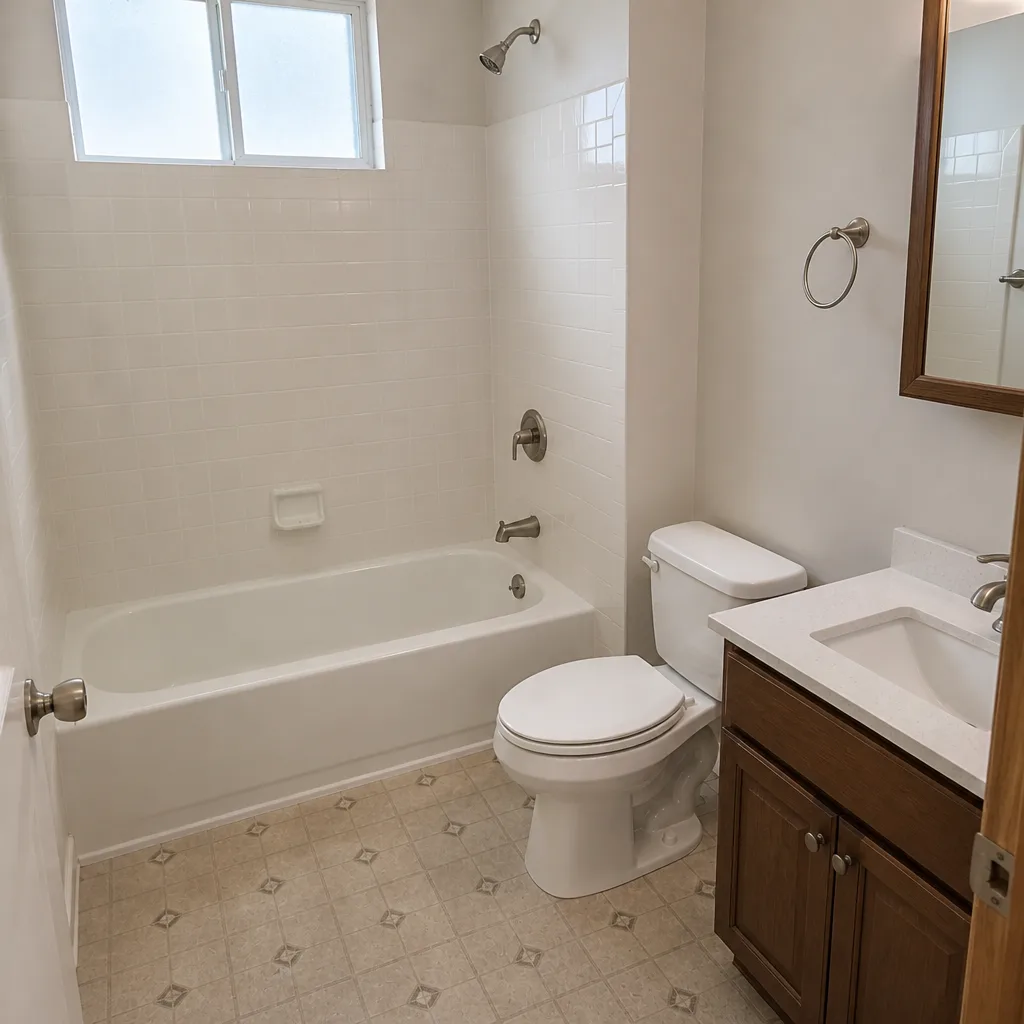
See the difference
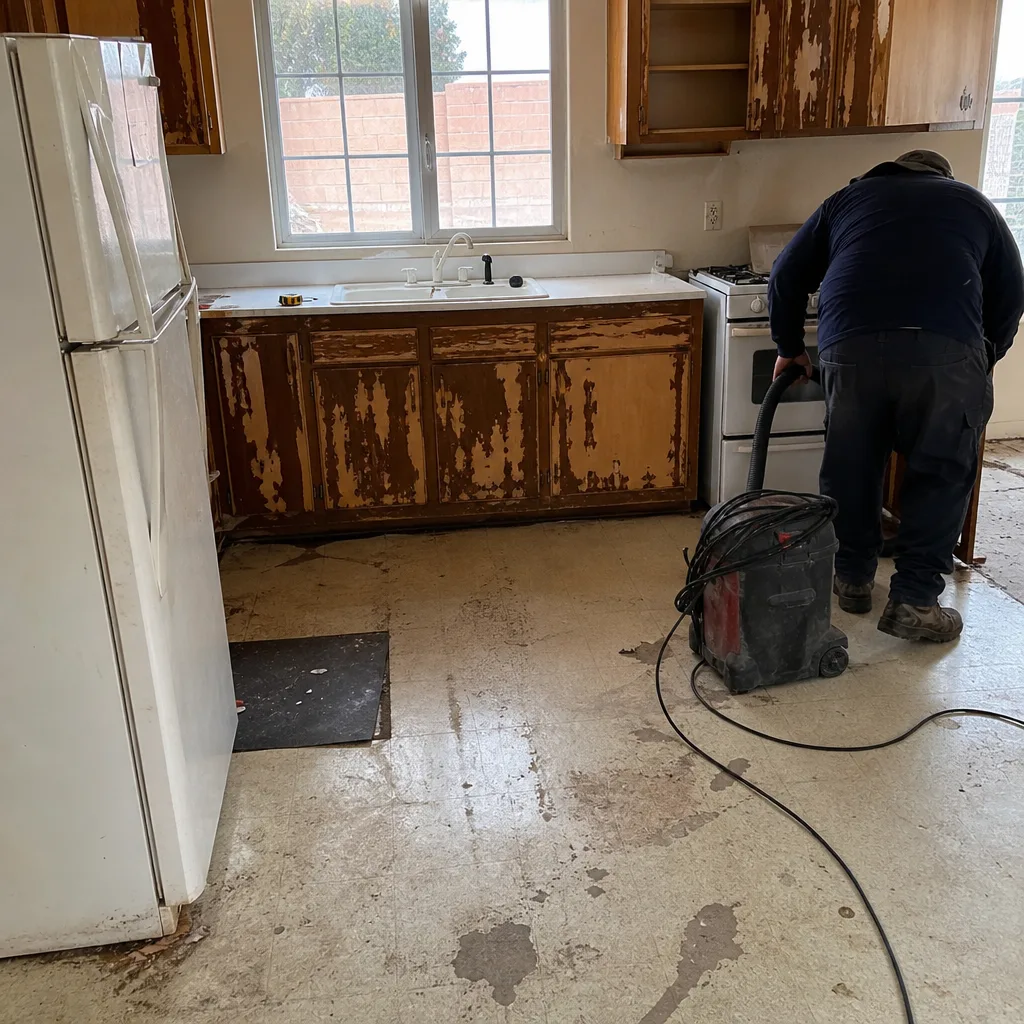
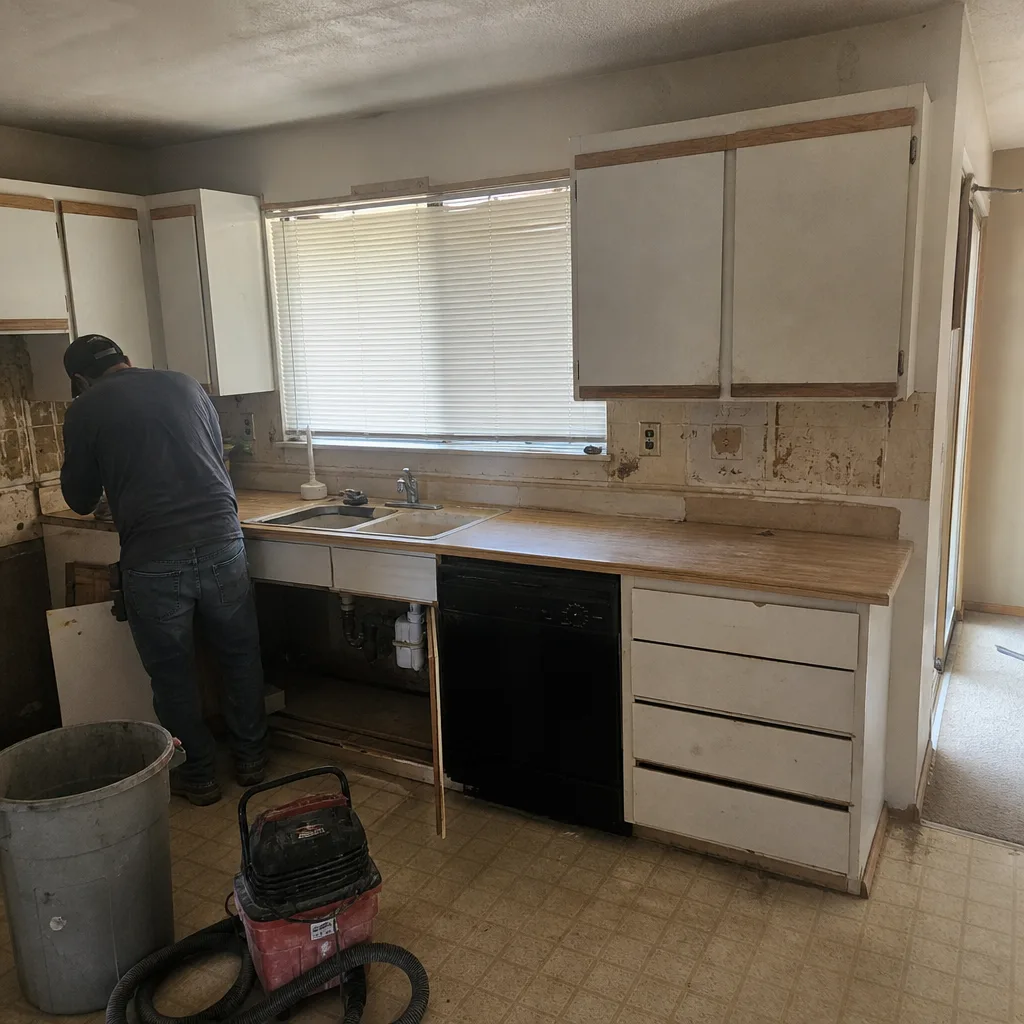
 Before
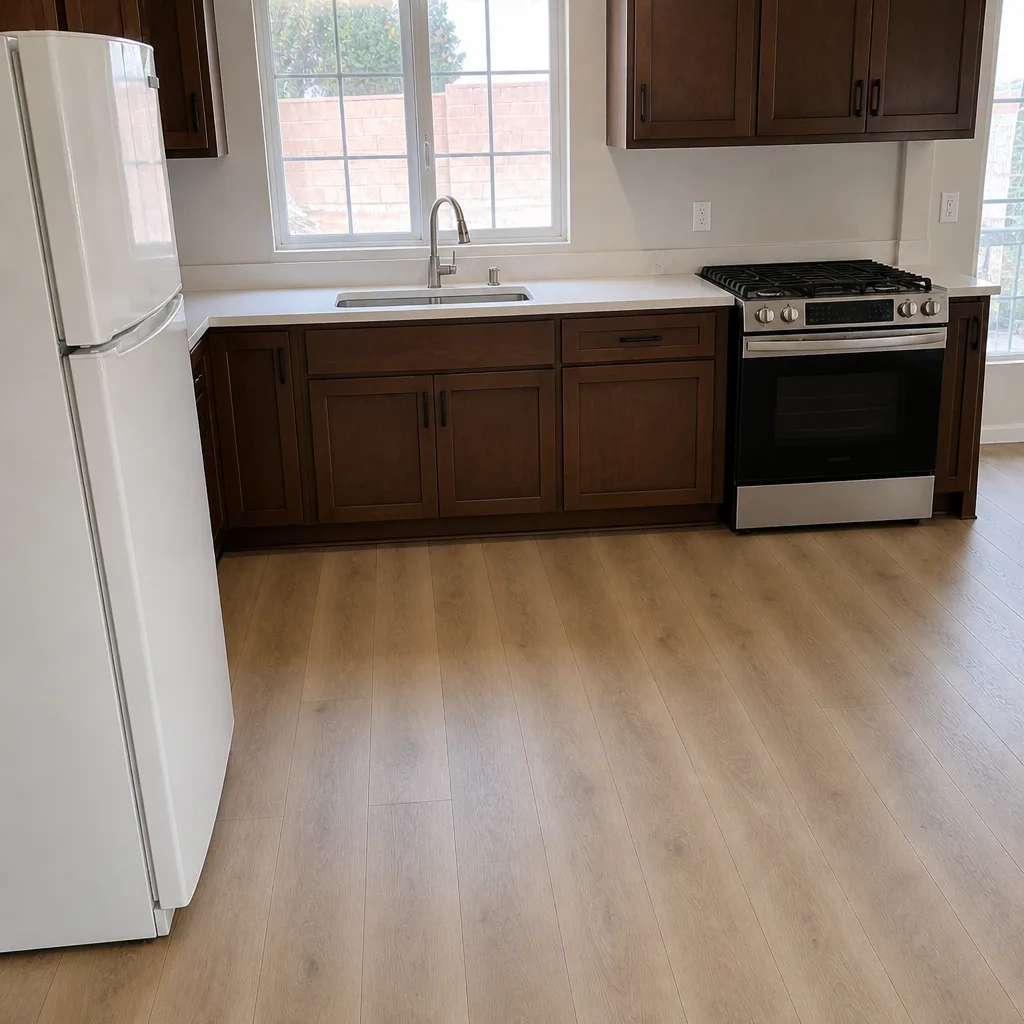
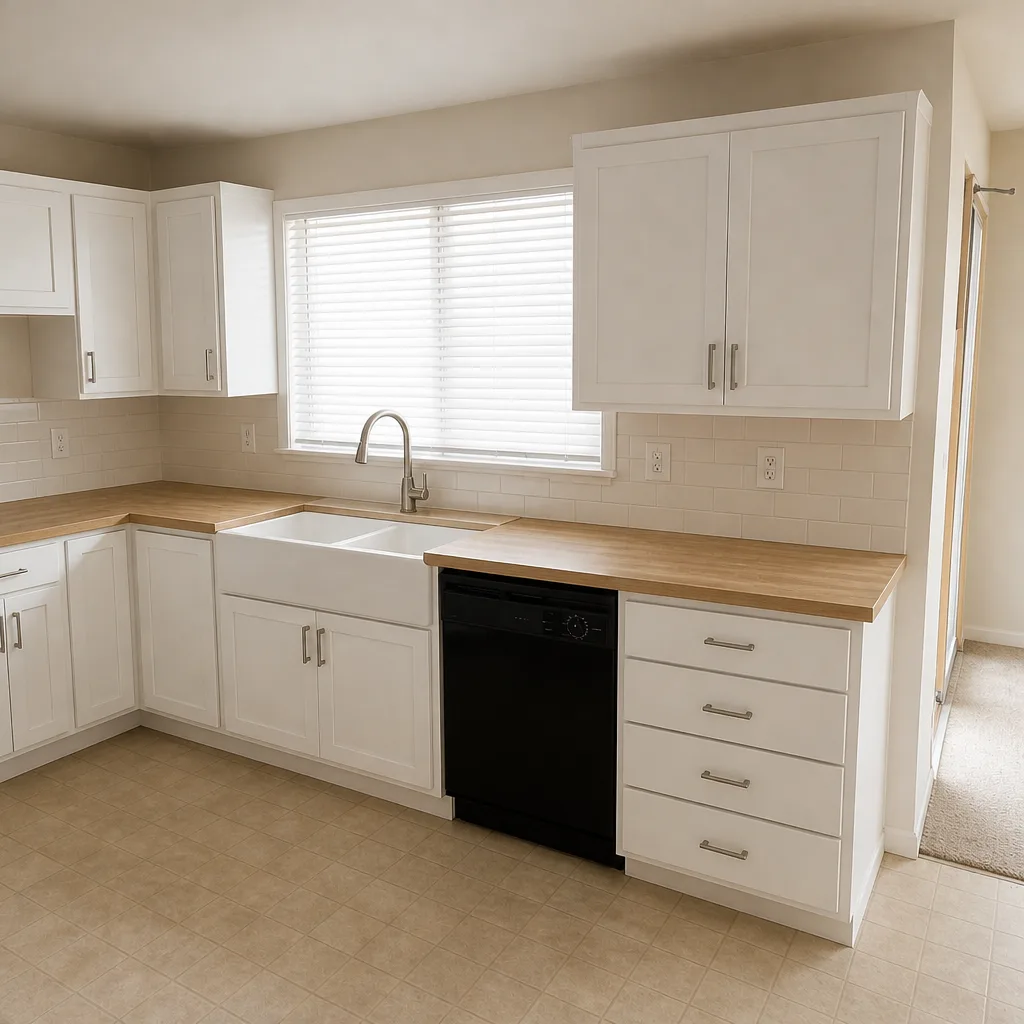
 After
 Before
 After
 Before
 After
When to Call a Professional
Call a professional when your project involves base compaction, grading that must meet a permit or drainage requirement, or any driveway over roughly 300 square feet. Also call a pro if you have expansive clay soil, if your driveway abuts a foundation, if the site has ever had ponding water, or if you’re working on a Boulder City property in a neighborhood where material and pattern choices are regulated. Those variables are where the DIY savings disappear. A professional crew brings compaction to industry density, handles the permit, and stays accountable when the base and pavers need to coexist for the next fifteen years. Groundwork Construction Co. of Boulder City offers free estimates in Boulder City; call (888) 282-1693.
Frequently Asked Questions
Sometimes, but only if the existing concrete is structurally sound, has adequate drainage at the edges, and is thick enough to support the added paver and bedding sand layers without cracking. In Boulder City’s heat, older concrete often has hairline cracking that’s a warning sign. A professional should always evaluate the slab before recommending overlay, since doing it over failing concrete means both layers fail.
The base should be compacted to 95% of maximum dry density at the correct moisture content, in 2 to 4 inch lifts. That density is typically verified by a density test on commercial jobs and by feel and experience on residential projects. A homeowner with a rental plate rarely gets to that number across a full driveway, which is why compaction is the phase we most strongly recommend leaving to a professional crew.
Expect roughly $12 to $22 per square foot for a full professional installation, depending on paver choice, site access, and existing demolition. Base prep and compaction generally run about $3 to $6 per square foot of the total, and it’s the most important part of that cost. Call (888) 282-1693 for a free written estimate; we give upfront pricing with no change-order surprises.
Yes, especially in Boulder City, where wind-blown silica loves an open joint. Polymeric sand is what keeps paver joints locked and stable, and it’s the standard joint material on every professional driveway we install. Plain sand blows out within a season, and once joints open, pavers shift and edge restraint starts to work loose.
A well-built paver driveway in this climate lasts 25 to 30 years or more with routine maintenance like re-sanding joints every few years. Almost every premature failure we see traces back to inadequate base compaction or inadequate drainage, not to the pavers themselves. That’s another reason the structural phases deserve professional equipment.
Usually not for your own labor, and often not for work that wasn’t permitted. A licensed, insured contractor carries liability coverage for the work and any injuries on the job. If you’re going to DIY the demolition or material staging phases, confirm with your insurer first, and don’t DIY anything that requires a permit.
The Bottom Line
The paver-vs-professional question has a clean answer once you break the project into its eight phases. Excavation, grading, and base compaction are structural and equipment-intensive; those go to a professional with commercial equipment every time. Paver laying, cutting, joint sand, and final compaction over the finished field are learnable and forgiving, and demolition, material staging, and pattern layout are legitimately DIY-able cost savers. Splitting your project along that line is how homeowners in Boulder City save real money without covering up a base failure. And if you want a second opinion before you start, we’ll come take a look.
Groundwork Construction Co. of Boulder City builds driveways, fences, home additions, and kitchens and baths across the area, and every project carries our 730-Day Done Right Promise. When the work is done, if it isn’t right, we make it right. From foundation to finish line, the number you see is the number you pay. Call (888) 282-1693 today for a free estimate on your paver driveway or any other project on your list.
If you’re thinking beyond the driveway, our team also handles Fence Installation in Boulder City and Home Additions & ADU in Boulder City, and you can always start at our Groundwork Construction Co. of Boulder City home page to see the full scope.
Written by the team at Groundwork Construction Co. of Boulder City.