


Free written scope consultation - allowances, timeline, and change-order rules on paper before a single trade is scheduled
Styles & brands we work with
- Kitchen remodeling
- Bathroom remodeling
- Home additions & ADU
- Roofing
- Windows & doors
- Driveway & pavers
- Fence
See the difference
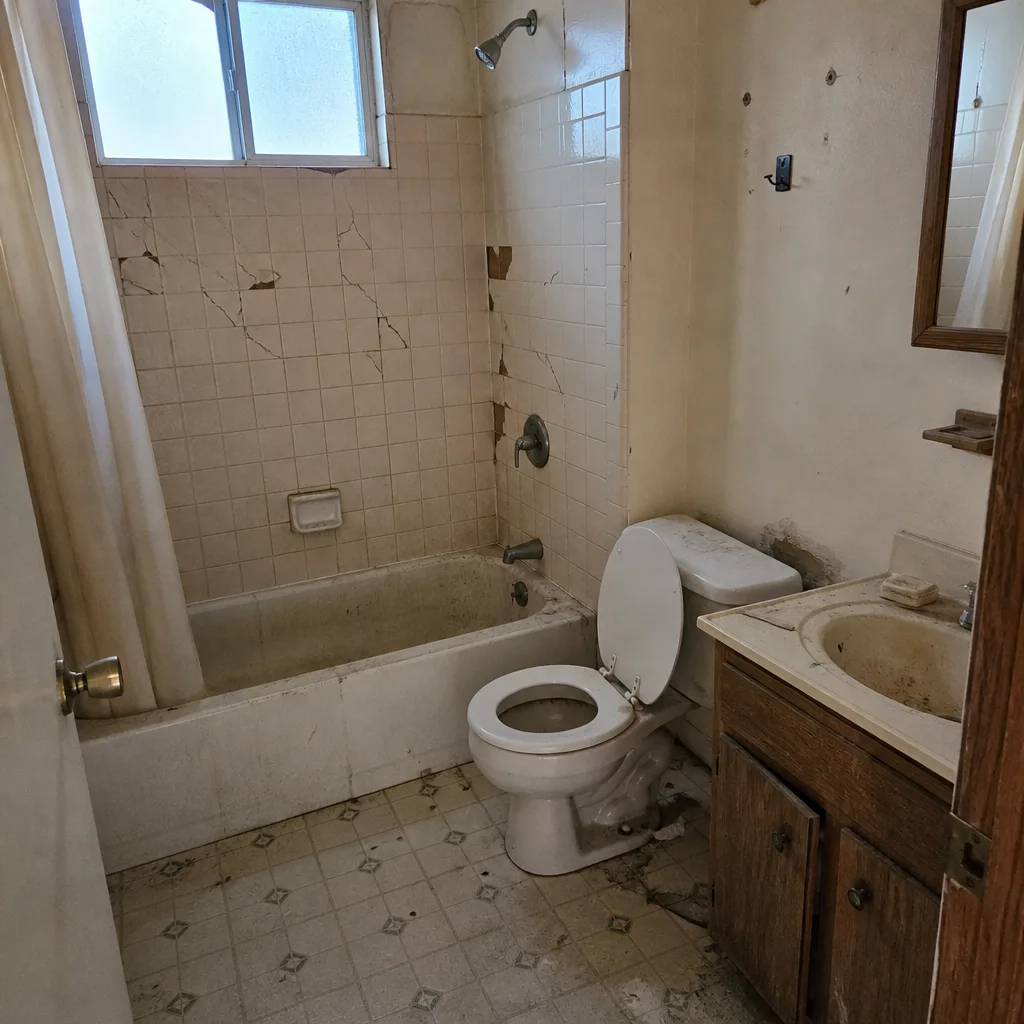 Before
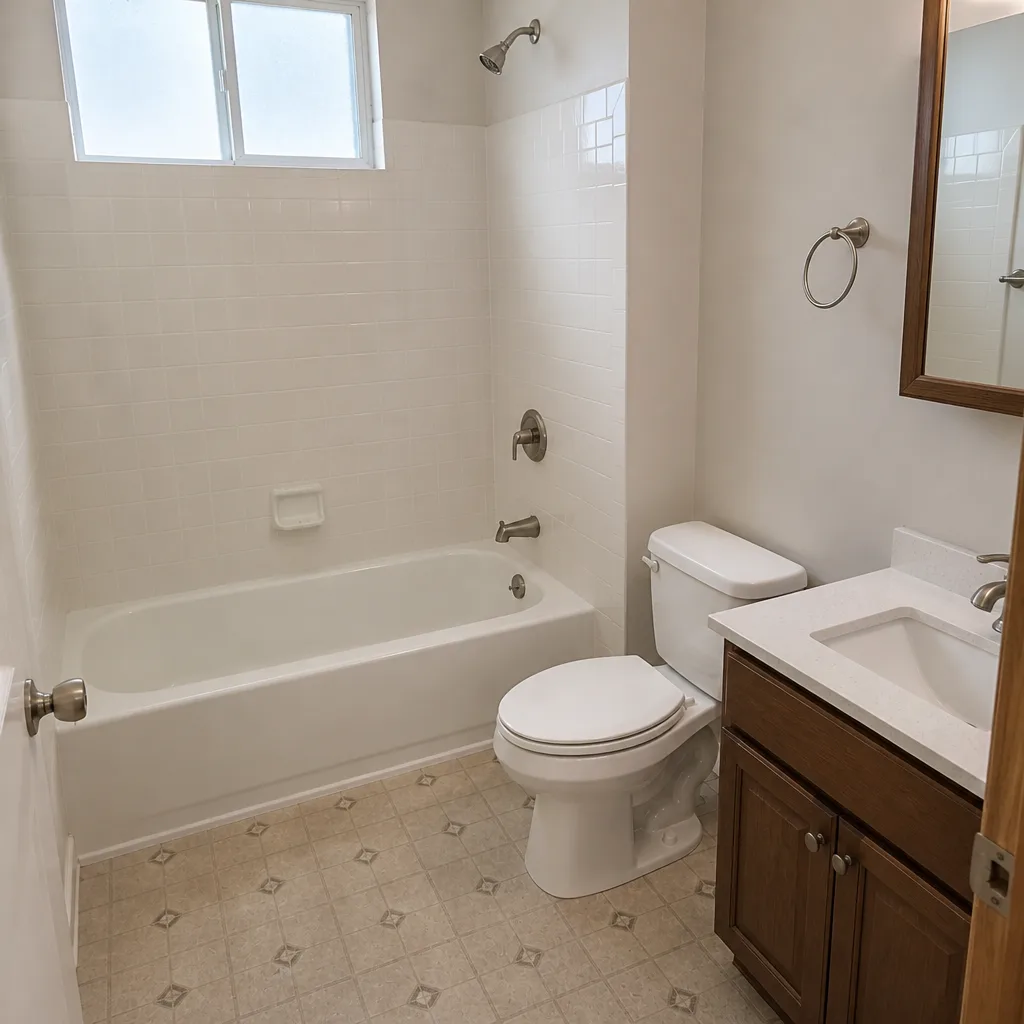 After
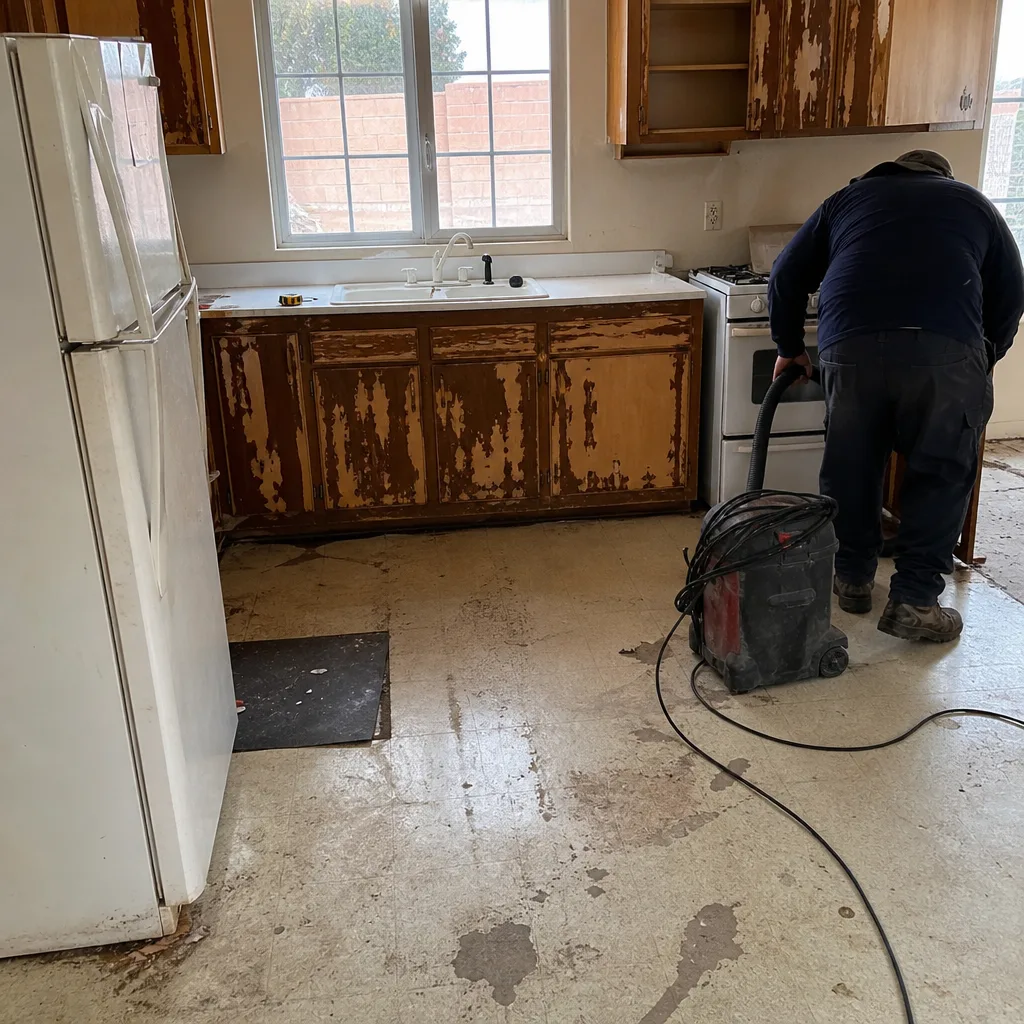 Before
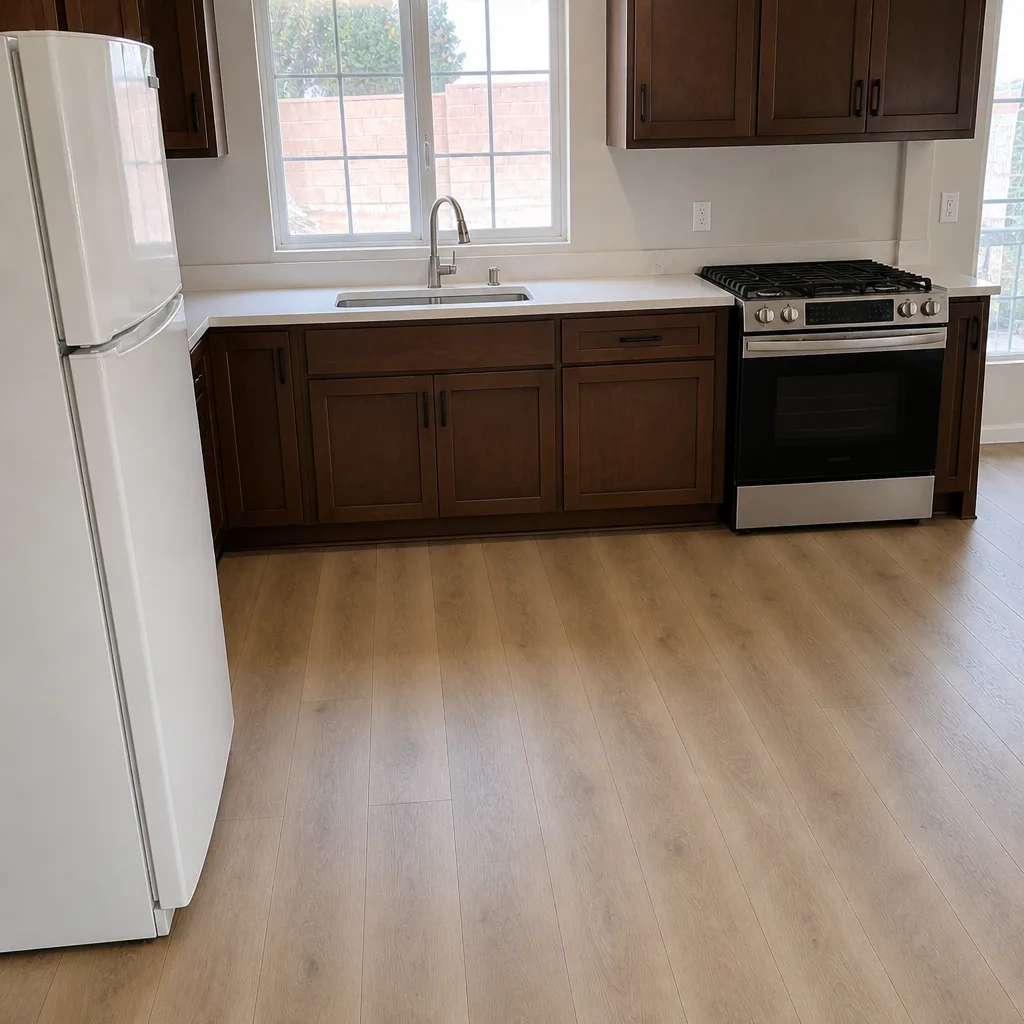 After
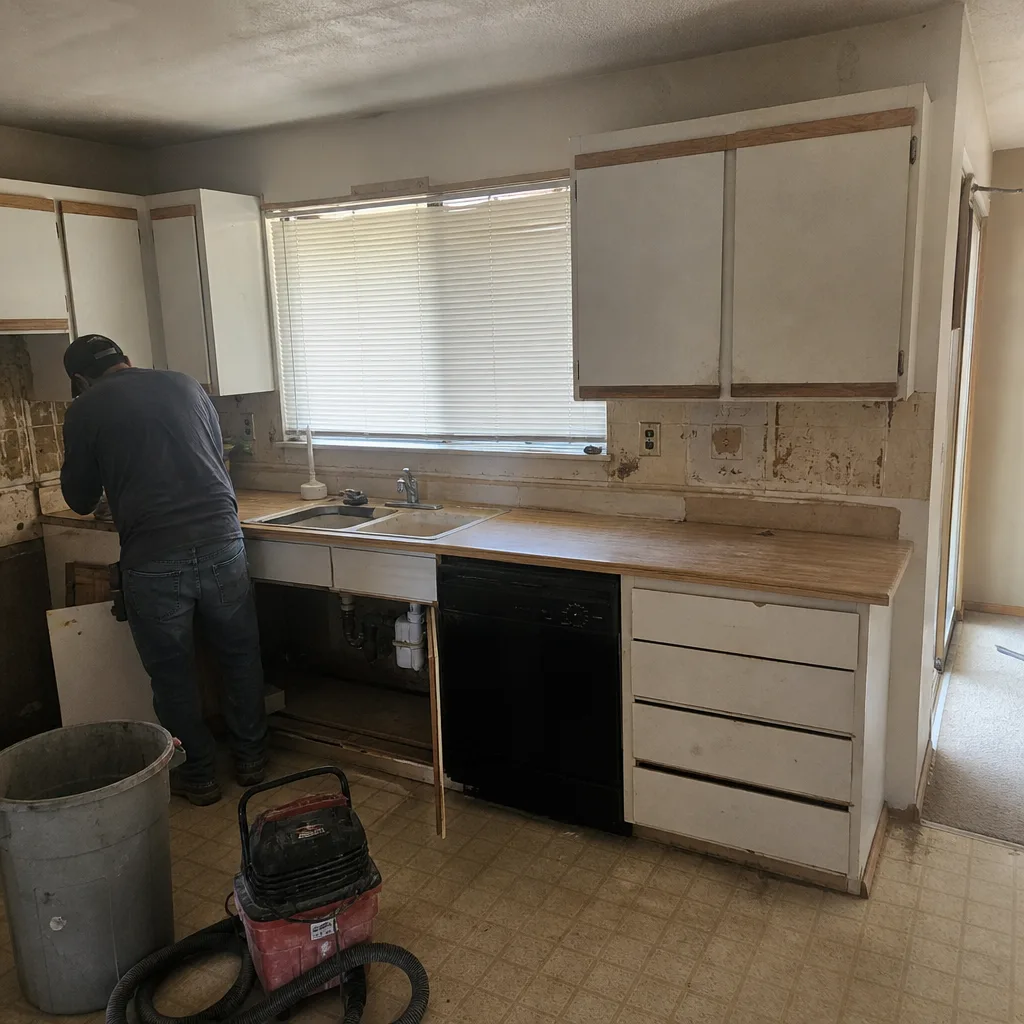 Before
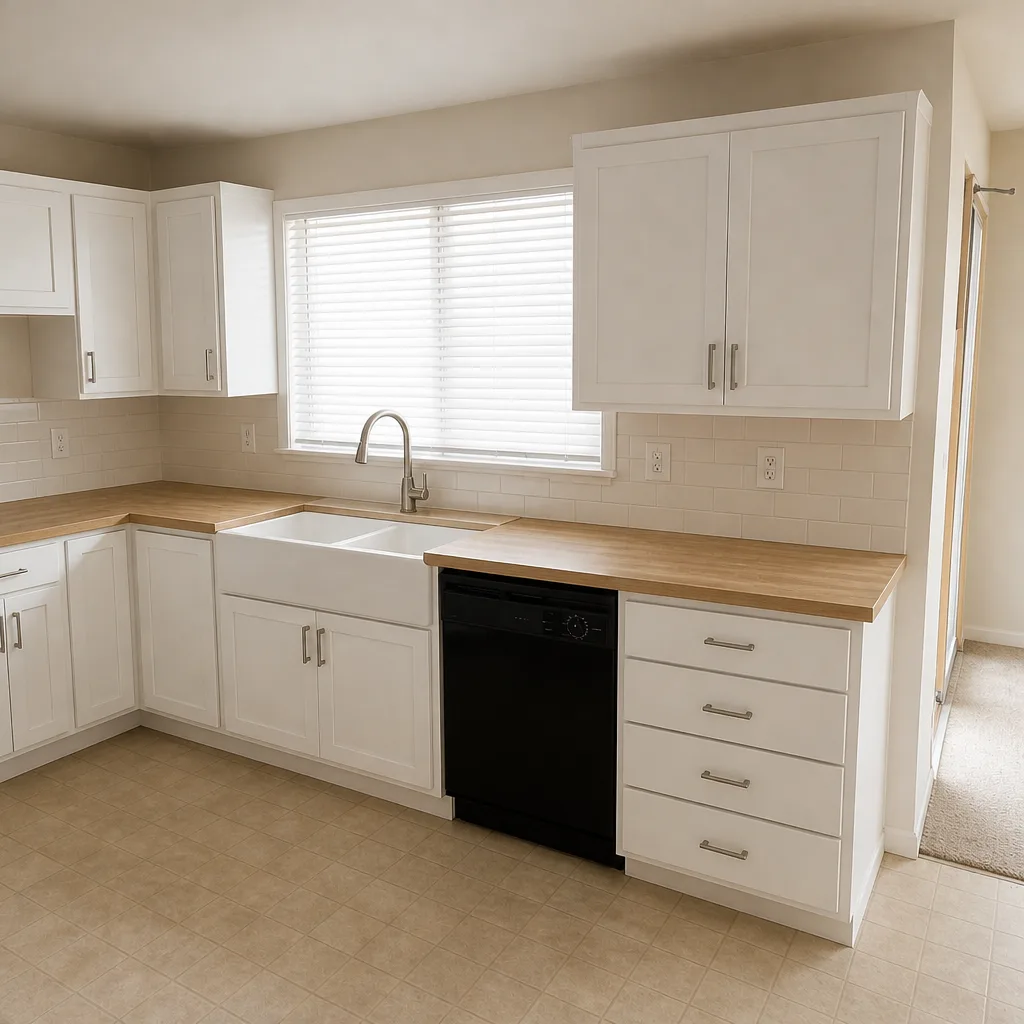 After
Chain Link vs. Wood Fence in Boulder City, NV: Which Material Survives Here?
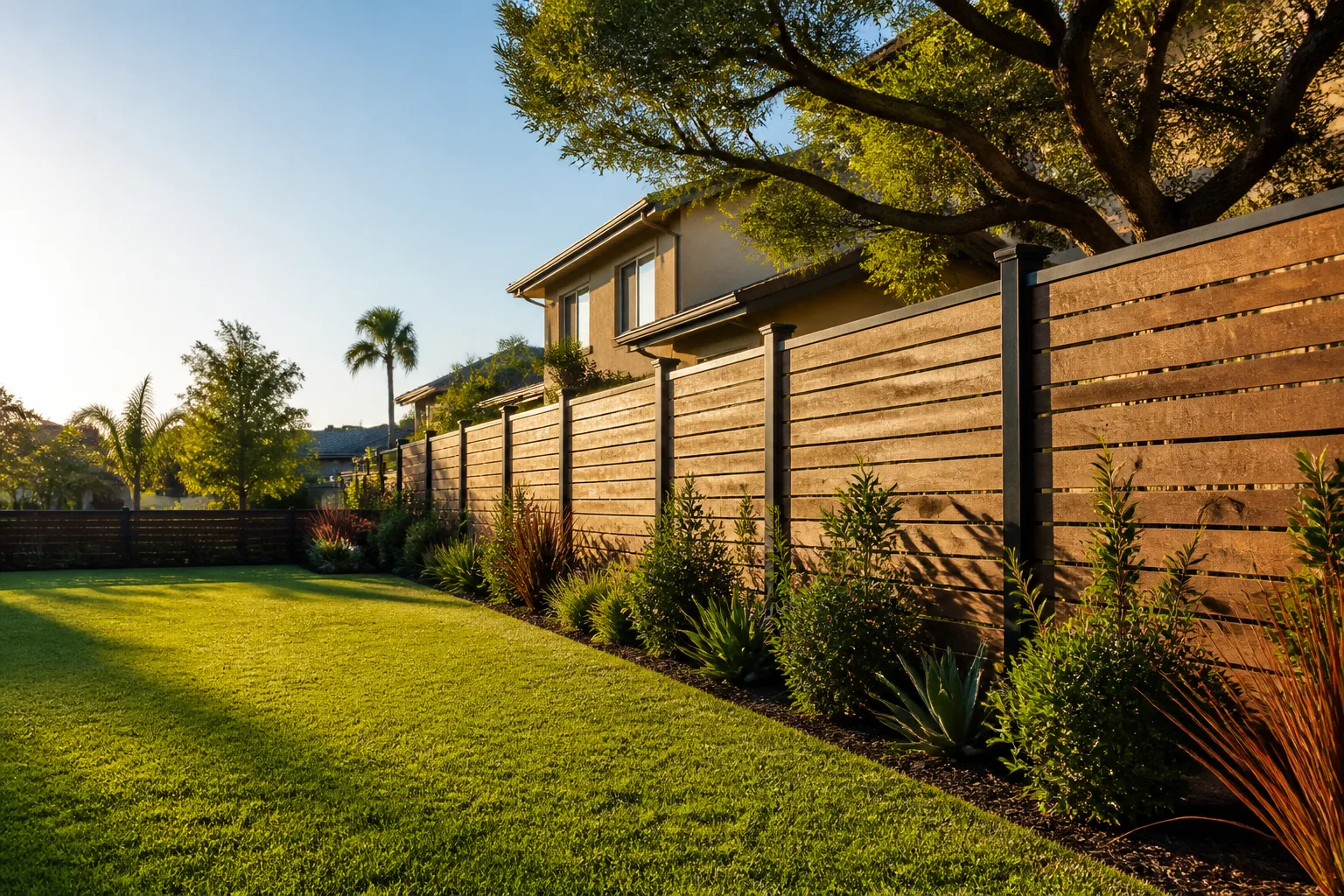
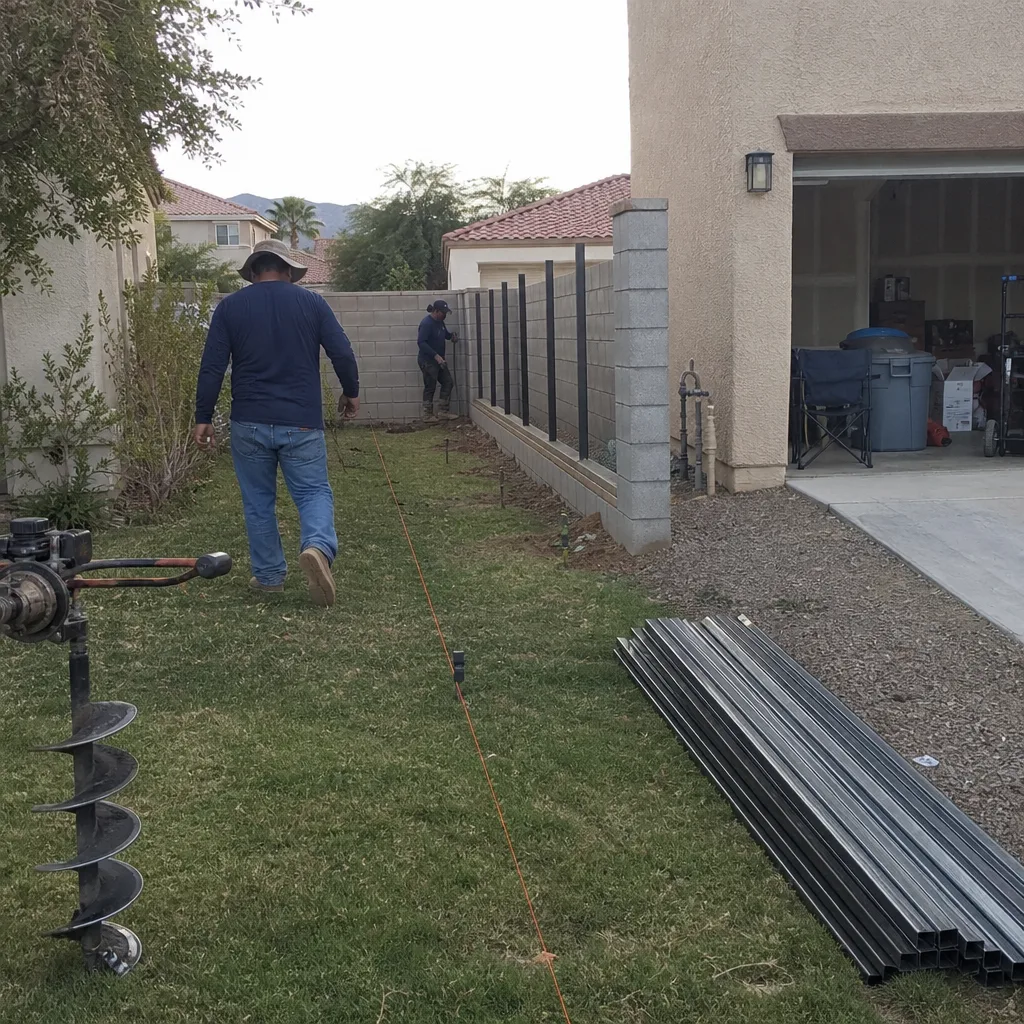
Choose wood if your fence line faces the street, sits inside Boulder City’s historic district, or needs to satisfy preservation review. Choose PVC-coated chain link for rear-yard dog runs and utility enclosures where nothing but weeds will ever see it. Bare galvanized chain link is the one option we’d steer you away from in Boulder City - the desert UV chews through the zinc coating and leaves you with white rust oxidation inside five to seven years. For a straight answer on your specific lot, call Groundwork Construction Co. of Boulder City at (888) 282-1693 - a trained eye can usually tell you which material your property will actually approve before you spend a Saturday collecting quotes.
Why the Usual “Cheap vs. Pretty” Advice Falls Apart Here
The standard advice you’ll find online says chain link is cheap and durable, wood is attractive but needs maintenance, pick whichever fits your budget. That framing was written for a mild climate with stable soil. Neither describes Boulder City.
Boulder City sits at roughly 2,300 to 2,500 feet near Lake Mead, and summer afternoons sit between 100 and 110°F with almost no humidity. The dry air is genuinely good for wood. It removes the single biggest threat to a wooden fence - sustained moisture and the rot that follows. But it replaces that threat with two quieter ones: relentless ultraviolet light that grays and brittles the surface fibers, and daily thermal cycling that works on fasteners and joints.
And then there’s the ground. Expansive desert soils shrink and swell with the seasons, and that movement hits a chain-link fence harder than most homeowners expect. Chain link is a tension system, not a rigid wall. The fabric holds its shape because the terminal posts and corner posts anchor it under load. When the soil shifts and a terminal post leans even one or two degrees, the fabric across the whole run goes slack and sags. That’s when you start paying for post resets - and those resets quietly eat the cost advantage that made chain link attractive in the first place.
Side-by-Side: What Each Material Faces in Boulder City
| Factor | Chain Link (PVC-coated) | Wood |
|---|---|---|
| UV exposure | Coating holds color; structural metal unaffected | Surface grays and checks; needs periodic sealing |
| Expansive soil movement | Terminal post lean kills tension; sags fast | Posts can be set deeper and braced; slight lean is cosmetic |
| Moisture rot risk | Not applicable | Low here - dry climate works in wood’s favor |
| Historic district approval | Typically not approvable on street- or side-visible lines | Can be profiled to match original construction |
| Thermal movement | Fabric expands and contracts; tension drifts | Boards move but stay attached; fasteners matter |
| Typical installed range | $3,500-$9,000 | $3,500-$9,000 |
Notice the price row. At this scale, the two materials land in the same ballpark once you account for proper posts, coated fabric, and a fence built to last. The honest tiebreaker isn’t cost - it’s where the fence sits and what it has to survive.
What Boulder City’s Historic District Does to This Decision
Boulder City is a federally chartered 1931 company town, built by the Bureau of Reclamation to house Hoover Dam workers. Most of the original bungalows and modest 1930s-40s cottages cluster near the historic district, and exterior alterations there can trigger preservation review under the city’s ordinances. Fencing is squarely in that territory when it’s visible from the public right-of-way.
In practice, that means chain link is typically not approvable for street-facing or side-yard fences in those zones. Wood is the material that can be profiled and finished to match the surrounding historic construction - the same reason a contractor who shows up with a standard vinyl window quote for a 1930s cottage gets sent back to the drawing board. If your property line touches the historic core, wood isn’t the aesthetic preference. It’s the only viable path.
Where Chain Link Actually Wins
Rear-yard applications outside the historic core, dog runs, garden enclosures, equipment screening - this is chain link’s territory, and it does the job well. The catch is the coating. Bare galvanized steel develops white rust oxidation within five to seven years under Boulder City’s UV load, which is exactly when the fence should still be in its prime. PVC-coated systems from brands like Bufftech and ActiveYards hold up far better because the coating shields the zinc from direct sun. When we spec chain link in Boulder City, coated is the default, not the upgrade.
One operator detail worth knowing: heat drives the schedule. Our crews work chain-link tensioning and concrete post pours in the early morning during summer, because both concrete and vinyl-coated fabric behave badly in a 105°F afternoon. That’s not a scheduling preference - it’s how you avoid a fence that’s already drifting out of true by the first cold snap.
Whichever material fits your property, our Fence Installation team handles both, and the full Fence Installation in Boulder City service covers gates, post setting, and tear-out of the old line.
What Should You Look For in a Fence Quote?
Look past the total number and check four things: post depth and bracing (the soil here punishes shallow posts), coating or finish spec by brand name, gate hardware rated for thermal movement, and whether the quote accounts for historic review if your line is visible from the street. A quote that skips those is a quote you’ll revisit in three years. Groundwork’s background-checked, uniformed technicians walk every property before pricing, so the number you see is the number you pay. Every build carries our 730-Day Done Right Promise - if it’s not done right, we make it right. Calls are answered by a live person, 24/7, and projects over $10,000 qualify for $1,000 off plus 0% financing for 18 months.
Frequently Asked Questions
For street-facing and historic-district fences, wood is better because chain link is typically not approvable there and wood can be profiled to match the neighborhood. For rear-yard utility runs and dog enclosures outside the historic core, PVC-coated chain link is the more practical choice. The deciding factor is location on your lot, not material preference.
Both typically run $3,500-$9,000 installed for a standard residential line, which is why cost rarely settles the argument here. Post depth, coating spec, gate count, and historic review requirements move the number more than the material itself. Call (888) 282-1693 for an exact quote - estimates are free.
Expansive desert soils shift seasonally, and when a terminal or corner post leans even one or two degrees, the fabric across that run loses tension and sags. It’s a post-reset problem, not a fabric problem, and it’s the single biggest hidden cost of chain link in Boulder City’s soil.
Usually not on street-facing or side-yard lines visible from the public right-of-way. Preservation review typically steers those fences toward wood profiles that match the town’s 1930s construction. Confirm your zone before ordering materials - our team can tell you upfront whether your property’s location triggers that requirement.
Get a Straight Answer Before You Buy Materials
If you’d rather have it looked at, Groundwork Construction Co. of Boulder City offers a no-pressure assessment in Boulder City - we’ll tell you which material your lot will actually approve and what it costs, before you spend a dime. Call (888) 282-1693.
Written by the team at Groundwork Construction Co. of Boulder City, serving Boulder City, NV.