


Free written scope consultation - allowances, timeline, and change-order rules on paper before a single trade is scheduled
Styles & brands we work with
- Kitchen remodeling
- Bathroom remodeling
- Home additions & ADU
- Roofing
- Windows & doors
- Driveway & pavers
- Fence
See the difference
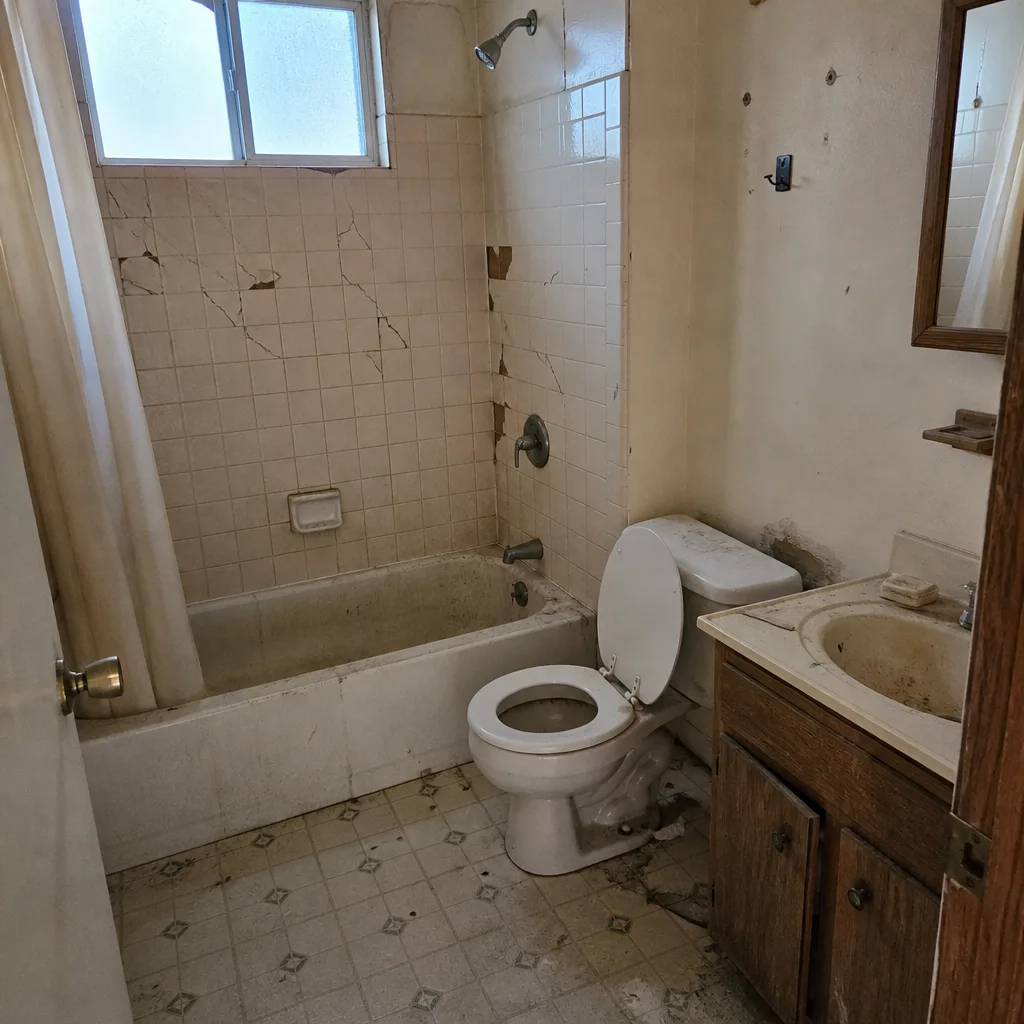 Before
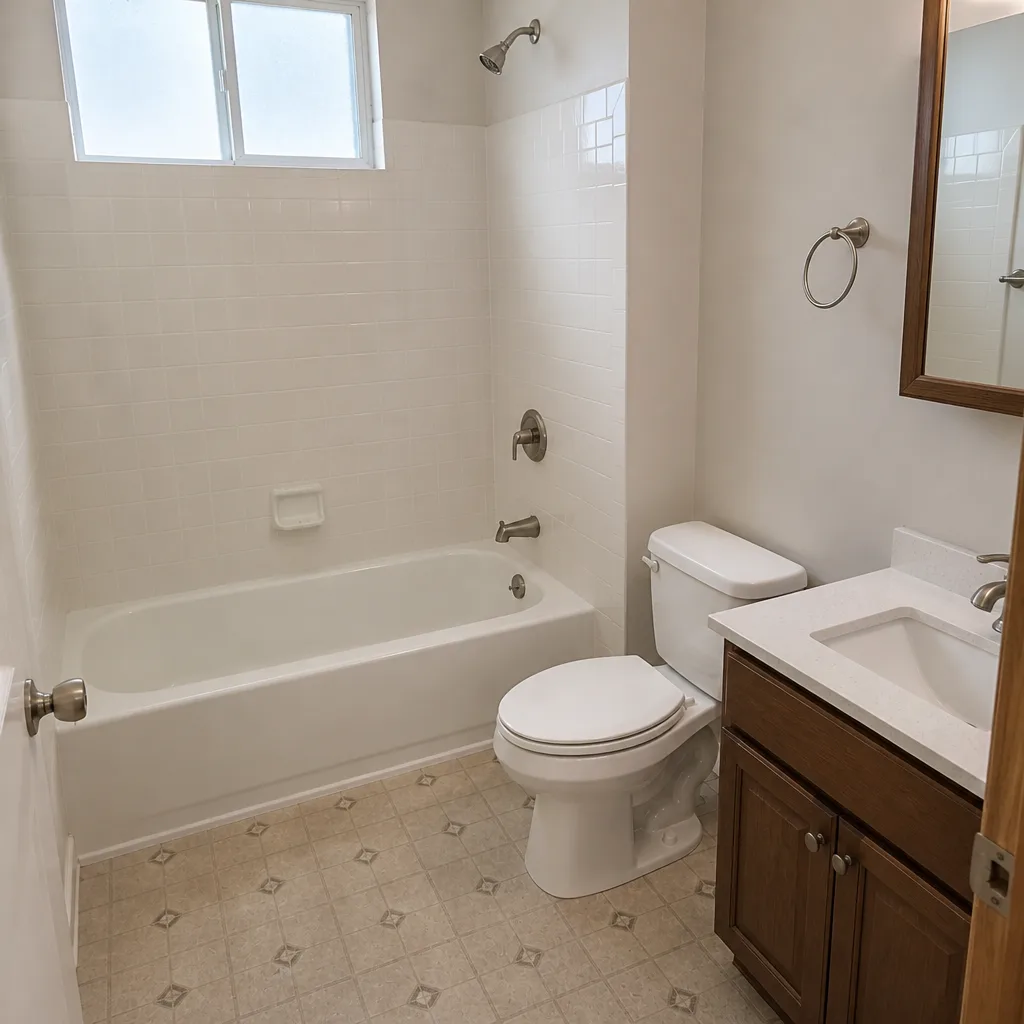 After
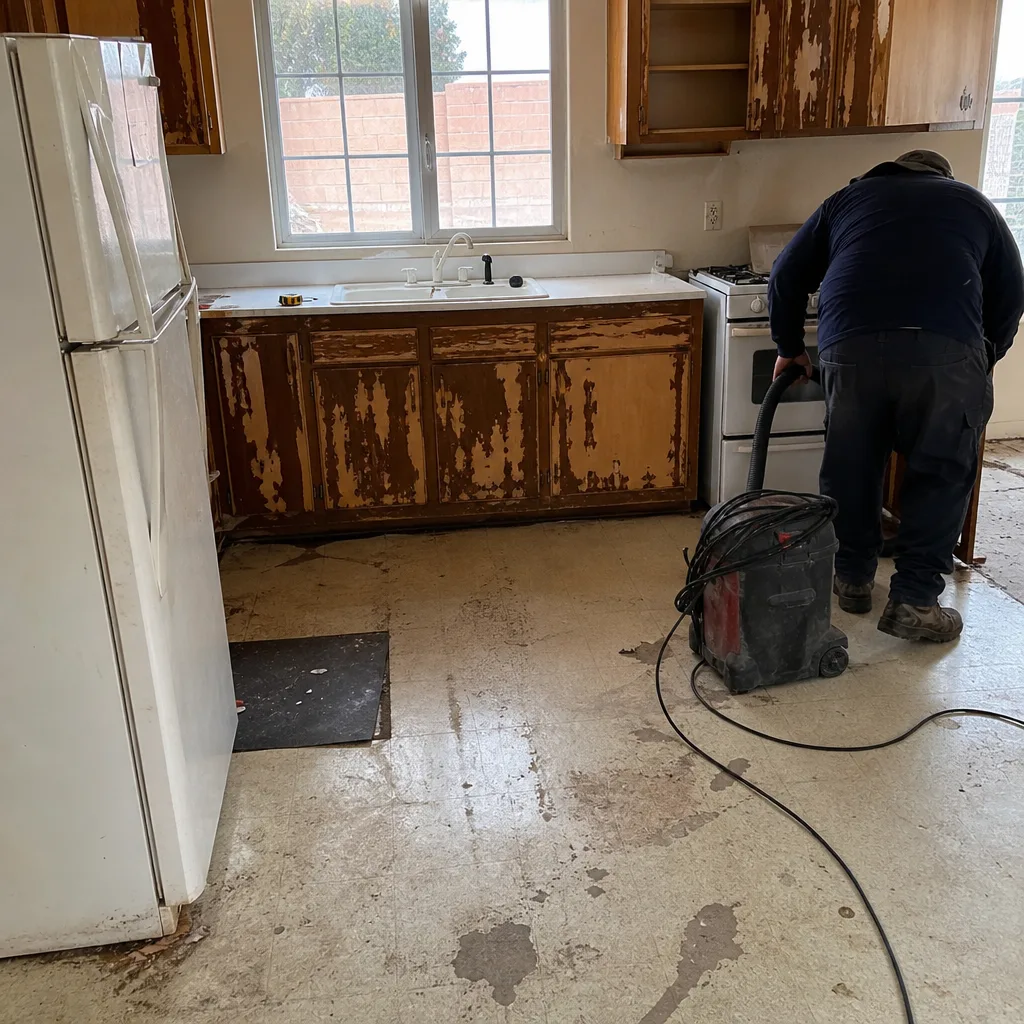 Before
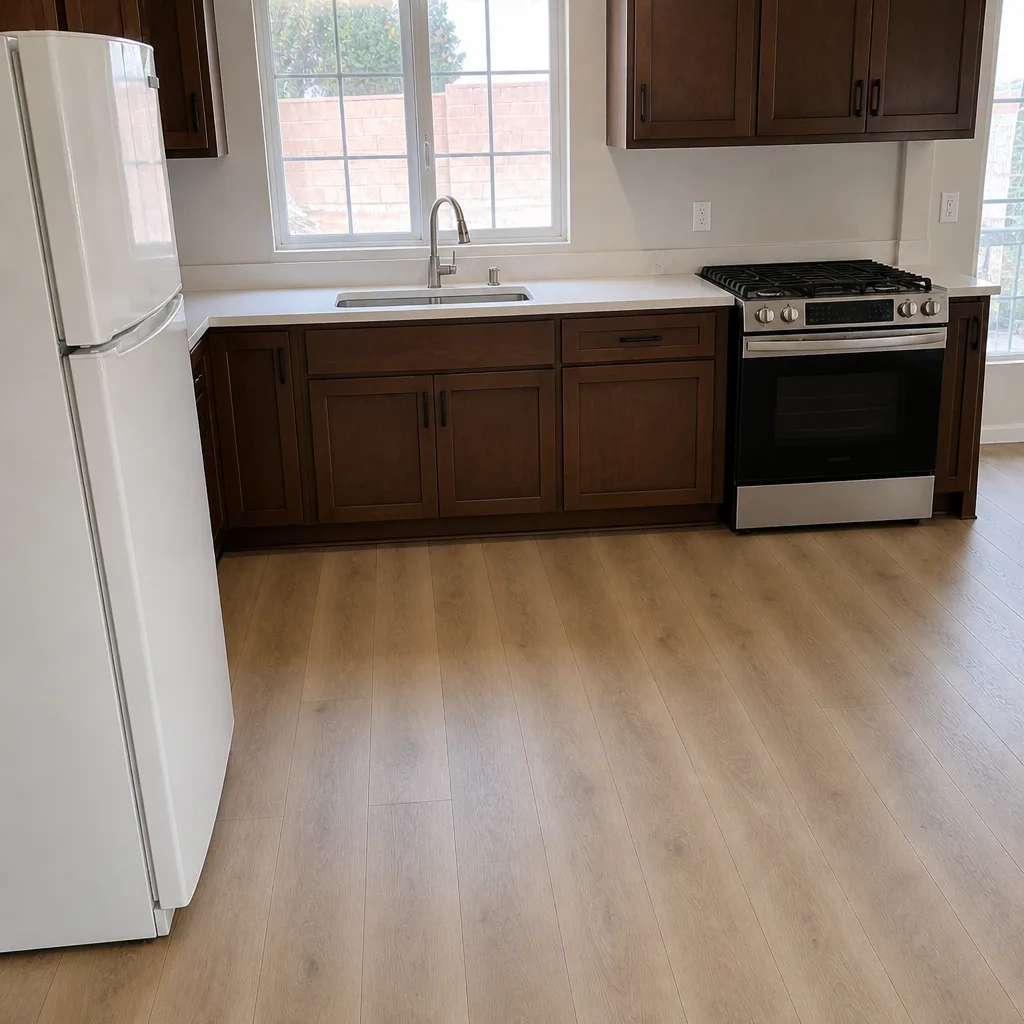 After
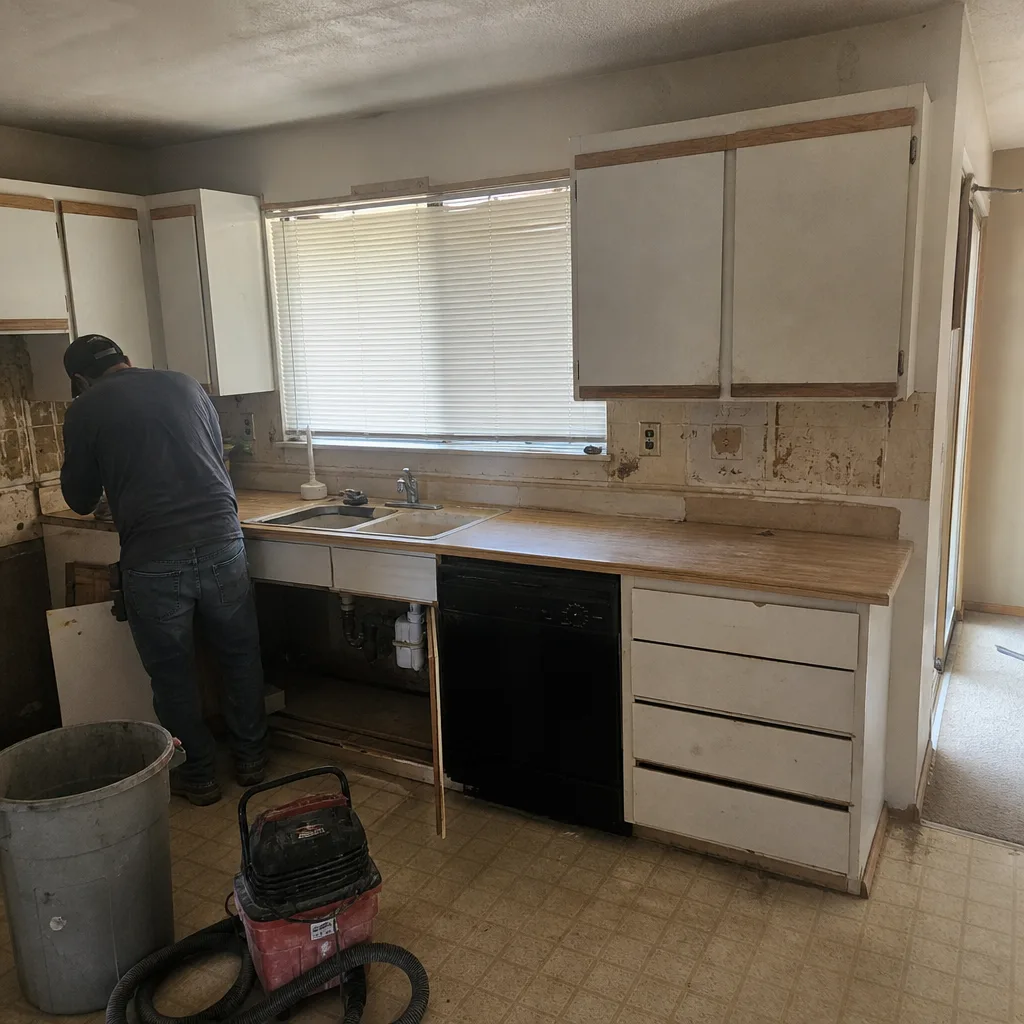 Before
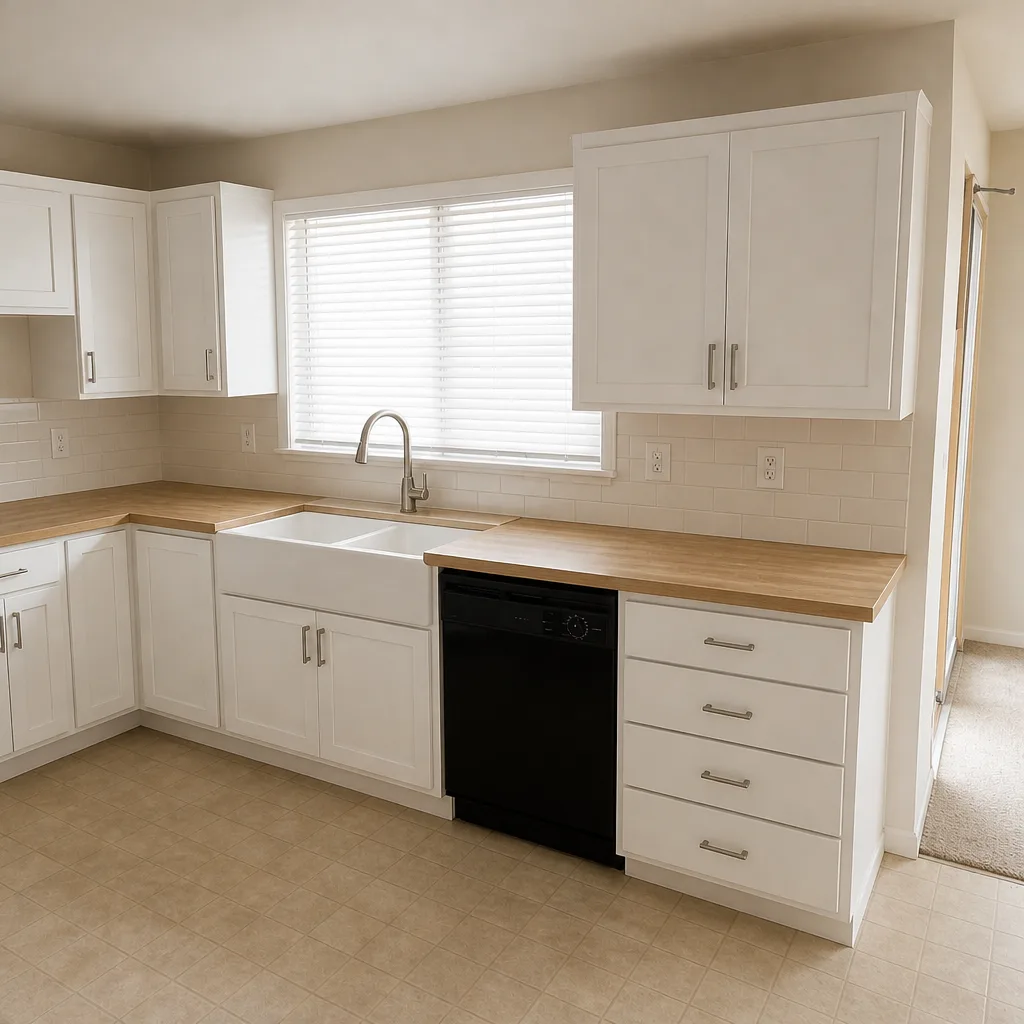 After
Do You Need a Permit to Remodel a Kitchen in Boulder City, NV?
Yes. Most kitchen remodels in Boulder City require a permit, and if your home sits inside the historic district you may need two separate approvals from two separate city bodies that don’t move on the same schedule. Cosmetic-only work in an unchanged layout, like paint, hardware, or new countertops over the same cabinets, generally needs no permit at all. Call (888) 282-1693 and we’ll tell you which category your project falls into before anyone swings a hammer.
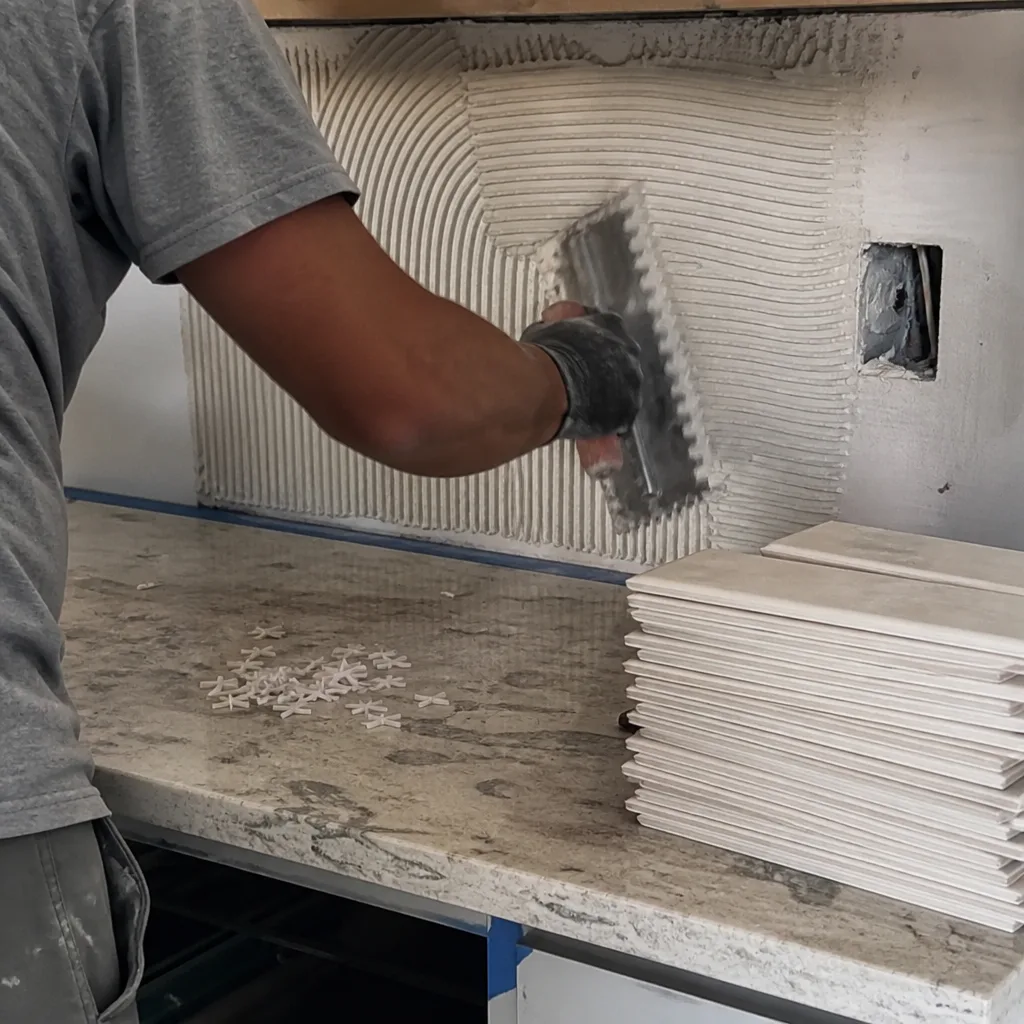
Boulder City is a federally chartered 1931 company town, and that origin story still shapes what happens when you open up a kitchen wall. The Bureau of Reclamation built this townsite to house Hoover Dam workers, which means a big share of the original bungalows and modest 1930s-40s cottages cluster near the historic district. Walk into one of those kitchens and you’re dealing with Depression-era construction: unreinforced brick, pier-and-beam foundations, original bungalow framing, and wiring that predates anything in the current code book. A job that would be a straightforward remodel in Henderson becomes a preservation-sensitive project here. That’s the whole reason the permit question in Boulder City has a second layer no state-level guide bothers to explain.

What Triggers a Permit in Boulder City (and What Doesn’t)
Nevada’s standard permit triggers are predictable once you know them. The tricky part is knowing where the line sits in an older home.
- Moving or adding walls - always a permit, and in a 1930s cottage it also means an engineer may want a look at how the original framing handles the new load path.
- New electrical circuits - permit required. Kitchens pull heavy loads, and knob-and-tube-era wiring almost never passes a modern inspection without a partial rewire.
- Plumbing rough-in changes - moving a sink, adding a dishwasher line, relocating a gas range. Permit required.
- Mechanical work - new range hood ducting, HVAC relocation, anything touching the mechanical system. Permit required.
- Cosmetic-only work in an unchanged layout - repainting, swapping cabinet hardware, replacing a countertop over the same cabinet boxes. Generally no permit.
The historical overlay is where homeowners get surprised. Boulder City’s Historic Preservation Ordinance applies to properties within the designated historic district, and it can require Historic Preservation Commission sign-off on exterior changes independent of the building permit. In strict terms, interior-only structural work usually needs just the building permit. But the line between “interior” and “exterior impact” is thinner than it sounds. New windows, a door swap, or a bump-out addition all carry exterior exposure. A contractor who pulls the building permit without checking the historic overlay can be stopped mid-project while everyone waits for a second review on a different clock. We verify district status before we write a single line of scope, not after demolition.
How Do You Know If Your Kitchen Project Needs Historic Review?
Check whether your address falls inside the designated historic district before you plan anything else. That single fact decides whether your kitchen remodel runs on one approval track or two, and it’s the first thing we confirm on any Boulder City project. It’s also where a lot of well-meaning contractors stumble: they’re fluent in the building code and completely blind to the preservation code.
The practical test comes down to a few questions. Does the work touch a window, an exterior door, a roofline, or the footprint of the house? If yes, the Historic Preservation Commission may want a say, and they may ask you to match the original character rather than swap in whatever the home center stocks. Preserving the look of a 1930s Hoover Dam cottage sometimes means a divided-light wood window profile instead of a standard vinyl unit. If you’re pricing windows for an older home, our home page is a reasonable place to start mapping out the scope.
Worth saying plainly: we handle permit applications as part of project scope. You won’t be the person on hold with the city or chasing an inspection window. Our calls are answered by a live person 24 hours a day, seven days a week, so when the city calls back and needs something, we’re the middleman, not you. Our technicians bring up to 12 years of experience to jobs like this, and on a historic-district kitchen that experience includes knowing which questions to ask before the plans get drawn.

What a Kitchen Remodel Actually Costs in Boulder City
Permit fees in Boulder City scale with project valuation, so a larger remodel carries a larger fee. The bigger number by far is the construction itself. Here’s what kitchens in this market run, upfront pricing with no surprises:
| Project | Typical Range |
|---|---|
| Full kitchen remodel | $14,000-$45,000 |
| Small kitchen remodel | $9,000-$20,000 |
| Cabinet installation | $4,000-$13,000 |
| Countertop installation | $2,000-$6,500 |
| Backsplash installation | $800-$2,500 |
| Kitchen island installation | $3,000-$10,000 |
These ranges hold whether your home sits in the historic core or in the later infill east of the district, though older homes tend to land at the higher end once structural and electrical surprises surface. That’s the honest truth about 1930s construction. You budget for what you can see and we plan for what you can’t.
Two things make the number easier to live with. There’s a free project estimate and design consult, so you know where you stand before committing, and 0% financing for 18 months is available, plus $1,000 off projects over $10,000. Cabinetry and stone work with partners like KraftMaid and Cambria, and Kitchen Remodeling is where we do the most of this work. Every project is covered by our 730-Day Done Right Promise: if it’s not done right, we make it right.
Why Unpermitted Work Comes Back to Bite You in Boulder City
Skipping the permit in Boulder City’s older homes creates a documented resale liability, not just a code headache. Buyers and their inspectors increasingly flag gaps in permit history, and when they do, the city can require retroactive permitting at the seller’s expense. That’s the scenario where a kitchen you finished years ago suddenly costs you a chunk of the sale price, or kills the deal outright.
There’s a second reason we don’t cut corners here. The 730-Day Done Right Promise applies to properly permitted, code-compliant work. It’s not a loophole or a fine-print dodge; it’s the only way a workmanship guarantee means what it says. A kitchen built on an unapproved footing can’t be honestly standing behind. Pulling permits is non-negotiable on every Groundwork Construction Co. of Boulder City project, and that includes the historic-district reviews that a lot of contractors would rather avoid.
The desert climate adds its own twist. Boulder City sits near Lake Mead at roughly 2,300 to 2,500 feet, with summer highs that routinely push 100 to 110°F, intense UV, and very low humidity. Expansive desert soils shrink and swell with the seasons, which cracks slabs and shifts foundations over time. When we open a kitchen floor in an older home, that movement is part of what we’re looking at. It’s also why we schedule pours early and shade the work in summer, because a rushed slab in this climate is a future problem.
FAQs
Yes, if the work involves moving or adding walls, new electrical circuits, plumbing rough-in changes, or mechanical modifications. Cosmetic-only work in an unchanged layout, like paint, new countertops over the same cabinets, or hardware swaps, generally does not require a permit. If your home is in the historic district and the work touches an exterior element, a second review may apply. Call (888) 282-1693 for an exact read on your project, free of charge.
Possibly. Interior-only structural work typically needs just the standard building permit, but the Historic Preservation Ordinance can require Historic Preservation Commission sign-off on exterior changes such as new windows, doors, or additions, and that review runs on its own timeline separate from the building permit. A contractor who checks district status first avoids the mid-project stall. We confirm this before scope is written, so you’re never blindsided.
You take on a real resale liability. Inspectors and buyers increasingly flag permit-history gaps, and the city can require retroactive permitting at the seller’s expense. Unpermitted work also falls outside any workmanship guarantee, including our 730-Day Done Right Promise, which applies only to properly permitted, code-compliant work. Call (888) 282-1693 and we’ll assess what you’re working with.
Yes. We manage permit applications and inspection scheduling as part of project scope, so you never deal with city paperwork directly. Live people answer our phones around the clock, which means city callbacks and inspection windows get handled by us, not by you. Estimates are free, so there’s no cost to find out where your kitchen stands.
Let’s Sort Out Your Kitchen Before You Build
If you’d rather have it looked at, Groundwork Construction Co. of Boulder City offers a no-pressure assessment in Boulder City. We’ll confirm your permit path, check the historic overlay, and give you an honest range before anything gets signed. Call (888) 282-1693 for a free estimate.
Written by the team at Groundwork Construction Co. of Boulder City, serving Boulder City, NV.