







Free written scope consultation - allowances, timeline, and change-order rules on paper before a single trade is scheduled
Styles & brands we work with
- Kitchen remodeling
- Bathroom remodeling
- Home additions & ADU
- Roofing
- Windows & doors
- Driveway & pavers
- Fence
See the difference
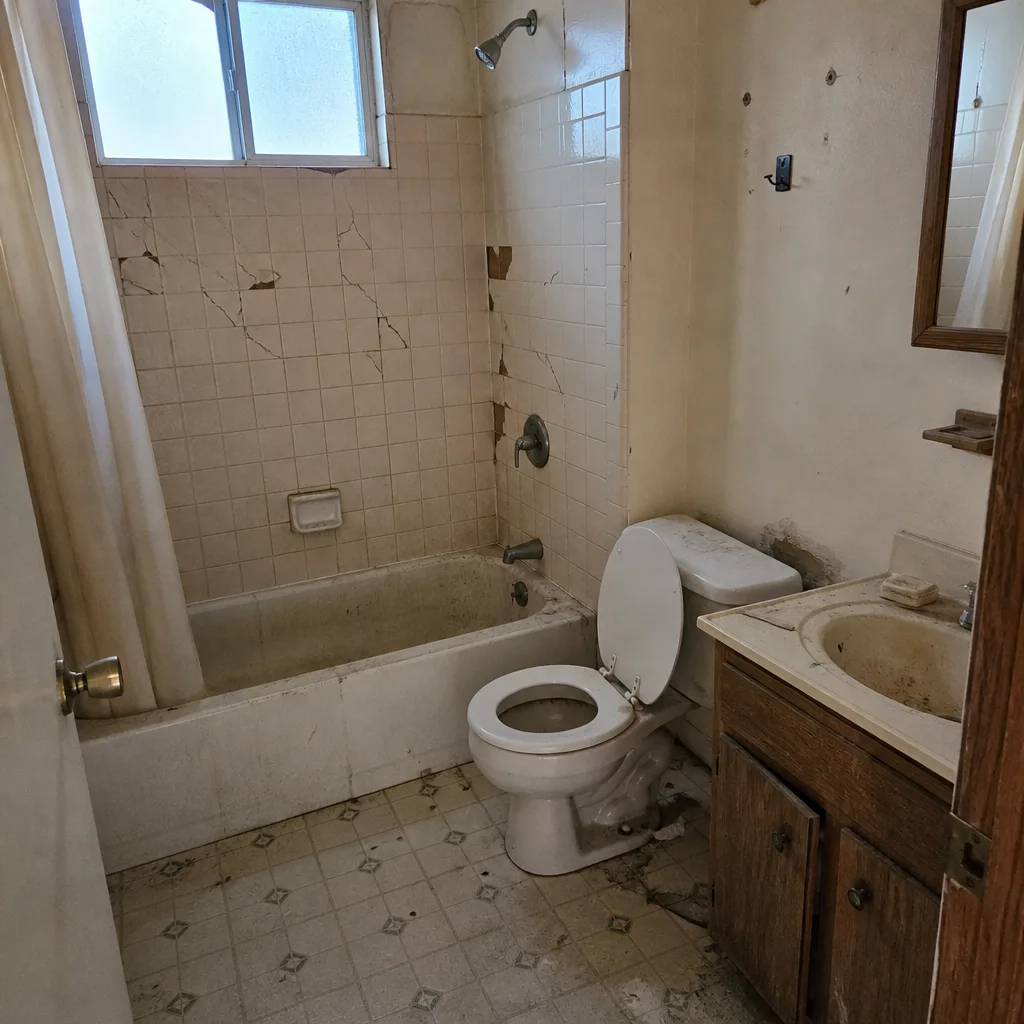 Before
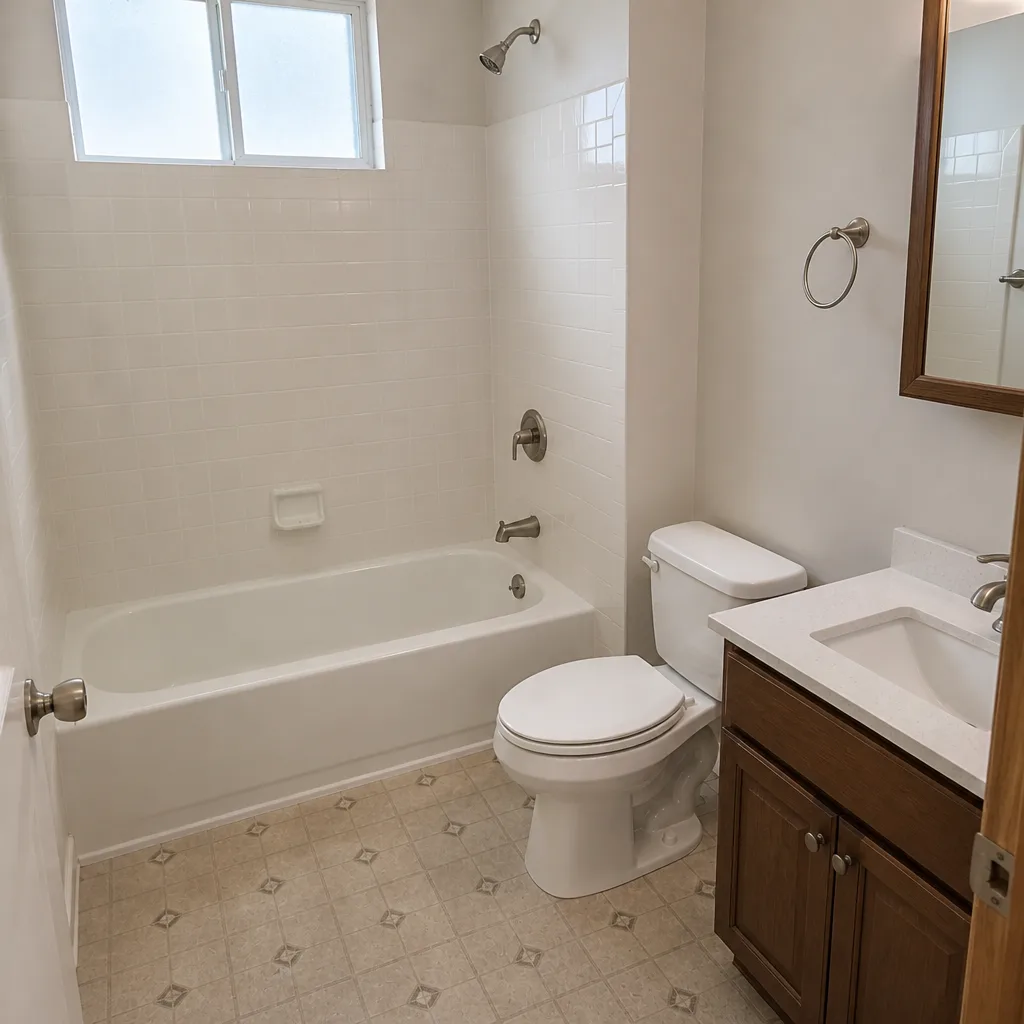 After
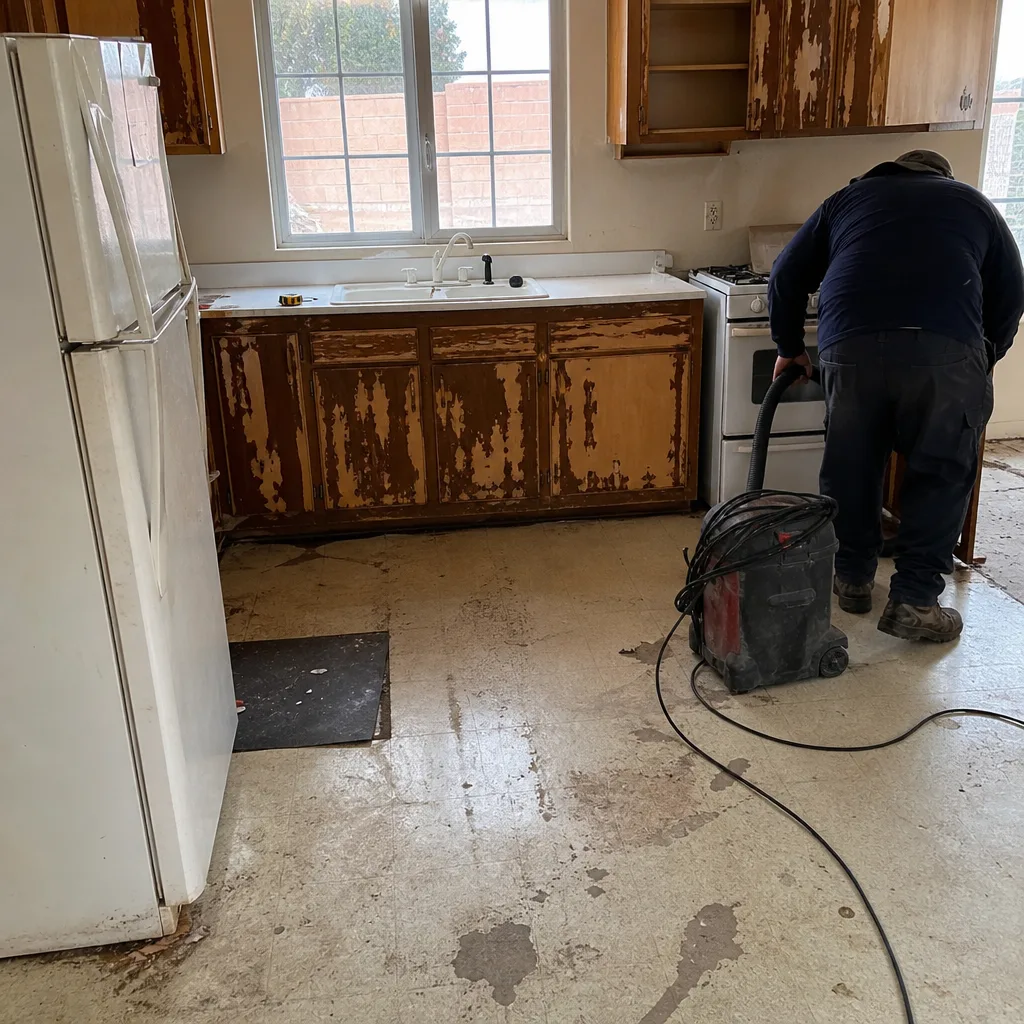 Before
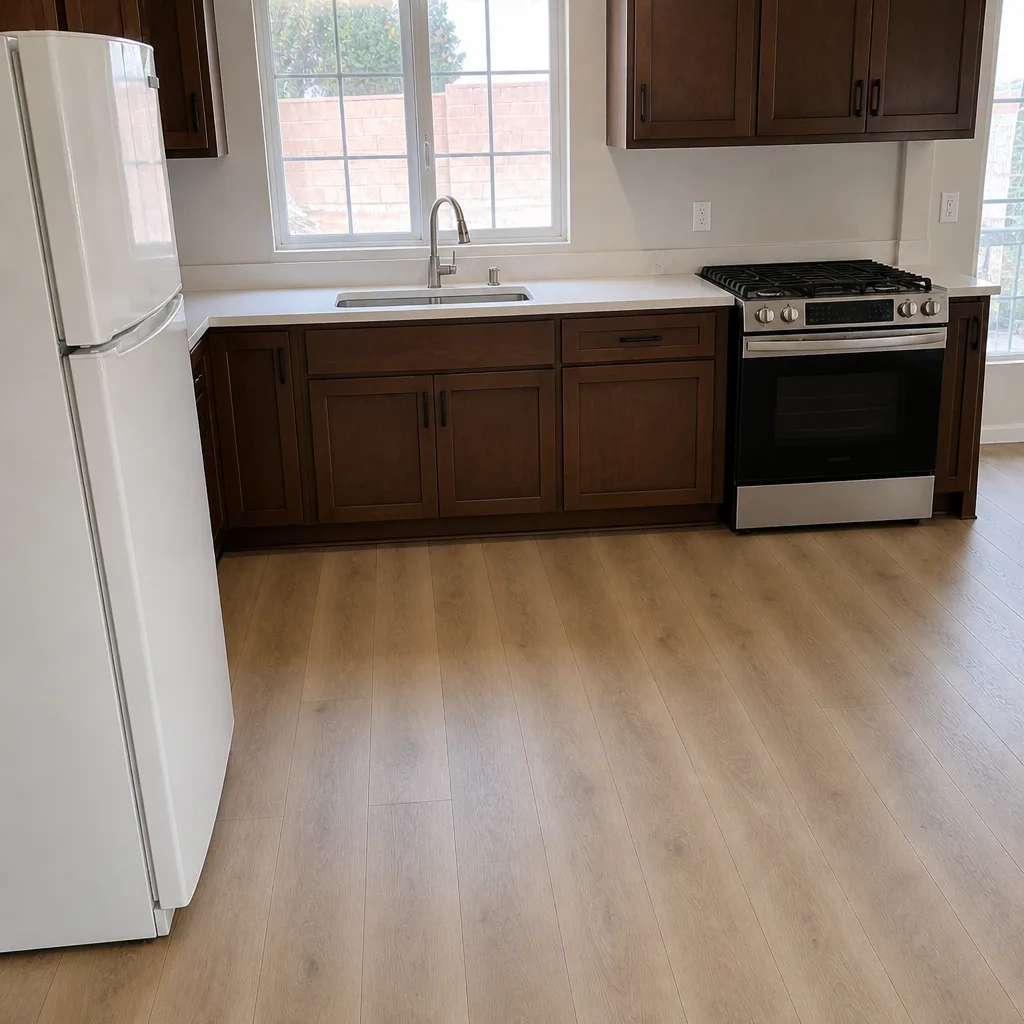 After
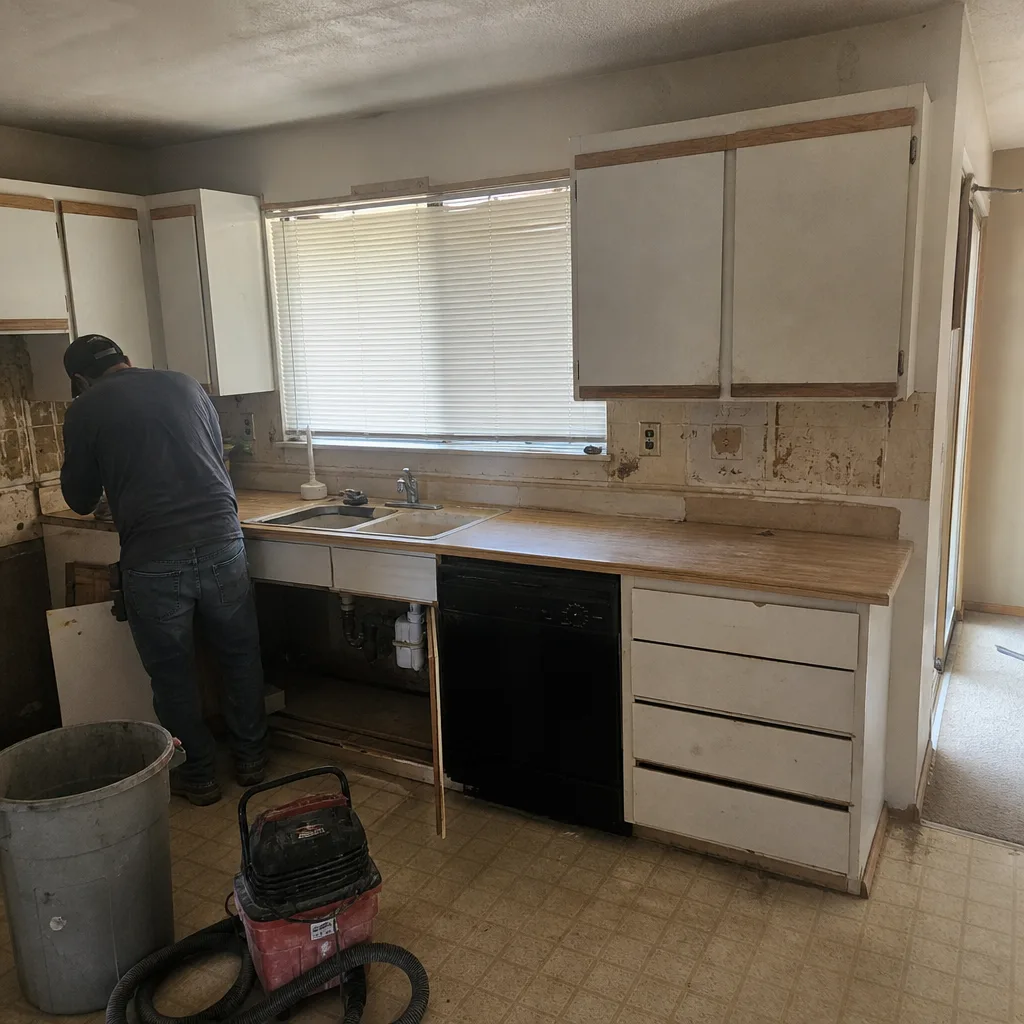 Before
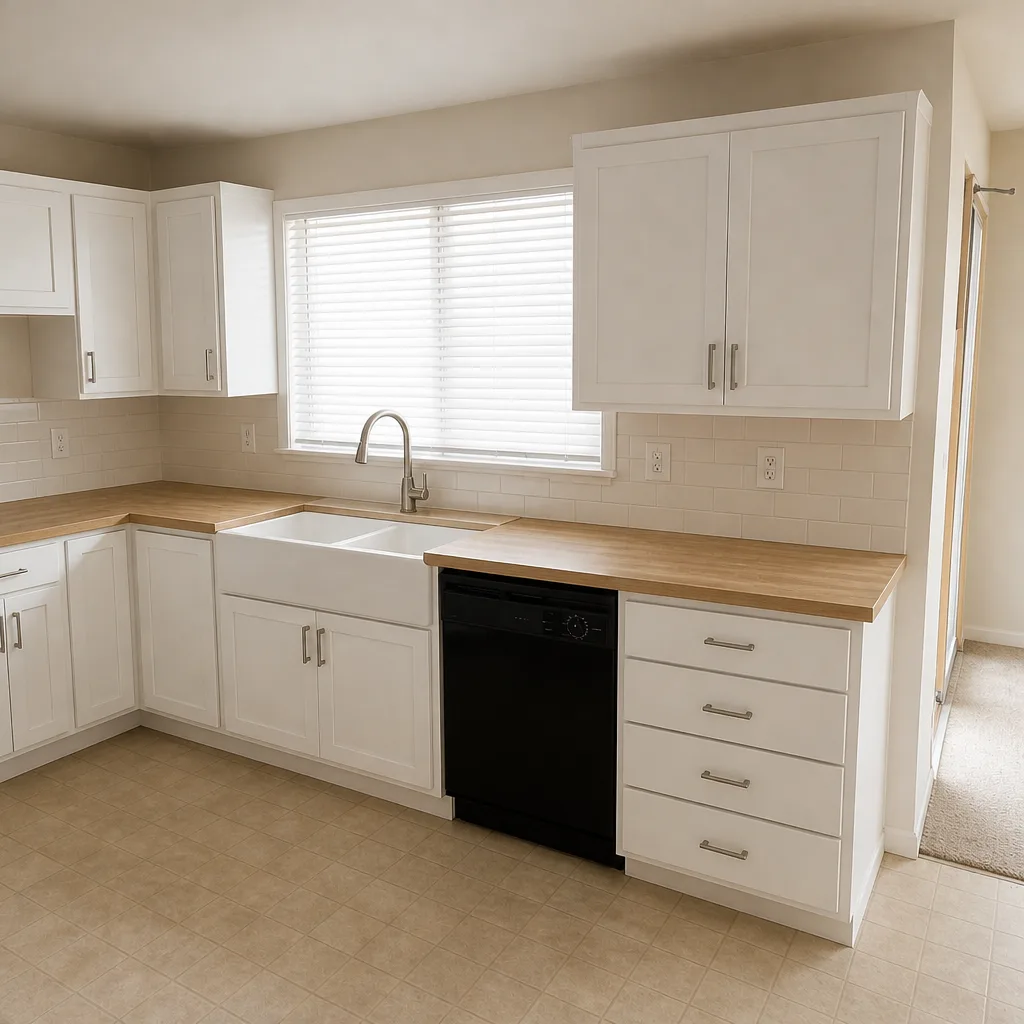 After
General Contractor vs Handyman in Boulder City, NV: Choose a Licensed GC Unless the Job Is Small, Non-Structural, and Permit-Free
For a homeowner in Boulder City, the safe default is a licensed general contractor. Hire a handyman only for genuinely small, cosmetic work that needs no permit and touches nothing structural. The line between the two is narrower here than most people expect, because the town’s 1930s cottages hide conditions that can turn a $300 repair into a project that is illegal for an unlicensed worker to finish. If your project requires a permit, involves licensed electrical or structural work, or touches a property near the historic district, it is a general contractor job. Call Groundwork Construction Co. of Boulder City at (888) 282-1693 to find out which side of that line your job falls on.


Why a Simple Repair in Boulder City Rarely Stays Simple
Boulder City is a federally chartered 1931 company town. The Bureau of Reclamation built it to house Hoover Dam workers, and many of those original bungalows and modest cottages still stand in and around the historic district. Walk into one of these homes to replace a bathroom vanity or hang a door, and the wall you open is Depression-era construction: unreinforced brick, pier-and-beam foundations, original bungalow framing, and wiring from the knob-and-tube era.
Here is the sequence a homeowner should understand before they hire anyone. A handyman pulls back drywall to set a tile backer. Behind it sits fabric-insulated knob-and-tube wiring, or a joist that has been softened by decades of desert shrink-swell movement in the expansive soils under the slab. At that moment the job legally stops being a handyman job. If the worker keeps going anyway, your homeowner’s insurance may not cover what happens next.
We’ve opened walls in these cottages and found exactly that. And once the surprise is out, you’re standing in an open structure with a worker who cannot legally remediate what they’ve exposed and may simply walk away, leaving you with no recourse. The comparison below is where that reality lands.
Contractor or Handyman: The Boulder City Side-by-Side
| Question | Licensed General Contractor | Handyman |
|---|---|---|
| Nevada work limit | No cap on scope | Capped near $1,000 per job without a contractor’s license |
| Historic district work | Can pull the Certificate of Appropriateness and sign the permit that triggers HPC review | Cannot document compliance with the city’s design standards |
| If a worker is injured on a failing pier-and-beam floor | General liability and workers’ comp protect you | You carry the exposure |
| Surprise structural or electrical find | Legal to remediate, one crew from teardown to finish | Job stops; homeowner is left holding an open wall |
| Who enters your home | Background-checked, uniformed technicians on every job | Often a day-of or temp worker, unknown to you |
That $1,000 threshold deserves emphasis. A “simple” tile job in a 1930s cottage that uncovers a soft subfloor or a junction box in the wrong place routinely pushes the true remediation cost past the handyman limit. The moment it does, the homeowner is carrying liability for unlicensed work. Weigh a modest savings on labor against that exposure, and the math is not close.

The Historic District Changes the Rules Entirely
Boulder City’s preservation ordinance is unusually rigorous, and it applies to more than additions. Even replacing windows on a Hoover Dam cottage can trigger review under the city’s preservation standards, which is why a standard vinyl-window quote sometimes gets sent back with a directive to match the original divided-light wood profile.
A handyman cannot pull the Certificate of Appropriateness that starts that review, and cannot sign the permit application the Historic Preservation Commission requires. Work done without it can be ordered undone at the owner’s expense. A licensed general contractor who works in these homes regularly knows the review process and the 1930s material palette. Our technicians draw on up to 12 years of experience on remodels that begin with a wall opening rather than a finished plan.
If you’re in or near the historic district, treat an exterior alteration as a general contractor job by definition. If you’re east of it in the 1950s-70s infill, the permit and structural tests still apply, just without the review layer.
What Every Job Here Is Built On
Groundwork Construction Co. of Boulder City is the full-scope home construction partner, and the work we do is backed by the 730-Day Done Right Promise. If it’s not done right, we make it right. That guarantee shouldn’t hinge on what the walls reveal, so it doesn’t. We carry general liability insurance and workers’ comp coverage that protect you if a floor gives way, and the same protection stays in place whether the scope is a kitchen remodel or a full-home rebuild.
Pricing is upfront, the number you see is the number you pay, and 0% financing for 18 months plus $1,000 off projects over $10,000 make larger scope manageable without hidden surprises. We use a curated set of brand partners across every trade. On a roof that means IKO, Atlas, or Tamko we’d put on a Boulder City home and stand behind in writing. In the kitchen, KraftMaid and Cambria; on the exterior, Andersen. You choose quality, not just availability.
Book a free project estimate and design consult, and we’ll map the scope before anyone opens a wall.
Common Boulder City Scenarios and Where They Land
Most homes in Boulder City present the same few forks. Here’s how we’d call them:
- Replacing a bathroom vanity or toilet: a handyman job, unless the floor or supply line is compromised once the old fixture comes out. If it is, it’s a general contractor job, and a bathroom remodel here runs $9,000 to $28,000.
- Tile work in a 1930s cottage: start with a GC. Opening the wall is the step that exposes wiring and framing, and that’s exactly where unlicensed work becomes a liability.
- Windows on a historic-district home: general contractor or window specialist who can document compliance. A window replacement runs $4,500 to $15,000.
- Adding a bedroom, ADU, or home addition: always a general contractor. Home additions run $45,000 to $130,000, and ADU construction runs $90,000 to $220,000.
- Full roof replacement: a licensed GC or roofer. A roof replacement runs $8,000 to $20,000, and in a town with 100-110°F summers and intense UV, the crew has to work around heat-illness risk.
When a Handyman Is Genuinely the Right Call
We’ll tell you when we’re the wrong choice. A handyman makes sense for a single non-structural fix with no permit attached. Hanging a shelf, patching drywall from a small leak, replacing a faucet, swapping cabinet hardware, or tightening a loose fence board. Short, no surprises, no remediation risk.
If the answer is “probably nothing behind this wall,” or the job needs a permit, or someone has to put their name on an application the city reviews, it’s a general contractor job. Compare a licensed general contractor versus a handyman on that basis and the decision is usually made for you by the building. Explore our full capabilities on the home page, and we’ll give you the honest call in about ten minutes on the phone.
FAQs
No. A handyman in Boulder City cannot do electrical or structural work. Nevada caps handyman work near $1,000 per job without a contractor’s license, and electrical and structural scope requires licensed trades and permits. If a project reveals knob-and-tube wiring or a compromised floor, stop the job and call a licensed contractor. Reach Groundwork Construction Co. of Boulder City at (888) 282-1693 for a free estimate.
A handyman is cheaper on a small, cosmetic job that stays small. A general contractor is cheaper overall once a project carries a permit, licensed trade work, or a real chance the wall reveals something. A repair that uncovers knob-and-tube wiring and is abandoned mid-job costs more to remediate than hiring the right trade once. For a project over $10,000 we offer $1,000 off and 0% financing for 18 months, which often closes the gap.
A kitchen remodel in Boulder City runs $14,000 to $45,000, with small kitchen remodels at $9,000 to $20,000. Cabinet installation lands between $4,000 and $13,000 and countertops between $2,000 and $6,500. In a 1930s cottage, opening a wall is the wildcard; that’s when a GC’s insurance, permits, and 730-Day Done Right Promise matter most. Call for a free estimate and we’ll price it for what we actually find.
Yes. Window replacement on a historic-district home should go to a licensed general contractor who can document compliance, because the preservation ordinance can require review and a Certificate of Appropriateness. A handyman can’t sign the permit application that starts that review. Window replacement in Boulder City runs $4,500 to $15,000, and a quote that skips the preservation step usually gets sent back.
If you’d rather have it looked at, Groundwork Construction Co. of Boulder City offers a no-pressure assessment in Boulder City - call (888) 282-1693 for a free estimate and we’ll tell you exactly where your project lands.
Written by the team at Groundwork Construction Co. of Boulder City, serving Boulder City, NV.