

Free written scope consultation - allowances, timeline, and change-order rules on paper before a single trade is scheduled
Styles & brands we work with
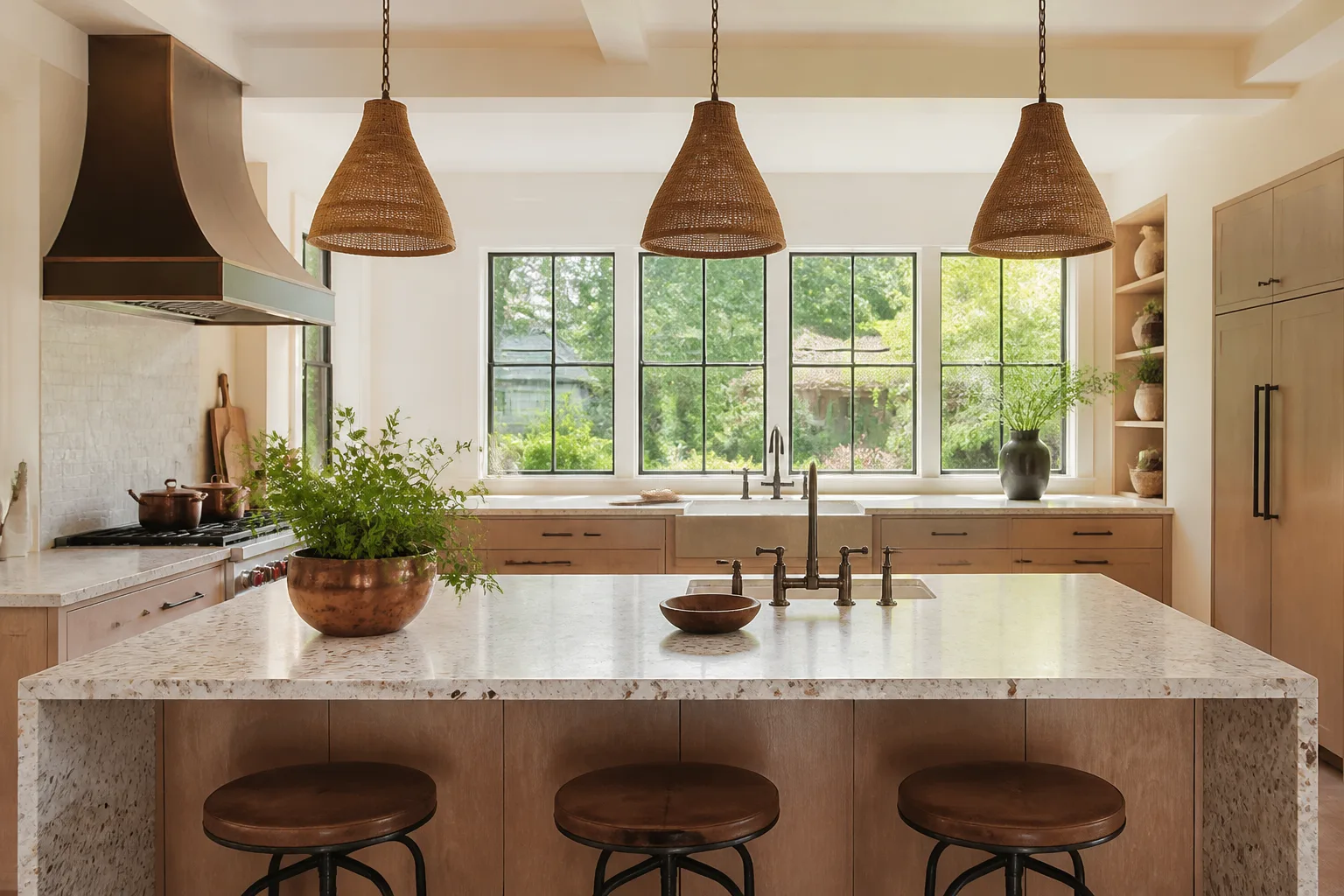
- Kitchen remodeling
- Bathroom remodeling
- Home additions & ADU
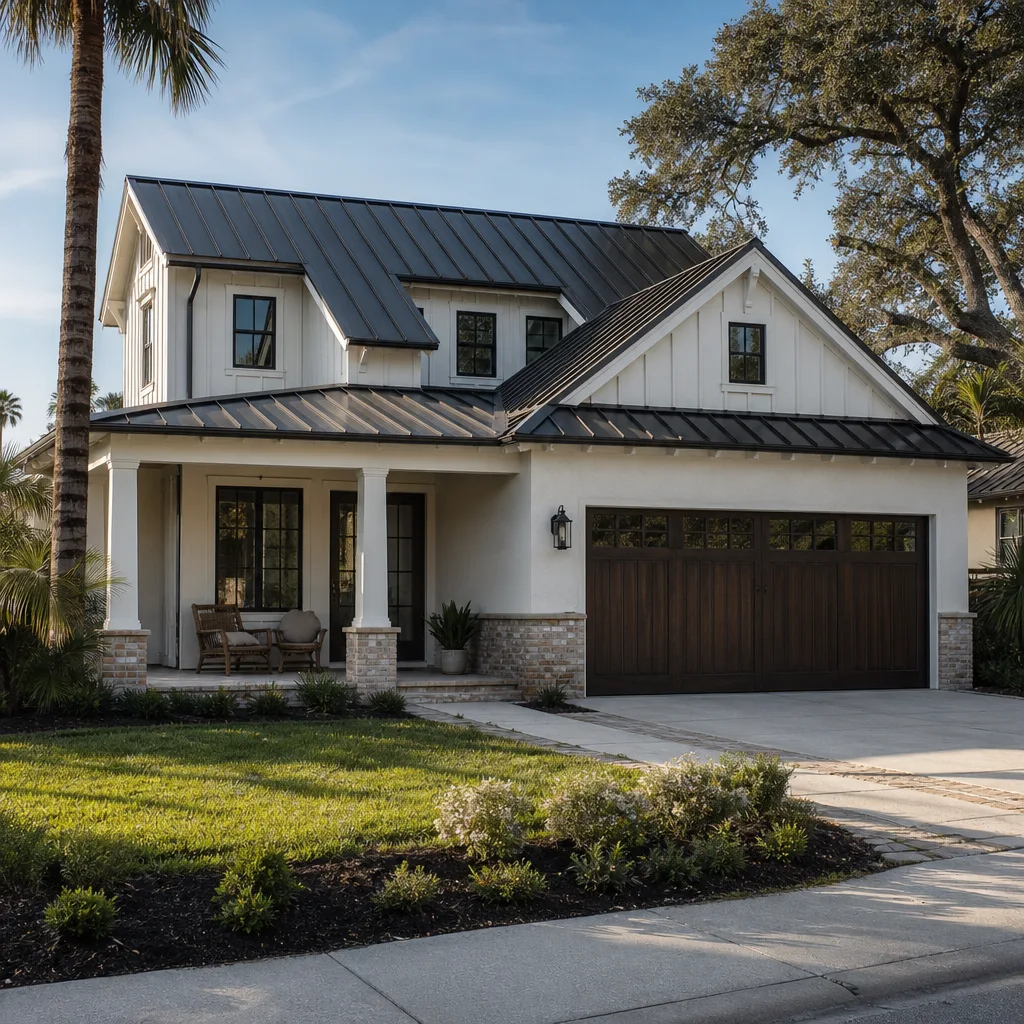
- Roofing
- Windows & doors
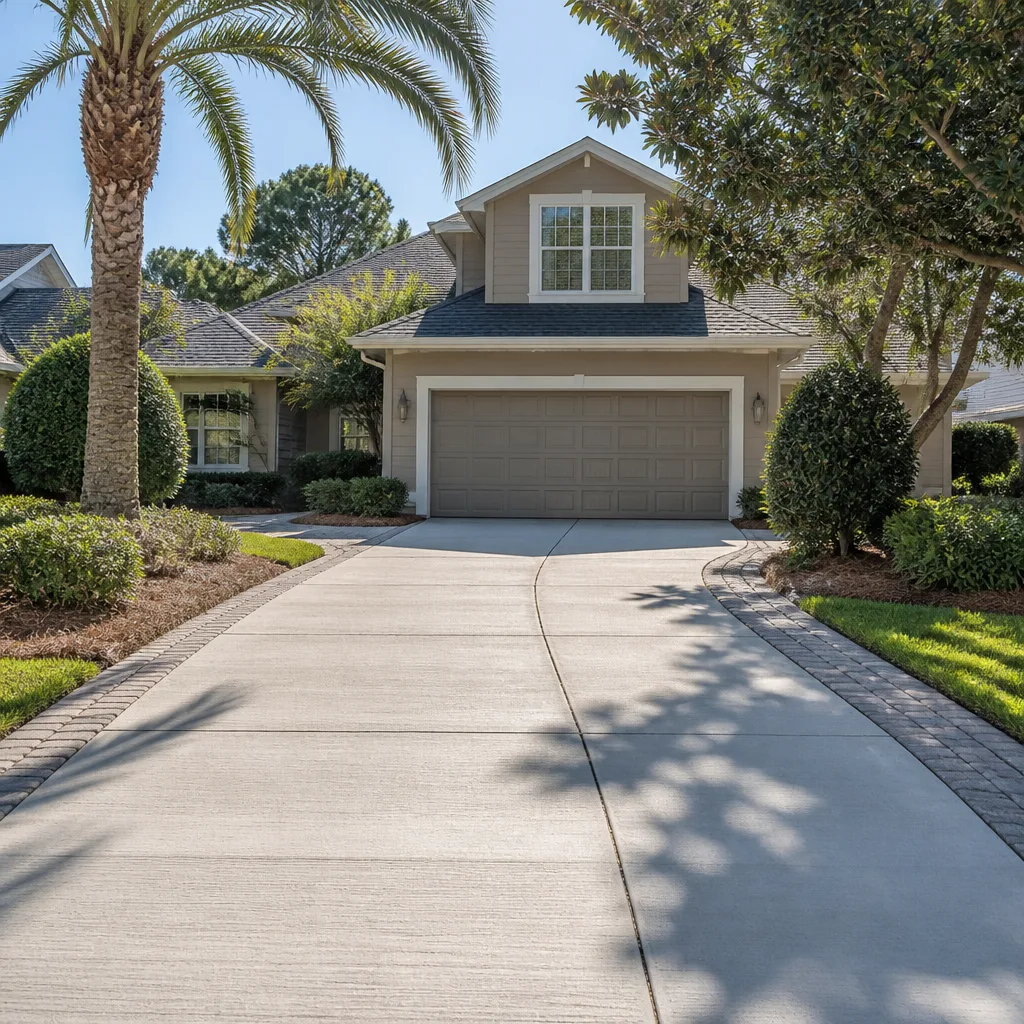
- Driveway & pavers
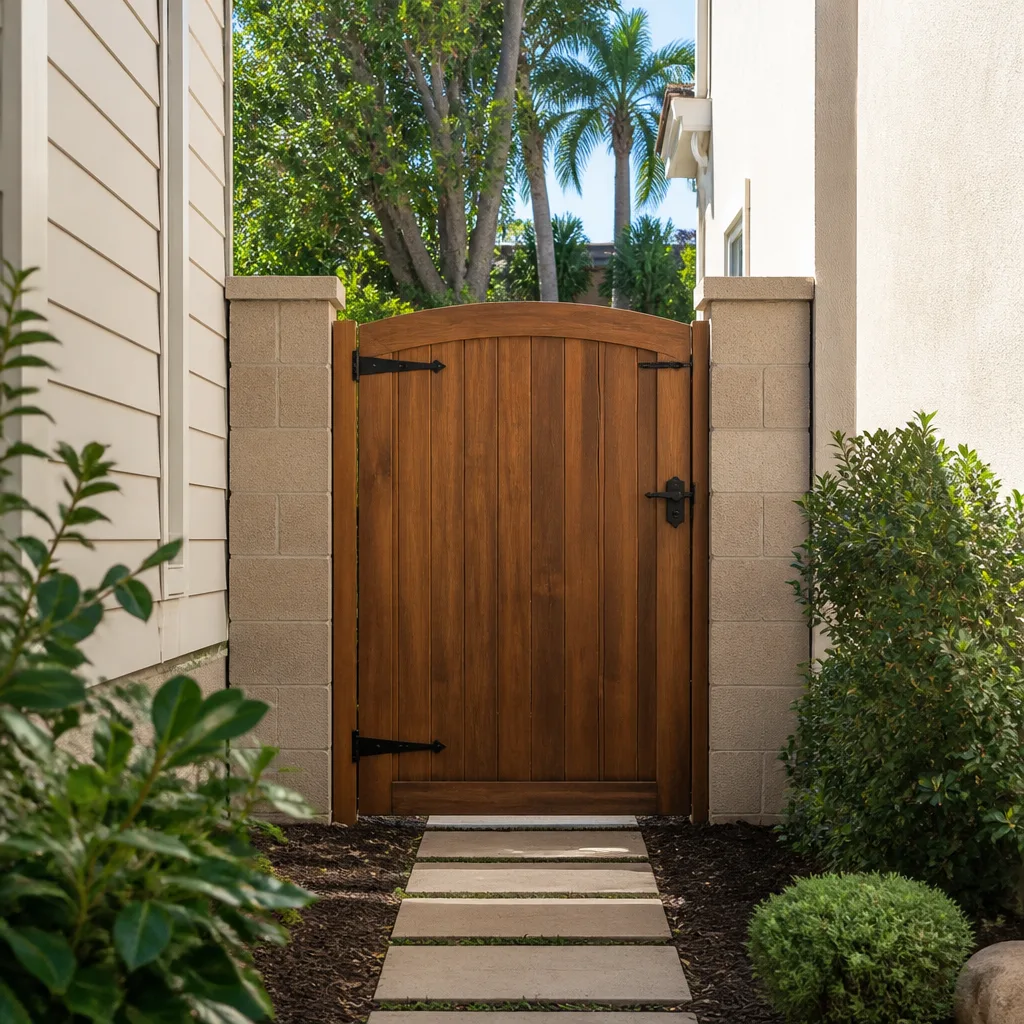
- Fence
See the difference
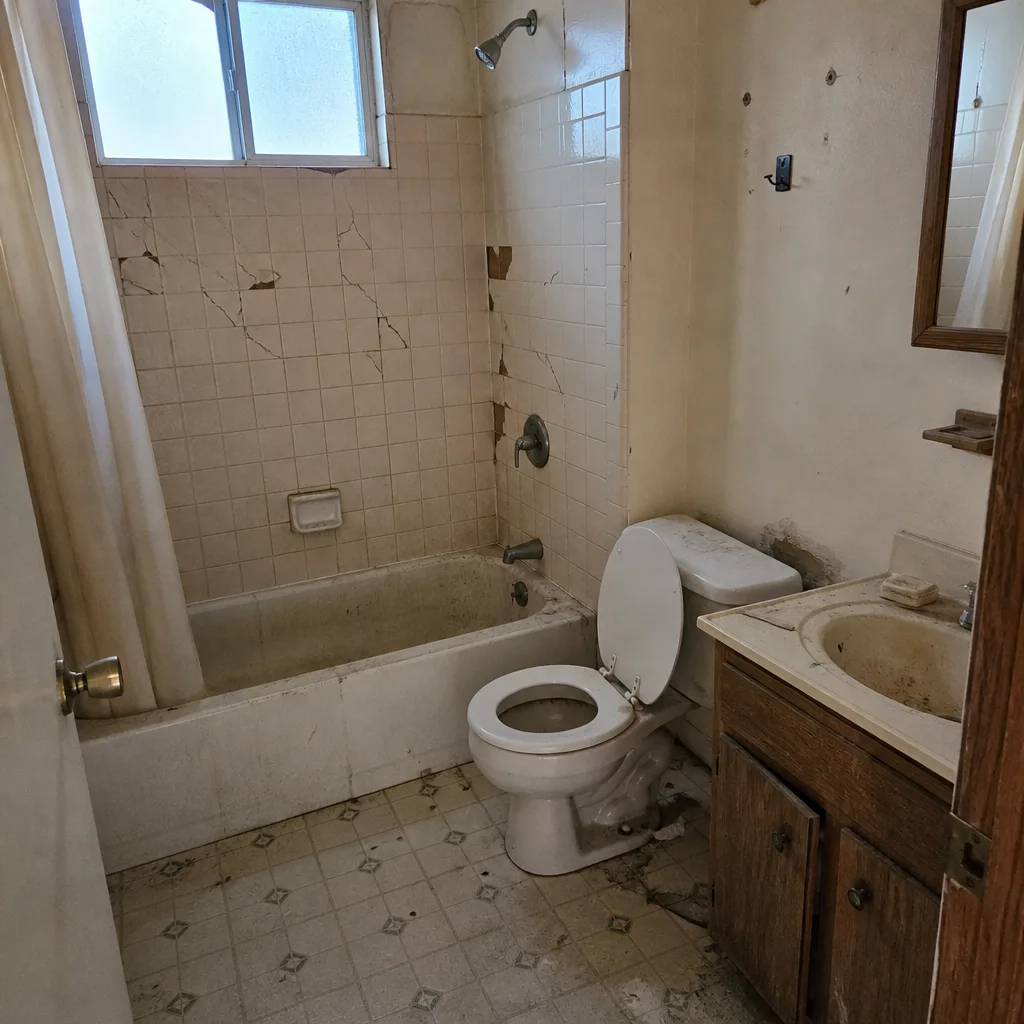 Before
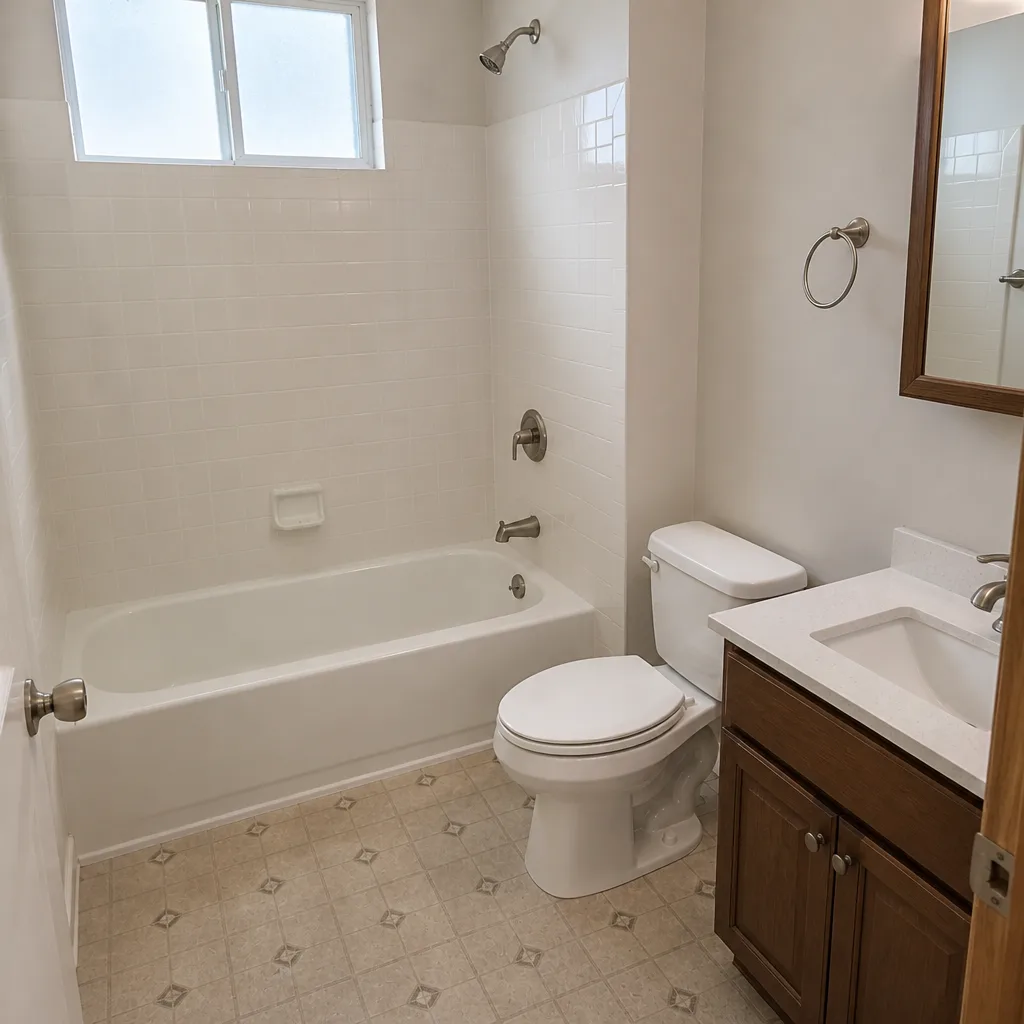 After
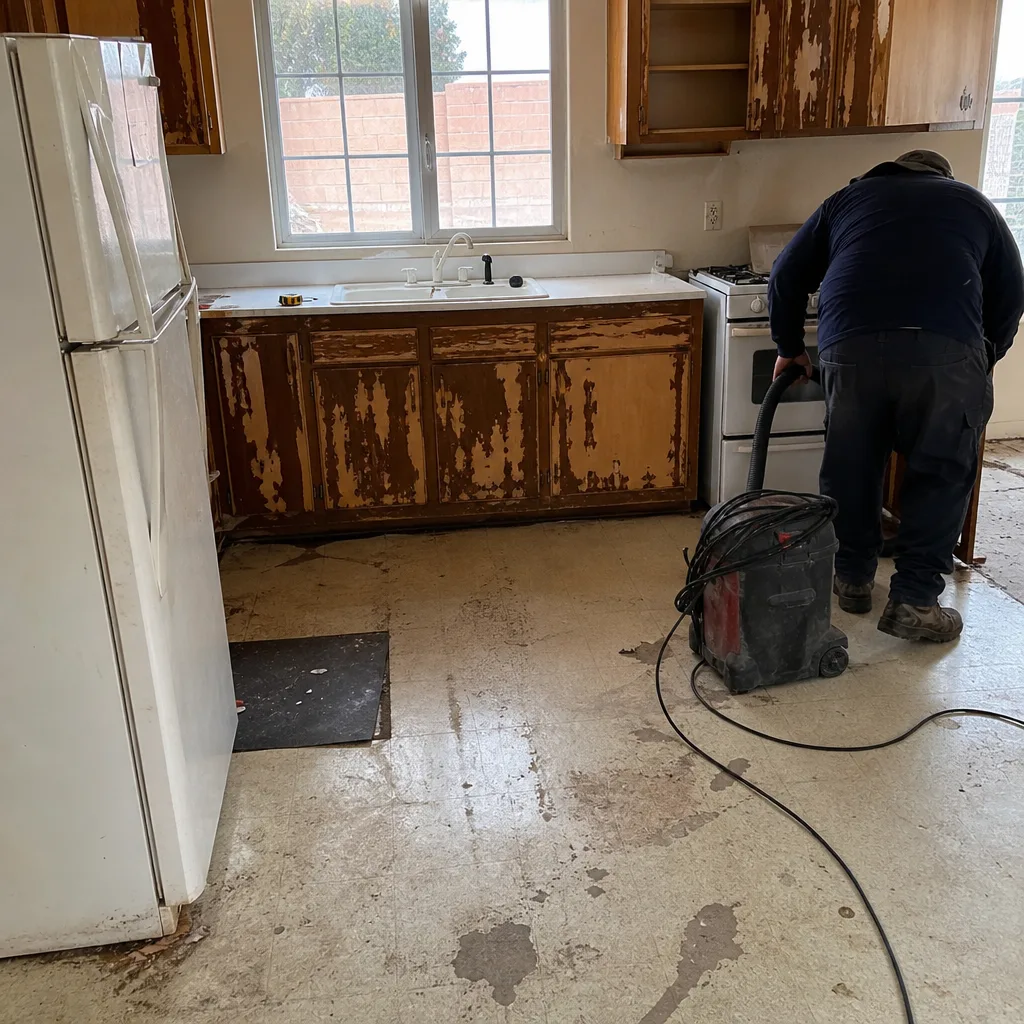 Before
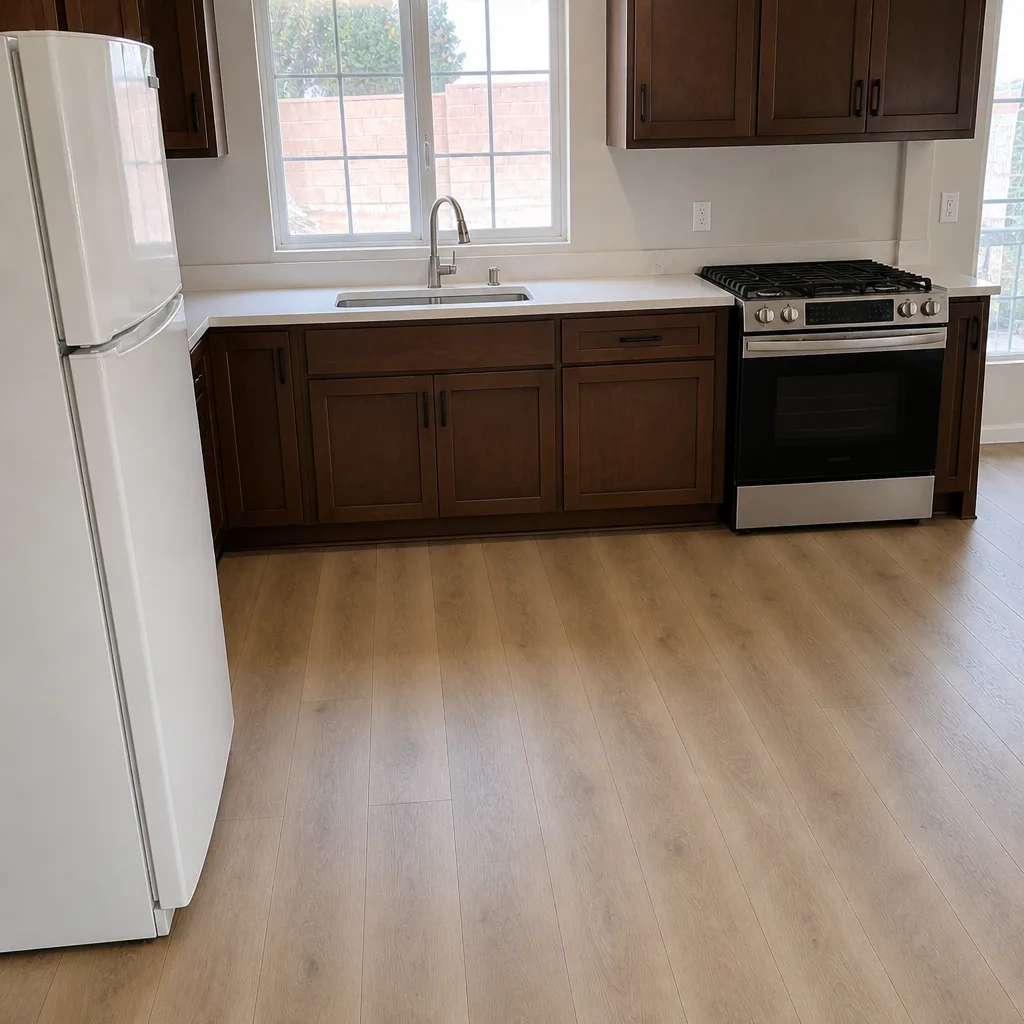 After
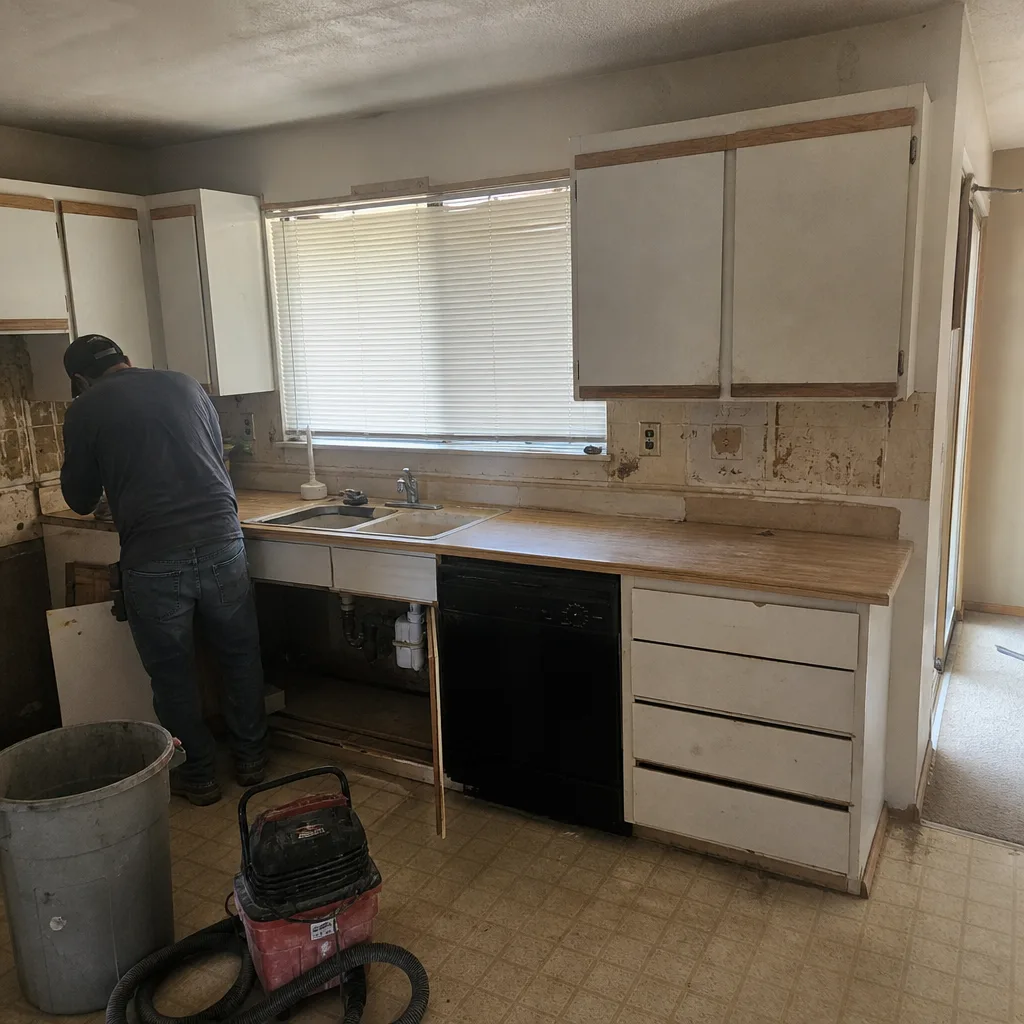 Before
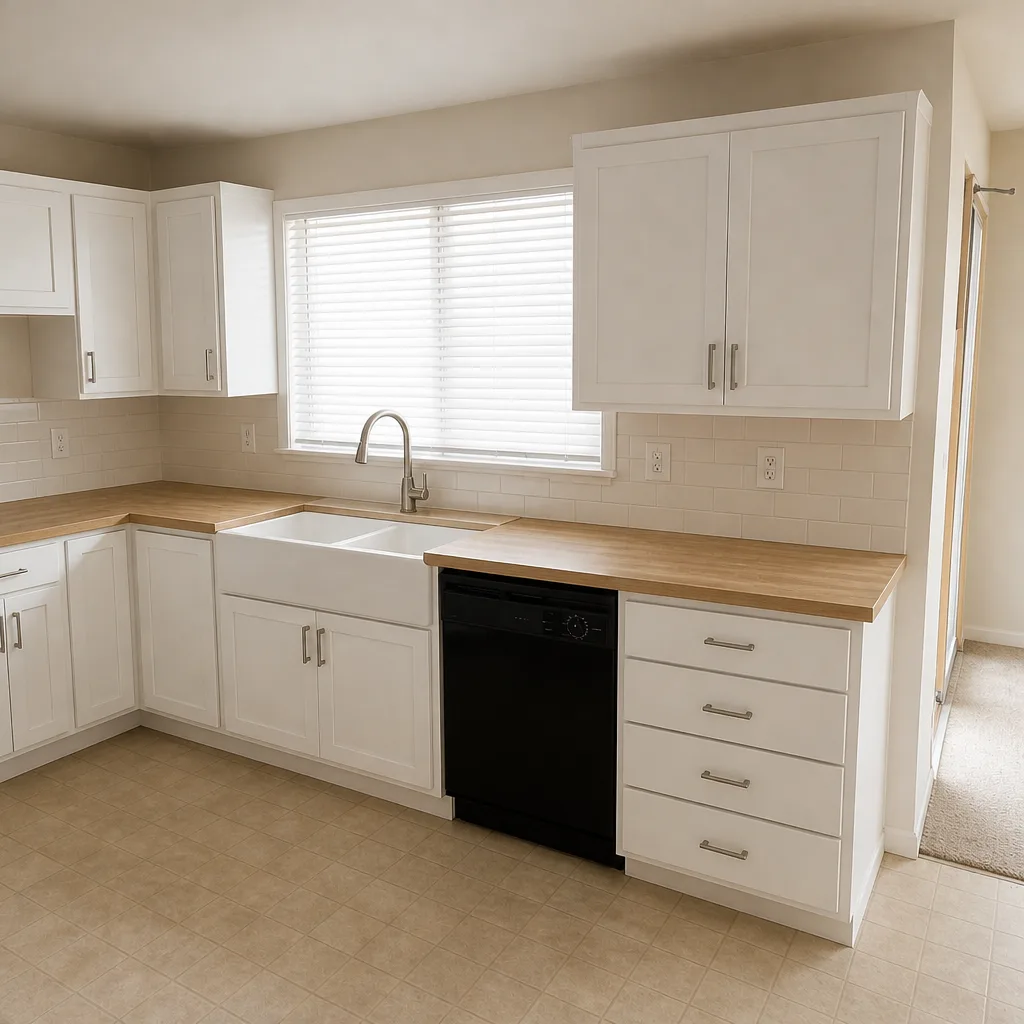 After
Quartz vs Granite Countertops in Boulder City, NV: Which Should You Choose?
Choose quartz unless you’ve got your heart set on a one-of-a-kind natural slab and you’re ready to reseal it two to three times a year. In Boulder City’s Mojave Desert climate, quartz is the better long-term bet for most kitchens: it’s non-porous, needs no sealing, and holds up to the heat and UV that wreck granite sealers faster than any manufacturer’s schedule assumes. We install both materials, so this isn’t a sales pitch. It’s the honest math. For a free, no-pressure estimate, call (888) 282-1693.
Granite is beautiful. It’s also porous, requires annual sealing, and sits in a climate where a countertop can hit 150°F in a sunlit kitchen from June through September. That single fact changes the whole comparison, and it’s the part the standard guides gloss over.
Why Boulder City’s Climate Tilts the Decision Toward Quartz
Most quartz-vs-granite articles are written for a mild, humid climate. Boulder City isn’t that. We sit in the Mojave at roughly 2,300 to 2,500 feet near Lake Mead, summer highs run 100 to 110°F, humidity drops below 10% routinely, and the UV coming through a south-facing window is relentless. Those conditions stress stone in ways a manufacturer’s “reseal once a year” recommendation doesn’t account for.
Here’s what we actually see on jobs: in a sun-baked kitchen, granite sealer breaks down on a 6-to-8-month cycle, not a 12-month one. That resealing chore adds $200 to $400 a year you won’t find in any comparison chart. On a 15-year horizon, that’s real money, and it’s labor most homeowners eventually skip. Skip it, and unsealed granite in this climate isn’t a minor annoyance. It’s how a material starts to stain, etch, and fail.
Quartz, by contrast, is engineered stone. It’s non-porous by design, so there’s nothing to seal, no pores for desert dust to settle into, and no maintenance clock ticking in the background. You wipe it down and move on.
Quartz vs Granite: The Honest Side-by-Side
Price is where people expect the biggest gap, and it’s smaller than you’d guess. Countertop installation in Boulder City runs $2,000 to $6,500 for a typical kitchen remodel, and in that range both quartz and granite are very much in play.
| Factor | Quartz | Granite |
|---|---|---|
| Porosity | Non-porous, no sealing | Porous, needs sealing |
| Resealing in Boulder City sun | Never | Every 6-8 months |
| Annual maintenance cost | $0 | $200-$400 |
| Thermal shock tolerance | Generally more forgiving | Prone to micro-fractures under heat cycling |
| Material warranty | Cambria lifetime residential warranty | Usually fabrication and install only |
| Looks | Consistent, engineered patterns | One-of-a-kind natural variation |
The thermal piece matters more than the marketing lets on. A hot cast-iron pan set down on granite can cause micro-fractures, and in extreme heat cycles those cracks can propagate. Cambria’s polymer-bound matrix is simply more tolerant of that stress, which counts for a lot in a desert kitchen.
Then there’s the warranty stack. Cambria quartz carries a lifetime residential warranty covering manufacturing defects. Granite warranties are almost always limited to fabrication and installation, not how the material itself performs. Stack that lifetime material coverage on top of our 730-Day Done Right Promise, which covers installation workmanship for both materials, and quartz buyers end up with layered protection a granite install just can’t match.
What to Look For Before You Commit
Whichever direction you lean, a few things separate a countertop that lasts from one that disappoints. Walk through this list before you sign anything:
- Ask exactly what the warranty covers. Material performance and workmanship are two different promises. You want both in writing.
- Check the seam plan. Where the fabricator places seams shows in the final look. A good shop shows you the layout first.
- Confirm the thermal story. Ask how the material handles hot pans and what that means for your warranty.
- Budget the maintenance. If you choose granite in this climate, plan for resealing every 6 to 8 months, not once a year.
- Match the material to the home. In the historic district, a 1930s Hoover Dam-era cottage calls for a palette that fits the house, and preservation review can shape what you can change.
Here’s the part a lot of comparison guides never mention: Boulder City is a federally chartered 1931 company town, and most of the historic core is 1930s-40s bungalows and cottages built for Hoover Dam workers. Those homes have pier-and-beam foundations, unreinforced brick, and original framing, and the town’s preservation review is unusually strict. A countertop swap can turn into a preservation-sensitive remodel depending on how much cabinetry and layout you touch. We’ve run into this often enough to plan for it up front, and it’s a big reason our home remodeling approach starts with the house itself, not the catalog.
Where Groundwork Fits In
We’re a full-scope partner for the room around the countertop too. When the counter replacement turns into a cabinet reface or a layout change, that falls squarely into our Kitchen Remodeling work, and you get one contractor from tear-out to final walkthrough instead of juggling a fabricator and a cabinet guy who won’t talk to each other. Our technicians have up to 12 years of experience, they’re background-checked and arrive in uniform, and calls are answered by a live person 24/7.
We install Cambria quartz and work with a curated set of material partners across every trade, so you’re choosing quality rather than whatever’s in stock. Upfront pricing means the number you see is the number you pay, and we back the whole job with the 730-Day Done Right Promise. If it’s not done right, we make it right. Bigger projects also qualify for 0% financing for 18 months and $1,000 off projects over $10,000.
FAQs
Quartz is the better all-around choice for most Boulder City kitchens because the desert sun and low humidity break down granite sealer fast, forcing resealing every 6 to 8 months and running $200 to $400 a year. Granite makes sense if you love natural variation and don’t mind staying on top of that schedule. Call (888) 282-1693 for a free estimate on either.
Countertop installation in Boulder City runs $2,000 to $6,500, and quartz and granite typically land in the same range depending on slab choice and size. Remember the granite side carries that $200-to-$400 annual resealing cost the sticker price leaves out. Call (888) 282-1693 for an exact quote, and estimates are free.
Yes. Intense UV and summer heat degrade sealer faster than a manufacturer’s annual schedule assumes, so in a sunlit kitchen the effective interval drops to 6 to 8 months. That’s the hidden cost most comparison guides never include in the total. We’ll walk you through it in person, just call (888) 282-1693.
Yes, and we plan for the preservation review up front, since the historic district’s 1930s-40s cottages can trigger extra requirements on a remodel. We keep the new surface in step with the house rather than fighting it. Reach us at (888) 282-1693 to talk through your project.
If you’d rather have it looked at, Groundwork Construction Co. of Boulder City offers a no-pressure assessment in Boulder City. We’ll talk through quartz, granite, and what your kitchen actually needs. Call (888) 282-1693 to book a free estimate, or ask about the current $1,000 off projects over $10,000 and 18-month 0% financing.
Written by the team at Groundwork Construction Co. of Boulder City, serving Boulder City, NV.