Free written scope consultation - allowances, timeline, and change-order rules on paper before a single trade is scheduled
Styles & brands we work with
- Kitchen remodeling
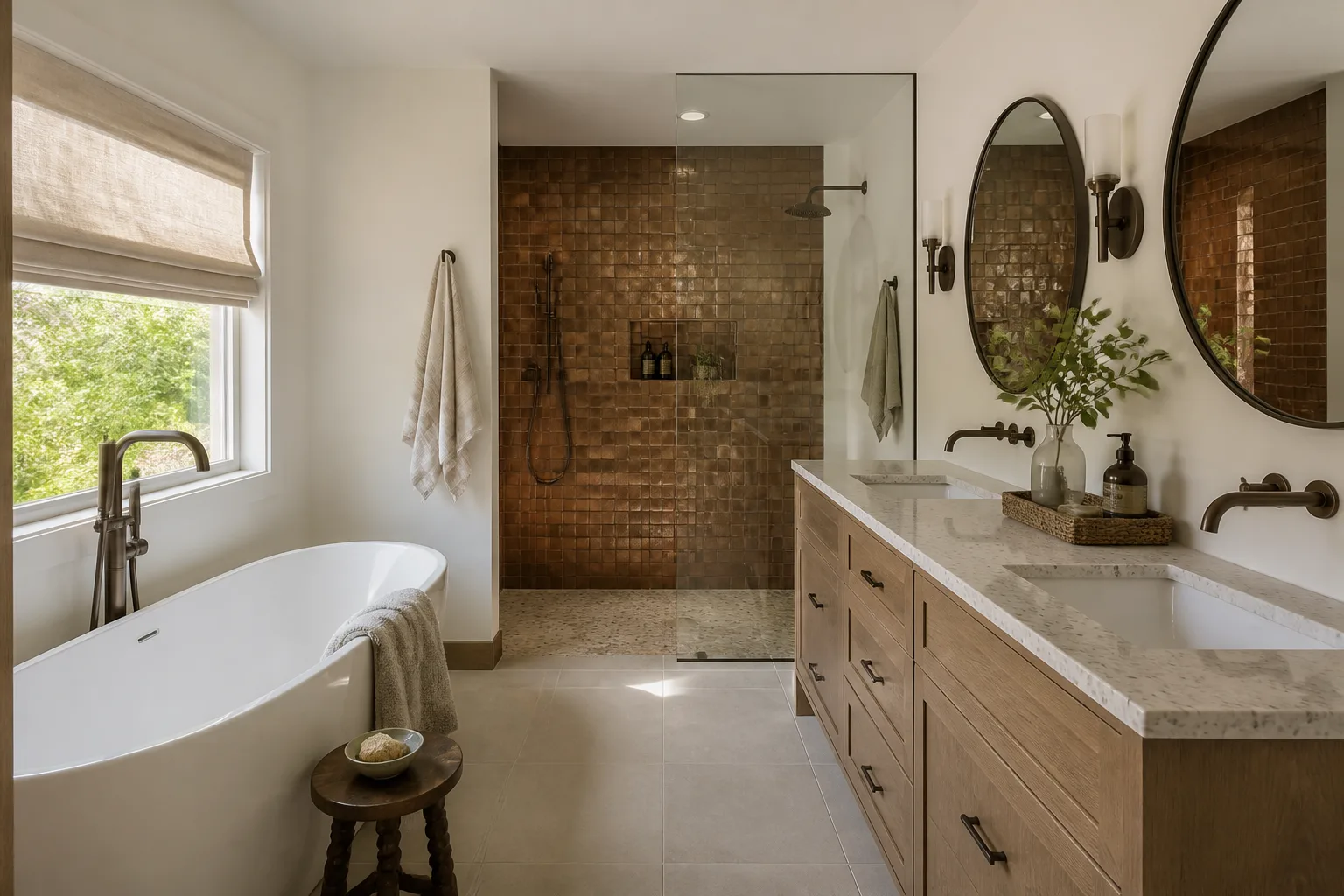
- Bathroom remodeling
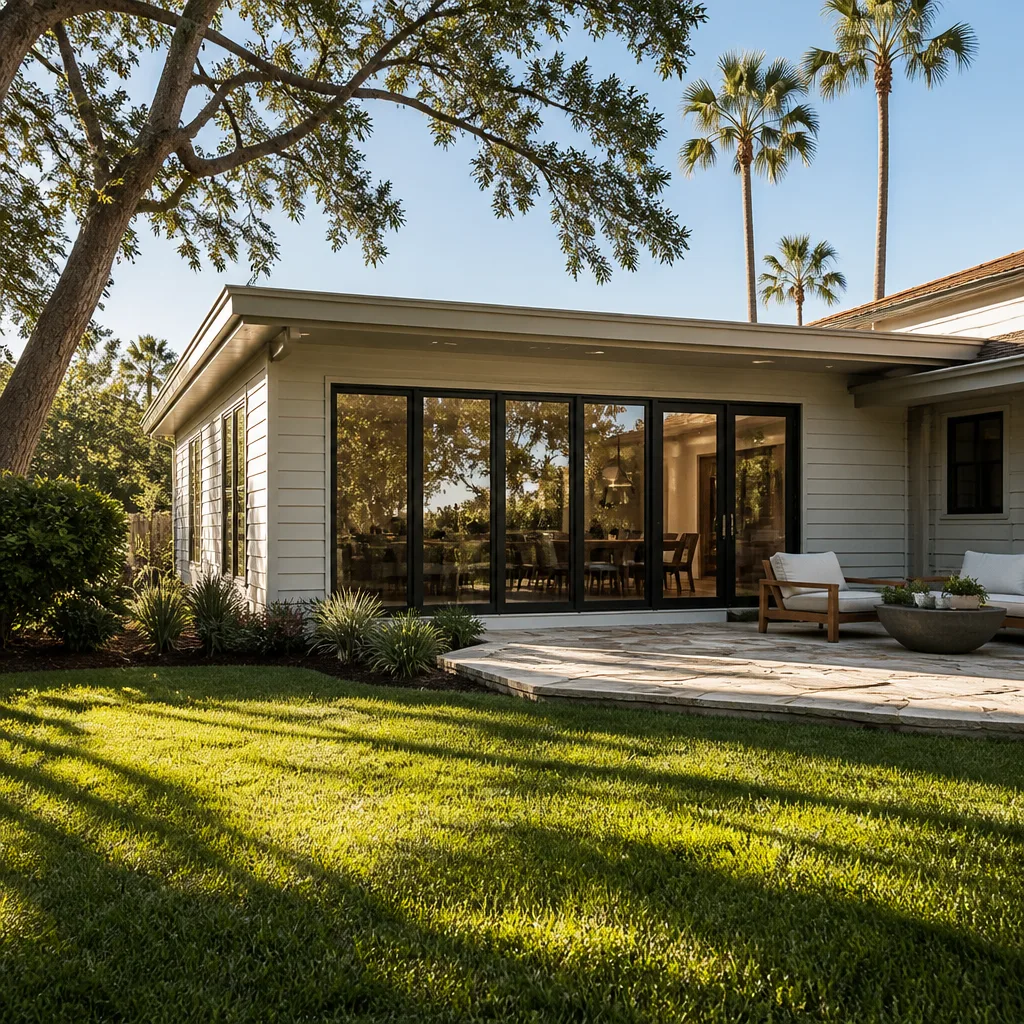
- Home additions & ADU
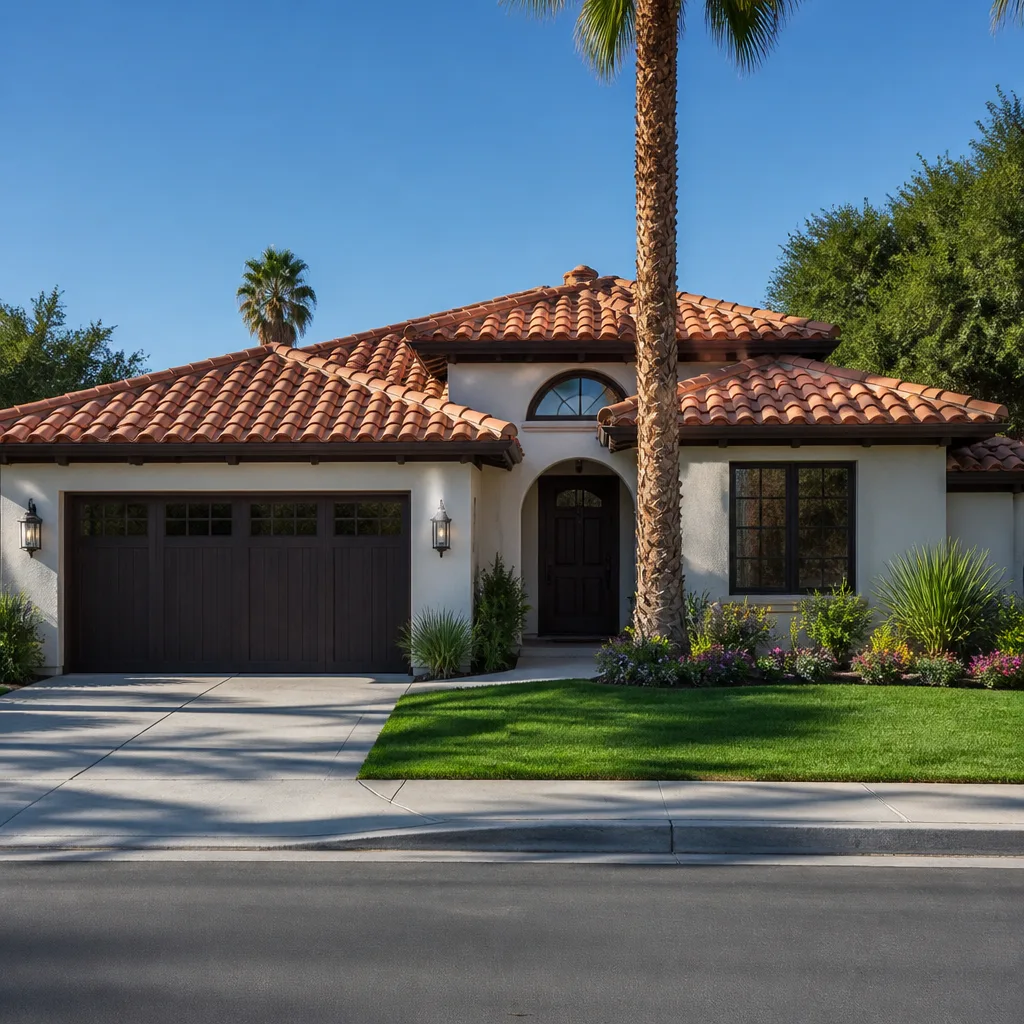
- Roofing
- Windows & doors
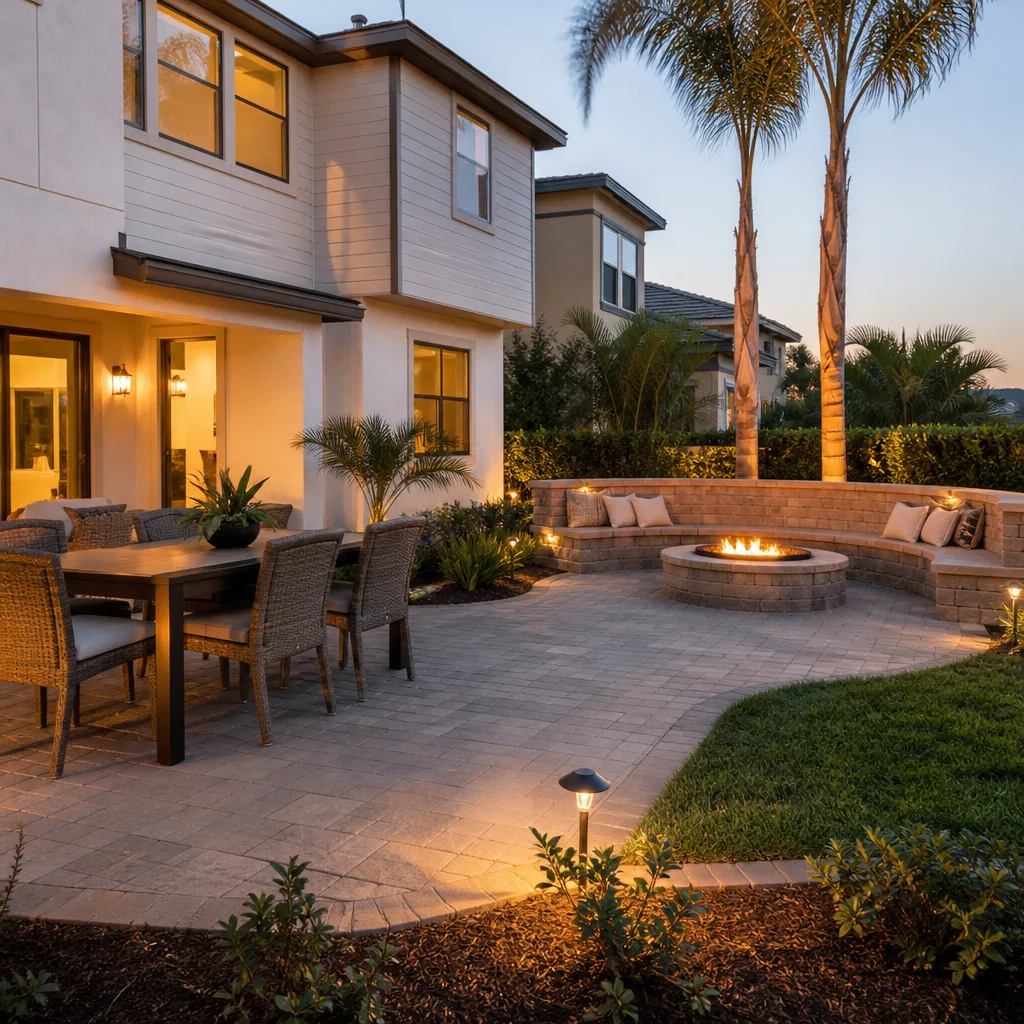
- Driveway & pavers
- Fence
See the difference
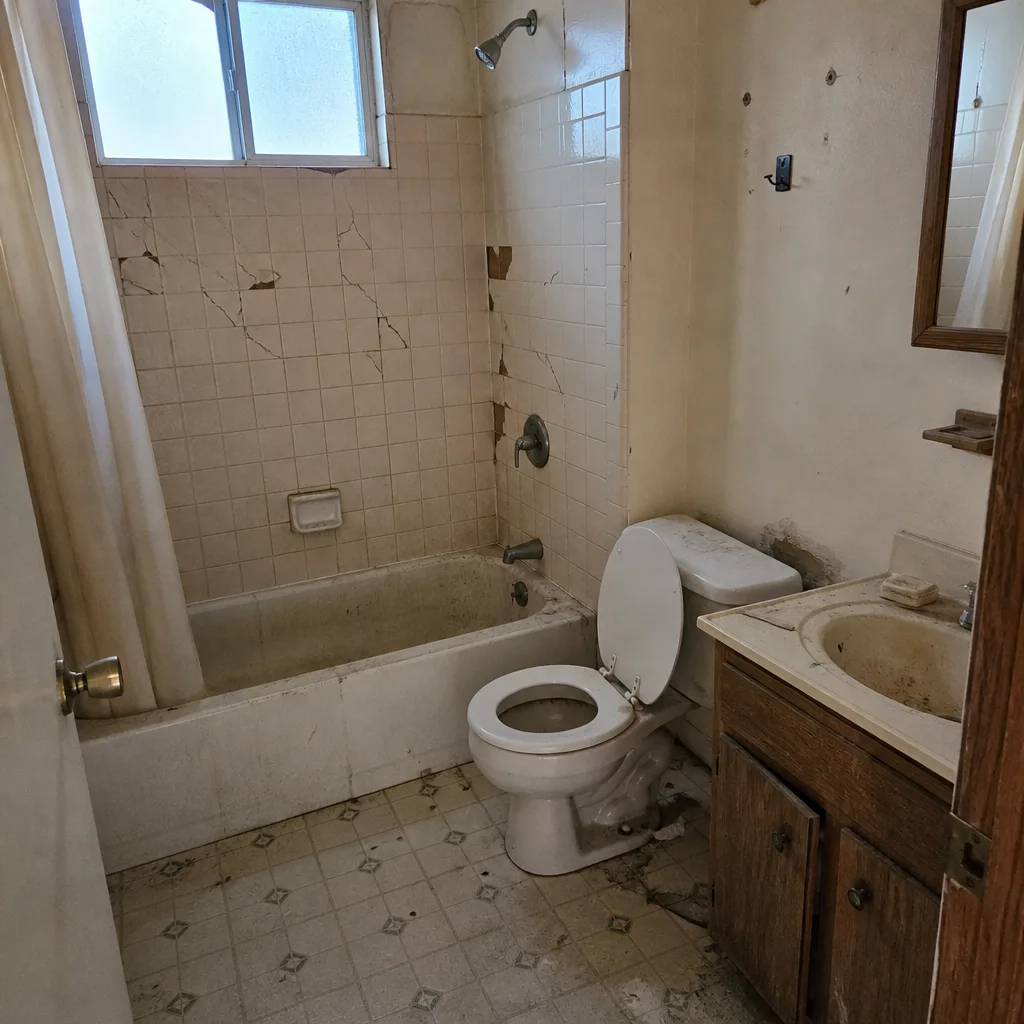 Before
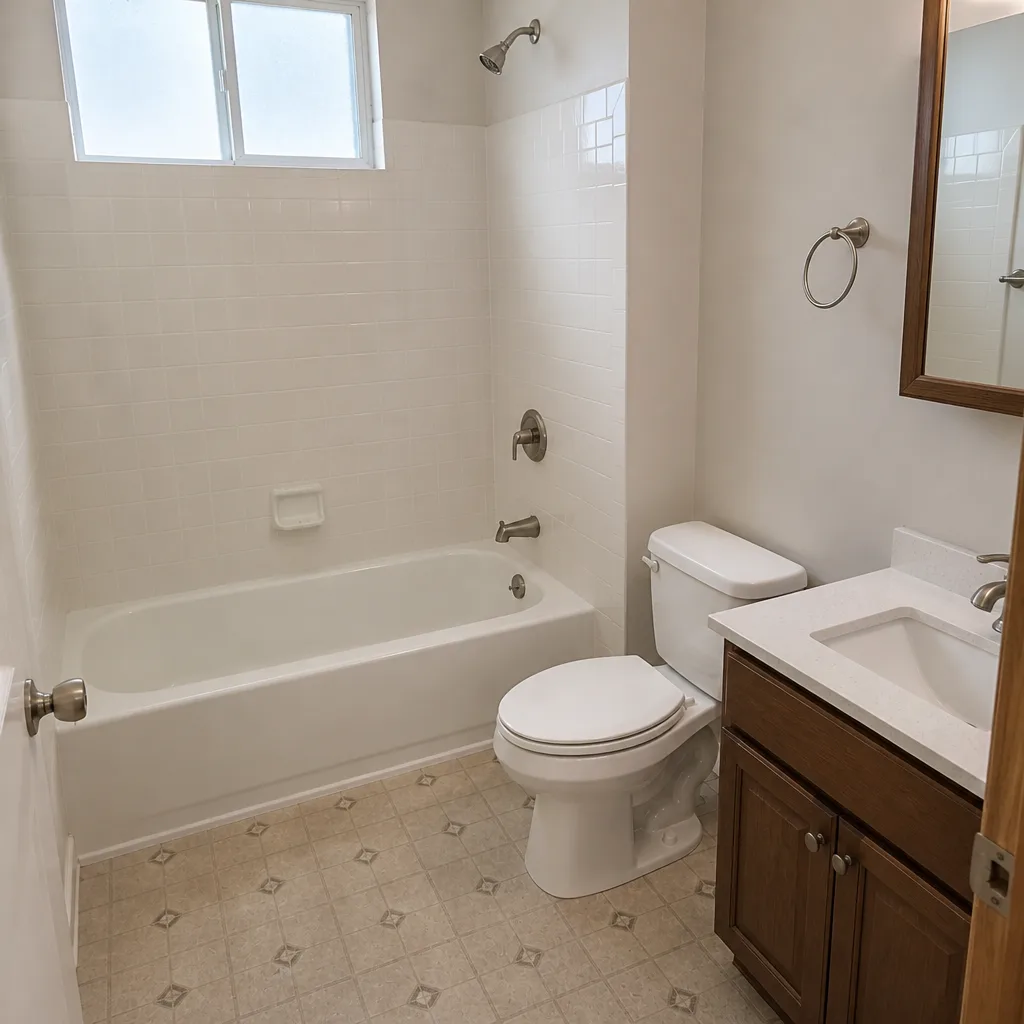 After
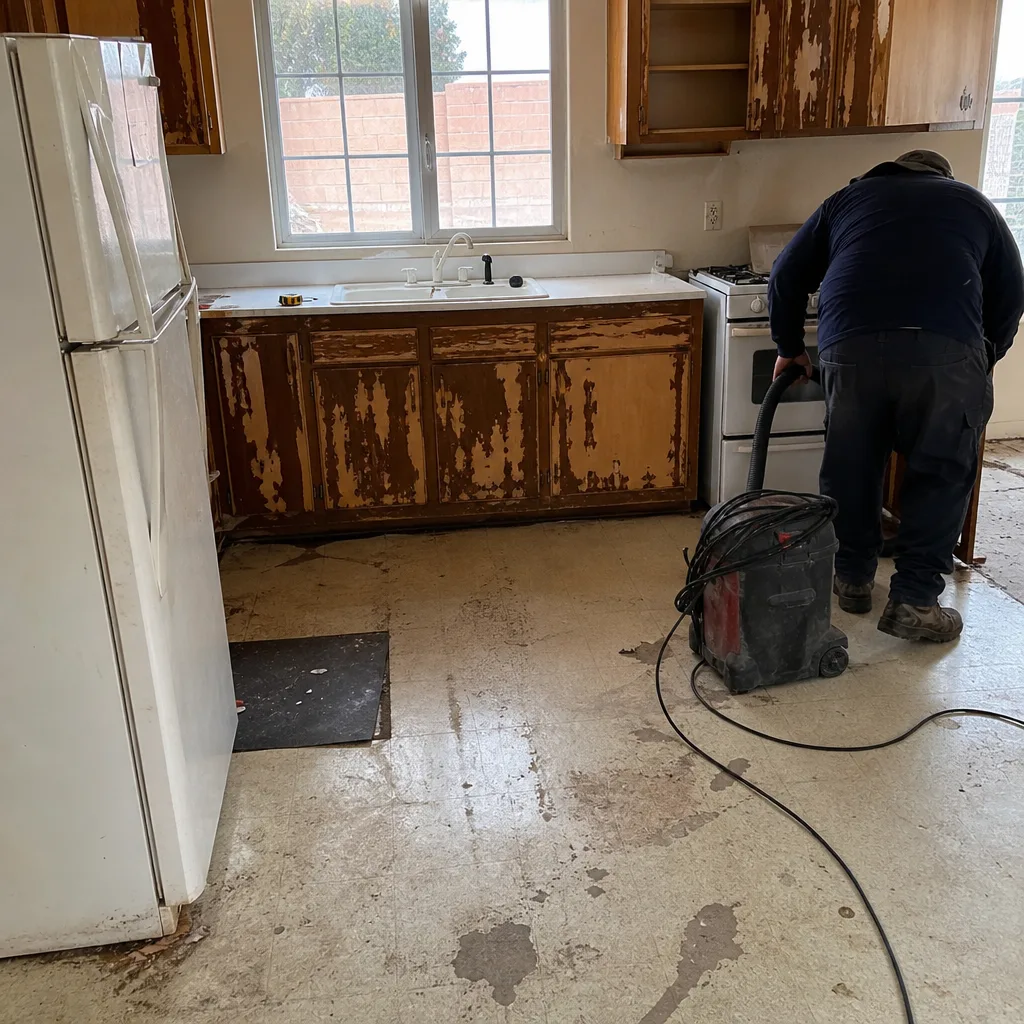 Before
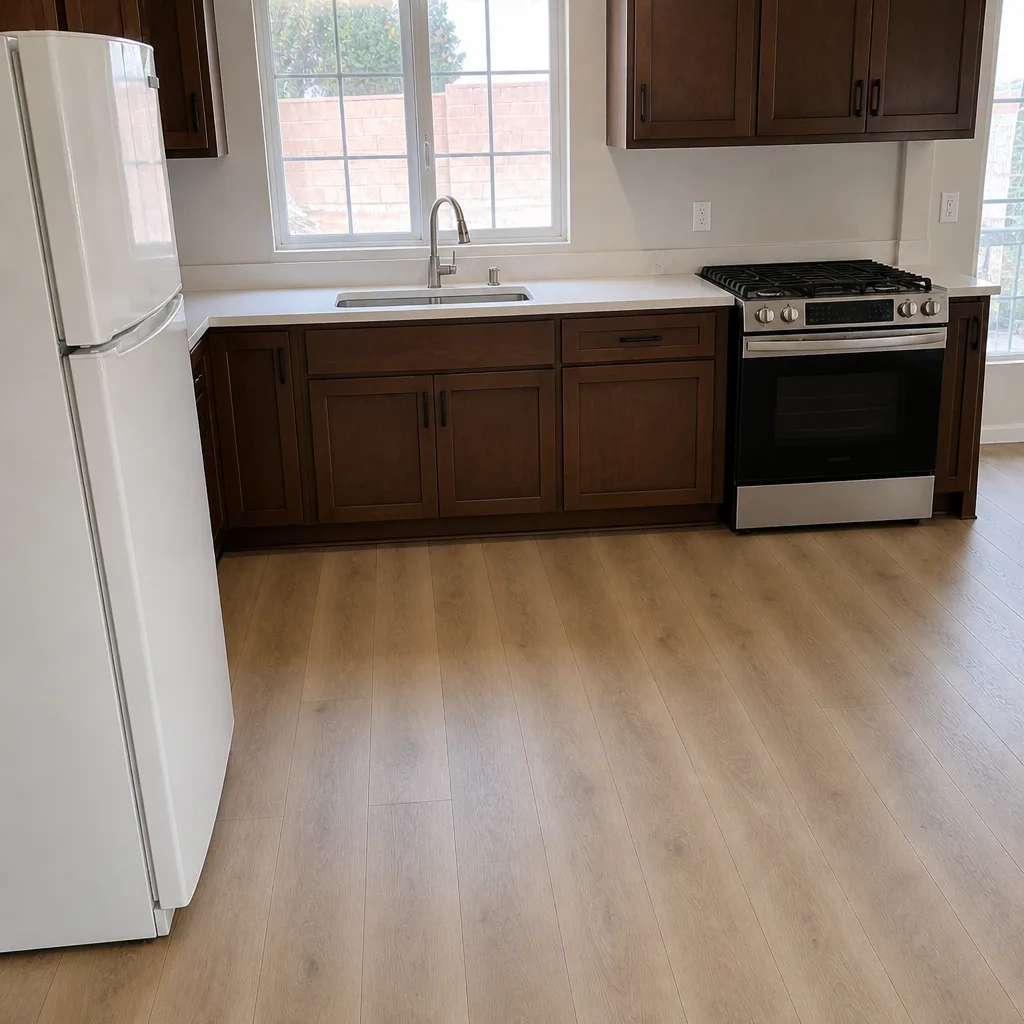 After
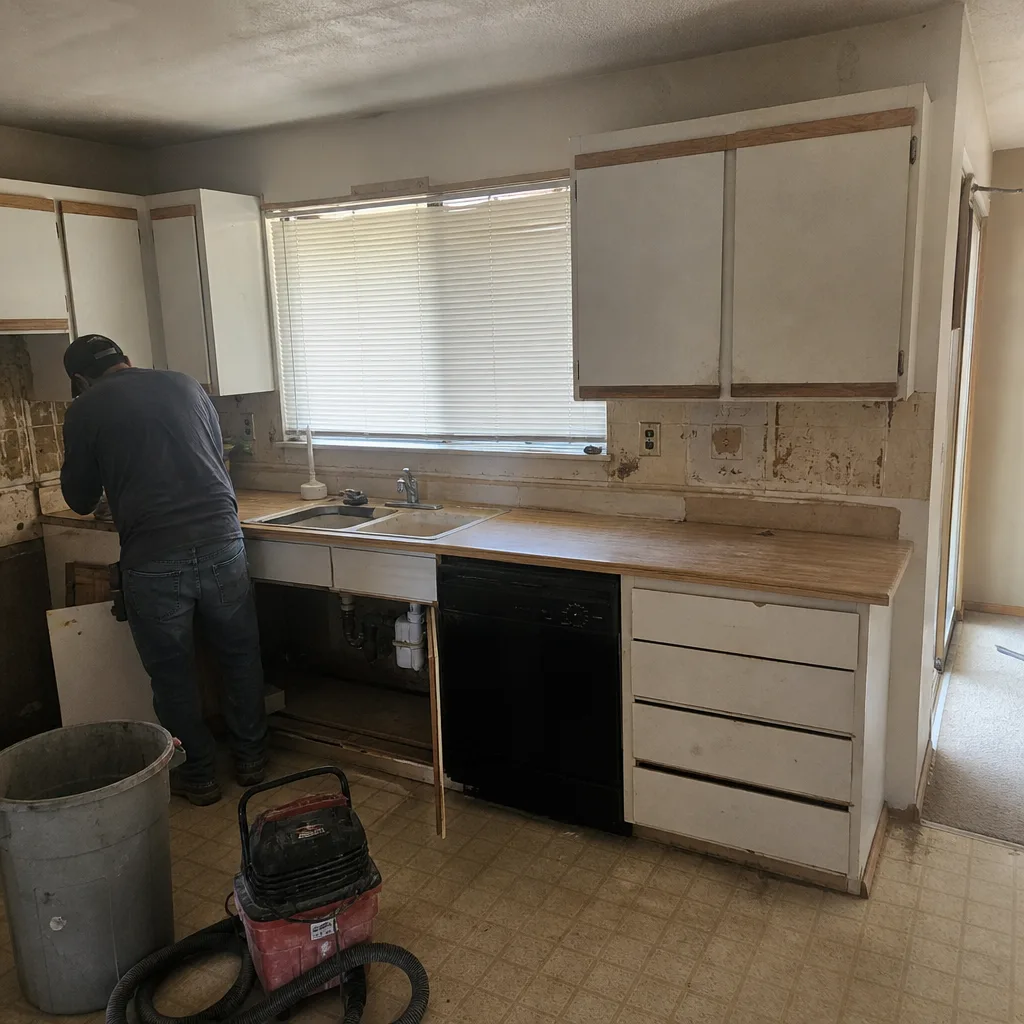 Before
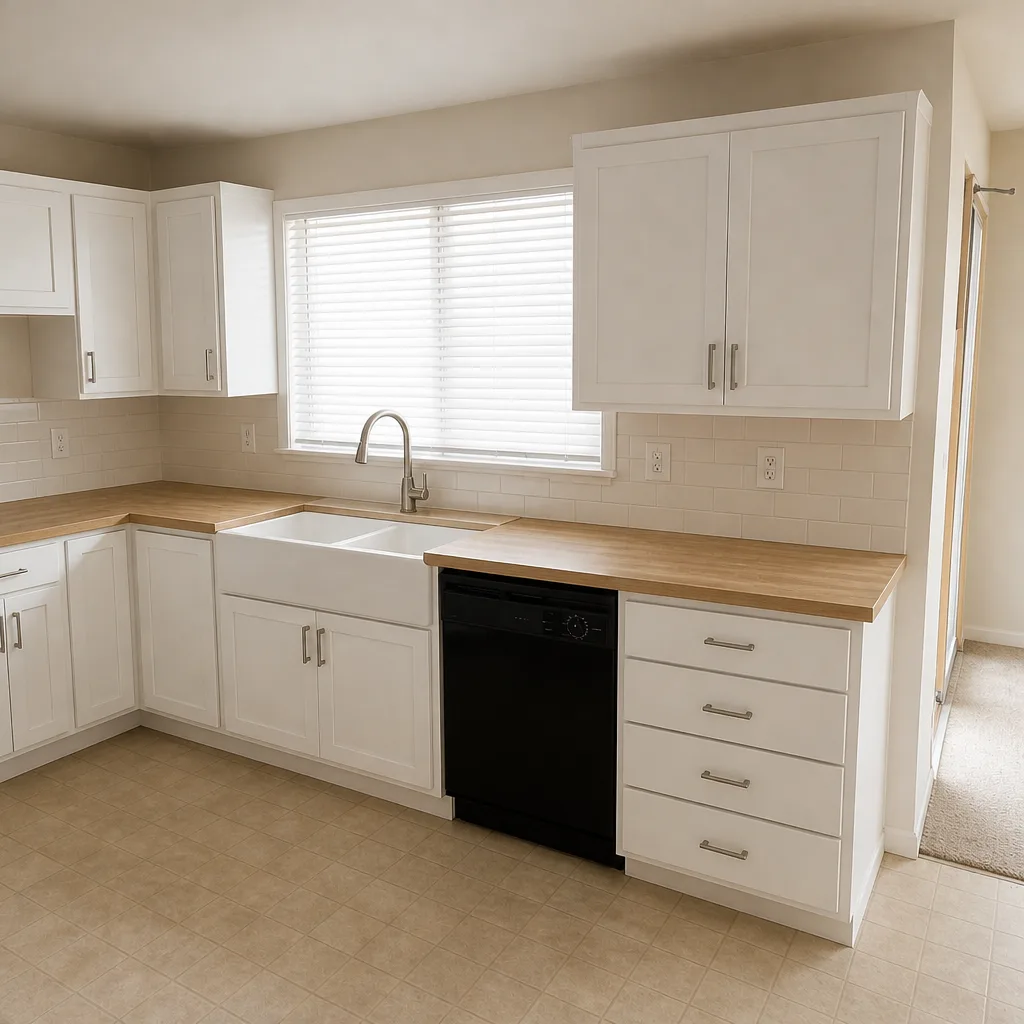 After
Vinyl vs Fiberglass Windows in Boulder City, NV: Which Should You Choose?
Choose fiberglass unless budget is the deciding factor and your Boulder City home sits outside the historic district. Vinyl windows make sense in plenty of climates, but Boulder City’s Mojave Desert heat, with 100°F+ summers and UV strong enough to fade paint in a single season, works against them. The physics of thermal expansion explains exactly why, and it’s the reason we steer most Boulder City homeowners toward fiberglass. If you’d rather have a straight recommendation than a sales pitch, call Groundwork Construction Co. of Boulder City at (888) 282-1693 and we’ll walk your actual house with you.
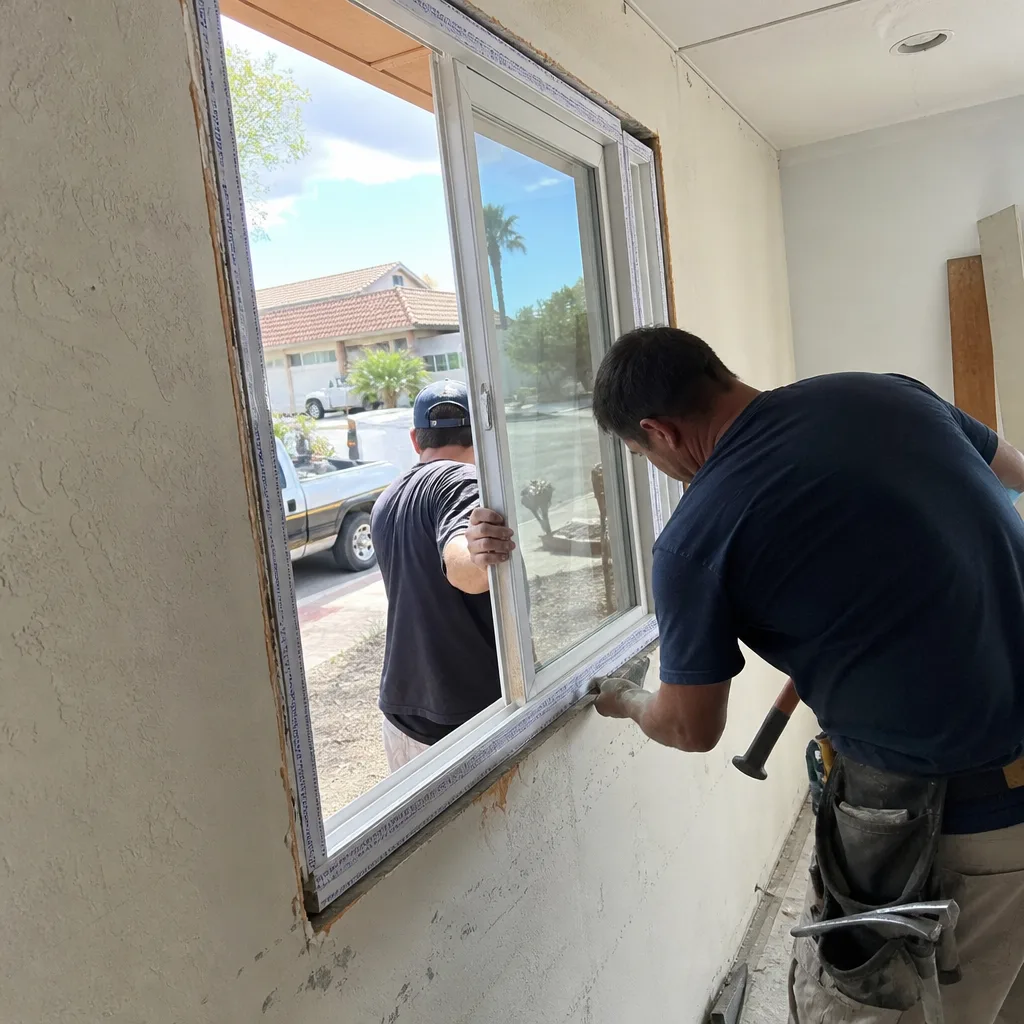
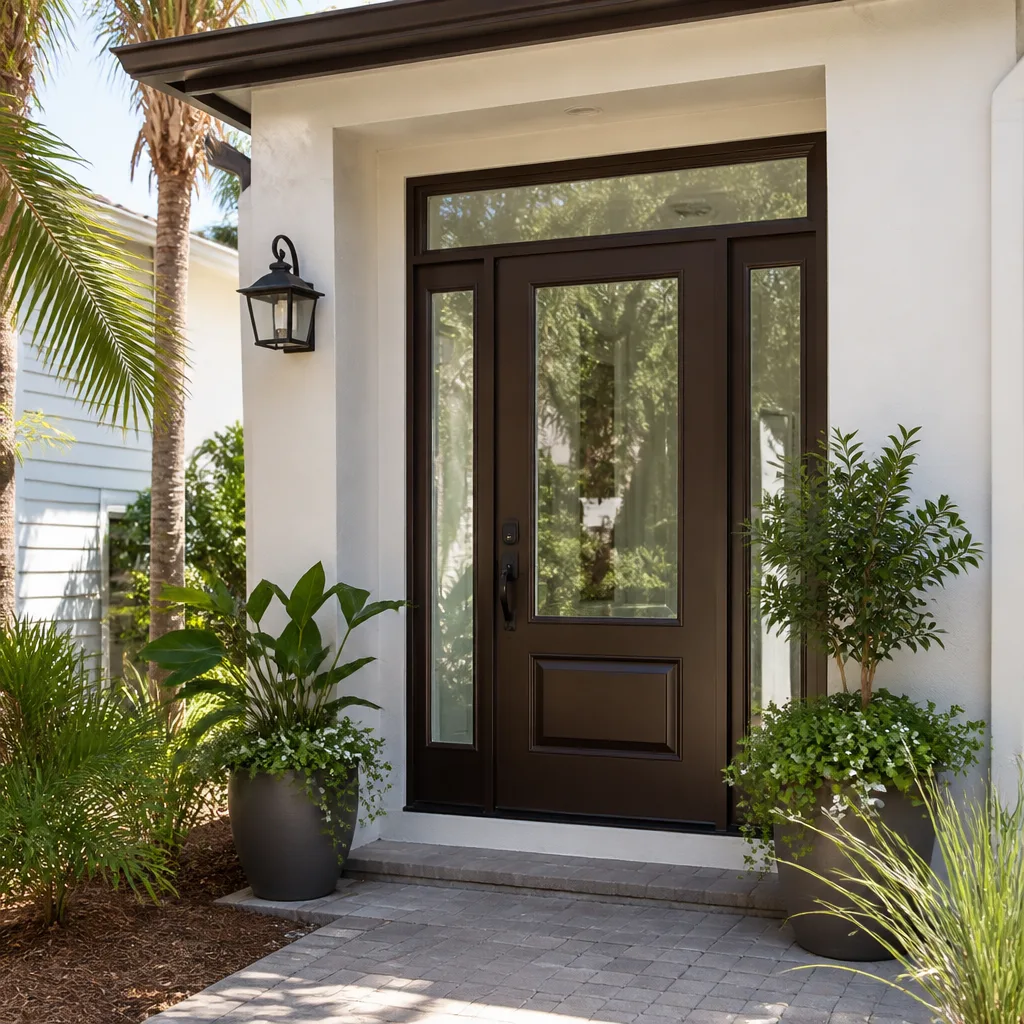
Why the Vinyl-vs-Fiberglass Debate Tilts Toward Fiberglass Here
Start with the number that settles most of it. Rigid PVC, the material in vinyl window frames, expands at roughly 50 parts per million per degree Celsius. Fiberglass comes in at 8-10 ppm/°C, and the glass pane itself sits near 9 ppm/°C. That gap matters because a Boulder City window cycles hard: a winter overnight near 55°F, a summer afternoon at 108°F. That swing forces vinyl frames to move measurably more than the glass they hold, and every cycle works at the seal between frame and insulated glass unit until the seal fatigues. Fiberglass moves in step with its glass, so the assembly stays put.
UV degradation compounds it. Standard vinyl formulations rely on titanium dioxide stabilizers rated for temperate climates. In our high-desert sun, we see chalking and color fade on vinyl frames 5-7 years ahead of what the manufacturer’s estimate suggested. Fiberglass holds its finish longer, and when it does need refreshing it takes paint cleanly.
None of this is an argument that vinyl is junk. It’s an argument that vinyl was engineered for a different climate than the one outside your window.
How Vinyl and Fiberglass Compare for a Boulder City Home
| Factor | Vinyl (PVC) | Fiberglass |
|---|---|---|
| Thermal expansion | ~50 ppm/°C | 8-10 ppm/°C (matches glass at ~9) |
| Behavior across a 55°F-108°F cycle | Frame moves more than the glass; seal fatigue over time | Frame and glass move together |
| UV and color stability | Chalking and fade show 5-7 years early in high-desert sun | Finish holds longer; repaintable |
| Historic-district fit | Standard profiles rarely match divided-light wood | Can be finish-painted to match original wood profiles |
| Upfront cost | Typically 20-30% less | Higher, offset by service life in this climate |
A window replacement in Boulder City generally runs $4,500-$15,000 for a typical house, and impact window installation lands at $8,000-$25,000. The vinyl-versus-fiberglass choice usually swings that number by 20-30% on the frame cost, which is real money. We quote it with upfront pricing so you see the actual line items before you commit.
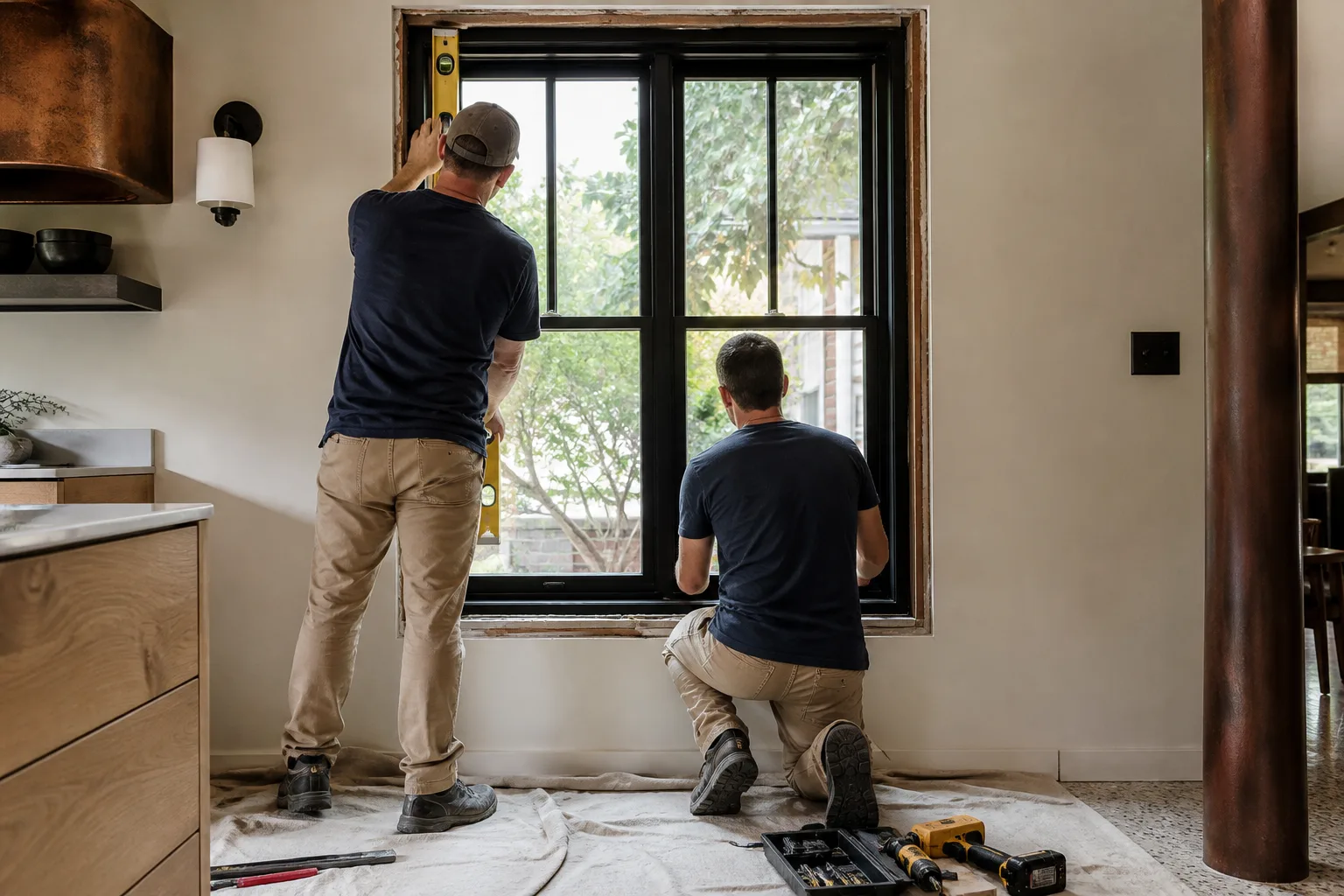
The Historic District Angle Most Quotes Miss
Boulder City is a federally chartered 1931 company town, built by the Bureau of Reclamation to house Hoover Dam workers, and most of the original bungalows and 1930s-40s cottages sit near the historic district. Exterior alterations and window replacements there can trigger preservation review. Neither standard vinyl nor fiberglass clears that review automatically, but fiberglass can be finish-painted to match the original divided-light wood profile. Marvin’s fiberglass line is specifically approved in several preservation jurisdictions for exactly this reason.
We’ve watched a homeowner come in with a standard vinyl-window quote for a 1930s Hoover Dam cottage and get told to match the original wood profile instead. That’s a wasted month. If your home sits in or near the historic core, get the profile question settled before you sign anything.
Where Vinyl Is the Right Call
East of the historic district, the housing stock shifts to 1950s-70s infill tract homes with no preservation overlay. For those homes, vinyl in a thermally broken frame with proper Low-E glazing is a defensible choice when budget is the constraint. You’ll replace them sooner than fiberglass in this sun, but the money you save is real, and Low-E glazing does the heavy lifting on heat gain either way.
Our recommendation: if you’re staying in the house long term, fiberglass pays back in this climate. If you’re watching every dollar and your home has no preservation concerns, vinyl with good glazing is honest value. You can see the full scope of what we install on our Windows & Doors page.
How the Recommendation Gets Made for Your Specific House
This is where the installed product matters more than the material debate. We carry both Andersen and Marvin lines, which include fiberglass and clad-wood options built for extreme climates. The recommendation comes from your house: sun exposure, wall construction, whether there’s preservation review, and how long you plan to stay. Not from what happens to be sitting in a warehouse. Every project is covered by our 730-Day Done Right Promise, so the workmanship is backed in writing long after the frame goes in. Our technicians have up to 12 years of experience, and calls are answered by a live person 24/7.
- Best for long-term owners in the historic core: fiberglass, finished to match original wood profiles
- Best for 1950s-70s infill homes on a budget: vinyl in a thermally broken frame with Low-E glazing
- Best for mixed sun and heavy west exposure: fiberglass with upgraded Low-E coating
- Best for anyone worried about warranty fine print: the 730-Day Done Right Promise covers both
What to Check Before You Sign a Window Quote in Boulder City
Ask these questions of any contractor, including us:
- What’s the frame’s thermal expansion spec, not just the U-value?
- Is your home inside the preservation review boundary, and has the contractor worked that process before?
- Does the quote price the frame, glazing, and installation separately?
- What’s the workmanship warranty, in writing, and how long does it run?
That fourth one is usually the tell. Vague answers on warranty are where homeowners get burned. We put ours in writing before work starts.
Common Local Scenarios We See in Boulder City
A 1938 bungalow near the historic district: original divided-light wood windows, some with failing seals. Fiberglass painted to match the original profile gets through review and performs in the heat.
A 1968 tract home east of the district: aluminum sliders with single-pane glass. Vinyl with Low-E in a thermally broken frame is the budget-sensible swap, no preservation concerns.
A custom build near Lake Mead at 2,300-2,500 feet: full western exposure. The UV load here is brutal, which favors fiberglass and a heavier Low-E coating.
FAQs
Yes, for most long-term owners. Fiberglass typically costs 20-30% more than vinyl upfront, but its expansion coefficient matches the glass it holds, so seals last longer through Boulder City’s 55°F-to-108°F cycles, and its finish holds longer in the UV. If you plan to stay in the home, the service life more than covers the premium. Call (888) 282-1693 for an exact quote on your house.
Window replacement in Boulder City generally runs $4,500-$15,000 for a typical house, and impact window installation runs $8,000-$25,000. The spread depends on window count, frame material, and glazing. We give upfront pricing so the number you see is the number you pay. Call (888) 282-1693 and we’ll give you a free estimate.
Often, yes. Exterior alterations and window replacements in Boulder City’s historic core can trigger preservation review, and neither standard vinyl nor fiberglass clears it automatically. Fiberglass can be finished to match original wood profiles, which is why it’s approved in several preservation jurisdictions. We can tell you whether your address falls inside review before you choose a product.
Fiberglass holds its finish longer than vinyl in Boulder City’s UV environment, but “longer” isn’t “forever.” Standard vinyl shows chalking and color fade 5-7 years ahead of temperate-climate estimates here. Fiberglass resists that better. Call (888) 282-1693 if you want a free assessment.
Get a Straight Recommendation for Your Boulder City Home
If you’d rather have it looked at, Groundwork Construction Co. of Boulder City offers a no-pressure assessment in Boulder City. We’ll check your wall construction, exposure, and preservation status, then tell you plainly whether vinyl or fiberglass makes sense for your house. Call (888) 282-1693. You can also see our Boulder City service area page for the broader scope of what we handle.
Written by the team at Groundwork Construction Co. of Boulder City, serving Boulder City, NV.