Free written scope consultation - allowances, timeline, and change-order rules on paper before a single trade is scheduled
Styles & brands we work with
- Kitchen remodeling
- Bathroom remodeling
- Home additions & ADU
- Roofing
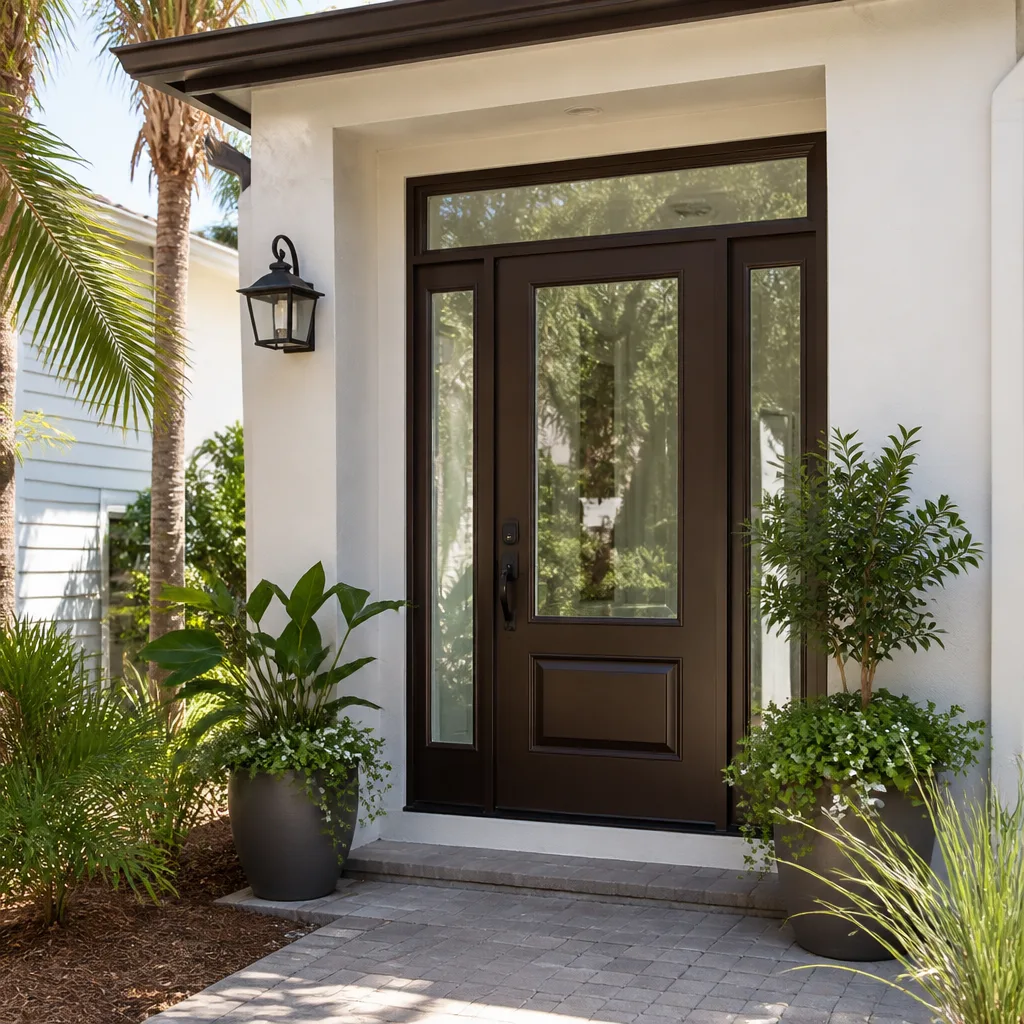
- Windows & doors
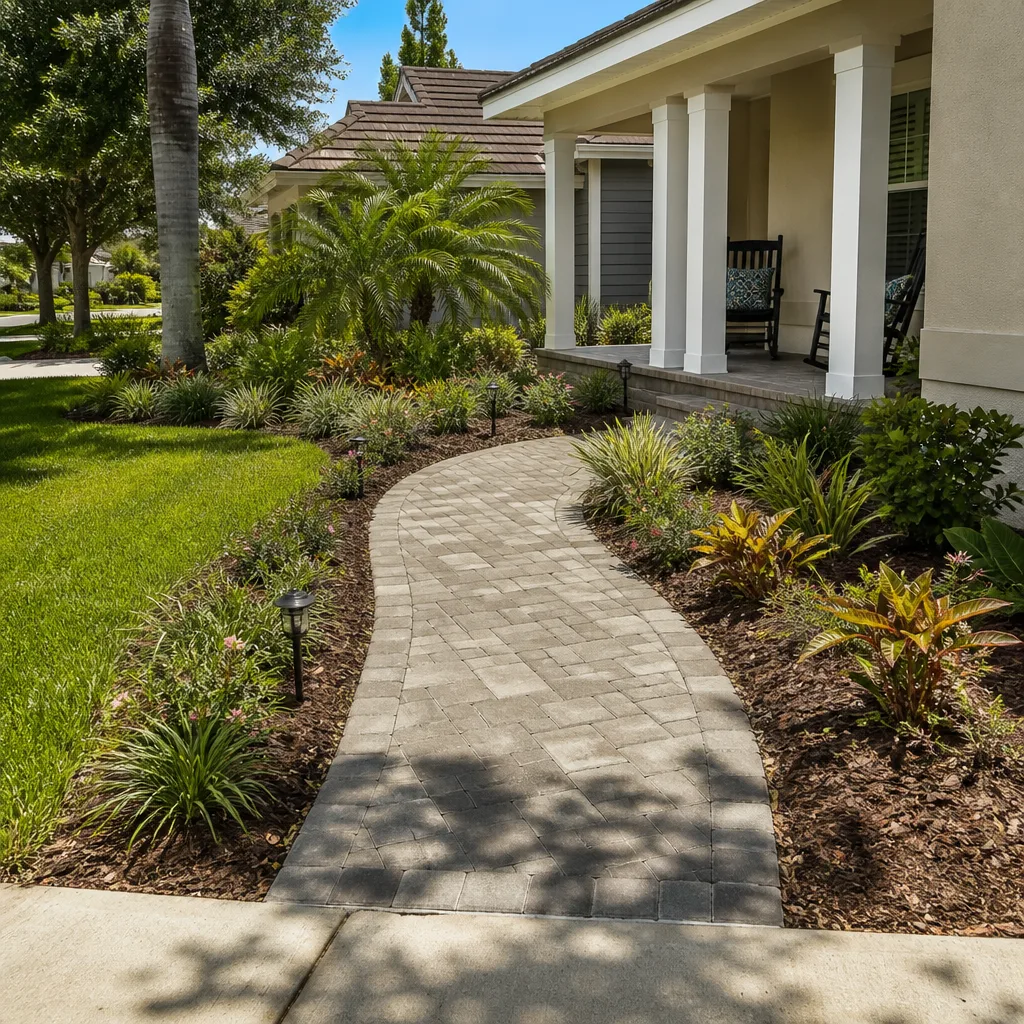
- Driveway & pavers
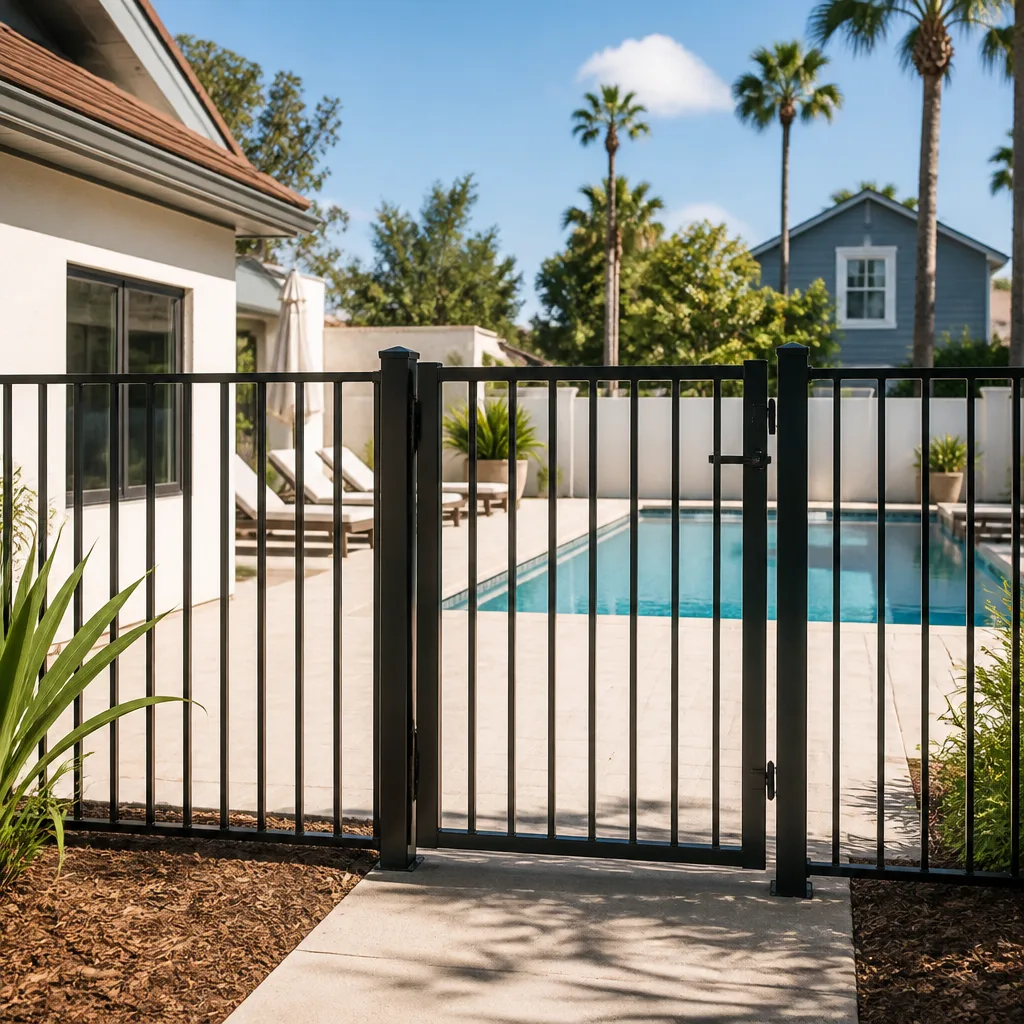
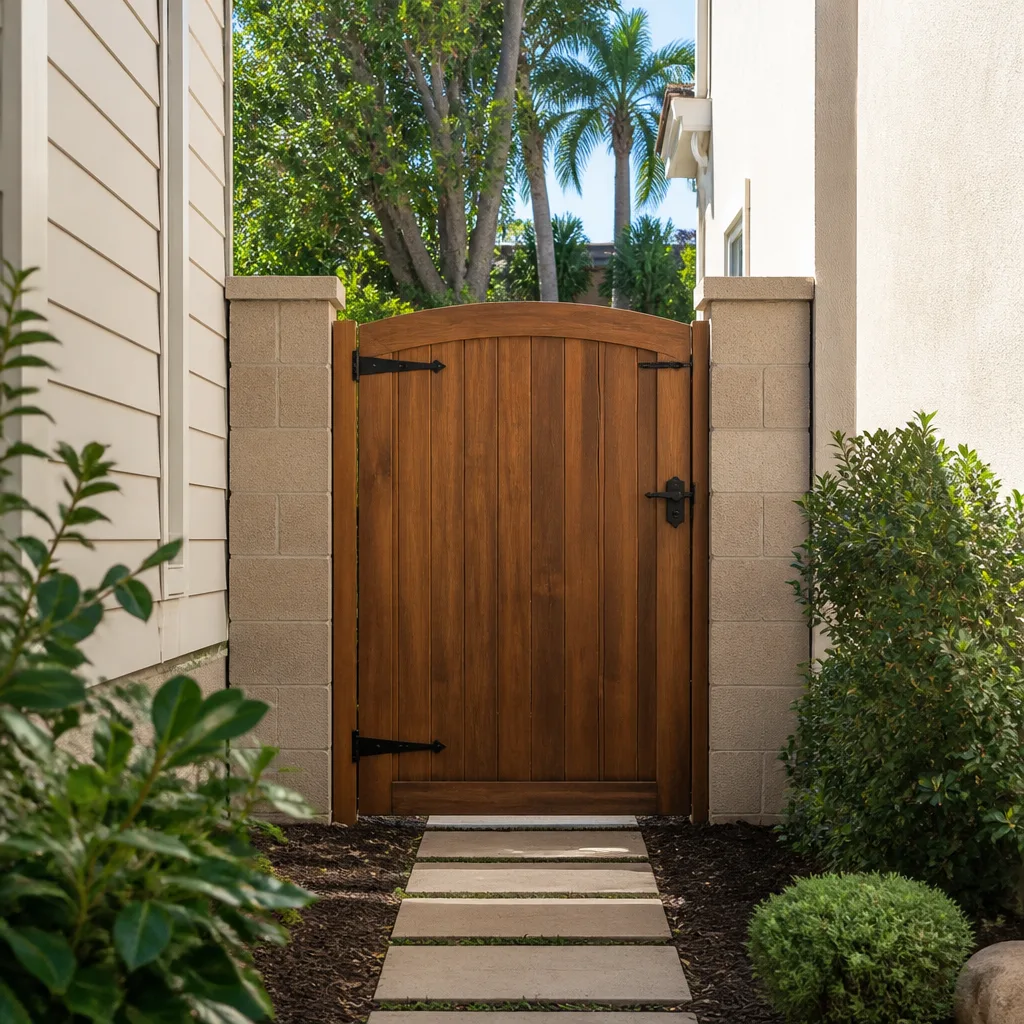
- Fence
See the difference
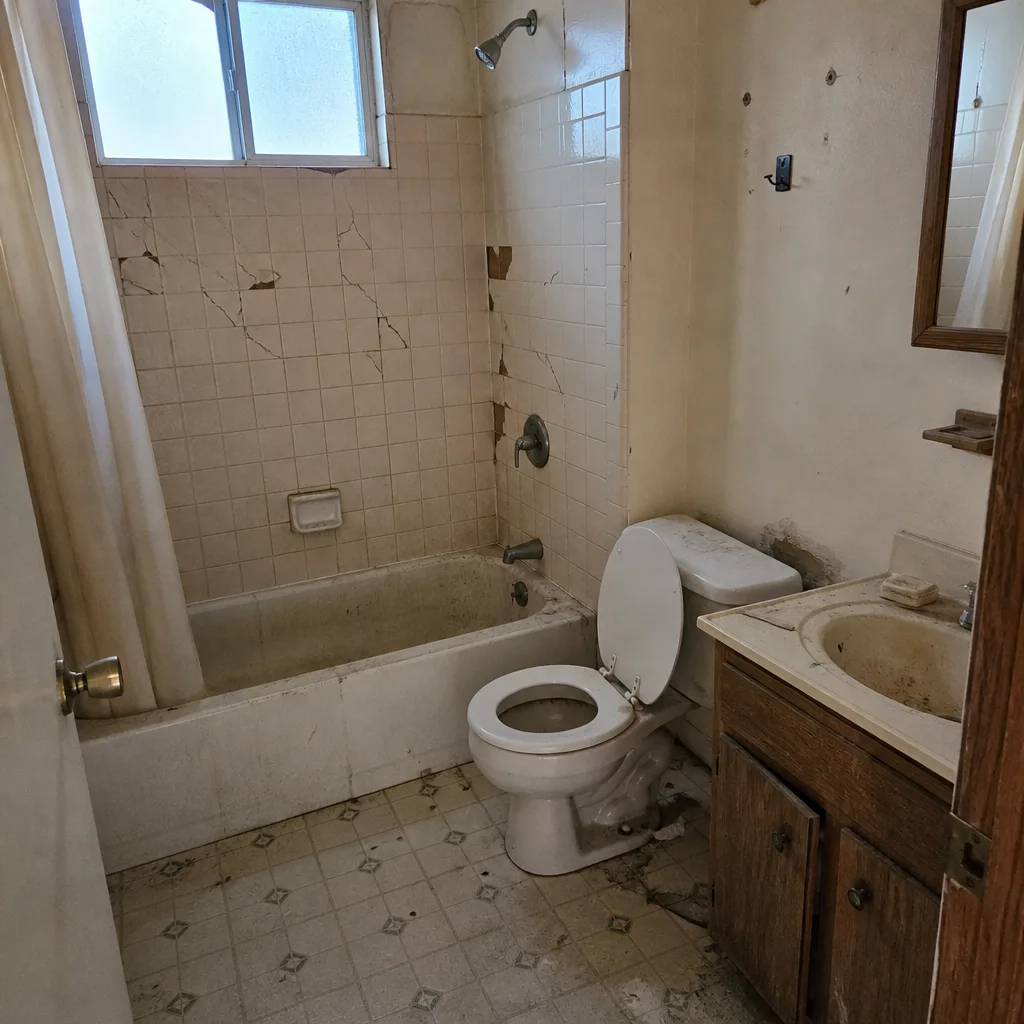 Before
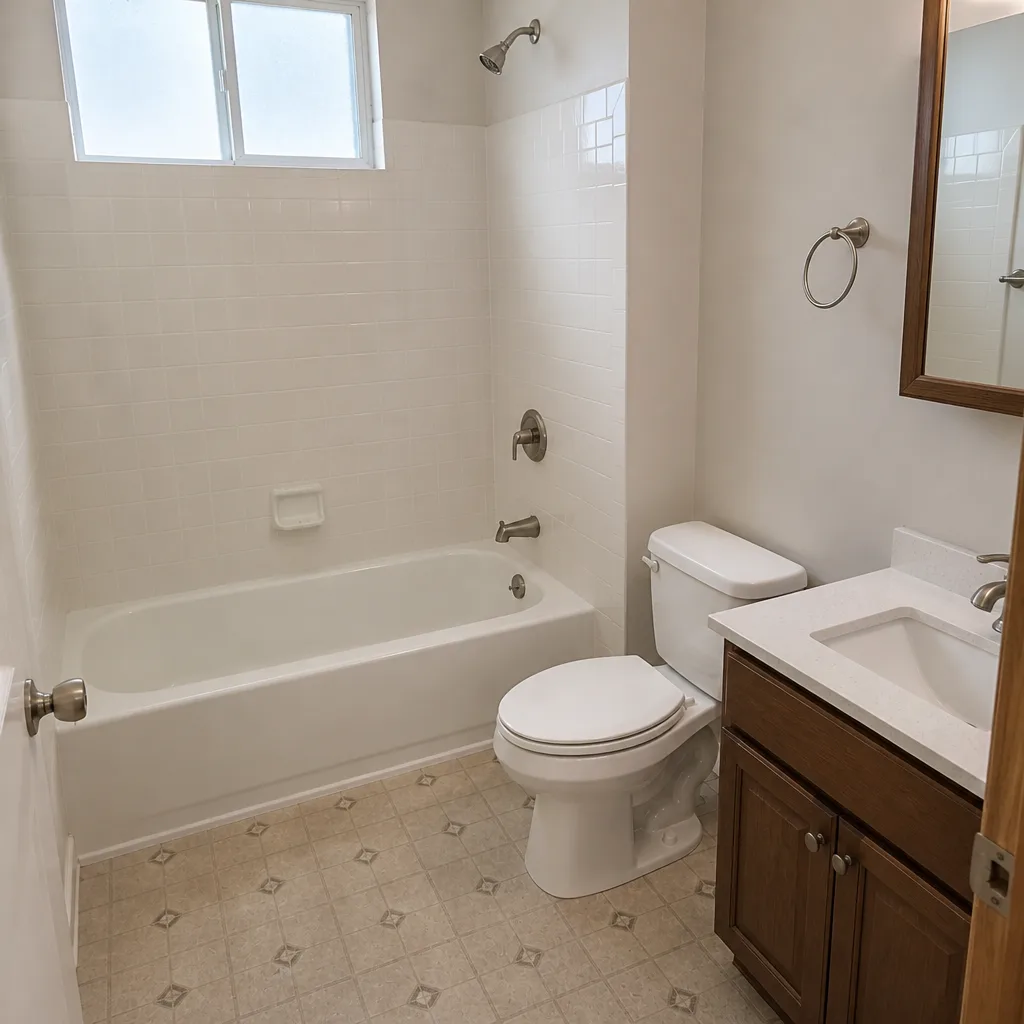 After
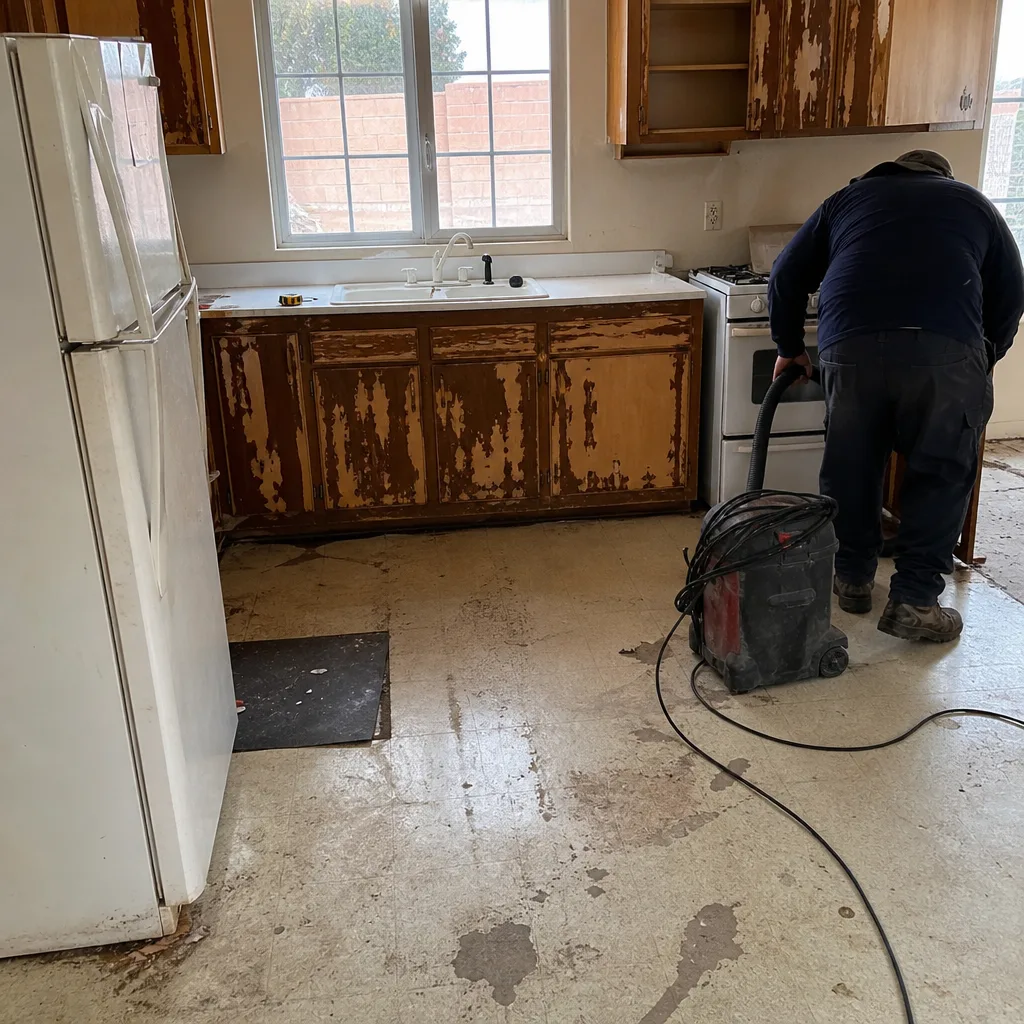 Before
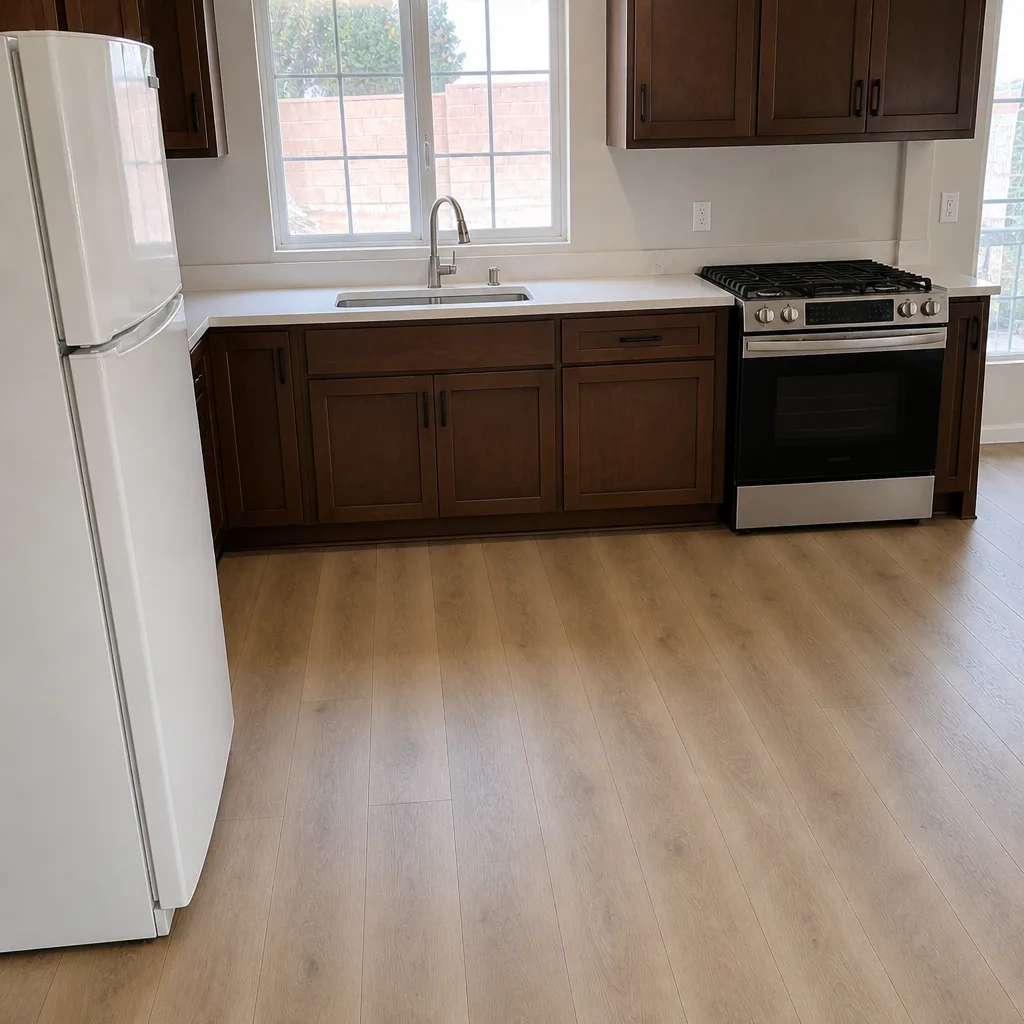 After
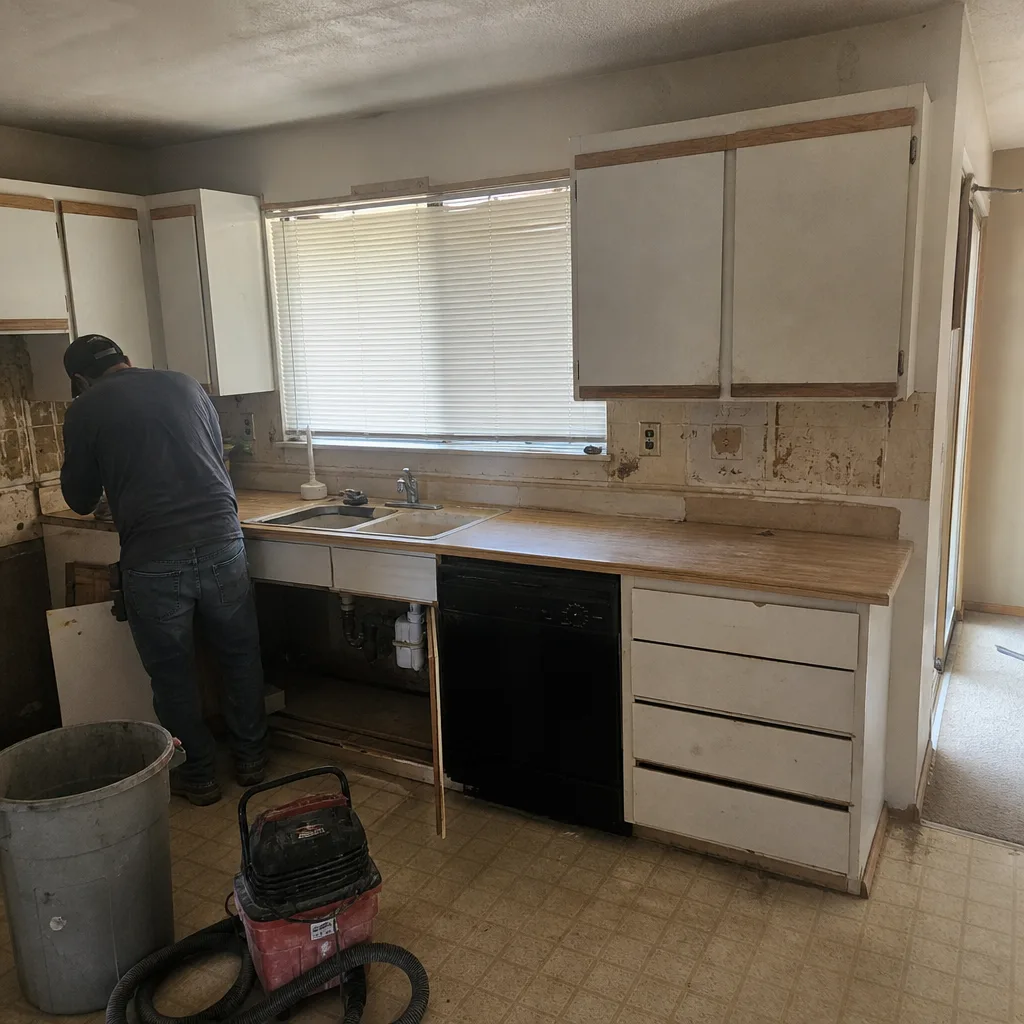 Before
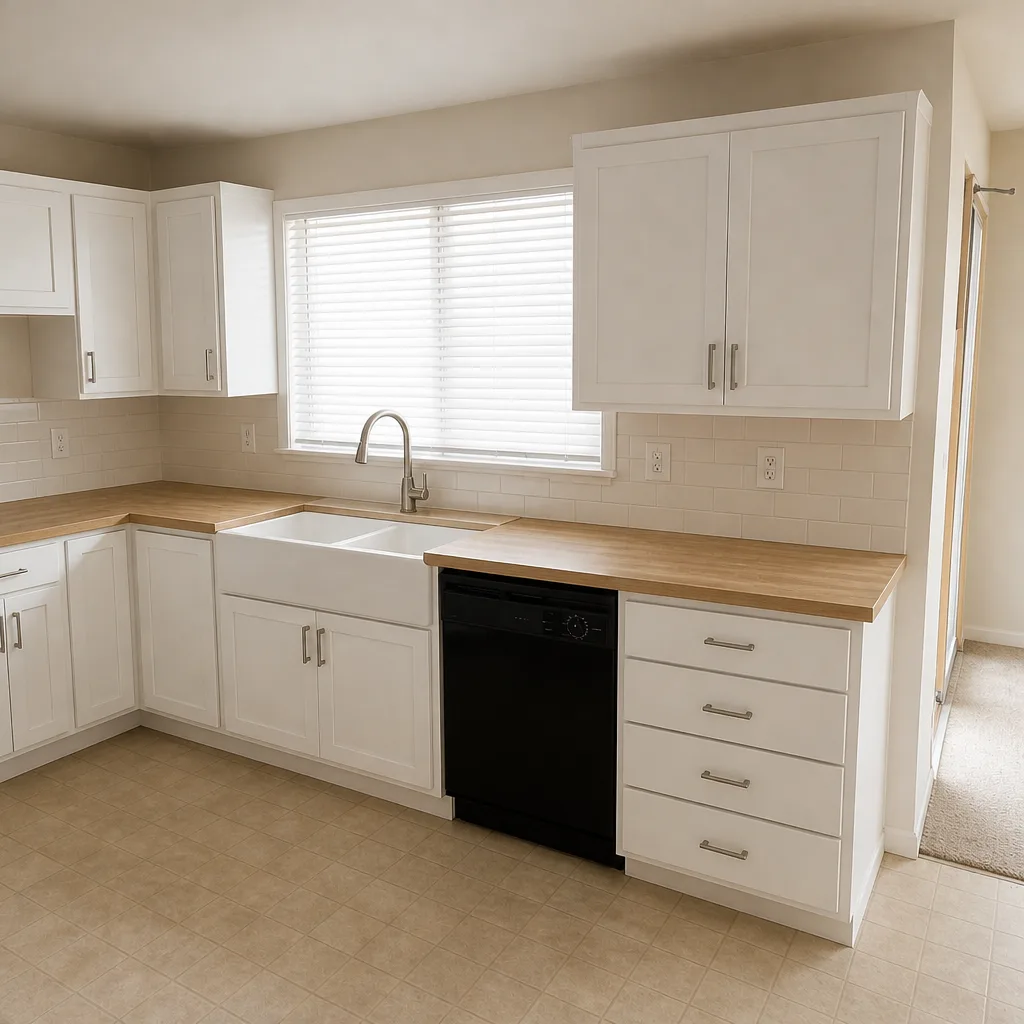 After
Vinyl vs. Wood Fence Cost in Boulder City, NV: Which One Actually Pays Off in Mojave Heat?
Choose wood if your property sits inside Boulder City’s historic district or your fence line takes the full afternoon sun on a south- or west-facing run. Choose vinyl if you’re on newer infill east of the historic core, you want the lowest upkeep bill, and you’ll spec a heat-rated product rather than the standard white panel from the nearest supply house. Across Boulder City, installed fence projects generally land in the $3,500-$9,000 range. Call Groundwork Construction Co. of Boulder City at (888) 282-1693 for a free, no-pressure assessment.
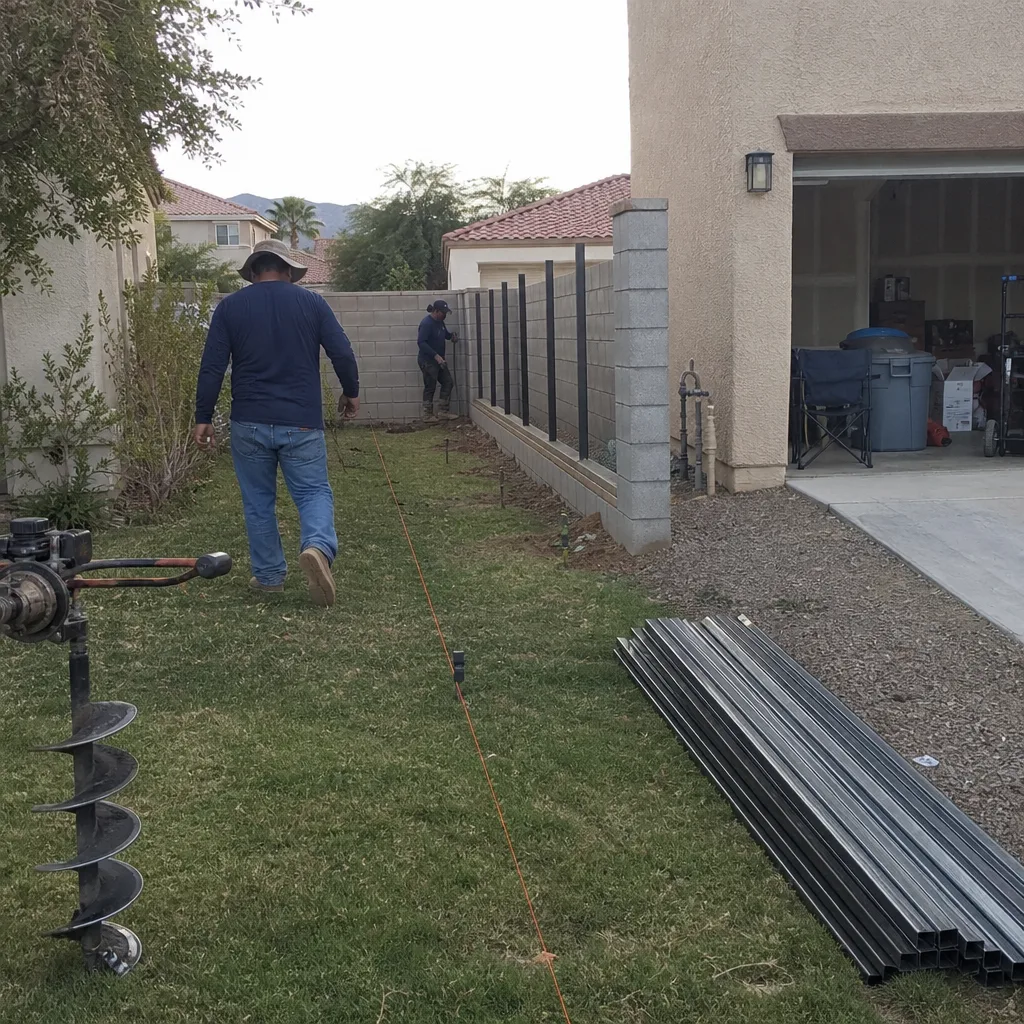
That’s the short answer. The long answer is more interesting, because the national cost guides that declare vinyl the lifetime-cost winner were written for climates where wood rots and vinyl doesn’t. Boulder City doesn’t play by those rules.
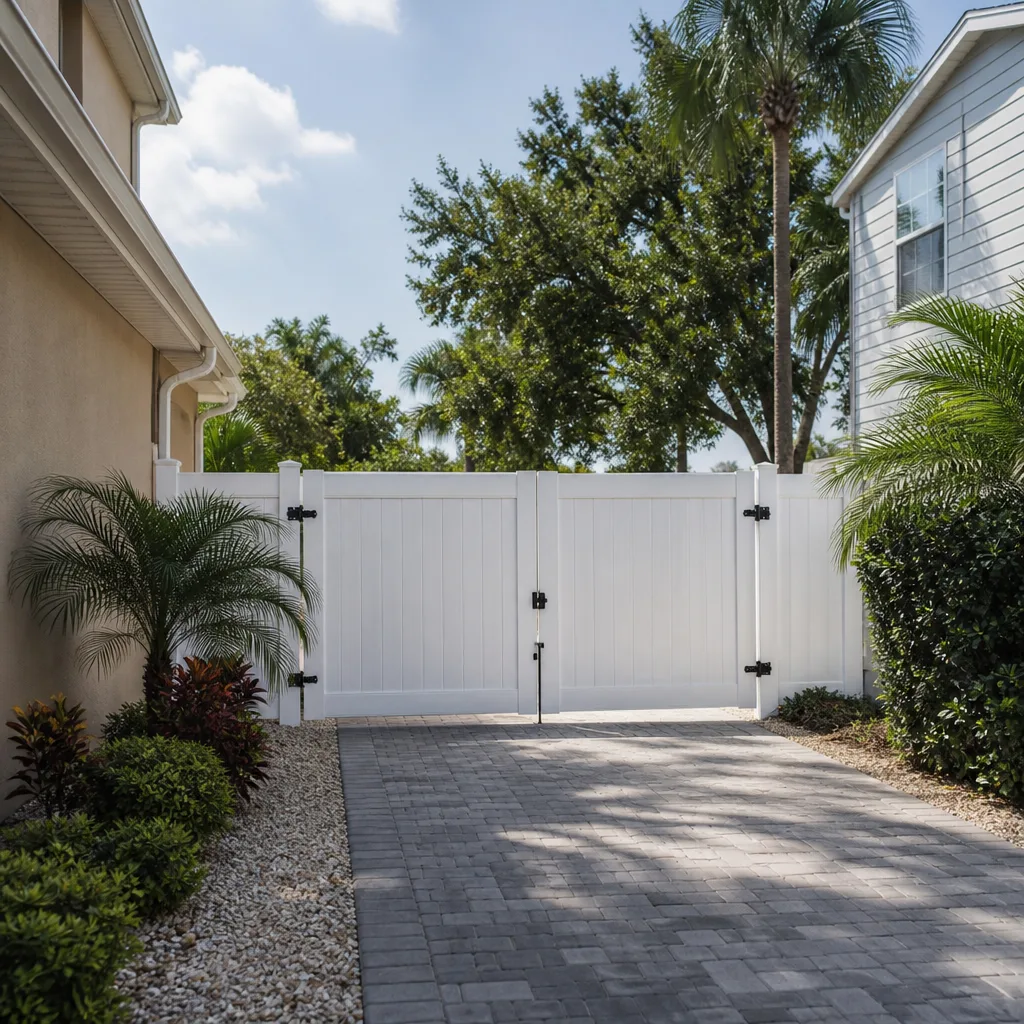
Why the “Vinyl Wins on Lifetime Cost” Argument Gets Murky at 110°F
Vinyl doesn’t rot. That’s true. But at 150°F surface temperature on a south-facing Boulder City fence in August, vinyl panels expand enough to bow rails and back out fasteners in ways warranty departments argue about for months. The lifetime cost math changes when you factor in desert heat, not just rain.
The physics are simple and unforgiving. Vinyl’s coefficient of thermal expansion runs roughly 5 to 8 times that of wood. On a 6-foot panel, a 100°F temperature swing, which is an ordinary spread between a winter night near freezing and a summer afternoon well past triple digits here, can produce a quarter inch or more of linear movement. Every post, rail, and fastener has to absorb that movement. Cheap vinyl routed into thin posts simply doesn’t. Spend a little more per panel on a heavier extrusion with properly slotted rails and the fence will flex and recover for years. Skip that step and you’ll be replacing blown fasteners and bowed sections inside three or four summers.
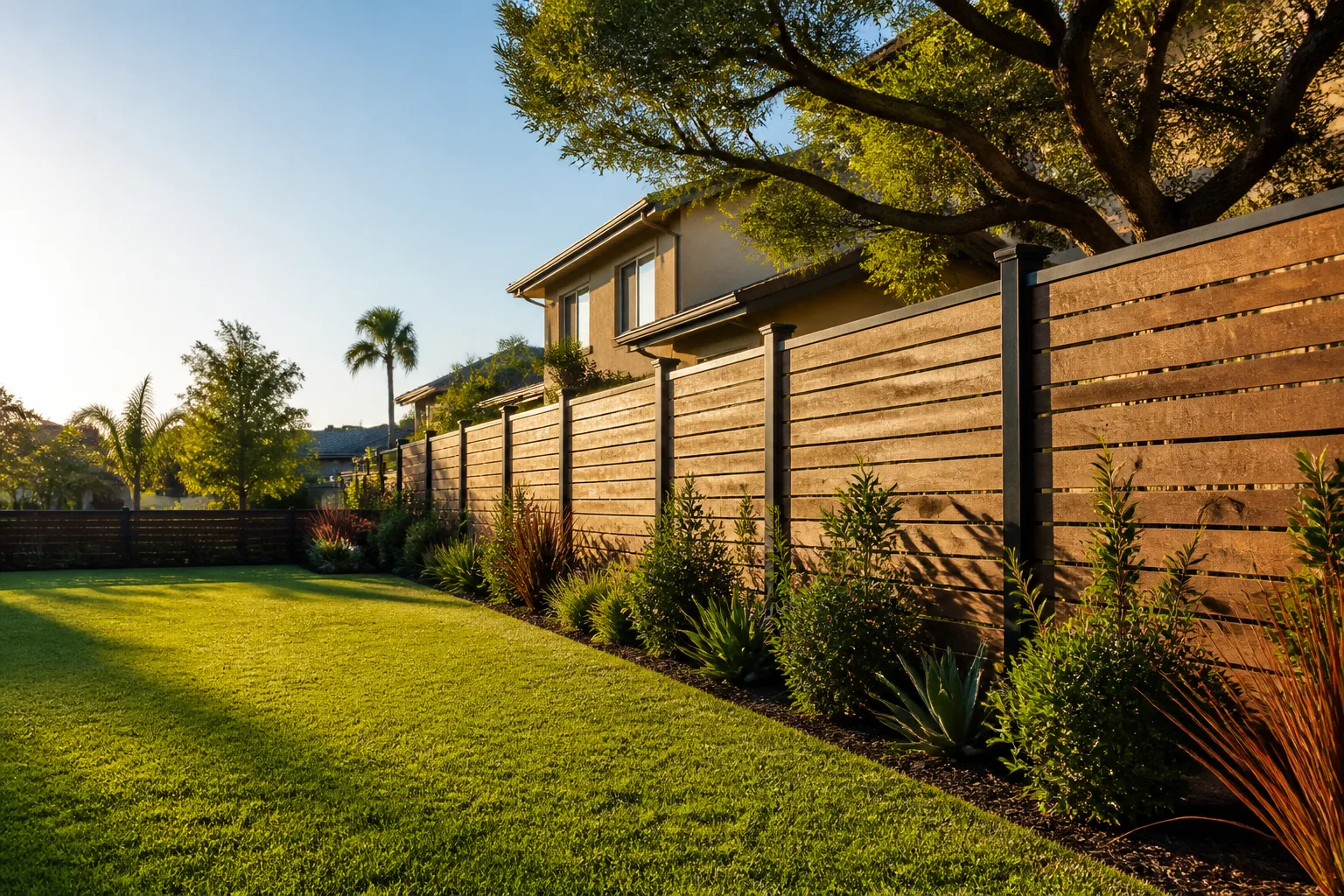
Wood has a different problem. In low humidity, wood’s enemy is UV and heat, not moisture. Untreated pine in full Mojave sun will gray, cup, and check within two or three seasons. But a quality cedar or redwood fence finished with a UV-blocking penetrating oil, and re-oiled every two to three years, will match vinyl’s low-maintenance profile surprisingly well in a dry desert climate. The absence of humidity removes vinyl’s primary advantage, which is resistance to moisture-driven rot. Wood also expands and contracts far less, so it holds its fasteners and its straight lines.
Here’s the operator detail you won’t read in a cost guide: on our Boulder City installs, we flag any south- or west-facing run longer than about 24 feet and spec that section differently. Heavier posts, more room at the rail slots, and in some cases a slightly darker color to cut surface heat gain. The same fence, installed the same way on a north-facing property, won’t need any of that. Fence Installation in a desert climate is a site-specific job, not a catalog order.
What the Numbers Look Like: Upfront Cost, Install, and the Desert Reality
Vinyl typically costs 20-40% more than wood upfront per linear foot installed, and in Boulder City that premium is real. When you factor in heat-related issues that require specific product grades, part of the maintenance savings that justify the vinyl premium in humid regions gets eaten back. That’s not an argument against vinyl. It’s an argument for choosing the right vinyl.
Here’s how the two compare on the factors that actually drive your ten-year cost in Boulder City:
| Factor | Vinyl (heat-rated) | Wood (cedar / redwood, oiled) |
|---|---|---|
| Upfront cost per linear ft (installed) | Higher: typically 20-40% more than wood | Lower upfront |
| Installed project range, Boulder City | $3,500-$9,000 | $3,500-$9,000 (smaller runs often at the low end) |
| Ongoing maintenance | Wash annually; re-tension fasteners after first hot summer | Re-oil every 2-3 years |
| Desert heat behavior | Expands; needs slotted rails and heavier posts on sunny runs | Stable; UV graying managed by finish |
| Historic district review | Standard white privacy panels likely to fail review | Can be matched to historic profiles |
| Typical failure mode here | Fastener pull-through, bowed rails after 3-4 summers | UV graying and cupping if neglected |
What should I actually budget for a Boulder City fence?
Most residential fence projects in Boulder City land between $3,500 and $9,000 installed, whether you go wood or vinyl. Where you land in that range depends on linear footage, height, gate count, and how much prep the site needs. Our technicians have up to 12 years of experience, and every project is backed by the 730-Day Done Right Promise, so an install that fails inside two years gets made right. Call (888) 282-1693 for an exact quote; estimates are free.
The Boulder City Factor: Historic District, Housing Stock, and Zoning
Boulder City is a federally chartered 1931 company town built by the Bureau of Reclamation to house Hoover Dam workers, and most of the townsite’s original bungalows and modest 1930s-40s cottages sit near the historic district. If your property is inside that review area, standard white vinyl privacy fencing is likely to fail design review. Wood that can be matched to historic profiles is often the only approvable option. In that case, wood isn’t a preference. It’s a requirement.
The housing stock compounds the consideration. Many original homes sit on pier-and-beam foundations with unreinforced brick or stucco-over-frame walls, and fences here are often being tied into ground that has been yards for nearly a century. The expansive desert soils also shrink and swell, which means post depth and footing matter more than they would in a wetter climate. A fence that looks fine on paper can lean within a season if the posts weren’t set deep enough for the soil.
We carry a curated portfolio of material brands across every trade, from GAF and CertainTeed on roofs to KraftMaid and Cambria in kitchens, and we spec fence materials the same way: matched to your site’s sun exposure, soil, and zoning status, not just what’s sitting at the nearest supply house. You’ll get upfront pricing with no surprises, and 0% financing for 18 months if you want to spread the cost.
How to Decide: A Short Comparison Checklist
Most homeowners can sort this out in about ten minutes with the right questions. Walk through these before you sign anything:
- Is the property inside the historic district? If so, confirm whether your fence triggers preservation review. Wood that matches historic profiles is often the only approvable choice.
- Which direction does your fence line face? Long south- and west-facing runs in full August sun are the ones that warp vinyl. If that’s your yard, spec heavier posts and slotted rails, or go wood.
- How much upkeep are you actually willing to do? Vinyl wants an annual wash and a fastener check after the first hot summer. Wood wants UV-blocking oil every two to three years. Be honest about which you’ll keep up with.
- What are you protecting? If privacy, security, or containing a dog matters most, the repair cost of a bowed vinyl panel may be worth it. If appearance to the street matters, wood is often the better match for Boulder City’s historic character.
- What’s the soil doing? On swell-prone desert ground, post depth and footing matter more than the panel material.
For a full look at the installation side, our home page lays out all seven of our service lines, and our Fence Installation in Boulder City page covers materials, gates, and site prep in detail.
FAQs
Both land in the $3,500-$9,000 range for a typical residential project, with vinyl running 20-40% higher per linear foot upfront. Wood costs less to start; heat-rated vinyl costs more but cuts maintenance. Call (888) 282-1693 for an exact quote; estimates are free.
Standard-grade vinyl can warp on south- and west-facing runs, because a 100°F swing produces a quarter inch or more of linear movement on a 6-foot panel and cheaper extrusions can’t absorb it. Heat-rated vinyl with heavier posts and slotted rails holds up well. Call (888) 282-1693 and we’ll tell you what your specific fence line needs.
Wood is often the better choice in Boulder City’s dry Mojave air, where the absence of humidity removes vinyl’s main advantage, and wood finished with UV-blocking oil holds up well. Vinyl is a strong pick for newer infill homes outside the historic core, if you spec the right grade.
Standard white vinyl privacy fencing will likely fail design review inside Boulder City’s historic district. Wood matched to historic profiles is usually the approvable path. Call (888) 282-1693 before you order materials, so a review denial doesn’t cost you a deposit.
Get a Straight Answer on Your Fence
If you’d rather have it looked at than guess from a cost guide, Groundwork Construction Co. of Boulder City offers a no-pressure assessment in Boulder City. We’ll walk the line, check your zoning status, and give you upfront pricing with no surprises. Projects over $10,000 get $1,000 off, and 0% financing for 18 months is available. Call (888) 282-1693 for a free estimate.
Written by the team at Groundwork Construction Co. of Boulder City, serving Boulder City, NV.