Free written scope consultation - allowances, timeline, and change-order rules on paper before a single trade is scheduled
ADU Site Prep & Utilities in Paradise: What It Takes and What It Costs
ADU Site Prep & Utilities in Paradise runs between $45,000 and $130,000 for the site and utility portion of a new accessory dwelling unit, and the work itself takes six to ten weeks from first excavation to final utility sign-off. That covers grading, foundation excavation, water and sewer tie-ins, electrical service, gas if you’re running it, and the inspections that hold it all together. Plans are separate. Call (888) 282-1693 for a free on-site estimate before you buy a single trench foot of pipe.
How We Sequence Site Prep and Utility Work
This isn’t a job you start and finish in a week. The sequence matters because Clark County inspects in stages, and each inspection gates the next one. Here’s the order we run it in paradise, and what you’ll be deciding along the way.
Stage 1: Stake, Survey, and Utility Locate (Days 1 – 3)
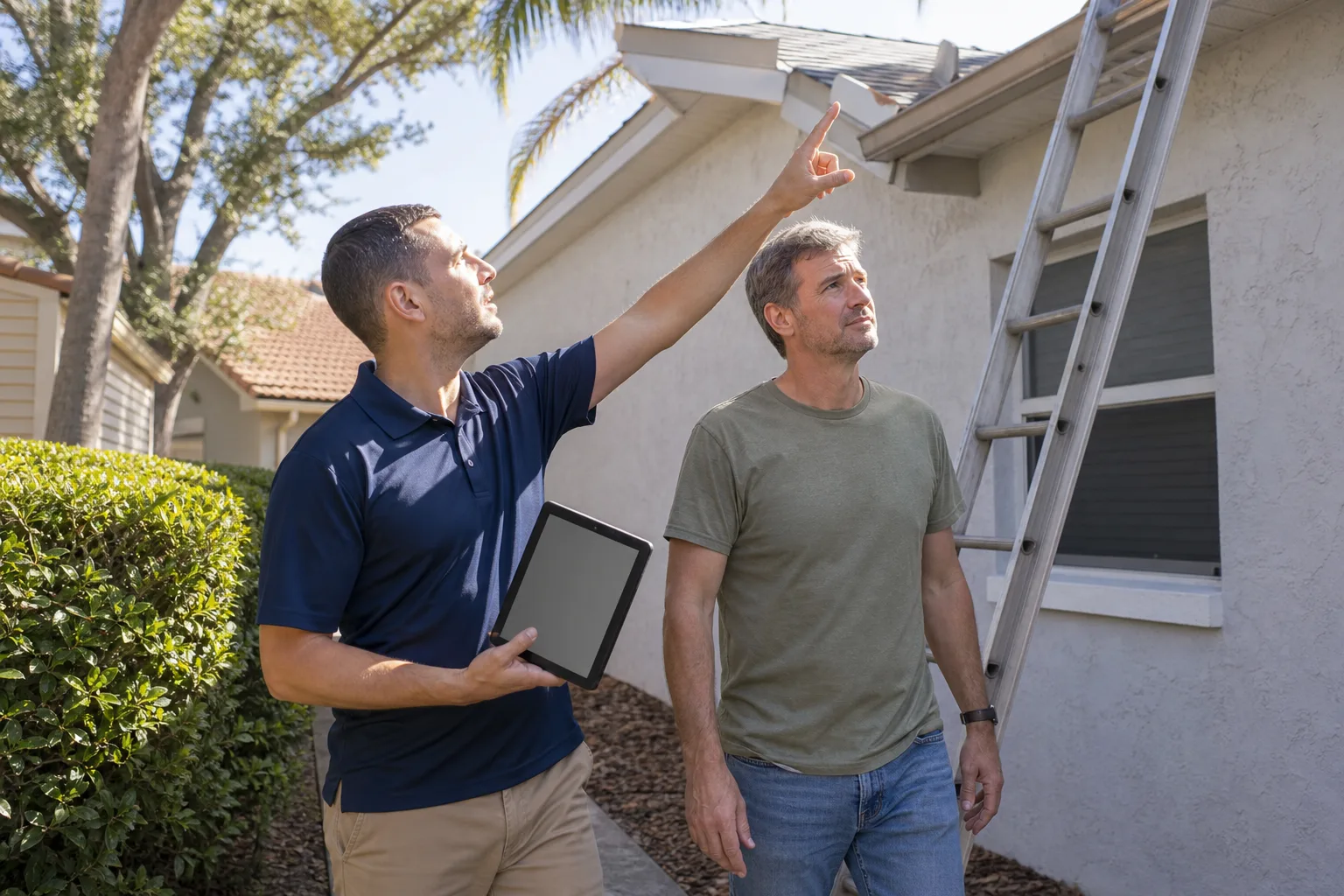
We set the building corners to your approved site plan and call in the 811 locate before anything gets dug. That locate is non-negotiable in a city where the utility map under the ground is older than the house in most cases. You decide nothing at this stage except confirming the setback distances match what you filed.
Stage 2: Excavation, Grading, and Foundation Prep (Days 4 – 14)
A mini-excavator strips organics, cuts the pad to grade, and we compact in lifts to the engineered spec. This is where the soil fights back. In the 89105 ZIP, older residential blocks regularly hit clay layers that hold water and heave when they dry, so we over-excavate and import select fill rather than pouring on top of a bad subgrade. You’ll decide here whether the footing is a slab-on-grade or a stem-wall with crawlspace.
Stage 3: Underground Plumbing and Electrical (Days 15 – 25)
Sewer and water lines get trenched and bedded, then inspected before backfill. Electrical conduit runs from the new panel or a subpanel tie-in. Gas line, if you’re running it, goes in the same trench as the electrical. You decide the fixture locations now, not later; moving a drain after the slab cures is a jackhammer job.
Stage 4: Concrete Pour and Backfill (Days 26 – 35)
Forms set, rebar tied, inspection, then pour. In Paradise’s summer heat we pour early morning and cure with moisture blankets because a slab that sets too fast cracks before the frame goes up. Backfill and compaction follow, plus the rough utility stubs final grade.
Stage 5: Utility Connections and Final Inspections (Days 36 – 60)
We tie into the water meter, the sewer main, and the electrical service, then schedule the utility company inspections and the final county sign-off. You turn over the approved plan set and the inspection records to your builder. Only then does the ADU framing start.
Styles & brands we work with
- Kitchen remodeling
- Bathroom remodeling
- Home additions & ADU
- Roofing
- Windows & doors
- Driveway & pavers
- Fence
The Options You’ll Choose Between
Most of your decisions on this job come down to five real choices. Each one carries a trade-off in money and in how the ADU lives long-term.
- Slab-on-grade vs. stem-wall foundation. A slab is faster and less expensive, and it suits the flat lots throughout Paradise. A stem-wall with a crawlspace costs more up front but gives you a place to run plumbing later without cutting concrete, which matters in a home you may remodel.
- Trench depth and pipe grade. Sewer needs a consistent downhill slope to the main. If your main is shallow, a lift pump may be your only option and it adds cost plus maintenance. On a lot where gravity works, we lay SDR-35 PVC and inspect it before backfill.
- Electrical: subpanel vs. new meter. Sharing the main house panel is the cheaper route when there’s capacity. A dedicated meter is cleaner legally for a rented unit and costs more to install but simplifies the utility billing.
- Gas vs. all-electric. Running gas to the ADU is an added trench and added cost, but it lets you use gas water heat and a gas range. All-electric with a heat pump water heater avoids the trench and suits Paradise’s climate well enough.
- Conduit and sleeve provisions. Laying empty conduit for future solar, EV charging, or low-voltage now costs a few hundred dollars. Retrofitting it after the slab is poured costs thousands.
Material grade on pipe, fittings, and wire follows the spec sheet, and we don’t substitute. Where you’re planning pavers or a hardscape apron around the ADU, homeowners often pair this with Paver Driveways in Paradise so the finish work and drainage are planned together.
What ADU Site Prep & Utilities Costs in Paradise, NV
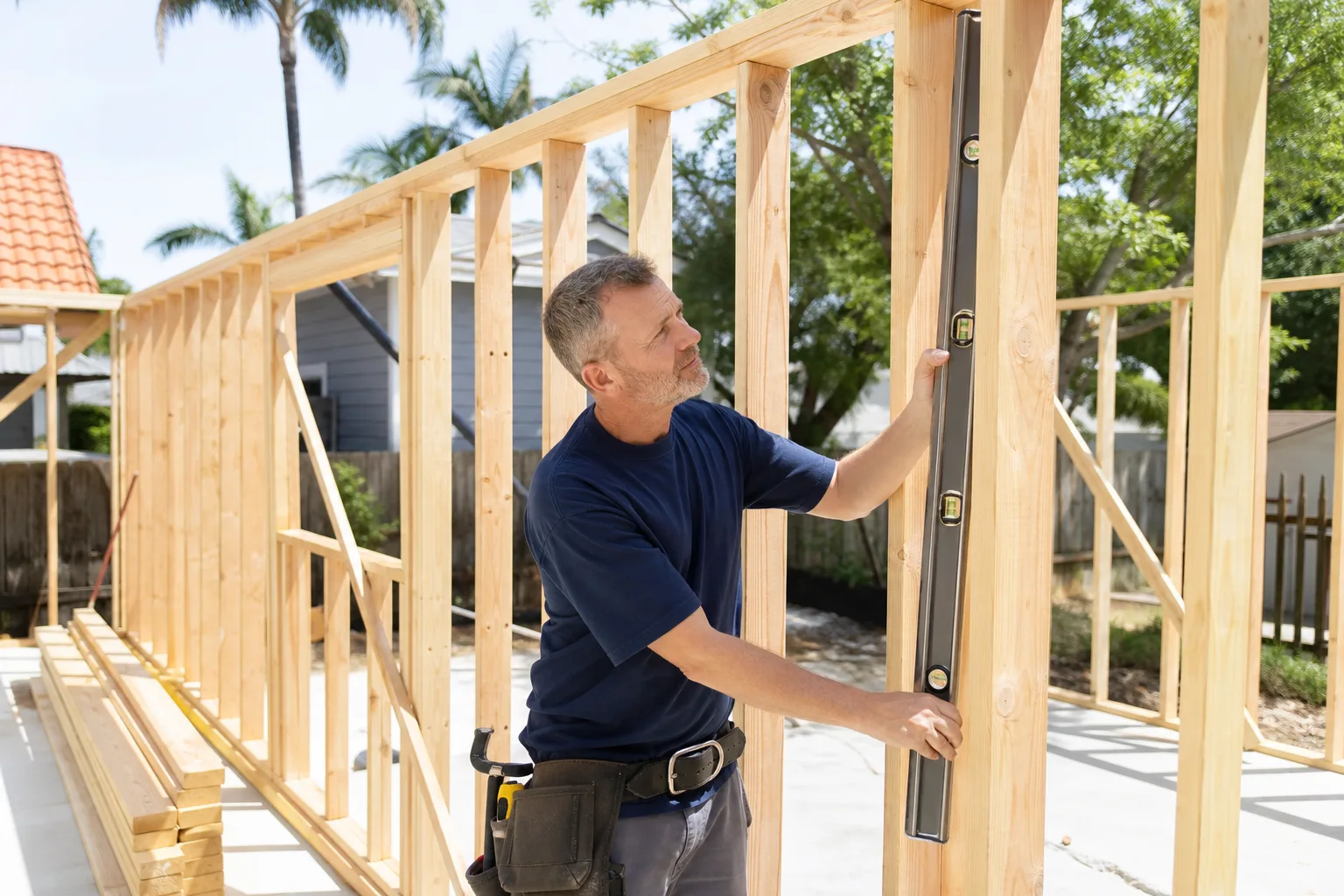
The full site and utility scope for a Paradise ADU lands between $45,000 and $130,000. That’s wide because the underground work is where surprises live. Here are the five variables that push a job toward the low or high end.
- Lot conditions. A flat, drainable lot with easy utility access keeps you near the low end. A lot with clay soil problems, a high water table, or a sewer main that’s too shallow to reach by gravity can add tens of thousands.
- Distance to existing utilities. Every foot of trench to the water meter or sewer main is labor plus pipe. A tie-in forty feet from the ADU pad is a very different job from one across a fully landscaped yard.
- Foundation type and size. Slab-on-grade on a 500 sq ft unit is the baseline. A larger unit, or a crawlspace foundation, adds cost in concrete, excavation, and labor hours.
- Service upgrades. If your home’s electrical service is already maxed, a new meter and service drop adds cost. Gas tie-ins add a trench and a plumber.
- Permit and inspection scope. A straightforward site plan with clean inspections stays predictable. When the plan requires engineered fill or a soil report, the engineering fees and extra inspection cycles add cost.
A written estimate from us spells out each line: excavation, backfill, pipe, conduit, concrete, permitting, and inspection. It also lists what’s excluded, such as the ADU structure itself, interior finishes, and any landscape restoration beyond grading. Upfront pricing means the number you see is the number you pay. Call (888) 282-1693 to schedule the free estimate and get the line-item quote in writing.
See the difference
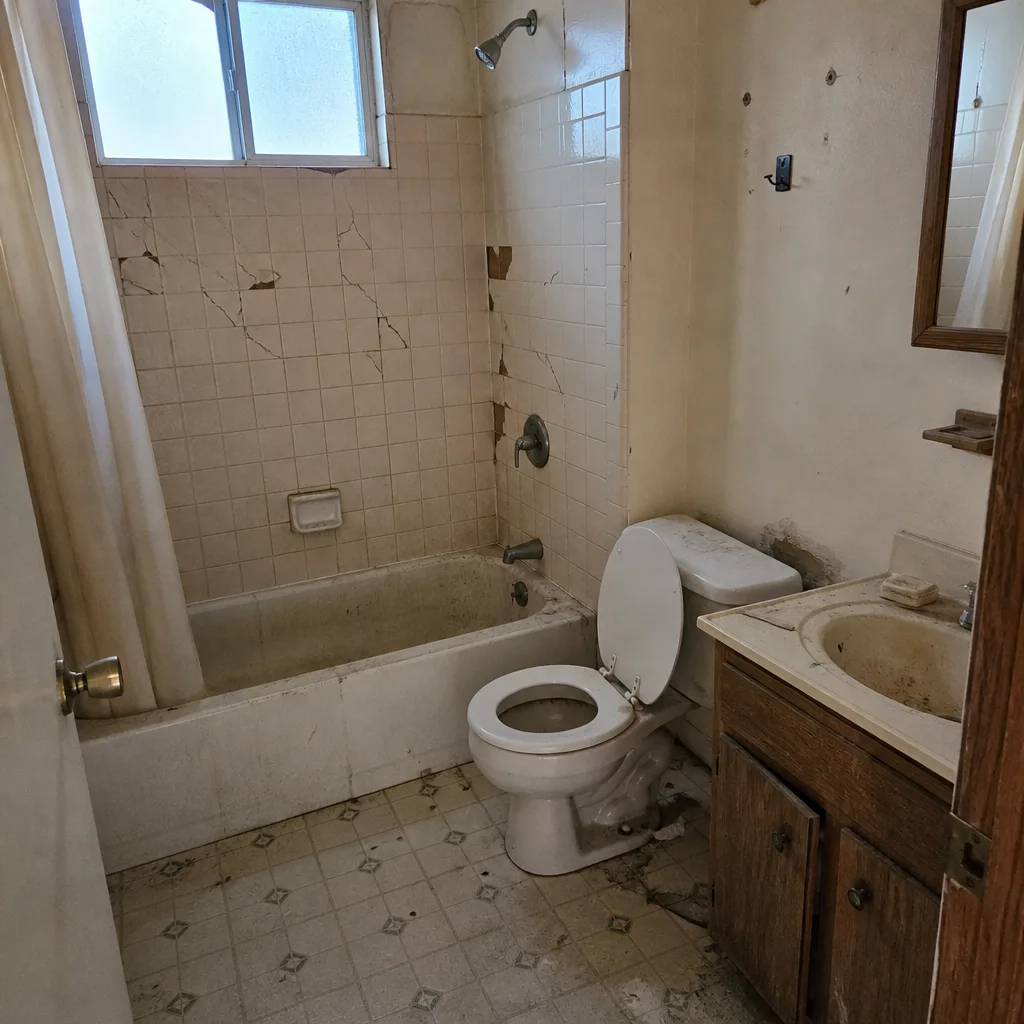 Before
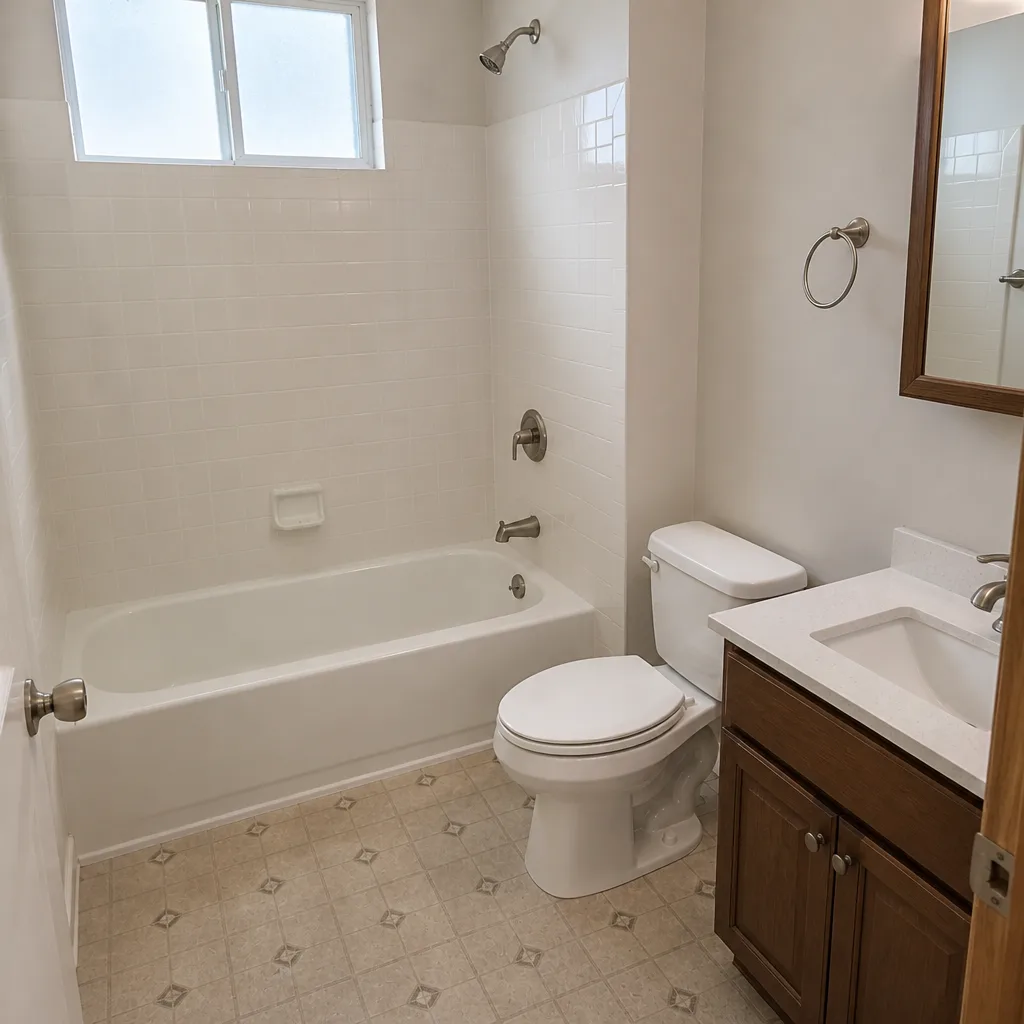 After
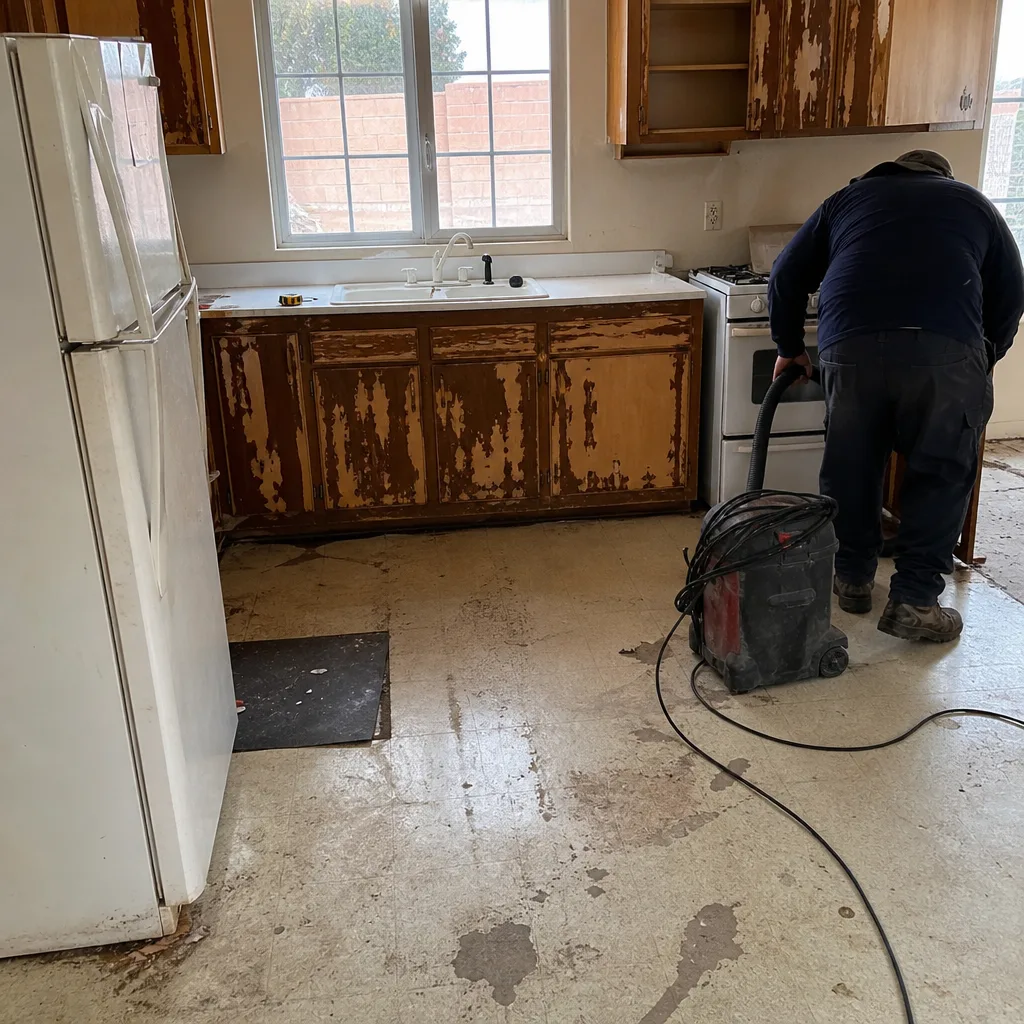 Before
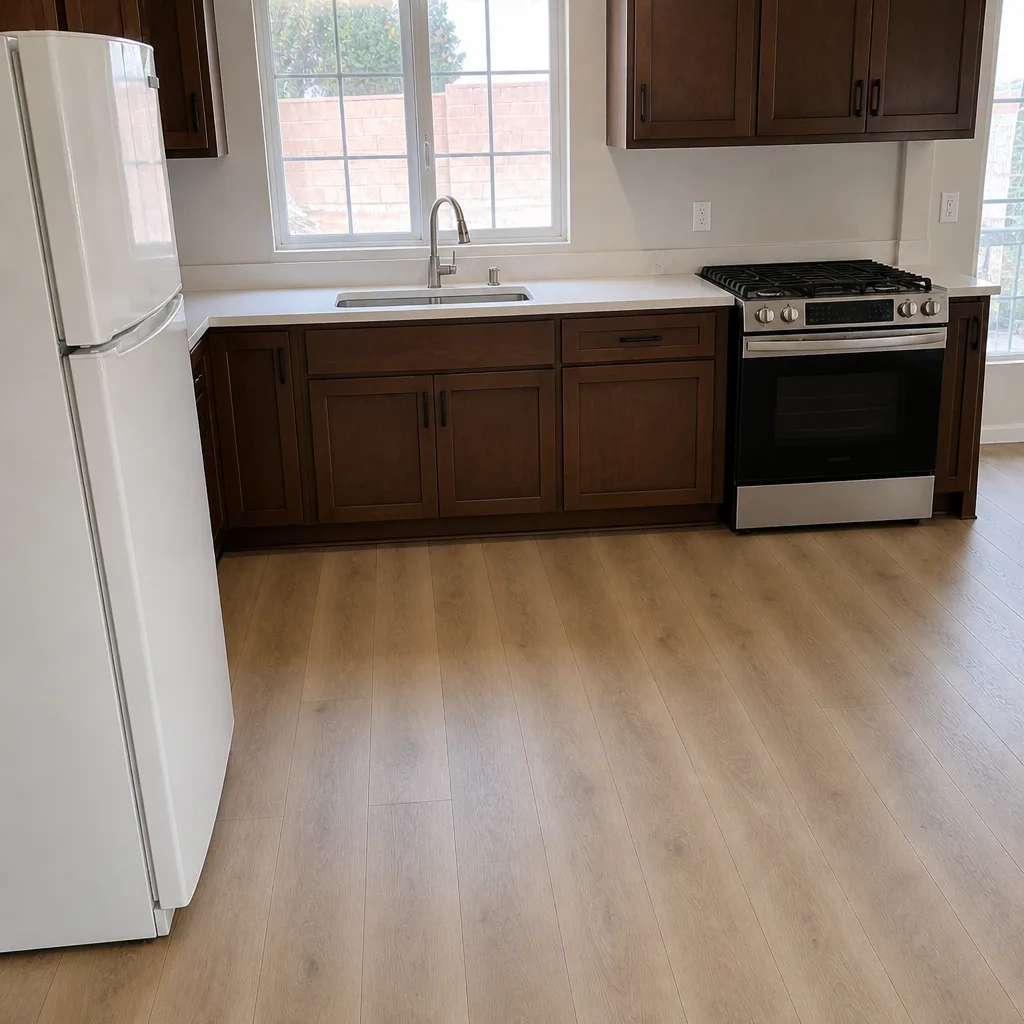 After
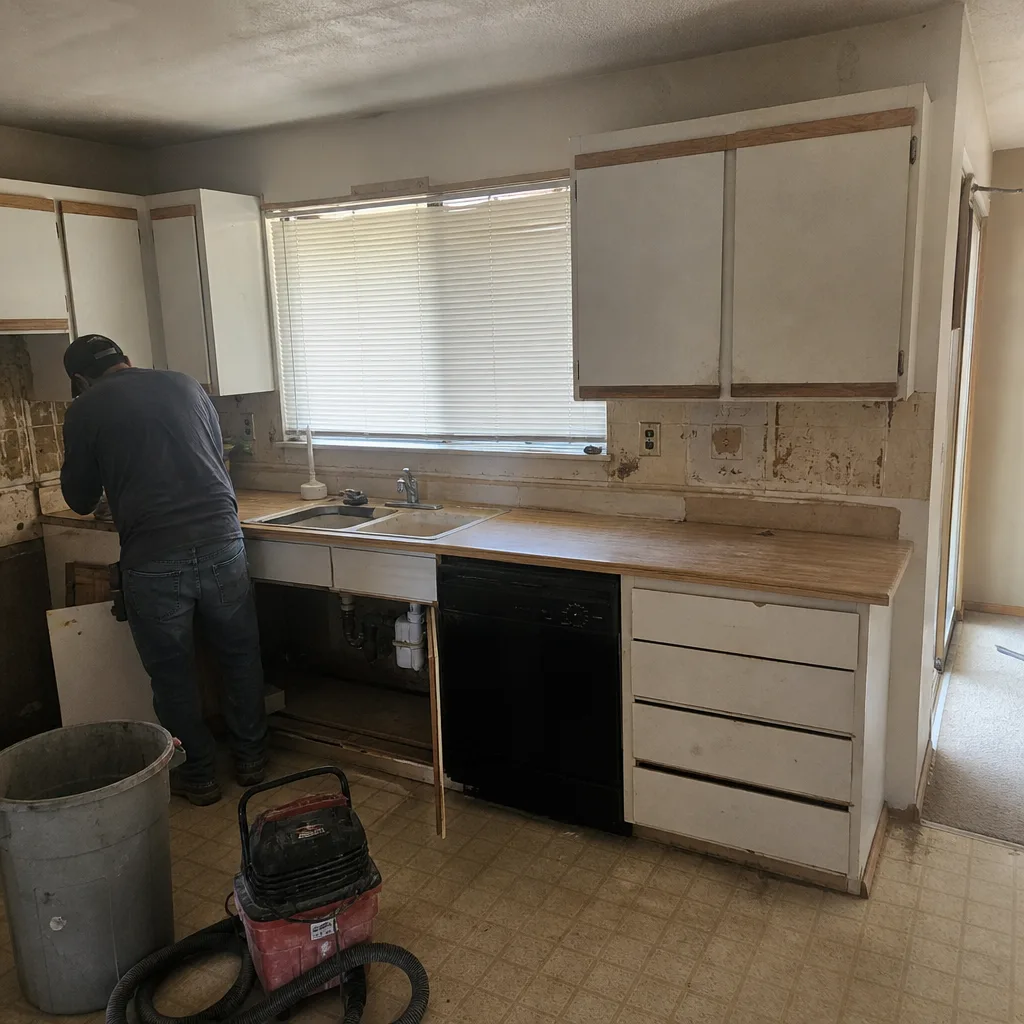 Before
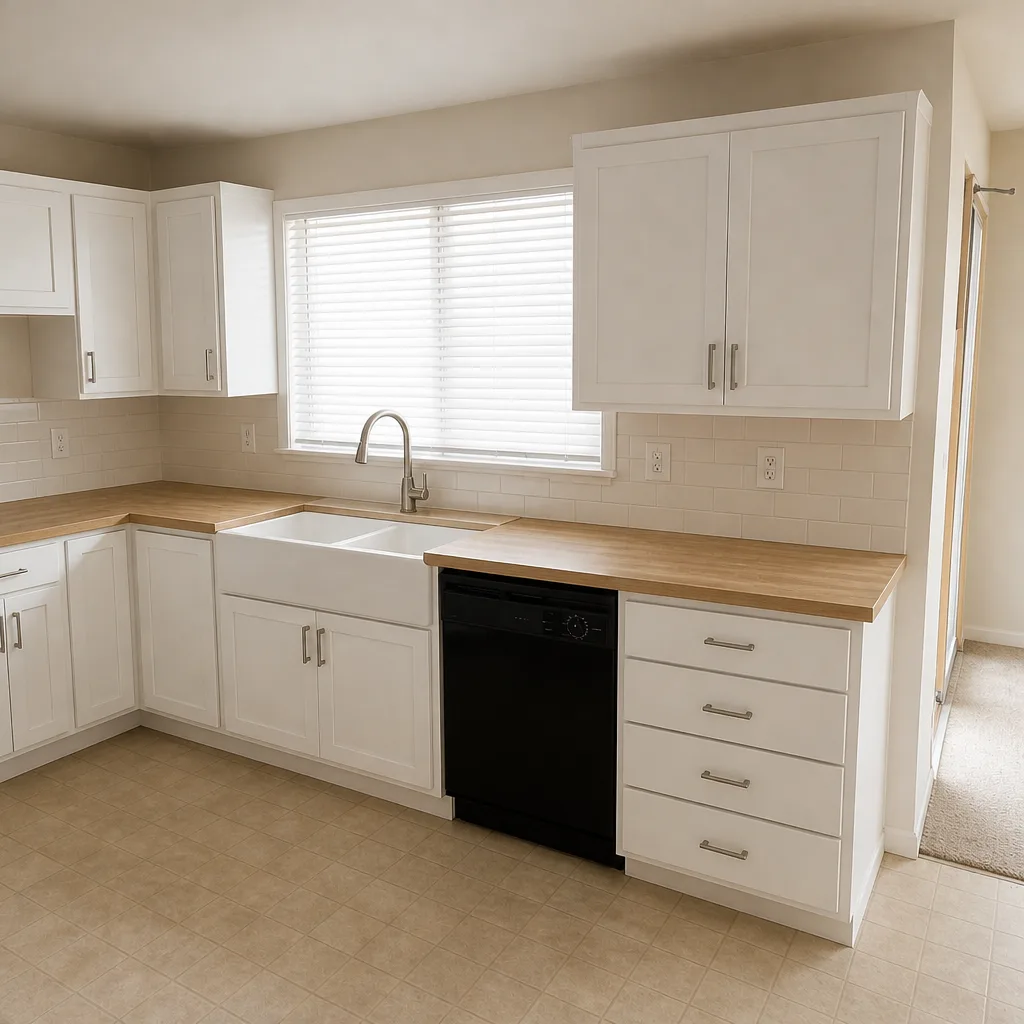 After
What Paradise Homes Specifically Do to This Job
Paradise’s construction trade runs on a constant churn of renovation along the Las Vegas Strip and Convention Center corridor, where commercial projects phase around 24/7 operations and strict Clark County commercial codes. Our site crews work the same county inspection system, so permits, inspections, and utility coordination follow schedules that residential-only contractors aren’t used to. The 89105 ZIP has older residential blocks where clay soil forces extra foundation prep, and the mid-century tract homes from the 1950s through the 70s often sit on utility lines mapped by hand. Before we dig near a property line, we confirm the utility locate against the plat, because the map and the ground don’t always agree. The desert heat shapes the schedule too: concrete pours run early, backfill is timed around curing, and inspection appointments get booked around the summer window when the county is busiest. If you’re adding concrete flatwork for an ADU approach, homeowners often pair this with Concrete Driveways & Concrete Work in Paradise so the flatwork and the utility trenches are cut at the same time. This is all part of the wider Home Additions & ADU in Paradise scope, and our Home Additions & ADU team coordinates the site package with the build. We cover the whole of Paradise, from the 89105 blocks to the convention corridor.
Serving Paradise, NV – Our Local Coverage Area
We serve Paradise and nearby communities. Use the map below to see the area we cover. If you’re nearby, we can almost certainly help.
Frequently Asked – ADU Site Prep & Utilities in Paradise
Six to ten weeks from excavation to final utility sign-off. The excavation and foundation work takes two to three weeks, the underground plumbing and electrical take about two weeks with inspections, and the utility tie-ins and final inspections take another three to five weeks. Call (888) 282-1693 for a schedule tied to your specific lot.
Yes. Clark County requires permits for grading, foundation, plumbing, and electrical, and each stage is inspected before the next can start. We pull the permits and schedule the inspections as part of the job, and the inspection records are passed to you when the work is signed off.
In many cases yes, especially when the ADU site is far enough from the house that a new meter and a fresh sewer line are simpler than sharing the existing system. Sharing is often the cheaper route when the main panel has spare capacity. We confirm which makes sense after the on-site walk, and we don’t promise either without checking the actual service size and the sewer depth.
Between $45,000 and $130,000 for the site and utility portion. A flat lot with easy utility access sits near the low end; clay soil, shallow sewer, service upgrades, and a larger foundation push it toward the high end. Call (888) 282-1693 for an exact figure – estimates are free and itemized.
Every job we run is backed by our 730-Day Done Right Promise. If the workmanship isn’t right, we come back and make it right, for two full years after sign-off. Calls are answered by a live person 24/7, and our technicians are background-checked and arrive in uniform.
Get a Free ADU Site Prep & Utilities Estimate in Paradise
If you’re planning an ADU in Paradise, the site and utility work is the part that has to go right before anything gets built. Call (888) 282-1693 to schedule a free on-site estimate. We walk the lot, check the utility access and soil conditions, and hand you a written line-item quote with permits and inspections included. No surprises, no change orders – the number you see is the number you pay. Groundwork Construction Co. is ready for the walk.
Written by the team at Groundwork Construction Co.