Last updated November 18, 2026
Free written scope consultation - allowances, timeline, and change-order rules on paper before a single trade is scheduled
Construction Cost Breakdown: The Boulder City Homeowner’s Reference for 2026
Concrete in Boulder City costs more per yard than the same mix poured across the valley in Las Vegas. Not because of the drive. It costs more because desert-spec mix designs built for sulfate-heavy soils and 100-degree temperature swings aren’t the first thing a ready-mix plant quotes you, and pulling that spec costs real money. That one detail tells the whole story: national construction cost averages, the kind you find in every “2026 cost guide” published online, were never built for Boulder City. This reference is. We’ll break down actual line-item pricing for additions, driveways, and hardscape at current labor rates, show you what transparent bids should include, and explain exactly what it costs to skip permits. Read it before you sign anything.
Quick Answer
In Boulder City, expect residential construction to run roughly 15% to 30% above Southern Nevada national-benchmark averages once you account for permit fees, material freight from Las Vegas, and desert-grade material specifications. A modest home addition typically lands between $210 and $360 per square foot, a paver driveway between $14 and $28 per square foot, and a residential permit package alone often adds $1,800 to $6,500 before a single nail is driven. The biggest swing factor isn’t labor – it’s how specific your scope and material specs are in writing.
Styles & brands we work with
- Kitchen remodeling
- Bathroom remodeling
- Home additions & ADU
- Roofing
- Windows & doors
- Driveway & pavers
- Fence
Table of Contents
- Why Boulder City Costs More Than the National Average
- Boulder City Permit Fees and What They Add to Your Budget
- Line-Item Breakdown: A Residential Addition
- Line-Item Breakdown: Driveway and Paver Work
- Line-Item Breakdown: Exterior Hardscape
- What Transparent Pricing Should Actually Look Like
- How to Compare Two Bids That Look Identical
- The Real Cost of Skipping Permits
- Common Mistakes to Avoid
- Frequently Asked Questions
Why Boulder City Costs More Than the National Average
Every national cost guide assumes a fantasy market: materials moving at commodity prices, a deep pool of tradespeople competing on labor rate, and permit fees that round to a couple hundred dollars. Boulder City breaks all three assumptions, and the effect compounds.
Start with materials. Nearly everything on a residential job is freighted in from the Las Vegas Valley supply chain. Boulder City sits outside the valley’s standard delivery radius for several building-supply distributors, which means a delivery surcharge or a minimum-order requirement on almost every material order. On a project with a dozen supplier drops, that’s not a rounding error.
Then there’s spec. The Mojave Desert does not forgive naive material choices. Widely reported Las Vegas averages assume standard material specs. Boulder City’s sun exposure, seasonal wind, and soil conditions mean you’re often specifying to a higher grade than the baseline bid describes:
- Concrete: desert-spec mix designs with higher sulfate resistance cost more per yard than what gets quoted by default.
- Exterior paint and sealants: UV-stable products that don’t chalk out in eighteen months.
- Fencing: powder-coated steel or vinyl rated for high-heat exposure, not untreated wood that survives one summer.
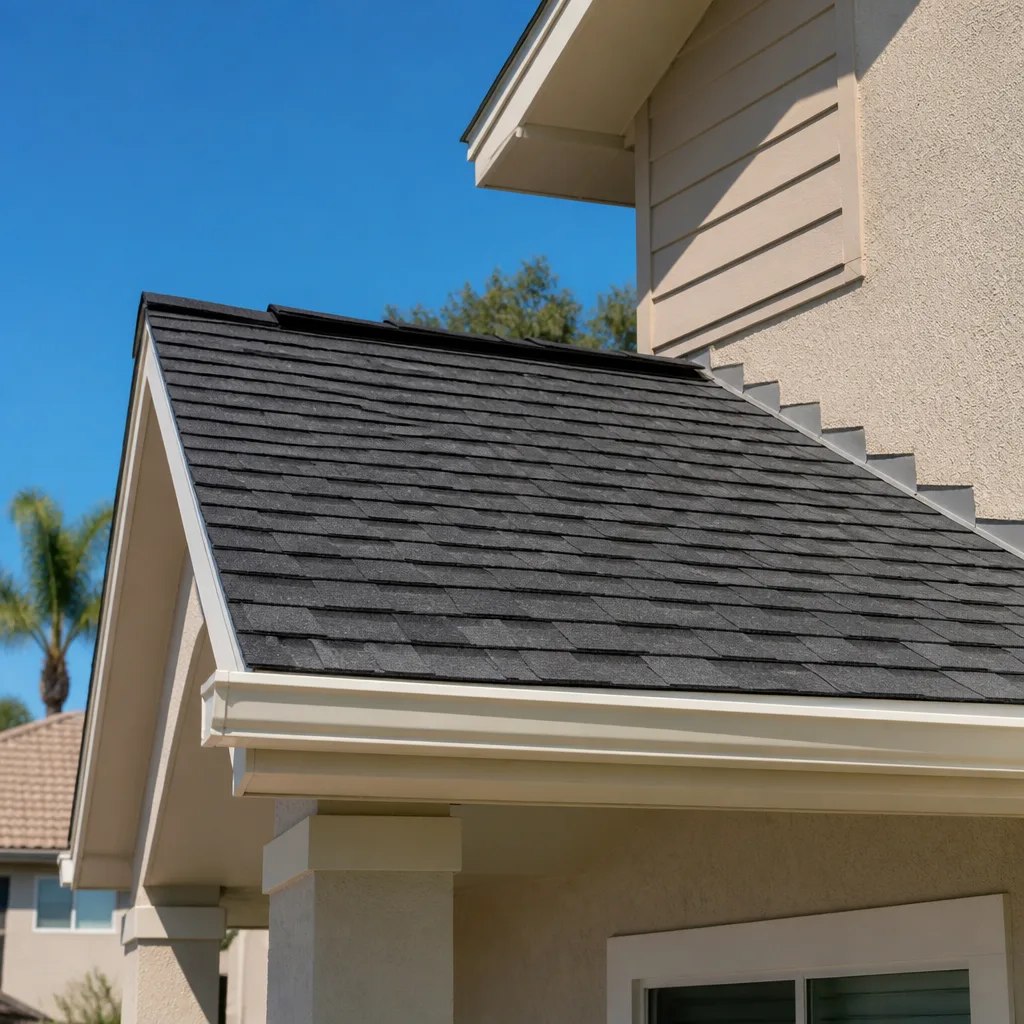
- Roofing: products with published high-temperature performance data, not the cheapest shingle on the pallet.
Labor is the third multiplier. Boulder City’s trades market is genuinely constrained. A qualified crew you want is booking weeks out, and crews that can show up tomorrow often can’t show up for a callback. In our experience, the difference between the cheapest bid and the one that survives five years usually traces back to which crews actually finish what they start.
If you’re planning exterior work, our Groundwork Construction Co. of Boulder City home page gives a full view of the scope we coordinate across trades. The point here isn’t to scare you into a premium bid. It’s that Boulder City numbers run above national averages for structural reasons, and any contractor who quotes you national-average pricing is either eating the difference or planning to make it up later.
Boulder City Permit Fees and What They Add to Your Budget
Permit fees are the most consistently buried line item in residential construction bidding. Homeowners focus on the framing number and the finish number, and the permit package, inspection costs, and plan-review timelines land as a surprise. For a Boulder City project in 2026, plan on the following to appear in a transparent bid:
- Building permit base fees: often $1,800 to $6,500 depending on project valuation and scope, scaling with the declared project value.
- Plan review: charged separately or bundled, and triggered sooner on structural additions or anything affecting lot coverage.
- Inspection fees: multiple site visits during framing, rough-in, and final, each potentially billable under some fee schedules.
- Engineering and survey: add-ons for additions, ADUs, and retaining walls, often the single biggest pre-construction line.
Boulder City has its own municipal permit process separate from Clark County, which matters practically: don’t assume a timeline or fee structure that worked on a Henderson project transfers to a Boulder City address. Apply the same rule to Home Additions & ADU in Boulder City projects – the requirement to pull permits and pass inspections is a commitment we build into every scope, not an afterthought.
What should you look for? A bid that lists permit fees as a separate line, with a clear statement of who pulls the permit, who pays for it, and who covers the cost of re-inspection if something fails. A bid that folds permits into a vague “allowance” is a bid that will adjust upward. That’s the opposite of upfront pricing, and it’s the number-one tell that a proposal was built to win the meeting, not the job.
Timing is money too. A permit package that runs several weeks before a shovel hits dirt isn’t a delay, it’s the schedule. Build it in. Homeowners who don’t plan for it end up pushing their start date and blaming the contractor for a process they could have accounted for at the outset.
Line-Item Breakdown: A Residential Addition
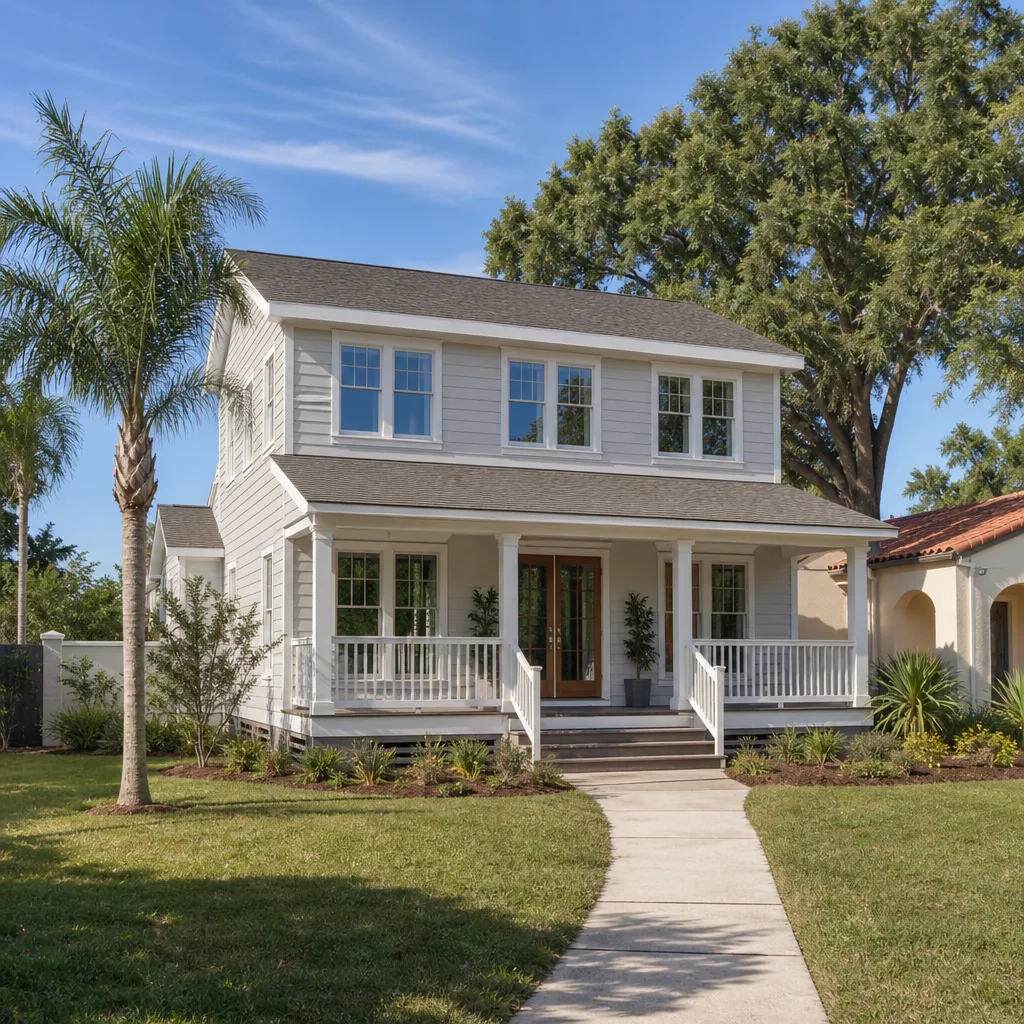
A home addition is a series of scope decisions layered on each other. The headline number for a Boulder City addition typically lands between $210 and $360 per square foot when finished, but that range is useless unless you know what drives a project toward one end or the other. Here’s a line-item breakdown of what a typical mid-grade addition runs, in 2026 dollars:
- Design and engineering: $3,200 to $9,500, higher for anything structural or anything touching a roof line.
- Permit package and plan review: $1,800 to $6,500, scaling with valuation.
- Site prep and foundation: $18 to $34 per square foot. Desert soil work and concrete spec are the two cost drivers here; expand the range if the site needs grading or retaining.
- Framing and structural: $22 to $38 per square foot. This is where a bidder who under-scopes sheathing or hardware trades off price against durability.
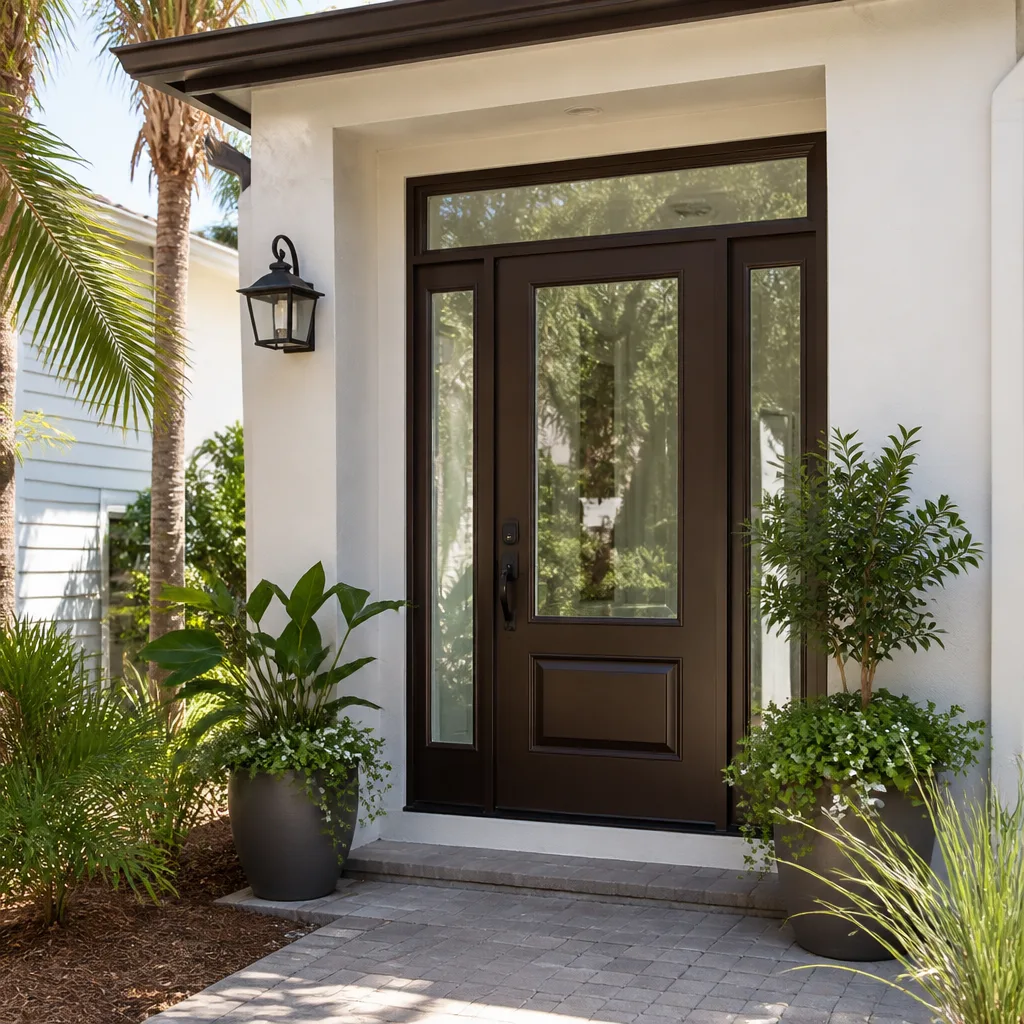
- Windows and doors: $3,500 to $14,000 depending on count. This is where spec matters most. Using a product like Therma-Tru or ViewLux means published performance data against desert heat you can point to in the bid; the cheapest units are cheapest for a reason.
- Roofing tie-in: $1,800 to $6,800. Matching an existing roof line without a visible seam is labor, not material.
- Electrical and plumbing rough-in: $6,000 to $16,000. Moving service panels or extending gas lines are the two line items to watch, and both are jobs for a licensed professional.
- Insulation and drywall: $6 to $12 per square foot.
- Interior finishes: $25 to $65 per square foot. The widest range in the entire project.
Add it up for a 400-square-foot addition at mid-grade: you’re in the $95,000 to $135,000 range, with the finish package and window count deciding which end of that band you land on. Notice how much the range is driven by choices, not by the contractor. That’s the real reason we push a fixed, line-itemized quote early: it forces those choices into the open before ground breaks, rather than during construction.
Line-Item Breakdown: Driveway and Paver Work
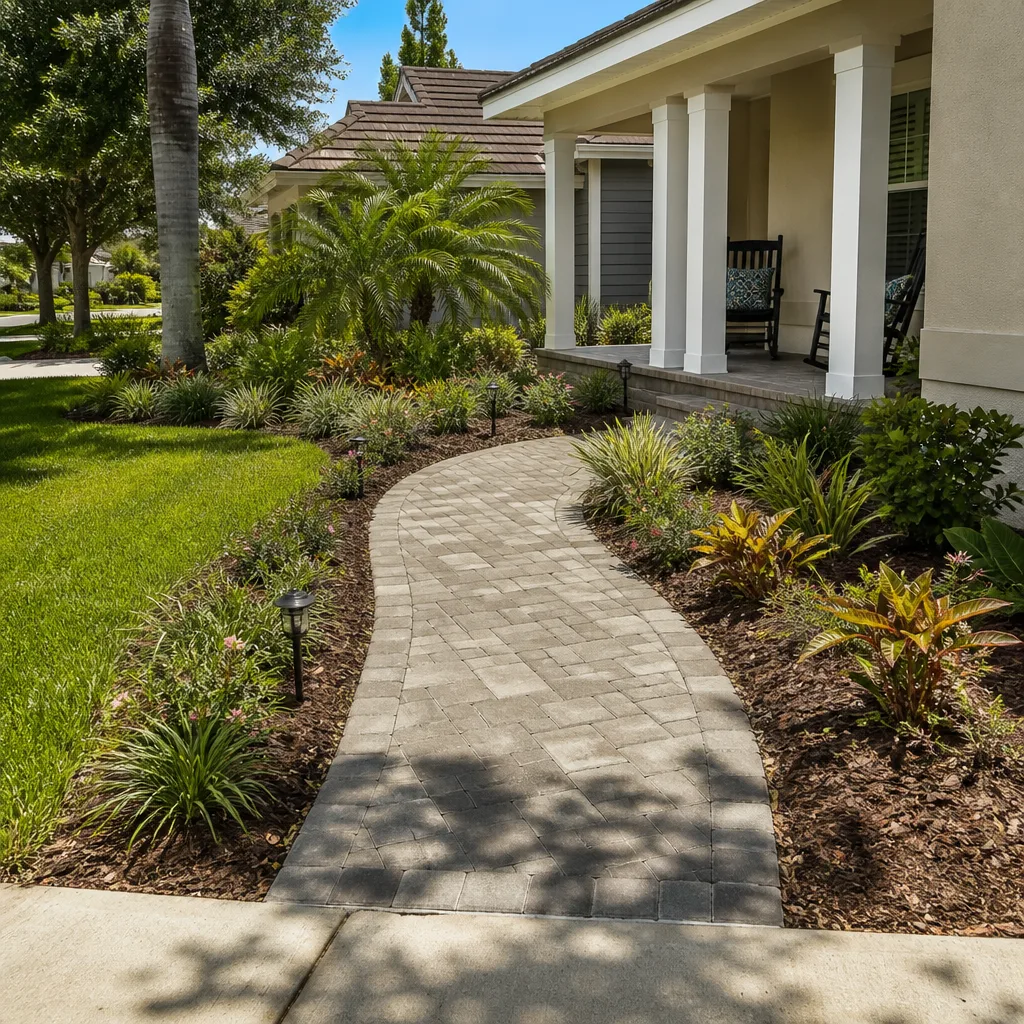
A paver driveway in Boulder City runs $14 to $28 per square foot installed, all-in. That range hides a lot of decision, so here’s the honest breakdown of where the money goes on a typical 600-square-foot drive:
- Demolition and haul-off: $2 to $4 per square foot, higher if the existing surface is thick concrete.
- Grading and base: $4 to $7 per square foot. Desert base prep is the most-underestimated line. Skipping depth here shows up as settling within two seasons.
- Paver material: $5 to $12 per square foot. Brands like Belgard and comparable lines carry published freeze-thaw and colorfastness data; bargain pavers often don’t.
- Edge restraint and setting: $2 to $4 per square foot.
- Sealing: $1.50 to $3.50 per square foot. This is the line most budgets drop and every installer wishes homeowners kept.
The desert-grade spec premium shows up most clearly in the sealing and base layers. A cheap paver drive can look fine in year one and fail by year four because the base wasn’t compacted to spec and the surface wasn’t sealed against a UV load that a contractor from a milder climate simply doesn’t account for. Our Driveway & Pavers in Boulder City page goes deeper on base and drain specs; the key takeaway here is that the lowest bid typically reduced a layer you can’t see.
One local note: a lot of Boulder City drives are graded toward the garage, which means water management is not optional. Verify in writing that the base layer spec includes a drainage slope and that the sealing line covers the paver face, not just a light topical coat.
Line-Item Breakdown: Exterior Hardscape
Hardscape is where Boulder City’s climate shapes cost most directly. Retaining walls, patio surfaces, and fencing all face a heat and wind load that a standard national bid template flat-out lacks a category for. Here’s how a typical hardscape budget breaks down:
- Retaining walls: $28 to $65 per square foot, structural-grade, including drainage. This is where under-scoping causes failure – a wall without drainage will move.
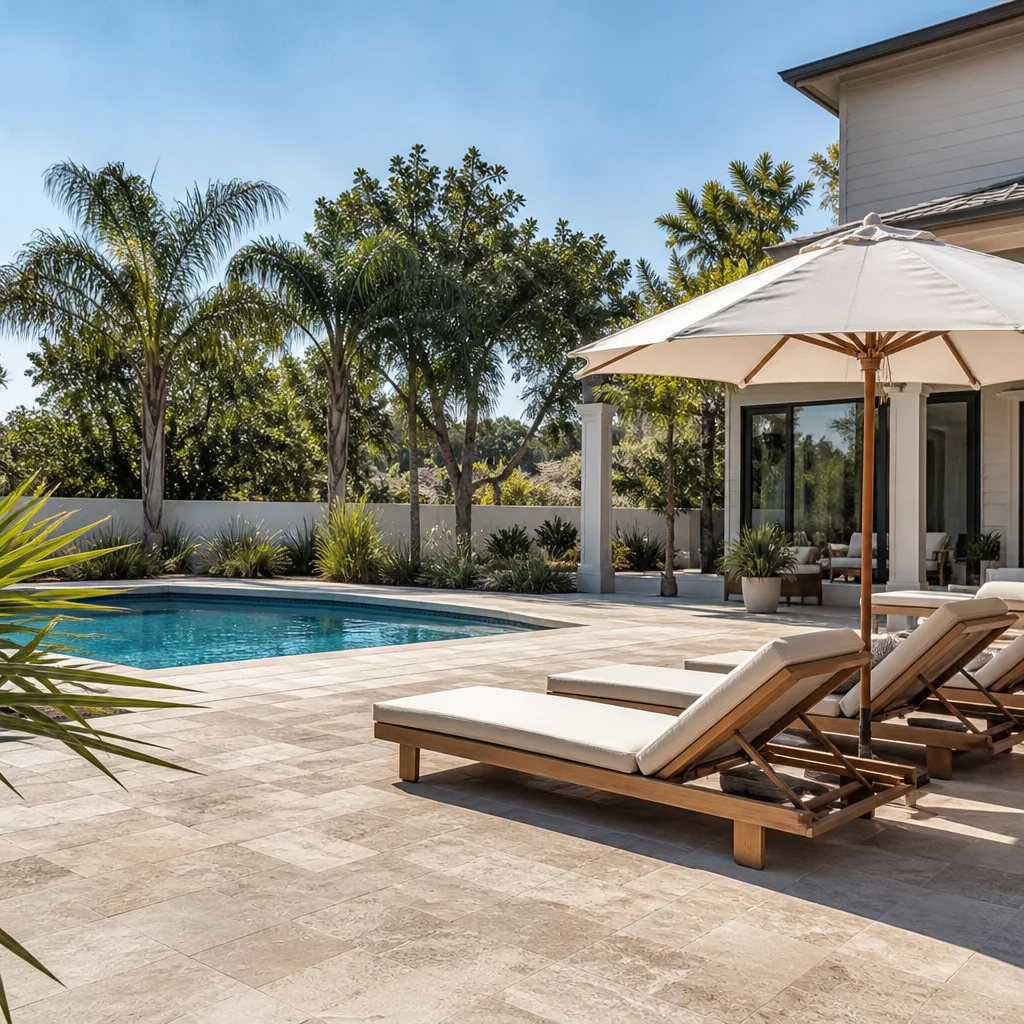
- Patio pavers: $15 to $30 per square foot, installed.
- Decking (composite or wood): $22 to $48 per square foot. Composite has an edge in desert conditions because it doesn’t check or split the way untreated wood does.
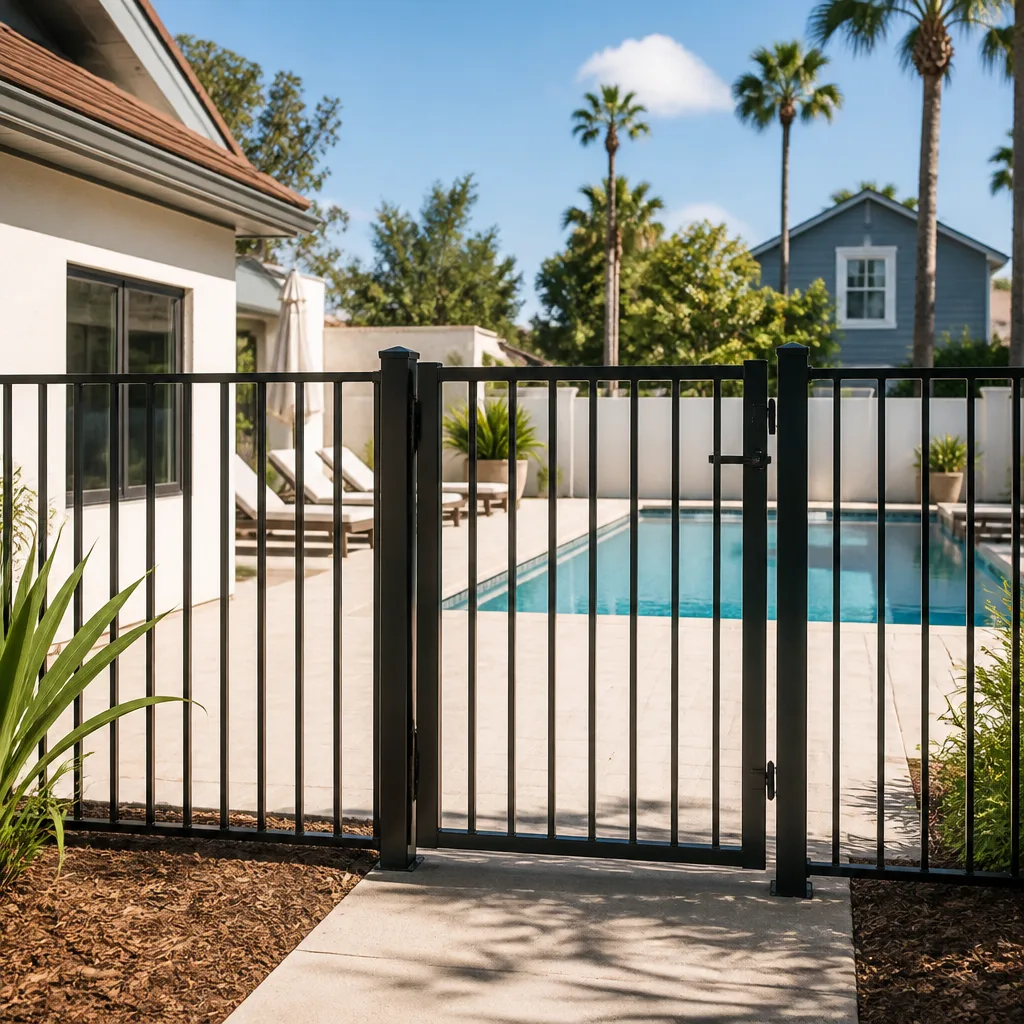
- Fencing: $28 to $58 per linear foot installed for quality material. Fence line quality matters more than most homeowners expect – a line without proper post depth and steel reinforcement will lean after the first wet season.
- Fence hardware and gates: $450 to $1,800 for gate assembly and hardware.
On fencing specifically, the difference between a fence rated for Boulder City conditions and a generic one is real. Brands like Barrette and Master Halco publish heat and wind performance data for their systems; that’s the kind of paper trail a transparent bid should reference. Our Fence Installation in Boulder City page covers post depth, wind load, and material selection in more detail. For the hardscape side, the recurring theme is the same: cheap materials look identical on installation day, and diverge sharply two summers later.
The desert-grade premium on hardscape is roughly 10% to 20% over a comparable mild-climate spec, and it’s the single most defensible cost bump in the entire budget. If a bidder skips it to win the meeting, they’ve just moved the cost to your future.
What Transparent Pricing Should Actually Look Like
Transparent pricing is a specific set of written commitments, not a promise of “no hidden fees” in a sales pitch. A proposal that deserves your signature should include all of the following, visible on the page, not in an appendix:
- Every scope item as its own line, with material brand and spec named. “Framing” is not a line item; “40 linear feet of exterior wall framing, 2×6 at 16-inch centers, with sheathing spec X” is.
- Material brand and grade for every finish, not “paint allowance $800.” An allowance is a placeholder for a future price increase.
- Permit fees as a separate line, with a clear statement of who pulls and who pays.
- A change-order process describing what constitutes a change and how it’s priced before the work proceeds.
- The fixed price in writing, with a flat statement that the quoted number holds unless the scope changes in writing.
- The workmanship warranty period, stated in years, not “satisfaction guaranteed.”
- The payment schedule, with no large percentage due before work starts.
We’ve seen bids that pass this test and bids that fail every one of these items on the same project, and the failure isn’t always intentional. Sometimes a contractor has simply never been taught to build a proposal this way. Either way, the effect on you is identical: a bid you can’t compare line-for-line, and a price that moves once work starts.
Our approach is to put the number in writing, itemized and fixed, and back it with a warranty we can point to: the 730-Day Done Right Promise, our two-year workmanship guarantee. If something in the scope turns out not to be done right, we make it right. That’s the standard every bid you receive should be held to, whether it’s ours or anyone else’s. A fixed price you can read line by line is the first real test of whether a contractor is accountable, and it’s easy to verify before you sign anything – free.
How to Compare Two Bids That Look Identical
Two bids on the same project, same total roughly, and the scope descriptions look word-for-word identical to an untrained eye. They almost never are. Here’s the pencil-out process for finding the real difference:
- Lay the bids side by side and read every line item, not just the total. Highlight anything in one bid that has no match in the other.
- Check material specs line by line. If one bid names a brand and grade and the other says “premium,” that’s a difference you’ll pay for later.
- Compare the base-layer and prep lines. Base depth, compaction spec, and drainage are the most common places a low bid hides.
- Read the exclusion list. Permits, engineering, dump fees, and cleanup are routinely excluded without saying so.
- Compare the warranty language, in years, with the exact scope of what’s covered.
- Ask both bidders to price the missing item from the other bid explicitly. The gap between them often closes or widens dramatically at this step.
- Check references against similar projects in similar conditions. Ask specifically about callbacks and how they were handled.
Once you’ve done this once or twice, the pattern becomes obvious. The “cheaper” bid almost always built a lower spec into the project quietly. The trap is thinking you’ll catch it later. You won’t, because by the time base prep or window spec matters, the wall is closed up.
This is also the honest argument for a free, no-obligation estimate and design consult: the estimate forces your scope decisions onto paper before you commit to a contract, and it’s the cheapest part of the entire project. Call us and we’ll walk the line items with you, so you know exactly what each number covers before you compare it to anyone else’s.
The Real Cost of Skipping Permits
Skipping permits is a risk-adjusted decision, not a moral one, and the math is brutal. Unpermitted work in Boulder City creates two separate financial exposures, and homeowners routinely underestimate both.
The first exposure is at resale. An unpermitted addition or structural change is a known defect in a sale. Buyers’ inspectors flag it, appraisers value the property without it or discount for it, and lenders may refuse to finance a property with unresolved permit issues. In practice, the discount a buyer demands can exceed the cost of the work itself. The second exposure is direct: unpermitted work can be discovered during a sale inspection, a re-roof, or a permit application for future work, and the cost of making it compliant falls on whoever owns the property at the time. If that’s you, you’re funding both the correction and the delay.
Frame it as a number. If a $95,000 addition was built without permits, the value at sale could easily be discounted by more than the permit fee plus engineering. The permitting cost, $1,800 to $6,500 on a typical addition, is the cheapest insurance in the entire budget. We pull the permits and schedule the inspections on every project, and we expect every bid you compare to state the same commitment in writing. If it doesn’t, ask why, and treat the answer as a signal about how the rest of the project will go.
The mid-project scenario is the one that hurts. Unpermitted work often was done to a lower standard because it never faced inspection, so the moment a permit is required, you’re looking at correcting structural, electrical, or drainage work in a finished space. That correction can run 20% to 40% of the original project cost. The permit fee is noise by comparison.
Common Mistakes to Avoid
- Comparing totals instead of line items. Two $110,000 bids can represent a $65,000 project and a $105,000 project, depending on which base layers and material specs each one omitted.
- Accepting an allowance in place of a spec. An allowance is the contractor’s way of saying the price is not fixed. A named brand and grade is the only thing that holds a price.
- Assuming a Las Vegas quote transfers to Boulder City. Permit fees, material freight, and job scheduling differ enough that a Clark County number is not a Boulder City number. Ask for a quote specific to your Boulder City address.
- Skipping the permit line to save the fee. That $1,800 to $6,500 is the cheapest risk reduction in the project, and the resale exposure can easily be ten times larger.
- Ignoring desert specs on hardscape. Base depth and paver sealing are the two lines that get cut first and fail first. Boulder City’s wind and heat will find every shortcut.
- Not asking for the warranty in writing. “Satisfaction guaranteed” is not a workmanship warranty. Ask for the period in years, and ask what it covers.
- Assuming the lowest bid is a negotiation leverage, not a scope difference. It’s almost never the former. It’s almost always the latter, and you won’t see where it happened until year three.
See the difference
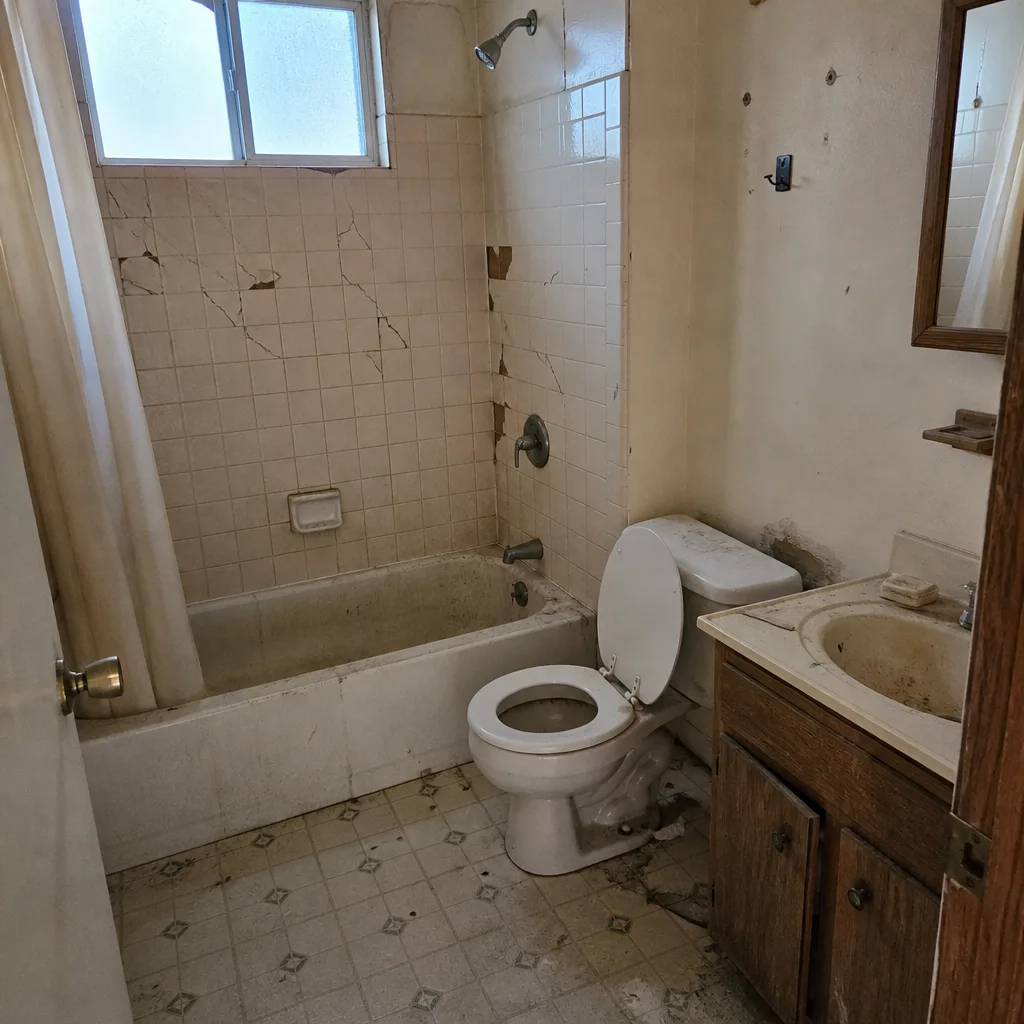 Before
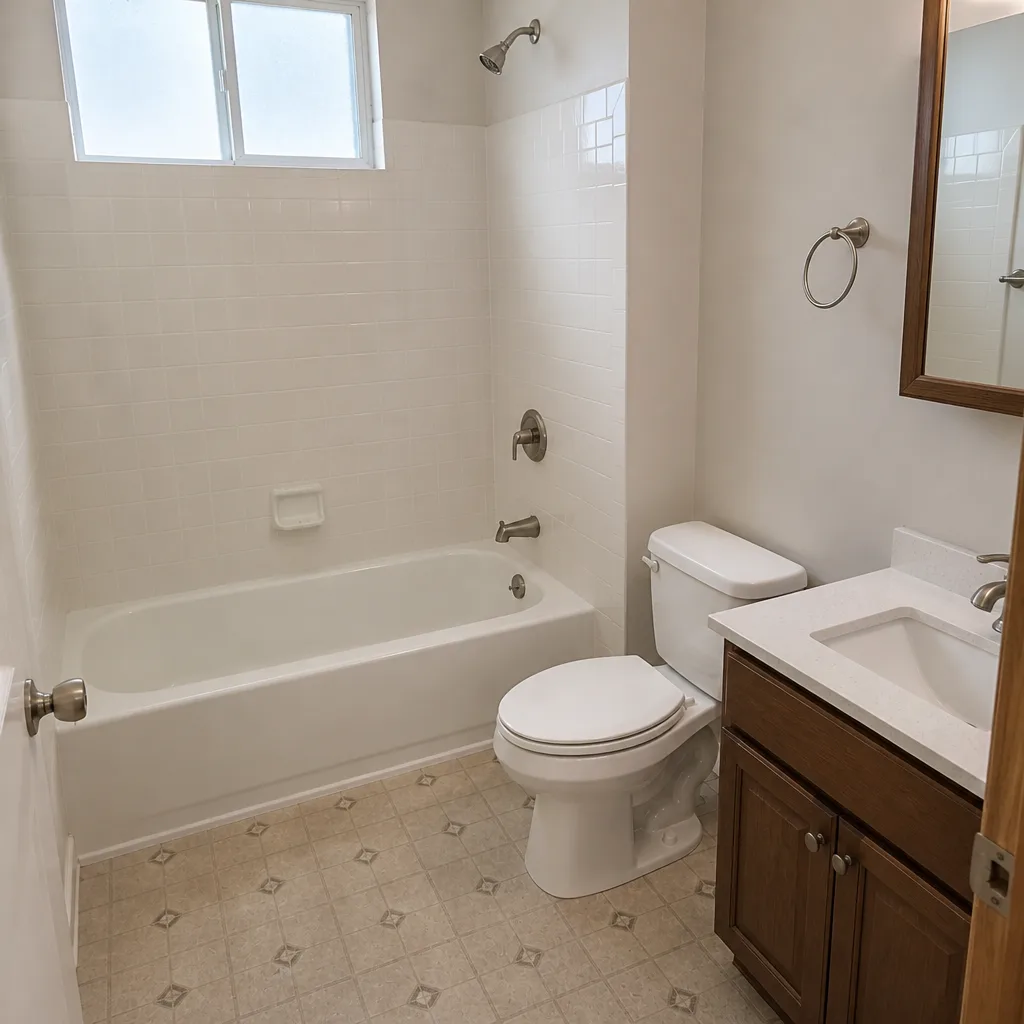 After
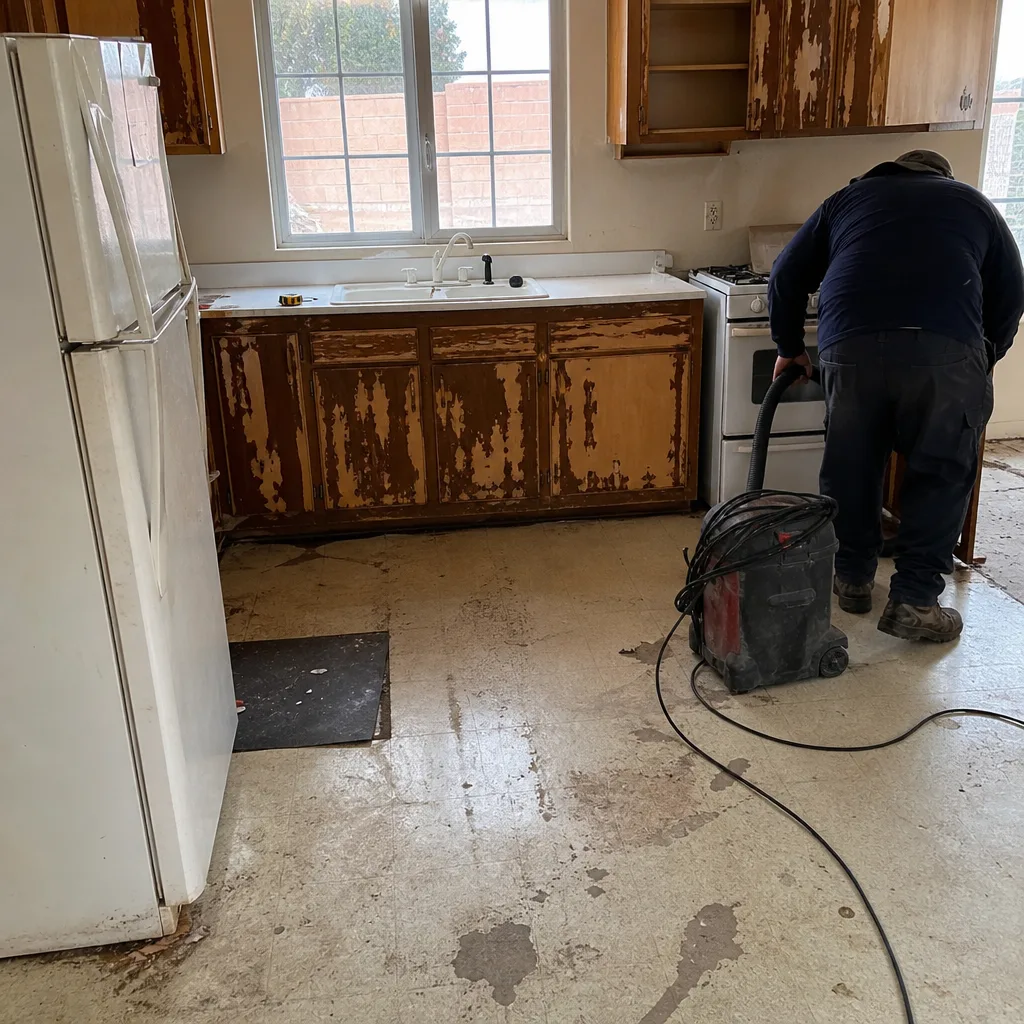 Before
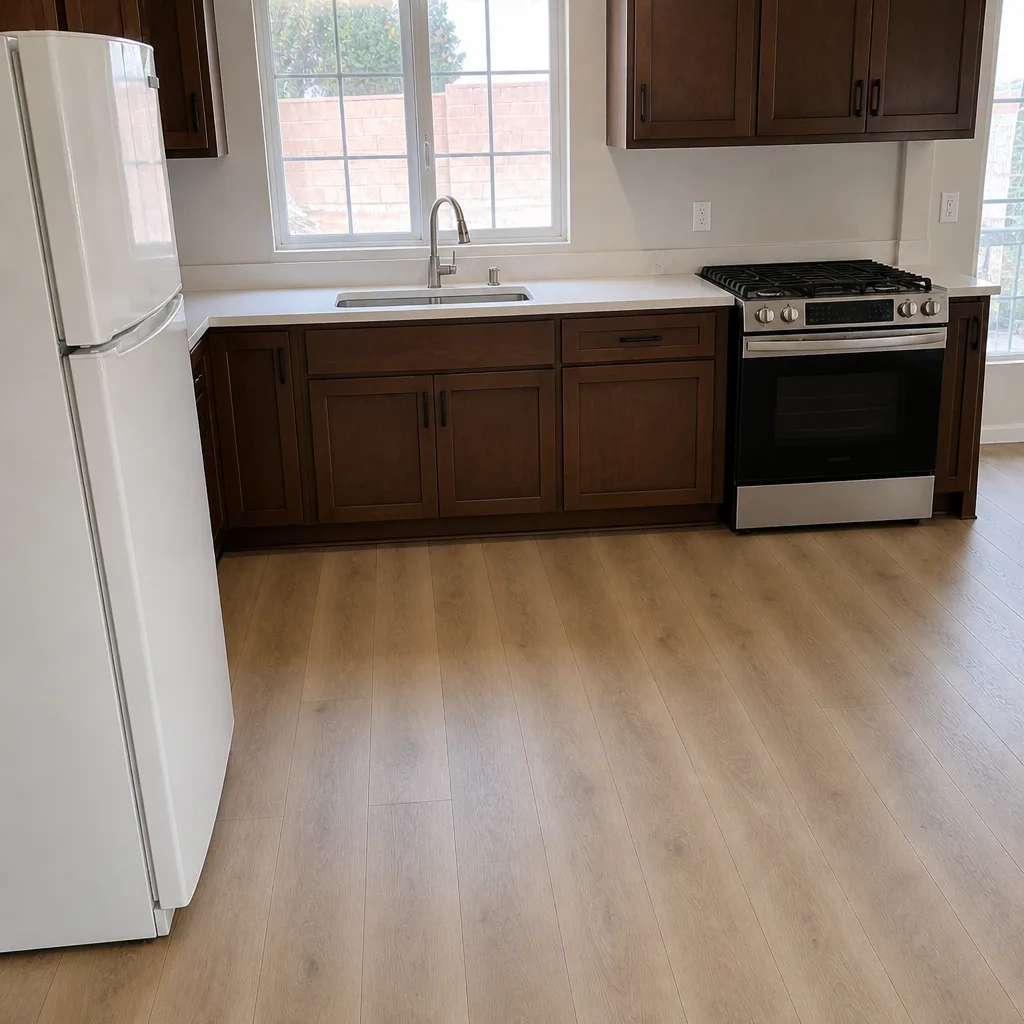 After
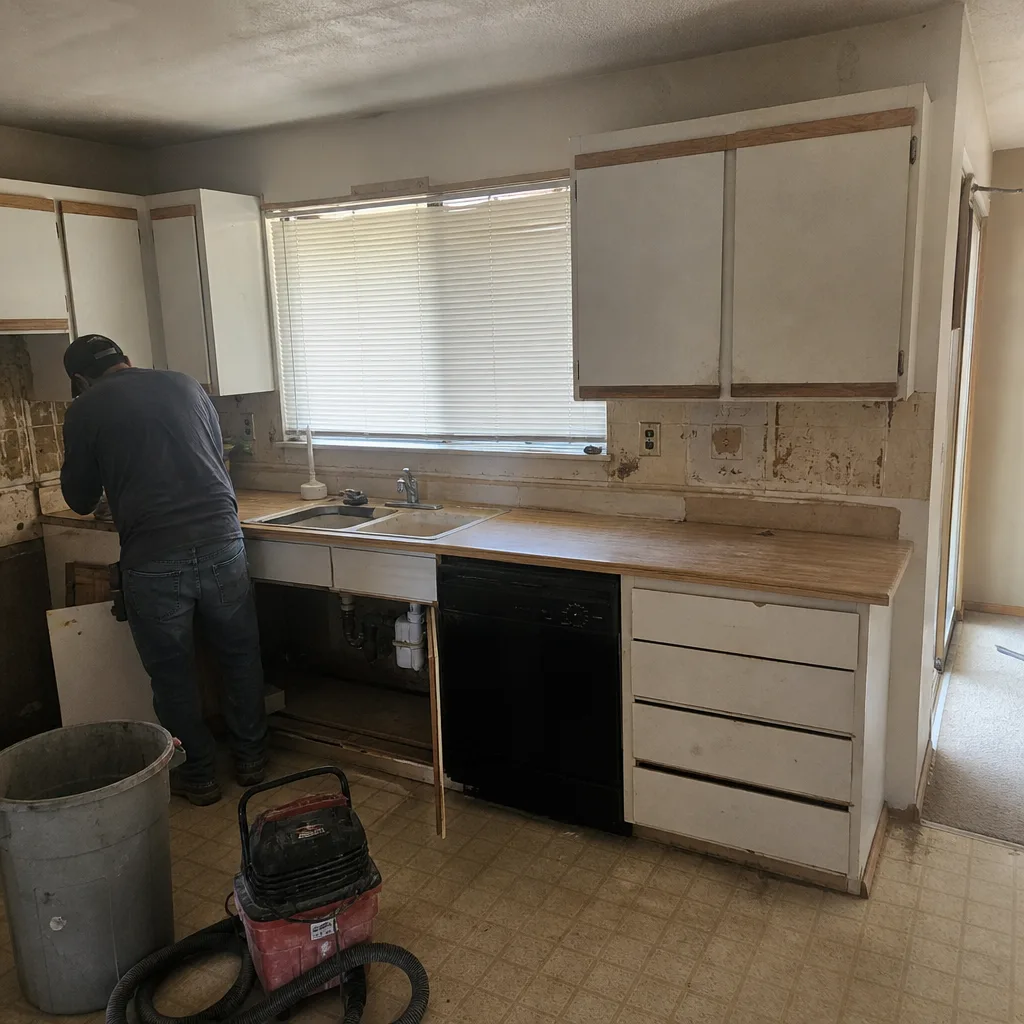 Before
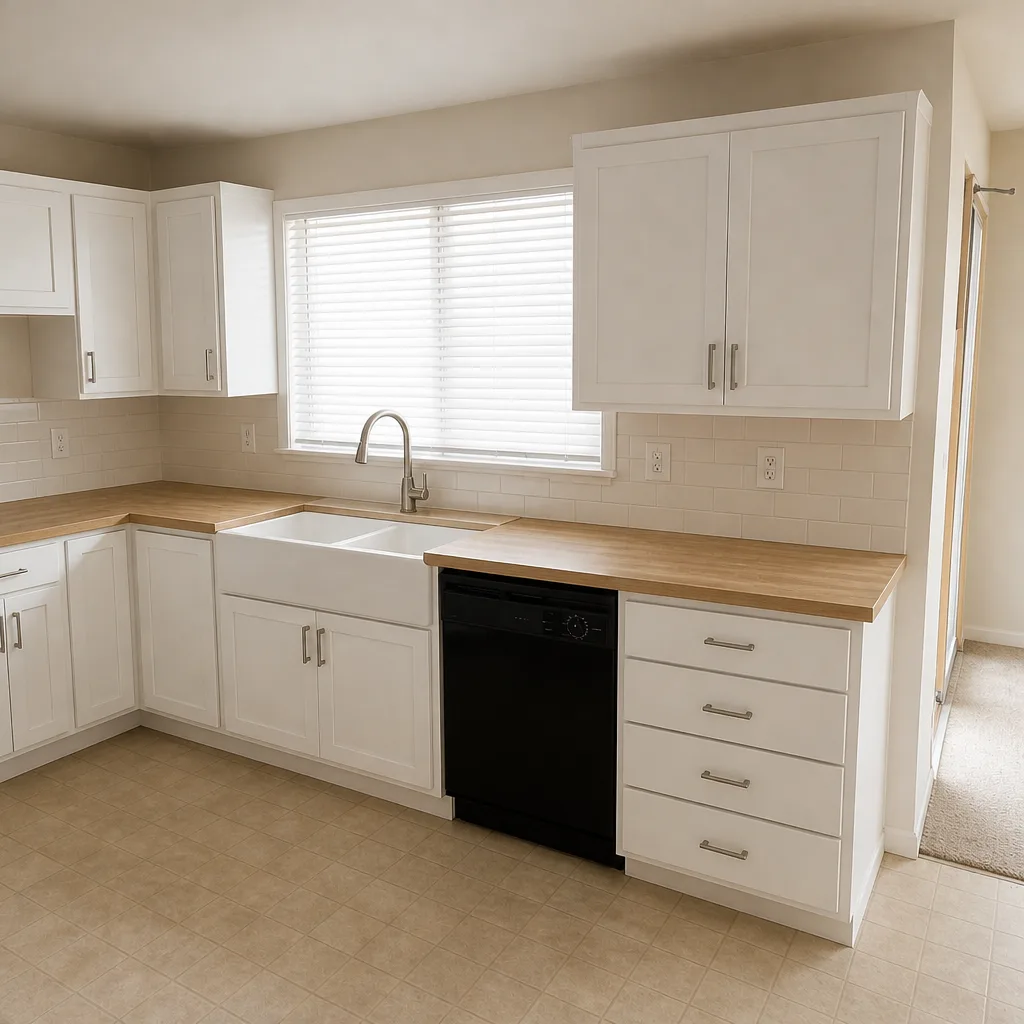 After
When to Call a Professional
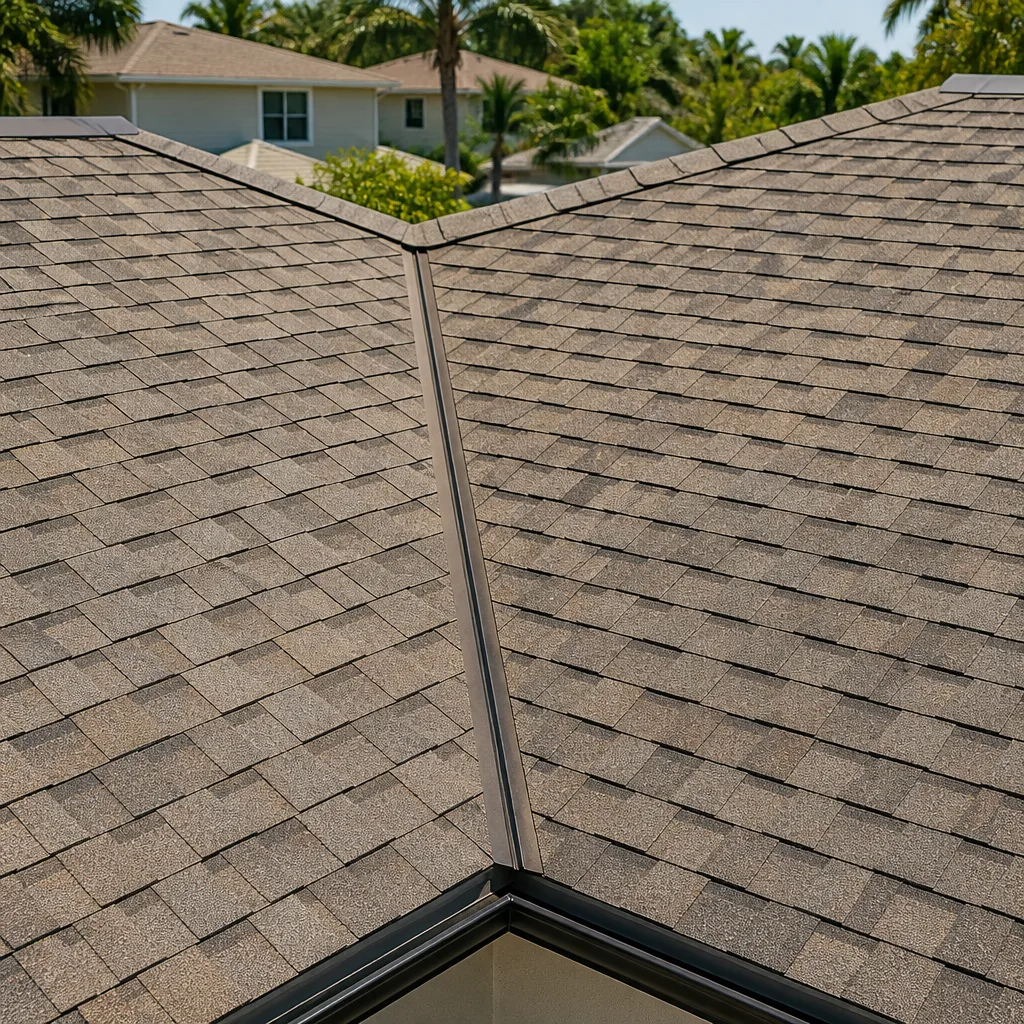
Some things you can handle. Others need a licensed professional before you touch anything. Call a pro when the work involves anything structural, anything that touches the electrical panel or gas line, anything on a roof, or anything that requires a permit. High-tension garage-door springs and cables, electrical panels and wiring, gas lines, and steep-roof work are the four categories where getting it wrong can seriously hurt someone. There’s no cost savings worth that risk.
On the permitting side, if you can’t answer in one sentence whether your project needs a permit, that’s the call. On the pricing side, if two bids differ by more than 15% and the scope descriptions look identical, you need an expert read of the line items before you choose.
Groundwork Construction Co. of Boulder City offers free estimates in Boulder City – call (888) 282-1693 to schedule yours. We’ll walk through the scope, build the line-item quote, and put the number in writing. Upfront pricing, no surprises.
Frequently Asked Questions
A typical mid-grade home addition in Boulder City runs roughly $210 to $360 per square foot finished, with a 400-square-foot addition landing between about $95,000 and $135,000. The finish package and window count move you within that range more than anything else. Call (888) 282-1693 for an exact quote on your project – estimates are free.
Three multipliers: desert-grade material specifications, freight surcharges from the Las Vegas supply chain, and Boulder City’s own municipal permit fee schedule, which differs from Clark County. Together, they typically push real Boulder City project costs 15% to 30% above national benchmark averages. A quote built on Las Vegas assumptions won’t reflect those costs.
Not on a fixed-price bid with an itemized scope. The quoted number holds unless the scope changes in writing, and any change order is priced before the work proceeds. If a bidder can’t state that commitment in writing, ask why. Call (888) 282-1693 for a fixed, line-item quote.
Yes. We pull the permits and schedule the inspections on every project, and the permit line is a separate, itemized cost in the proposal, not an allowance. That’s one of the clearest signals of a transparent bid: permit fees as their own line, with naming of who pulls and who pays.
A paver driveway is typically a matter of days, an addition several weeks to a few months, and the permit timeline is part of that schedule rather than a delay on top of it. Any contractor quoting a timeline should include plan review and inspections in it. Call (888) 282-1693 and we’ll build your schedule into the estimate.
It’s our two-year workmanship guarantee: if something in the work isn’t done right, we make it right, for 730 days after completion. It covers the workmanship on the project scope, not the day-to-day wear on materials, and it’s stated in writing in the proposal. Call (888) 282-1693 to ask what it covers on your specific project.
The Bottom Line
Boulder City construction costs run above national averages for real, structural reasons: desert-spec materials, freight from the Vegas supply chain, a constrained labor market, and a municipal permit schedule. A home addition runs roughly $210 to $360 per square foot finished, a paver driveway $14 to $28 per square foot, and hardscape carries a 10% to 20% desert-grade premium – and none of those numbers reduce the value of a transparent, itemized, fixed-price bid. The difference between a good project and a bad one usually comes down to what the bid said in writing. Read the line items, check the specs, and treat the permit fee as the cheapest risk reduction you can buy.
Ready to price it properly? Call Groundwork Construction Co. of Boulder City at (888) 282-1693 to schedule your free estimate. We’ll build a line-item quote from Boulder City’s actual numbers, name the material specs, put the fixed price in writing, and back the work with the 730-Day Done Right Promise. From foundation to finish line – built to last, backed in writing.
Written by the team at Groundwork Construction Co. of Boulder City.