Last updated November 18, 2026






Free written scope consultation - allowances, timeline, and change-order rules on paper before a single trade is scheduled
Construction Warning Signs: A Boulder City Homeowner’s Reference Guide
The most expensive construction mistakes in Boulder City don’t happen during the build. They happen in the first conversation, when a homeowner accepts a bid that never mentioned the design review board, never budgeted for a Historic District overlay, and never asked what happens to desert-cured concrete when the afternoon temperature swings 40 degrees. This guide is different from the recycled “red flag contractor” lists you’ve read before. It’s written for the specific conditions of Boulder City: a small contractor pool, real historic preservation rules, an older housing stock, and a climate that punishes shortcuts in ways other markets never see. We’ll walk through bid-stage warning signs, on-site warning signs during active construction, license-class problems, post-project issues, and the contract language that quietly shifts risk to you. Read it before you sign anything.
Quick Answer
The biggest construction warning signs in Boulder City are bids that ignore municipal permitting and design review fees, contractors who can’t explain their license classification, contracts with open-ended change-order clauses, and crews who rush desert-climate concrete curing. A legitimate contractor names local permit requirements upfront, quotes in writing line by line, holds the right Nevada license class for the scope, and stands behind workmanship in writing. If a bid is silent on design review, soil, or permits, that silence is the warning.
Styles & brands we work with
- Kitchen remodeling
- Bathroom remodeling
- Home additions & ADU
- Roofing
- Windows & doors
- Driveway & pavers
- Fence
Table of Contents
- Bid-Stage Warning Signs Specific to Boulder City
- On-Site Warning Signs During Active Construction
- How to Spot a Contractor Subcontracting Beyond Their License Class
- Post-Project Warning Signs Boulder City’s Climate Accelerates
- Contract Language That Shifts Liability to You
- Permits, Design Review, and Historic Overlay: What a Real Bid Includes
- How to Check a Boulder City Contractor Before You Hire
Bid-Stage Warning Signs Specific to Boulder City
Most homeowner regrets are decided before a shovel ever hits the ground. Boulder City is a tight market with a limited pool of licensed contractors, and that scarcity makes it easier for a smooth talker to fill a calendar. The bid document is where you separate the professionals from the pretenders.
A legitimate bid in Boulder City will reference the city’s permitting process by name. Boulder City issues its own building permits through the Community Development department, and any project touching structure, electrical, plumbing, or mechanical needs one. If a bid says “permits included” without listing a dollar figure or naming the authority, treat that as a placeholder. Ask directly: “Who pulls the permit, and is the fee in this number?” A vague answer now becomes a change order later.
Watch for these bid-stage red flags:
- No design review line item. Properties in Boulder City’s Historic District and areas under architectural review need approval before a permit is issued. A bid with no mention of design review fees or timeline is either inexperienced in this market or hoping you won’t notice.
- No soil assessment on any structural, addition, or paver project. Boulder City’s caliche-heavy soil and expansive clay pockets are real. A contractor who never mentions soil testing on a slab, addition, or driveway job hasn’t worked here much.
- Lump-sum pricing with no line items. You can’t compare bids you can’t read. A written, itemized quote is a baseline expectation, not a premium service.
- References that are all from out of town. Ask for two Boulder City references and one from an adjacent community. Local references know the permit process and the climate.
- Pressure to sign “today” for a discount. Real pricing doesn’t expire at 5 p.m. This is a sales tactic, not a construction schedule.
When you’re comparing, ask each contractor the same five questions in writing. The ones who answer specifically, with numbers and names, are the ones worth a second call. If you want a sense of how we approach a full-scope quote from foundation to finish line, start at our Groundwork Construction Co. of Boulder City home page and see what an upfront, itemized bid looks like.
On-Site Warning Signs During Active Construction
Once work starts, the warning signs shift from paperwork to behavior. In Boulder City, the single most revealing thing you can watch is how a crew handles concrete in desert heat. Our summers routinely push past 100 degrees, and the swing between a 95-degree afternoon and a 60-degree morning can crack a poorly cured slab before it ever carries a load.
What proper desert-climate concrete curing looks like, versus the warning signs:
- Warning sign: Concrete poured at midday with no shade, no evaporation retarder, and no wet cure applied within the first hour. In Boulder City heat, surface moisture evaporates fast enough to cause plastic shrinkage cracks within hours. A crew that knows this pours early, covers, and mists.
- Warning sign: No curing compound, no plastic sheeting, no wet burlap. Ask the crew lead what their curing plan is. A shrug is your answer.
- Warning sign: Control joints cut late or not at all. Joints need to go in while the concrete is still green, usually within 6 to 12 hours. Late joints mean random cracking later.
- Warning sign: Crews who don’t protect finished work from the sun. Fresh stucco, fresh paint, and fresh mortar all cure differently in low humidity. Fast drying isn’t the same as proper curing.
Beyond concrete, watch for these on-site behaviors:
- A crew with no visible company identification, no uniforms, and no background-checked roster. Professional presentation is a proxy for how the business is run.
- No daily cleanup. Debris piles, uncovered materials, and unprotected finished surfaces tell you how the job will be left on the last day.
- Change orders delivered verbally. Every scope change on a Boulder City job needs a written change order with a price and a schedule impact. Verbal changes are how budgets get blown.
- Subcontractors you’ve never been introduced to. You should know who’s on your property. Ask for the sub list at contract signing, not mid-project.
If you’re planning a hardscape project specifically, the same curing principles apply to pavers and their base prep. Our guide to Driveway & Pavers in Boulder City goes deeper on base compaction and how caliche soil affects the long-term performance of a driveway.
How to Spot a Contractor Subcontracting Beyond Their License Class
Nevada licenses contractors by classification, and the classification defines what scope of work is legal. A residential contractor with a narrow license can’t legally take on certain commercial or specialty work, and a genuinely licensed contractor will tell you exactly what class they hold if you ask. The warning sign is a contractor who gets vague, changes the subject, or tells you “we’re fully licensed” without naming the class.
Here’s how an undisclosed overreach typically plays out. A contractor with a limited residential classification bids a project that includes a structural addition or a specialty trade beyond their license. They sub the work out to a licensed specialty contractor, but they never disclose that arrangement, and the contract names them as the responsible party for work they aren’t licensed to perform. When something goes wrong, you have two parties pointing at each other and a license board that may find neither legally responsible to you as the homeowner.
How to catch it before you sign:
- Look up the license number on the Nevada State Contractors Board website. Confirm the classification matches your project scope.
- Ask directly: “Will any portion of this work be subcontracted, and if so, who and under what license?” Get the answer in writing.
- Ask for the sub list at contract signing. A legitimate contractor names their subs and their license classes without hesitation.
- Watch for a bid that includes a trade (say, electrical or roofing) that the bidding contractor clearly doesn’t have in-house capability to manage. That’s a signal work is being farmed out.
In Boulder City specifically, the small contractor pool means established local firms often know each other and their classifications. A contractor who’s genuinely local won’t blink at this question. A contractor who isn’t will get defensive. Both reactions tell you something.
Post-Project Warning Signs Boulder City’s Climate Accelerates
Some workmanship problems take years to show up in a milder climate. In Boulder City, the combination of high summer heat, low humidity, intense UV exposure, and occasional monsoon-driven rain push small defects toward larger ones faster than most homeowners expect. The warning signs below tend to appear within the first one to two years after substantial completion. Catching them early is the difference between a warranty claim and a structural repair.
Watch for these:
- Hairline cracks in a driveway or patio that widen within a season. Small cracks from normal curing are expected. Cracks that widen from a pencil line to a finger width within a year signal base or curing problems.
- Stucco or caulking failures around windows and doors. UV exposure degrades cheap sealant fast. If you’re re-caulking the same joints within 18 months, the original material or application was inadequate.
- Roof shingles lifting or losing granules on south-facing slopes. South-facing exposure in Boulder City is brutal. Granule loss within a couple of years points to products not rated for this climate or improper installation at the ridge and valleys. When we source roofing, brand partners like GAF and CertainTeed matter precisely because their ratings hold up to desert exposure, and the installation is what makes or breaks the warranty.
- Doors and windows that stick or drag seasonally. Some movement is normal. Persistent binding in a new install suggests settlement or improper shimming.
- Water staining on fence posts or paver edges after rain. Boulder City’s monsoon season is short but intense. Staining within a year signals drainage or flashing problems that will get worse, not better.
The honest test of a contractor isn’t whether a problem appears. It’s what happens when you call. Our 730-Day Done Right Promise exists because we know desert-climate construction can surface issues after the crew leaves. If it’s not done right, we make it right, and that commitment is written into the job, not just promised in a conversation.
Contract Language That Shifts Liability to You
Most homeowners read the price, the start date, and the payment schedule. The clauses that actually decide who pays when something goes wrong sit further down. Read every word, and treat these phrases as warnings worth a conversation before you sign.
Contract clauses that should raise your eyebrows:
- “Contractor not responsible for latent defects.” This is a get-out-of-jail clause for workmanship problems that weren’t visible at completion. It can strip your leverage for post-project issues, including the ones this climate surfaces.
- “Owner responsible for permitting.” Some contracts shift permit responsibility to you. In Boulder City, that means you’d be handling design review, inspection scheduling, and any code issue that comes up. It’s legal but rarely in your interest.
- “Time and materials” with no cap. Open-ended T&M means your budget has no ceiling. If a contract uses T&M, ask for a not-to-exceed figure and a written change-order process.
- Arbitration clauses that waive your right to a license-board complaint. Nevada’s license board process exists for a reason. A contract that quietly closes that door isn’t protecting you.
- Warranty language with conditions that render it void. A “warranty” that’s voided by normal weathering, or by “improper maintenance” undefined, isn’t a warranty. Ask what the actual coverage period is, what’s excluded, and who honors it if the original contractor is unavailable.
- Payment schedules front-loaded before completion. A deposit is normal. Paying 50% before materials are delivered and framing starts is not.
Contrast these with a bid that lists pricing line by line, states the permit and design review responsibility clearly, includes a written change-order process, and carries a workmanship warranty with a defined period. That’s an upfront pricing approach, and it removes the surprises.
Permits, Design Review, and Historic Overlay: What a Real Bid Includes
Boulder City isn’t Las Vegas. The city runs its own permitting, and parts of the community sit under architectural review or historic preservation oversight. If your property falls into one of these areas, and plenty do, the approval process runs alongside the building permit. A contractor who doesn’t know the difference between a by-right permit and a design review approval is going to cost you weeks.
Here’s what a real bid in Boulder City should document:
- The permitting authority and the estimated fee. Named, not vague.
- Whether design review applies to your address. A simple yes/no with the expected timeline.
- Historic District implications if applicable. Exterior changes, additions, and even some window and door replacements can be subject to review. If your contractor hasn’t asked about your property’s status, they’re not fully scoped.
- Inspection scheduling responsibility. Who calls for the rough-in, the framing, and the final? A bid that leaves this blank is leaving a gap.
- As-built documentation. For additions and ADUs, you want the as-built package for future resale and for your own records.
If you’re planning a larger scope, the permitting map gets more complex, not less. Our Home Additions & ADU in Boulder City page covers how the review process runs for larger projects and why the timeline matters for your budget. For fence work, some Boulder City properties carry height or material rules under neighborhood review, and our Fence Installation in Boulder City page walks through those details.
How to Check a Boulder City Contractor Before You Hire
The best time to catch a warning sign is two weeks before you sign, not two weeks after the crew leaves. Here’s a straightforward process you can run in an afternoon.
- Verify the license. Look up the license number, check the classification, and confirm the business is active and in good standing. This is a five-minute check that eliminates the worst risk.
- Ask for three references, two local. Boulder City references can speak to permitting and to how the finished work has held up through a summer. Ask specifically: “Would you hire them again, and what would you change?”
- Request a sample contract. Read the warranty clause, the change-order process, and the permit responsibility. Ask questions about anything unclear before you sign.
- Confirm insurance and bonding in writing. A certificate of insurance should be current and name the correct business entity. If it’s hard to get, that’s a sign.
- Ask what a call feels like after hours. A contractor whose number goes to voicemail on a Friday evening when a tarp has come loose isn’t ready for the work. Calls should reach a live person, day or night.
- Ask about the warranty in plain language. How long is it, what’s covered, and how do you make a claim? “Lifetime warranty” is a marketing phrase. A written period with defined coverage is a commitment.
The process isn’t complicated. It just requires actually doing it. Homeowners who skip these steps are the ones who call us for a repair assessment a year into a bad build. That’s a more expensive phone call than the one we’d rather have today.
Common Mistakes to Avoid
- Hiring the first bid that “sounds right.” In a market as tight as Boulder City, the first callable contractor often gets the job. Slow down. Get three bids and compare line items, not just the total.
- Signing a contract with no permit line and no design review mention. Even if your property isn’t in a review district, a contractor who omits these is signaling inexperience. It’s a shortcut you’ll pay for later.
- Accepting a lump-sum price with no written breakdown. When costs come up mid-project, you have no basis to negotiate. A written, itemized quote protects you from the start.
- Not asking about license class on a project that touches multiple trades. A residential remodel that touches electrical, plumbing, and structure requires licensed oversight across all three. Ask the question in writing.
- Letting the crew pour concrete at midday in July with no curing plan. Boulder City’s heat isn’t a minor scheduling concern. Curing discipline is one of the easiest and most damaging shortcuts to miss.
- Paying the final invoice before the punch list is closed. Hold the final payment until every item on the punch list is signed off. This is standard practice, and a reputable contractor will expect it.
- Ignoring the warranty details in the contract. Get the warranty period, coverage, and claim process in writing. A 730-day workmanship promise is a real number; “lifetime” is not.
See the difference
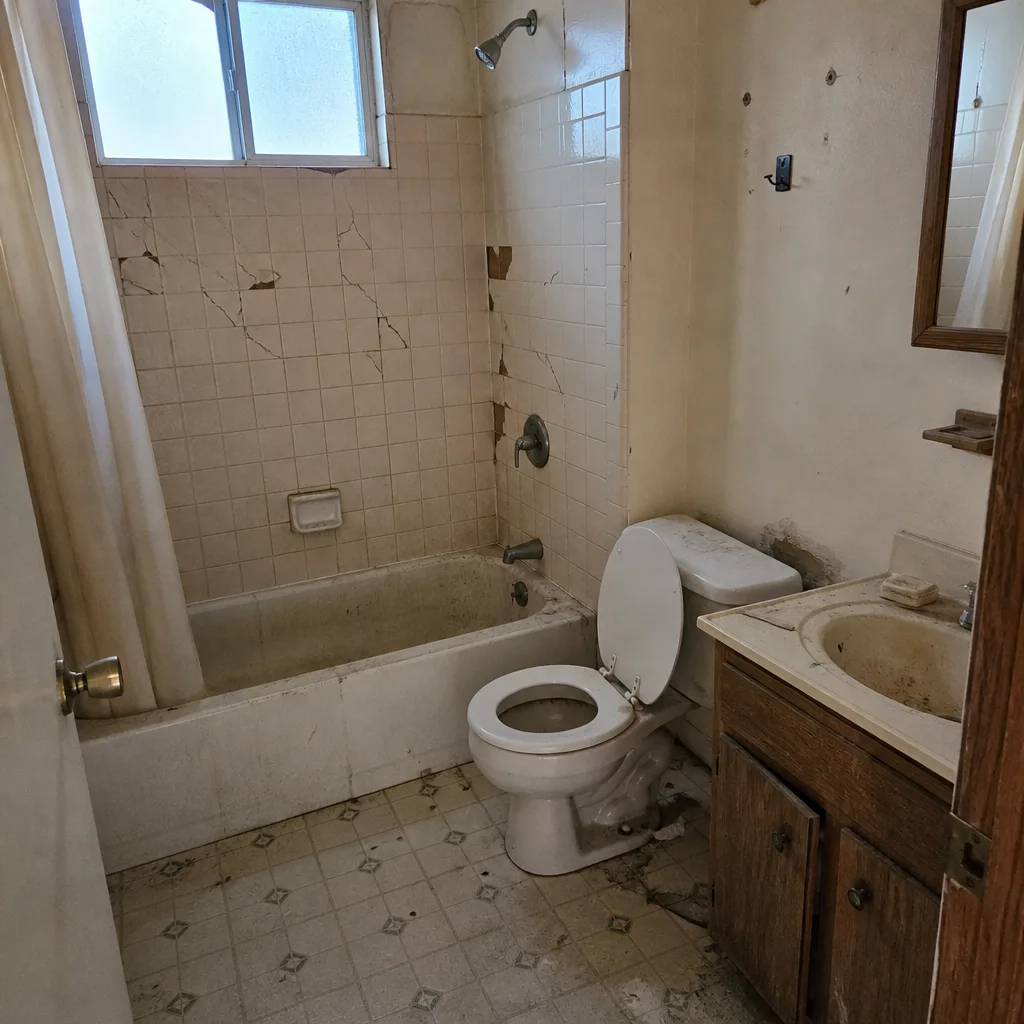 Before
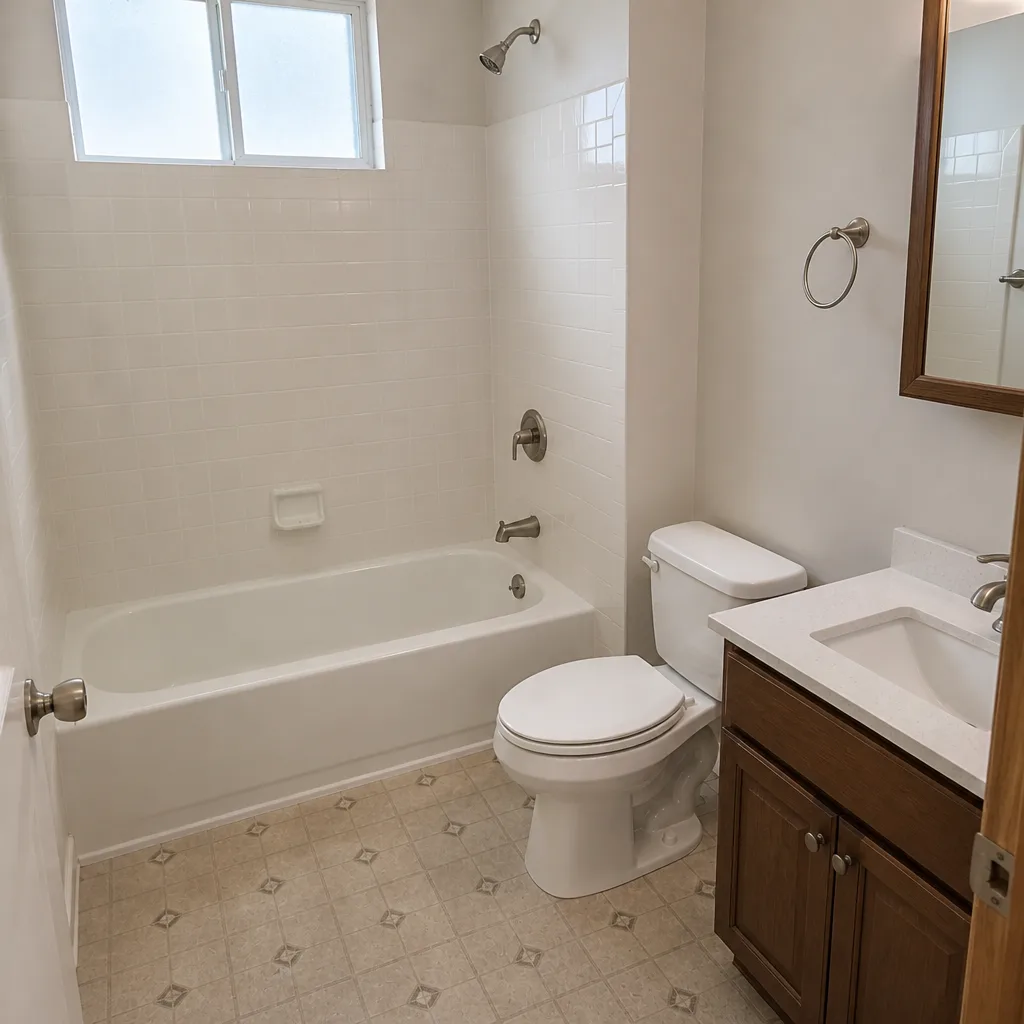 After
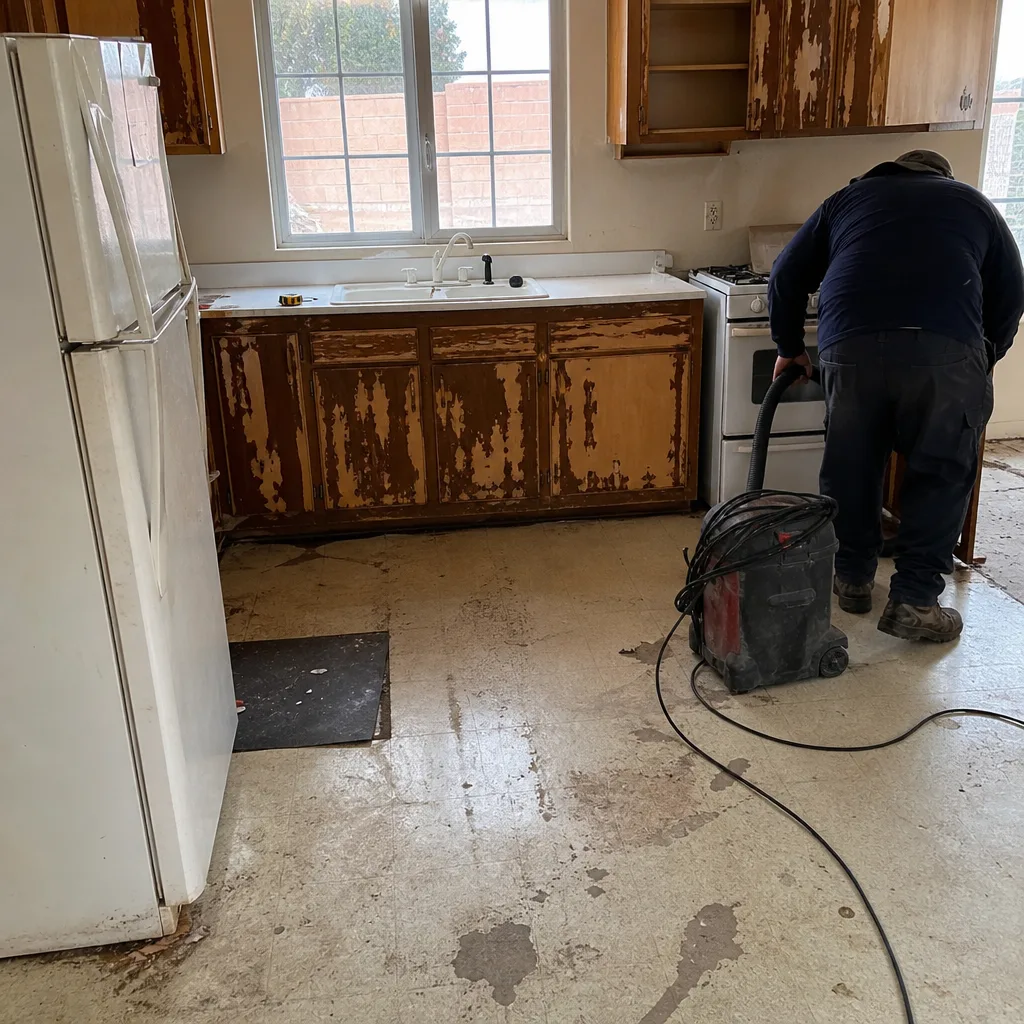 Before
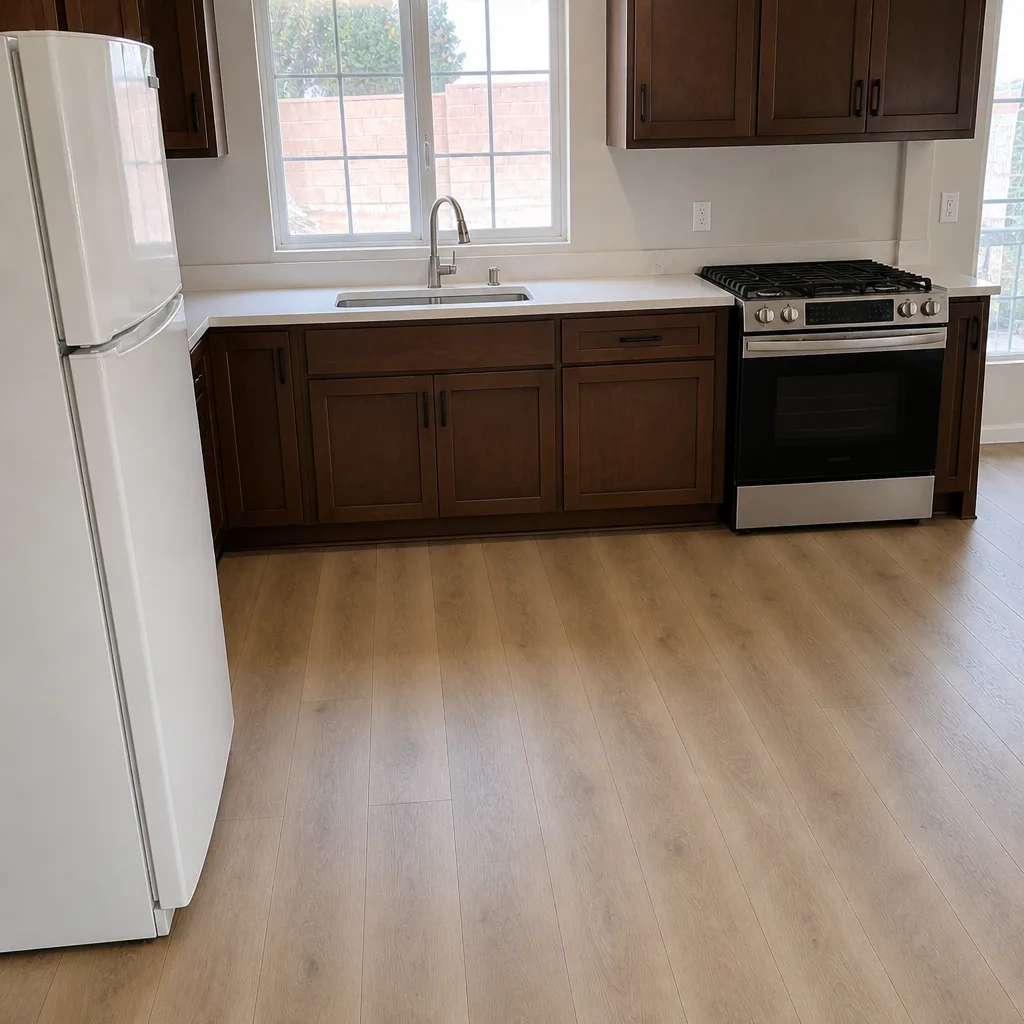 After
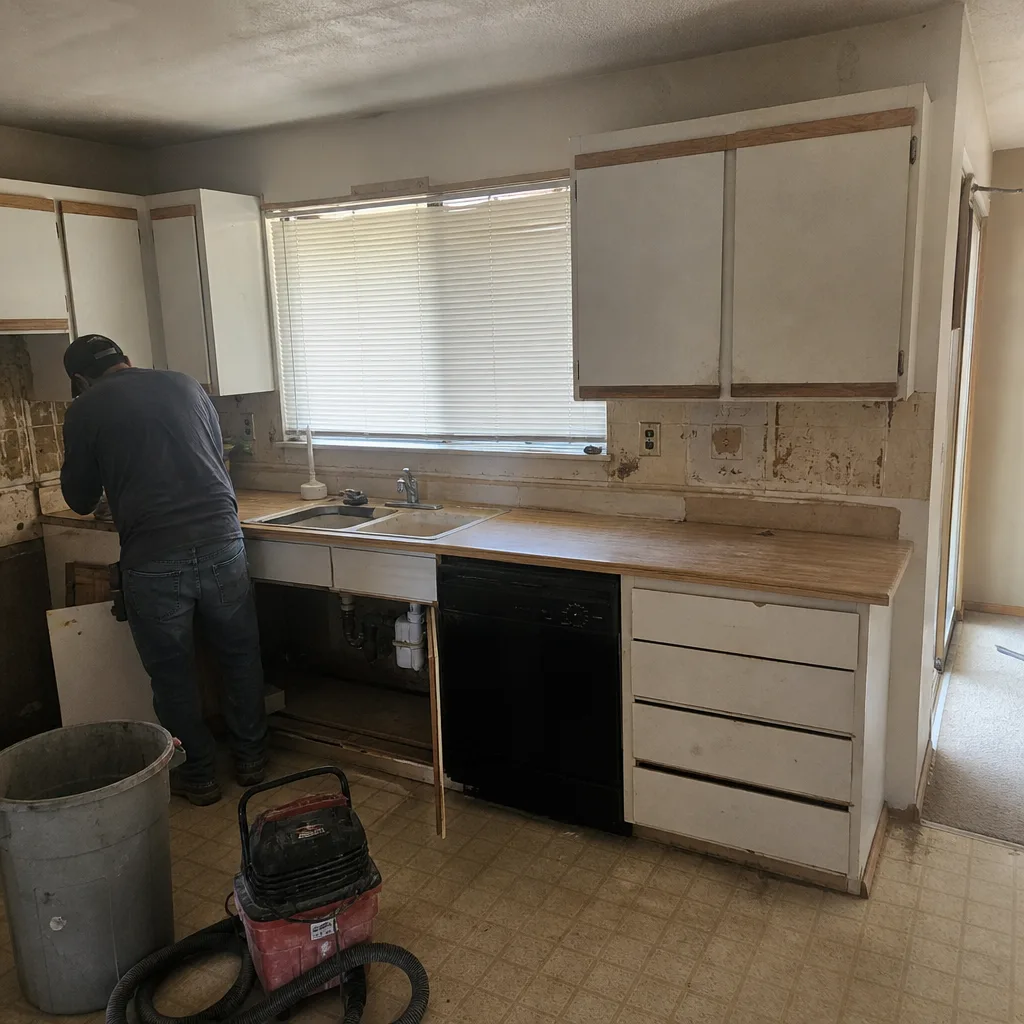 Before
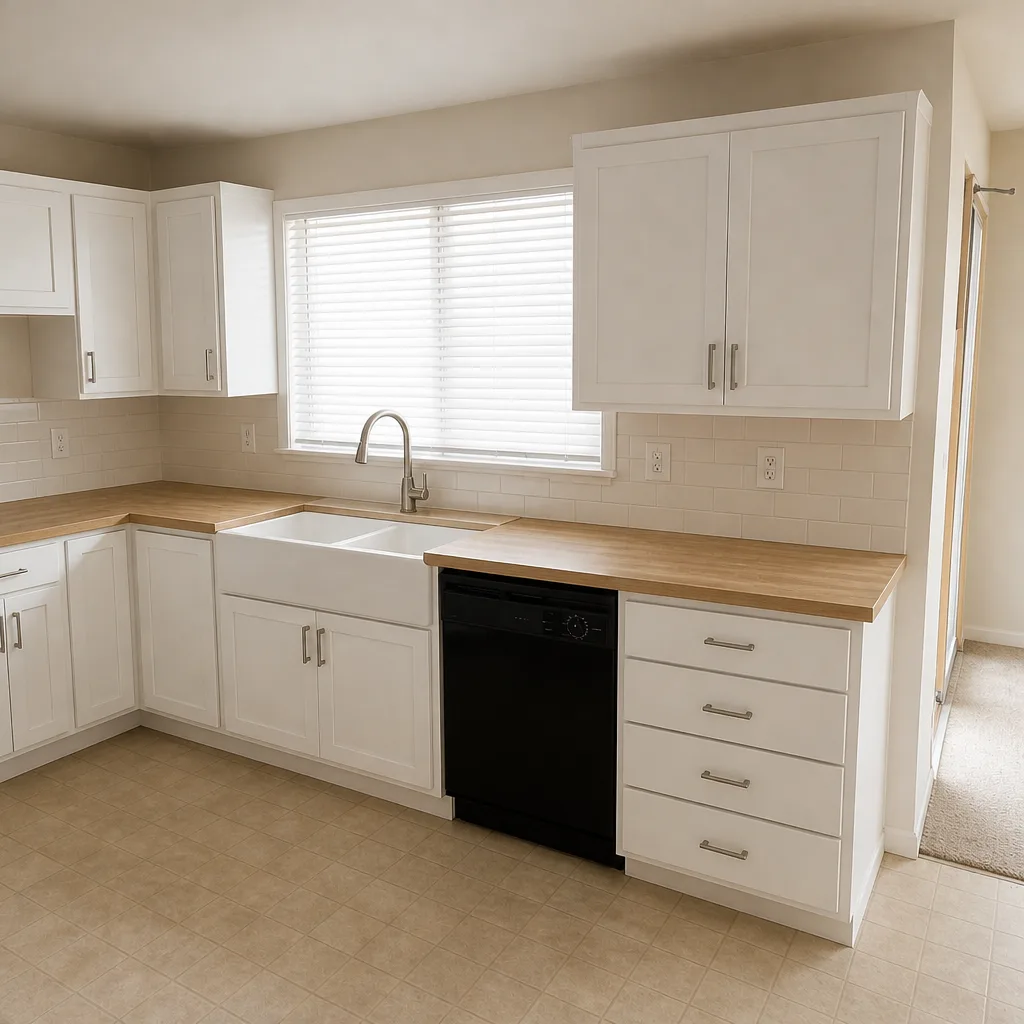 After
When to Call a Professional
Some warning signs you can watch for yourself. Others need a trained eye, and the earlier the better. Call a professional when: you’re comparing bids and one is missing key line items you can’t evaluate on your own; you’re mid-project and a change order shows up that you didn’t authorize; you’re seeing cracks, staining, or lifting that might indicate a workmanship defect; or you’re in the planning stage for a project that touches structure, permit-required scope, or any historic review district. In those cases, an assessment now is far cheaper than a repair later. Groundwork Construction Co. of Boulder City offers free estimates in Boulder City with line-item pricing, permits pulled and inspections passed, and a workmanship commitment in writing. Call (888) 282-1693 to schedule yours.
Frequently Asked Questions

The most common warning sign is a bid that never mentions municipal permitting or design review fees. Boulder City runs its own permitting and has historic and architectural review areas, and a contractor unfamiliar with the local process will skip straight to a lump-sum price without addressing either. If you see that omission, ask directly what the permit path and design review timeline are for your address. Call (888) 282-1693 for a free estimate that spells both out in writing.
Ask for the license number and classification, then verify it on the Nevada State Contractors Board site. The classification must match your project scope, and any subcontractor they plan to use should be named with their own license class in the contract. A contractor who can’t answer this clearly or gets defensive is the one to walk away from. Call (888) 282-1693 for a free estimate that documents the license and sub structure upfront.
Improper curing in Boulder City looks like a slab poured at midday in summer with no shade, no evaporation retarder, and no wet cure applied within the first hour. You’ll see plastic shrinkage cracks within hours, and late control joints lead to random cracking within weeks. Watch the crew’s curing plan directly. A reputable crew pours early, covers, and mists, and will answer the question without hesitation.
They can subcontract to a properly licensed specialty contractor, but they need to disclose that arrangement in writing. The warning sign is a contractor who names themselves as the responsible party for a scope they aren’t licensed to perform and never tells you who’s actually doing that work. Get the sub list and their license classes at contract signing, not mid-project.
In Boulder City’s climate, the easiest defects to miss tend to surface within one to two years, sometimes sooner: widening cracks in concrete and hardscape, caulking failures around windows, granule loss on south-facing shingles, and seasonal binding on doors and windows. Some structural issues take longer. That’s why the warranty period matters; our 730-Day Done Right Promise runs two full years, and if it’s not done right, we make it right. Call (888) 282-1693 to schedule a free estimate or a post-project assessment.
Refuse open-ended time-and-materials clauses with no cap, “owner responsible for permitting” clauses on a permitted job, and warranties voided by vague “improper maintenance” language that you can’t define. Also be cautious of arbitration clauses that waive your ability to file a license-board complaint. A legitimate contract has a clear permit line, a written change-order process, a defined warranty period, and a payment schedule tied to progress. Call (888) 282-1693 for a free estimate with transparent, written terms.
The Bottom Line
Boulder City’s construction market is small, which means the warning signs are disproportionate: one bad bid, accepted because there was no better option that week, costs far more than the extra two weeks of comparison shopping. The contractors worth hiring answer questions about permits, design review, soil, license classification, and curing without flinching. They put pricing in writing, they carry a warranty with a real number attached, and they pick up the phone when something goes sideways. That’s the standard to hold any contractor to in Boulder City. If you’d like to see what it looks like up close, call Groundwork Construction Co. of Boulder City at (888) 282-1693 to schedule your free estimate and design consult. We’ll bring the line-item quote, the brand recommendations, the permits, and a 730-Day Done Right Promise to the table, and you can compare it against anything else you’re considering.
Written by the team at Groundwork Construction Co. of Boulder City.