Last updated November 18, 2026




Free written scope consultation - allowances, timeline, and change-order rules on paper before a single trade is scheduled
DIY vs Professional Construction: The Boulder City Homeowner’s Decision Guide
A homeowner in Boulder City can legally pour their own concrete patio. But if that mix isn’t rated for the sulfate-rich desert soil under half of this town, they’ve created a foundation problem that a professional wouldn’t be able to warranty around either. That’s the uncomfortable truth about the DIY-versus-pro question in Boulder City: it has very little to do with how handy you are and everything to do with jurisdiction, warranty exposure, and whether the work is built for high-desert conditions. A project can look right, pass a casual eye test, and still be wrong for this climate. This guide draws the line by project type, not by homeowner ability, so you know exactly where the risk starts.
Quick Answer
In Boulder City, you can safely DIY cosmetic work like interior painting, landscaping, and minor repairs with no code implications. Anything structural, electrical, plumbing, gas, or roof-related requires a permit and a licensed contractor under Boulder City municipal code, regardless of your skill. And even on projects that are technically legal to self-perform, desert-specific material requirements and homeowner insurance rules often make hiring a licensed pro the smarter call.
Styles & brands we work with
- Kitchen remodeling
- Bathroom remodeling
- Home additions & ADU
- Roofing
- Windows & doors
- Driveway & pavers
- Fence
Table of Contents
- What Boulder City Code Actually Requires You to Hire Out
- Why Standard DIY Tutorials Are Wrong for the Mojave Desert
- How DIY Work Affects Your Insurance and Future Warranties
- The Real Cost of a Boulder City DIY Re-do
- Decision Matrix: DIY-Safe, Permit-Required, and Pro-Only
- A Step-by-Step Look at the Boulder City Permit Process
- The Pre-Project Checklist Every Boulder City Homeowner Should Run
What Boulder City Code Actually Requires You to Hire Out
Boulder City is one of the few municipalities in Nevada that still runs its own building department with a distinctly local set of reviewing habits, shaped by the town’s historic district and by the federal land surrounding it. There’s no gray area on certain trades: to pull a permit, the work must be performed by a licensed contractor, and homeowner exemptions cover only the home you live in, not rentals or flips. Here’s where the line sits.
Work that requires a licensed contractor and a permit in Boulder City:
- Any structural change – load-bearing walls, beam replacements, foundation repair, and anything that touches the structural frame.
- Electrical work beyond swapping a fixture – new circuits, panel changes, EV chargers, and anything behind the drywall.
- Gas line work – no homeowner permit available. Full stop.
- Plumbing that modifies supply or drain lines – repipes, relocated fixtures, water heater replacements.
- Roof replacement and structural roof repair – re-sheathing, framing, and full tear-offs.
- Additions and accessory dwelling units – full plan review, title 24 energy compliance, and inspection sequence.
- Any work on a rental property you don’t occupy – the owner-builder exemption doesn’t apply.
The homeowner-builder exemption in Nevada lets you act as your own contractor on your primary residence, but it comes with conditions: you must occupy the home, you accept full liability for worker safety, and local inspectors still apply the same standards they’d apply to us. In our experience, the exemption gets confused with “no permit needed,” and that’s where Boulder City homeowners run into trouble on resale. Unpermitted work surfaces during a title search or buyer inspection, and it can stall a closing or force a retroactive permitting process the seller has to fund.
If you’re planning an addition or a detached structure, that decision belongs in the pro-only column no matter how confident you are. Our Home Additions & ADU in Boulder City page walks through what plan review actually involves here.
Why Standard DIY Tutorials Are Wrong for the Mojave Desert
YouTube was built for a national audience, and most construction tutorials assume moderate humidity, mild soil chemistry, and a roof that gets rain. Boulder City gets roughly four inches of rain a year, summer highs that push past 110°F, and soil in many neighborhoods with high sulfate content and expansive clay. Those three facts rewrite a long list of projects.
The most expensive example is concrete. Standard bagged mixes sold at big-box stores are often not sulfate-resistant. Sulfates in desert soil attack ordinary portland cement over time, causing cracking, scaling, and eventually structural failure. A patio poured with the wrong mix may look perfect for two or three seasons and then begin to powder and crack from underneath. Mix design matters here, not just technique. The same logic applies to:
- Roofing underlayment – standard synthetic underlayment degrades fast under intense UV. Desert-spec products and proper ventilation are not optional in Boulder City.
- Exterior paint and caulk – elastomeric coatings rated for extreme UV and thermal cycling last dramatically longer than standard acrylics.
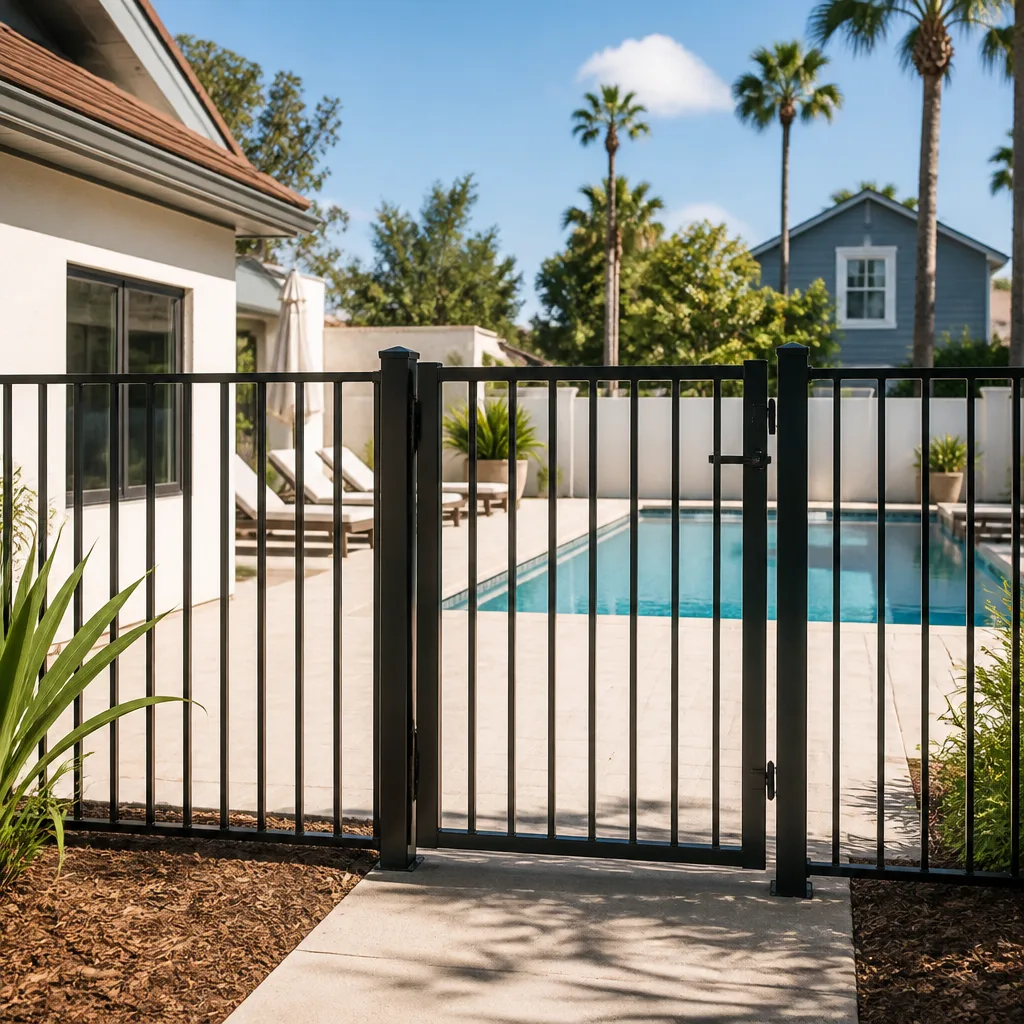
- Wood fencing and decking – untreated pine fails within a couple of summers here. Heat-treated or composite materials are the realistic choice, which we cover on our Fence Installation in Boulder City page.
- Windows and doors – low-E glass and proper solar heat gain ratings aren’t upgrades in this climate; they’re load-bearing decisions for your summer cooling bill.
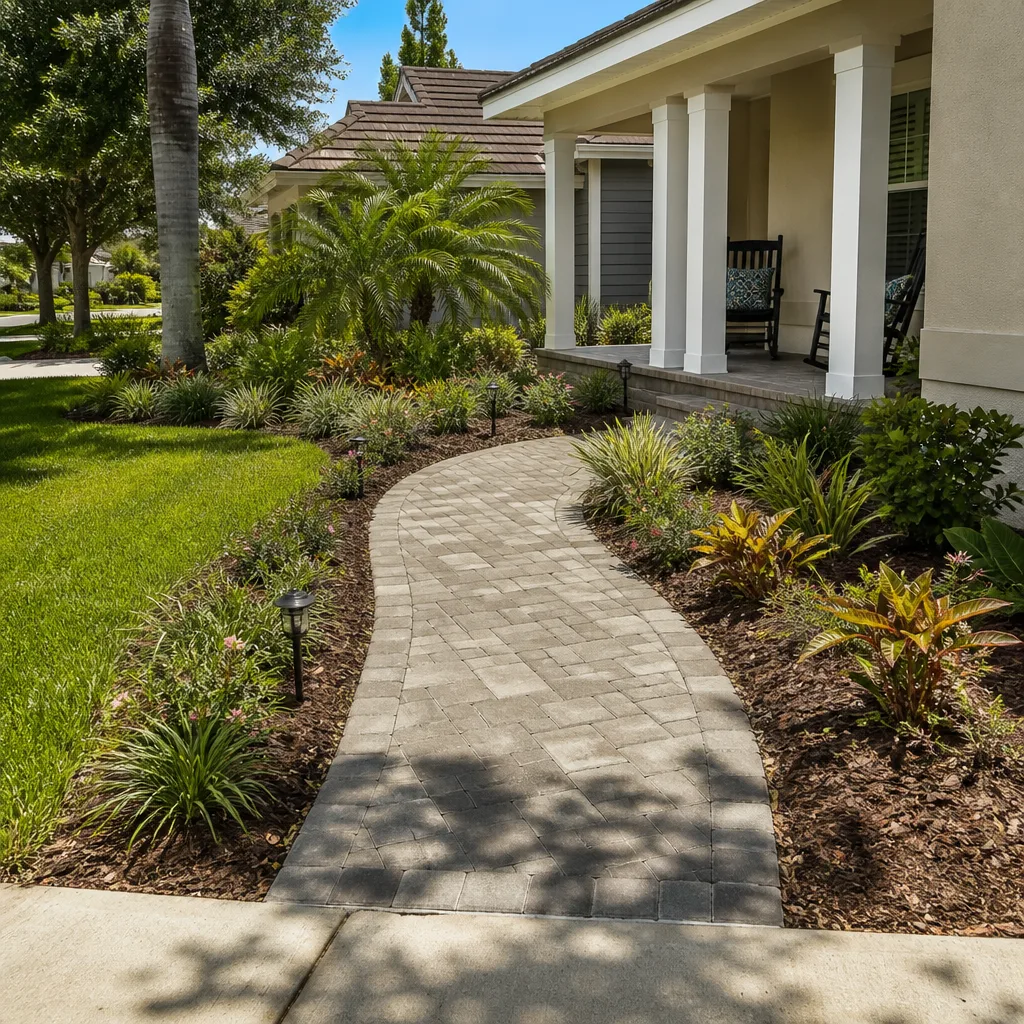
- Pavers and hardscape – base preparation for expansive soils requires deeper compacted base than coastal tutorials show, or the surface heaves within a year.
The pattern is consistent: the technique in the tutorial might be correct, but the material spec isn’t built for Boulder City. That’s exactly the gap that makes a self-performed project look finished and fail early. Our Driveway & Pavers in Boulder City team deals with the aftermath of underestimated base prep more often than any other hardscape issue.
How DIY Work Affects Your Insurance and Future Warranties
Here’s a question most Boulder City homeowners never ask until it’s too late: what happens to my coverage if a self-installed item fails and damages the house? The short answer is that it depends on whether the work was permitted, inspected, and performed to code. Insurers increasingly ask for documentation after a claim, and “I installed it myself” without a permit trail is the answer that triggers denial.
Three specific exposures to understand:
- Water damage from DIY plumbing. A slow leak behind a wall you installed can be excluded if the insurer determines the work wasn’t code-compliant. The remediation cost usually dwarfs what the plumbing job would have cost.
- Fire risk from DIY electrical. Panel work and unpermitted circuits are a common cause of claim disputes, and some carriers ask pointed questions during underwriting. A single improperly torqued breaker lug is enough to start a fire years later.
- Voided manufacturer warranties. Roofing, window, and appliance manufacturers all tie their warranties to proper installation by a qualified installer. Self-install a window and the manufacturer’s product warranty is often reduced or eliminated.
The knock-on effect matters too: when a licensed contractor later works on an adjacent system, they inherit the risk. If your DIY tile shower failed and damaged the framing behind it, a pro who comes in to remodel the bathroom has to price that repair into the job, and they may decline to warranty the new work around it. This is why our 730-Day Done Right Promise is scoped to work we perform. We can’t warranty around a project a homeowner self-installed, and no reputable contractor will. A freshly permitted, inspected job keeps both your insurance and your future warranties intact. That’s the difference between “done” and “insurable.”
The Real Cost of a Boulder City DIY Re-do
DIY rarely saves the full price of the project, because the labor cost isn’t the only number. When a Boulder City homeowner calls us to remediate a failed DIY job, the cost breakdown usually includes three things the homeowner didn’t budget for.
A realistic accounting of a typical failed DIY project in Boulder City:
- Material waste: roughly 15-30% of materials purchased end up discarded because of mis-measurement, wrong spec, or failure during install. That’s money gone before the re-do begins.
- Professional remediation: removing failed work costs money on its own. Tearing out a bad tile job, demo of a mis-poured slab, or opening a wall to access a bad plumbing run typically runs $500-$2,500 depending on scope.
- Replacement materials: desert-spec materials usually cost more than the wrong materials that were purchased first. The homeowner pays twice for the same surface.
- Time: the DIY project that consumed three weekends now costs the same weekends again in the re-do. In our Boulder City-area experience, a failed bathroom tile job alone runs $3,000-$8,000 to redo correctly after a failed attempt.
That math is the strongest argument against DIY on anything that requires spec compliance or a permit. The projects that genuinely pay off to self-perform are the ones where the materials are simple, the failure mode is cosmetic, and no inspector or future buyer will care. Painting a bedroom, replacing light fixtures, laying landscape rock, and swapping a faucet fall into that bucket. Pouring a slab rated for the wrong soil does not, and neither does installing a window in a 110-degree climate without the right solar rating.
Decision Matrix: DIY-Safe, Permit-Required, and Pro-Only
The project type is what determines the answer, not the homeowner’s confidence. Use this matrix as a starting point, and verify the permit column against the Boulder City building department before you start, because requirements do sometimes shift.
Tier 1 – DIY-safe (cosmetic, no permit, low failure cost):
- Interior paint and trim
- Light fixture swaps (fixture-for-fixture only)
- Landscape rock, gravel, and low-water plantings
- Cabinet hardware, faucet swaps, and fixture replacement
- Pressure washing, gutter cleaning, and caulk touch-ups
Tier 2 – Permit required regardless of who does the work:
- Fence installation at property lines (height and setback rules apply)
- Patios, pavers, and driveway work with structural base
- Any electrical work beyond a fixture swap
- Plumbing modifications and water heater replacements
- Window and door replacements in most cases
Tier 3 – Pro-only in Boulder City’s climate and code:
- Any structural change and all additions or ADUs
- Roofing – full replacement or structural repair
- Electrical panel work and new circuits
- Gas line work (no homeowner permit path exists)
- Concrete slabs, foundations, and any load-bearing masonry
- Tiling, waterproofing, and any wet-area construction where failure causes structural damage
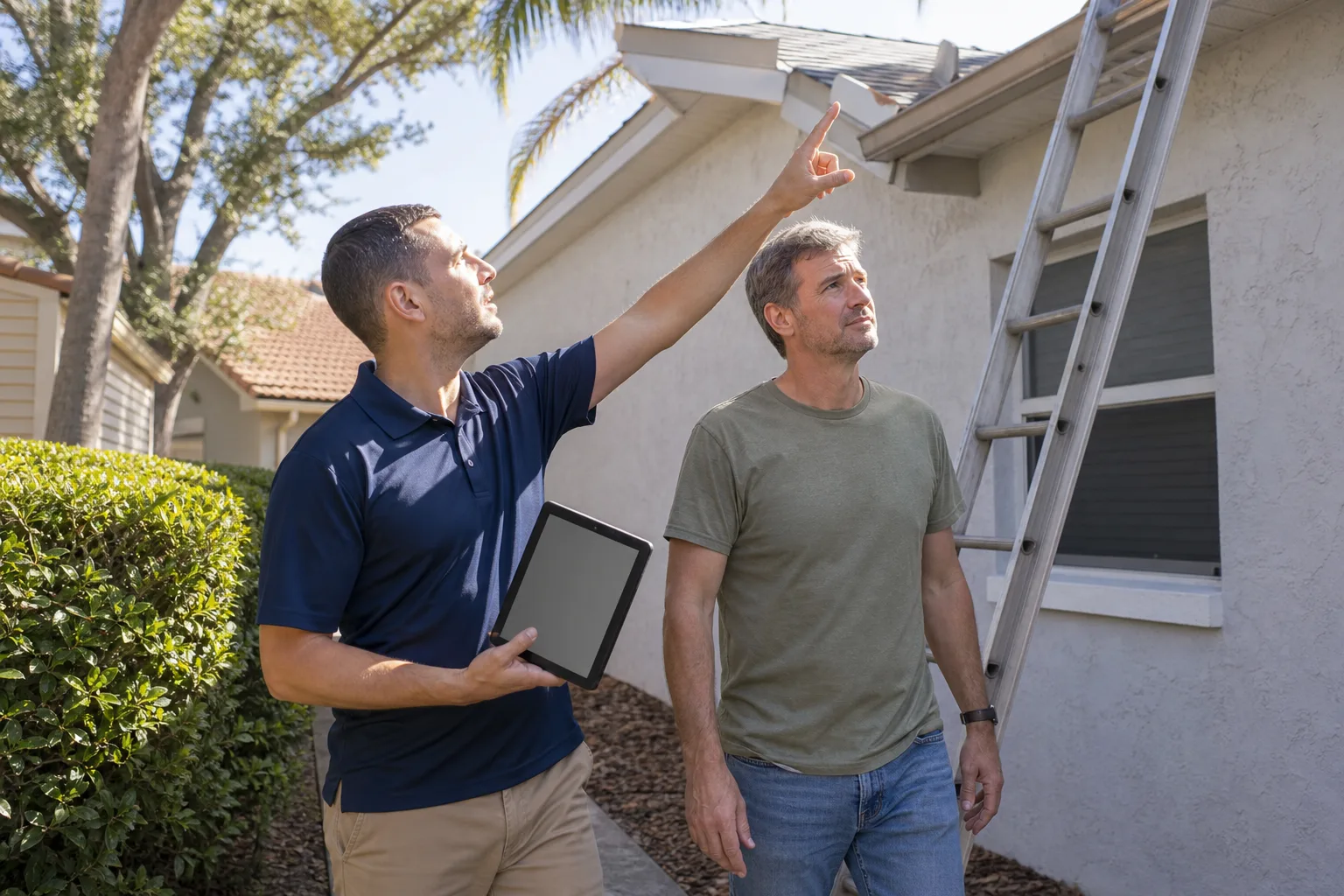
If your project is Tier 3, the decision is made for you. If it’s Tier 2, the only question is who performs it and whether your permit is pulled correctly. Tier 1 is where you get to save money and learn something – and where a homeowner’s weekend actually pays for itself. A good rule of thumb for Boulder City: if a level, a tape measure, and a paintbrush are the main tools, you’re probably fine. If the tools involve tying into a system the house depends on for water, power, or weather protection, you’re into Tier 2 or 3. Roofs in particular are worth flagging: any work at height carries fall risk, and a fall from a single-story Boulder City roofline is more than enough to cause serious injury. Our team treats roof work as a job for trained, insured crews, and so should you. That’s the honest answer, not a sales pitch.
A Step-by-Step Look at the Boulder City Permit Process
If you’re doing a project that requires a permit, here’s the sequence a licensed contractor runs through in Boulder City. Understanding it helps you vet any contractor and spot the ones who want to skip steps.
- Determine permit type and required drawings. Engineered plans, site plans, and energy compliance documentation are common for additions and ADUs.
- Submit permit application. Boulder City’s building department reviews, may return comments, and issues the permit once plans meet code.
- Schedule inspections in sequence. Foundation, framing, rough electrical and plumbing, insulation, and final inspection are the standard stages.
- Correct any failed inspection items. A good contractor catches issues before the inspection, not after.
- Close out the permit. Final inspection sign-off is the document your insurer and future buyer care about.
A professional who pulls the permit, runs the inspections, and closes the file is giving you something a self-performed job rarely does: a paper trail. That trail protects your insurance, your resale, and any warranty tied to the work. An unpermitted project sits in your house as an unrecorded liability. Our Groundwork Construction Co. of Boulder City home page outlines the trades we cover and how we handle permitting, and our full-scope approach means a single point of accountability – from foundation to finish line.
The Pre-Project Checklist Every Boulder City Homeowner Should Run
Before signing anything or picking up a tool, run through this list. It’s the fastest way to separate a project that’s genuinely DIY-safe from one that’s quietly expensive.
- Does the work require a permit under Boulder City code?
- Could a failure here damage the structure, the electrical system, or the plumbing?
- Does the material spec need to be desert-rated for UV, heat, and sulfate soil?
- Will an insurer or future buyer ask for documentation of this work?
- Is the manufacturer warranty contingent on professional installation?
- Does the project affect the value of a rental property or a home you don’t occupy?
- If this fails in two years, could a licensed contractor realistically warranty around it?
If you answered “yes” to any of those, it belongs in the pro column. If all seven are no, DIY is a legitimate choice. This is the checklist we run internally before we take on any project, and it’s the same one that keeps our 730-Day Done Right Promise honest. Materials chosen for the desert climate and installed to spec are what built to last, backed in writing actually means in this part of Nevada. For real-world examples of how that plays out on the ground, our Groundwork Construction Co. of Boulder City home is a good place to start.
Common Mistakes to Avoid
- Assuming “I own the home” means “no permit needed.” The owner-builder exemption lets you act as your own contractor, but it does not exempt you from permits, inspections, or code compliance. In Boulder City, inspectors apply the same standard to you as to us.
- Using standard concrete mix on desert soil. Sulfate-resistant cement is the requirement for slabs in many parts of Boulder City, and the wrong mix will crack from underneath over a few seasons. A $40 bag mismatch can cost thousands to correct.
- Following national tutorials for local conditions. National how-to videos assume a different climate. Ventilation, underlayment, base depth, and solar ratings all need to be desert-adjusted for this region.
- DIY-ing around a licensed contractor’s schedule without telling them. A pro who arrives to work on a room you’ve already modified may have to re-do or decline to warranty the adjacent work. Coordinate before you start.
- Self-installing windows to save money. Window warranties from manufacturers like Andersen and Marvin typically hinge on professional installation. A few hundred dollars saved can void a long-term product warranty.
- Treating a rental property the same as a primary residence. The owner-builder exemption doesn’t apply to properties you don’t occupy. Boulder City code treats rentals differently, and mismanaging this on a flip can block a sale.
- Skipping the pre-project insurance conversation. A five-minute call with your insurer about how DIY work affects coverage is cheaper than learning it after a claim denial. Do this before you buy materials, not after.
See the difference
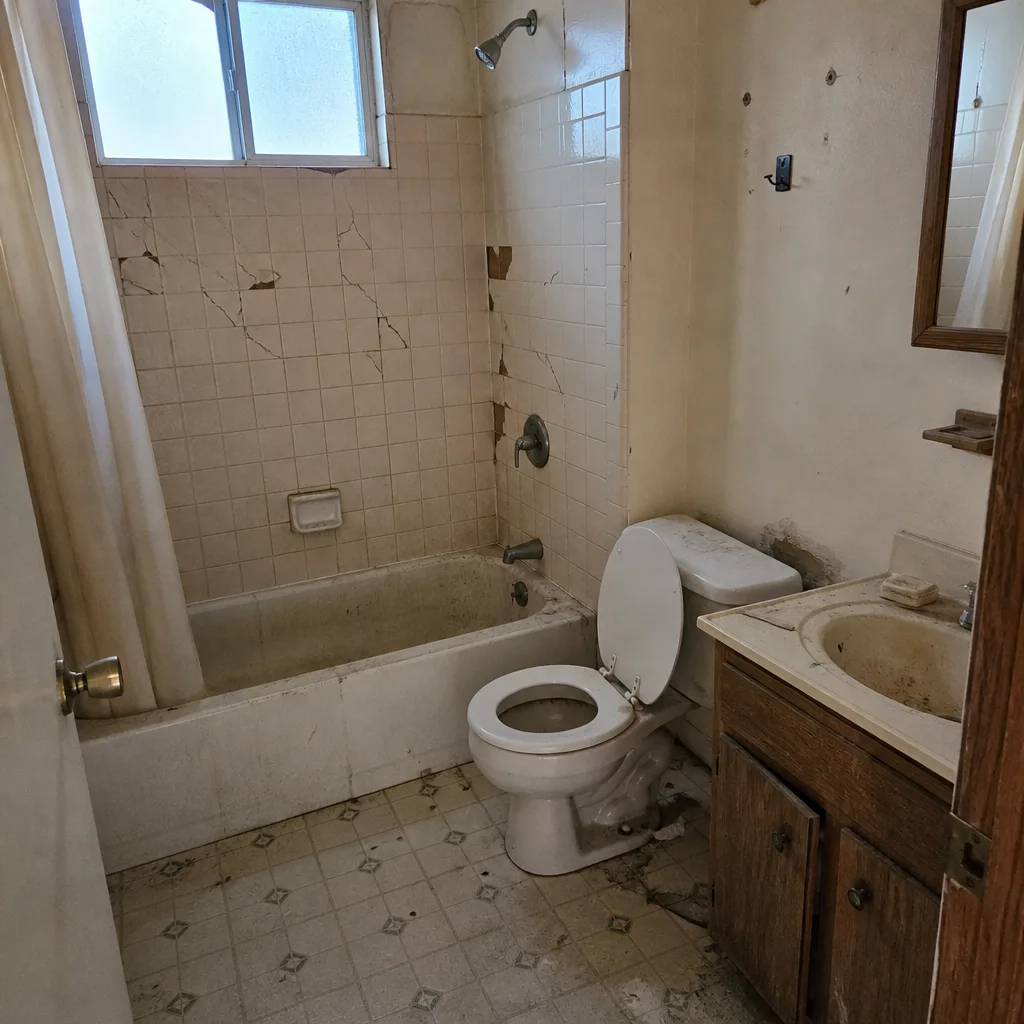 Before
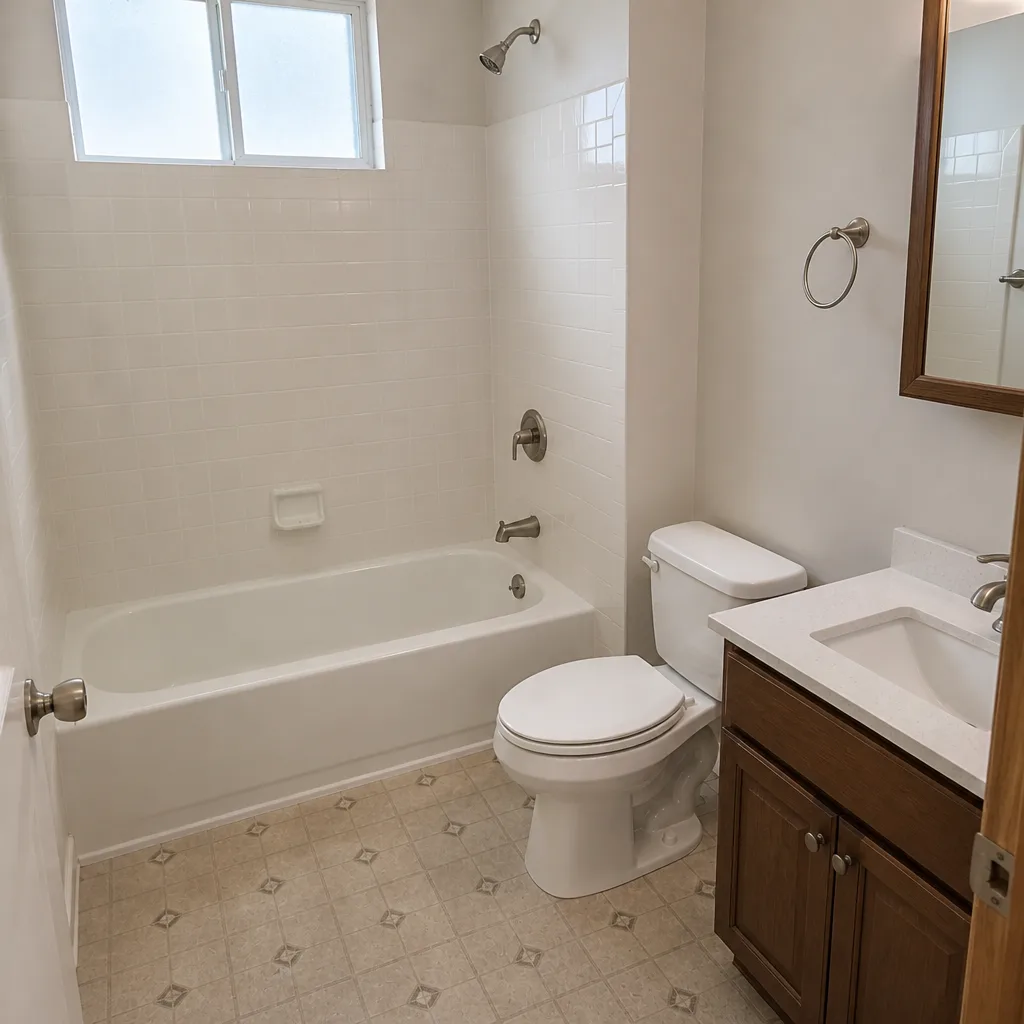 After
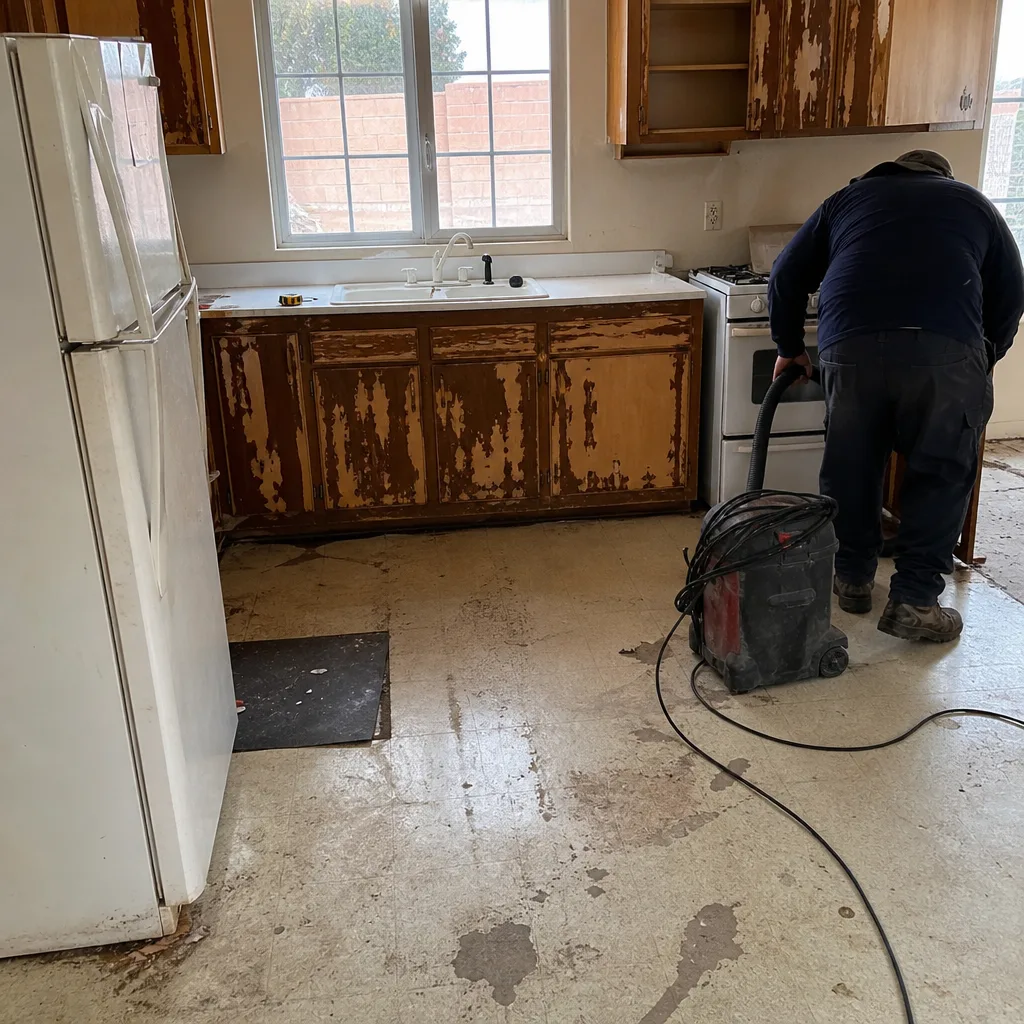 Before
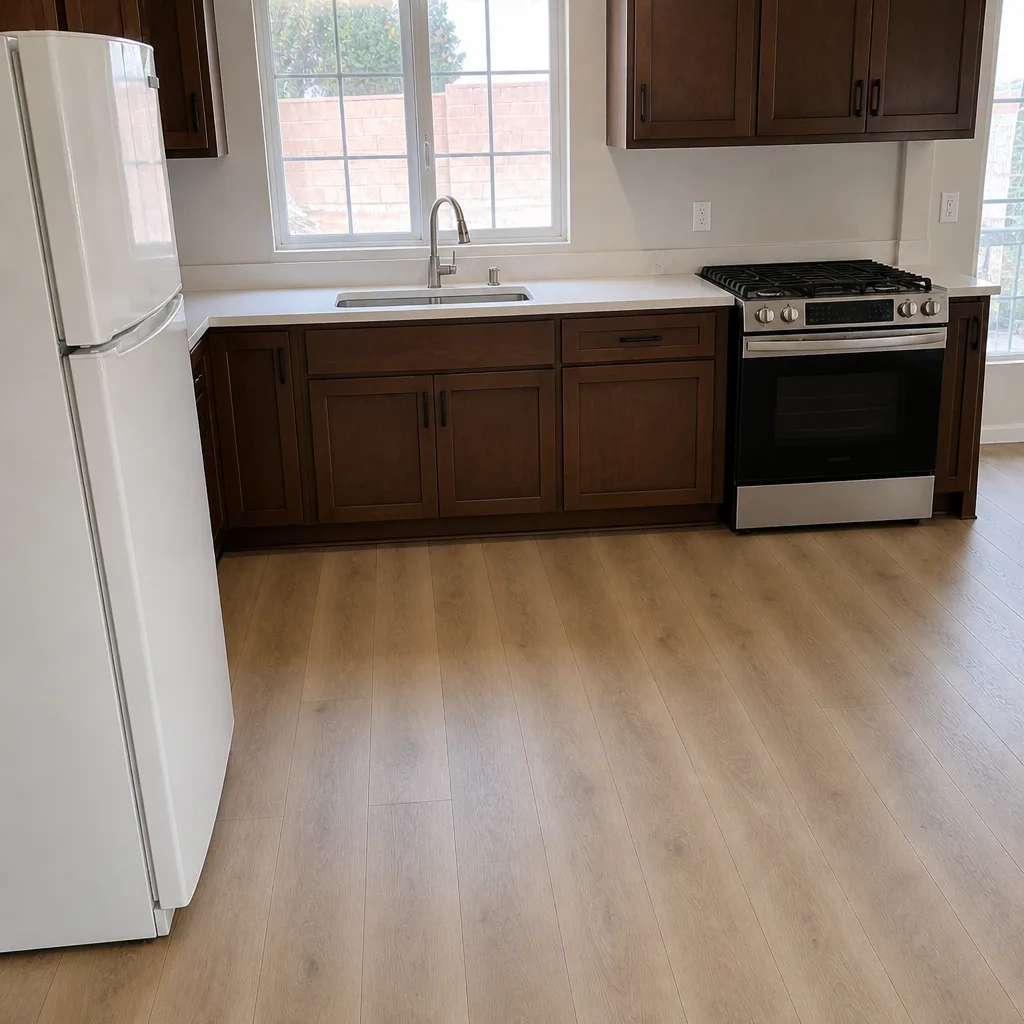 After
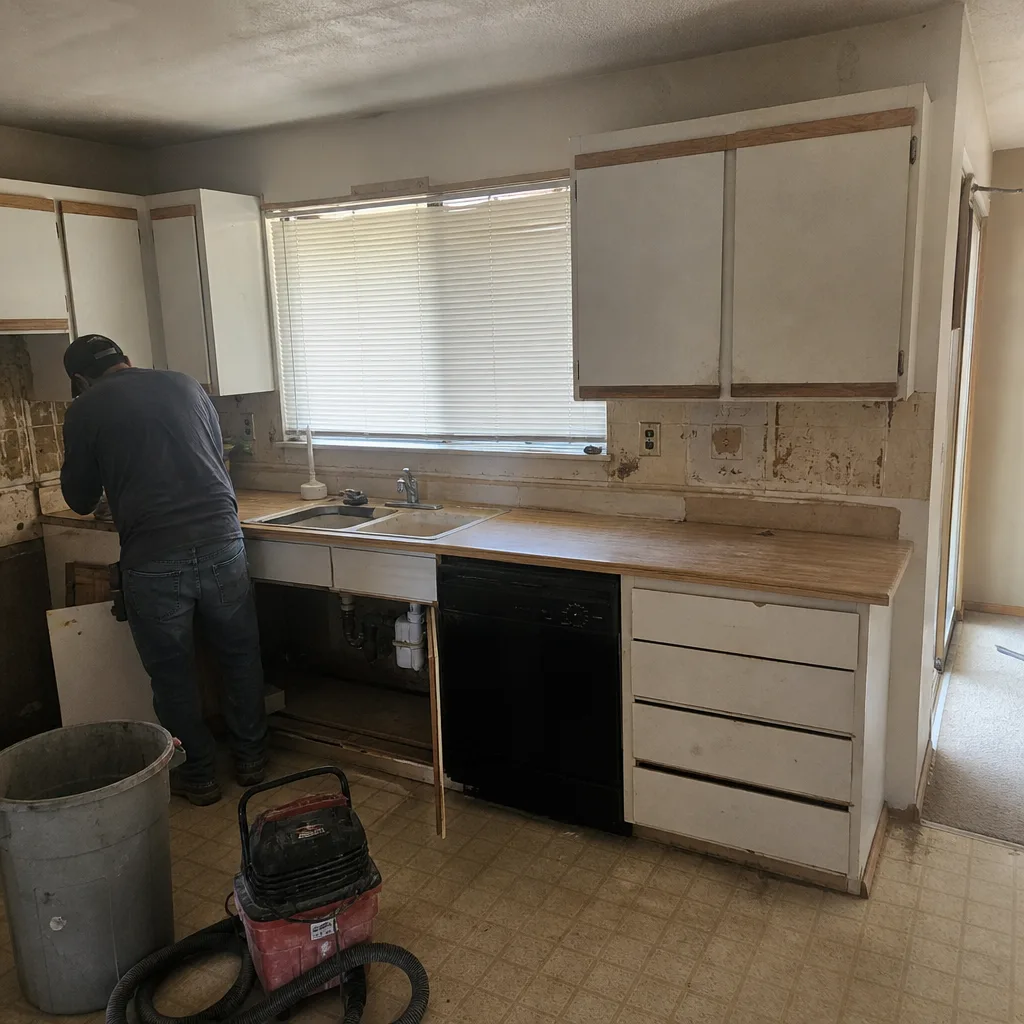 Before
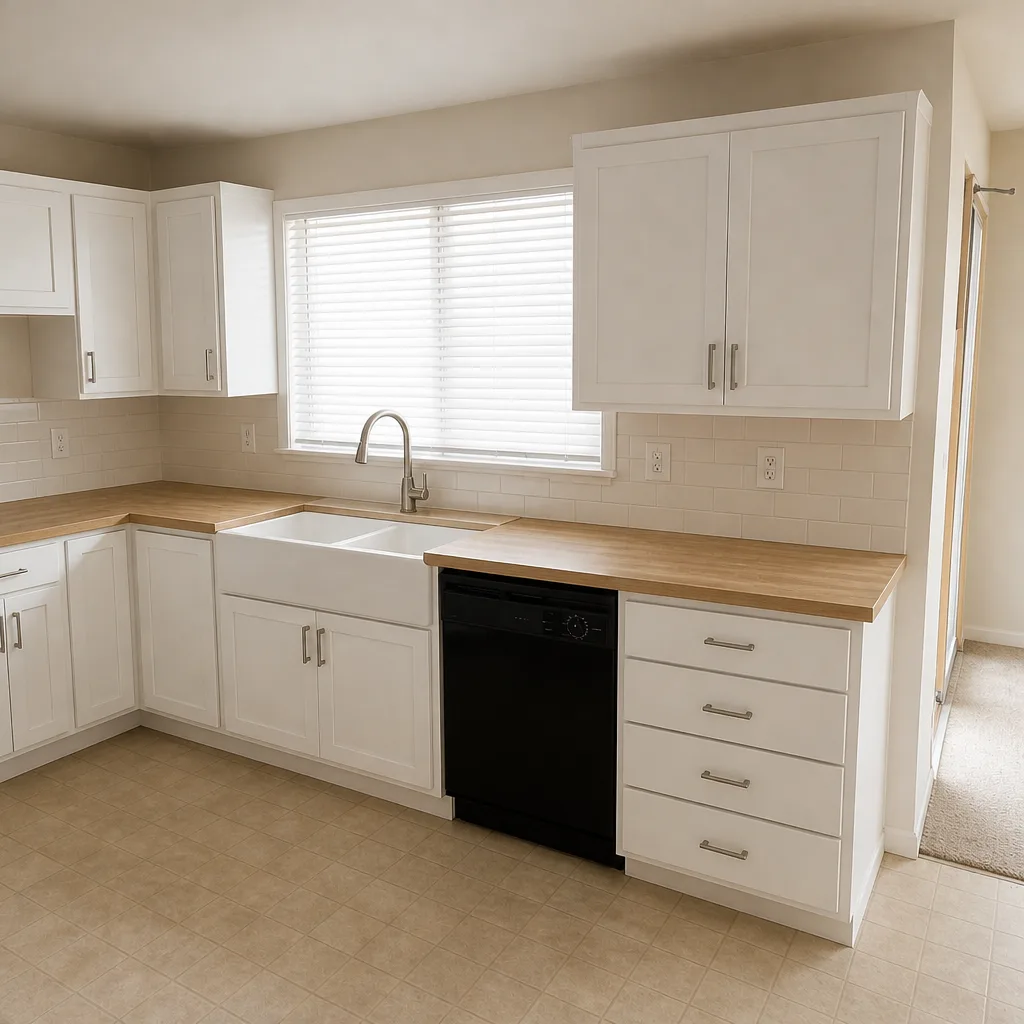 After
When to Call a Professional
Call a licensed professional in Boulder City when the work touches anything structural, electrical, plumbing, gas, or roofing – and anytime the code requires a permit you’re not prepared to pull and manage. If a failure could cost more than $2,000 or damage the structure of the home, it belongs in the pro column regardless of skill. Same goes for any project in a rental property, on a hot roofline, or affecting a homeowner’s insurance coverage. If you’re unsure which column your project is in, that uncertainty itself is the signal to get a professional opinion before the first tool comes out. Groundwork Construction Co. of Boulder City offers free estimates in Boulder City – call (888) 282-1693 to schedule yours.
Frequently Asked Questions
Beyond a fixture-for-fixture swap, no. Boulder City code requires a licensed contractor for new circuits, panel work, EV chargers, and anything behind the drywall. The homeowner-builder exemption doesn’t create a safe path to unpermitted electrical work, and DIY electrical is one of the most common causes of insurance claim disputes. Call (888) 282-1693 for a free estimate on any electrical project – we’ll tell you straight what the code requires.
Rarely, once you factor in material waste, re-do costs, lost weekends, and permit requirements. A failed bathroom tile job alone often runs $3,000-$8,000 to remediate. On projects that involve plumbing, waterproofing, or electrical, the professional route usually costs less in total. Call (888) 282-1693 for an exact quote – estimates are free and line-itemed.
Usually yes, once the slab is structural or tied to a dwelling. Patios, driveways, and structural pavers fall into the permit-required category regardless of who pours them. Skip the permit and you inherit both a code violation and an insurance exposure. Call (888) 282-1693 for a free estimate and we’ll confirm what your specific project requires.
It can affect coverage if the work wasn’t permitted and inspected, and insurers increasingly ask for documentation after a claim. Water damage from DIY plumbing and fire damage from DIY electrical are the two most common disputes. If the failure was code-non-compliant, expect a fight with your carrier. For any project you’re not certain about, get a professional opinion before you start; call (888) 282-1693 to talk it through.
Legally you may be able to, but the trade-off is significant. Window replacement in Boulder City requires proper solar heat gain ratings and low-E glass for the climate, and manufacturer warranties from brands like Andersen and Pella typically hinge on professional installation. Self-installing a window often voids the warranty and can leave a homeowner with a leaky, heat-gain-heavy result. Call (888) 282-1693 for a free estimate and a straight assessment of whether DIY saves anything here.
Look for a contractor who pulls permits, provides a written line-item quote, carries insurance, and backs the work with a written warranty. Ask how they handle desert-specific materials and what happens if something fails. At Groundwork Construction Co. of Boulder City, we back every project with our 730-Day Done Right Promise, answer calls with a live person 24/7, use background-checked and uniformed technicians, and offer upfront pricing with no surprises. Call (888) 282-1693 for a free estimate and design consult.
The Bottom Line
The DIY-versus-pro decision in Boulder City isn’t about whether you’re capable. It’s about whether the project is legal to self-perform, whether the materials are desert-spec, and whether the work can be insurable and warrantable if you don’t hire a licensed pro. Cosmetic projects are genuinely DIY-safe. Structural, electrical, plumbing, gas, roofing, and anything requiring a permit or a warranty should go to a licensed contractor. If you want a real answer for your specific project, we’ll give you one. Call (888) 282-1693 for a free estimate and design consult. We’ll tell you where the line is, even when the line isn’t “hire us.”
Groundwork Construction Co. of Boulder City backs every project with the 730-Day Done Right Promise, one of the longest workmanship guarantees in the residential construction space. We answer the phone with a live person 24/7, arrive in uniform with background-checked technicians, and work with a curated portfolio of top-tier brands – including KraftMaid, Kohler, GAF, CertainTeed, Andersen, Pella, Belgard, and James Hardie – so you’re choosing quality, not just availability. Projects over $10,000 get $1,000 off, financing is available at 0% for 18 months, and every estimate is free and line-itemed with upfront pricing and no surprises. Our technicians bring up to 12 years of experience to every job. Call (888) 282-1693 to schedule your free estimate today.
Written by the team at Groundwork Construction Co. of Boulder City.