Last updated November 18, 2026
Free written scope consultation - allowances, timeline, and change-order rules on paper before a single trade is scheduled
Choosing the Right Construction Brand: A Buyer’s Guide for Boulder City
Two contractors can install the same type of roof at nearly the same price, and one will still be holding up in year ten while the other starts showing its age in year four. The difference is usually the brand of materials underneath the work – and most homeowners never see it until it’s too late to change. Boulder City sits at roughly 2,500 feet in the Mojave, where summer surface temperatures on a dark roof or paver driveway push past 150°F, winter nights drop below freezing, and hard water runs through the pipes. That combination destroys commodity materials faster than the labels admit.
This guide teaches you to evaluate brand choice as part of vetting a contractor, so you’re not guessing at year four.
Quick Answer
The right construction brand for a Boulder City project is one whose product documentation shows a desert-rated or UV-stabilized specification with a written manufacturer warranty, installed by a contractor who will put their own workmanship warranty in writing alongside it. In practice that means checking the actual spec sheet for UV resistance and thermal-cycling tolerance before installation, and choosing a contractor willing to name the brands they use and be measured against them. Brand choice matters most in four categories here: sealers, stucco coatings, paver joint compounds, and roofing membranes.
Styles & brands we work with
- Kitchen remodeling
- Bathroom remodeling
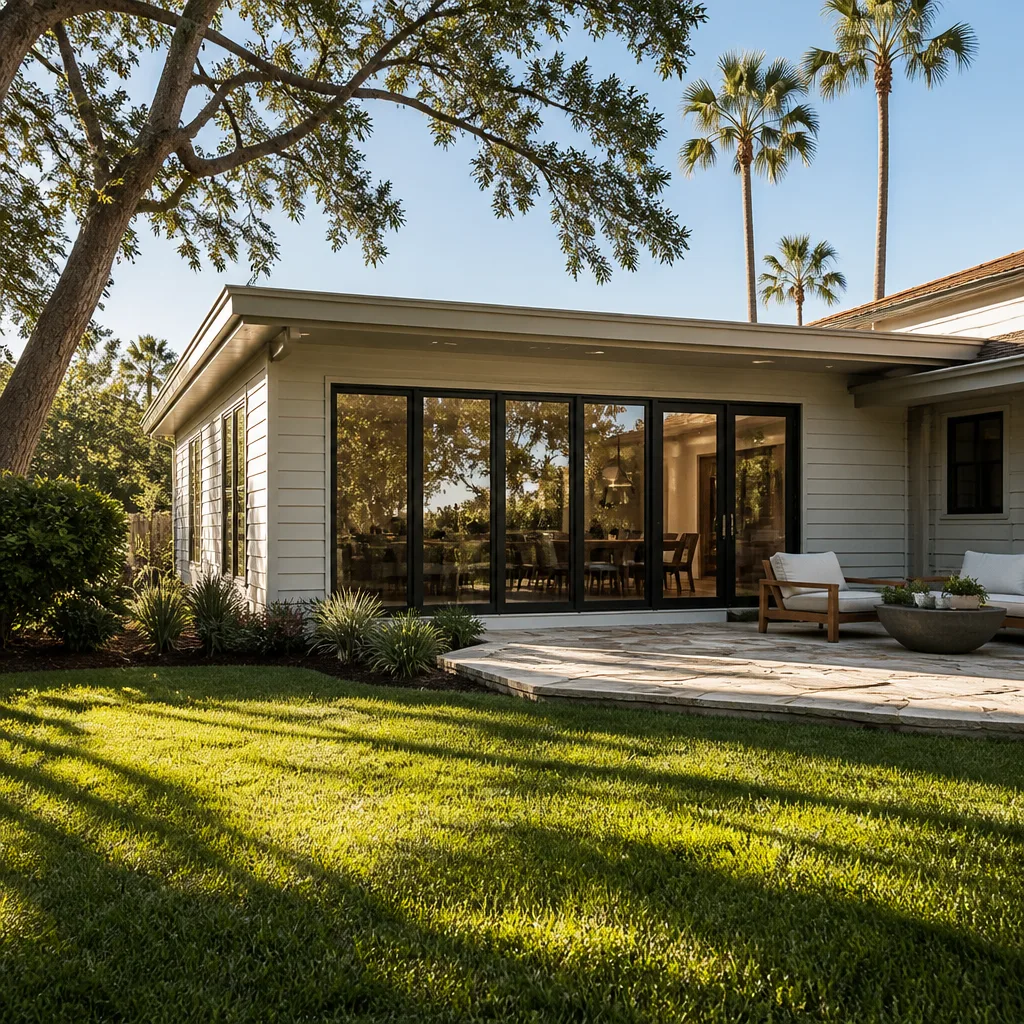
- Home additions & ADU
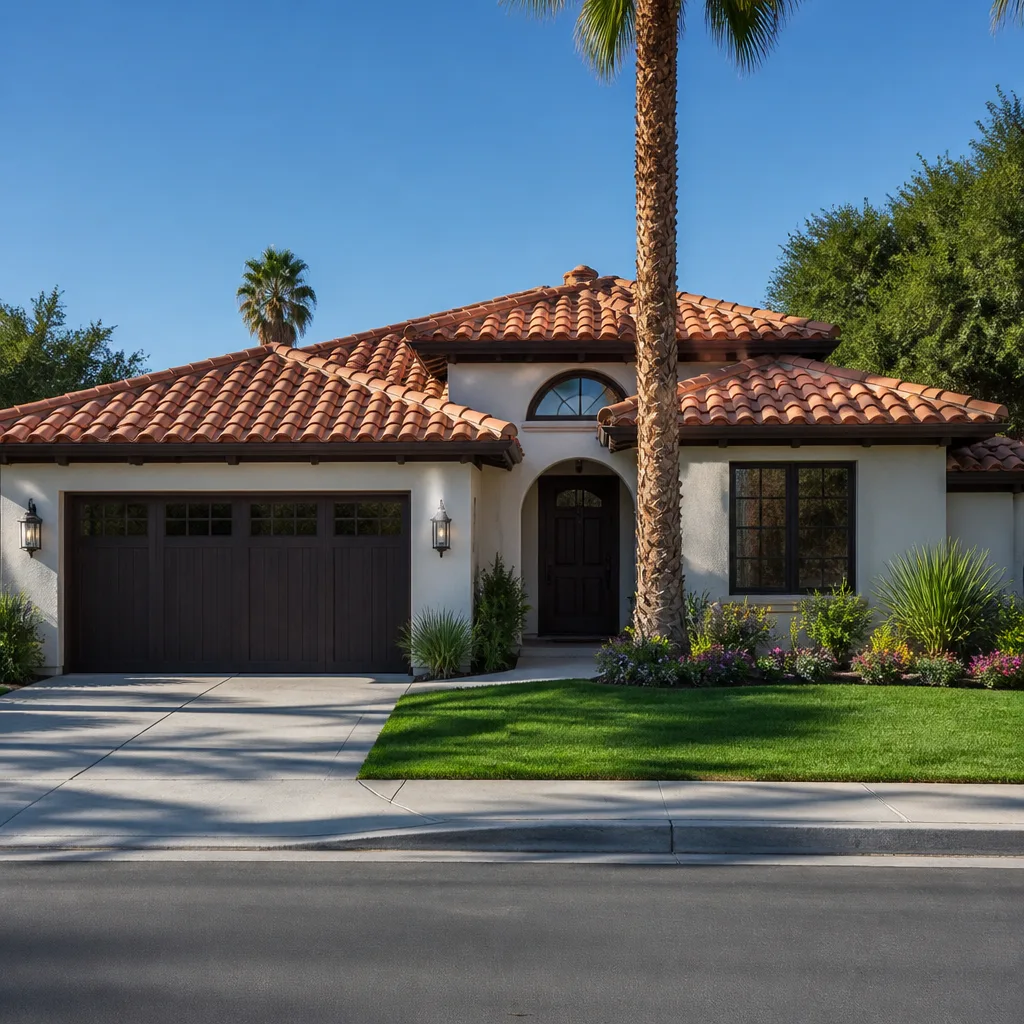
- Roofing
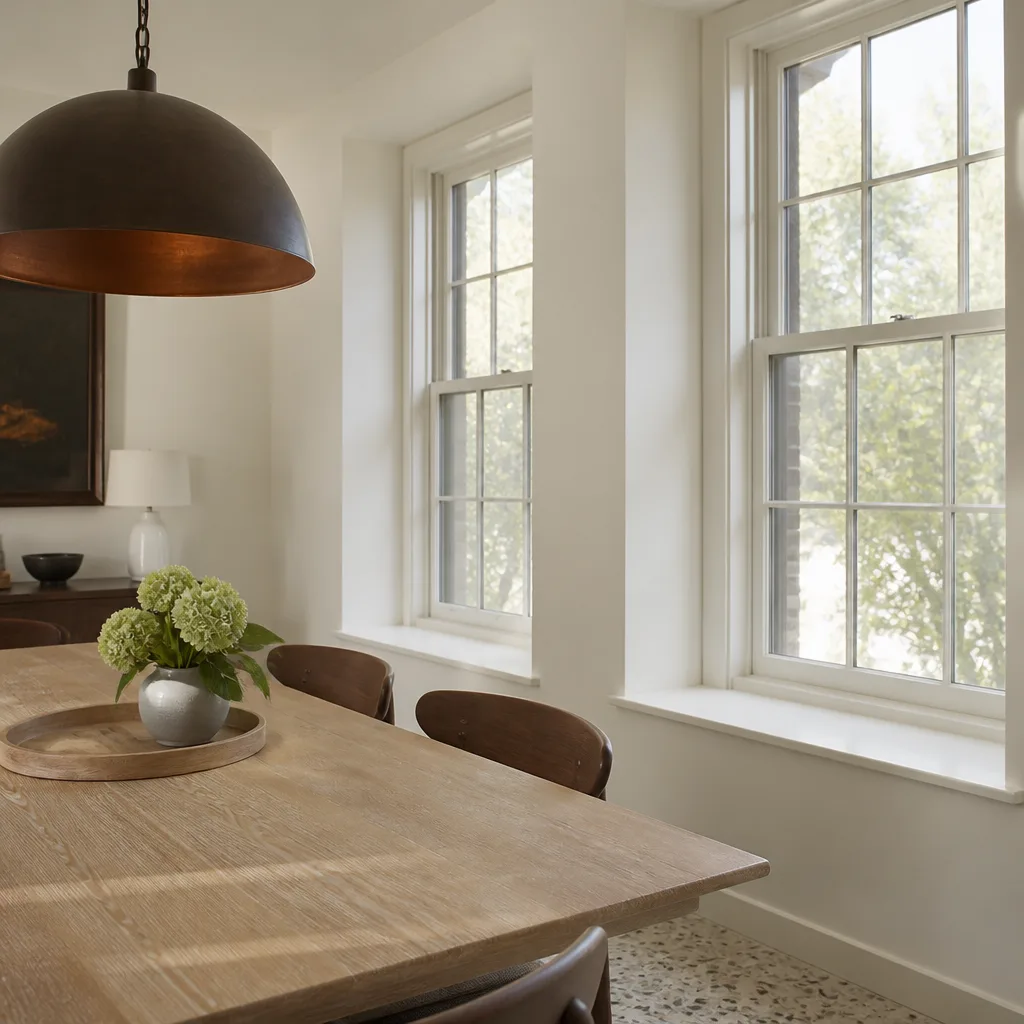
- Windows & doors
- Driveway & pavers
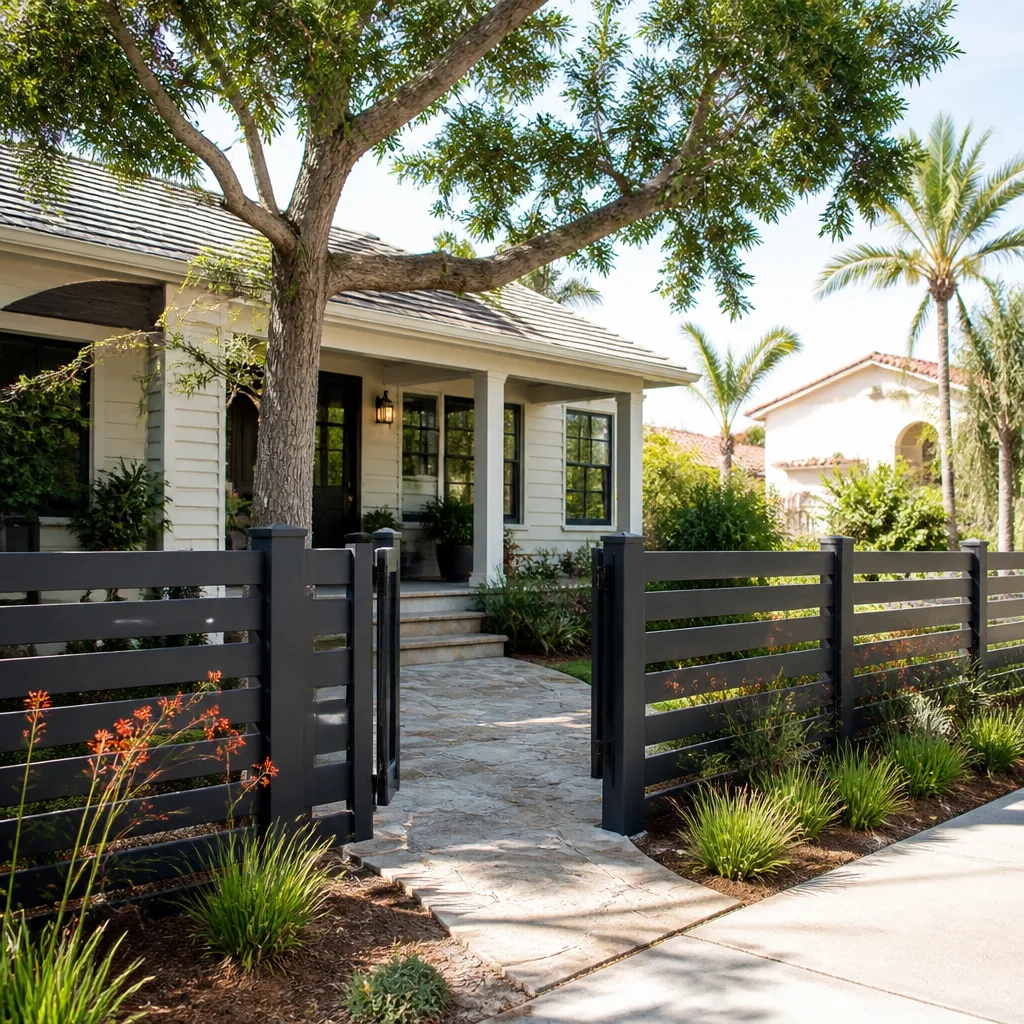
- Fence
Table of Contents
- Why Brand Choice Matters More in Boulder City Than Most Homeowners Realize
- What “Desert-Rated” and “UV-Stabilized” Actually Mean in a Product Spec
- The Four Material Categories Where Brand Choice Has the Biggest Impact
- How to Ask a Contractor About Brand Partnerships Without Sounding Like an Auditor
- Manufacturer Warranty vs. Workmanship Warranty: Why You Need Both in Writing
- How Brand Partnerships Signal Contractor Accountability
- A Step-by-Step Brand Vetting Checklist for Your Next Project
- What the Boulder City Market Tells You About Brand Choice
Why Brand Choice Matters More in Boulder City Than Most Homeowners Realize
Boulder City is a tough place to put a building material. The town sits in a high desert basin where day-to-night temperature swings of 30 to 40 degrees Fahrenheit are routine. UV radiation runs high year-round because of the elevation and the clear skies. Add the wind-blown dust off the surrounding desert and the hard water that comes from the local supply, and you have three stressors working on every exterior surface at once. Materials built for a temperate climate simply don’t account for all three.
Here’s what that looks like on a real property. A paver driveway installed with a commodity joint sand and a low-solids sealer will start losing that sand to wind and rain within two summers, and the sealer will chalk and fade. The pavers themselves are fine. The failure is in the joint compound and the sealer, which are where brand choice actually lives. The same principle shows up on a roof, where a membrane rated for a moderate climate can fail at the seams years before its stated service life because the thermal cycling works the material every single day.
So the brand of the visible product is only part of the story. The brands of the sealers, coatings, fasteners, adhesives, and membranes that hold everything together are where the real sorting happens. That’s why we tell Boulder City homeowners to look past the product logo on the sample board and ask what’s actually being installed underneath and around it. In our experience, the calls we get about premature failures are almost never about the tile or the shingle – they’re about what held the tile or the shingle in place.
This is also why we put so much weight behind the brands we specify. We work with a curated portfolio across every trade – KraftMaid and Cambria in kitchens, GAF and Owens Corning and CertainTeed on roofs, Andersen and Pella and Marvin and James Hardie on windows and exteriors, Belgard on hardscape, Kohler on plumbing. Those partnerships aren’t marketing decoration. They’re the reason we can put a 730-Day Done Right Promise behind the work and mean it. Built to last, backed in writing – that’s the whole point.
What “Desert-Rated” and “UV-Stabilized” Actually Mean in a Product Spec
“Desert-rated” is not a single standardized certification. It’s shorthand for a product that has been tested and specified for high-UV, high-thermal-cycling environments, and the proof of that lives in the manufacturer’s published documentation – not on the front of the bucket. “UV-stabilized” means the material has additives or a formulation designed to resist breaking down under prolonged sun exposure. Both phrases are only meaningful if you can find them in the technical data sheet or the product specification, in writing.
Here’s how to find the rating before the material goes in:
- Ask the contractor for the manufacturer’s technical data sheet (sometimes called a TDS, spec sheet, or product data sheet) for each major material being installed.
- Look for language around UV resistance, UV stabilization, weathering, or exterior exposure in the product description.
- Check the application temperature range and the substrate requirements. A product that only cures within a narrow temperature band is a scheduling headache in Boulder City’s summer heat.
- Look for a service-life or warranty statement from the manufacturer, and read what voids it.
- Confirm the material is actually specified for the application you’re using it for – a sealer rated for concrete isn’t necessarily rated for pavers, and vice versa.
The honest contractors will hand you these documents without hesitation. The ones who say “we’ve always used this and never had a problem” are telling you they don’t track specification. That’s a red flag whether the project is a paver driveway in Boulder City or a full roof replacement.
One more thing to look for: manufacturers who publish separate desert or high-heat product lines. When a company has gone to the trouble of engineering a product for this climate, they usually say so in the documentation. Quikrete and Sakrete both publish product lines with published application guidance that respects temperature and exposure limits, and reading those sheets is a good exercise for calibrating how you evaluate every other brand on your project.
The Four Material Categories Where Brand Choice Has the Biggest Impact
Not every material category carries the same risk. In Boulder City’s climate, four categories decide whether a project holds up. Get these right and the rest of the job tends to take care of itself.
Sealers
Sealer is the wear layer on every paver, concrete, and stone surface, and it fails first under UV. A low-solids sealer applied in one coat looks great for a season and then chalks, fades, and peels. A high-solids, UV-stabilized sealer costs more per gallon, but it lasts considerably longer and protects the surface underneath. Ask what solids content the sealer carries and whether the manufacturer rates it for continuous sun exposure. If nobody can answer, that’s your answer.
Stucco Coatings
Stucco is common on Boulder City homes and it takes a beating from the sun. The finish coat – the color layer – is where brand choice matters, because a cheap acrylic finish coat will fade and chalk within a few years, while a quality elastomeric or acrylic finish with UV-stabilized pigments holds its color and can flex with the thermal movement of the wall. The substrate base coat matters too, but the finish is what you see and what fails visibly.
Paver Joint Compounds
This is the most underrated material on any hardscape project. The joint sand or polymeric joint compound is what keeps the pavers locked in place and keeps weeds and ants out. A commodity joint sand in a Boulder City driveway will blow out within a couple of seasons under the wind and sun. A quality polymeric joint compound, correctly installed, holds for years. Ask specifically which brand of joint compound is being spec’d and whether it carries a UV rating. This one question separates contractors who understand desert hardscape from contractors who don’t.
Roofing Membranes and Underlayments
On a roof, the visible shingle or tile gets all the attention, but the underlayment and membrane underneath are what keep water out when the top layer ages. In a climate that swings from 100°F-plus afternoons to below-freezing nights, the underlayment needs to tolerate that movement without cracking. A GAF or Owens Corning or CertainTeed system with a manufacturer-rated underlayment and the correct fasteners is a different animal from a commodity assembly. This is also where the manufacturer warranty gets tied to the whole system – and we’ll get to that next.
If your project involves a home addition or ADU in Boulder City, all four categories come into play at once, plus windows and doors, which is why the brand conversation gets more important as the project gets bigger.
How to Ask a Contractor About Brand Partnerships Without Sounding Like an Auditor
You don’t need to interrogate anybody. You just need to ask questions that a confident contractor will be happy to answer and a weak one will try to dodge. The framing that works best is curiosity, not cross-examination: “What brands do you typically spec for this kind of work, and why?” That one question tells you almost everything.
Here’s what a confident answer sounds like:
- They name specific brands unprompted – “We use GAF on most roofs, Belgard for hardscape…”
- They explain why those brands, usually tied to warranty terms, climate suitability, or availability of parts.
- They offer to show you the manufacturer documentation or the spec sheet.
- They separate the manufacturer warranty from their own workmanship warranty without being asked.
- They’re willing to work with a brand you prefer if it meets the spec.
Here’s what a deflection sounds like:
- “We use whatever’s available at the supplier that week.”
- “Brand doesn’t really matter, it’s all the same stuff.”
- “We’ve never had a complaint.”
- They get defensive or change the subject to price.
- They can’t tell you what joint compound or sealer they use on hardscape.
When we sit down with a Boulder City homeowner, we bring the brand list with us. KraftMaid and Cambria in the kitchen, GAF and Owens Corning and CertainTeed on the roof, Andersen and Pella and Marvin and James Hardie on the exterior, Belgard on the pavers – it’s not a secret, and it shouldn’t be. A contractor who treats their brand partnerships like a trade secret is usually hiding that there aren’t any. And in our experience, the homeowner asking these questions on the first call saves themselves a year of headaches later.
Manufacturer Warranty vs. Workmanship Warranty: Why You Need Both in Writing
These are two different things and they cover two different failures, which is why you need both documented separately. A manufacturer’s warranty covers the material itself – if the shingle fails because of a manufacturing defect, the manufacturer replaces the material. A workmanship warranty covers the installation – if the shingle fails because it was installed wrong, the contractor is responsible. Most premature failures in a desert climate are installation or specification failures, not material defects, which is exactly why the workmanship warranty matters more than most homeowners realize.
Here’s how the two break down:
- Manufacturer material warranty: Covers defects in the product. Term length varies by brand and product line, from a few years on commodity goods to decades on premium lines. Read what voids it – improper installation, missing components, or an unregistered product can all kill it.
- Contractor workmanship warranty: Covers the installation itself. This is where the 730-Day Done Right Promise sits – our workmanship guarantee runs for 730 days, and if it’s not done right, we make it right. That’s one of the longest workmanship guarantees in the residential construction space, and it’s deliberately separate from whatever the manufacturer offers.
Ask for both in writing before you sign anything. A manufacturer warranty that’s voided because the contractor didn’t install the specified components is worthless, and a workmanship warranty that only covers 90 days doesn’t cover the failure modes that show up in year three. You want both documents, and you want them attached to the contract.
One practical note: register your products. Many manufacturer warranties require registration within a certain window after installation, and contractors often handle that for you. Ask who’s registering what. If nobody knows, that’s a gap in the paper trail that will cost you later.
How Brand Partnerships Signal Contractor Accountability
A contractor who specifies premium brands is a contractor willing to be measured against a published standard. That’s the accountability signal. When a roofing contractor specs GAF or Owens Corning or CertainTeed and installs the full manufacturer system, they’ve tied their reputation to a product with a published spec, a published warranty, and trained installers. When they spec whatever’s cheapest at the lumber yard, their work is measured only against their own opinion – which is a much lower bar.
There’s also a downstream effect on the homeowner’s experience. Premium brands come with trained installer networks, technical support lines, and published installation manuals. When there’s a question on a Boulder City job – say, how a specific underlayment performs at a certain attic temperature – the manufacturer’s technical team is reachable and has an answer. That’s not true of commodity goods, where the only support is the counter at the supply house.
We’ve seen this play out on both sides. A contractor using a full manufacturer system has a clear path when something goes wrong: diagnose against the spec, call the manufacturer’s support, and remedy. A contractor using a patchwork of commodity materials has to improvise, and the homeowner pays for that improvisation in delays and arguments. From foundation to finish line, the brand choices are what make the accountability real.
This is also why we curate brand partnerships rather than taking whatever comes off the shelf. It’s the same philosophy that shows up in our fence installation in Boulder City work – the fence brand, the fasteners, and the post setting all have to be right, or the whole thing fails in the sun and wind regardless of how good the lumber looked on day one.
A Step-by-Step Brand Vetting Checklist for Your Next Project
Use this checklist on every bid you receive. It takes about 20 minutes per contractor and will save you years of headaches.
- Ask for their standard brand list. Both the primary materials and the secondary materials – sealers, joint compounds, fasteners, underlayments. The secondary list is where the real information lives.
- Request the technical data sheets for the four high-impact categories. Sealer, stucco finish coat, paver joint compound, roofing underlayment. Compare what they hand you against the manufacturer’s published spec.
- Confirm the installation follows the manufacturer’s manual. Ask if the contractor installs the full manufacturer system or a mix. A full system is better for warranty protection.
- Get both warranties in writing. Manufacturer material warranty and contractor workmanship warranty, with the term length and what voids them clearly stated.
- Ask who registers the product. Confirm in writing that product registration will be completed, and get a copy.
- Ask how they handle a failure. The answer should describe a clear process tied to the warranty – diagnose, document, remedy. If there isn’t a process, the warranty is a piece of paper.
- Check for consistency across bids. If two contractors are quoting wildly different prices for what looks like the same scope, one of them is probably spec’ing commodity brands. Now you know which questions to ask.
You can run this checklist on a kitchen project, a roof, a fence, or a full Groundwork Construction Co. of Boulder City home overhaul – the questions are the same, and the answers will tell you as much about the contractor as they do about the materials.
When a contractor names Abodu or Cover on an ADU project, or Quikrete on a hardscape, and can hand you the spec sheet without blinking, you’re talking to someone with a real brand strategy. That’s the standard to look for.
What the Boulder City Market Tells You About Brand Choice
Boulder City has a small, tight-knit housing stock, and that shapes how brand choice plays out here. Much of the town is older construction – mid-century homes and older builds where the original materials have already cycled through one or two replacement rounds. That matters because in an older home, the brand choice on the replacement becomes the next 15 years of that component’s life. A quick commodity replacement now just sets up the next failure later.
The Historic District and the older neighborhoods closer to downtown see a lot of stucco and hardscape work where the finish coat and the joint compound are the whole ballgame. The newer builds on the edges of town see more full-system roofing and window replacement, where the manufacturer’s full system and the trained installer network are the priority. Either way, the four high-impact categories apply. The local market also means your contractor pool is smaller, so the brand questions double as a contractor-vetting tool – a small market often has fewer contractors willing to be transparent about spec, and the ones who are tend to rise to the top.
One local pattern we’ve noticed: properties near the lake and the older irrigation systems tend to see more hard water contact on hardscape and exterior surfaces, which accelerates the failure of a low-solids sealer. A high-solids UV-stabilized sealer doesn’t solve hard water, but it gives the surface a fighting chance until the next maintenance cycle. If a contractor doesn’t ask about hard water exposure on a Boulder City hardscape project, they’re not thinking about the local conditions.
We’ve also seen the opposite failure – a homeowner pays for a premium brand and gets a commodity installation. The brand on the box and the brand in the workmanship have to match. That’s the whole reason we put the 730-Day Done Right Promise in front of every project.
Common Mistakes to Avoid
- Judging materials by the sample board only. The visible sample is the least important part of the spec. The joint compound, sealer, and underlayment you never see are where the failure lives in Boulder City’s climate.
- Accepting “brand doesn’t matter” as an answer. A contractor who says this either doesn’t know the difference or doesn’t want you to. Either way, it’s a reason to keep looking.
- Assuming the manufacturer warranty covers installation. It usually doesn’t. Read what voids the manufacturer warranty before you sign – much of it is tied to incorrect installation, and that’s exactly what the workmanship warranty is for.
- Skipping the product registration step. Many manufacturer warranties require registration within a window after installation. If nobody registers the product, you may have no material warranty at all.
- Choosing the cheapest bid without comparing spec. Two bids aren’t comparable until you know what brands went into each one. A cheaper bid on commodity brands is a false economy in a desert climate.
- Forgetting hard water exposure on hardscape. Hard water contact accelerates the breakdown of a low-solids sealer. If the contractor doesn’t ask about it, they’re not thinking about your property’s actual conditions.
- Not asking what happens if the work fails. A warranty with no process behind it is a piece of paper. Ask how a failure gets handled – who inspects, who documents, who remedies.
See the difference
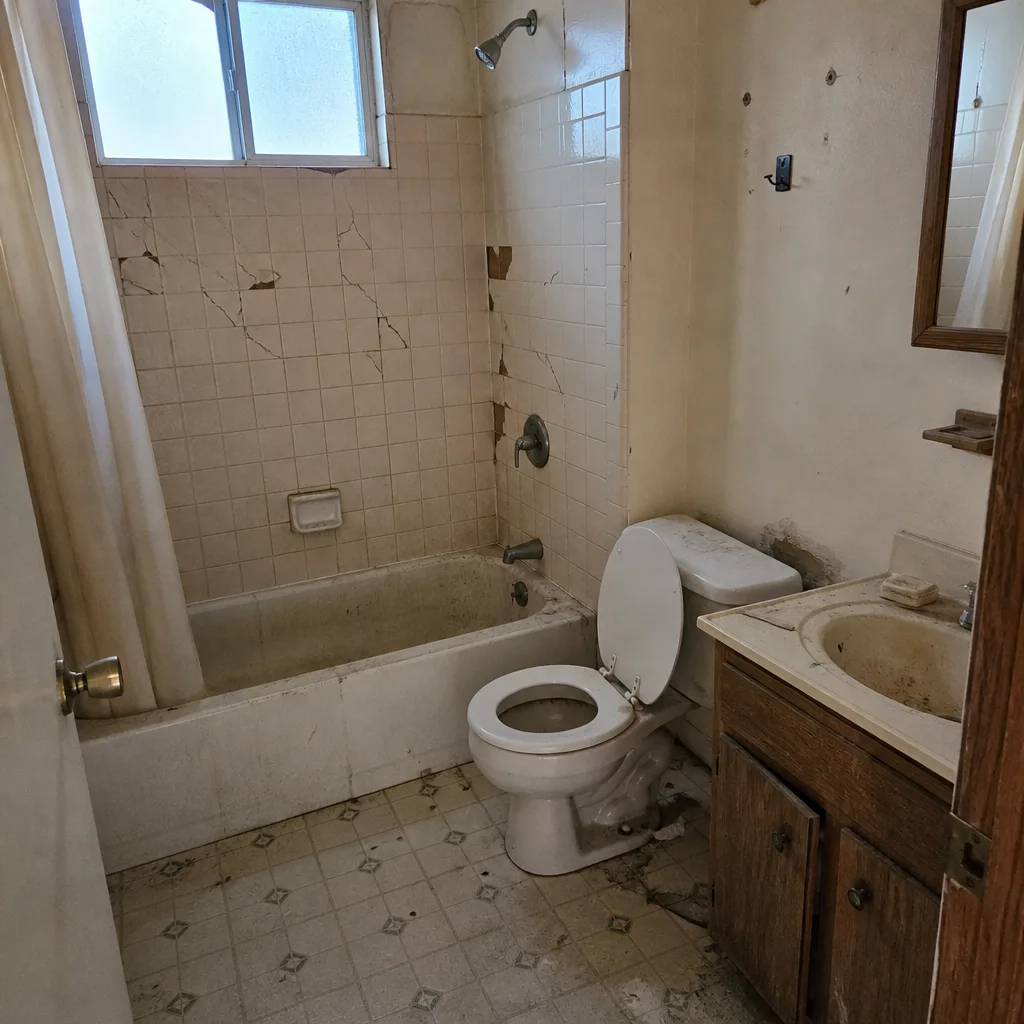 Before
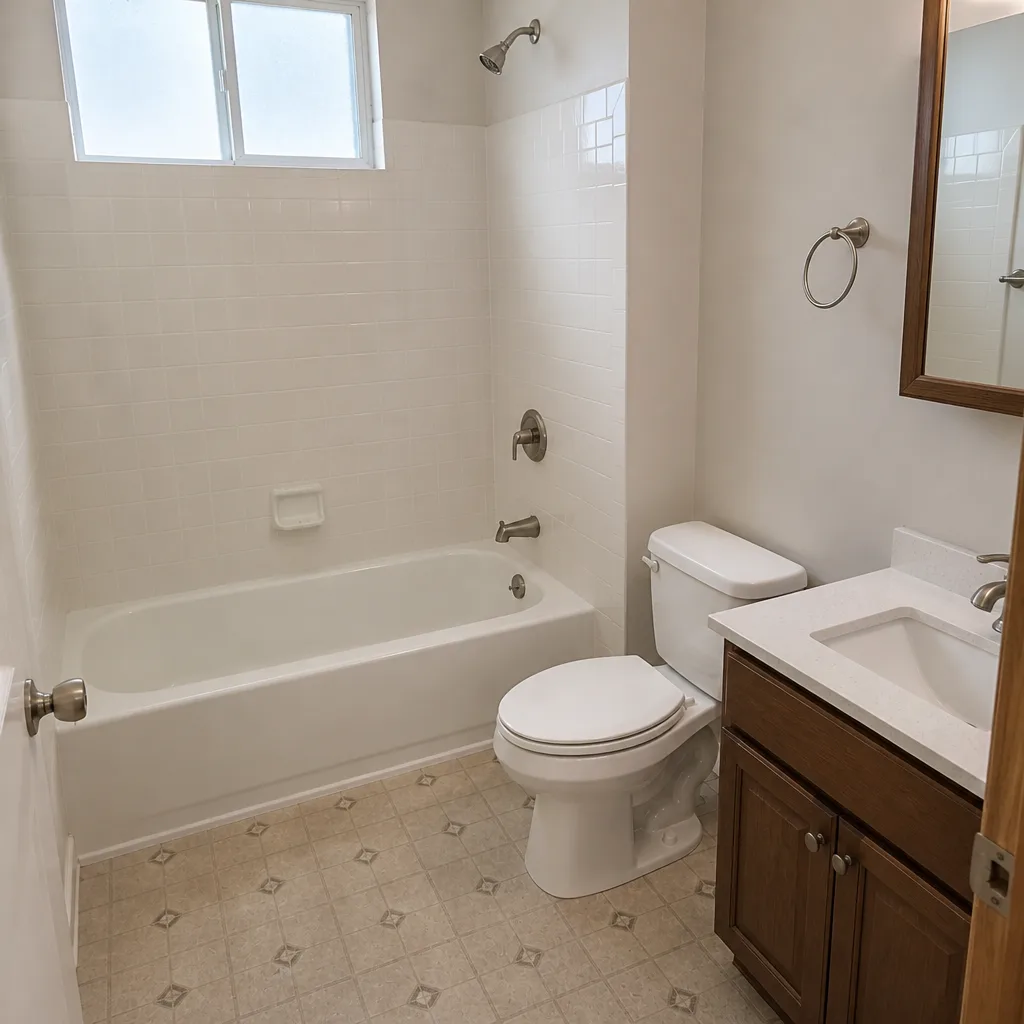 After
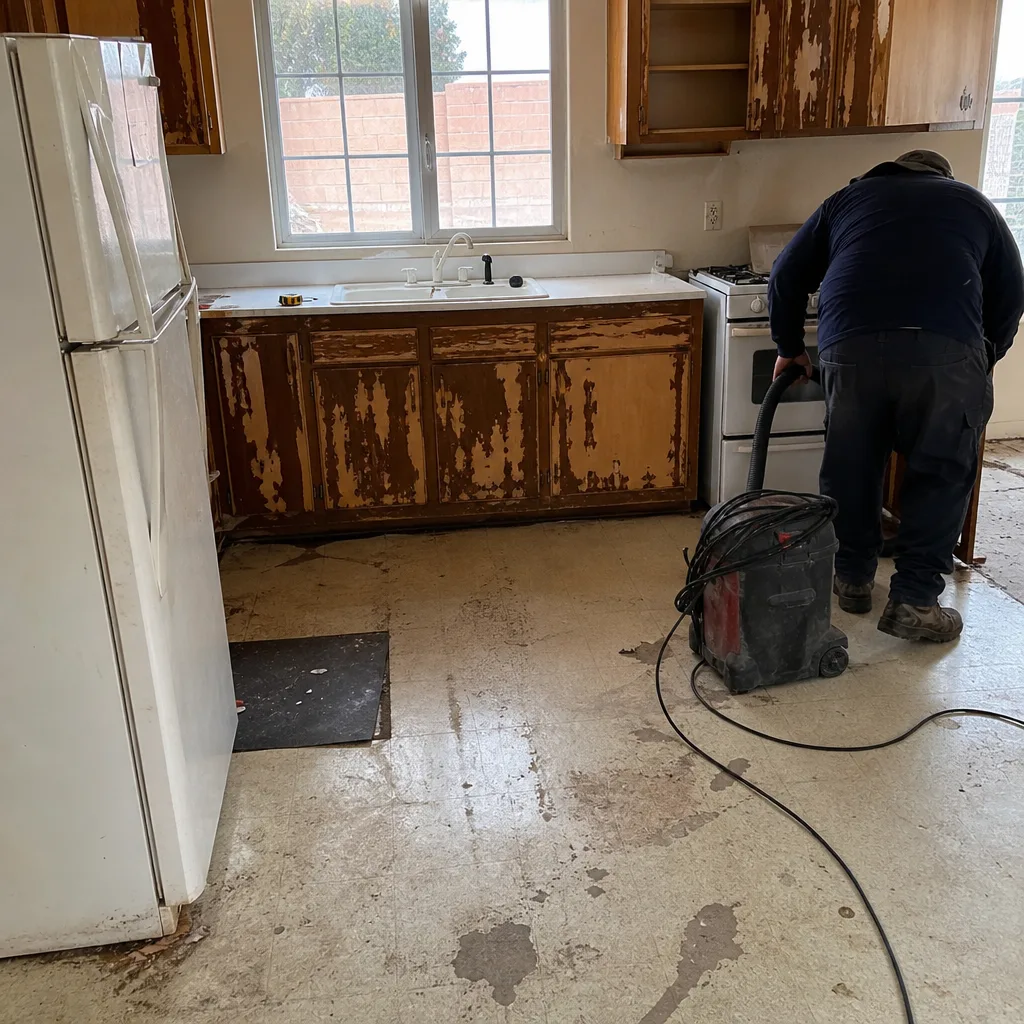 Before
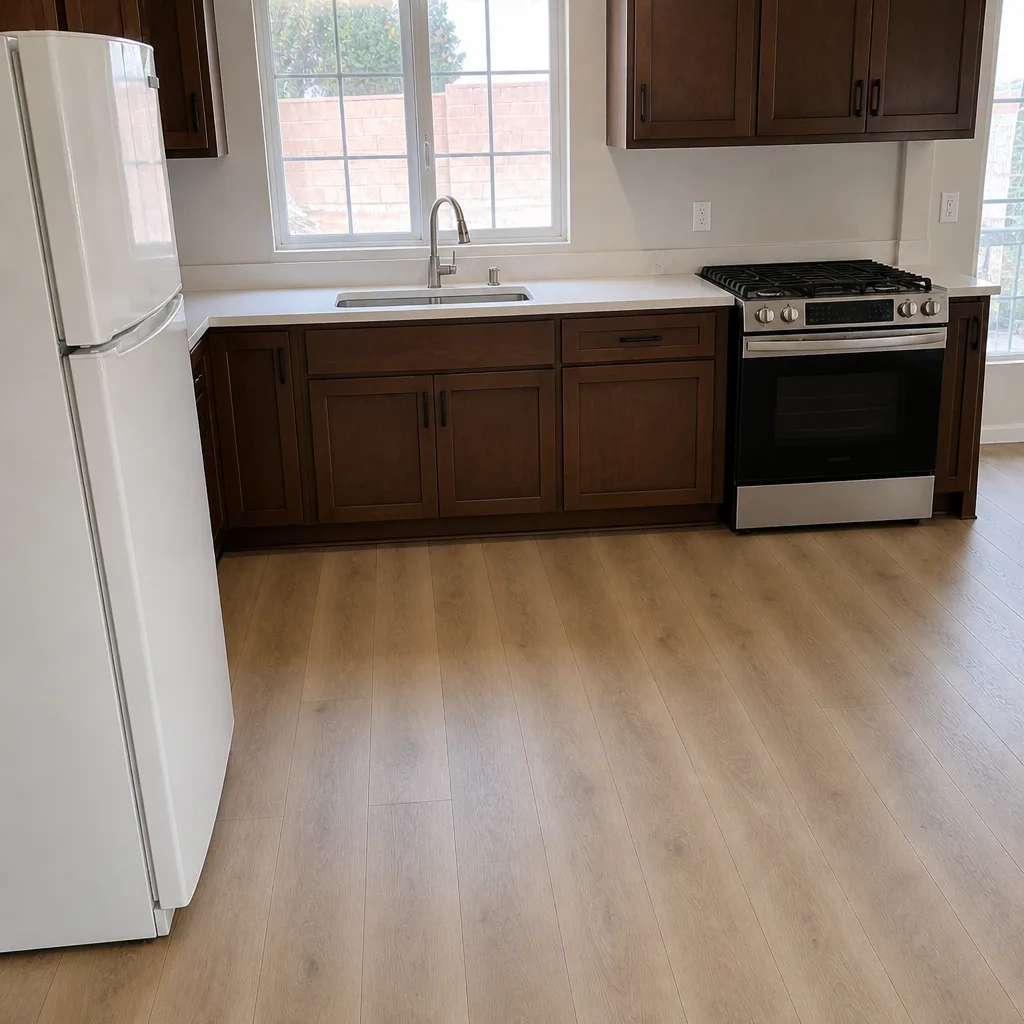 After
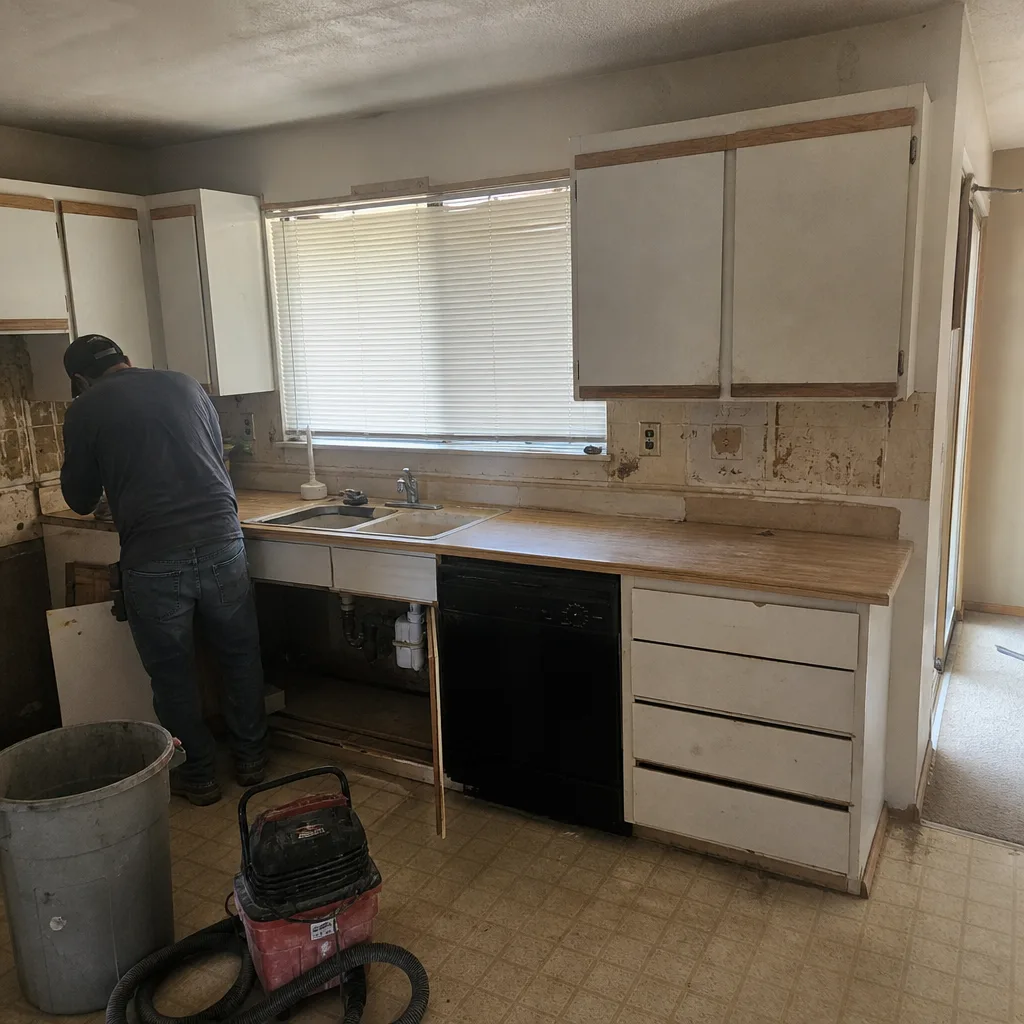 Before
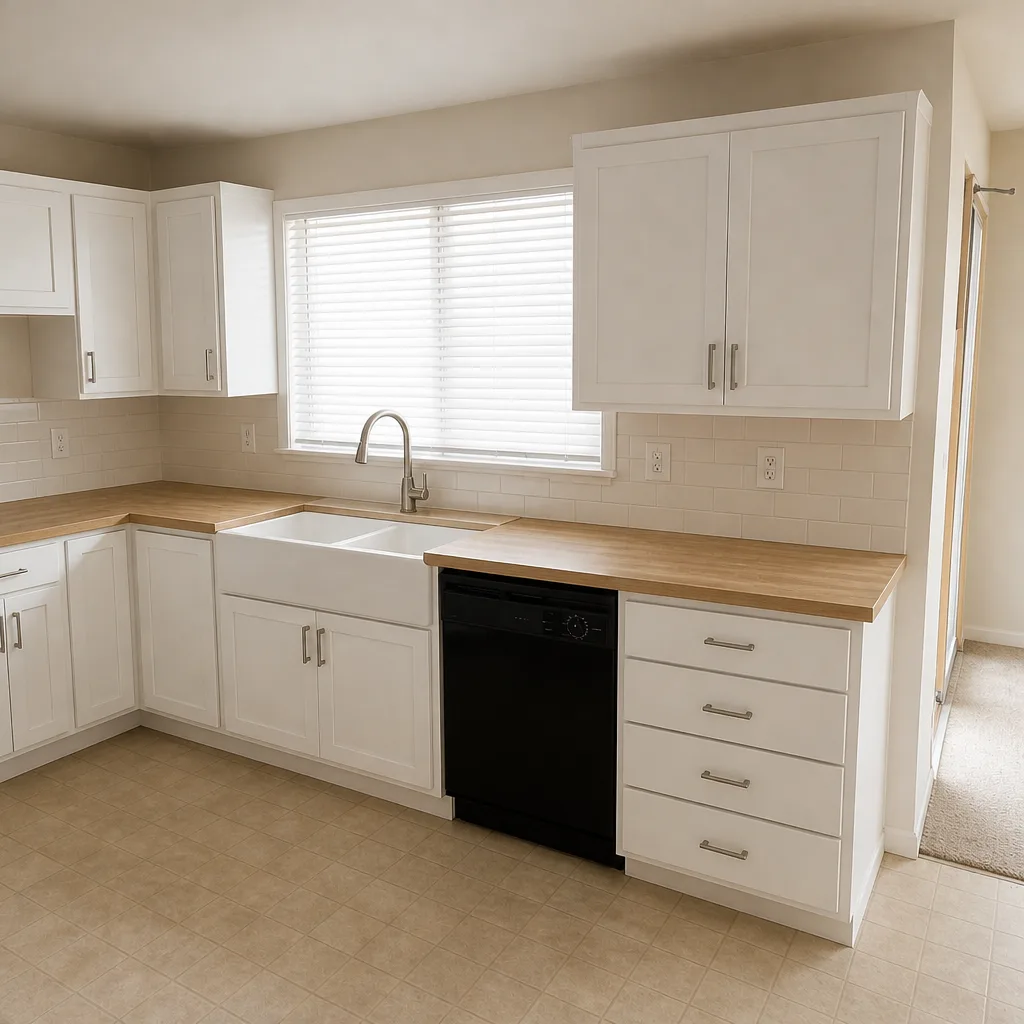 After
When to Call a Professional
Some brand decisions are straightforward enough to make on your own. Most aren’t. If you’re replacing a roof, installing or re-sealing pavers, applying a stucco finish coat, or replacing windows on a Boulder City home, the specification details matter more than the product price, and getting them wrong is expensive to reverse. If a previous contractor has vanished and left a warranty unhonored, or you’re looking at a failure in year three and want a second opinion on whether it’s a material defect or an installation problem, that’s another moment to bring in a professional. The same applies if you’re planning a project of any size and want a written, line-item spec you can compare against other bids. Groundwork Construction Co. of Boulder City offers free estimates in Boulder City – call (888) 282-1693, and a live person answers any time, day or night.
Frequently Asked Questions
The best brands for Boulder City are the ones whose technical documentation shows UV resistance and thermal-cycling tolerance, installed as a full manufacturer system. For roofing, that means GAF, Owens Corning, or CertainTeed full systems. For kitchens, KraftMaid and Cambria. For hardscape, Belgard pavers with a UV-rated polymeric joint compound and a high-solids sealer. For windows and doors, Andersen, Pella, or Marvin. Call (888) 282-1693 for a free estimate and we’ll walk you through the specific brands for your project – estimates are free.
Look for the manufacturer’s technical data sheet and find language around UV stabilization, exterior exposure, and weathering. “Desert-rated” isn’t a single standardized certification, so the proof is in the published product spec, not the label on the bucket. Ask your contractor to hand you the spec sheet for the sealer, joint compound, stucco finish, and roofing underlayment. If they can’t produce it, that’s a red flag.
The manufacturer warranty covers the material itself, while the workmanship warranty covers the installation. If a shingle fails because of a defect in manufacturing, the manufacturer covers it. If it fails because it was installed wrong, the contractor is responsible. You need both in writing, and you need to know what voids each one. Our 730-Day Done Right Promise is a workmanship guarantee – if it’s not done right, we make it right – and it sits alongside whatever the manufacturer offers.
Re-sealing a paver driveway in Boulder City typically runs in the low-to-mid four figures depending on square footage, sealer type, and site prep, with high-solids UV-stabilized sealers costing more per gallon than commodity options. The cheaper sealer often needs reapplication sooner, which erases the savings. Call (888) 282-1693 to schedule a free estimate and get a line-item quote for your specific driveway – estimates are free.
Not with us. Upfront pricing means the number you see is the number you pay, with no change orders for anything in the agreed scope. We put the line items in writing before the work starts so you can compare bids on the same basis. Call (888) 282-1693 for a free estimate, and we’ll walk you through every line.
Yes – a contractor willing to specify premium brands is a contractor willing to be measured against a published standard. Premium brands come with trained installer networks, published installation manuals, and technical support lines, which gives the contractor a clear path when something needs to be remedied. A contractor using commodity materials has no such standard to fall back on. Call (888) 282-1693 to talk through the brands we use and why.
The Bottom Line
In Boulder City’s climate, the brand of materials installed is not a detail – it’s the difference between a job that holds up and one that fails in year four. Focus your vetting on four categories: sealers, stucco finish coats, paver joint compounds, and roofing membranes. Ask for the technical data sheets, confirm the full manufacturer system is being installed, and get both the manufacturer warranty and the workmanship warranty in writing. A contractor who names their brand partners confidently and hands you the documentation is a contractor willing to be held to a standard. That’s the one you want.
Groundwork Construction Co. of Boulder City works with a curated portfolio of industry-leading brands across every trade, backs every project with the 730-Day Done Right Promise, and answers the phone with a live person any time you call. Free estimates, upfront pricing, and no surprises. Call (888) 282-1693 to schedule yours today.
Written by the team at Groundwork Construction Co. of Boulder City.