Last updated November 18, 2026



Free written scope consultation - allowances, timeline, and change-order rules on paper before a single trade is scheduled
Driveway & Pavers Maintenance Schedule: What to Do and When
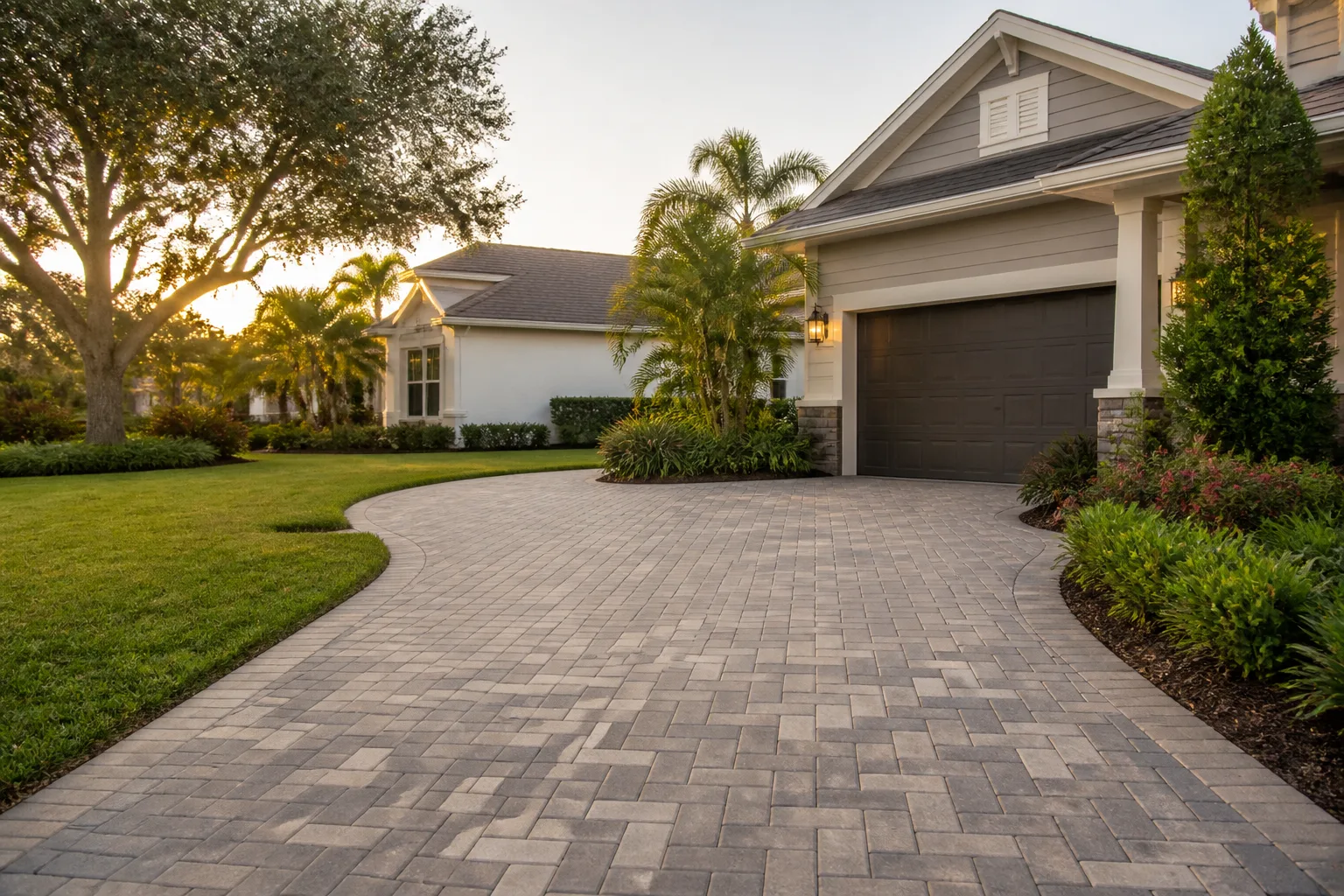
The highest-impact driveway maintenance task in Boulder City costs under $40 and takes about 20 minutes. It’s not sealing. It’s not pressure washing. It’s a post-monsoon joint sand inspection, done in late August or September, before the cool season sets in. Do it then and you add years to a paver driveway. Do it in spring instead, the way a generic manufacturer checklist tells you to, and you’ll miss the damage window entirely. We’ve watched this single timing error separate driveways that last 30 years from ones that need rebuilding at 10. This guide lays out the month-by-month schedule for Boulder City’s Mojave conditions, calibrated to real heat, real monsoon rain, and the desert ant colonies that quietly eat your joint sand.
Quick Answer
In Boulder City, NV, paver driveways need three core tasks on a desert-specific calendar: a post-monsoon inspection and joint sand top-off in late August through September, a full polymeric sand re-application every 2 to 3 years (not the 4 to 5 years manufacturers recommend for humid climates), and sealer applied only when daytime highs stay below 90°F, which means October or March through early April. Add a quick monthly weed and ant check in spring and summer, and a professional inspection every 5 years. That’s the whole schedule.
Styles & brands we work with
- Kitchen remodeling
- Bathroom remodeling
- Home additions & ADU
- Roofing
- Windows & doors
- Driveway & pavers
- Fence
Table of Contents
- Why a Mojave Maintenance Schedule Looks Nothing Like the Manufacturer’s Checklist
- The Boulder City Month-by-Month Paver Calendar
- Why Post-Monsoon Inspection Beats a Spring Checkup Every Time
- How Often to Re-Apply Polymeric Sand in High-UV, Low-Humidity Conditions
- Sealer Application Windows in Desert Heat (and Why 90°F Is the Line)
- Weed and Ant Prevention: The Desert Pest Schedule Most Homeowners Skip
- What a 5-Year Professional Inspection Should Actually Include
- What Paver Maintenance Costs in Boulder City
Why a Mojave Maintenance Schedule Looks Nothing Like the Manufacturer’s Checklist
Most paver manufacturers write their maintenance recommendations for a mid-Atlantic climate. Freeze-thaw winters, humid summers, regular rain spread through the year. Boulder City is none of those things. We sit at roughly 2,500 feet in the Mojave Desert, and our climate does different things to a paver driveway than any manufacturer’s generic guide accounts for.
Here’s what actually matters in Boulder City:
- UV intensity is brutal. Around 4,700 hours of sunshine a year, higher than almost anywhere else in the country. Polymeric sand and sealer both degrade from UV exposure faster here than standard timelines predict.
- Humidity is low, so joint sand dries and cracks. Humidity often drops below 15% in spring and early summer. Polymeric sand that stays slightly pliable in a humid climate becomes brittle and powdery here, and it blows out of joints.
- Rain arrives in bursts, not spreads. The North American Monsoon dumps most of our annual moisture between July and September. A driveway that handles gentle rain spread across a year is a different structure from one facing 2 inches in an hour.
- Desert ant colonies relocate sand. This is the one almost nobody warns you about. Ants in the Southwest tunnel under pavers and push joint sand out to build mounds. It’s a leading cause of joint failure in Boulder City, and it’s invisible to a homeowner who only looks at the surface.
- Winter is mild but not warm. We get occasional overnight freezes in December and January. A driveway with compromised joints going into winter is a driveway that will crack.
The result is a schedule that front-loads post-summer work and pushes sealing into shoulder seasons. Get the timing right and a well-built driveway holds up for decades. Get it wrong and you’re rebuilding base and pavers a decade in. If your driveway needs that rebuild, our Driveway & Pavers in Boulder City service covers new installs and replacements with materials from brands like Belgard.
The Boulder City Month-by-Month Paver Calendar
This is the schedule we give Boulder City homeowners. You won’t hit every task every year because some are every-other-year or every few years, but this is the framework.
January
Quick walk around the driveway. Look for any pavers that shifted during winter freezes. Fill any cracks in the surface with joint sand where you see them. Nothing else needs doing.
February
Weed check. Pull any cool-season weeds starting to sprout in joints. This is the best month to catch them before they seed.
March
Pre-spring inspection. Check for settled areas, popped pavers, and joint sand that has dropped below paver edges. If you’re going to seal this year, this is one of your windows, but only late March, when highs reliably stay under 90°F.
April
Sealer window closes by mid-to-late April as temperatures climb. If you didn’t seal in March, wait until October. Apply a pre-emergent weed barrier along joints if you’ve had weed issues in past years.
May
Ant check. Look for mounds or disturbed sand at paver edges and near the driveway apron. Treat colonies early rather than waiting until they’ve tunneled under the pavers.
June
Minimal work. The heat makes most tasks counterproductive. Do a visual once-over for anything unusual but don’t apply sealer or sand in full sun.
July
Monsoon season begins. Pre-monsoon check: make sure drainage paths are clear. If water pools on the driveway during a storm, that’s the year’s top priority to fix.
August
The critical month. Post-monsoon inspection, usually late August once the heaviest rain has passed. Check for joint sand loss, settled pavers, and any shifted edges. Top off joint sand wherever it has dropped.
September
Second post-monsoon check if the monsoon lingers. This is also the month to schedule a professional re-sand or re-seal for October. Treat any ant mounds you find after the rain.
October
The second sealer window opens. Re-apply polymeric sand where needed. This is the month to do the highest-value work of the year, before any overnight freezes start.
November
Final check before winter. Fill joints, clear drains, remove any debris that could trap moisture. If you’re having work done, this is a good month for it.
December
Winter freeze check. After any overnight freeze, inspect for popped pavers the next morning. Note anything that needs repair in spring.
Why Post-Monsoon Inspection Beats a Spring Checkup Every Time
Most maintenance guides tell you to inspect in spring. In Boulder City, the year’s most important inspection should happen in late August or early September. Here’s why.
The North American Monsoon rolls through the Southwest between July and September. Boulder City gets most of its annual precipitation in that window, and it arrives as short violent bursts rather than slow soaks. That kind of rain does two things to a paver driveway. First, it stresses joint sand hard, washing out anything that’s lost adhesion. Second, it reveals drainage problems that no amount of dry-season observation will catch.
A spring inspection catches damage from winter freezes, but by then the damage from the previous monsoon has had six months to compound. Joint sand that’s lost in August leaves paver edges exposed. Over the fall and winter those exposed edges shift, crack, and widen. What could have been a $200 sand re-application in September turns into a $3,000 paver reset by the following spring.
A spring check still has value, mostly for catching freeze-related pops and getting ahead of weeds. But it should be your secondary inspection, not the main event.
When you inspect after the monsoon, look for:
- Joint sand visibly lower than paver surfaces, especially in the center of the driveway
- Pavers that rock when you step on them
- Sand trails or mounds at the edges (ant activity)
- Water pooling marks or drying patterns that show where water sat
- Edges that lifted near the apron or where the driveway meets the street
Do this in August or September, fix what you find in October or November, and you go into winter with a driveway that’s structurally sound. Do it in March, and you’ve already let the year’s worst damage sit through a season.
How Often to Re-Apply Polymeric Sand in High-UV, Low-Humidity Conditions
Manufacturers generally recommend re-applying polymeric sand every 4 to 5 years. In Boulder City, that guidance is too optimistic. We recommend homeowners plan on re-application every 2 to 3 years, sometimes sooner on driveways that get full afternoon sun and heavy daily traffic.
The reason is environmental, not material. Polymeric sand is designed to cure into a flexible but firm joint that holds pavers together and blocks weeds. It relies on a small amount of moisture retention to stay slightly pliable. In our environment, relative humidity often sits below 15% for months. The sun bakes pavers to 150°F or hotter. Under those conditions, the polymer binder loses flexibility faster. Joints that should stay sealed for four years here often show failure at two.
Signs you need to re-sand now, not next year
- Joint sand visibly lower than the paver surface (more than ⅛ inch)
- Sand coming up loose when you sweep or hose off the driveway
- Pavers that shift when you walk on them
- Weeds sprouting in multiple joints
- Visible gaps at paver edges after a monsoon
How to know if sand is still good
Use a screwdriver or a stiff-bristled push broom along a test joint. If the sand is firm and stays put, it’s fine. If it crumbles or lifts easily, it’s time. A quick finger-poke test on a few sample joints tells you exactly what the whole driveway is doing.
Re-sanding is not a DIY job we recommend for anything beyond small spot patches. Getting the right depth, the right compaction, and the right moisture level for a proper cure takes practice. We’ve redone many driveways where a homeowner tried to save money on a full re-sand. For any full re-sand on a Boulder City driveway, the cost is small enough that doing it once, right, is cheaper than doing it twice yourself. Our team handles re-sanding as part of paver repair work, and you can call us for a free estimate.
Sealer Application Windows in Desert Heat (and Why 90°F Is the Line)
Sealer is one of the highest-value things you can do for a paver driveway. It locks in joint sand, protects against UV, and helps pavers resist staining. It’s also the easiest thing to ruin with bad timing.
The rule
Never apply sealer when daytime highs are above 90°F, and don’t apply it if overnight lows are likely to drop below 50°F within 48 hours. Above 90°F, the sealer flashes off too fast, doesn’t penetrate the paver surface, and can dry with a cloudy, milky, or blistered finish. Below 50°F, it won’t cure properly and can stay tacky for days.
Boulder City sealer windows
Our climate gives you two clean windows:
- Mid-October through mid-November. Daytime highs have dropped into the 70s and low 80s. This is the primary window, and it lands right after your post-monsoon inspection and re-sand, so it makes sense to do both in sequence.
- Early March through mid-April. Daytime highs are back into the 70s and low 80s. This is the secondary window. It works, but the sealer is going into a season of increasing UV intensity, so it won’t last quite as long as an October application.
Any time in June, July, or August is a hard no. Temperatures here routinely hit 105°F to 110°F. Sealer applied on those days will fail. We’ve seen it dozens of times.
What sealer actually does and doesn’t do
Sealer protects joint sand, slows UV damage, and reduces staining. It does not fix broken pavers, reset sunken ones, or repair drainage problems. If you’re sealing a driveway with structural issues, seal after repairs, not before. Sealer on a compromised driveway just traps the problem under a glossy surface.
We recommend a breathable penetrating sealer in Boulder City rather than a heavy film-forming one. In our climate, film-forming sealers can trap moisture under the surface and lift over time. A penetrating sealer lets the pavers breathe and does the UV protection work without the risk of peeling.
Weed and Ant Prevention: The Desert Pest Schedule Most Homeowners Skip
The pest and weed section is where generic guides fail hardest, because they were written for climates where ants are a minor nuisance and weeds are mostly a spring problem. In Boulder City, ants and weeds are the two biggest causes of joint sand loss after monsoon rain, and both operate on a different calendar.
Why ants matter more here than you think
Southwest desert ants (including harvester ants and fire ants) nest in sandy soil. A paver driveway with polymeric sand joints is a perfect substrate: stable, warm, and easy to tunnel through. Ant colonies push joint sand up and out to build their mounds, which means every active colony is quietly removing the structure that holds your pavers together. Multiply that by a couple of colonies and a summer of activity, and you have a driveway with failed joints that looks like monsoon damage but isn’t.
Most homeowners only discover the problem when mounds appear. By then, the joint sand under several pavers is gone and the pavers are rocking on an ant tunnel network.
The ant prevention schedule
- Late April or early May: First ant check of the year. Desert ants get active as temperatures warm. Walk the perimeter of the driveway and look for any mounds, sand trails, or unusual soft spots.
- Mid-summer (July): Second check. This is peak activity. Treat any colony found immediately rather than waiting.
- Post-monsoon (August-September): Third check. Ants get displaced by rain and often relocate to higher ground, which is often under pavers.
- November: Last check before winter dormancy. Any colonies you find this late are best treated now before they overwinter and re-emerge in spring.
Weed prevention schedule
Weeds in Boulder City are less aggressive than in wetter climates, but they’re persistent. The trick is to catch them at the seedling stage, before they get roots deep under the pavers. Pull or spray weeds in February, May, and September. Any time you re-sand a joint, use a polymeric sand designed to block seed germination (most quality polymeric sands have this property built in).
We handle ant and weed damage as part of routine paver repair for Boulder City homeowners. A driveway that’s lost structural sand to ant activity can usually be repaired without replacing the pavers, but only if you catch it early.
What a 5-Year Professional Inspection Should Actually Include
Annual homeowner checks catch visible surface problems. They miss what’s happening under the pavers. Every 5 years, we recommend a professional inspection that goes deeper than the surface walk and includes the checks below.
What the inspection covers
- Base and sub-base condition. The most common paver failure cause is base failure, not paver failure. Base condition is invisible from the surface. A professional inspection checks for signs of base settling, base erosion, or base failure under load. This usually involves a few test pavers pulled and reset.
- Edge restraint integrity. The hidden edge restraint (usually a plastic or concrete border under the outside pavers) is what holds the whole driveway in place. Failed restraint means the edge pavers migrate outward, the driveway widens, and joints fail progressively. A 5-year inspection checks restraint condition and repairs it if it’s failing.
- Drainage slope measurement. Surface standing water is only the visible version of a drainage problem. A 5-year check measures the actual slope using a level or laser, which catches subtle drainage issues before they cause visible pooling or base erosion.
- Joint sand depth and condition. Surface checks can see if sand is low; a professional inspection measures actual joint depth at multiple points and confirms the polymeric sand is still intact underneath.
- Paver structural integrity. Tap-test each paver for hollow sounds (a sign it’s lost support underneath) and check for hairline cracks that surface inspection typically misses.
- Ant and termite assessment. Desert ants aren’t termites but they cause comparable damage to paver driveways. A professional inspection checks for active tunneling and treats if needed.
- Sealer condition. Assess whether the sealer is still doing UV protection work or has worn thin.
The point of a 5-year inspection is to catch structural failures while they’re still cheap to fix. Restraint failure caught in year 5 might be a $400 repair. Caught in year 8, it might be a $4,000 reset of the whole edge. That gap is why the professional inspection is worth doing on schedule.
What Paver Maintenance Costs in Boulder City
Maintenance costs are one of the first things homeowners ask about, and understanding the general shape of the costs helps you budget. Here are typical Boulder City ranges for common maintenance tasks:
- Full polymeric sand re-application: Roughly $2 to $4 per square foot depending on driveway size and condition.
- Sealer application: Roughly $2 to $3 per square foot for a single coat.
- Spot sand repair (fewer than 20 joints): Usually $150 to $350 as a small service call.
- Ant treatment and joint repair: Usually $150 to $400 depending on how many joints need re-sanding.
- Paver leveling/resetting (individual pavers): Roughly $20 to $50 per paver.
- 5-year professional inspection: Usually $150 to $300 depending on driveway size.
These are ranges, not quotes. Every driveway is different, and we always give an exact, upfront price. Our pricing is straightforward: the number you see is the number you pay. We never surprise customers with change orders or hidden fees. If you’re comparing our estimate to another quote, and the other quote is dramatically lower, ask what it excludes. Usually the low number skips base prep, edge restraint repair, or polymeric sand compaction.
For Boulder City homeowners planning paver maintenance on a bigger scale, or considering a new driveway, our full Driveway & Pavers in Boulder City service covers everything from new installs (with brands like Belgard) to full resets and repairs. We also offer financing options to make bigger projects manageable. And because paver driveways often sit alongside fencing and other exterior work, many Boulder City homeowners who contact us about driveways end up asking about our Fence Installation in Boulder City service and our Home Additions & ADU in Boulder City work. It’s a natural fit: get the exterior structure right in one project rather than three separate ones.
Common Mistakes to Avoid
- Sealing in summer. Applying sealer when it’s 95°F or above ruins the finish. The sealer flashes off, doesn’t penetrate, and dries cloudy or blistered. In Boulder City, this rules out May through September.
- Doing the big inspection in spring instead of fall. Spring misses the entire monsoon damage window. By the time you catch it in spring, the damage has sat through a fall and winter, often worsening the repair bill significantly.
- Re-sanding without cleaning the joints first. Polymer sand won’t bond to dirty joints. If you re-sand without cleaning out the old sand and dirt, the new sand fails within a year.
- Ignoring ant mounds. A small mound at the edge looks harmless. It’s usually the surface signal of an entire tunneling network under the pavers. Treat it immediately rather than waiting for the season to change.
- Pressure washing at high PSI. Pressure washing a paver driveway at full force blasts joint sand out and can chip the paver surface. If you’re washing, stay under 1,500 PSI and use a wide fan nozzle.
- Over-sealing or too many coats. A single coat is right for most driveways. Two heavy coats or yearly re-application can trap moisture and cause peeling.
- Skipping the 5-year professional inspection. Homeowner checks catch surface problems. Base failure, edge restraint failure, and ant tunneling underneath require a professional assessment to catch while they’re still cheap to fix.
See the difference
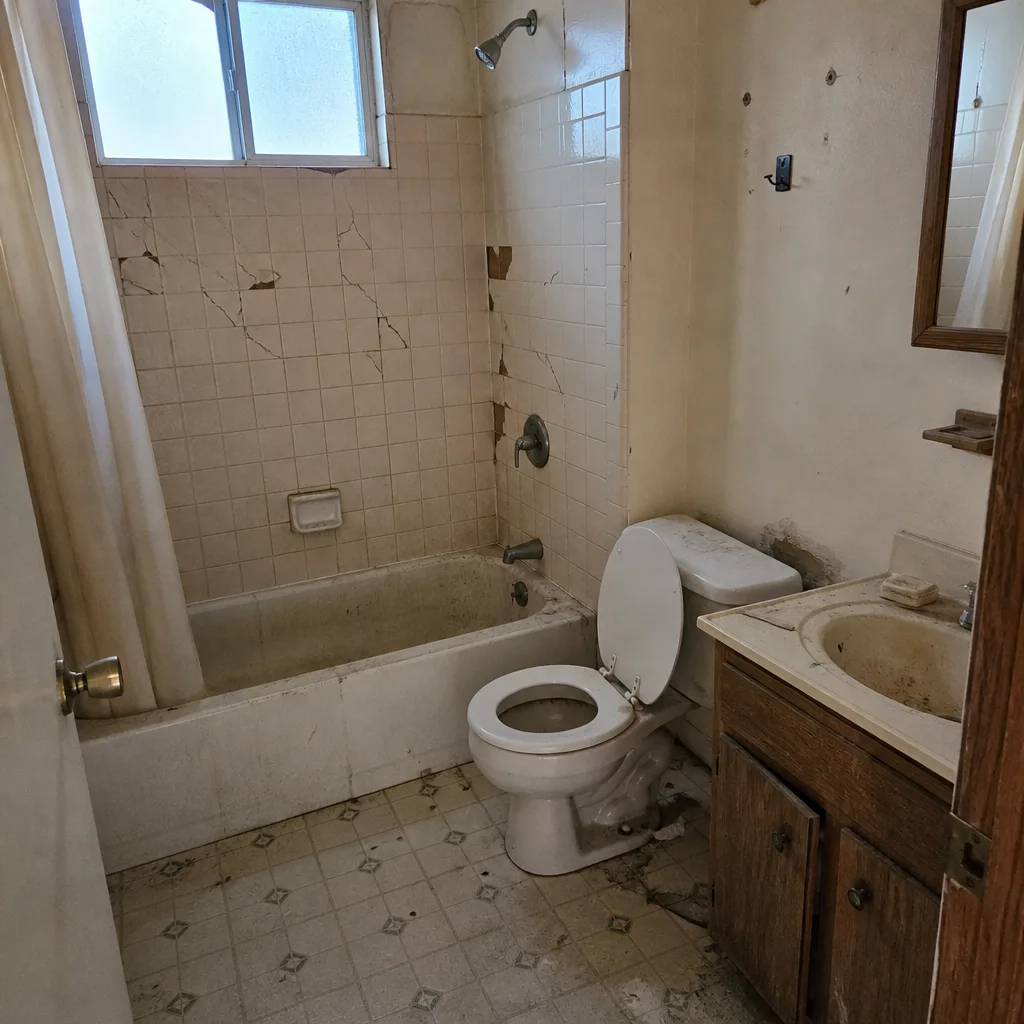 Before
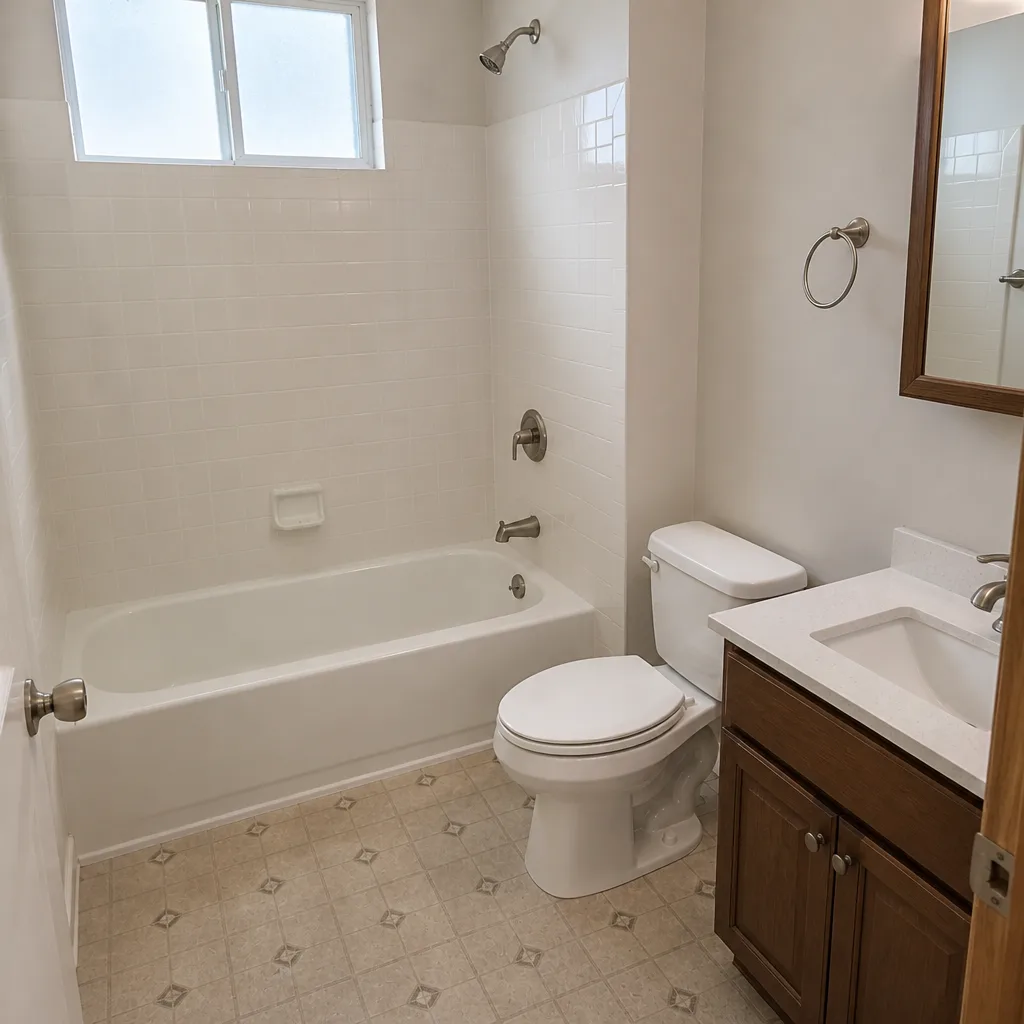 After
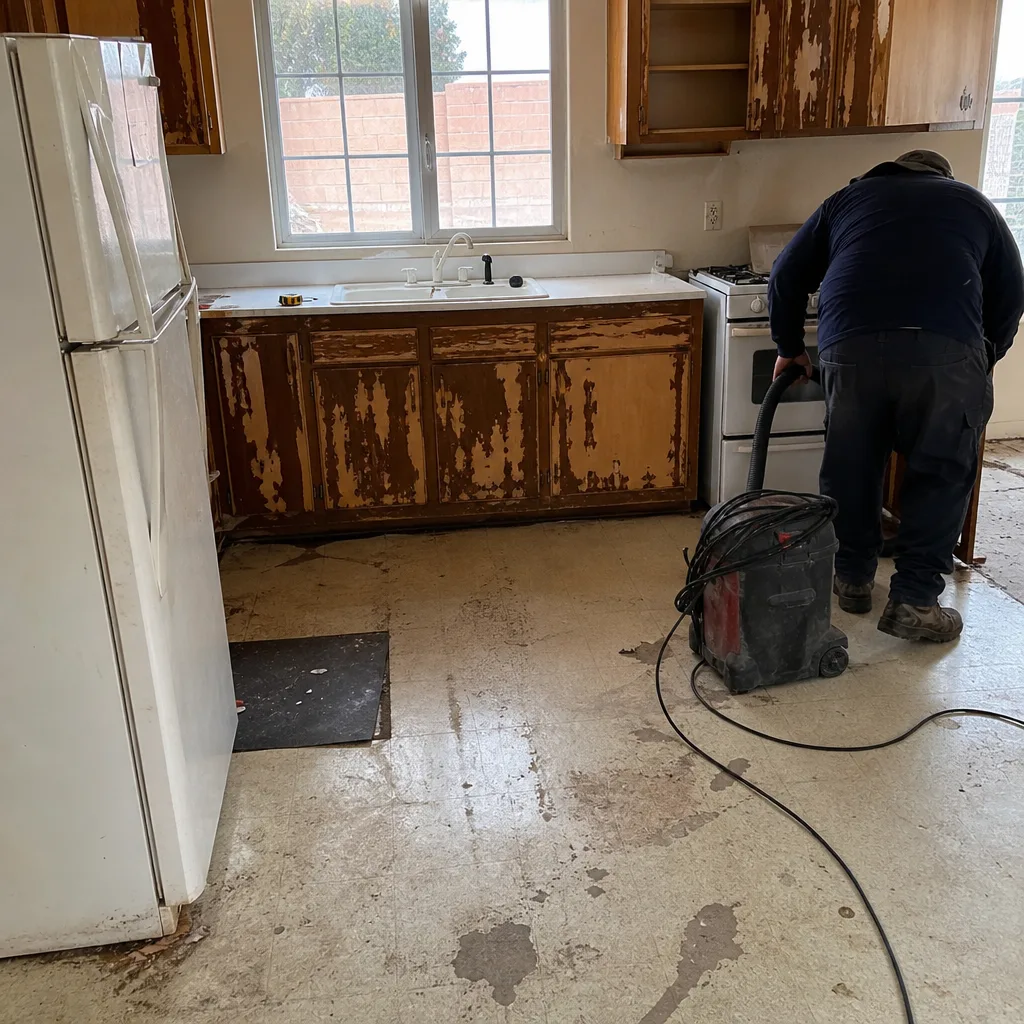 Before
 After
 Before
 After
When to Call a Professional
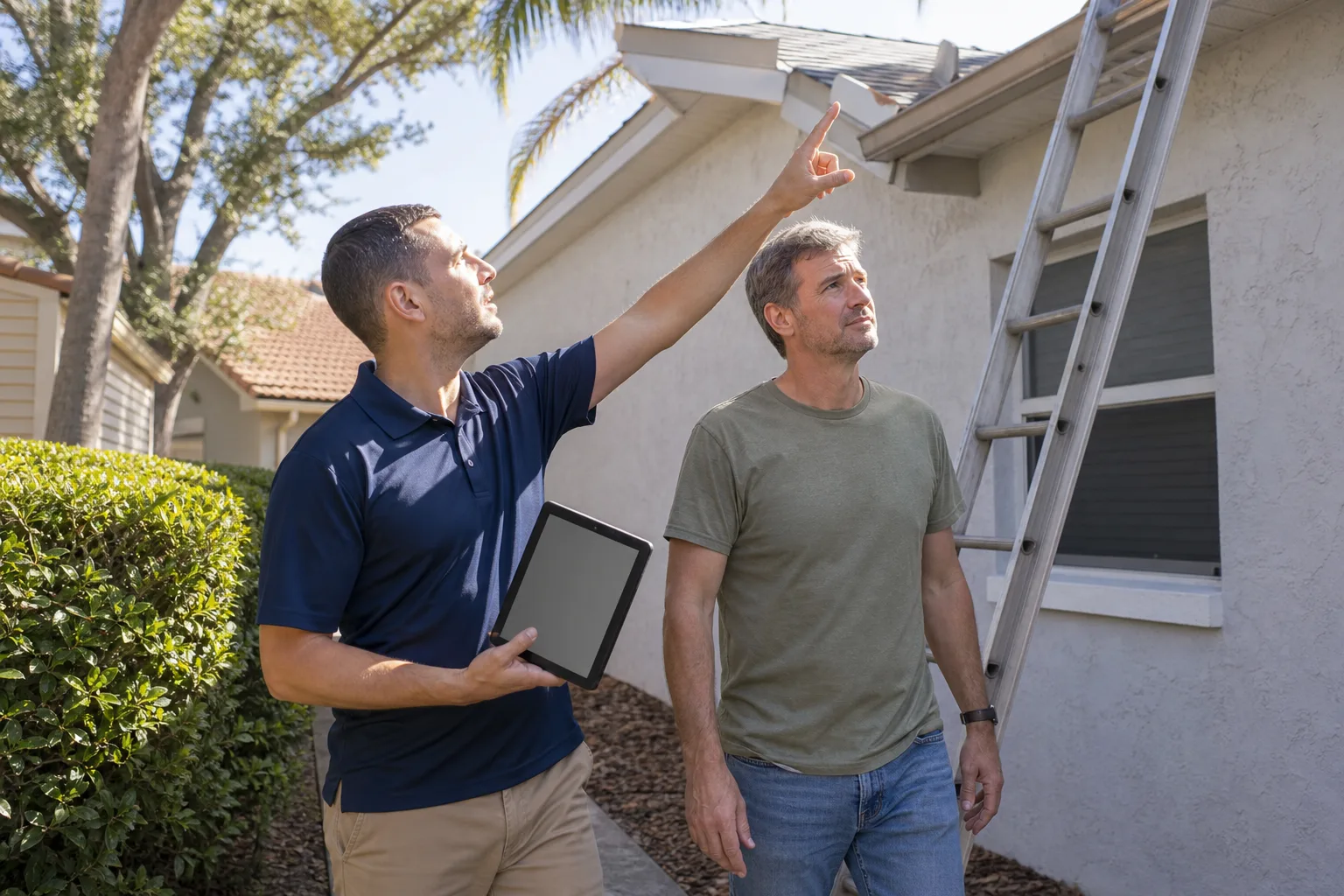
Most routine maintenance is DIY-friendly for a Boulder City homeowner: joint inspections, weeds, ant checks, and small re-sand patches. Call a professional for these scenarios:
- Full re-sanding or re-sealing of the entire driveway
- Pavers that rock when walked on, or that have visibly shifted
- Edge pavers that have migrated outward and joints widening
- Visible pooling or standing water after a rain
- Multiple ant colonies or tunneling under the pavers
- Any driveway going into year 5 without a professional inspection
- Any driveway that’s due for its first full reset or replacement
Groundwork Construction Co. of Boulder City offers free estimates in Boulder City – call (888) 282-1693 to schedule. Our technicians are background-checked, must arrive in uniform, and every job is covered by our 730-Day Done Right Promise. If something goes wrong with the work we do, we come back and make it right – that’s a 2-year workmanship warranty written into our contract, not a paragraph in the fine print.
Want the bigger picture on how pavers fit into Boulder City landscaping and home projects? Start at our Groundwork Construction Co. of Boulder City home page and see what we handle, or jump straight to the paver service page. Our portfolio of brand partners includes Belgard, GAF, CertainTeed, and dozens of others across the trades, which means we source premium materials without the availability-compromise that push-to-quote contractors fall back on.
Frequently Asked Questions
Every 2 to 3 years, and always in the fall (October-November) or early spring (March-April). The high UV in Boulder City degrades sealer faster than most climates, so a 2-year rotation is common for driveways that get full afternoon sun. Never apply sealer when daytime highs are above 90°F – in Boulder City that means May through September is off-limits. Call (888) 282-1693 for a free estimate if you’re not sure whether your current sealer is still doing its job.
Plan on every 2 to 3 years, and always check joint sand depth in late August or September after the monsoon season. If joint sand is more than ⅛ inch below paver surfaces, or crumbles when you test it, it needs re-sanding now. Boulder City’s low humidity and high UV cause polymeric sand to fail faster than manufacturer timelines predict. Call (888) 282-1693 for a free estimate on re-sanding – a full re-sand is usually a modest cost compared to letting the joints fail.
Because Boulder City gets most of its yearly rain between July and September, and the monsoon is when joint sand washes out and edge pavers shift. A spring checkup catches the fall and winter damage from the previous monsoon – but by then it’s been compounding for six months. Late August or September inspection catches problems when they’re fresh and cheap to fix. Do both if you can, but prioritize the post-monsoon check.
Small spot repairs (fewer than 20 joints) are DIY-friendly. Full re-sanding is not – it requires joint cleaning, correct sand depth, compaction, and moisture control for a proper cure, and getting any of those wrong means the sand fails within a year. We see this often after homeowner attempts. Call (888) 282-1693 for a free estimate on a full re-sand – doing it once, correctly, is cheaper than doing it twice yourself.
Yes, and it’s more common than most homeowners realize. Desert ants tunnel under pavers and push joint sand up and out to build their mounds, which removes the structural support holding pavers together. Left unchecked, a couple of active colonies can compromise an entire driveway section in a single summer. Treat any mound you find immediately, and check for ant activity four times a year: late April, July, late August, and November.
A 5-year professional inspection covers what homeowner checks can’t see: base and sub-base condition, edge restraint integrity, actual drainage slope, joint depth, structural paver integrity, and ant or termite assessment. It’s worth doing because the failures it catches are far cheaper to fix at year 5 than at year 8 or 10. Restraint failure caught early might be a $400 fix; caught late, it’s a $4,000 edge reset. Call (888) 282-1693 for a free estimate on your inspection.
The Bottom Line
Boulder City’s Mojave climate does things to paver driveways that manufacturer guides written for mid-Atlantic weather don’t address. The single most important change from a generic maintenance schedule: shift your primary inspection to late August or September, right after the monsoon, and treat the spring checkup as secondary. Re-apply polymeric sand every 2 to 3 years (not 4 to 5), seal only in October or March-April (never when it’s above 90°F), and check for ant mounds four times a year. Do the 5-year professional inspection even if nothing looks wrong. And remember the highest-impact annual task: a 20-minute post-monsoon joint inspection that costs almost nothing but saves real money.
Stick to this schedule and a well-built driveway outlasts the schedule by years. Miss it and you’re looking at a rebuild a decade early. For a free estimate on any paver repair, re-sand, seal, or inspection in Boulder City, call Groundwork Construction Co. of Boulder City at (888) 282-1693. Live person, 24/7, no voicemail. Upfront pricing, no surprises. Built to last, backed in writing by our 730-Day Done Right Promise.
Written by the team at Groundwork Construction Co. of Boulder City.