Last updated November 18, 2026



Free written scope consultation - allowances, timeline, and change-order rules on paper before a single trade is scheduled
DIY vs Professional Fence Installation: What’s Safe to Do Yourself
Renting a standard post-hole digger for a Boulder City fence project and hitting caliche at twelve inches is the most common way homeowners turn a weekend into a week-long equipment rental bill with nothing installed. That single layer of cemented desert soil decides more fence projects around here than budget or ambition ever will. It changes the tools you need, the time the job takes, the risk to your back, and the real bottom line. In this guide we’ll walk through a soil probe test you can run in ten minutes, a DIY cost calculation that accounts for everything, what’s genuinely safe to handle yourself, and the permit and HOA realities that catch people off guard in Boulder City.
Styles & brands we work with
- Kitchen remodeling
- Bathroom remodeling
- Home additions & ADU
- Roofing
- Windows & doors
- Driveway & pavers
- Fence
Quick Answer
Fence installation is safe to DIY only when your soil probe shows soft ground down to at least 24 inches and you’re setting a short run of fence on a flat, accessible lot. In Boulder City, caliche hardpan is common at 10 to 20 inches, and once you hit it, the job shifts from a homeowner project to an excavation project that needs a rotary hammer, a gas-powered auger with a carbide bit, or a mini-skid – which usually makes professional installation the cheaper and safer call. Cosmetic work like board replacement, staining, sealing, and hardware swaps is almost always safe to do yourself.
Table of Contents
- The Soil Probe Test That Decides Your Project
- The Real DIY Cost Calculation
- What You Can Safely DIY on an Existing Fence
- Equipment and Safety: What Changes When Caliche Shows Up
- Permits in Boulder City: Who Can Pull Them and What Gets Inspected
- The HOA Submission Process and Why Revision Cycles Cost You
- What Professional Installation Costs and What It Includes
- Common Mistakes to Avoid
- When to Call a Professional
- Frequently Asked Questions
The Soil Probe Test That Decides Your Project
Before you price a single post or reserve a rental, find out what’s under your yard. Boulder City sits on some of the most stubborn ground in Southern Nevada – decomposed granite, gravelly loam, and in many neighborhoods a layer of caliche that behaves almost like low-grade concrete. The depth of that layer is the variable that splits the entire DIY decision in two. Shallow caliche means a professional job. Deep, workable soil means you can realistically consider doing it yourself.
Here’s how to run a soil probe test in about ten minutes:
- Pick four to six spots along the line where your fence will run. Corners and gate posts matter most.
- Use a 4-foot piece of half-inch rebar or a long-handled soil probe. A screwdriver won’t cut it in desert ground.
- Push the probe straight down and mark where it stops on its own. That’s your topsoil depth.
- If you meet resistance, tap the probe with a small sledge. If it still won’t move, you’ve likely hit caliche.
- Record the depth at each spot. If any post location stops above 24 inches, that hole will need mechanical excavation.
- Pour a cup of water in a sample hole and check it the next morning. Water that pools without soaking in confirms a hardpan layer.
In our experience installing fence in Boulder City, most problem spots show up between 10 and 20 inches – well above the 24-inch minimum footing depth you want for a stable post. Once you know your depths, the rest of this guide makes sense. Shallow probe stops in the Boulder City historic district or the older tracts off Nevada Way? Plan on professional help. Deep, sandy soil out toward the edges of town? DIY is genuinely on the table.
The Real DIY Cost Calculation
DIY fence budgets usually get built around materials and then fall apart when the equipment rental and the dumpster and the second trip to the hardware store land on the credit card. Here’s the honest version. For a typical 100-linear-foot wood privacy fence with posts every 8 feet, you’re looking at 13 posts, roughly 40 pickets per section, three 2×4 rails per section, concrete, and hardware. Then the extras nobody budgets for.
A realistic line-item breakdown for a 100-foot DIY build looks like this:
- Fence materials (wood, cedar or pressure-treated): $1,800-$3,200 depending on height and grade
- Concrete (roughly 1-2 bags per post): $150-$250
- Post-hole digger rental (manual): $40-$60 for a weekend
- Gas auger rental (if soil allows): $90-$150 per day, often two days
- Rotary hammer or electric jackhammer (when caliche hits): $75-$130 per day, potentially multiple days
- Trailer rental to haul materials: $50-$100
- Dumpster or debris removal: $150-$350
- Hardware, gate kit, hinges, latches: $120-$250
- Permit fees (varies by height and type): $75-$300
Add that up and DIY runs $2,500-$4,700 for a 100-foot fence in Boulder City soil conditions – plus two to five full days of your labor, a couple of urgent-care co-pays if you’re unlucky, and no warranty on the finished product. A professional quote on the same run typically lands in a similar range once you account for the equipment and the debris haul-away, but it includes the workmanship guarantee, the permit handling, and the inspection sign-off. That’s the number that changes the decision. When the DIY version and the professional version are within a few hundred dollars of each other, the guaranteed work is the cheaper purchase.
Groundwork Construction Co. of Boulder City handles the full-scope fence work – fence installation in Boulder City – and we quote with upfront pricing so the number you see is the number you pay. No surprise change orders when the auger finds rock.
What You Can Safely DIY on an Existing Fence
Here’s the good news. A lot of fence maintenance is genuinely homeowner territory because it doesn’t touch the structural system. If your posts are sound and your rails are intact, you can handle most of what follows with basic tools and a free Saturday.
- Replacing individual pickets or boards: pull the old board, set a new one with the same fasteners, done. No structural risk as long as you’re not pulling boards that support a rail.
- Staining and sealing: the single highest-value DIY task on a wood fence in Boulder City. Our sun and dry air can gray out cedar within a season. A quality penetrating stain every two to three years adds years to the boards.
- Hardware replacement: hinges, latches, handles, gate springs. Straightforward swaps, and most hardware failures are the reason a gate starts to sag in the first place.
- Minor gate adjustments: tightening a hinge screw, adding a turnbuckle brace to stop sag, shimming a latch striker. Simple enough that you can usually fix the problem in twenty minutes.
- Weed and vegetation clearing along the fence line: not glamorous, but it’s the difference between a fence that lasts and one that rots from trapped moisture.
What’s not safe to DIY: replacing a rotted post, resetting a leaning post, digging a new post hole in unknown soil, cutting through caliche, or building a gate from scratch. Those tasks involve structural loads, possible buried utilities, and the kind of physical risk that turns a project into a hospital bill. Post replacement in Boulder City in particular is a professional call – the hole has to be re-excavated, set to the right depth, and re-concreted with proper drainage. If your probe hits rock, you’ll want the right equipment on site. Check out Groundwork Construction Co. of Boulder City home for a full picture of what we handle.
Equipment and Safety: What Changes When Caliche Shows Up
Walk into any tool rental counter in Boulder City and you’ll see two kinds of post-hole diggers: the manual clamshell kind with two handles, and the gas-powered auger on a wheeled frame. Most homeowners go for the manual digger because it’s cheap and approachable. In soft sandy soil, that works. In caliche, the manual digger becomes a hammer you swing into the ground for half an hour per hole while the auger sits in the truck of the guy who owns a landscaping business.
Here’s what changes when caliche enters the picture:
- Manual digging stops working. Caliche can register on the harder end of the Mohs scale, and a handheld clamshell digger just bounces off. You need a rotary hammer, an electric jackhammer, or a gas-powered auger with a carbide-tipped bit.
- Equipment rental costs double or triple. A one-day rental turns into three or four. Every extra day is another $75-$130 in rental fees plus another day off work.
- Physical risk goes up sharply. Vibration from a rotary hammer for hours on end can cause nerve damage in the hands. Holding a gas auger when it catches on a rock can wrench your shoulder or wrist. Pinched fingers, thrown tools, back injuries from hoisting bags of concrete – all more common in caliche jobs.
- Buried utilities become a concern. Before any powered equipment goes into the ground, you need a utility locate. Call 811 at least two business days before you dig. In Boulder City, irrigation lines, electrical runs to landscape lighting, and older water service lines are common. Hitting them is a repair bill and a potential safety hazard.
- Footing depth gets compromised. When you can’t dig the full 24 to 36 inches because the caliche stops you, homeowners often shorten the hole. That’s the setup for a post that leans within two or three years – exactly the failure you were trying to avoid.
Our technicians have up to 12 years of experience with these soil conditions and know exactly which equipment each Boulder City address is likely to need. That’s the practical side of experience – the ability to show up with the right tool instead of three rental trips in.
Permits in Boulder City: Who Can Pull Them and What Gets Inspected
Boulder City requires a permit for most new fence construction, especially anything over six feet tall, anything along a property line, and any fence on a corner lot where sight-line rules apply. The permitting process isn’t unreasonable, but it’s specific, and it’s a common place DIY projects quietly go off the rails.
Here’s the sequence you’ll typically walk through:
- Verify property lines. A fence installed even a few inches over the line is a fence you may have to move. A surveyor’s report is worth the money.
- Check zoning rules. Height limits, setback requirements from the property line, and material restrictions vary by zoning district in Boulder City.
- Submit the permit application. This means a site plan, fence type and height, material specs, and post-footing detail. A homeowner can pull their own permit, but the application needs to be accurate or it comes back.
- Schedule the inspection. Typically one inspection after posts are set and before the finish material goes up, so the inspector can verify footing depth and post attachment.
- Pass inspection. If the footings don’t meet depth requirements, you’ll be red-tagged and asked to redo the post work.
Here’s the part that rarely gets mentioned in DIY fence guides: insurance. If an unpermitted fence later causes property damage – say the neighbor’s fence or a parked car gets crushed by a wind-blown section – your homeowner’s insurance carrier can deny the claim, arguing the structure wasn’t built to code. That’s a six-figure exposure on a project you saved $400 on. When a licensed contractor pulls the permit, the inspection record exists, the work is documented to code, and your insurance carrier has less room to argue.
Groundwork pulls the permits and passes the inspections as part of every fence project. If you want to see how that fits alongside the rest of your property work, our driveway and pavers in Boulder City team runs the same permitting discipline on hardscape projects.
The HOA Submission Process and Why Revision Cycles Cost You
Plenty of Boulder City neighborhoods are governed by HOAs, and the architectural review process is the part of fence installation that surprises homeowners most. An HOA submission usually asks for a site plan, material samples, elevation drawings, exact color and stain, fence height, and sometimes a neighbor acknowledgment for shared fence lines. The board then reviews it, sometimes on a monthly cycle, and comes back with questions or revisions.
The revision cycle is where DIY submissions hurt you. A homeowner who hasn’t worked through the process before tends to submit a bare-bones application – a sketch, a material note, maybe a photo from a big-box store sample board. The board sends it back with requests for more detail. That’s a month gone. The homeowner re-submits, the HOA meets again, and now you’re two months into a project you thought would take a week. Meanwhile the old fence keeps leaning and the eye-sore keeps getting worse.
When a contractor experienced with the local HOA process prepares the submission, it usually goes through in one pass because the application anticipates what the board is going to ask. Material specs get attached. Elevation drawings get included. Colors are matched against the approved palette. Instead of two or three cycles, you get one.
In our experience, homeowners who try to fight the HOA on a design detail often lose six weeks and end up building the board’s preferred version anyway. Find out what’s approved in your neighborhood first, then design toward it. The home additions and ADU in Boulder City side of our business works through the same HOA review on every addition, so the process is familiar ground.
What Professional Installation Costs and What It Includes
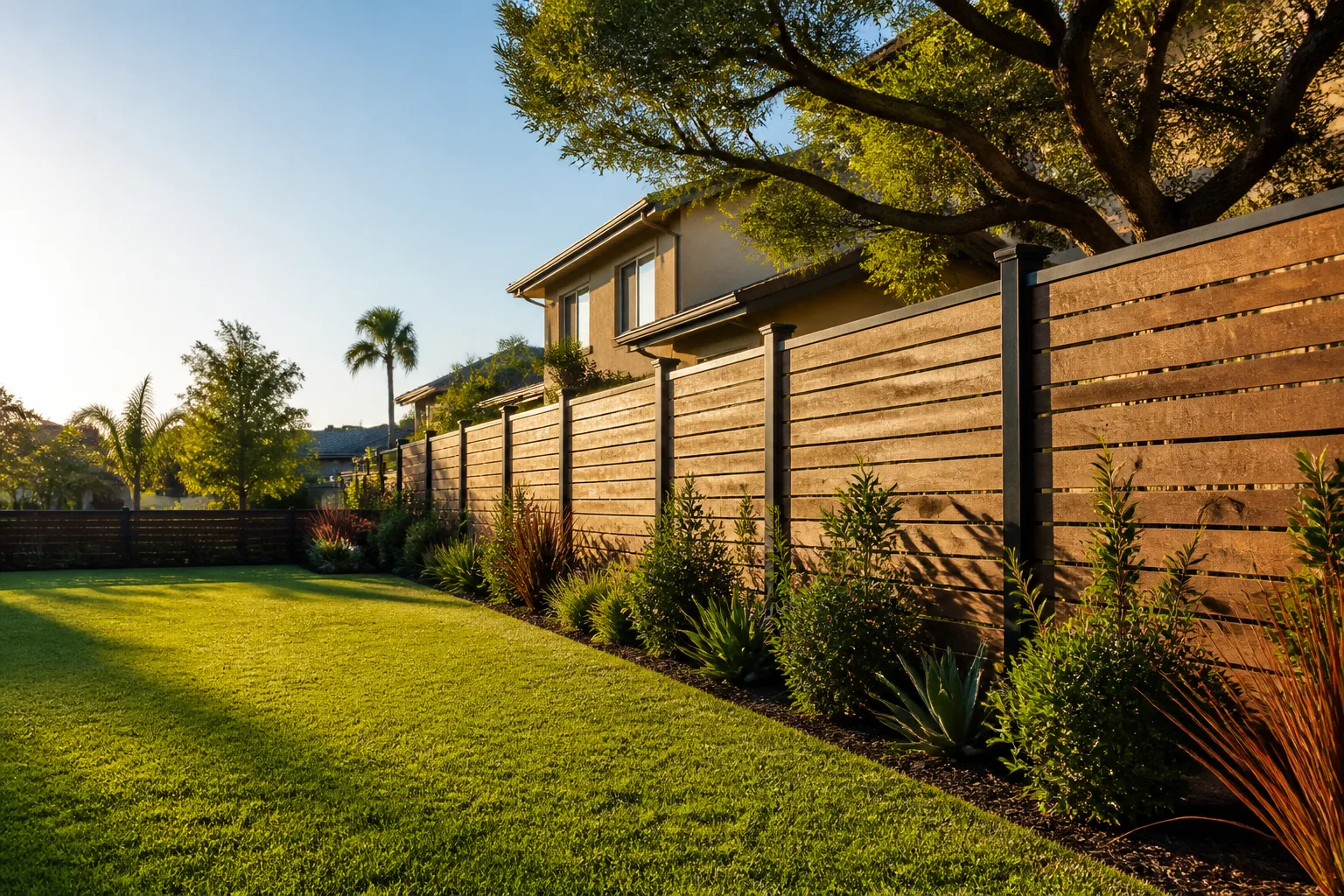
Professional fence installation in Boulder City typically runs $28-$55 per linear foot for a standard wood privacy fence, with vinyl coming in higher and chain-link lower. For the 100-foot run we priced DIY, that lands professional installation in the $2,800-$5,500 range, depending on material, height, terrain, and whether caliche excavation is required.
Here’s what’s inside that number that DIY often leaves out:
- Materials at contractor pricing, often 10-20% below retail
- Equipment and caliche excavation built into the quote, not added later
- Permit pulling and inspection management
- HOA submission handling
- Utility locate and dig safety
- Debris haul-away and site cleanup
- Workmanship warranty – at Groundwork, our 730-Day Done Right Promise covers the labor for two full years
That last piece is the one that matters most when the fence starts to sag or a gate starts to drag in year two. A DIY fence has whatever warranty the material manufacturer offers on the boards themselves – and nothing on the installation. A failed post is your problem to fix, with your equipment, on your weekend. A professional install with a written workmanship guarantee means the crew comes back and fixes it at their cost.
We also offer a free estimate and design consult, 0% financing for 18 months, and $1,000 off projects over $10,000. If your fence project is part of a larger property plan, that discount can apply. The number you see on the quote is the number you pay – no change orders when we hit caliche, because we already accounted for it.
Common Mistakes to Avoid
- Skipping the soil probe. Renting equipment before you know the ground is the single most expensive DIY mistake we see in Boulder City. Twenty minutes with a piece of rebar saves you a multi-day rental bill.
- Guessing at the property line. A fence in the wrong place can legally be required to move – and once built, that’s a five-figure correction. Get a survey or at least pull your plat map before you dig.
- Setting posts in undisturbed caliche and calling it good. A post that only goes down 12 inches into hardpan feels solid in week one. By year three it’s leaning, and now you’re paying someone to redo it.
- Skipping the 811 utility locate. Boulder City homes have irrigation, landscape lighting, and sometimes older service lines running along fence lines. Cutting one of those is a repair bill plus a safety risk. The 811 call is free – use it.
- Building without checking HOA rules. A fence that violates the architectural guidelines can require you to remove or replace it, at your cost, with no exception for the effort you put in.
- Under-buying fasteners and hardware. Corrosion-resistant screws, galvanized hardware, and stainless where the fence meets the ground matter in a desert climate that alternates between extreme dry and seasonal monsoon moisture. Cheap fasteners rust out in two years.
- Staining immediately after install. Fresh pressure-treated wood needs to dry and cure before it accepts stain. In Boulder City that’s typically several weeks, sometimes a season. Staining too early seals in moisture and causes peeling.
When to Call a Professional
Call a professional when your soil probe hits caliche above 24 inches, when your fence needs post replacement or resetting, when you need a permit, when your HOA has architectural review, when a shared property line is involved, or when the fence is over six feet tall. Call when you’re buried in a project and the fence has become the thing you’ll “get to next month” for the fourth month running. And call when you’ve been quoted a price that seems suspiciously low for a caliche job – it’s going to change once the digging starts, and it’s better to know that before you sign.
Groundwork Construction Co. of Boulder City offers free estimates in Boulder City – call (888) 282-1693. Live person, 24/7. No voicemail, no waiting until Monday.
Frequently Asked Questions
Fence posts in Boulder City should be set at least 24 inches deep in normal soil, and 30 to 36 inches for taller or heavier fences – with concrete footings. If caliche stops you short of that depth, the post footing gets compromised and the fence will lean within a couple of seasons. Call (888) 282-1693 for an exact quote – estimates are free.
Typically no, not for new fence construction, especially any fence over six feet tall or along a property line. Boulder City requires a permit for most new fence work, and skipping it can put your homeowner’s insurance in a difficult spot if the fence later damages property. The permit is inexpensive compared to the exposure. Call us for help with the permitting process – (888) 282-1693.
Professional fence installation in Boulder City usually runs $28-$55 per linear foot for wood privacy fencing, with vinyl coming in at the higher end and chain-link at the lower. A 100-foot run typically lands between $2,800 and $5,500, including caliche excavation when needed, permits, and cleanup. Call (888) 282-1693 for a line-item quote on your specific property.
Digging the post holes through caliche is the hardest part of DIY fence work in Boulder City – everything else, from hanging pickets to setting a gate, is approachable with basic carpentry skills. The caliche is what turns a weekend into a multi-day equipment rental and one-week project. Once you’ve probed your soil and confirmed the depth, you’ll know which side of that decision you’re on.
No. Our quotes include caliche excavation, materials, permits, and cleanup as one number, so the figure on your signed quote is the figure you pay. We don’t add change orders when the auger hits rock, because we priced the rock into the job. Call (888) 282-1693 – free estimates and a live person on the line 24/7.
Yes. We pull the permit, submit to your HOA where applicable, and manage the inspection sequence so it passes on the first walkthrough. That’s part of why the professional install usually clears through faster than a DIY submission. Call (888) 282-1693 for details on your specific neighborhood.
The Bottom Line
Fence installation is one of the few home projects where the DIY decision hinges on one physical fact – how deep the caliche sits under your yard. Probe the soil before you do anything else. If it’s soft past 24 inches and your project is small and straightforward, DIY can work. If it’s shallow and your project is structural, the professional quote is the cheaper purchase once you account for equipment, permits, HOA cycles, and the value of the warranty. The cosmetic jobs – board swaps, staining, hardware – are always yours for the taking. Our fence installation page lays out the full service; otherwise the honest answer is call and get the real number for your specific situation.
Call (888) 282-1693 for a free estimate from Groundwork Construction Co. of Boulder City. We’ll bring the probe, we’ll quote the actual job, and we’ll back the work with our 730-Day Done Right Promise – built to last, backed in writing.
Written by the team at Groundwork Construction Co. of Boulder City.
See the difference
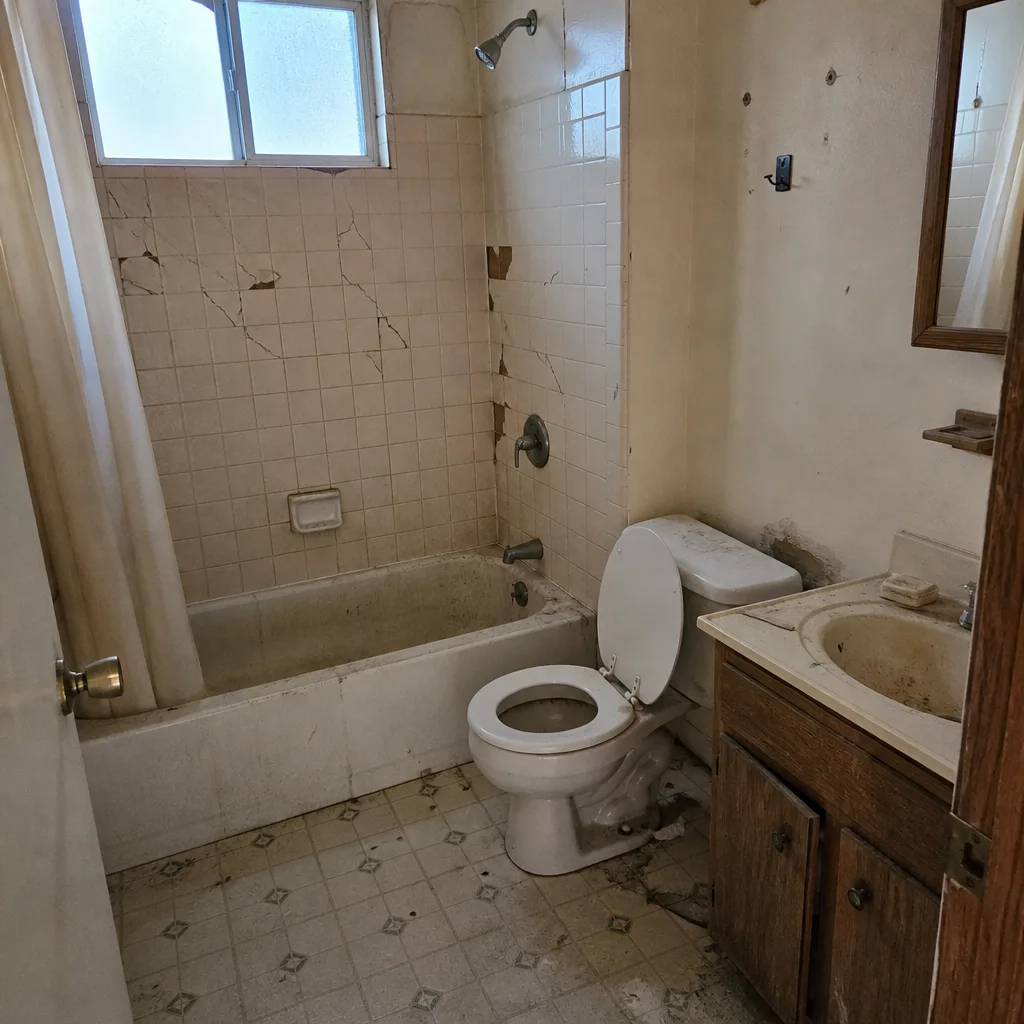 Before
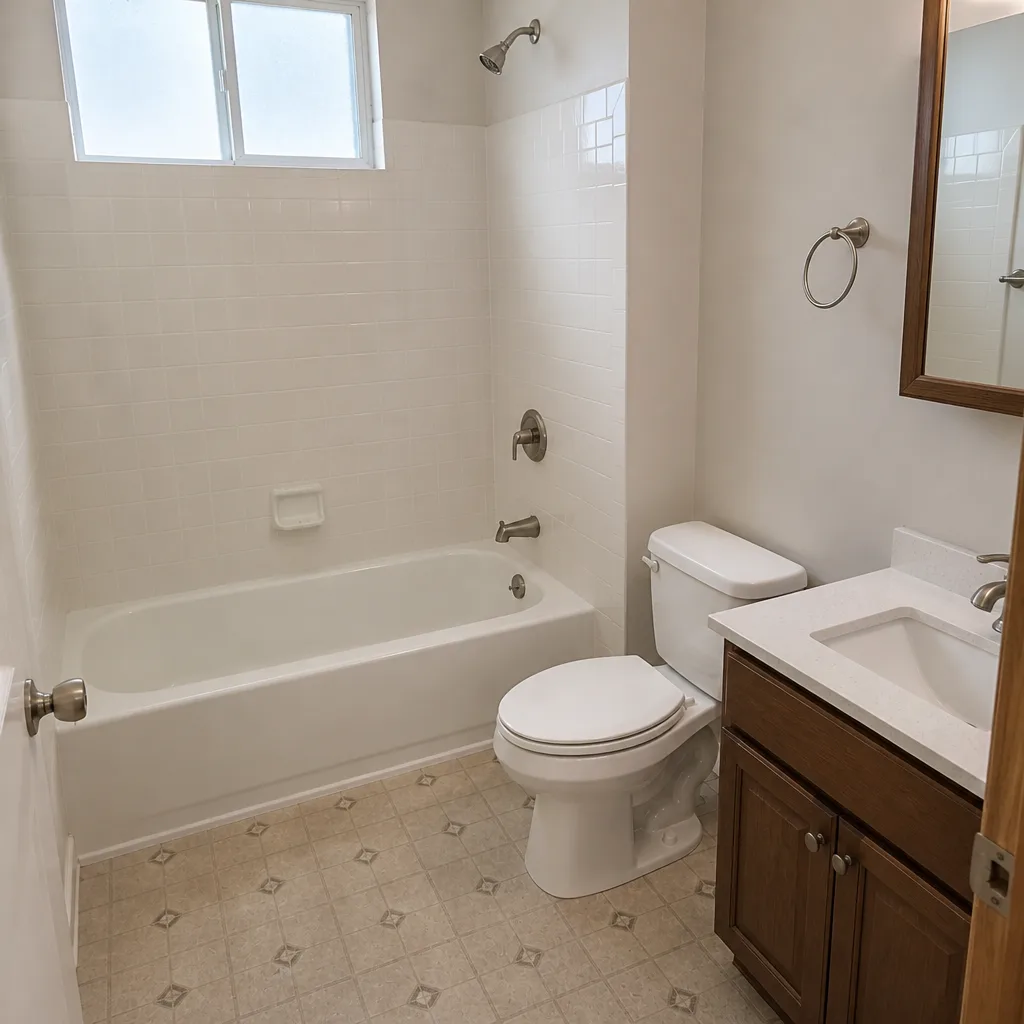 After
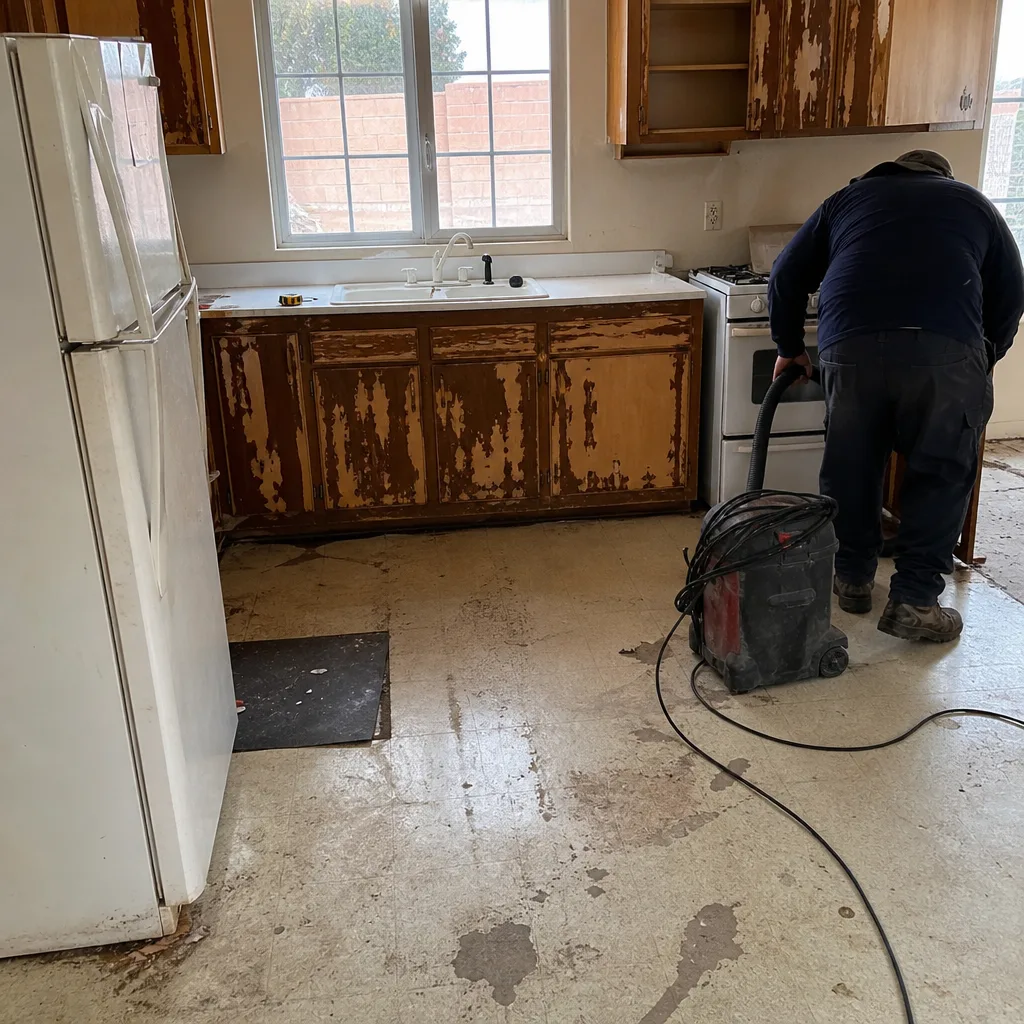 Before
 After
 Before
 After