Last updated November 18, 2026



Free written scope consultation - allowances, timeline, and change-order rules on paper before a single trade is scheduled
How Long Does Fence Installation Take? Timelines and What to Expect
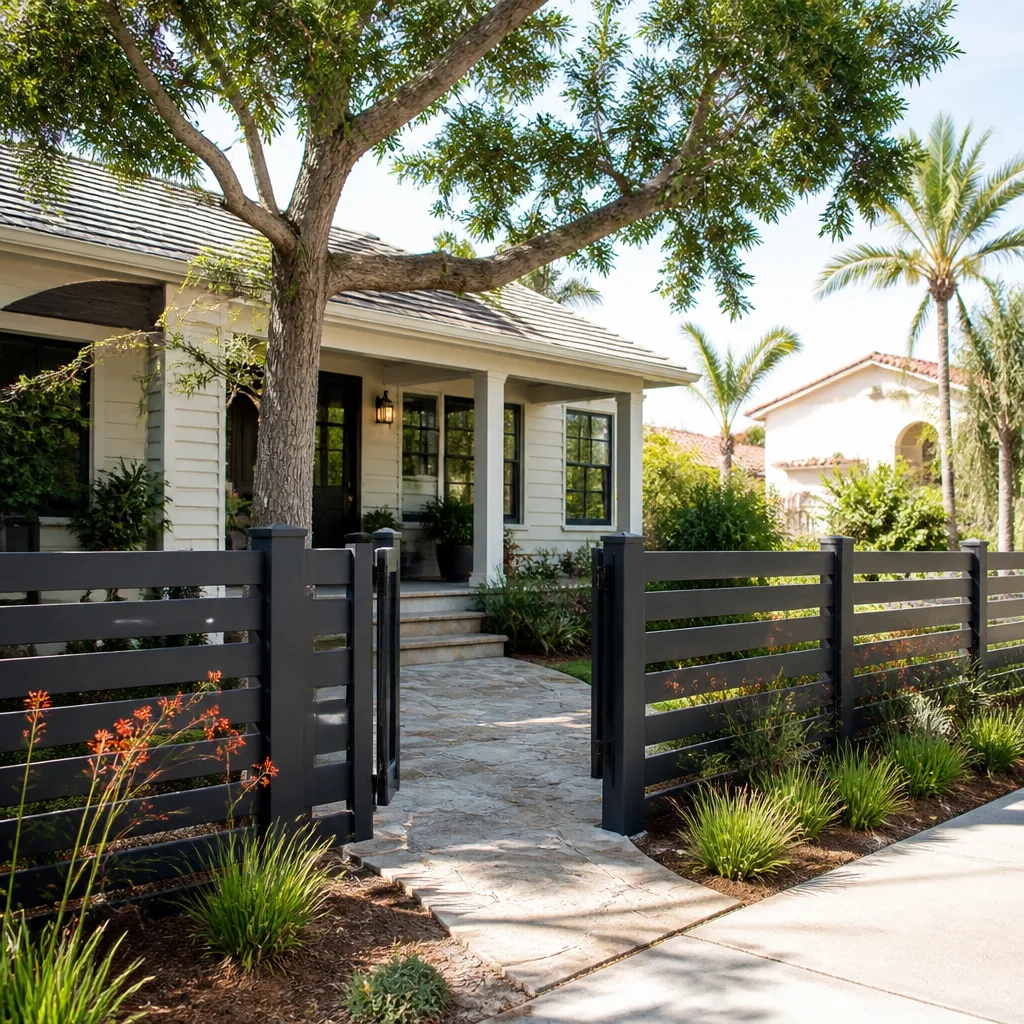
The average fence installation in Nevada takes 1 – 3 days of physical labor. The full project, though, from signed contract to finished fence, usually runs 2 – 5 weeks. That gap is where most homeowners get blindsided. They budget for the build days and forget the permits, the utility locates, and the material lead times that happen before anyone touches a shovel. In Boulder City, those pre-build phases are not optional, and the desert ground itself adds its own delay. This guide maps the whole sequence week by week so you can hold any contractor to a real schedule, not a handshake and a guess.
Quick Answer
Physical fence installation takes 1 – 3 days for most residential lots. The full timeline from contract to finished fence runs about 2 – 5 weeks, factoring in utility marking (2 – 3 business days), Boulder City permit review, material lead times, and post-setting. Desert soil conditions like caliche hardpan can add 1 – 2 days to post-setting alone, and HOA approval should run parallel to the quote process rather than after it.
Styles & brands we work with
- Kitchen remodeling
- Bathroom remodeling
- Home additions & ADU
- Roofing
- Windows & doors
- Driveway & pavers
- Fence
Table of Contents
- What Are the Four Phases of a Fence Project?
- Why Does Utility Marking Add Time Before Install Day?
- How Long Do Permits Take in Boulder City?
- How Do Fence Materials Change the Timeline?
- Why Is Post-Setting Harder in the Mojave Desert?
- Why Does HOA Approval Slow Projects Down?
- What Does a Realistic Week-by-Week Project Map Look Like?
- What Happens on Installation Day?
What Are the Four Phases of a Fence Project?
Every fence project breaks into four phases, and only one of them involves a crew and post-hole diggers in your yard. Homeowners who understand all four rarely feel ambushed by a delay, because they can see which phase the project is in and why.
- Planning and quote (days 1 – 7). Site visit, measurements, material selection, and a written line-item quote. This is where HOA submission should start.
- Utility marking and permits (days 3 – 14). The 811 call for underground utilities and, where required, Boulder City permit review. These run concurrently with material ordering.
- Material lead time and delivery (days 5 – 21). Stock materials arrive fast. Custom vinyl colors, wrought iron panels, and special-order wood can stretch this window considerably.
- Physical installation (days 1 – 3 on site). Layout, hole digging, post-setting, panels, gates, and cleanup.
The key insight: phases two and three overlap with phase one when a contractor runs the project well. When they run it badly, they happen in sequence, and the timeline doubles. In our experience working throughout Boulder City, a well-sequenced project lands on the fast end of that 2 – 5 week window, and a poorly sequenced one blows past it.
The physical install itself almost never causes the blowup. What causes it is a contractor who orders material before checking lead times, or who treats the permit as an afterthought. Knowing the four phases lets you ask sharp questions before you sign. Ask how your contractor orders the phases. If the answer is vague, the schedule will be too. You can also see how our Fence Installation in Boulder City service sequences these phases in practice.
Why Does Utility Marking Add Time Before Install Day?
Utility marking takes 2 – 3 business days in most cases, and skipping it is how homeowners end up paying for a broken gas line, a severed irrigation line, or a punctured electrical conduit. Before any post hole goes in the ground, the underground lines need to be identified and flagged. In Nevada, the 811 call center coordinates this service, and a contractor who does not make that call before digging is cutting a corner you cannot afford.
Here is what the marking phase looks like:
- Call 811. Nevada’s 811 service notifies the relevant utilities. Requirements call for the notice to go in a couple of business days ahead of digging, so schedule it early.
- Wait for the marks. Utility crews spray-paint or flag line locations. Give the required notice window, typically 2 – 3 business days.
- Walk the fence line with the marks visible. Hand-digging or offsetting posts near marked lines is a normal part of the job, and knowing where the lines run prevents expensive surprises.
- Document. Photograph the marks before digging. If a line gets nicked, the record matters.
In established Boulder City neighborhoods, this phase can run longer than 2 – 3 days because older properties may have undocumented private lines, irrigation runs, or previous fence footings buried along the property line. Historic Boulder City is a good example. Fences that have stood for decades often hide old concrete piers and stubs that surprise a crew mid-dig. Marking helps, but on remodels and replacements, plan for a buffer.
Skipping 811 to save a few days is a false economy. The delay you avoid is small; the repair bill and the risk are not.
How Long Do Permits Take in Boulder City?
Permit review varies by fence height, location, and whether the property sits in a historic district, so treat any single number with caution. What we can tell you: fences at or under six feet generally move faster than taller fences, corner-lot fences, and anything in a historic overlay. Boulder City has a genuine historic district, and fences visible from the street in that area can require an additional review that a standard residential lot never touches.
A realistic permit timeline looks like this:
- Standard residential fence, at or under six feet: often a matter of days to a couple of weeks, depending on the queue.
- Corner lots and tall fence runs: expect a longer review and confirmation of property lines.
- Historic district properties: allow extra weeks for design review if the fence is visible from the street.
A good contractor pulls the permit, schedules the inspection, and builds inspection time into the schedule. A contractor who suggests building first and sorting out permits later is handing you the risk. If an inspection fails because posts were set wrong or height limits were missed, the rework comes out of your timeline, not theirs.
One trick saves both permit lead time and material lead time: start the permit application and the material order on the same day. They run on separate tracks and don’t need to wait on each other. In our experience, that single scheduling habit is what keeps a Boulder City project inside its window instead of drifting. If your project also involves hardscape work, the same sequencing discipline applies to Driveway & Pavers in Boulder City.
How Do Fence Materials Change the Timeline?
The material you choose swings the timeline more than most homeowners expect, because materials differ in lead time, installation speed, and drying or curing requirements. Here is how the common options compare.
| Material | Lead Time (typical) | Install Days | Timeline Notes |
|---|---|---|---|
| Wood (pine, cedar) | Fast; often stocked | 1 – 3 | Needs staining after a drying period; wet boards can shrink and gap |
| Vinyl | Moderate; custom colors longer | 1 – 2 | Pre-assembled panels go up quickly; special-order colors add weeks |
| Wrought iron | Longer; often custom-fabricated | 2 – 4 | Welding and finishing plus set-in-concrete posts |
| Chain link | Fast; widely stocked | 1 – 2 | Quickest overall for typical lots |
Wood is the material most likely to add hidden time, not because it installs slowly but because of drying. Fresh lumber can shrink after installation, opening gaps as it dries. Waiting for boards to stabilize before staining gives a better result, and that wait sits on the calendar. Vinyl skips the drying problem, but a custom color or a specific panel profile that is not in stock can push material delivery out by weeks. Wrought iron often involves fabrication time you can’t compress.
On the supply side, brand partners you can source consistently make a real difference. Brands like Mr-Glass and ViewLux (both window and glazing specialists, but the same sourcing discipline applies) represent the kind of vetted brand partnerships that keep delivery dates honest. When a contractor works with a curated set of suppliers rather than whoever answers the phone, that material lead time becomes reliable rather than a guess. Ask your contractor for brand names and lead times in writing.
Why Is Post-Setting Harder in the Mojave Desert?
Post-setting can add 1 – 2 days in Boulder City because the ground here is not standard backyard soil. Much of the Mojave Desert region sits on caliche, a hardened calcium-carbonate layer that behaves almost like concrete. Underneath that, you can hit rocky substrate that turns a routine post hole into an excavation. A crew that has not dug here before budgets standard time and comes up short.
What this means for your schedule:
- Caliche slows every hole. Power augers can stall. Hand-digging around buried obstacles takes longer. Plan on slower progress per post.
- Rocky substrate is common in Boulder City neighborhoods. The closer you get to the terrain edges of town, the more likely you are to hit rock that needs breaking or offsetting.
- Concrete cure time. Posts set in concrete need to cure before panels go up, so that gap lands on the calendar even when digging is quick.
When we look at a Boulder City property, the first thing we assess is what the ground is going to do. On a soft-soil lot, a crew can set every post in a day. On a caliche-heavy lot, that same job can double. Add a slope or a corner lot with drainage work and you are in the higher range. Experienced crews build this into the estimate. Inexperienced ones do not, and then blame the ground for the overrun. Our Groundwork Construction Co. of Boulder City home page lays out how we price and schedule projects with that ground reality in mind.
Why Does HOA Approval Slow Projects Down?
HOA approval is the delay homeowners miss most often, because it runs on a completely different clock than the contractor’s quote and the permit. Many Boulder City-area communities and HOA-governed properties require architectural review before a fence goes in. That approval process can take anywhere from a week to over a month, and it can stall the project after the material is ordered and the crew is scheduled.
The fix is simple: start the HOA submission at the same time as the contractor quote, not after it. Both processes move in parallel, and by the time you are ready to schedule install, the HOA decision is in hand.
Here is how to run them in parallel:
- Get your HOA’s design guidelines and submission form on day one, alongside your contractor site visit.
- Collect the specs your contractor will build to, including height, material, color, and setback, and hand them to the HOA.
- Submit the HOA packet within the first week of the quote process.
- Track the HOA review timeline, and hold your install date pending approval.
Complicating factor: HOA guidelines can force a specific material or color, and a material that meets guidelines but isn’t stocked adds lead time. Lock the HOA-approved spec before you order a single panel. If you are planning a larger property improvement that involves a fence as one piece of the puzzle, the same parallel-tracking rule applies to Home Additions & ADU in Boulder City. Bigger projects need more coordination, not more waiting.
What Does a Realistic Week-by-Week Project Map Look Like?
Here is how a well-run fence project maps across five or so weeks in Boulder City. Every project differs, but a schedule that resembles this one is realistic. Use it to hold your contractor accountable to a real timeline rather than a vibe.
- Week 1, contract and planning. Site visit, measurements, material selection, written quote. You submit HOA paperwork, and your contractor calls 811 for utility marking.
- Week 2, permits and marking. Permit application filed if required. Utility marks go down. Materials get ordered with delivery dates confirmed in writing.
- Week 3, pre-build. Permit approved for standard fences. HOA approval in hand. Material arrives. Any permit inspection scheduling happens now.
- Week 4, installation days 1 – 2. Layout, hole digging, post-setting in concrete. Caliche or rock-heavy lots may push into days 3 – 4.
- Week 4 – 5, finish. Panels installed, gates hung and checked, cleanup, and final walkthrough. Inspection if the permit requires it.
The most common reason a project drifts past week five is that the parallel phases were run in sequence. If your contractor orders materials in week four instead of week two, you lose two weeks. If your HOA approval starts in week three, you can lose a month. And if utility marking happens on install day, you can lose your scheduled install window.
A firm install date should depend on the HOA decision and the permit, not happen before them. Ask for that date in writing, and ask which tasks are on the critical path. In our experience, homeowners who ask those two questions get the honest schedule. The one who hears “we’ll get there when we get there” has already been told everything they need to know.
What Happens on Installation Day?
Installation day is the shortest phase of the whole project, which is why understanding it matters less than understanding the weeks before it. A typical residential lot takes 1 – 3 days of on-site work. Here is how it unfolds.
- Layout and marking. The crew marks the fence line and post positions, confirming property boundaries before any digging starts. Utility marks are re-checked at this point.
- Post holes. Holes are dug, worked around caliche and rock where needed, and checked for depth and alignment.
- Post-setting. Posts are set in concrete and checked for plumb. Curing time is built in before panels go up.
- Panels and rails. Fence panels or fabric are installed, and gates are hung and adjusted to swing correctly.
- Cleanup and walkthrough. Debris is cleared, and you walk the finished fence with the crew to confirm the result.
A lot of the speed on install day comes from what happened before: a crew that shows up with the right material, an accurate layout, and knowledge of where the underground lines run can move fast. A crew that discovers mid-install that material is short or posts are misplaced loses days. When it comes to brand partners, a consistent supply chain keeps the install fast; sourcing trouble is a schedule killer. If your contractor works with partners like Therma-Tru on components where relevant, that reliability shows up on install day. Uniformed, background-checked technicians also matter to most homeowners, because they want to know who is in their yard and on their property.
A quick note on scope beyond the fence: if your install-day crew finds drainage or hardscape issues near the fence line, sort them out before the next phase rather than after, because a fence sitting on a drainage problem won’t stay put. Get the details in writing and understand the cost before anything gets added. The number you see in the quote should be the number you pay.
Common Mistakes to Avoid
- Skipping or delaying the 811 call. Digging before your utility marks are in can mean a broken line and a weeks-long repair bill. Make sure it happens 2 – 3 business days before any digging, not on install day.
- Starting HOA approval after the quote. Run them in parallel. In HOA-governed Boulder City communities, approval can take a month, and waiting for it before you start the process is a self-inflicted delay.
- Ordering materials late. Material lead time is the silent bottleneck. Order in week two, with a confirmed delivery date, and you keep your install date.
- Budgeting for install days only. Homeowners who plan around the 1 – 3 day build and ignore the permit, marking, and material phases are the ones who feel the delay hardest. Plan the full 2 – 5 weeks.
- Underestimating caliche. Caliche hardpan and rocky substrate in Boulder City can add 1 – 2 days to post-setting. Build that buffer into the schedule, especially on larger lots.
- Ignoring the drying season for wood. Fresh lumber can shrink and gap after installation. Waiting for boards to stabilize before staining takes time but produces a better fence.
- Failing to get the install date and the price in writing. A vague schedule and a verbal price give you nothing to hold a contractor to. Get a written quote and a firm install date that hinges on HOA approval and permit status.
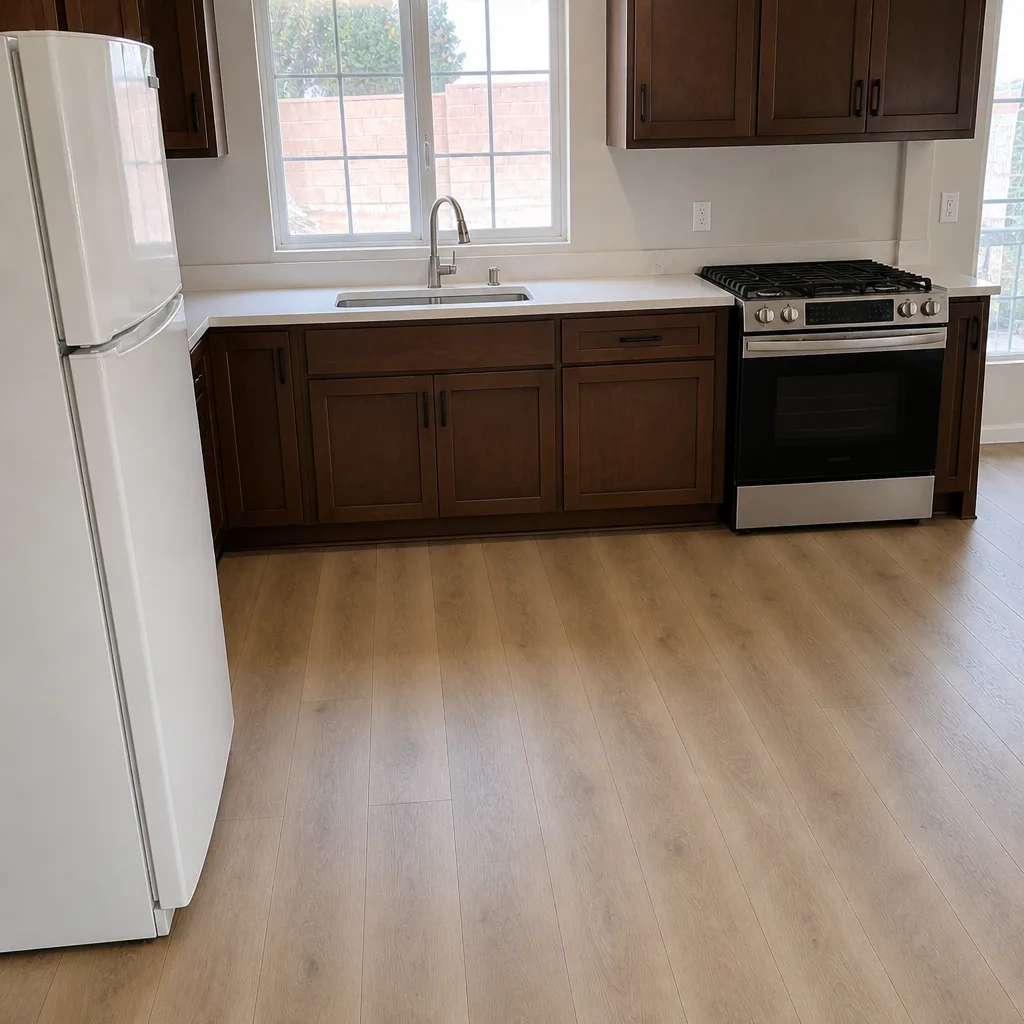
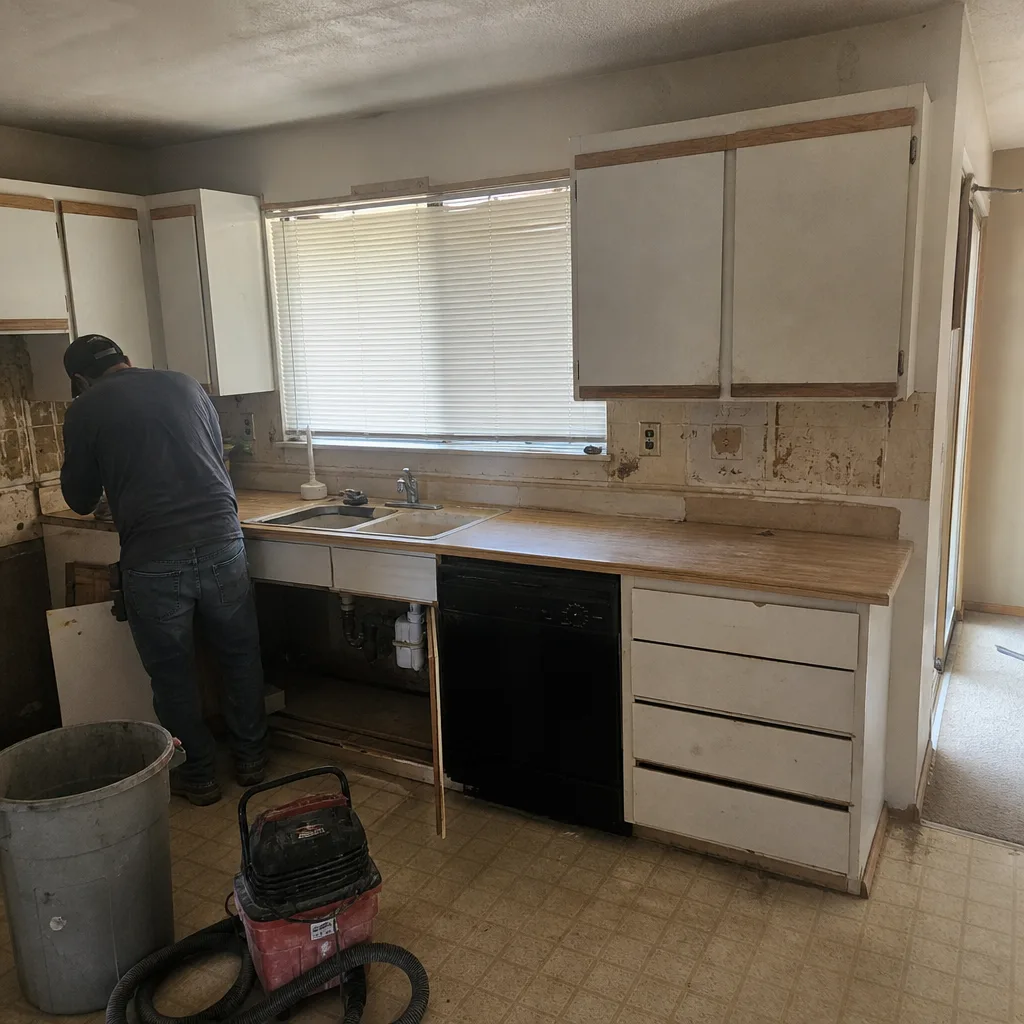
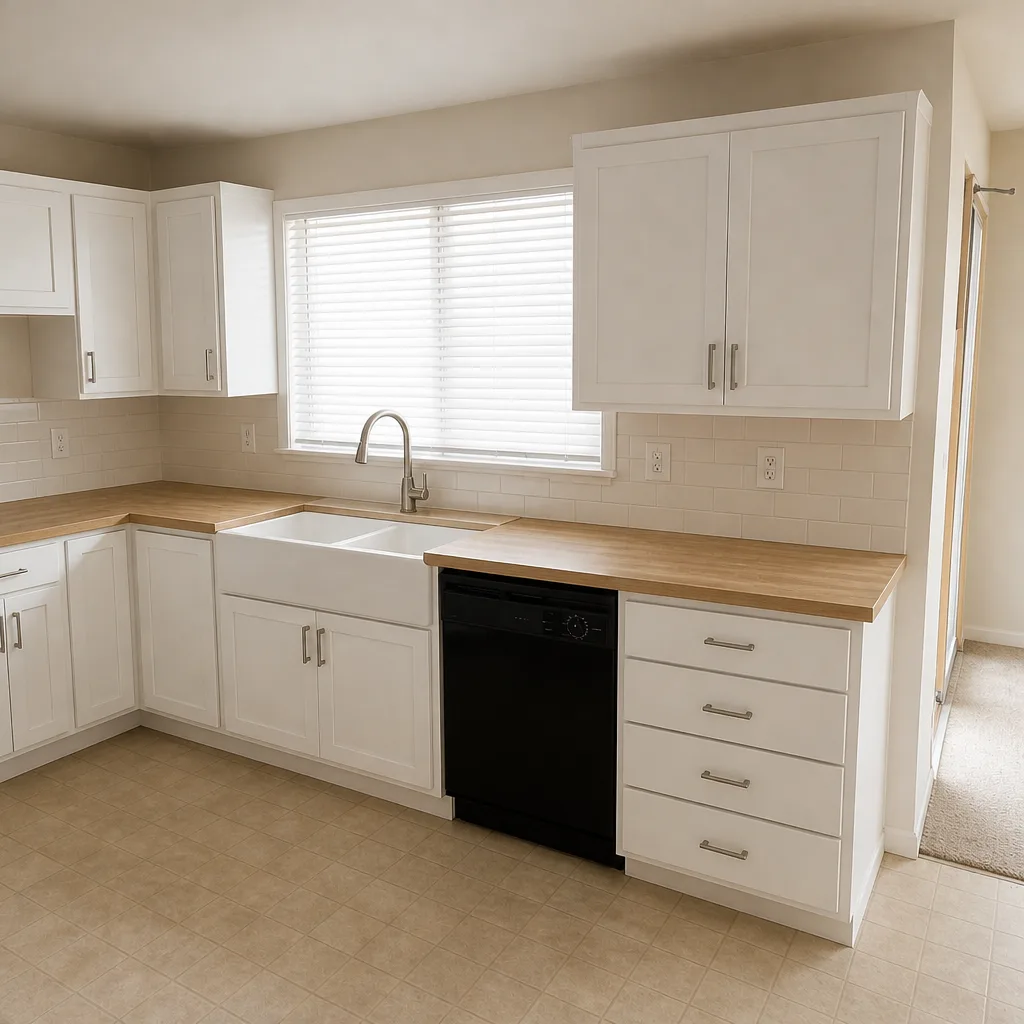
See the difference
 Before
 After
 Before
 After
 Before
 After
When to Call a Professional
A fence is not a simple weekend project when the ground is caliche, when permits and HOA rules are in play, or when utility lines run beneath the post line. Those conditions are common in Boulder City, and getting them wrong means the delay you were trying to avoid, plus a repair bill. If you have a permit, an HOA submission, uncertain ground, or a fence run near marked lines, that is the point to bring in a professional rather than figure it out on the fly. Call the company before you dig anything. Fast isn’t always safe, and a shortcut in the wrong place lands you in a hole. Groundwork Construction Co. of Boulder City offers free estimates in Boulder City, and we pull permits, call 811, and set a schedule you can hold us to. Call (888) 282-1693 to schedule yours.
Frequently Asked Questions
Physical installation takes 1 – 3 days for most residential lots, but the full project runs about 2 – 5 weeks from contract to finished fence, once you factor in utility marking (2 – 3 business days), permit review, material lead times, and post-setting. Call (888) 282-1693 for a free estimate on your specific property.
A permit is often required for fences, especially taller fences and corner lots, and the historic district can require additional review. Review timelines vary. A contractor should confirm whether your property needs one before any work begins and handle the application for you. Call (888) 282-1693 to talk through your project.
Caliche hardpan is a hardened calcium-carbonate layer that behaves almost like concrete, so digging and setting posts in it is slower and can add 1 – 2 days to the job. Power augers can stall and hand-digging around the rocked areas takes longer. Budget for that buffer on Boulder City lots. Call (888) 282-1693 for a free estimate.
For most Boulder City projects, a DIY fence costs more time and risk than it saves. Utility lines, caliche, and permit requirements are the hard parts, and getting them wrong is expensive. A professional handles 811 marking, permits, and ground conditions correctly, which is what keeps the timeline honest. Call (888) 282-1693 to get a free estimate.
Chain link and stock vinyl are generally the quickest to install, often 1 – 2 days on a typical lot, largely because they are widely stocked. Wood is fast to install but adds a drying and staining wait afterward. Call (888) 282-1693 and we’ll match a material to your schedule and budget.
Ask for a written schedule broken into phases (planning, marking and permits, materials, installation) rather than a single install date. Then ask which tasks are on the critical path. A clear answer holds the contractor accountable. Call (888) 282-1693 to schedule your free estimate.
The Bottom Line
The physical work of installing a fence takes a few days. The full project takes 2 – 5 weeks, because permits, 811 utility marking, and material lead times run alongside the build, and in Boulder City the caliche ground adds its own delay to post-setting. The homeowners who stay on schedule are the ones who run phases in parallel (HOA approval during the quote, materials ordered in week two, utility marking well before install day) and get the plan in writing. If you’re planning a fence in Boulder City, know the full sequence before you sign, and hold your contractor to a real schedule. Call (888) 282-1693 for a free estimate.
Written by the team at Groundwork Construction Co. of Boulder City.