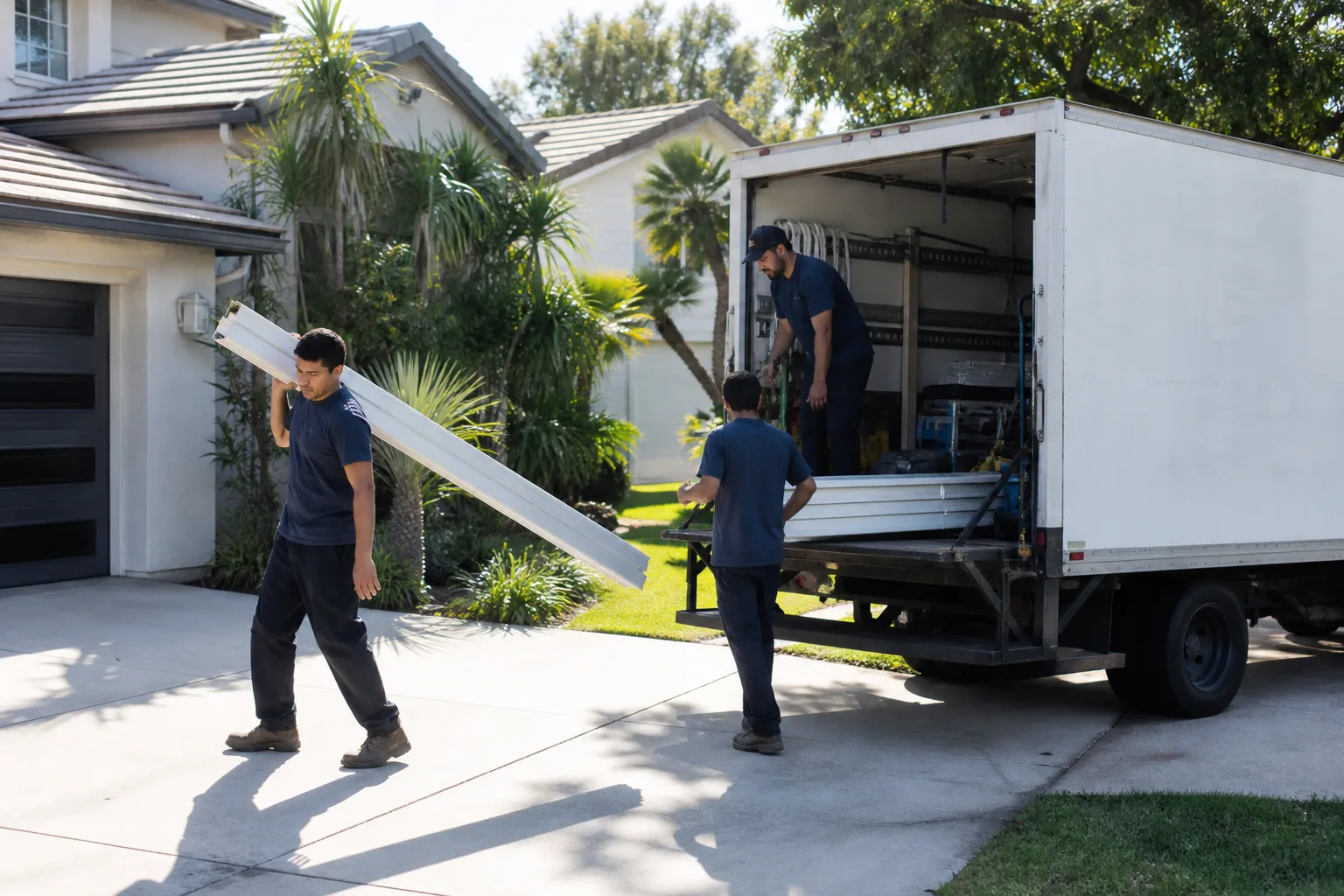
Last updated November 18, 2026
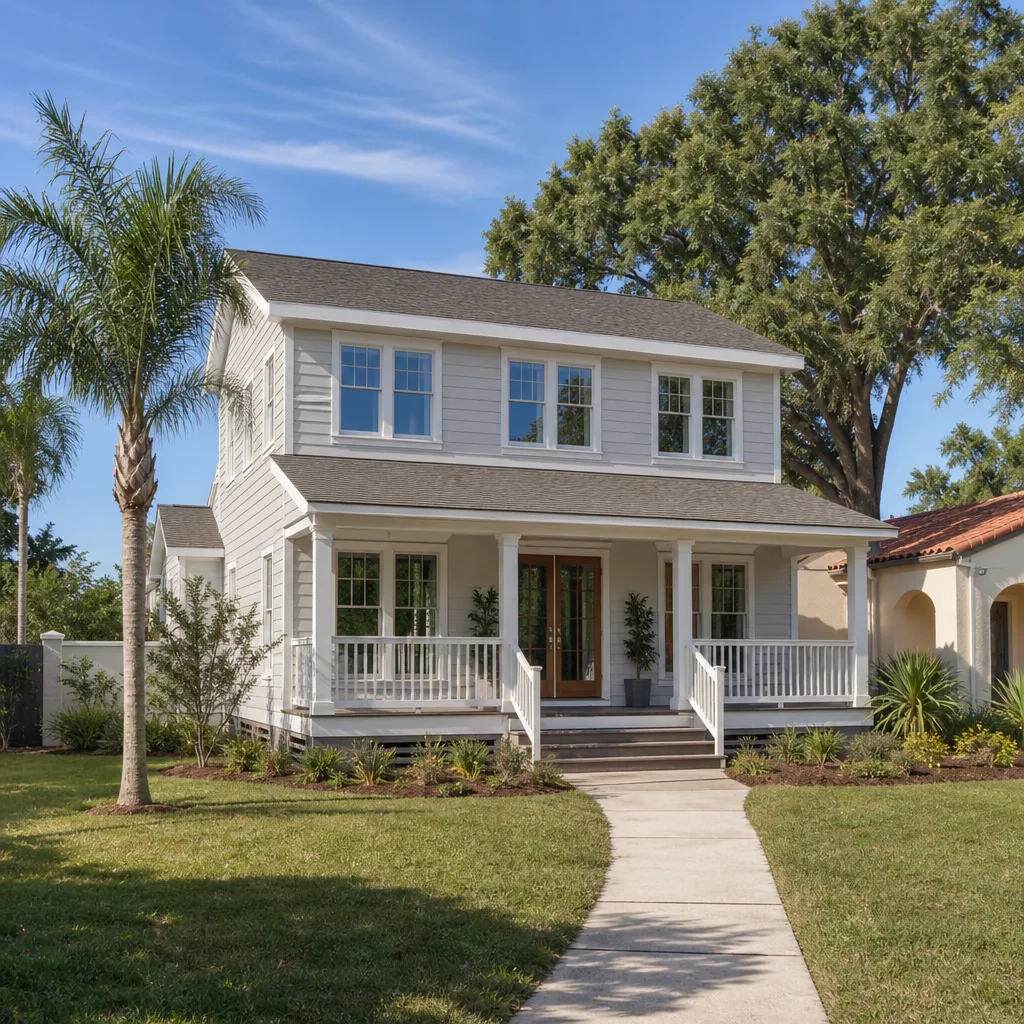

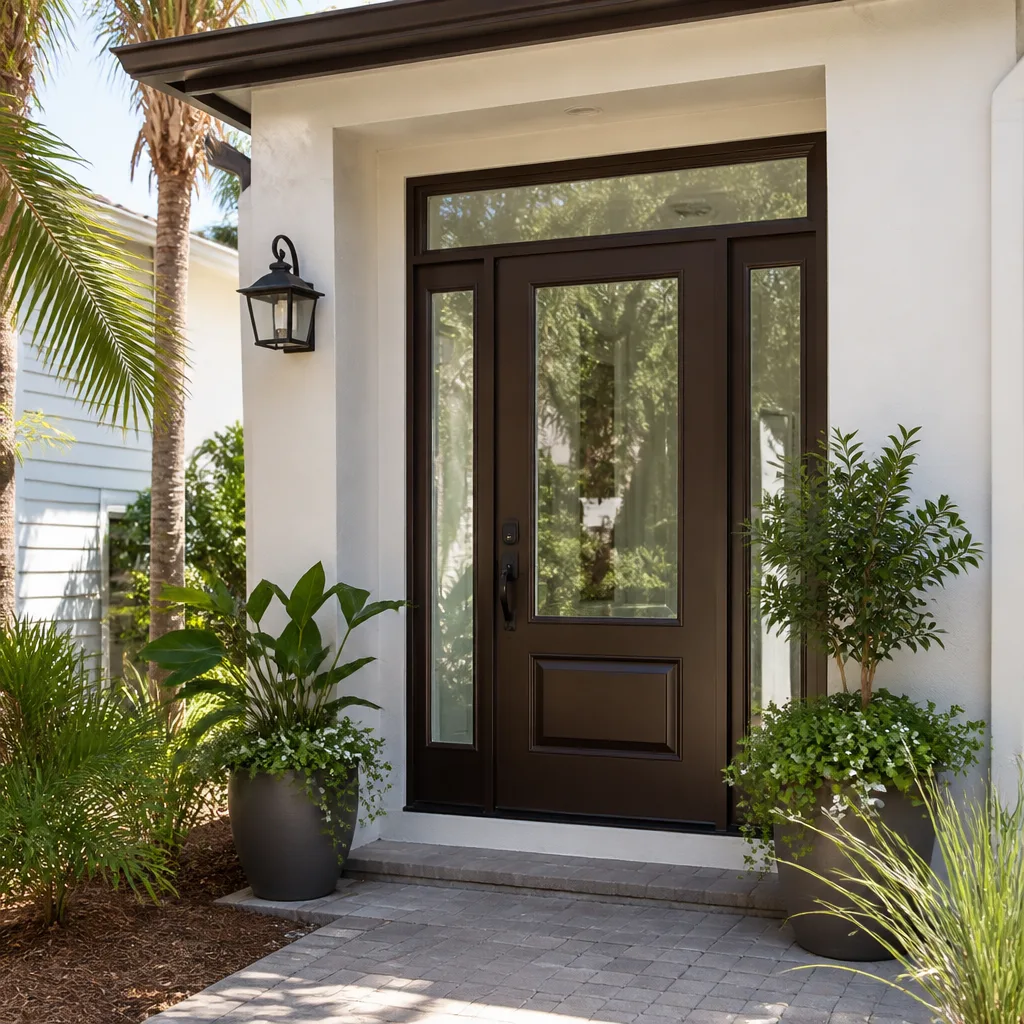
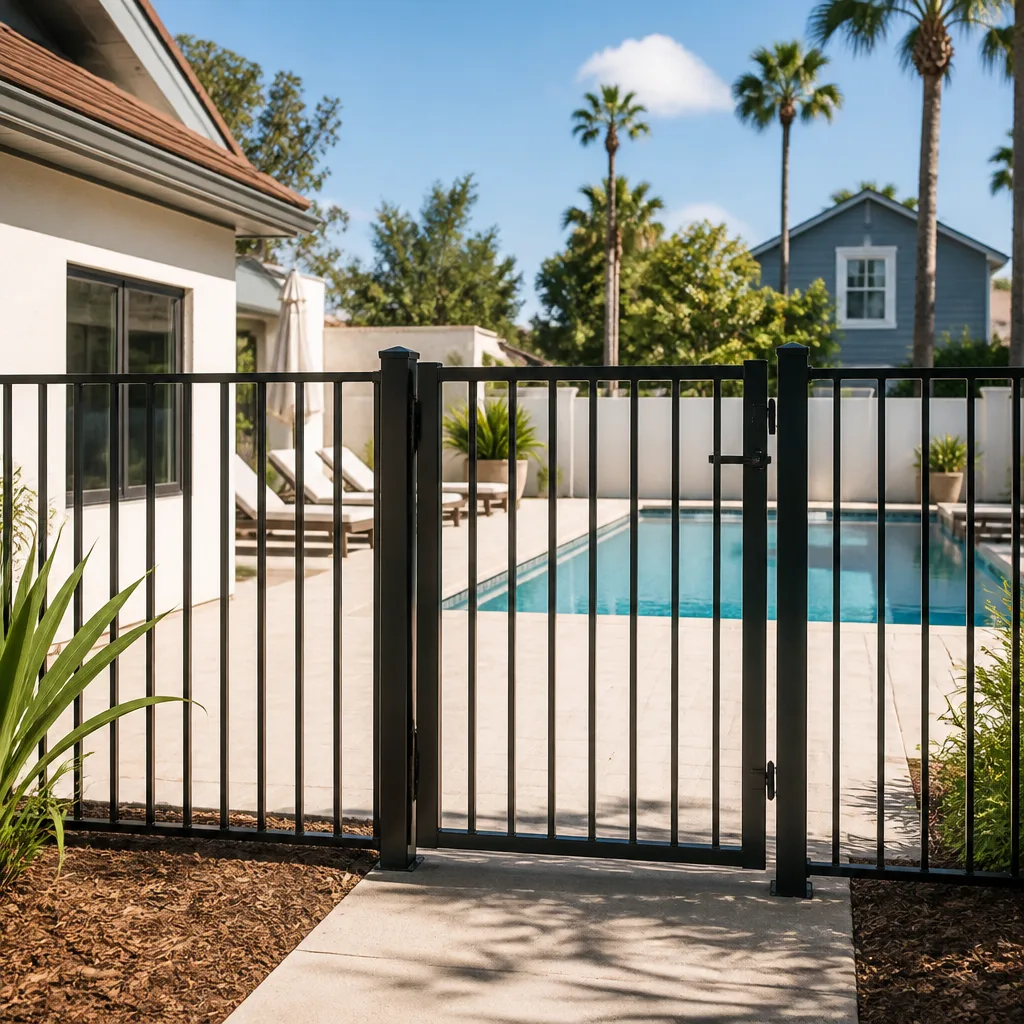
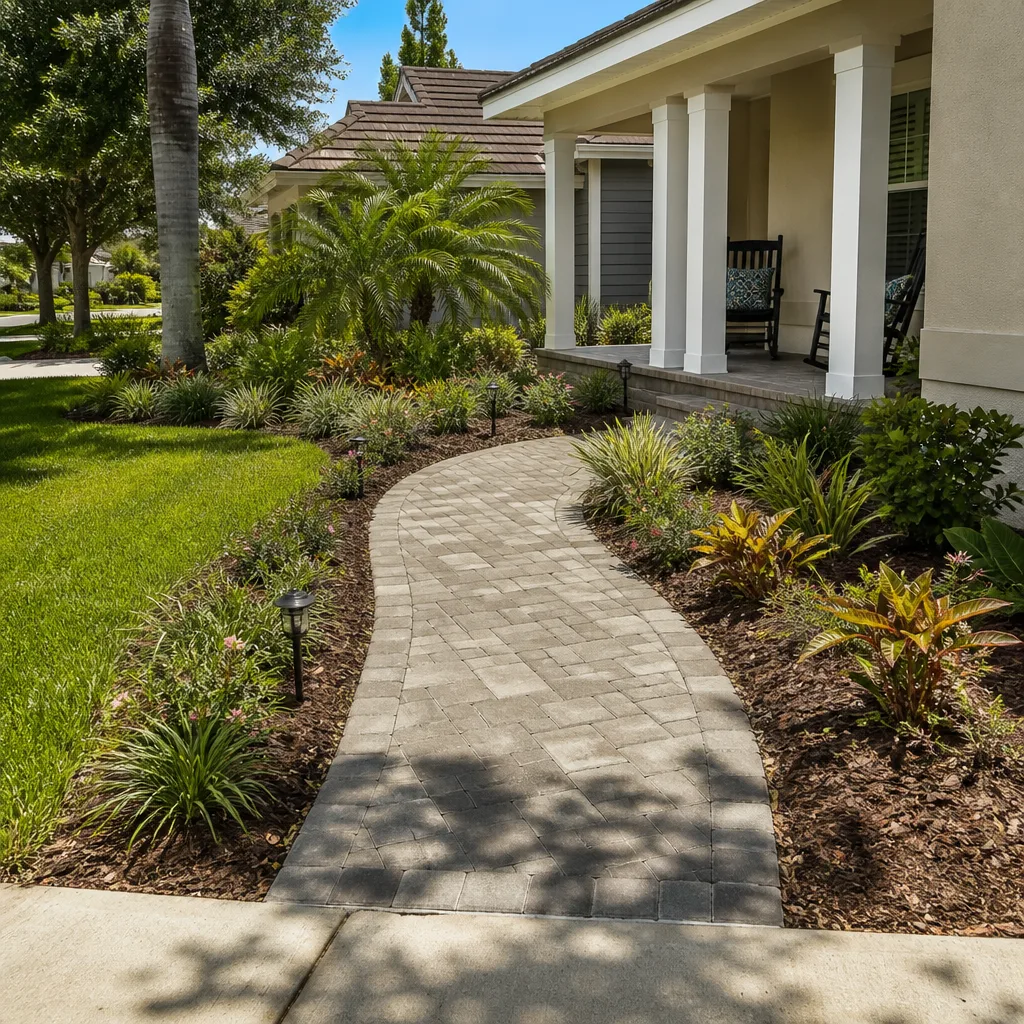



Free written scope consultation - allowances, timeline, and change-order rules on paper before a single trade is scheduled
How to Hire a Construction Contractor in Boulder City: A Step-by-Step Guide
One question almost no Boulder City homeowner asks, but should, is whether the contractor has ever pulled a permit specifically through Boulder City’s municipal office, not just Clark County. Plenty of builders work the wider Las Vegas Valley and can talk a good game about codes and inspections. That tells you nothing about whether they’ve navigated the Historic District design review on Nevada Way or know how the city’s building department wants a submittal packaged. This guide walks you through the vetting process that separates a real local track record from credential theater, from a ten-minute permit check to a payment schedule that keeps your leverage intact through the final walkthrough.
Quick Answer
To hire a construction contractor in Boulder City, verify three things before you sign anything: an active Nevada State Contractors Board license with the correct classification, a permit history pulled directly from the city’s building department, and a written contract with line-item pricing and a payment schedule tied to completed milestones rather than a large deposit. Then confirm the warranty is an enforceable document, not a slogan. Boulder City’s small contractor pool makes this diligence more important here than in the broader Las Vegas market.
Styles & brands we work with
- Kitchen remodeling
- Bathroom remodeling
- Home additions & ADU
- Roofing
- Windows & doors
- Driveway & pavers
- Fence
Table of Contents
- Why hiring in Boulder City is different from the rest of the Las Vegas Valley
- How to verify a contractor’s Boulder City permit history in under 10 minutes
- What a Nevada State Contractors Board license does and doesn’t tell you
- Red flags specific to Boulder City bids
- What a legitimate warranty document looks like
- How to structure the payment schedule so your leverage survives
- How to compare bids and evaluate the contractor’s answers
- Common mistakes to avoid
Why Hiring in Boulder City Is Different from the Rest of the Las Vegas Valley
Boulder City isn’t a suburb of Las Vegas that happens to sit a little further east. It’s a separately incorporated city with its own building department, its own design review process, and a housing stock that skews older than almost anywhere else in Clark County. That matters when you’re hiring, because the contractor who’s spent a decade working new-build subdivisions in Henderson may never have touched a 1940s bungalow near the Historic District or dealt with the city’s specific requirements for additions and remodels.
The homeowner base is different too. Boulder City has a high percentage of retiree and near-retiree homeowners, many of whom are planning major projects – a kitchen overhaul, an ADU, a roof replacement – with savings rather than financing. That combination of a smaller, wealthier, more deliberate buyer pool and a tighter contractor pool creates the exact conditions where credential theater thrives. A contractor can look impressive on a website and still have never walked a Boulder City submittal through the local office.
Our technicians have up to 12 years of experience, and the most consistent thing we hear from homeowners who’ve been burned is that they assumed local experience was the same as valley-wide experience. It isn’t. This guide is built to close that gap.
How to Verify a Contractor’s Boulder City Permit History in Under 10 Minutes
This is the step almost nobody does, and it’s the one that separates a contractor with real local experience from one who’s bluffing. Boulder City issues its own building permits through the municipal building department, so a contractor who has genuinely worked here will have a paper trail there.
- Call the Boulder City building department directly. Ask to speak with someone who can check permit history for a contractor name. Have the contractor’s exact business name and license number ready.
- Ask two specific questions. First: has this contractor pulled permits in Boulder City in the last two years? Second: were those permits finaled and inspected, or are any still open?
- Write down the answers. You’re looking for a concrete yes with dates, not a “let me check and call you back.” Open permits are a warning sign – they can mean work was started and never finished or never signed off.
- Cross-check against the state license. The name on the Boulder City permit should match the name on the Nevada State Contractors Board license.
- Ask the contractor the same question. A confident, specific answer that matches what the city told you is exactly what you want. Vagueness or a pivot to “we work all over the valley” is your answer.
Ten minutes on the phone with the city will tell you more about local accountability than any portfolio page. Do it before you get attached to a bid.
Why Boulder City permits matter more than county permits
A Clark County permit doesn’t demonstrate anything about Boulder City experience. The city has its own review process, its own inspectors, and its own expectations for how work is documented. The Historic District near downtown adds a layer of design review that many out-of-town contractors don’t anticipate, and a project that stalls in review costs you months. When you’re vetting a contractor for a Boulder City remodel, the local permit history is the single most direct signal of whether they’ve done this before.
What a Nevada State Contractors Board License Does and Doesn’t Tell You
Nevada has one of the stricter contractor licensing frameworks in the country, and an active license is a genuine baseline. It confirms the contractor has cleared the state’s requirements for their license classification, carries the required insurance and bond, and is subject to state oversight. Check it at the Nevada State Contractors Board’s own lookup, not on the contractor’s website – license status changes, and a copy of a certificate on a website can be out of date.
What the license doesn’t tell you is the thing that actually matters for your project: whether the contractor has worked in Boulder City, knows the building department, has handled the city’s design review, and has a track record of finaled permits here. A license is a floor, not a ceiling.
- License classification matters. Make sure the classification matches your project scope – an addition or structural work is a different category than a straightforward remodel.
- Check for complaints and disciplinary actions, not just active status. The state lookup surfaces this.
- Verify insurance and bond separately if the project is large. Ask for a current certificate of insurance made out to you.
- Confirm the name matches everywhere: the license, the contract, the permit applications, and the insurance certificate.
In a market where credential theater is easy, the state license is your baseline and the local permit history is your differentiator. Check both.
Red Flags Specific to Boulder City Bids
Bids that look fine in the broader Las Vegas market can have tells in Boulder City that homeowners learn to spot fast. We’ve seen every version of these while working alongside homeowners who got a second opinion after a bad first bid.
Vague historical compliance language
Phrases like “fully compliant with all applicable codes” or “code-compliant construction” tell you nothing. Ask which permits they’ll pull, from which office, and what the inspection sequence looks like. A contractor who can’t answer that for a Boulder City project hasn’t done it.
No mention of design review
Boulder City’s Historic District and certain overlay areas require design review. A bid that never mentions whether design review applies to your property is a bid from someone who hasn’t checked. That’s a project that stalls after you’ve already signed.
Lump-sum quotes with no line items
A single number with a scope described in a paragraph is a bid you can’t evaluate. You want line-item pricing broken out by trade or phase, so you can compare bids apples to apples and so you know what a change order will cost before it happens. If a contractor won’t break it out, ask why.
Pressure to sign on the spot
Any contractor who needs your signature today hasn’t given you time to do the permit check above. That’s the tell. A real local contractor will wait for you to do your homework.
- “We handle all permits – don’t worry about it” with no specifics.
- A warranty described in a sentence but not provided as a document.
- A deposit demand over 30% before any work begins.
- No physical address on the contract beyond a PO box.
- References who can’t describe their own project specifics.
What a Legitimate Warranty Document Looks Like
A warranty is a contract clause, not a warm feeling. Most homeowners discover the difference only when something fails two years in and the contractor is unreachable or the warranty turns out to be a year of “workmanship” with no written terms.
A real warranty document will do the following:
- State the covered period in writing, not in marketing language. “Backed by our promise” is not a warranty period. A specific duration is.
- Define what “workmanship” covers – labor, materials, or both – and what voids it.
- Name the process for making a claim, including how to reach the contractor and expected response windows.
- Confirm the manufacturer warranty separately. Every manufacturer warranty is separate from the workmanship warranty. Products from established brands like James Hardie or KraftMaid come with their own coverage; confirm you’re getting the product documentation, not just the installer’s promise.
- Give you a real remedy. If it’s not done right, what happens? A document that says the contractor “will make it right” is enforceable if there’s a defined process behind it. If there’s no process, it’s feel-good language.
Compare the warranty language side-by-side across bids. The bid that dedicates more than a sentence to the warranty is usually the bid that means it. Our own approach is the Groundwork Construction Co. of Boulder City home page standard: a 730-Day Done Right Promise, meaning if it’s not done right, we make it right. Ask every contractor you interview to put their warranty in writing before you compare bids.
How to Structure the Payment Schedule So Your Leverage Survives
This is the part of the contract most homeowners breeze past, and it’s the one that determines who has leverage if the job goes sideways. The wrong payment schedule hands all your power to the contractor after the first week. The right one keeps the contractor motivated through the final inspection.
- Keep the deposit modest. A deposit covers mobilization and materials, not the contractor’s cash flow for the whole project. Industry norms hover around a third for large projects; push to stay under that and don’t accept anything that front-loads the job.
- Tie every payment to a completed, inspectable milestone. Framing done, rough electrical inspected, drywall hung – each payment is tied to a phase you can see and verify, not to a calendar date.
- Withhold a meaningful final payment until the final inspection passes. That final payment should only release when the work is complete, the punch list is cleared, and the Boulder City inspector has signed off.
- Get the lien waiver process documented. Each payment should come with a conditional lien waiver from the contractor and, for larger projects, from subcontractors.
- Put change orders in writing before the work happens. Upfront pricing with no surprises means a change to scope is quoted and signed before anyone touches the wall.
If the contractor resists a milestone-based schedule, that’s a signal about how they run projects. The right schedule protects both sides and makes the final walkthrough a formality, not a negotiation. The other item to lock down here is the estimate itself – a written, line-item quote that matches the contract. Free estimates and written line-item quotes should be your baseline, and the number in the quote should be the number you pay unless you sign a change order.
How to Compare Bids and Evaluate the Contractor’s Answers
Three bids that look different are hard to compare. Structure them so you can.
Ask every contractor to quote the same line items in the same order – for example, demolition, framing, rough plumbing and electrical, drywall, finish carpentry, flooring, paint – and to state the brand of fixtures and materials at each line. A bid that lists James Hardie siding and KraftMaid cabinetry by name is a bid you can compare; a bid that lists “premium materials” is not. Pricing that includes GAF or Owens Corning roofing systems is also comparable across roofs; a generic “architectural shingles” line is not.
Then compare on the three things a bid can’t hide: the permit history from the city, the warranty document, and the payment schedule. A bid that wins on price but loses on those three is the more expensive bid. When the project is a bigger addition, the same framework applies – and the addition adds a design review step that should appear in the contractor’s written plan before bid submission. See Home Additions & ADU in Boulder City for what that scope looks like on the ground.
- Ask what happens on a stop-work day. Who makes the call, how is it communicated, and what does it cost you?
- Ask for two references from projects over two years old. Older projects test the warranty, not just the install.
- Ask who will actually be on site. Background-checked, uniformed technicians on every project is the standard to expect. Use the Driveway & Pavers in Boulder City project pages for examples of how scope and material lists should look.
Common Mistakes to Avoid
- Skipping the local permit check. A contractor’s website and portfolio can look identical whether they’ve worked in Boulder City or only in Henderson. A ten-minute call to the city’s building department separates the two.
- Trusting a warranty described only in conversation. Get the warranty document before you sign the contract. A 730-day promise with a defined remedy behind it is enforceable; “we stand behind our work” is not.
- Accepting a lump-sum bid for a complex remodel. Line-item pricing is your comparison tool and your protection against change-order creep. Push for it before you compare bids, not after.
- Paying a deposit over a third of the contract. That front-loads the job and strips your leverage. Negotiate a milestone-based schedule even if it’s not the default the contractor offers.
- Assuming design review doesn’t apply. Historic District and certain overlay properties in Boulder City require design review. Verify this before the project is scheduled, not after the submittal is rejected.
- Hiring on price alone. The lowest bid with no permit history and no warranty document is almost always the most expensive project.
- Not confirming the contractor’s insurance certificate is current and made out to you. A certificate naming the contractor as the insured doesn’t cover your property.
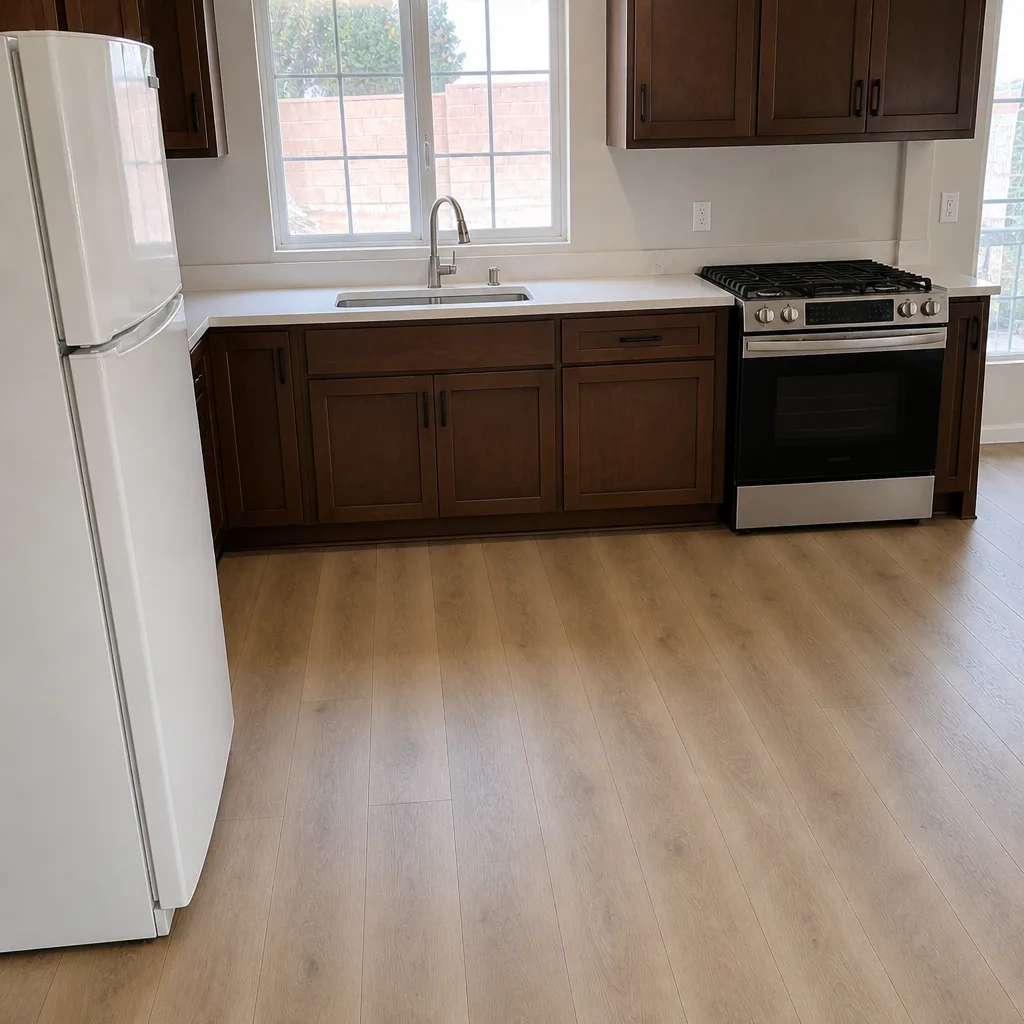
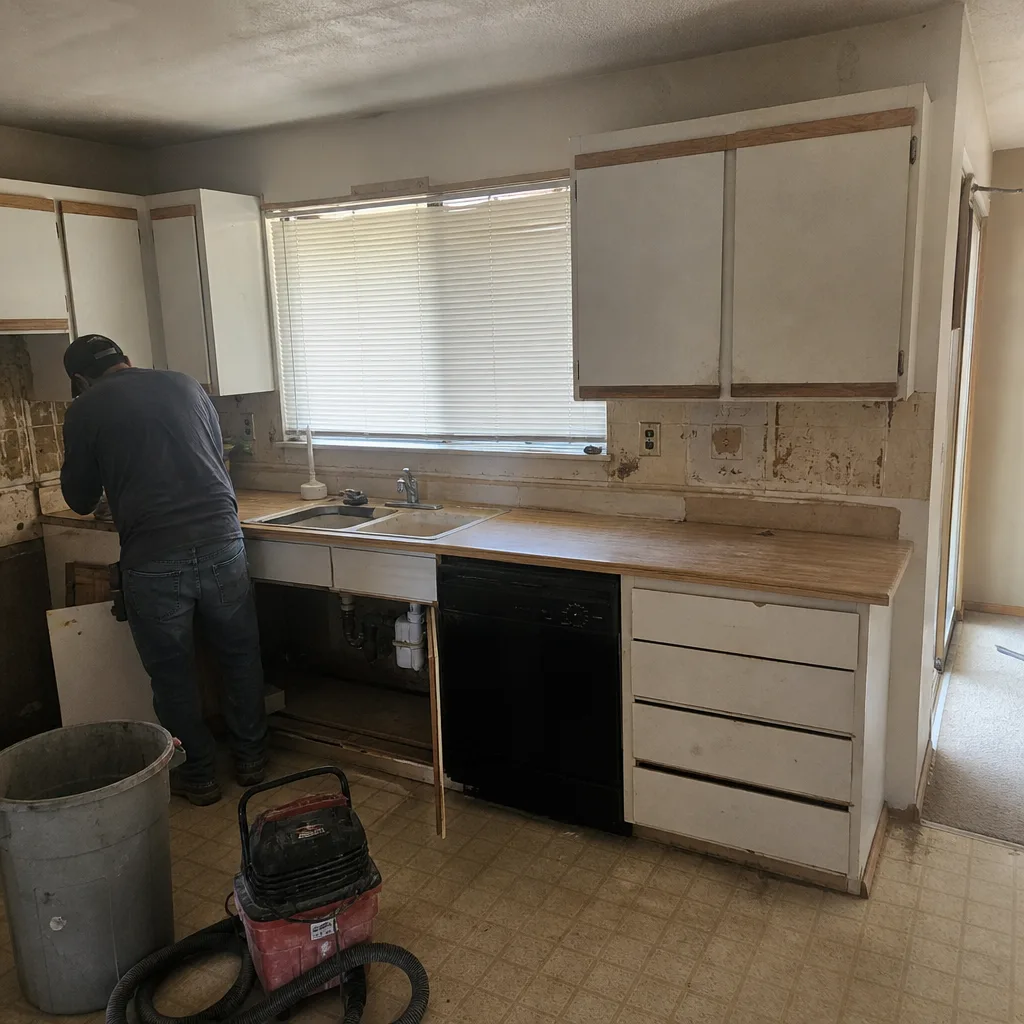
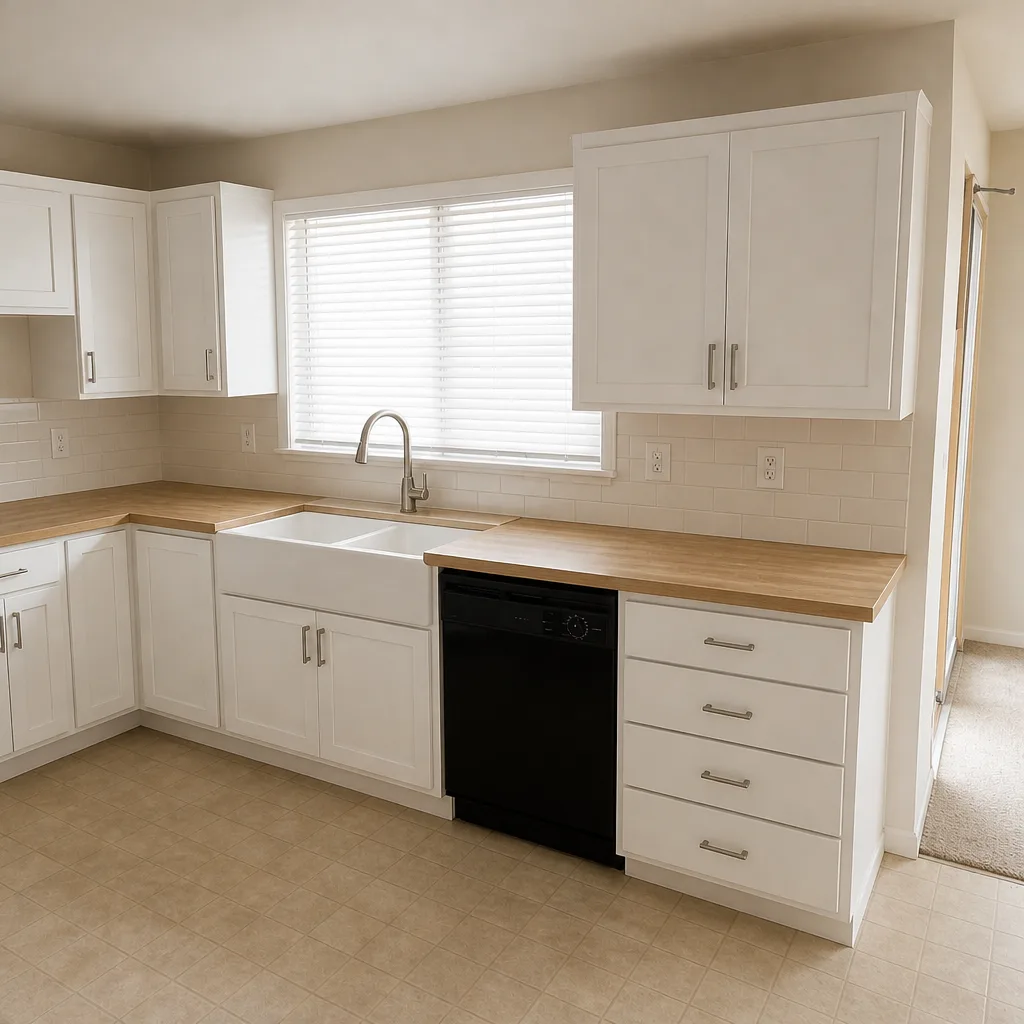
See the difference
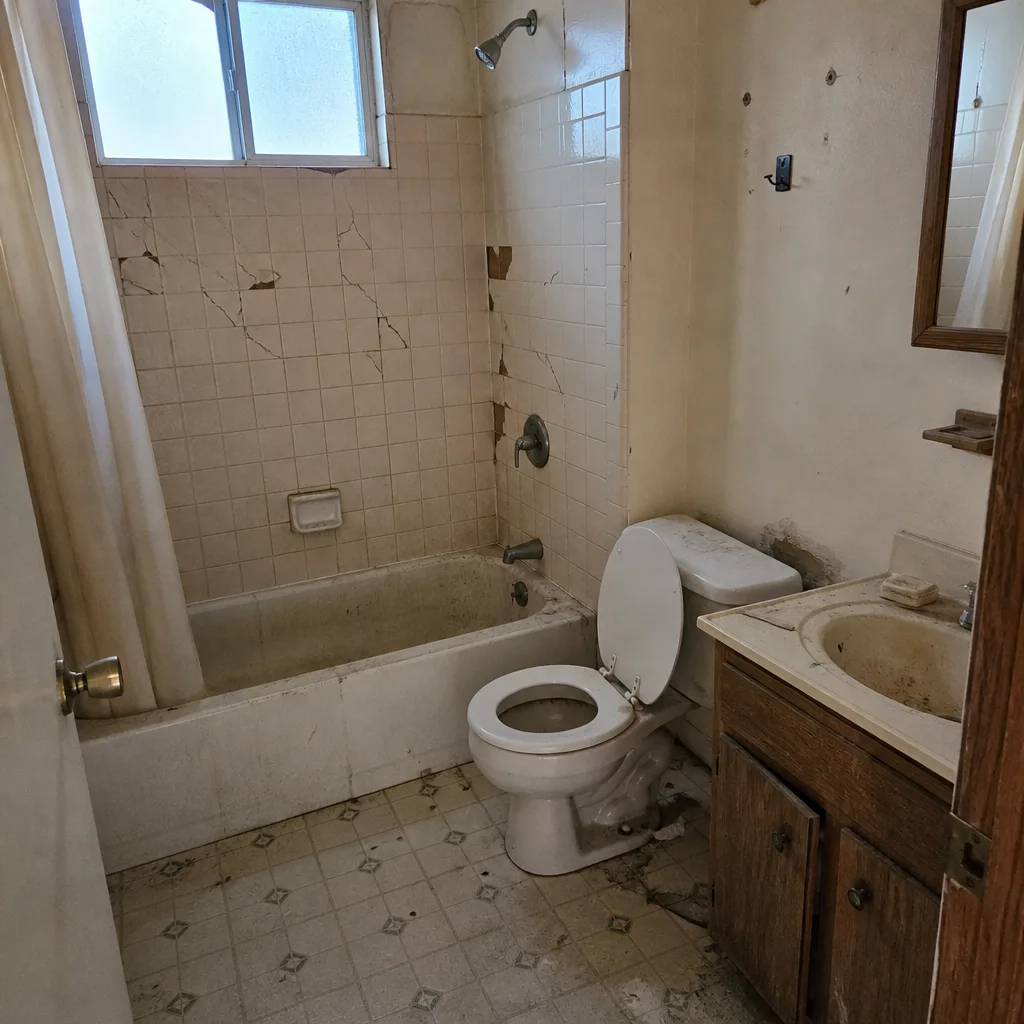 Before
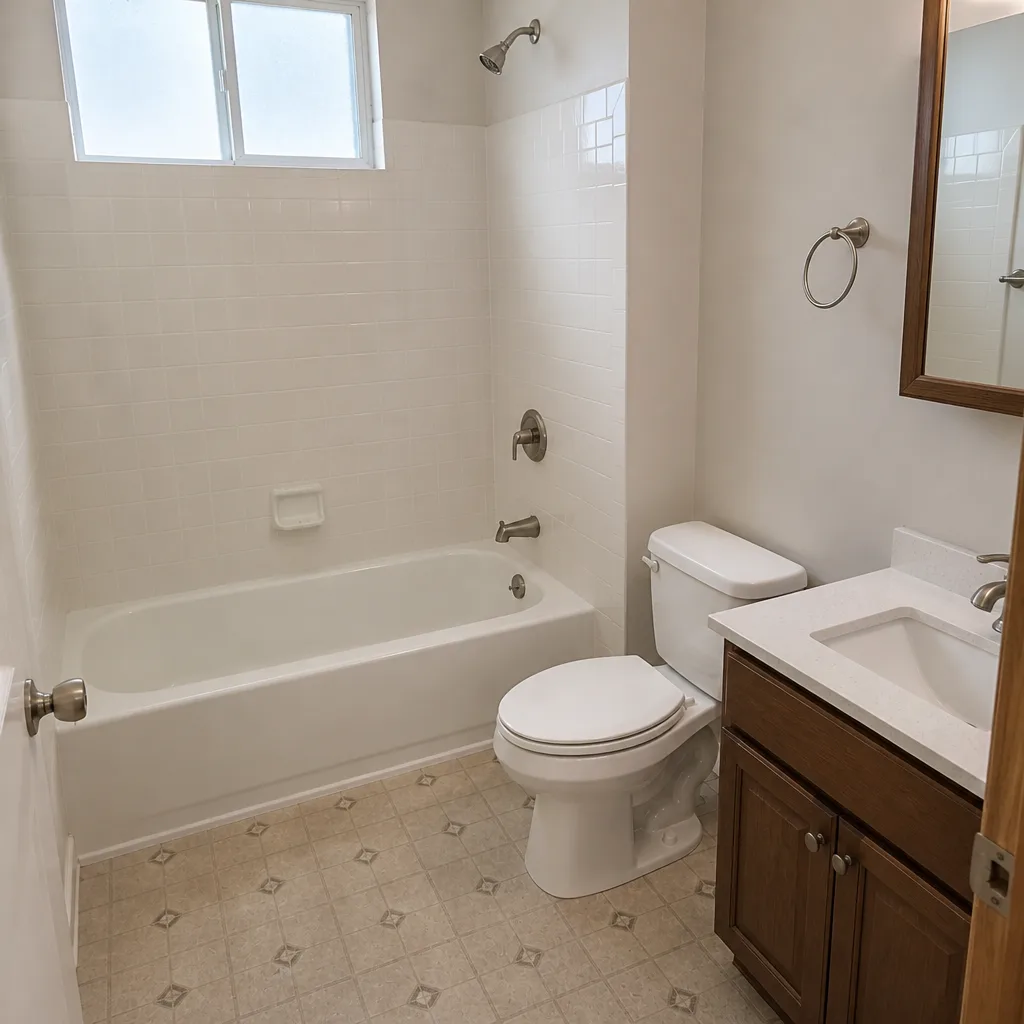 After
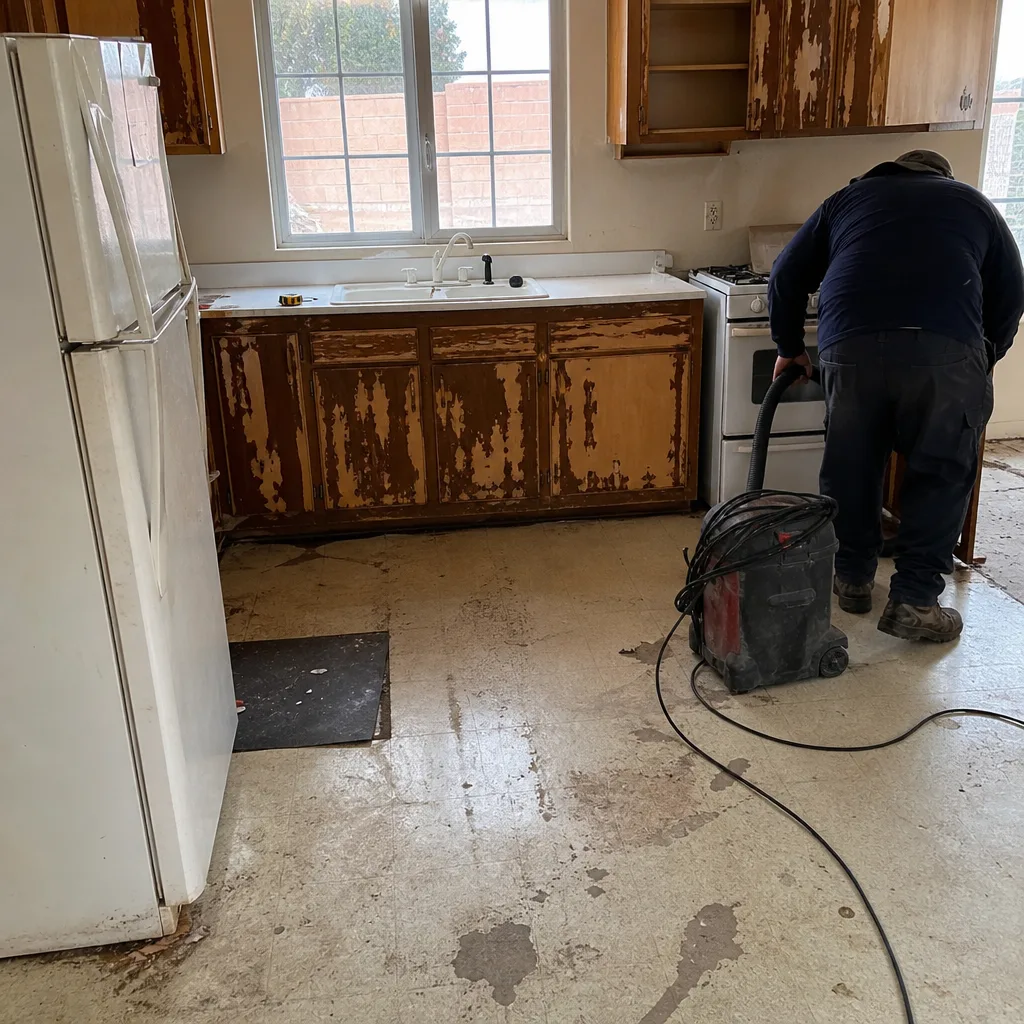 Before
 After
 Before
 After
When to Call a Professional
Some jobs are genuinely DIY. A fence repair after a windstorm, a fresh coat of paint, a paver path through the garden. Others aren’t safe or wise to do yourself, and that line is worth knowing. Structural work on an addition, anything that requires a permit through Boulder City’s building department, and any project involving wiring or gas in an older home all belong with a licensed professional. Roof and height work belongs with a pro for safety reasons alone; even a modest roof replacement involves fall risk and a system that has to integrate correctly with the rest of the envelope to stay watertight. And any remodel that touches the building’s footprint or systems is a project where the credential check above is the whole game.
If you’re at the bid-comparison stage and want a second opinion on the scope, Groundwork Construction Co. of Boulder City offers free estimates in Boulder City – call (888) 282-1693. We answer with a live person, 24/7, and a scope review is a good use of that call.
Frequently Asked Questions

For a mid-range kitchen remodel in Boulder City, expect a line-item total in the low-to-mid five figures; a bathroom remodel typically runs a fraction of that, and a roof replacement lands in the mid four figures to low five figures depending on pitch, material, and square footage. Additions and ADUs are priced per square foot and vary widely with site conditions. The useful number for you is the written line-item quote from each bidder. Call (888) 282-1693 for an exact quote – estimates are free.
Call Boulder City’s municipal building department and ask whether the contractor has pulled permits in the city and whether those permits were finaled. That’s the most direct check. The Nevada State Contractors Board license lookup is a separate check and confirms license status, classification, insurance, and bond – but it won’t tell you about local permit history. Do both before you sign.
For any work that requires a permit, yes. Nevada state law requires an appropriately licensed contractor for permitted work, and Boulder City’s building department will check the license when it processes the permit. For purely cosmetic work that doesn’t require a permit, the license question shifts, but the insurance and warranty questions don’t. When in doubt, verify the license.
It shouldn’t if you have a written line-item quote and a change order process. Upfront pricing with no surprises means the number in the contract is the number you pay unless you sign off on a scope change before the work happens. If a bid doesn’t include a written change-order clause, that’s a gap to fix before signing. Call (888) 282-1693 if you want a second look at a bid before you commit.
Yes. Our projects include pulling the applicable Boulder City permits, coordinating inspections with the city’s building department, and completing permit finalization before the final payment releases. Ask every contractor you interview the same question and get the answer in writing in the contract. Call (888) 282-1693 and we’ll walk through what your specific project will need.
Timelines depend on scope, permit turnaround, and whether design review applies to your property. A bathroom remodel usually runs a few weeks once work begins; a kitchen runs longer; a roof replacement is typically a few days of install. The variables that add time in Boulder City are permit review and design review, not the install itself. Get a written schedule with milestones in the contract so you have something to hold the contractor to. Call (888) 282-1693 for a project-specific timeline.
The Bottom Line
The most important hiring step in Boulder City is the one almost nobody does: verifying the contractor’s permit history directly with the city’s building department, not just trusting a state license and a polished website. Combine that check with a written warranty document you can actually read, a milestone-based payment schedule that releases final payment only after inspection passes, and a written line-item quote so you can compare bids fairly. In a smaller city with a tighter contractor pool, local track record is everything. If a bid doesn’t survive all four checks, it doesn’t survive. The contractors who do survive them are the ones you can hand a set of plans to with confidence.
If you’re ready to compare a real bid against what you’ve been given, we’re happy to help. Groundwork Construction Co. of Boulder City covers Fence Installation in Boulder City, exterior work, and the full-scope list of seven core service lines, all backed by the 730-Day Done Right Promise and upfront pricing. Our technicians are background-checked and arrive in uniform, and calls are answered by a live person, 24/7. Call (888) 282-1693 for a free estimate and a design consult. From foundation to finish line, we’ll put the scope in writing before you sign anything.
Written by the team at Groundwork Construction Co. of Boulder City.