Last updated November 18, 2026








Free written scope consultation - allowances, timeline, and change-order rules on paper before a single trade is scheduled
Windows & Doors Troubleshooting: Common Problems and How to Fix Them
A drafty window in Boulder City in July isn’t just an energy bill problem. In a home where the AC runs 14 hours a day, a failed seal can add $40 to $80 per month to your utility costs before you even notice a breeze. By the time most homeowners call us, they’ve been paying that premium for two summers. Here’s the part that stings: they often misdiagnose it, spend money resealing a frame that was never the problem, and the leak comes back the next season. This guide teaches you to trace a window or door problem to its actual source – the product, the installation, or the frame – so your fix lasts.
Quick Answer
Most window and door problems come from one of three sources: a failed sealed glass unit, a failed installation (flashing, caulk, or foam gaps), or a failed frame caused by settling or structural movement. Each has a completely different fix. Diagnosing the source first – before spending a dollar on repairs – is what separates a permanent solution from a repeating symptom. If moisture appears between the panes, you have a glass problem. If water shows up around the edges, you have an installation problem. If the window or door sticks or gaps unevenly, you likely have a frame problem.
Styles & brands we work with
- Kitchen remodeling
- Bathroom remodeling
- Home additions & ADU
- Roofing
- Windows & doors
- Driveway & pavers
- Fence
Table of Contents
- The Three Possible Causes – and Why Diagnosing the Right One Matters
- How to Tell If You Have a Failed Seal (Glass Unit Problem)
- How to Spot a Failed Installation (Flashing, Caulk, and Foam)
- How to Identify a Failed Frame (Settling and Structural Movement)
- The Condensation Diagnosis: When Moisture Means Replacement vs. Ventilation
- Door Alignment Troubleshooting: Hanging Wrong vs. Foundation Shift
- What You Can Fix Yourself vs. What Voids a Warranty
- When One Problem Signals a Whole-Envelope Issue
The Three Possible Causes – and Why Diagnosing the Right One Matters
Every window and door failure traces back to one of three layers. Getting the layer right is the whole job.
Layer one: the product. The window or door itself – the glass, the seal, the hardware, the weatherstripping – has failed. This is a manufacturing or age issue. A sealed glass unit loses its argon fill or its desiccant saturates and fogs. A door sweep wears thin. The fix lives in the product.
Layer two: the installation. The product is fine, but the way it was set into the wall has failed. Flashing was skipped or installed wrong. Caulk around the exterior trim cracked and let water behind the frame. Spray foam gaps left air channels. This isn’t a window problem – it’s an envelope problem wearing a window’s clothes.
Layer three: the frame. The rough opening or the surrounding wall has moved. The foundation settled, a header sagged, or a load shifted. Now the window or door is out of square and no amount of caulk will fix a frame that’s twisting.
Here’s why the diagnosis matters so much. In Boulder City, we regularly see homeowners spend $300 to $600 resealing and recaulking windows that were actually showing failed glass seals. The caulk didn’t fix it, the fog came back, and the real fix – a replacement glass unit – was still waiting. Reverse the mistake and you get the opposite: someone replaces perfectly good windows because moisture is actually coming from a missing kick-out flashing above them. Same symptom. Opposite, expensive solution. Trace the source first.
How to Tell If You Have a Failed Seal (Glass Unit Problem)
A failed seal means the insulated glass unit – the dual-pane sandwich with argon or krypton gas between the panes – has lost its integrity. It’s a product failure, not an installation one, and no amount of exterior work will fix it.
The tell: moisture, fog, or a milky haze trapped between the panes. Not on the inside of the glass you can wipe. Between. That’s the signature, and it’s definitive.
- Wipe both interior surfaces. Run a cloth inside the room and a cloth outside. If the fog remains between the panes, the seal has failed.
- Look for a rainbow or oil sheen. A failing seal often shows a faint shimmer before full fog sets in – early-stage failure.
- Check for water droplets at the bottom of the unit. Standing moisture between panes means the desiccant has saturated.
- Test for draft at the perimeter, not the center. If air moves at the frame edge, that’s installation. If the glass feels cold in the middle but no draft, the gas fill may be gone.
The fix is a replacement insulated glass unit, not a whole new window in most cases. Quality units – think Andersen or PGT – hold their seals far longer than bargain-bin glass, but no seal lasts forever. In Boulder City’s heat, the thermal cycling between a 110-degree exterior and a 72-degree interior works a seal harder than in a mild climate. We’ve seen ten-year-old units fog on the south face of Boulder City homes while the north-facing glass is still clear. Orientation matters. Sun exposure matters.
One more thing: a failed seal is usually covered under the glass manufacturer’s warranty if the window is young enough. Check the paperwork before you pay for the replacement out of pocket.
How to Spot a Failed Installation (Flashing, Caulk, and Foam)
Installation failures show up as water intrusion or air leaks around the window or door, not through the glass. The window is a bystander. The wall is the suspect.
Walk the exterior and check these four spots in order:
- Head flashing above the unit. Water should shed away from the wall, not behind it. If flashing is missing or reversed (a “reverse shingle” mistake), water gets funneled into the wall cavity. This is the single most common installation failure we find.
- Kick-out flashing at the roof-wall intersection. If a roofline dumps water against a window’s top corner without a kick-out to redirect it, that corner will fail every rainy season.
- Caulk joints at the exterior trim. Caulk cracks from UV exposure and thermal expansion. In Boulder City, exterior caulk on a west-facing wall takes a hard beating from sun and heat. If the bead is cracked, water gets behind it.
- Interior air gaps around the jamb. Pull the interior trim back at a corner. If you see daylight, foam fill is inadequate or missing. That’s your air leak – and it’s a draft, not a glass failure.
Installation failure is a flashing and sealant problem, and fixing it means re-flashing, re-caulking, and re-insulating the gap correctly. It is not a window replacement. That distinction is where homeowners overspend. A properly installed window on a well-flashed opening can last decades; its installation is what fails first if it was rushed.
How to Identify a Failed Frame (Settling and Structural Movement)
When a window or door is out of square – sticking, gapping unevenly, or no longer closing flush – the cause is often the frame or the wall around it, not the product.
Quick test: Open the window or door a few inches. Does the gap at the top, bottom, and both sides stay roughly consistent as it swings or slides? If one corner is tight and the opposite corner is wide, the frame is racked. That’s a square problem, not a hardware problem.
- Settling: one corner of the opening has dropped. Common over time on clay-heavy soils and around graded lots.
- Header sag: the beam above the opening is deflecting, pushing down on the top of the frame.
- Rough opening out of square from the start: the installer set the window into a crooked hole and caulked over it. You only notice years later when the hardware starts to bind.
- Wood rot: moisture got into the jamb or the lower frame, softened the wood, and the window stopped holding its alignment.
Frame problems are the trickiest of the three because they can be cosmetic or structural. A slightly rotted sill board is a carpentry fix. A racked frame from foundation movement needs a structural evaluation before anyone touches the window – replacing the window won’t fix a frame that’s still moving. In many Boulder City homes, frame movement points to a larger settling issue that calls for a look at the foundation and drainage before any window work happens. If the diagnosis lands there, it’s worth a professional walkthrough of the broader home, including the scope of a home addition or ADU project in Boulder City if you’re planning structural work anyway.
The Condensation Diagnosis: When Moisture Means Replacement vs. Ventilation
Condensation is the symptom homeowners misread most often. Moisture on the interior surface of the glass and moisture between the panes are two completely different problems.
Moisture between the panes = failed seal = replacement glass unit. That’s the product failure described above. No ventilation adjustment fixes it.
Moisture on the room-side surface = a humidity problem, not a window problem. The window is doing its job – the glass is the coldest surface in the room, so household moisture condenses there first. That condensation is telling you the interior air is too humid or the home is under-ventilated, not that the window failed.
Run this sequence before spending anything:
- Is the moisture inside the room or trapped between panes? Between = replacement. Inside = keep reading.
- Does it happen only in the morning or on cold mornings? That points to overnight humidity build-up from showers, cooking, or a dryer venting indoors.
- Is the exhaust fan actually pulling air? Hold a tissue to the bath fan grille – if it doesn’t stick, the fan is weak or the duct is blocked.
- Is the home’s ventilation balanced? A tightly sealed home in Boulder City can trap moisture even with the AC running. An ERV or a simple bath-and-kitchen exhaust upgrade often solves it.
- Does it happen on one window only, or everywhere? One window suggests a glass or install issue. Every window suggests a home humidity issue.
When condensation is widespread and you’ve confirmed the glass is fine, ventilation adjustments – better bath fans, kitchen exhaust, or a dehumidifier in shoulder seasons – fix the symptom for a fraction of the cost of replacement. Catch this distinction early and you save thousands.
Door Alignment Troubleshooting: Hanging Wrong vs. Foundation Shift
A door that rubs, sticks, or won’t latch can be hanging out of alignment for two very different reasons. One is a hinge and frame fix. The other is a foundation flag. You need to know which.
Test first: check the reveal. Look at the gap between the door slab and the jamb at all four corners. On a healthy door, the gaps are even. If the gap at the top is wide while the gap at the hinge side is tight, the door has dropped – a hinge or frame issue. If the whole door is out of square with the jamb – the top gap is uneven, the bottom gap is uneven, and the latch won’t line up – that’s more likely a frame or structural shift.
Signs it’s just the door hanging:
- One hinge is loose or the screws are stripped.
- The door was fine for years and then started rubbing after someone slammed it.
- The floor has a hump the door is dragging on.
- The weatherstripping is worn and the door is sagging into the gap.
Signs it’s the foundation or the frame:
- The door rubbed for years, then the whole house started showing cracks at the drywall corners and around the door opening.
- Windows in the same wall are also sticking.
- Doors that used to latch now won’t, and the gap widened on its own.
- You can see a diagonal crack running from a door corner up the wall.
If you’re seeing those secondary signs, the door is a symptom. Call a professional before you hang a new door into a frame that’s still moving. That’s a structural question wearing a door’s clothes. A construction partner that handles the full envelope can diagnose it correctly and, if the project grows, fold it into bigger work like the Groundwork Construction Co. of Boulder City home, which covers the whole scope under one warranty.
What You Can Fix Yourself vs. What Voids a Warranty
Plenty of window and door fixes are well within reach for a careful homeowner. Others will cost you your product warranty if you touch them – and the difference is worth knowing before you pick up a caulk gun.
Safe to handle yourself:
- Weatherstripping replacement on doors and operable windows – a wear item, cheap, and straightforward.
- Door sweeps and threshold seals – pull the old one, match the size, screw or slide the new one in.
- Re-caulking exterior trim joints – scrape out the cracked bead, clean, and apply paintable exterior caulk rated for sun exposure. In Boulder City, use a UV-rated product; standard interior-grade caulk bakes and cracks fast here.
- Tightening a loose hinge or replacing stripped screws with longer screws or a hinge-repair plate.
- Lubricating tracks, rollers, and hinges – a silicone or dry lubricant on sliding door tracks extends life.
Better left to a professional:
- Sealed glass unit replacement – improper handling breaks the seal you just paid for, and the installer’s warranty covers labor only if it’s done by a certified installer.
- Flashing repairs – re-flashing means disturbing siding and integrating with the WRB. Get it wrong and you void both the window and the siding warranty.
- Frame or structural repairs – anything that changes the rough opening, reframes the header, or addresses rot in the jamb.
- New window or door installation – the product warranty is tied to proper installation, and the manufacturer will ask for the installer’s documentation if a claim comes up.
We’re clear with every customer: warranty lives with proper installation. A $200 fix that voids a warranty covering thousands in glass is a bad trade. Groundwork Construction Co. of Boulder City offers free estimates in Boulder City to inspect the work, confirm what’s safe to DIY, and quote the rest with no-hassle upfront pricing.
When One Problem Signals a Whole-Envelope Issue
A single sticky window is a repair. A pattern of failing windows and doors across a home is a signal that the whole building envelope needs a look.
Watch for these whole-house signs:
- The same wall fails repeatedly. Every south-facing window fogs, every west-facing door rubs. Orientation-specific failure points to a build or install defect, not product luck.
- Multiple windows and doors are misaligned at once. That’s frame movement from settling or moisture, not individual product failure.
- Drafts everywhere. If every window in a Boulder City home leaks air at once, the envelope – the flashing, sheathing, and insulation layer – has a systemic gap.
- You’re re-caulking every spring. Caulk isn’t supposed to need annual patching. If it does, water is getting where it shouldn’t.
- Utility bills creeping while usage stays flat. A slow air-infiltration problem across many windows shows up on the bill before it shows up on the glass.
When one persistent problem shows up across the whole envelope, that’s the moment to have it evaluated professionally rather than chasing individual windows one at a time. Repairs done in isolation can hide a failing envelope behind fresh caulk. We’ve walked Boulder City homes where seven window-edge leaks traced back to a single missing wall WRB detail, and one repair closed all seven. That’s the value of diagnosing the source. This is also the point to look at the whole exterior scope – windows and doors first, then driveway & pavers in Boulder City or drainage work, since water management is best planned together.
Common Mistakes to Avoid
- Re-caulking over a failed glass seal. If the fog is between the panes, caulk won’t fix it – you’ll still be paying for the energy loss while the seal stays broken. Diagnose the glass first.
- Replacing a window that only leaks at the perimeter. Perimeter water is an installation problem. New glass into the same poorly flashed opening leaks again within a season. Fix the flashing.
- Ignoring condensation on the room-side glass. That’s usually a humidity and ventilation problem, not a window failure. Chasing the glass wastes money you should be spending on a bathroom fan or whole-home ventilation.
- Patching a door that’s out of square with a piece of cardboard. Shimming the hinge hides a frame that’s moving. If secondary cracking is showing up around the door, call for the structural diagnosis.
- Using interior caulk on an exterior joint in Boulder City. Interior-grade caulk will fail under this sun and heat, and the redo costs more than doing it right the first time. Use exterior, UV-rated sealant.
- DIY-ing a glass unit replacement. It’s the fastest way to void the glass warranty. Let a certified installer handle the sealed unit and preserve the coverage.
- Fixing one window and ignoring the pattern. A single failure is a repair; a wall full of failures is an envelope issue. Don’t put lipstick on a systemic problem.
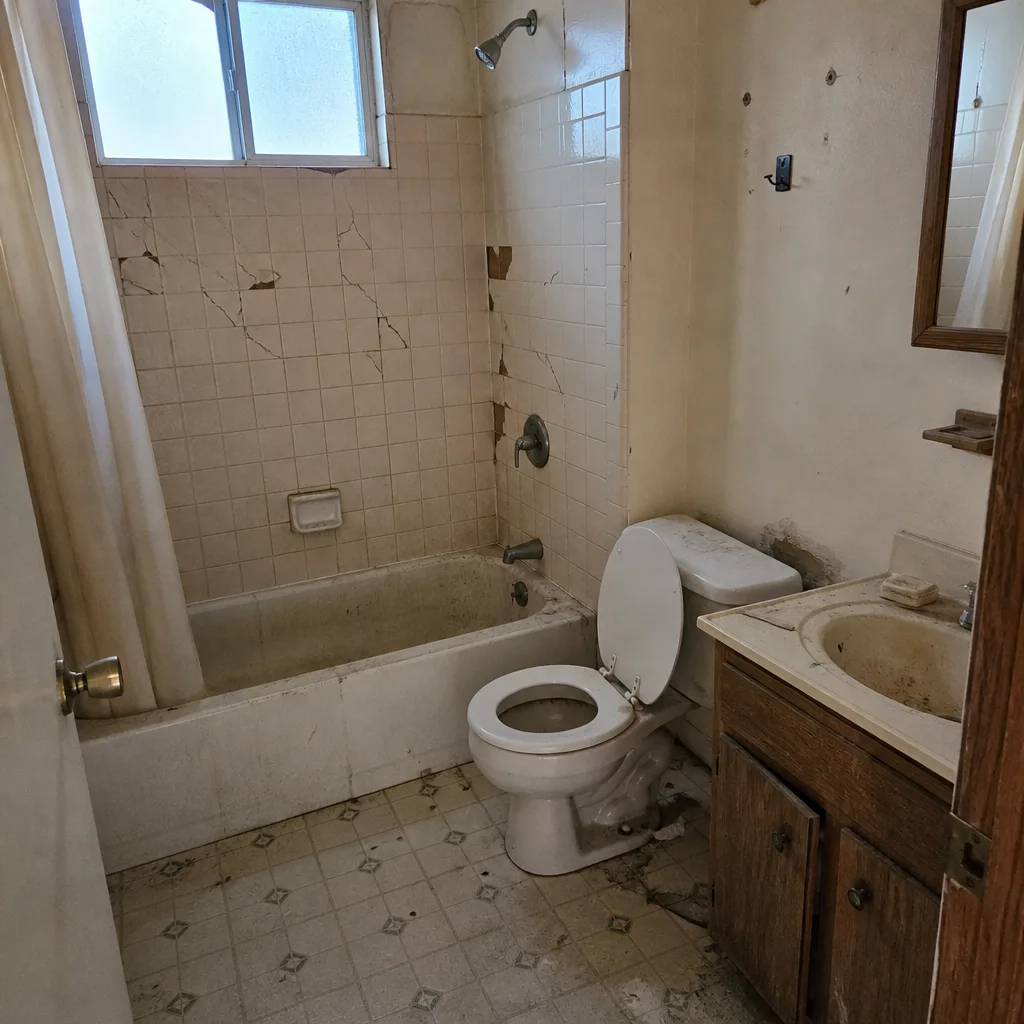
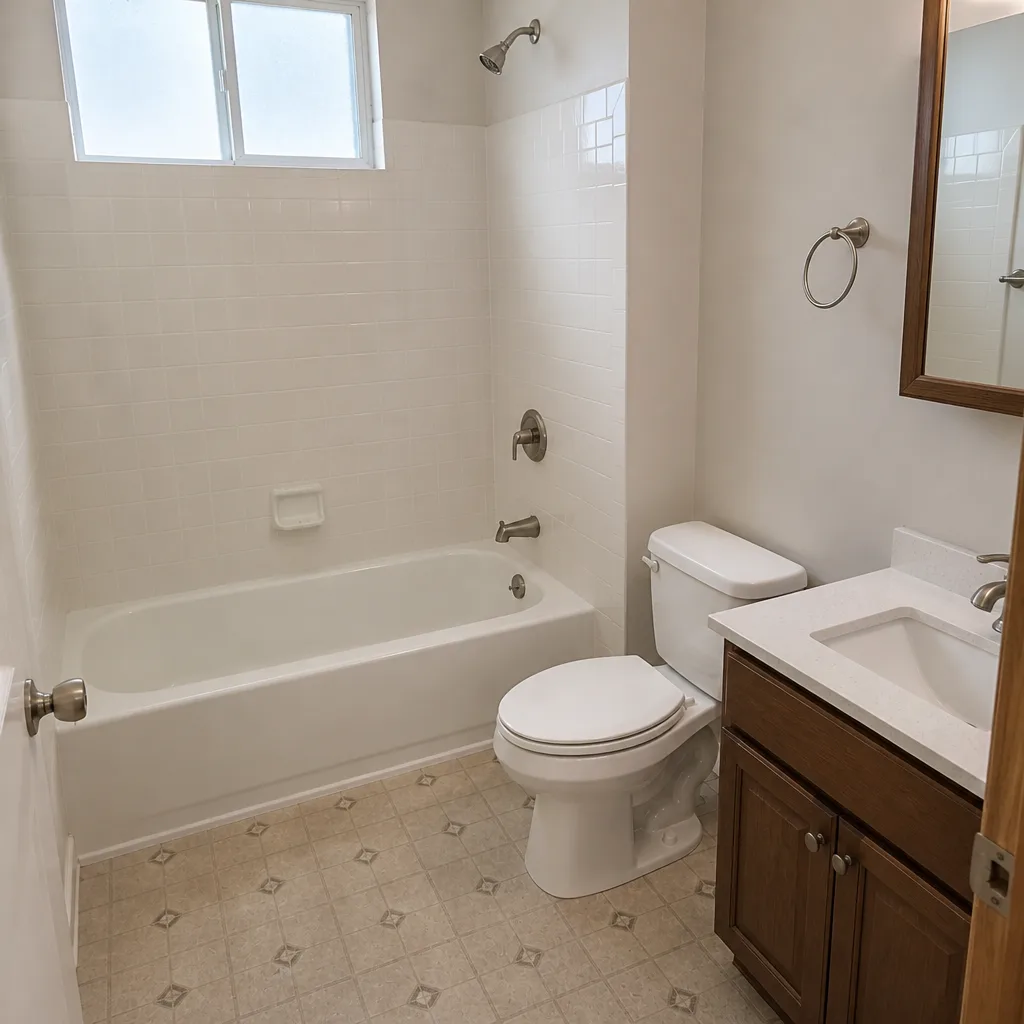
See the difference
 Before
 After
 Before
 After
 Before
 After
When to Call a Professional
Call a professional when the diagnosis points to the installation or frame layer rather than the product; when moisture appears between panes and the unit is under warranty; when a door is out of square with the jamb and drywall cracks are appearing around it; or when you’re seeing the same failure across multiple windows and doors on the same wall. Those four scenarios are where homeowner fixes tend to repeat, cost more, and void coverage. For straightforward weatherstripping, door sweeps, loose hinges, and exterior re-caulking, you’re fine doing it yourself. When it’s anything deeper – glass replacement, flashing, frame repair, or a full window and door upgrade – get a proper walkthrough. Groundwork Construction Co. of Boulder City offers free estimates in Boulder City, backed by our 730-Day Done Right Promise and no-hassle upfront pricing – call (888) 282-1693.
Frequently Asked Questions

Look at where the problem shows up. If moisture, fog, or a milky haze is trapped between the two panes of glass, the sealed unit has failed – that’s a product problem. If water or a draft is coming in around the edges of the window, at the trim, or at the corners, the installation has failed – the flashing, caulk, or foam gap is the culprit. The first calls for a replacement glass unit; the second calls for re-flashing and re-sealing. Call (888) 282-1693 for an exact diagnosis and a free estimate.
No – it’s a reason to replace the sealed glass unit, which is usually a fraction of the cost of a whole new window. The frame and the installation are often perfectly fine, and only the insulated glass unit needs swapping. That said, if the moisture has been there long enough to rot the frame or the wood sill, the scope grows. The takeaway: get it diagnosed early. Call (888) 282-1693 for a free estimate – we’ll tell you whether it’s a glass unit or a bigger problem.
Not necessarily – a sticking door is often just a hinge issue, a worn sweep, or a floor hump. The foundation question comes down to secondary signs. If the drywall around the door is cracking, other doors and windows in the same wall are also misaligned, or the whole door is out of square with the jamb and won’t latch, foundation movement becomes a real suspect. In that case, call (888) 282-1693 for a walkthrough – free estimates, and we’ll diagnose the actual source before recommending a fix.
Interior surface fog is a sign of high household humidity and under-ventilation, not a window failure. The glass is simply the coldest surface in the room, so moisture condenses there first. Check your bath and kitchen exhaust fans, confirm they actually pull air, and consider a dehumidifier or ERV in shoulder seasons. If it’s happening on every window in the house, ventilation is the fix, not glass. Call (888) 282-1693 if you want a professional assessment before spending on repairs.
Yes, straightforward exterior re-caulking is a safe DIY job – but you must scrape out the old bead completely, clean the joint, and use an exterior UV-rated caulk, not interior-grade product. Interior caulk bakes and cracks fast in Boulder City’s sun and heat, and the failure shows up within a season. If the caulk is failing because water is getting behind the flashing, that’s a professional flashing repair. Call (888) 282-1693 for a free estimate if you’re unsure which layer you’re dealing with.
One window failing is a repair – often a single glass unit or a flashing fix. A pattern of failures on the same wall, misalignment across multiple windows and doors, or repeated re-caulking every spring points to a whole-envelope problem. That’s when a full evaluation makes sense, and sometimes a broader window and door upgrade is the right investment. At that point, premium products from partners like Andersen or PGT, installed correctly under a 730-Day Done Right Promise, deliver a fix that lasts. Call (888) 282-1693 for a free estimate.
The Bottom Line
Most window and door problems fall into one of three categories: the product (failed seal), the installation (flashing and caulk), or the frame (settling and movement). Diagnosing the right layer first is what stops you from fixing a symptom while the real problem keeps coming back. Read the moisture. Check the perimeter. Test the square. And pay attention to patterns: a single sticky window is a repair, while a wall full of failures is an envelope issue worth a professional evaluation. Do the two-minute diagnosis before spending, and you’ll save thousands over the life of the home. If you’re in Boulder City and not sure which layer you’re facing, call (888) 282-1693 for a free estimate – we’ll trace the source with you and quote the right fix, backed by our 730-Day Done Right Promise.
Written by the team at Groundwork Construction Co. of Boulder City.