Last updated November 18, 2026


Free written scope consultation - allowances, timeline, and change-order rules on paper before a single trade is scheduled
DIY vs Professional Home Additions & ADU: What’s Safe to Do Yourself
Nevada lets a homeowner pull their own construction permits as an owner-builder. That single fact has launched a thousand DIY dreams. Here’s what those videos leave out: the moment you sell a Boulder City home with owner-built square footage, you’re required to disclose it, and a buyer’s lender can refuse to finance that footage without a licensed contractor sign-off. That sign-off often costs more than hiring a pro the first time. This guide breaks down what Nevada law actually permits you to do, where the insurance and title risks hide, and which tasks you can safely take on to cut your contract price without touching licensed-trade work.
Quick Answer
Nevada’s owner-builder permit lets you legally build or expand a home you’ll live in, but the bulk of an addition still requires licensed trades for structural, electrical, plumbing, and mechanical work, and unpermitted or owner-built work can void insurance and complicate resale. The safe DIY zone for additions and ADUs is demolition, site prep, cleanup, and select finish work, not framing, wiring, gas, or anything that carries an inspection stamp you can’t back up.
Styles & brands we work with
- Kitchen remodeling
- Bathroom remodeling
- Home additions & ADU
- Roofing
- Windows & doors
- Driveway & pavers
- Fence
Table of Contents
- What Nevada’s Owner-Builder Permit Actually Allows
- Trade-by-Trade: Structural, Electrical, Plumbing, and Mechanical
- The Insurance Liability Gap Most DIYers Miss
- What You Can Safely Do Yourself on an Addition or ADU
- Resale and Title Implications in Clark County
- Cost-Benefit: When DIY Actually Costs More in Boulder City
- Boulder City Codes, Climate, and the ADU Question
- Common Mistakes to Avoid
What Nevada’s Owner-Builder Permit Actually Allows
Nevada Revised Statutes allow a property owner to act as their own general contractor on a home they intend to occupy. In plain terms, you can pull permits in your own name for work on your primary residence without holding a contractor’s license. That’s the legal opening people point to when they decide to build their own addition.
What the statute doesn’t say is that you can do all the work yourself. What it says is that you can be the person holding the permit. You’re still bound by the same building code, the same inspection schedule, and the same subcontractor licensing rules as any general contractor working in Boulder City. If you bring in an electrician to rough in the wiring, that person needs to be licensed. The owner-builder exemption covers you personally. It doesn’t cover a friend who happens to know wiring.
There are limits worth understanding before you commit:
- Occupancy requirement: Owner-builder permits are intended for a home you’ll live in, not a spec build or a rental property.
- Disclosure on sale: When you sell, you sign a disclosure stating the work was owner-built. This is where most of the downstream pain lives.
- One-at-a-time rules: Nevada limits how often you can use the owner-builder exemption, precisely to stop it from being used as a contractor workaround.
- Full code compliance: Nothing about an owner-builder permit relaxes the building code or skips an inspection.
In our experience working Boulder City neighborhoods from the older lots off Nevada Way to the newer pockets near the golf course, the homeowners who get the best outcome from an owner-builder permit treat it as a management license, not a labor exemption. They handle scheduling, budgets, and finishes, and they hire licensed trades for the work that carries real liability. That’s the difference between a permit that helps you and one that wrecks a resale.
Trade-by-Trade: Structural, Electrical, Plumbing, and Mechanical
The line between safe DIY and hire-a-pro isn’t drawn evenly across trades. Some parts of an addition are genuinely manageable for a careful homeowner. Others are the reason people end up paying twice. Here’s how each trade breaks down for a Boulder City addition or ADU.
Structural Work
Framing, footings, shear walls, headers, and roof connections carry the load of your addition, and they’re the hardest items to correct once covered. A failed structural inspection means tearing out finished drywall, not adjusting a switch. For an ADU, the foundation and lateral bracing under seismic and wind loading requirements leave almost no room for guesswork. This is the clearest hire-a-pro call in the whole project. The engineered plans, the footing pours, and the load-path details are not a weekend learning curve, and the rework costs dwarf any labor you’d save.
Electrical
Adding circuits, running a subpanel, or wiring a detached ADU involves load calculations, proper grounding, arc-fault protection, and inspection sign-offs. Electrical mistakes are also the number one cause of house fires traced to renovations. A trained electrician works to code and pulls the inspection that protects your insurance. Do not touch anything past swapping a light fixture.
Plumbing
An ADU or addition with a bathroom or kitchenette needs supply lines, drain slopes, vent stacks, and pressure testing. A slow leak behind a wall doesn’t announce itself until the framing is soft and the drywall is stained. Our technicians have up to 12 years of experience and still call in a plumber for line work. That’s not a lack of confidence; it’s knowing where an error costs you an insurance claim.
Mechanical (HVAC, Gas)
Ductwork sizing, refrigerant lines, gas connections, and combustion venting are all mechanical system work, and gas lines in particular can kill if they leak. Additions often need full system resizing because the original HVAC was never engineered for the new square footage. This is a licensed-mechanical-only zone, full stop.
The Insurance Liability Gap Most DIYers Miss
This is the part of the DIY conversation that doesn’t show up in most tutorials. Your homeowner’s insurance is written against an assumed risk profile: a home built and maintained to code by licensed hands. The moment you start an addition, you change that profile, and the way you change it matters.
If something goes wrong during construction, an unpermitted or non-code build gives an insurer grounds to dispute the claim. A fire traced to improvised wiring, water damage from a faulty drain line you ran yourself, or a structural issue in an addition that never got inspected can all become claims the carrier declines or fights. You may also find that during construction itself, your policy doesn’t cover the work in progress the way you assumed.
Here’s the practical sequence we walk Boulder City homeowners through before a build starts:
- Call your insurance agent and confirm what coverage extends to an addition in progress.
- Make sure every trade that touches structural, electrical, plumbing, or mechanical work is licensed and insured, and ask for certificates.
- Pull permits and get every inspection signed off. The paper trail is what protects you if a claim ever comes.
- Keep the signed inspection cards and contractor certificates with your closing documents.
Unpermitted work is the worst version of this. If an addition was built without permits, insurers can treat the space as if it doesn’t exist, so a fire in that room may not be covered at all. That’s a gap worth closing before you frame a single wall in Boulder City.
What You Can Safely Do Yourself on an Addition or ADU
Cutting your contract cost without risking your insurance is entirely possible. The trick is knowing which tasks carry real liability and which are honest sweat equity. Here’s the realistic DIY scope for an addition project.
Safe to do yourself:
- Demolition: Tearing out old finishes, removing cabinets, pulling up flooring, and clearing the work zone. Confirm what’s load-bearing first, and never knock out a wall before someone qualified confirms it’s not structural.
- Site prep and cleanup: Clearing the lot, staging materials, hauling debris, and keeping the active site orderly.
- Final paint and stain: Interior paint, trim touch-up, and staining are low-risk and highly visible savings.
- Finish carpentry that isn’t structural: Baseboards, shelving, and trim installs.
- Landscaping around the addition: Grading soil away from the new foundation and setting up drainage swales. For hardscape and paver work around the addition, our look at Driveway & Pavers in Boulder City covers what’s realistic to handle versus what needs a crew.
- Property line prep for fencing the new yard: If your addition changes how the lot is enclosed, our Fence Installation in Boulder City guide explains where the boundaries and code lines sit.
Not safe to do yourself:
- Anything structural: framing, footings, shear walls, roof connections.
- Any electrical beyond fixture swaps, and none of the panel or circuit work.
- Any plumbing supply or drain line work.
- Any gas line or HVAC system work.
- Waterproofing of a wet area or roof tie-in, which is where the roof-to-addition junction lives. Our roofing team knows these junctions well, and if your existing roof has issues before the addition starts, a full replacement through our Groundwork Construction Co. of Boulder City home page covers the options.
The pattern is consistent: labor that requires an inspection to sign off is not DIY labor. Labor that just makes the job look finished is where you save.
Resale and Title Implications in Clark County
Owner-built additions leave a paper trail, and that trail follows the house. When a Boulder City home with owner-built square footage sells, the seller typically completes a disclosure form identifying the work as owner-built rather than contractor-built. That single checkbox changes how a buyer’s lender treats the property.
Here’s where it gets painful. Many buyers, especially those using conventional financing, have lenders who will only count and finance square footage that was built by a licensed contractor with permits and inspection records. Owner-built footage can be excluded from appraised square footage, which shrinks the home’s effective living area and its value right when you’re negotiating a sale. If the buyer needs that square footage to close, they may require a licensed contractor sign-off confirming the work meets code. That sign-off often requires re-inspection and sometimes opening walls to verify what’s inside. In many cases, the cost of that retrospective verification exceeds what it would have cost to hire a professional the first time.
Title can get tangled too. Unpermitted additions can create a mismatch between the recorded square footage and the actual improvements, which a title company will flag and a lender will demand be resolved before closing. That means paying for retroactive permits and changes to the county record, on top of the original build. The clean path is permits in the first place, inspections signed off, and records that match the house. If resale value is part of your plan, treat the paper trail as seriously as the framing.
Cost-Benefit: When DIY Actually Costs More in Boulder City
There’s a common assumption that doing it yourself always saves money. On an addition or ADU, that math often flips. Here’s how the real numbers tend to break down for a Boulder City project, using typical local contractor rates as a reference point rather than a quote.
- Licensed electrical for an ADU: A typical rough-in and panel upgrade runs in the low-to-mid four figures. A single miswired circuit corrected after inspection, plus re-inspection fees and drywall repair, can run nearly as much again.
- Plumbing for a bath addition: Supply, drain, and vent work typically runs in the mid four figures. A leak discovered after finish can add framing repair, flooring replacement, and drywall refinishing on top.
- Structural framing correction: If a structural inspection fails and a shear wall has to be reworked, the rework cost alone frequently exceeds the entire original framing bid.
- Owner-built re-inspection before sale: Retroactive contractor sign-off, re-inspection, and opening walls for verification can add up to a significant line item at sale time, and it reduces your negotiating leverage.
- Lender exclusion of square footage: If owner-built footage isn’t counted, the appraised value can drop by more than the entire project’s labor savings.
Where DIY genuinely wins: demolition (often worth a few thousand in saved labor), interior paint, and cleanup. Those are the categories where sweat equity translates to real dollars without touching the inspection stamp. On everything else, being honest about the rework and resale math is what separates a project that pays for itself from one that quietly costs more.
We build additions and ADUs across Boulder City from foundation to finish line, and we’ll always tell you the same thing: price the risk, not just the labor. If you’re planning a project and want a real number to compare against your DIY math, a professional addition and ADU build is where our team spends most of its time. Our Home Additions & ADU in Boulder City page lays out how we structure a build and what gets pulled and inspected during it.
Boulder City Codes, Climate, and the ADU Question
Boulder City is a small, historic town with a character all its own, and that shapes how additions get built here. The town has strong preservation interests along the older streets, and a new addition near a historic block is more likely to bump into design review than one out toward the edges. That’s a scheduling reality to plan for, not a roadblock.
Then there’s the climate. Boulder City sits in the Mojave with intense summer heat and wide temperature swings. That matters for an addition in three specific ways:
- Foundations: Heat and soil movement put pressure on footings, which is one more reason an engineered foundation is not a DIY call.
- Roof tie-ins and waterproofing: The junction where a new addition roof meets the old one is where leaks show up in the first big rain or the first hundred-degree week. Getting that transition right is expert work.
- Insulation and HVAC sizing: A poorly insulated addition in Boulder City heat pushes a system beyond what it was sized for. Mechanical sizing should be a licensed call.
On ADUs specifically: accessory dwelling unit rules vary by jurisdiction and have been evolving across Nevada, so the first step is always a call to the city’s planning department to confirm current allowances for your lot. Do that before you draw anything. It’s the cheapest step in the whole process and the one that saves the most heartache. If your aim is a guest suite or rental-ready unit, our team at Groundwork Construction Co. of Boulder City builds these regularly and can walk you through what the permit path actually looks like.
Common Mistakes to Avoid
- Pulling an owner-builder permit and then playing contractor for the whole job. The permit covers you as the manager, not the electrician. Doing licensed-trade work under your own permit is where inspections and insurance start going against you.
- Skipping permits because “it’s just an addition.” Unpermitted work can leave the space uninsured, and it will surface at resale in Boulder City. The permits are the paper trail that protects you.
- Assuming DIY framing will pass inspection the first time. Structural inspections fail on details like shear nailing and load paths that aren’t obvious without experience. Rework on framing runs straight through finished walls.
- Overlooking the resale disclosure until sale day. The owner-built disclosure is a legal requirement in Nevada, and many lenders limit financing on that footage. Know the cost of that lever before you build, not after.
- Forgetting to tell the insurance company. Coverage during construction and after isn’t automatic. Call your agent before demolition starts, not after a problem.
- Assuming an ADU is allowed on any lot. ADU allowances change by jurisdiction and lot, and starting without confirming the current rules is the most expensive shortcut homeowners take.
- Treating the roof tie-in as a weekend job. The addition-to-existing-roof junction is the most leak-prone seam in the build, and Boulder City’s heat and rain cycles will find any gap. Get that detail done by a pro.
See the difference
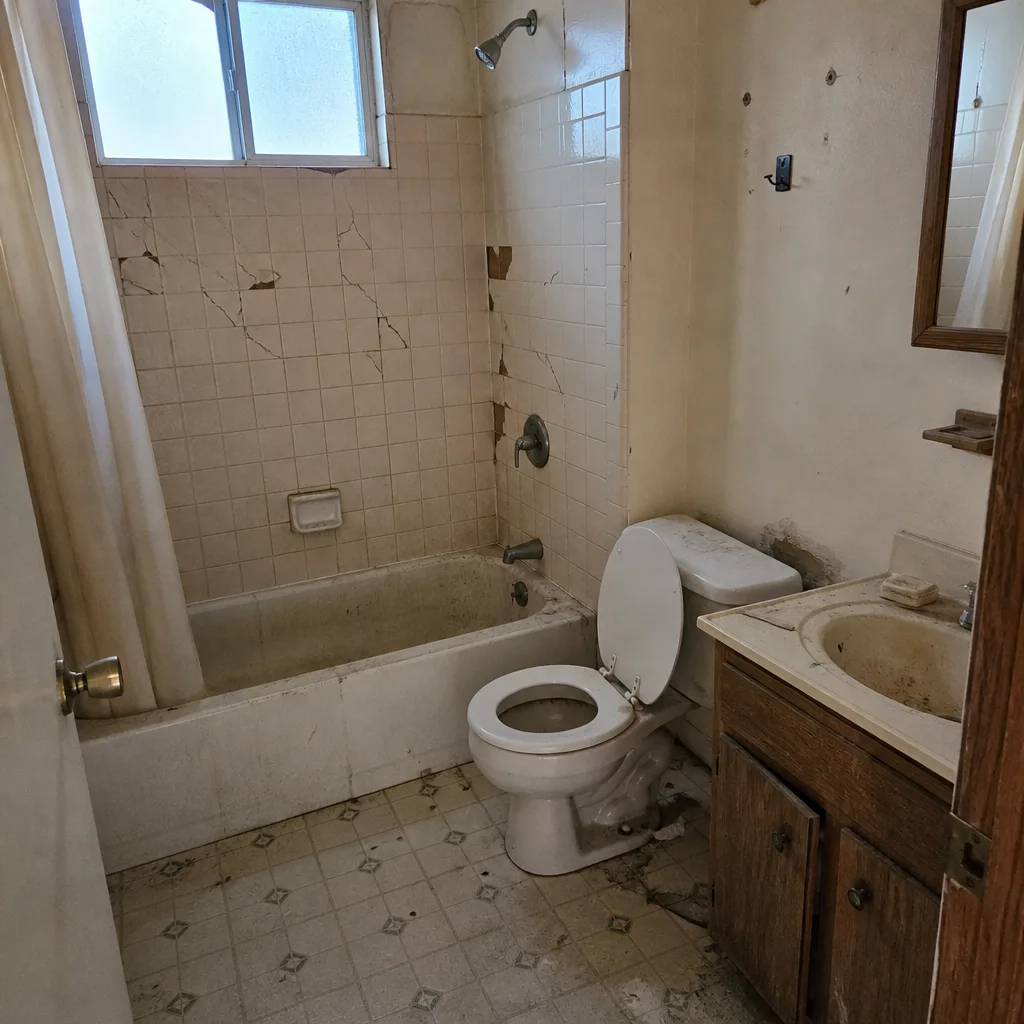 Before
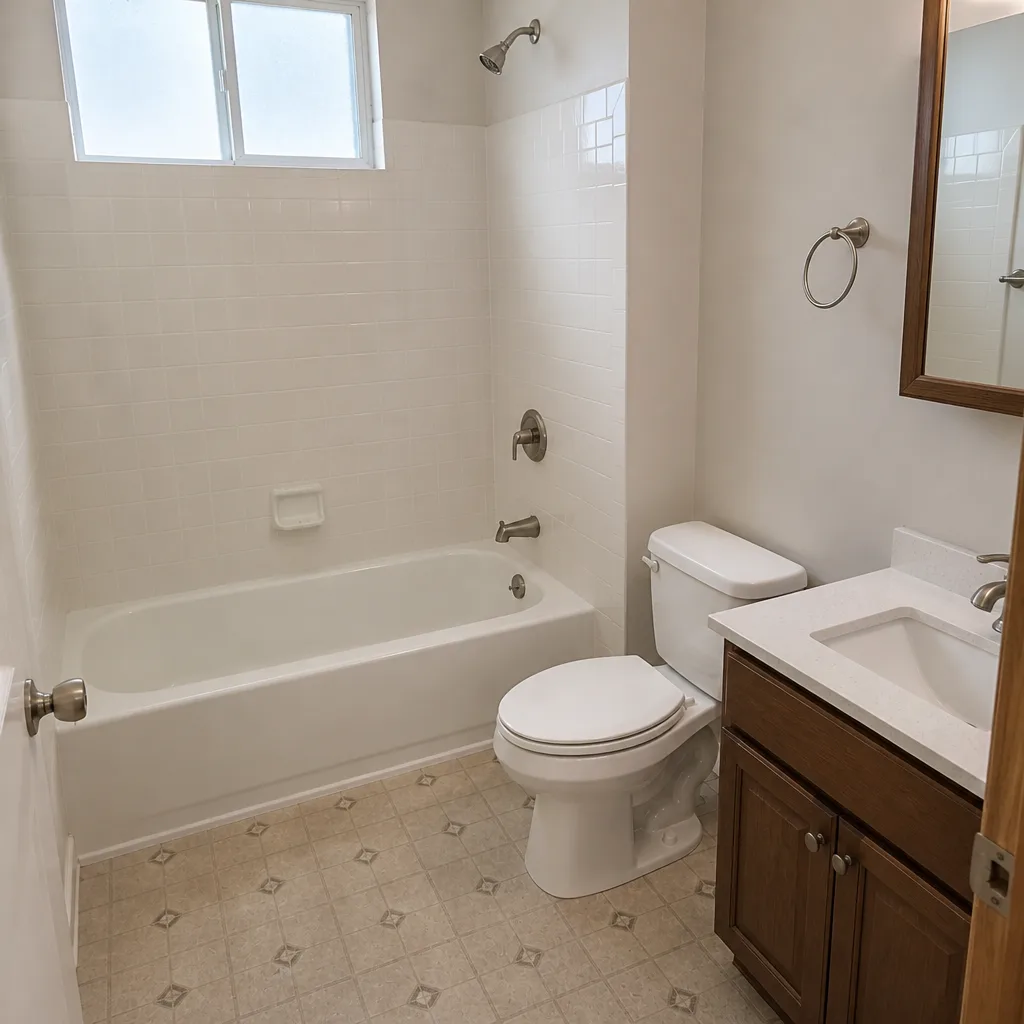 After
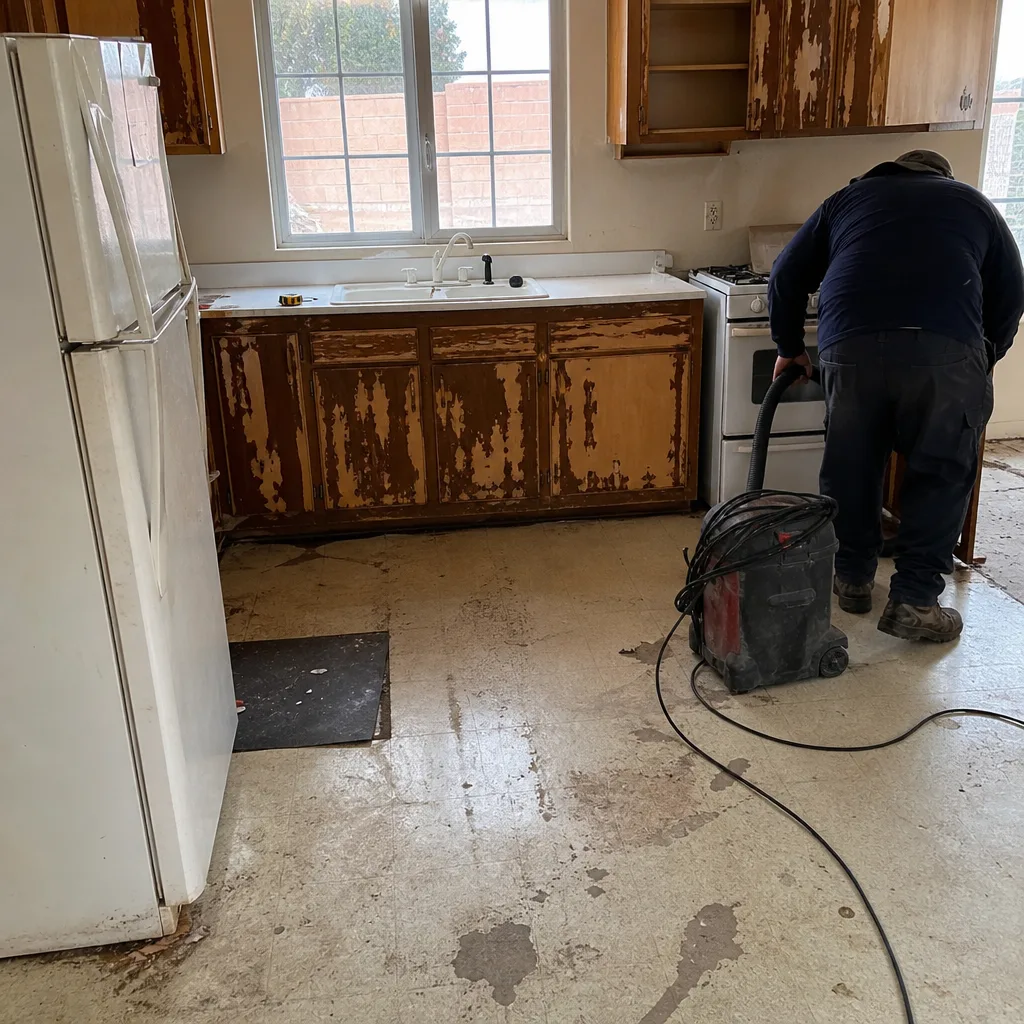 Before
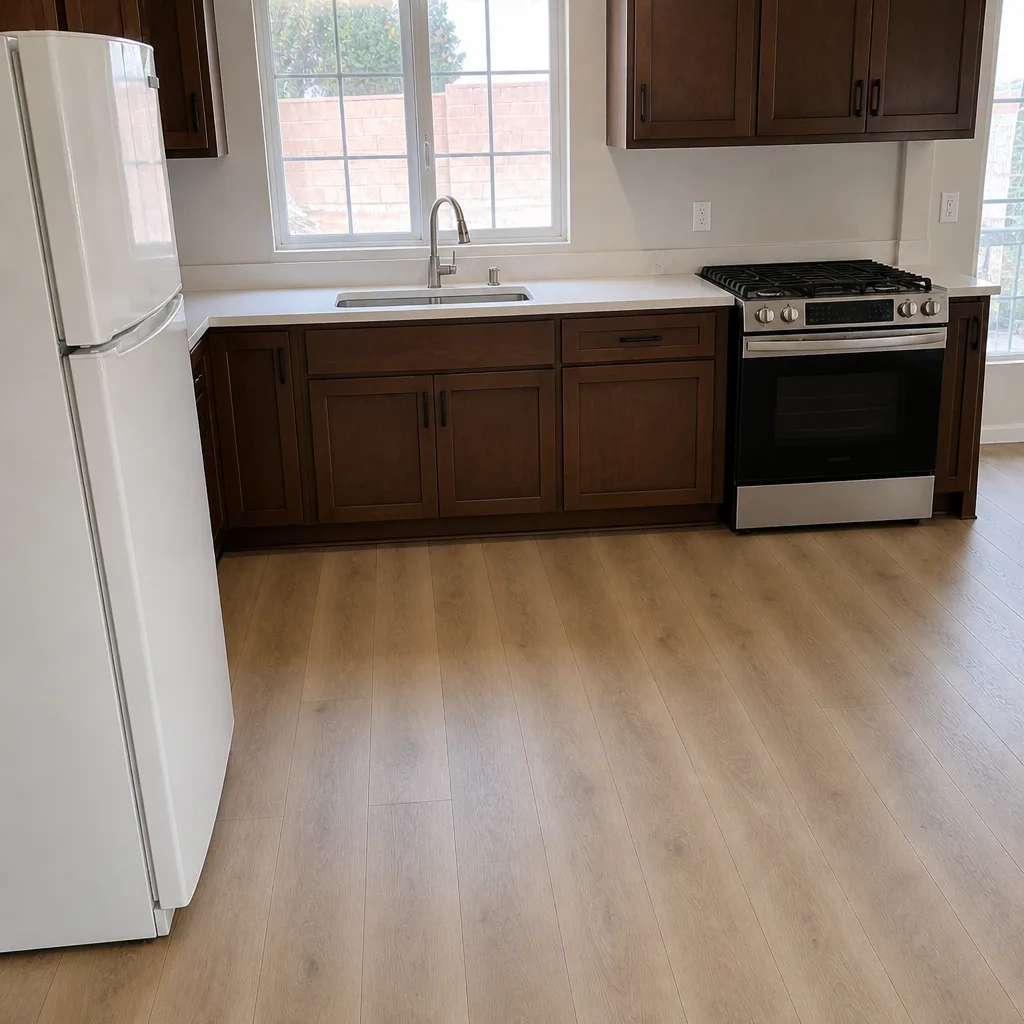 After
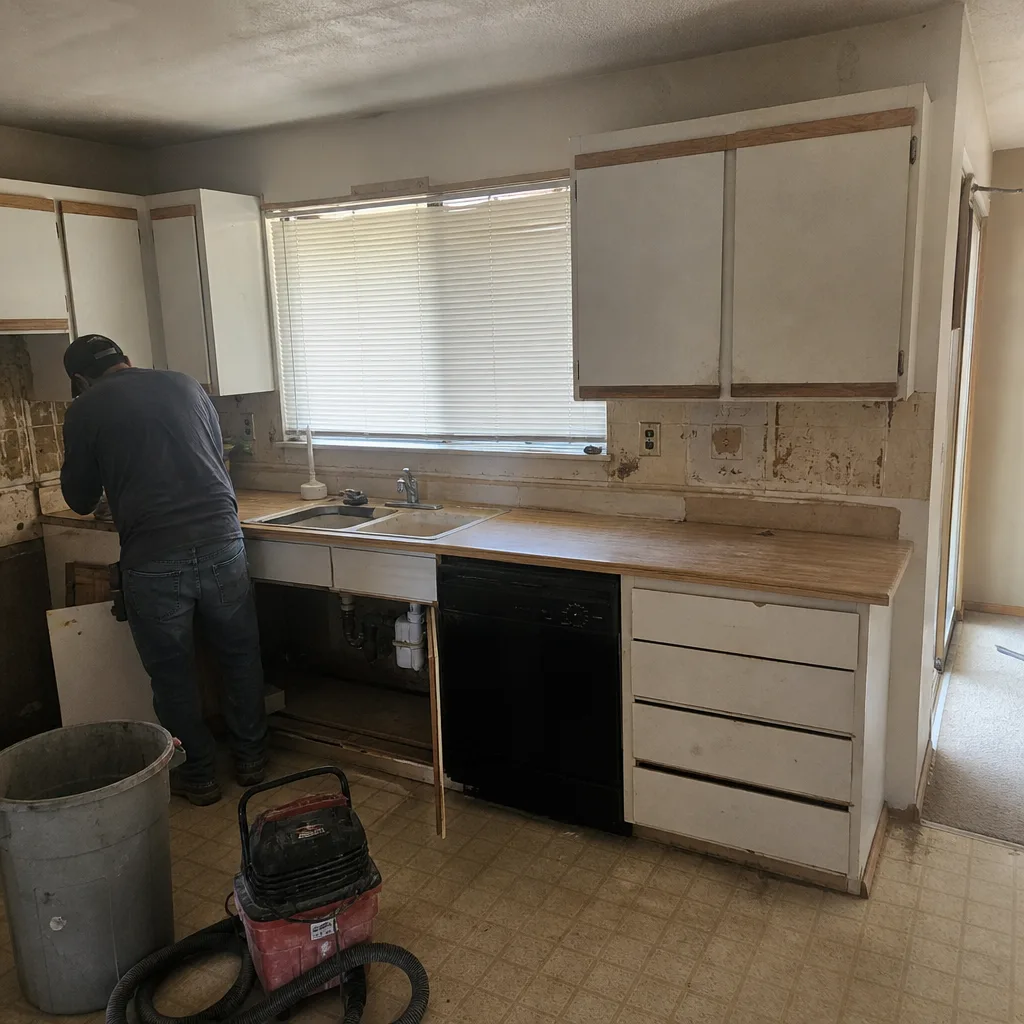 Before
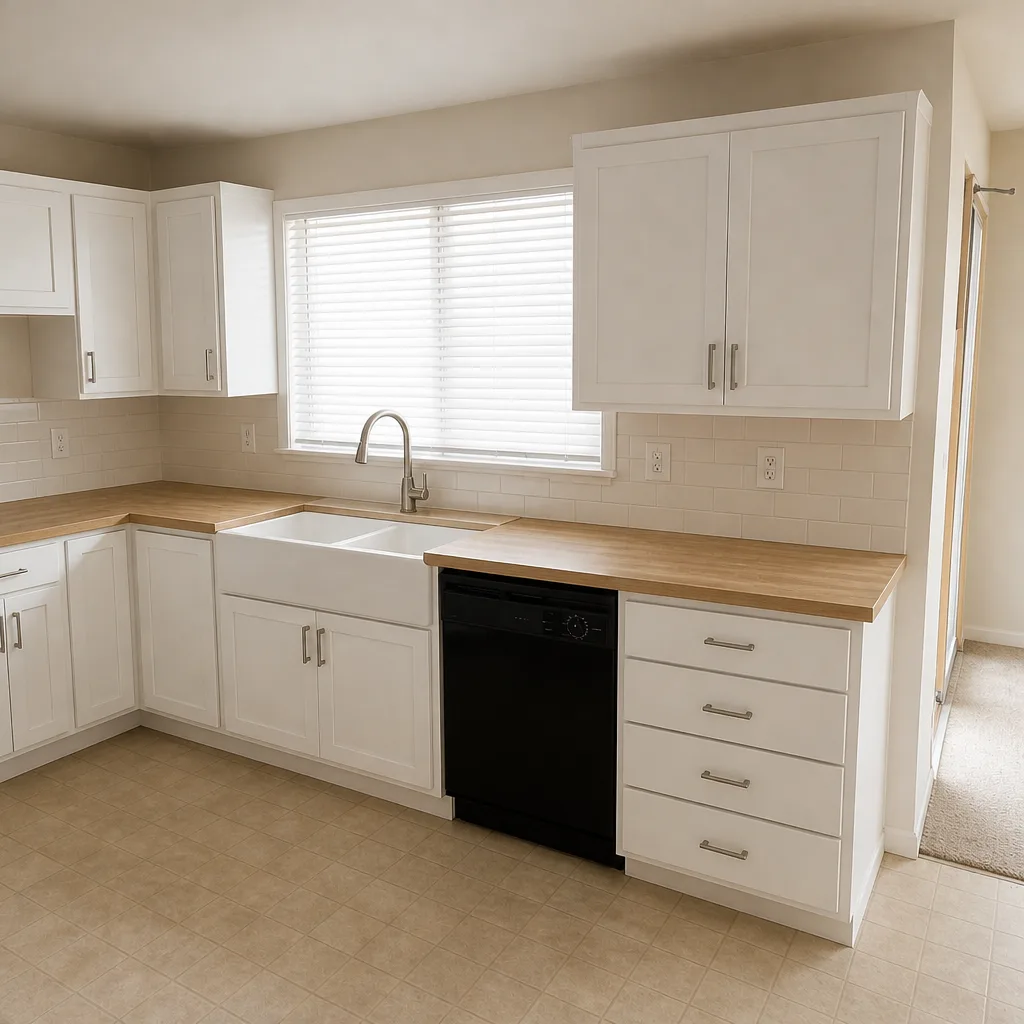 After
When to Call a Professional
Call a professional the moment your addition or ADU is going to need a structural, electrical, plumbing, or mechanical permit. That’s the honest line, and it’s covered by the same code that gives you the owner-builder permit in the first place. Also call for any roof tie-in, foundation work, HVAC resizing, or gas line work; these are the areas where a DIY error moves from inconvenience to insurance claim to title complication. And call before you draw plans if you’re unsure whether your Boulder City lot is even eligible for an ADU, because that answer should come first. Groundwork Construction Co. of Boulder City offers free estimates in Boulder City, and we’re happy to give you a real number to compare against your own math, with upfront pricing and no change orders. Call (888) 282-1693 to schedule your free estimate, and a live person will pick up, 24/7.
Frequently Asked Questions
Yes, Nevada lets you act as an owner-builder on a home you intend to live in, but that permit lets you hold the permit and manage the job, not perform licensed electrical, plumbing, mechanical, or structural work yourself. Licensed trades are still required for those trades, and all work must pass the same inspections. Call (888) 282-1693 for a free estimate if you want a pro’s number to compare against.
Unpermitted or non-code work can void coverage for the affected space, so a fire or water claim traced to the addition may be denied outright. Your insurer can treat unpermitted square footage as if it doesn’t exist. Tell your agent before you build, and pull permits so the inspection record protects you. Call (888) 282-1693 for a free estimate on getting it done to code.
Many lenders will only finance square footage built by a licensed contractor with permits and inspection records, so owner-built footage can be excluded from appraised square footage. The buyer may require a licensed contractor sign-off that often costs more than hiring a pro originally would have. If you’re planning to sell, talk to a professional before you start. Call (888) 282-1693 for a free estimate.
Hiring a pro for the licensed trades is usually cheaper overall once you count rework, re-inspection fees, and lost resale leverage. DIY is genuinely cheaper only for demolition, cleanup, paint, and non-structural finish work. Structural and trade work run past their labor savings the first time an inspection is failed. Call (888) 282-1693 for a free estimate with upfront pricing and no surprises.
Demo, site prep, debris hauling, final paint and stain, trim, and landscaping are the safe DIY tasks that genuinely cut your contract price. All of those are outside the inspection stamp, so mistakes don’t void insurance or title. Anything carrying a structural, electrical, plumbing, or mechanical inspection is not a safe DIY task. Call (888) 282-1693 for a free estimate and we’ll tell you straight which parts of your job you can handle.
Yes, once recorded and disclosed, the owner-built status becomes part of the home’s history, and future buyers and their lenders can see it. That’s part of why the number one reason to get permits and professional sign-offs is future resale value, not just current code compliance. Call (888) 282-1693 for a free estimate if you want the paper trail done right from the start.
The Bottom Line
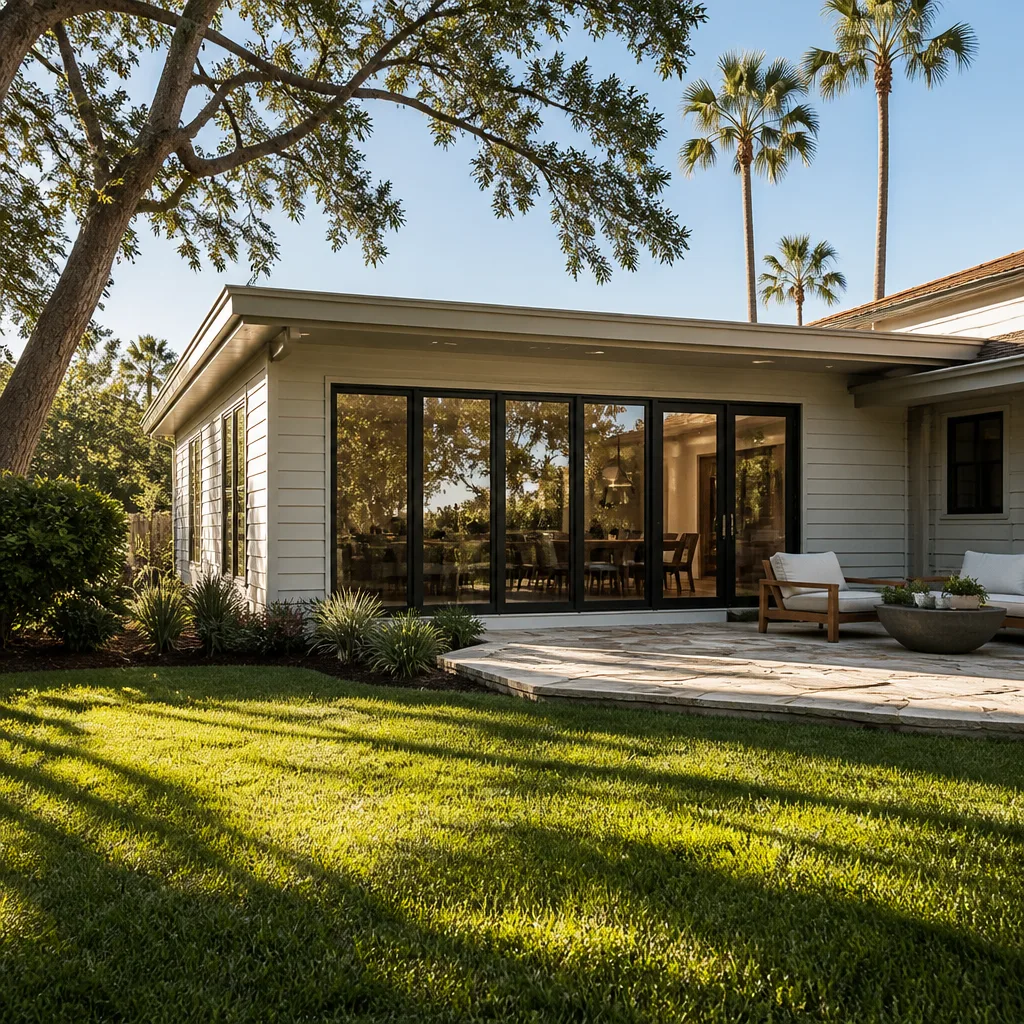
The real DIY-versus-hire question for a home addition or ADU in Boulder City isn’t about whether you’re handy. It’s about what Nevada law lets you do yourself, and that answer is narrower than most tutorials suggest. You can pull an owner-builder permit, but structural, electrical, plumbing, and mechanical work still needs licensed hands, and unpermitted or owner-built work can void insurance and complicate resale. Sweat equity belongs in demo, cleanup, paint, and finishes, not in anything with an inspection stamp. Get the paper trail right from the start, and the project protects your home’s value instead of putting it at risk.
Groundwork Construction Co. of Boulder City builds additions and ADUs from foundation to finish line, backed by the 730-Day Done Right Promise and a curated roster of brand partners including James Hardie and GAF. Our technicians are background-checked and arrive in uniform, and every project comes with upfront pricing you can count on. If you’re weighing your own build, let’s compare numbers: call (888) 282-1693 to schedule your free estimate and design consult. We’re a live answer 24/7, and current promotions include $1,000 off projects over $10,000 plus 0% financing for 18 months.
Written by the team at Groundwork Construction Co. of Boulder City.