Last updated November 18, 2026




Free written scope consultation - allowances, timeline, and change-order rules on paper before a single trade is scheduled
DIY vs Professional Windows & Doors: What’s Safe to Do Yourself
Here’s the fact that surprises most Boulder City homeowners: an unpermitted window replacement can stop a home sale cold. Nevada building code treats a window replacement that changes the rough opening as a structural and weather-barrier event, not a cosmetic swap. When a buyer’s inspector finds a newer window with no permit on record, closing can stall until the work is opened up, inspected, and remediated, and that remediation bill lands on the seller. The line between a Saturday project and a code event is sharper than most guides admit. This one draws it clearly, so you know exactly what to handle yourself and what to hand to a pro.
Quick Answer
Replacing glass, hardware, interior trim, and caulk is genuinely DIY-friendly and safe. Cutting or enlarging a rough opening, installing new-construction windows and doors, flashing, and anything that touches structural framing or the building envelope is a permit-and-pro job in Boulder City. The safe rule: if you’re changing the size of the hole, the way the opening drains water, or the way the unit ties into framing, hire a licensed professional.
Styles & brands we work with
- Kitchen remodeling
- Bathroom remodeling
- Home additions & ADU
- Roofing
- Windows & doors
- Driveway & pavers
- Fence
Table of Contents
- What “Like-for-Like” Replacement Actually Means in Nevada
- Flashing and Water Management: The Step Almost Every DIY Install Skips
- What You Can Legitimately Do Yourself (With Real Quality Standards)
- The Energy Performance Math: Why Installation Beats Product Grade
- Doors Are a Different Animal: Entry, Sliding, and Patio
- How to Work Alongside a Pro Crew Without Voiding Your Warranty
- Common Mistakes to Avoid
- When to Call a Professional
- Frequently Asked Questions
What “Like-for-Like” Replacement Actually Means in Nevada
“Like-for-like” is the phrase that decides whether your window project needs a permit. In plain terms, a like-for-like replacement swaps a unit into the exact same rough opening, same size, same location, without altering framing, header, or the wall assembly. That type of swap is often handled as a minor repair. The moment you change the opening’s dimensions, add a new opening to a wall, or remove load-bearing framing, you’ve crossed into work that requires a permit and inspection in Boulder City and across Clark County.
Here’s where homeowners get tripped up. A “same size” window from a big-box store is rarely the same size once you account for the existing frame. Older homes in Boulder City’s historic district and mid-century neighborhoods frequently have non-standard openings. Narrowing or widening by even three-quarters of an inch changes the rough opening, which means new framing, new flashing details, and a permit. A contractor who quotes a “simple swap” without opening the wall to confirm dimensions is quoting a guess.
What the permit process actually buys you:
- An inspection record. When you sell, a permitted, inspected window shows in the home’s history. That protects your resale value and answers the buyer’s inspector before they ask.
- Code-compliant egress. Bedrooms need emergency escape openings sized to code. A DIY swap can quietly shrink an egress window below the legal minimum, and that’s a safety issue inspectors flag immediately.
- Energy code alignment. Nevada’s energy code sets U-factor and SHGC requirements for replacement glazing. A permit pulls those specs into writing.
- Water management details. Inspectors check flashing and drainage, the exact steps DIY installs tend to skip.
If you’re planning a larger scope that touches several openings or combines windows with new framing, that work often overlaps with Home Additions & ADU in Boulder City, where permits and inspections are non-negotiable from day one.
Flashing and Water Management: The Step Almost Every DIY Install Skips
Water intrusion is the leading cause of window failure, and it’s almost never the window’s fault. It’s the flashing. Flashing is the layered system of membranes, tapes, and pans that routes water away from the opening and back outside. Skip a step and the leak won’t show up for a season or two, usually as a soft spot in drywall, peeling paint, or mold behind the casing. By then the damage is inside the wall.
The right sequence for a new-construction or rough-opening installation looks like this:
- Sill pan first. A sloped pan or sill flashing with end dams directs water out, not into the wall cavity. Flat, un-sloped sills are a common shortcut and a common leak source.
- Weather-resistive barrier integration. The house wrap must lap over the flashing in shingle fashion, top over bottom, so gravity helps you.
- Jamb and head flashing. Taped or flanged correctly, with the head flashing lapping over the side flashings, not the other way around.
- Backer rod and sealant, not sealant alone. A fat bead of caulk bridging a gap instead of a proper backer joint cracks as the wall moves.
- Interior air sealing. Low-expansion foam around the frame reduces drafts and stops warm moist indoor air from meeting cold surfaces inside the wall.
Boulder City’s climate makes this step decisive. Intense summer heat and sun push the building envelope hard, and the rare but heavy monsoon-driven rain events test every penetration. A window detailed for a mild climate can pass a casual look and still leak during the first real storm. In our experience, this flashing detail is exactly where DIY replaces “I watched a video” with “I found out two years later.” Licensed window and door pros in Boulder City do this sequence thousands of times, and the inspection record documents it. The Groundwork Construction Co. of Boulder City home page lays out how envelope and water-management work fits with the rest of our scope.
What You Can Legitimately Do Yourself (With Real Quality Standards)
Not every part of a window project demands a pro. Several tasks are genuinely within reach for a careful homeowner, and doing them yourself saves money without touching structural or weather-critical work. The trick is holding yourself to the same standard a pro crew would. Sloppy trim and cracked caulk make an otherwise professional install look amateur, and they can void a manufacturer’s finish warranty.
Interior trim installation. This is the best DIY opportunity on the list. Casing, stool, and apron work sit inside the weather barrier and don’t affect code compliance. To do it to a professional standard:
- Measure each opening individually. No two are square.
- Cope inside corners instead of mitering them; coped joints stay tight as humidity changes.
- Set nails and fill them before paint so the wall and trim read as one clean plane.
- Use painter’s caulk only at the wall-trim seam, a thin bead, wiped immediately.
- Paint or seal trim within a few days of install so it doesn’t shrink and gap.
Hardware swaps. Handles, locksets, hinges, and door knockers are all fair game. Match the backset and strike plate or the latch won’t align. Bring the old hardware into the store when possible; it saves a return trip.
Caulking touch-ups. A DIY-suitable job, with a catch. If water is getting behind the existing bead, the fix is to find the source, not to add more caulk on top. Scrape old sealant out, clean the joint, and apply a fresh bead with a backer rod where the gap is wide. Caulk covering a failing seal is a delay, not a repair.
Seasonal weatherstripping. Entry-door sweeps and weatherstripping are cheap and easy to replace, and they make a real difference in comfort. If the door’s frame is out of plumb, though, weatherstripping won’t fix the draft, and that’s a pro call.
What’s off the DIY list: cutting framing, adding or moving an opening, flashing, glass replacement in sealed units (a busted insulated glass unit needs a new IGU, not a DIY reseal), and load-bearing header work. Those are permit jobs.
The Energy Performance Math: Why Installation Beats Product Grade
Homeowners often assume the premium window wins on energy bills. It usually doesn’t, if the installation is bad. A thermally broken, triple-pane, high-performance unit installed with a gap in the air seal and a flat sill performs worse in real conditions than a mid-grade, well-installed window. The reason is simple: an air leak or a water path defeats the entire assembly, regardless of what the sticker says.
Energy performance is a system, and the system has three layers that matter more than the glass’s marketing tier:
- The rough opening and frame seal. Air sealing and proper shimming stop the frame from flexing and creating gaps. This layer alone can account for a large share of a window’s real-world efficiency.
- The flashing and drainage plane. Dry walls insulate better than wet ones. Water management protects the thermal performance you paid for.
- The glazing. Low-E coatings, gas fill, and spacer type matter, but only after the first two layers are solid.
Here’s the math that most guides skip. Nevada’s energy code cares about the whole assembly’s U-factor, and inspections check that specified units were actually installed. A quality mid-grade unit with professional installation meets the code, passes inspection, and delivers its rated performance for the life of the window. A premium product installed by a homeowner who skipped a step may never reach its rated performance at all, and the leak it creates costs more in drywall repair than the product grade saved. In Boulder City’s heat, that gap shows up on your summer power bill as the AC works harder against the leak.
This is also why brand partners matter: spec from names like Andersen or Marvin, and the assembly is engineered to work as a system once installed correctly. What you’re really paying for is the connection between the window and your wall.
Doors Are a Different Animal: Entry, Sliding, and Patio
Doors carry complications that windows don’t, which is why so few door replacements are truly DIY-safe. Three reasons:
Weight and moment force. An entry door or sliding patio door is heavy and operates on a pivot or track that must be dead level and plumb. A few degrees off, and the door sags, drags, or leaks within months. Getting it right requires both jamb preparation and anchoring that most homeowners underestimate.
Security and structure. The rough opening for an entry door sits in a wall that carries load. Framing and header work on a new or expanded opening is a permit-and-engineer question.
Weather seal and threshold. The sill pan and threshold detail on a door is where water gets in. A poorly detailed door threshold leaks into the floor, not just the wall, which means subfloor and finish-floor damage.
Patio door replacements and sliding doors are particularly sensitive to flashing and leveling, and they’re a common source of water intrusion we see on older Boulder City homes. A new-construction door or one that changes the opening is a pro job. Replacing just a lockset or a door sweep is not.
If the door project is part of a larger exterior upgrade, our Fence Installation in Boulder City work often happens on the same timeline, and coordinating access and site protection is simpler with one crew. Hardscaping and driveway scope can run on the same schedule, which is why Driveway & Pavers in Boulder City often pairs with exterior door and entry projects.
How to Work Alongside a Pro Crew Without Voiding Your Warranty
The middle path, hiring a pro for the installation and finishing the interior yourself, is a smart way to control cost without risking the envelope. It works, but only if you draw clear boundaries in writing first. Almost all window warranty fine print says the same thing: manufacturer coverage applies to defects in the product and proper installation; modifications that affect the install void it.
To hand off the right scope and keep the warranty intact:
- Write the scope into the bid. Have the contract state exactly what the crew does (removal, installation, flashing, inspection) and what the homeowner handles (interior trim, paint, hardware).
- Insist on permits and inspections. Ask the crew to pull the permit and show you the inspection record. That record is your proof the critical work was done right.
- Get a written workmanship guarantee. Product warranties cover the window; a workmanship guarantee covers the installation. Groundwork Construction Co. of Boulder City backs installation with the 730-Day Done Right Promise, so if the installation isn’t right, it’s made right, in writing.
- Schedule the finish work after inspection. Do the trim and paint only after the inspection is signed off, so nothing needs to be opened up again.
- Don’t touch the flashing or the seal. Once the crew hands it off, complete your interior scope and leave the envelope alone.
We’ve seen homeowners save real money this way. Groundwork Construction Co. of Boulder City offers a free estimate and design consult that spells out exactly which parts of the job pass to you. Calls are answered by a live person around the clock, and technicians arrive in uniform on a schedule you can rely on.
Common Mistakes to Avoid
- Skipping the permit to save time. In Boulder City, an unpermitted window or door can surface during a home sale and hold up closing. The remediation is more expensive and more urgent than the permit ever was.
- Assuming “same size” means the same rough opening. Measure the actual opening, not the window product. Old homes rarely match nominal dimensions.
- Sealing the opening with caulk alone. A fat bead over a gap in the flashing looks fine and leaks. The flashing layer does the work; caulk only touches it up.
- Installing a premium window on a bad install. The product is the smallest variable. Air sealing and flashing decide whether that premium makes any difference.
- Over-tightening anchors and breaking the seal. A common DIY error on doors and windows both. Cranking the screws distorts the frame and opens a leak path.
- Painting or sealing trim before the install dries. Wood trim moves as it acclimates. Painting too early means gaps and cracks within weeks.
- Ignoring egress sizing in a bedroom swap. A replacement window that shrinks the emergency escape opening is both a code problem and a safety issue.
When to Call a Professional
Call a professional any time the job touches the rough opening, the flashing sequence, the structural framing, or the permit record. That covers new-construction window and door installations, any replacement that changes dimensions, egress requirements, and all load-bearing door work. If you’re unsure whether your project changes the rough opening, that uncertainty alone is a call to a pro. A free estimate answers it for you.
Two more situations warrant a pro: any job where you’re already seeing water staining, soft drywall, or drafts around an existing unit, and any multi-window project or combined scope. Leaks are diagnosed from inside the wall; the fix is upstream of the finish work you’d otherwise be doing.
Groundwork Construction Co. of Boulder City offers free estimates in Boulder City, with upfront pricing so the number you see is the number you pay, and a $1,000 discount on projects over $10,000. Call (888) 282-1693 to schedule yours.
Frequently Asked Questions
You need a permit any time the replacement changes the rough opening, adds a new opening, changes a bedroom egress opening, or touches load-bearing framing. A true like-for-like swap into the same rough opening often doesn’t require one. Because “same size” is so often wrong on older homes, the safest move is to have a licensed contractor confirm your opening dimensions before you order a window. Call (888) 282-1693 for a free estimate and we’ll walk you through what your specific opening needs.
Only if the opening and the unit truly match and no flashing, framing, or egress detail is affected. The window itself is the easy part; the flashing and sill pan are where DIY projects fail and leak within a couple of seasons. If a pro handles the installation and you handle the interior trim, you keep the savings and the warranty coverage. Call (888) 282-1693 to talk through your project scope; estimates are free.
Often, yes. Most manufacturer warranties cover defects in product and proper installation, and improper installation voids the coverage. If water gets in because flashing was skipped, the window maker will point to the installation. Ask before you buy whether the warranty requires licensed installation, and keep the paperwork. A written workmanship guarantee from the installer covers what the product warranty can’t.
Failing flashing and water-management details around the opening, not the glass. Boulder City’s intense sun and occasional heavy monsoon rain stress every seal, and a skipped sill pan or a flat sill lets water into the wall where it soaks insulation and rots framing. By the time you see the stain inside, the damage has been growing for a while. A licensed inspection and a free estimate from Groundwork Construction Co. of Boulder City will tell you whether the leak is at the opening or somewhere upstream.
DIY looks cheaper on paper and often isn’t once you price in the permit record, the risk of a leak, and a possible remediation bill at resale. The real saving comes from splitting the scope: pro install plus DIY interior trim. That’s the version we recommend for most homeowners because it protects the warranty and keeps cost down. Call (888) 282-1693 for a free estimate with upfront pricing, and we’ll price the install and the finish work separately so you can decide.
Yes. Groundwork Construction Co. of Boulder City offers 0% financing for 18 months and a $1,000 discount on projects over $10,000, so a full exterior window package is more workable than most homeowners expect. Financing covers the installed scope, and the free design consult lays out the line items before you commit. Call (888) 282-1693 and we’ll walk you through the numbers; estimates are free and there’s no pressure.
The Bottom Line

The line is clear: interior trim, hardware, and caulk touch-ups are fair game for a careful homeowner. Rough openings, flashing, egress, and load-bearing framing belong with a licensed pro and a permit record in Boulder City. The product you choose matters far less than the installation behind it, and a well-installed mid-grade window will beat a premium window with a bad install every time. If you’re unsure which side of the line your project sits on, the free estimate is the way to find out. That one call protects your home’s heating bill, your resale value, and your sleeping comfort for years. Call (888) 282-1693 today.
Written by the team at Groundwork Construction Co. of Boulder City.
See the difference
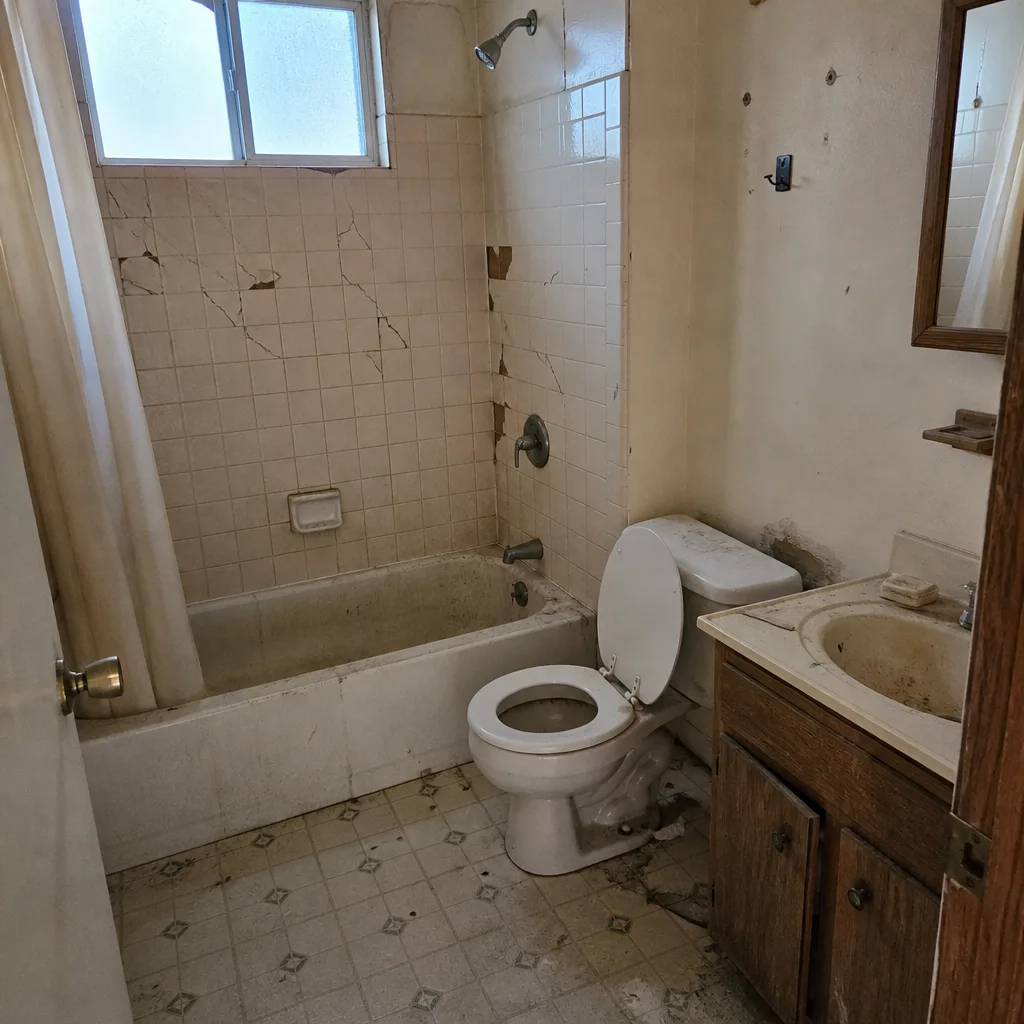 Before
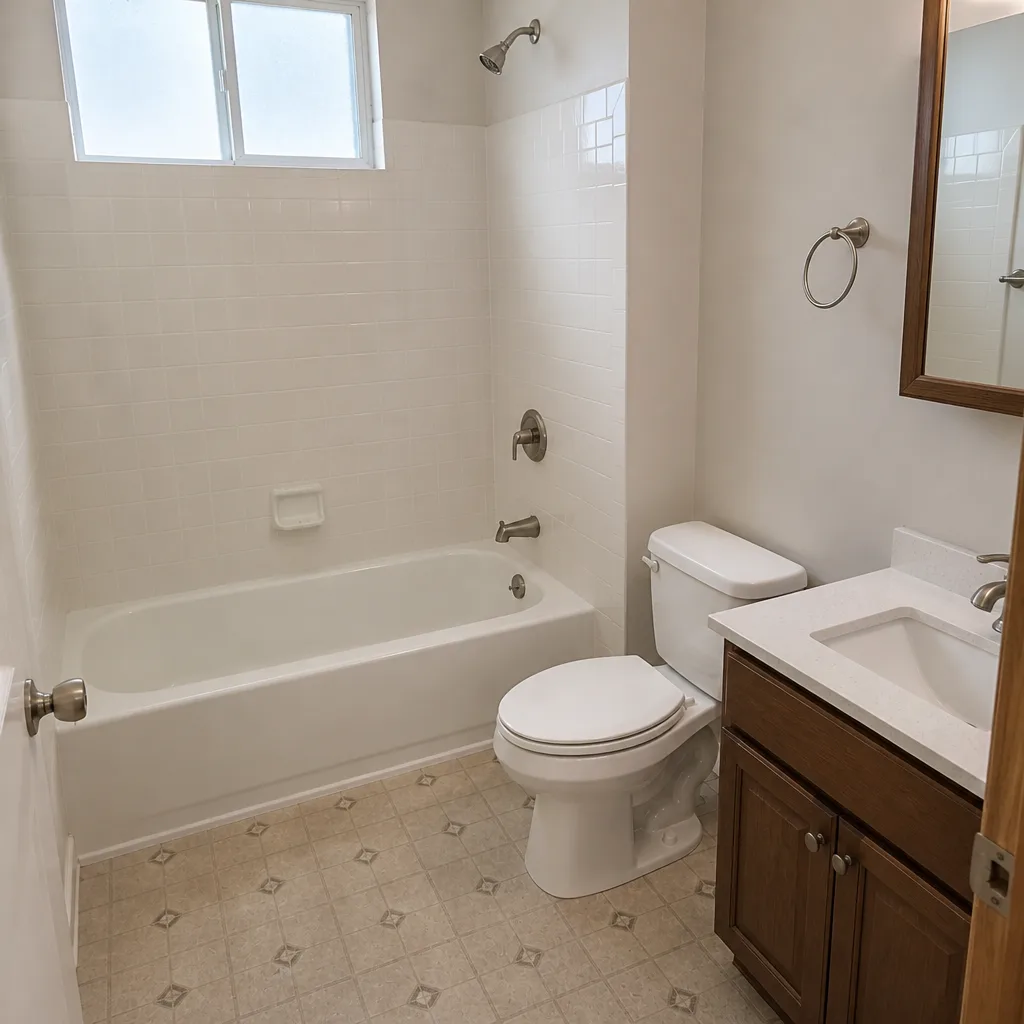 After
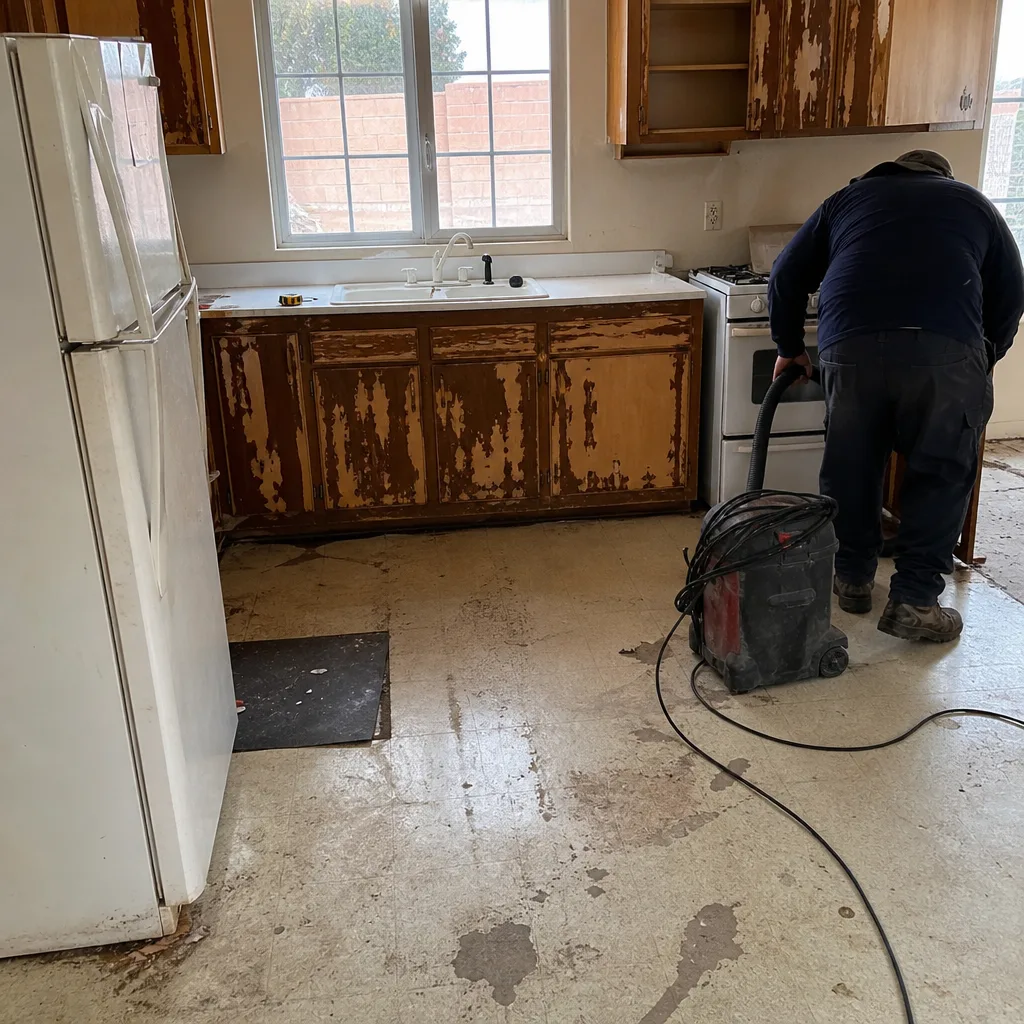 Before
 After
 Before
 After