
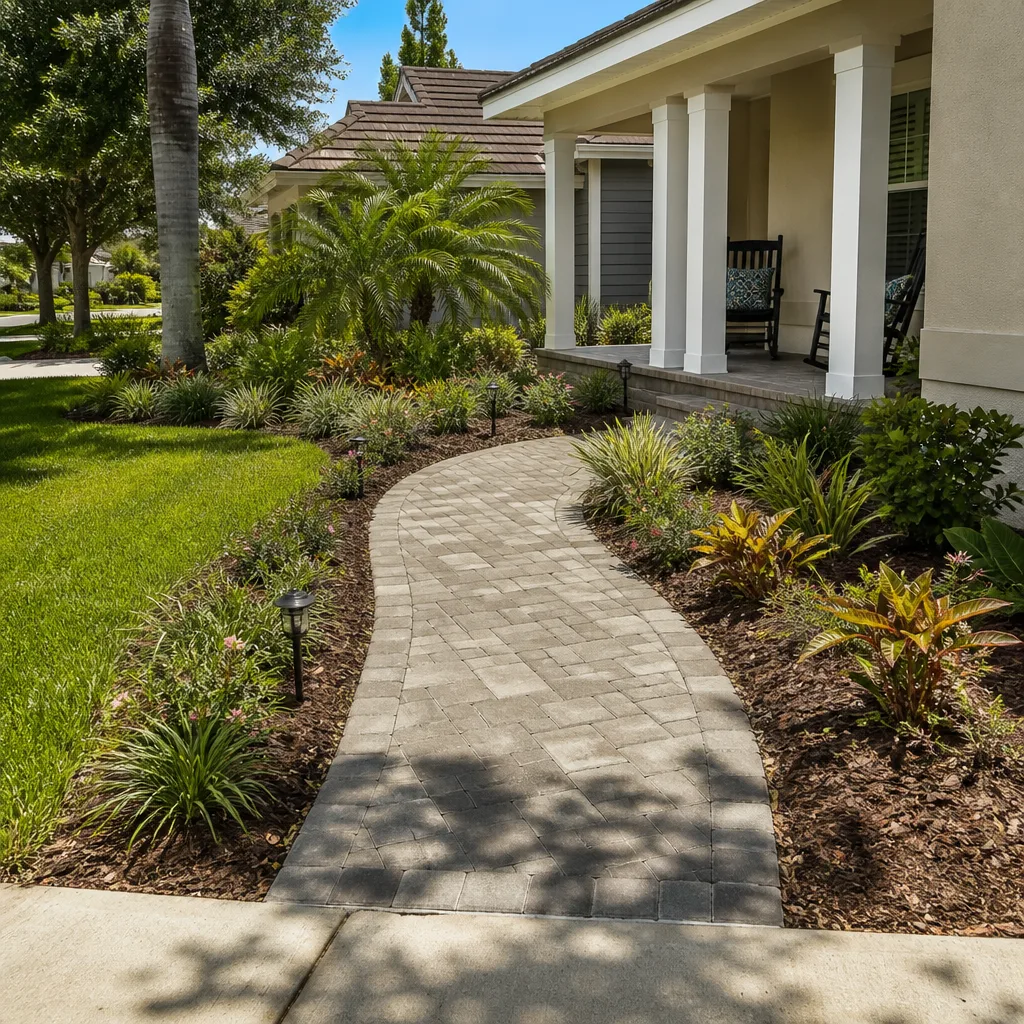




Free written scope consultation - allowances, timeline, and change-order rules on paper before a single trade is scheduled
Styles & brands we work with
- Kitchen remodeling
- Bathroom remodeling
- Home additions & ADU
- Roofing
- Windows & doors
- Driveway & pavers
- Fence
See the difference
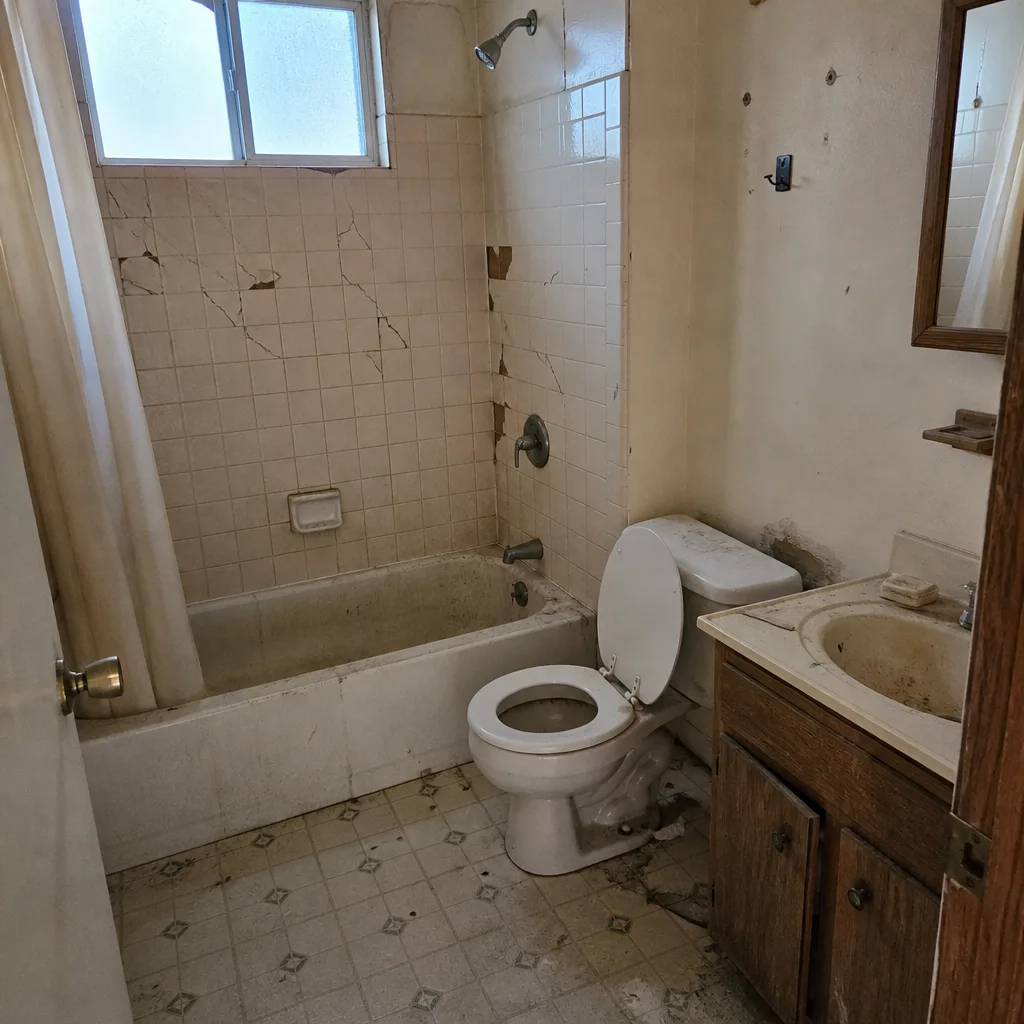 Before
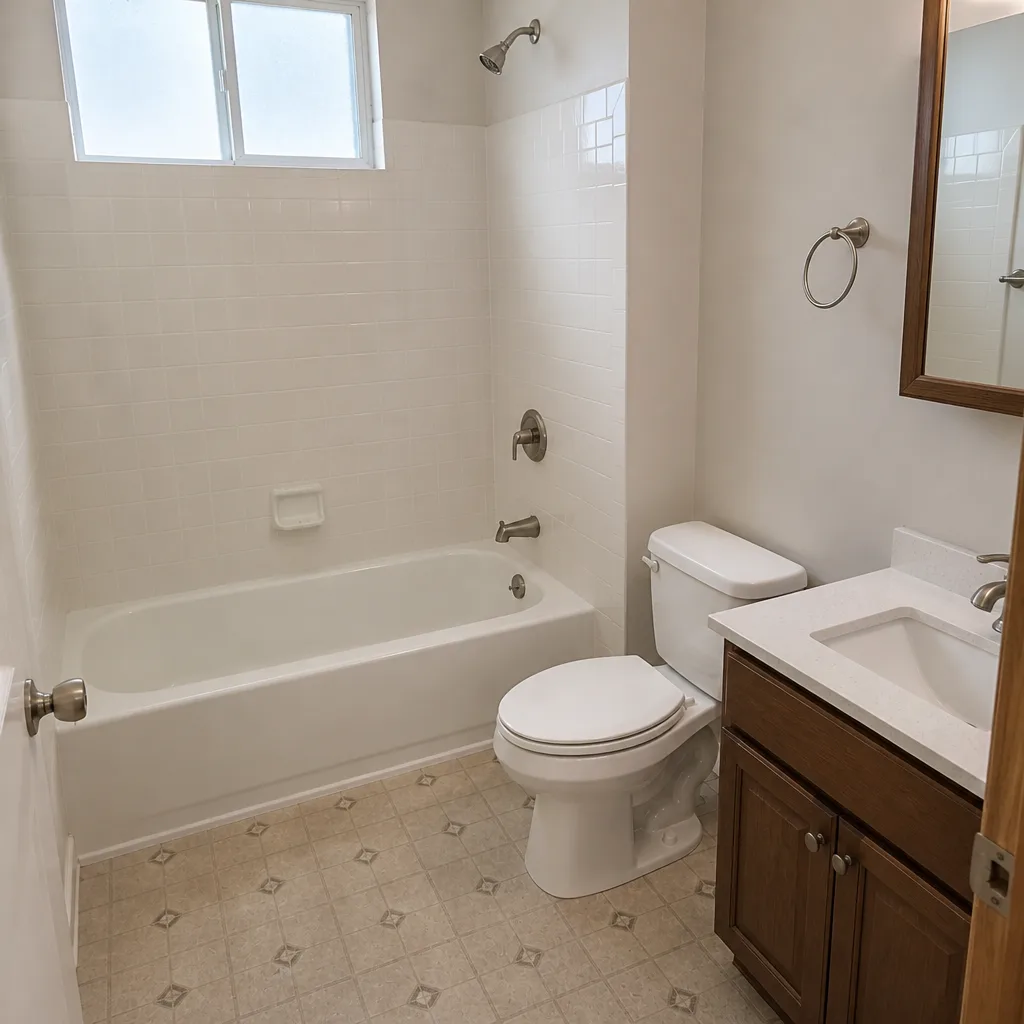 After
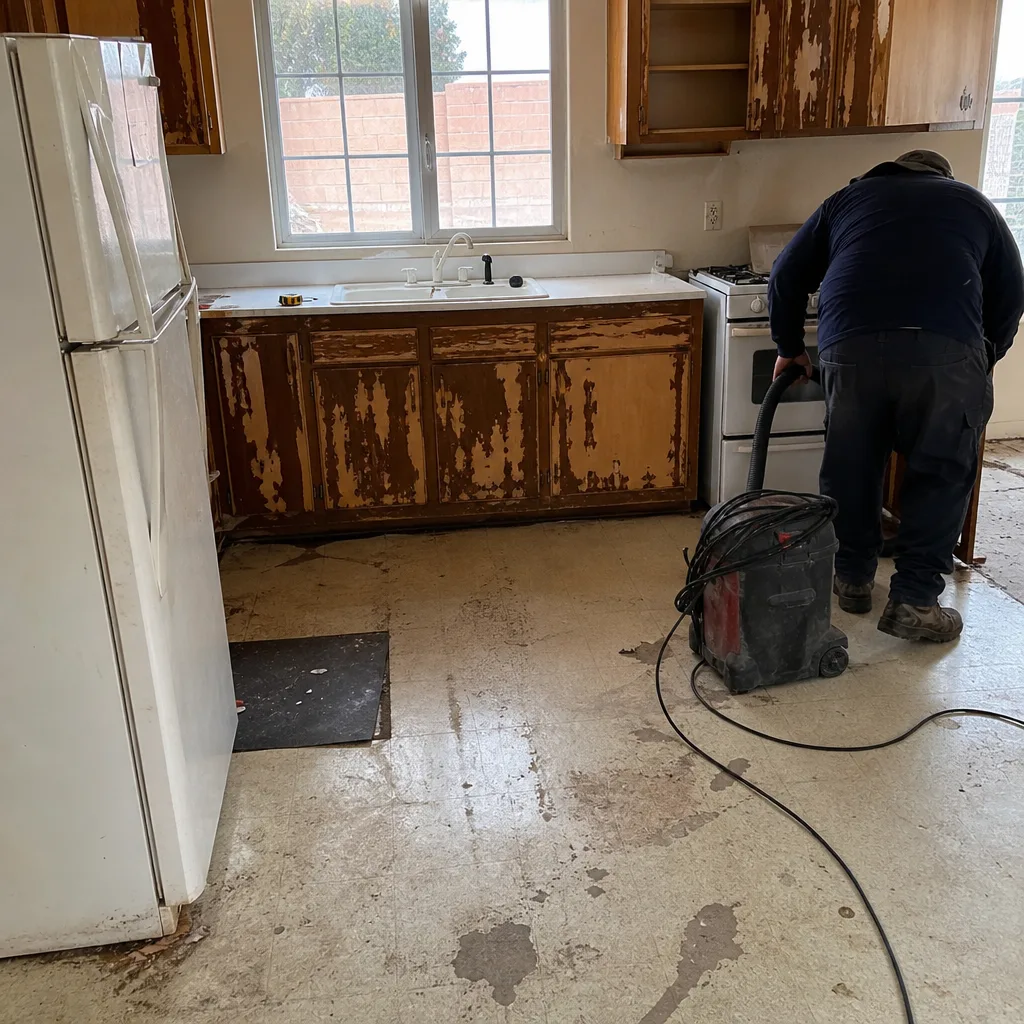 Before
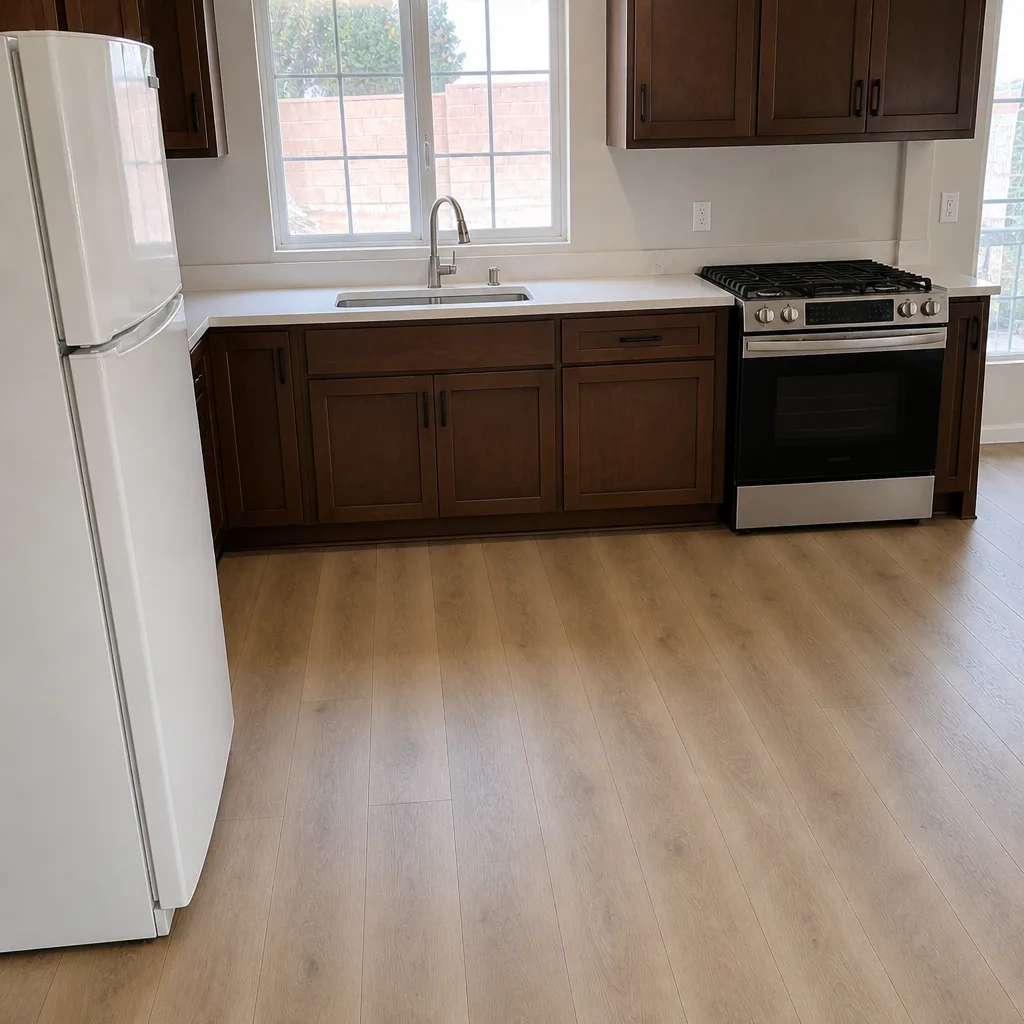 After
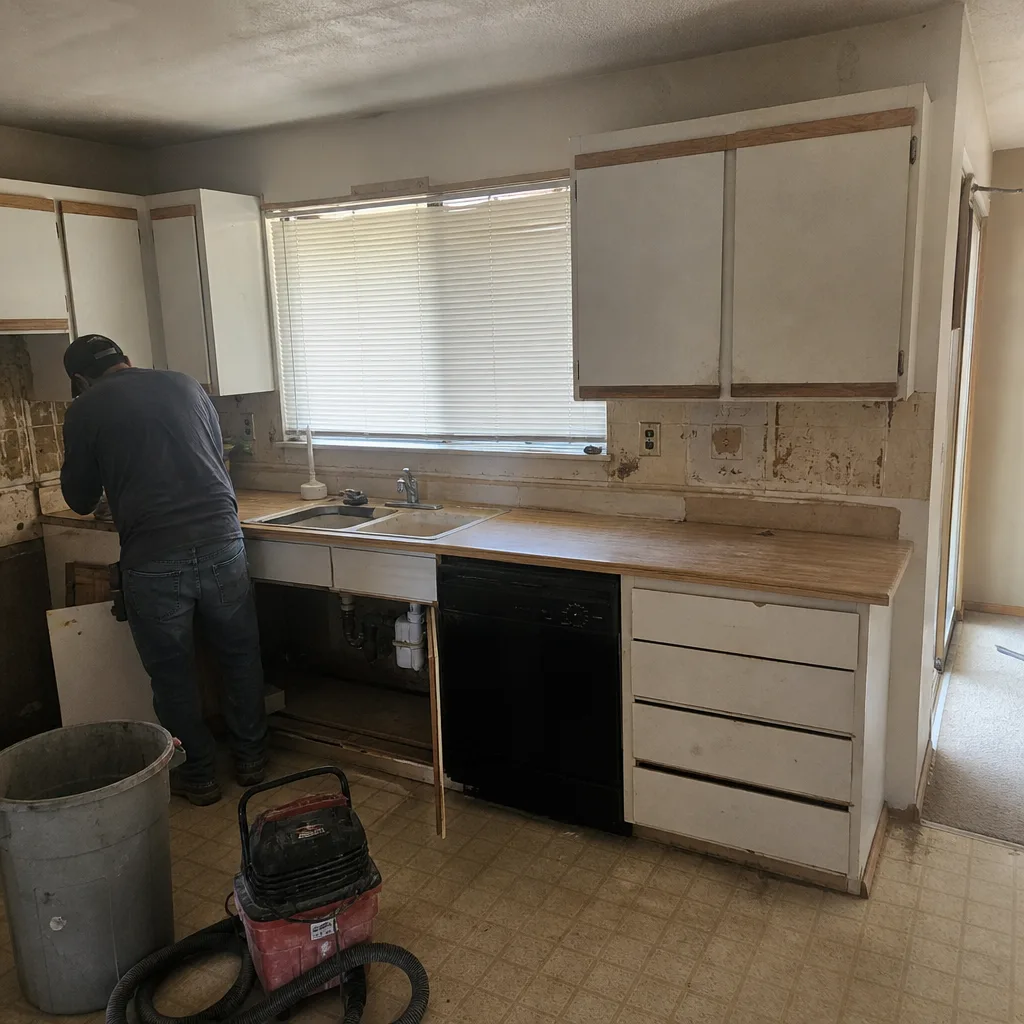 Before
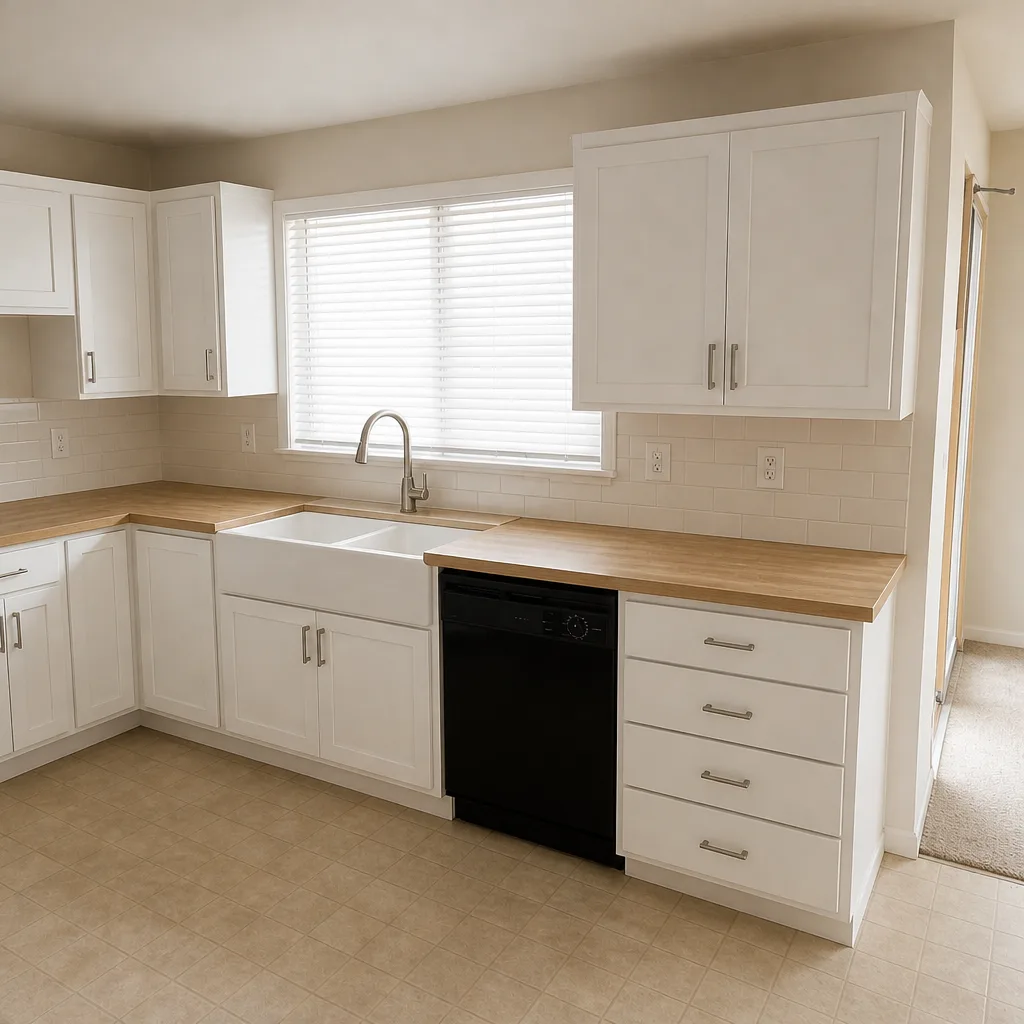 After
What Causes Roof Leaks in Boulder City, NV? The Honest Answer Most Roofers Skip
The number one cause of roof leaks in Boulder City is failed penetration flashing and caulk around swamp cooler bases, pipe boots, vents, and skylights, not damaged shingles. Desert UV and single-digit humidity bake the elasticity out of roofing caulk and butyl flashing tape in four to seven years, and what’s left is chalk. Once it cracks, you’ve got a gap you can see daylight through, and the next monsoon finds it. If you want it inspected before the next rain, call (888) 282-1693.
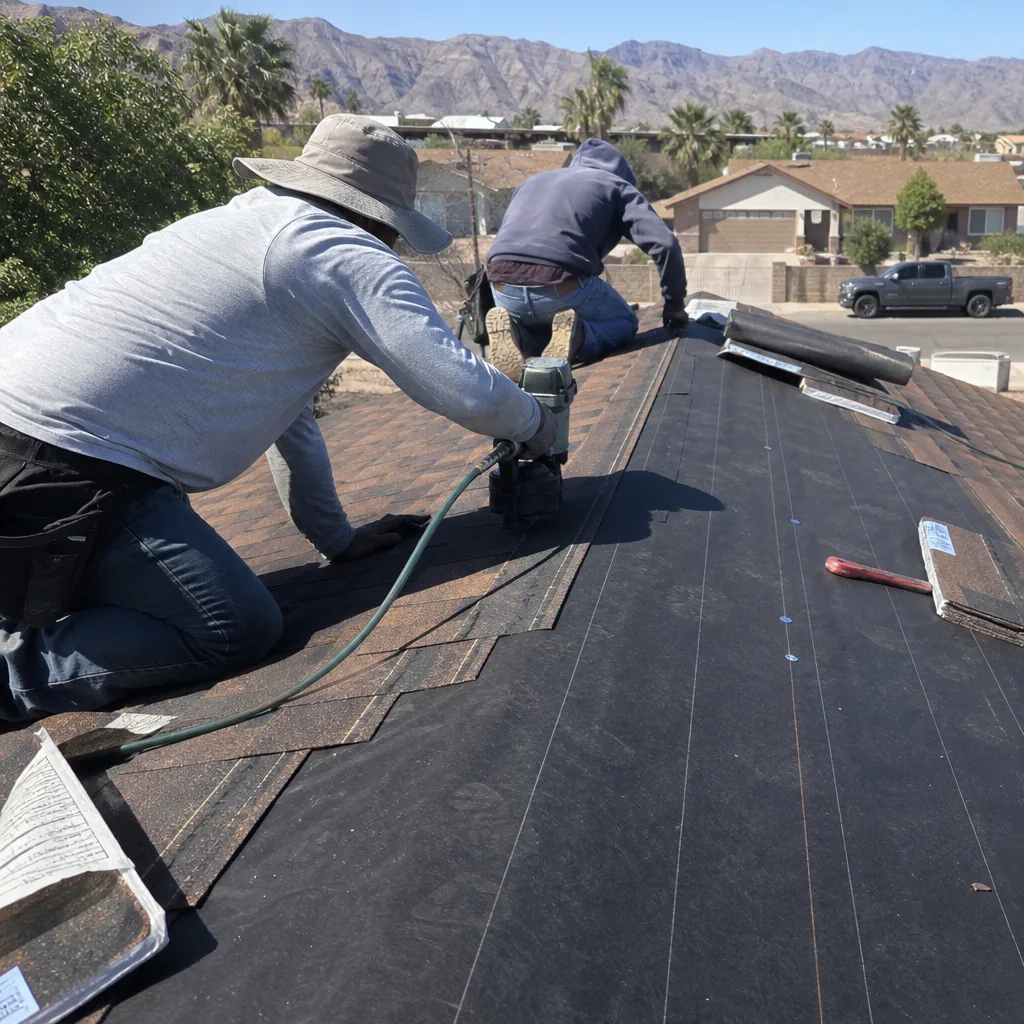
We’re Groundwork Construction Co. of Boulder City, and we’ve looked at a lot of ceilings with rings on them. Almost every time, the shingle field is fine. The leak is coming in around something somebody bolted to the roof years ago and never thought about again.
Key Takeaways
- Penetration flashing and caulk fail first in Boulder City’s UV and low humidity, usually within 4-7 years.
- Evaporative cooler bases are the single most common leak point we find, because the cooler “works fine” so nobody looks.
- Step flashing at 1930s chimneys in the historic district is the second most common, especially on original brick.
- Expansive desert soils quietly open gaps at roof-to-wall intersections over time.
- Roof repair in Boulder City typically runs $400-$1,800; a full replacement runs $8,000-$20,000.
The Real Ranking: What Actually Leaks in Boulder City, Most to Least Common
Every “what causes roof leaks” article lists the same six things. Ours is ranked by how often we actually find each one on a Boulder City roof, because frequency is what tells you where to look first.
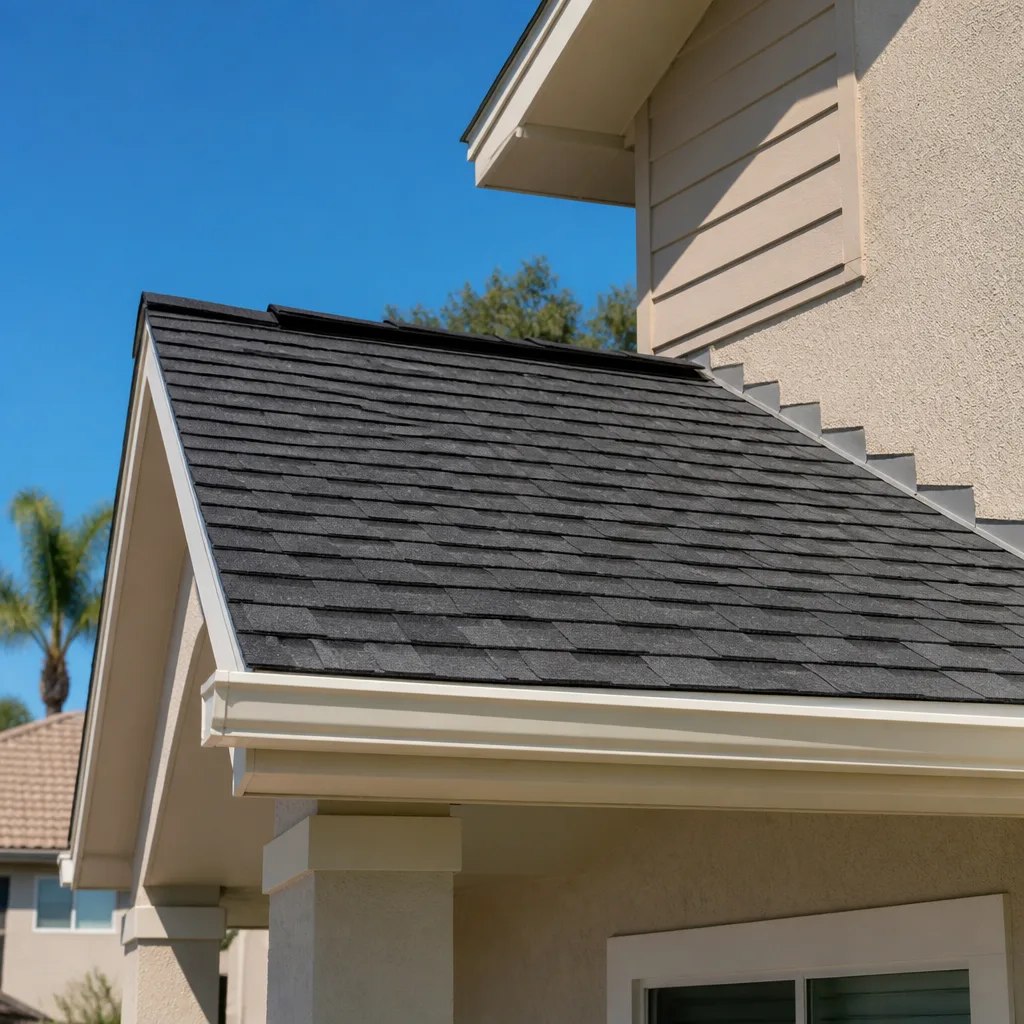
- Failed penetration flashing and caulk. Pipe boots, plumbing vents, evaporative cooler bases, skylight curbs, and electrical conduit. This is the leader by a wide margin in desert climates. The caulk around these points dries, shrinks, and pulls away from the metal or the shingle, and rain tracks straight down the penetration.
- Failed step flashing at chimneys. Especially on pre-1960 homes where the original flashing was lead or uncoated aluminum. More on this below, because the mechanism here is specific and nasty.
- Shingle seal failure from heat cycling. Shingles seal down with a thermal adhesive strip. In Boulder City, a roof surface can hit 160°F or more in July, then drop 50 degrees overnight, over and over. That cycling eventually breaks the seal, and wind gets under the tabs.
- Low-slope sections letting monsoon rain in sideways. Where a porch roof or addition was framed at too shallow a pitch, a normal rain runs off fine. A wind-driven monsoon cell pushes water uphill, under the shingle laps, and into the deck.
- Gutter overflow pushing water under the fascia. Clogged or undersized gutters on a 1940s cottage dump water at the roof edge, and it wicks back into the fascia board and soffit. That’s a roof leak that isn’t really a roof leak, but it shows up as one on the ceiling below.
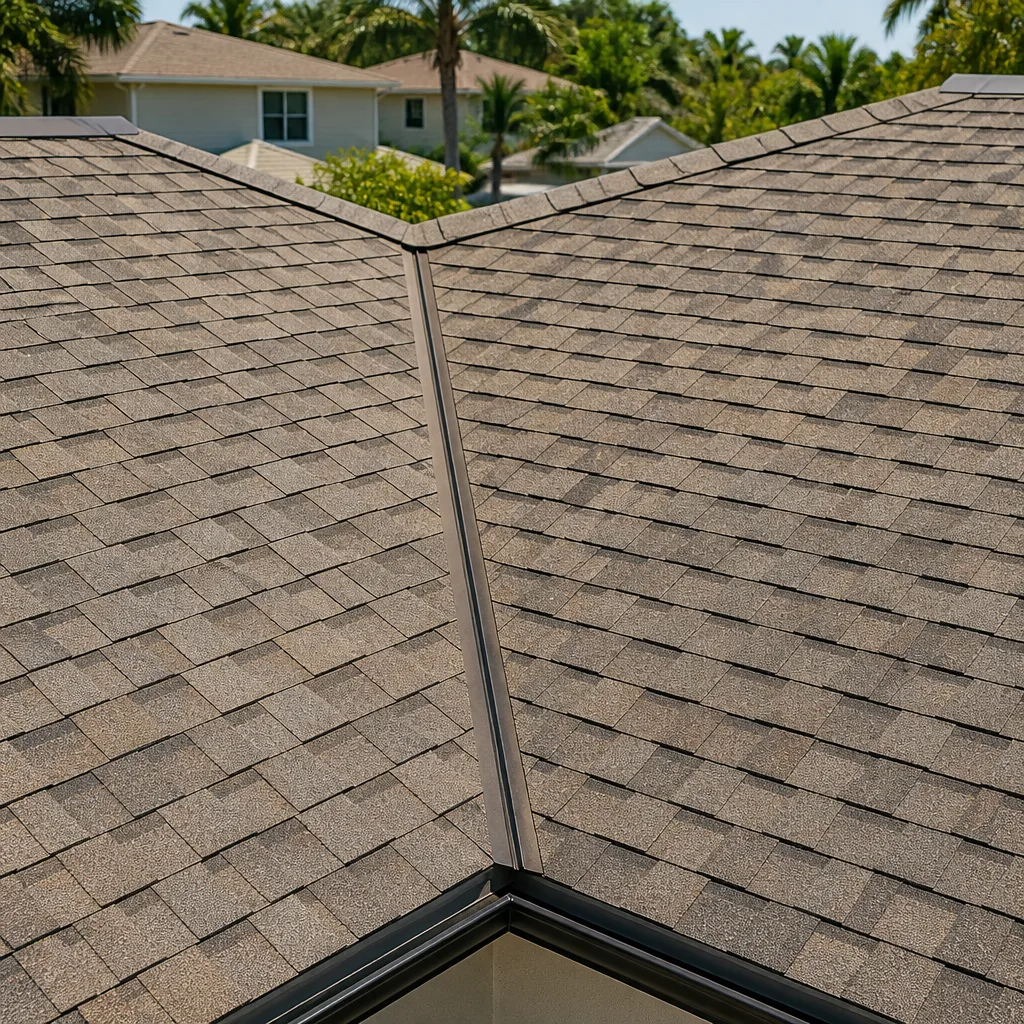
Notice what’s near the bottom of that list in this climate: hail damage, wind-torn shingles, ice damming. We don’t get much of any of those. We get sun, and sun attacks the sealants first. That’s why a homeowner in Boulder City with a ten-year-old roof and a ceiling stain usually has a flashing problem, not a shingle problem. When the damage runs deeper than a single penetration, our Roofing team handles full tear-offs and re-roofs with GAF and CertainTeed systems.
The Evaporative Cooler Problem Nobody Inspects
Swamp coolers work beautifully in Boulder City’s dry air, so they’re everywhere. A rooftop cooler needs a penetration through the roof deck for the cooler base, plus electrical conduit and a water supply line. Three holes in your roof, each one sealed with caulk and a boot.
Here’s the trap. The cooler keeps working. It blows cold, the house is comfortable, nobody climbs up to look. Meanwhile the caulk around that base is seven years old, cracked into a web of little fissures, and the butyl tape under the curb has let go. The cooler performs perfectly while its flashing quietly fails. We regularly find cooler base seals in the historic district that haven’t been touched since the cooler was installed, with visible gaps that you can only see from directly above.
The same logic applies to pipe boots and vent stacks. A boot with a rubber collar is a wear item in this sun. The rubber cracks, the shingle around it looks fine, and the leak shows up as a faint ring on a bedroom ceiling two feet away from where the water actually comes in.
Historic District Chimneys and That Credit-Card Gap
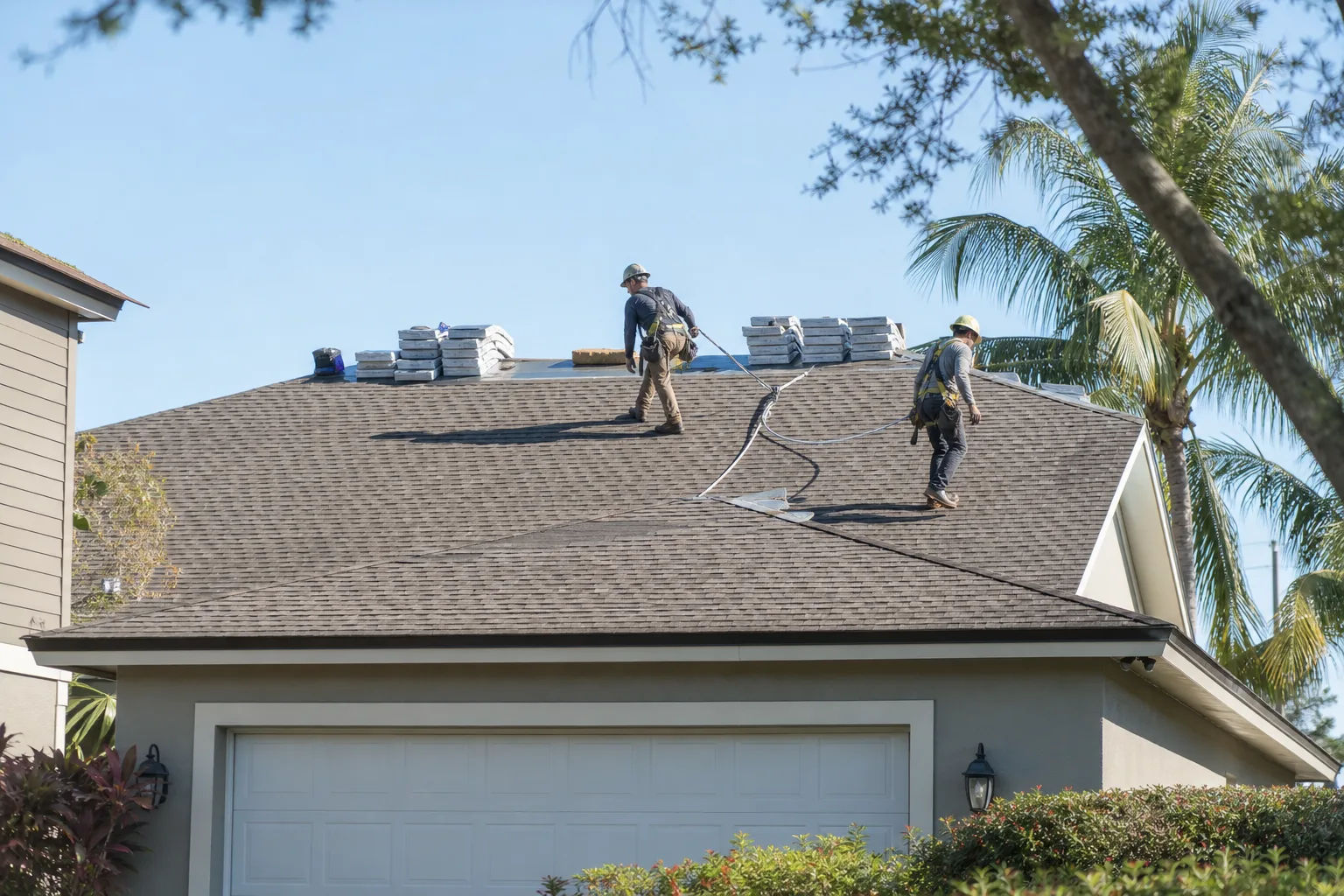
Some of the most frustrating leaks we diagnose are on the 1930s Hoover Dam-era cottages in the historic core. Original brick chimneys on these homes were often laid without modern counter-flashing let into the mortar joints. The step flashing simply laps over the brick face instead of being embedded in it. That works for a while. Then decades of thermal movement, afternoon heat expansion and overnight contraction, work the flashing loose. You end up with a gap about the width of a credit card between the flashing and the brick.
A credit-card gap doesn’t look like much. But it’s a direct channel, and every rain event sends water down the chimney face and into the wall cavity instead of onto the roof. You get a stain on an interior wall, sometimes peeling paint on the ceiling near the chimney, and the roof surface around it looks dry.
This is where Boulder City’s preservation rules matter. Exterior work on these homes, including flashing repairs that alter the visible profile, can trigger review under the town’s historic preservation ordinances. A contractor who doesn’t know the district rules can create a headache, and one who doesn’t know the 1930s material palette can hand you a repair that’s technically watertight and visually wrong. We’ve learned to plan for that review up front rather than after the fact.
Expansive Soils, Wall Gaps, and the Small Holes You Can’t See
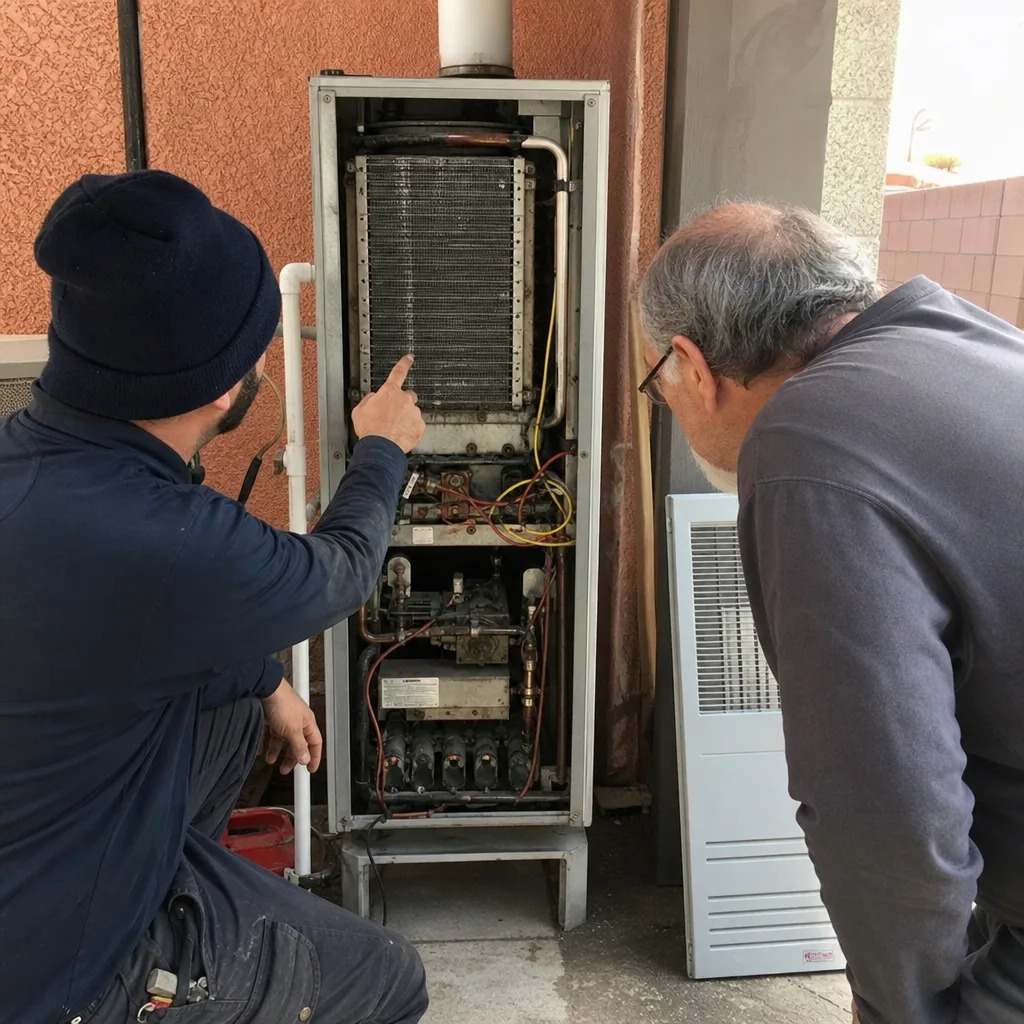
Boulder City’s desert soils shrink and swell with moisture, and that movement doesn’t stay in the ground. It shifts the structure above it. Over years, it can open small gaps at roof-to-wall intersections, around dormers, and at the junction where an addition meets original framing. Those aren’t big holes. They’re hairline separations that let water in during a hard rain and dry out before anyone notices.
The heat plays a role too. Crews working roofs here in July face real heat-illness risk, and the dry air pulls moisture out of sealants fast, which is one reason our technicians schedule roof work for early morning whenever possible. Our technicians have up to 12 years of experience, and most of them can walk a roof and point to the failing penetration before they ever put a hand on the shingles.
What Roof Repair Runs in Boulder City
| Service | Typical Range |
|---|---|
| Roof repair (flashing, boots, caulk, small leaks) | $400-$1,800 |
| Tile roof repair | $600-$2,500 |
| Full roof replacement | $8,000-$20,000 |
| Metal roof installation | $15,000-$40,000 |
Upfront pricing means the number we quote is the number you pay, with no surprises after the work starts. Here’s the part that matters most for a leak diagnosis: our written assessment covers every penetration we find during the inspection. Not a verbal “looks pretty good” that leaves you wondering whether the pipe boot above the guest bath was actually checked. You get it in writing, penetration by penetration, so you know what was inspected and what was found.
If a leak has gone on long enough to rot decking or soak insulation, we’ll tell you straight, and that repair is still backed by our 730-Day Done Right Promise. Built to last, backed in writing.
FAQs About Roof Leaks in Boulder City
Failed caulk and flashing around roof penetrations, especially evaporative cooler bases and pipe boots, are the most common cause of roof leaks in Boulder City. Desert UV and low humidity destroy the elasticity of roofing sealants in four to seven years, and the failure is invisible from the ground. Call (888) 282-1693 for a no-pressure inspection and a written assessment.
Shingles can look perfectly intact while water enters through a cracked pipe boot, a loose step flashing, or a failed cooler base, so a sound-looking roof surface doesn’t rule out a leak. The water then tracks along framing and shows up as a ceiling stain well away from the actual entry point. Call (888) 282-1693 and we’ll trace it to the source.
Flashing and caulk in Boulder City should be checked every two to three years, since the sun breaks down sealants faster here than in milder climates. The check matters most around swamp cooler bases, because the cooler can work fine while its flashing quietly fails. Call (888) 282-1693 to schedule an inspection.
Repair is almost always cheaper when the leak traces to a penetration or a small flashing failure, with roof repair in Boulder City typically running $400-$1,800 versus $8,000-$20,000 for a full replacement. Replacement only wins when the decking, shingle field, or multiple penetrations have failed at once. Call (888) 282-1693 for an honest read on which applies to your roof.
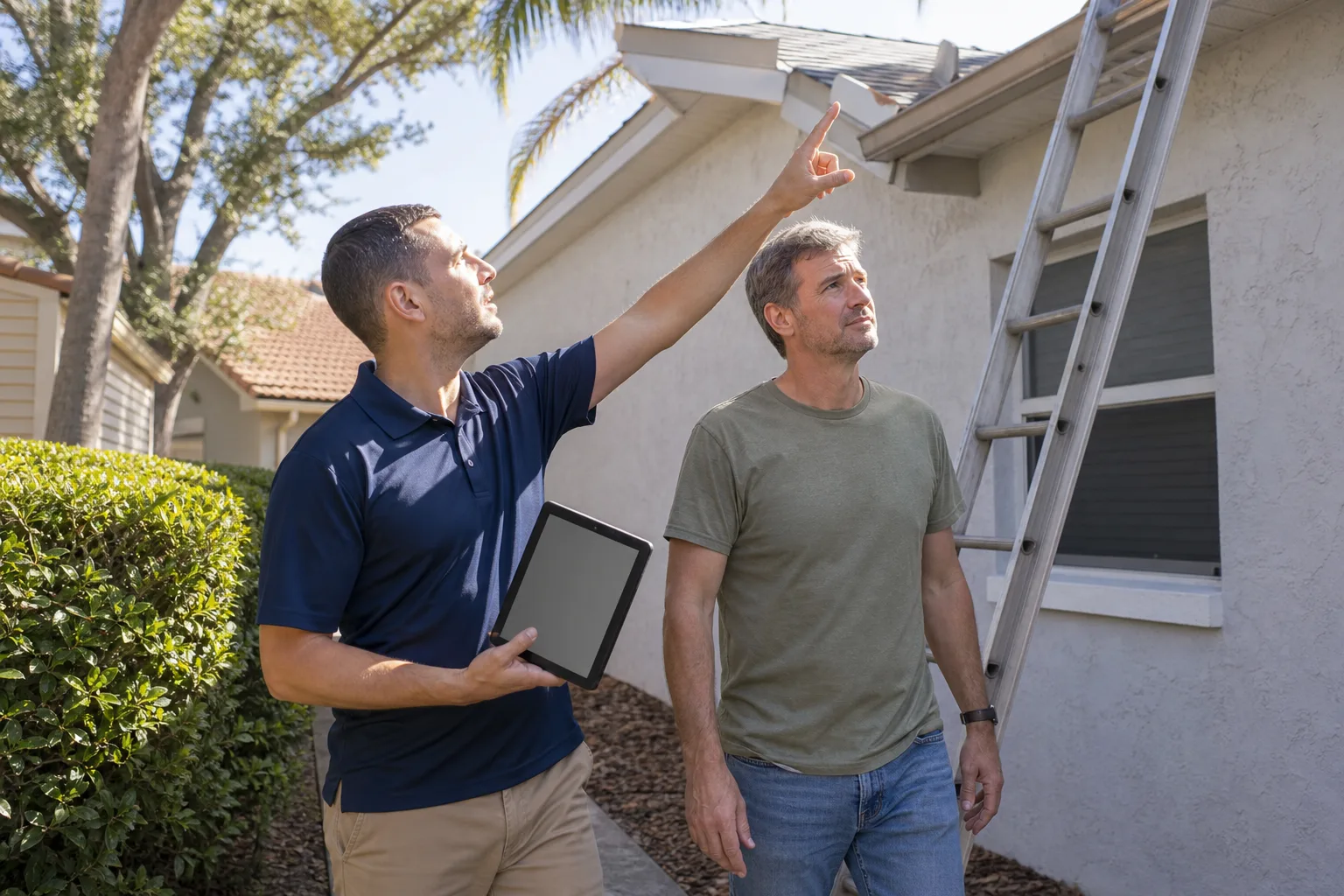
If you’d rather have it looked at, Groundwork Construction Co. of Boulder City offers a no-pressure assessment in Boulder City. We answer the phone with a live person 24/7, our technicians are background-checked and arrive in uniform, and you’ll get a written account of every penetration we find. Call (888) 282-1693 for a free estimate. You can also see the areas we cover on our Boulder City service area page, or start from our home page.
Written by the team at Groundwork Construction Co. of Boulder City, serving Boulder City, NV.