Last updated November 18, 2026






Free written scope consultation - allowances, timeline, and change-order rules on paper before a single trade is scheduled
Bathroom Remodeling Warning Signs Every Homeowner Should Know
A contractor who doesn’t pull a permit for a bathroom remodel in Nevada isn’t saving you money. They’re making you personally liable for unpermitted work that will surface the moment you try to sell your home. Most homeowners discover they hired the wrong bathroom contractor three weeks into the job, deep in a dispute with a half-finished shower and a crew that’s stopped answering texts. But the warning signs are almost always there on day one, in the bid, in the first site walk, in what the crew does (and doesn’t do) before a single tile is set.
This guide is written from Boulder City, where we watch bathroom remodels run into the same avoidable problems year after year. It teaches you to read a job site the way an experienced builder does, so you catch the trouble before it becomes your trouble.
Quick Answer
The biggest bathroom remodeling warning signs are a bid with no line-item breakdown, a contractor who won’t show you the permit before demolition starts, a crew that skips moisture testing or rushes waterproofing and grout cure times, and any promise of “we’ll handle the paperwork” without a document in your hand. Any one of these is worth pausing over. Two or more together means you should slow down and ask hard questions before you sign or before you let work continue.
Styles & brands we work with
- Kitchen remodeling
- Bathroom remodeling
- Home additions & ADU
- Roofing
- Windows & doors
- Driveway & pavers
- Fence
Table of Contents
- The Permit Question You Must Ask Before You Sign
- Waterproofing Shortcuts That Show Up as Mold 18 Months Later
- Bid Warning Signs: Why No Line-Item Breakdown Is a Liability
- On-Site Behaviors That Signal a Crew Is Cutting Corners
- Already Mid-Project and Something Feels Wrong? Here’s What to Do
- Boulder City-Specific Red Flags: Climate, Code, and Older Homes
- The Red Flag Checklist: What to Watch For Before and During the Job
The Permit Question You Must Ask Before You Sign
Ask this in the first conversation: “Will you pull a permit for this bathroom, and can I see the permit number once it’s issued?” You’re looking for a clear yes, followed by an actual document. Not a nod, not a vague promise that “we handle all that.” A permit is a public record. It has a number. It exists or it doesn’t.
In Boulder City, bathroom remodels that move plumbing, add a fixture, reconfigure walls, or touch electrical circuits generally require a permit and inspections. That’s there to protect you. An inspected job has a paper trail showing the rough plumbing held pressure, the electrical passed, and the framing was checked before the walls closed up. When you sell your home, a buyer’s inspector will spot unpermitted work, and so will an appraiser. That discovery turns into a repair bill, a delayed closing, or a price reduction, and none of it is the contractor’s problem at that point. It’s yours.
Here’s the difference between a contractor who pulls permits and one who only says they do:
- They pull it: you get a permit number, and an inspector shows up at the rough-in and final stages.
- They say they’ll “handle it”: you get nothing in writing, and months later you can’t prove the work was ever reviewed by anyone.
- They talk you out of it: “You don’t need a permit for a small bathroom.” That’s a red flag, not a favor.
The permit question isn’t about paperwork for its own sake. It tells you whether the contractor intends to build to code and stand behind the work in a way that survives a home sale. If a bid is dramatically cheaper than the others and the permit is the missing piece, that’s where the savings came from. You’ll pay it back later with interest.
Waterproofing Shortcuts That Show Up as Mold 18 Months Later
Waterproofing is the part of a bathroom remodel you can’t see once it’s done. The tile hides everything. That’s exactly why cutting corners here is so tempting for a crew in a hurry, and why the damage takes over a year to reveal itself. By the time black mold creeps out from behind the shower wall or the ceiling below starts to stain, the crew is long gone and the warranty conversation gets ugly.
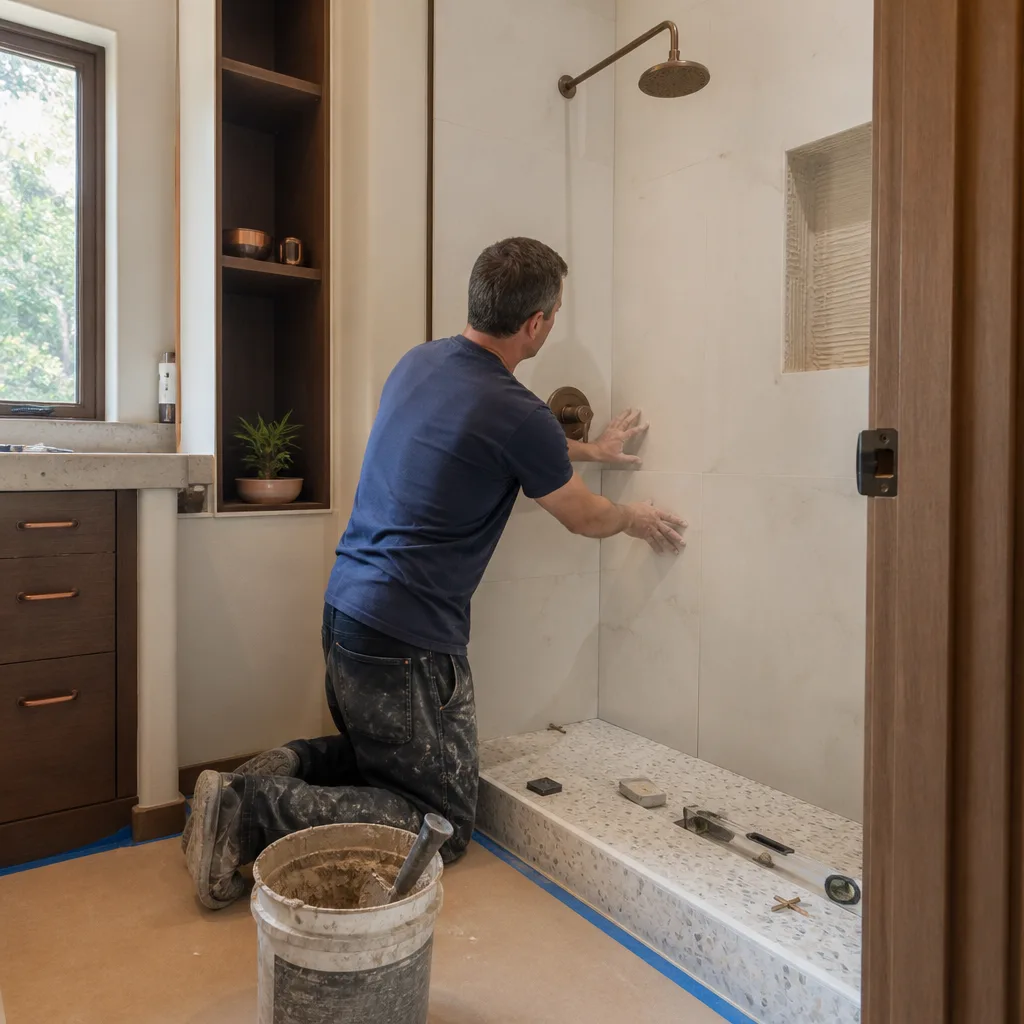
A properly waterproofed shower has a real system: a sloped pan, a waterproof membrane (sheet or liquid-applied), proper sealing at every corner and seam, and a flood test to prove the pan holds water before tile goes down. A shortcut version skips the slope, paints on a thin coat, or skips the flood test entirely. It looks fine during construction. It fails slowly.
What to watch for before tile goes in:
- No flood test: the pan should hold standing water for 24 hours with no drop. If nobody mentions it, ask.
- Membrane that looks painted on in a thin, patchy coat: it should be even and to the manufacturer’s thickness.
- Greenboard treated as waterproofing: moisture-resistant drywall is not a waterproof membrane. It’s a backup, not a substitute.
- No curb or a flat shower floor: a shower floor that doesn’t slope to the drain is a puddle waiting to become a leak.
- Corner seams without proper sealing: the corners are where water finds its way in first.
In Boulder City’s dry climate, a failed waterproofing job can look fine for longer than it would in a humid region, because surface moisture evaporates fast. The water is still getting behind the wall and soaking the framing. It just takes a little longer to show on the surface. That delay is what makes it expensive.
Bid Warning Signs: Why No Line-Item Breakdown Is a Liability
A quote that’s one number on one line is not a bid. It’s a guess with a signature block. You can’t compare it to anything, you can’t see what’s included, and you can’t hold anyone to a scope that was never written down. When the contractor later says “that wasn’t in the price,” you have no document to point to. That’s a liability disguised as simplicity.
A real bathroom bid breaks out the work: demolition and haul-away, rough plumbing, electrical, drywall and waterproofing, tile, fixtures, cabinetry, countertops, painting, and cleanup. Materials get a brand and a model where it matters. The brands in a good bid aren’t random. Quality choices like Silestone or Caesarstone for the vanity top tell you the contractor plans the finish, not just the framing.
What a line-item bid does for you:
- Lets you compare fairly: three bids with line items show you where the real differences are. One number each tells you nothing.
- Exposes the gaps: if demo, disposal, or permits are missing from the list, they’ll show up as change orders later.
- Locks the scope: a written scope means “the quote is the quote.” No surprise numbers mid-job.
- Shows how the contractor thinks: a builder who itemizes is a builder who plans. The opposite is someone who improvises on your dime.
A low number with no detail isn’t a deal. It’s an opening bid in a negotiation you didn’t know you were in. Upfront pricing with a real line-item breakdown is how you keep the number you saw and the number you pay in the same place. If a contractor won’t put the breakdown in writing, that tells you what the rest of the job will feel like.
On-Site Behaviors That Signal a Crew Is Cutting Corners
You don’t need a construction background to read a job site. You need to know what “normal” looks like. A disciplined crew works in a specific order, protects the rest of your home, cleans as they go, and doesn’t rush the parts of the job where time actually matters. A crew cutting corners leaves a trail of small tells that add up to a big problem.
The behaviors worth watching for:
- Skipping moisture testing. Before new flooring or a shower goes in, subfloor moisture should be checked. A crew that skips it is gambling on a slab or subfloor that may hold moisture and ruin the floor from underneath.
- Rushing grout cure time. Grout and sealant need time to cure to the manufacturer’s schedule. Sealing too soon traps moisture. Grouting too soon cracks. A crew that “needs to move fast” is skipping a step that protects your tile.
- Leaving subfloor gaps. Gaps between subfloor panels or at the walls let water and air through and telegraph through tile. They should be filled and prepped.
- No dust protection. Plastic over doorways and furniture isn’t a luxury. It’s the sign of a crew that respects your home and plans to be there a while.
- Debris piling up in the work area. A cluttered site hides mistakes and slows the job. Clean sites are cleaner jobs.
- Nobody can tell you the schedule. A disciplined crew knows what’s happening today and tomorrow. If the answer is always “we’ll see,” they’re not planning.
These aren’t small annoyances. Each one points to a pattern. The crew that skips the moisture test is the crew that skips the waterproofing detail, which is the crew whose shower leaks. You’re not looking for perfection. You’re looking for discipline, because discipline is what shows up in the work you can’t see.
Already Mid-Project and Something Feels Wrong? Here’s What to Do
Maybe you’re three weeks into a Boulder City bathroom remodel and the alarm bells are ringing. The tile work looks off, the crew has missed days, or the waterproofing went in without anyone mentioning a flood test. The instinct is to either blow up the relationship or ignore it and hope. Both are mistakes. There’s a calm middle path that protects you and keeps the job moving.
Here’s how to handle a project you suspect is going sideways:
- Pause, don’t storm. Ask for a walkthrough with the lead and write down what you see. Don’t accuse. Ask questions. “Can you walk me through how you waterproofed the shower pan?” The answer tells you a lot.
- Document everything. Photos, dates, texts, the signed scope, the permit number. A calm record is worth more than an angry phone call if it comes to a dispute.
- Check the permit status. Call the building department and confirm the permit exists and what stage it’s at. This is public information and takes minutes.
- Get a second opinion without torching the relationship. A neutral inspection of the work so far, especially the rough plumbing and waterproofing, tells you whether the concern is real. Frame it as due diligence, not an accusation. Most pros understand.
- Put concerns in writing, politely. A short email summarizing the walkthrough and the agreed fixes protects you and often gets faster action than a phone call.
- Decide with facts. If the second opinion confirms a real problem and the crew won’t fix it, that’s when you escalate. If it’s a minor snag, hand it back to the contractor with a clear list and let them fix it.
The goal is a finished job you’re happy with, not a public fight. A contractor who’s good will welcome the walkthrough and fix what’s wrong. One who gets defensive or disappears has told you what you needed to know, and it’s better to find out at week three than at the final walkthrough.
Boulder City-Specific Red Flags: Climate, Code, and Older Homes
Boulder City is not Las Vegas, and a bathroom contractor who treats it the same will miss things. The town’s housing stock includes a lot of mid-century homes, some dating to the 1930s and 1940s, where the plumbing, wiring, and framing are original. That means a “simple” bathroom remodel often turns up galvanized supply lines, old cast-iron drains, or knob-and-tube wiring once the walls open. A contractor surprised by that is a contractor who didn’t plan for it.
Local realities that change a bathroom remodel in Boulder City:
- Hard water: Boulder City’s water runs hard, and that matters for fixtures, showerheads, and any exposed metal. Specifying fixtures and finishes that tolerate hard water is a real decision, not a sales add-on. A contractor who doesn’t mention it isn’t thinking past demo day.
- Dry climate and moisture: the air is dry, which masks leaks and lets surface moisture evaporate before anyone notices. Water trapped behind a shower wall still soaks the framing. The dry climate doesn’t save the job, it delays the discovery.
- Older-home surprises: in homes near downtown Boulder City, opening a wall can reveal things the bid didn’t cover. A good bid includes a contingency so those surprises are handled without a mid-job price fight.
- Historic considerations: parts of Boulder City have older homes where exterior changes and some structural work need extra review. A local contractor knows what to expect and pulls the right permits.
- Permit and inspection timing: inspections take time on the calendar, and a crew that schedules cleanup before the final inspection either rushed the inspection or skipped it. Ask when the final inspection is booked.
A bathroom remodel in a 1940s Boulder City bungalow is a different job than the same square footage in a newer build. The warning signs are the same, but the stakes on old plumbing and wiring are higher, and a contractor who hasn’t planned for what’s behind the wall is a contractor who’ll be asking you for more money once they find it.
The Red Flag Checklist: What to Watch For Before and During the Job
Use this as a pre-signature checklist and again once work starts. Any single item deserves a question. Several together is a reason to slow down.
Before you sign:
- One-number bid with no line items, no brands, no scope described.
- No mention of a permit, or “we don’t need one for a bathroom.”
- No written scope for what’s excluded (demo, disposal, fixtures, paint, permits).
- Pressure to sign today, or a price that “disappears” if you don’t decide now.
- No written warranty or a warranty shorter than you’d expect.
- Cash-only or payment in full upfront with no schedule or milestones.
- Can’t name the brands or materials they plan to install.
Once work starts:
- Waterproofing went in with no flood test and no conversation about it.
- Grout and sealant applied on a rush schedule.
- Subfloor gaps left unfilled before tile.
- No dust barriers, no protection for your home.
- Nobody can tell you the schedule for the week.
- Rough plumbing and electrical not inspected before the walls close.
- The crew shows up without the person who quoted the job in sight, and nobody on site understands the scope.
The checklist isn’t about catching a contractor in a lie. It’s about knowing what “good” looks like so you can tell the difference between a job that’s going well and one that’s quietly going wrong. In our experience, the homeowners who end up happy are the ones who asked the boring questions early and didn’t let a low number talk them out of it.
Common Mistakes to Avoid
- Choosing on price alone. The lowest bid is usually lowest because something was left out, and that something is usually the permit, the waterproofing, or the labor for a step that actually matters. Compare the scope, not the total.
- Not asking about the permit in writing. A verbal “we’ll handle it” protects nobody. In Boulder City, unpermitted work follows the house, not the contractor, and it shows up at sale.
- Never visiting the site mid-job. The middle of the job, when the walls are open, is when you can still see the rough plumbing and the waterproofing. Look then, not after the tile is grouted.
- Paying in full before the final inspection and walkthrough. Hold back final payment until the job passes inspection and you’ve walked the finished bathroom with the crew.
- Ignoring hard water when choosing fixtures. Boulder City’s water is hard. The cheapest fixture isn’t the cheapest over time if it corrodes in a few years.
- Assuming old-home surprises won’t happen. If the home is from the mid-century era, expect old pipes and wiring. A bid without a contingency for what’s behind the wall will turn into a mid-job change order.
- Letting a rushed crew skip the cure times. Grout and sealant need the time the manufacturer says. A crew that skips it is saving hours and costing you a tile job.
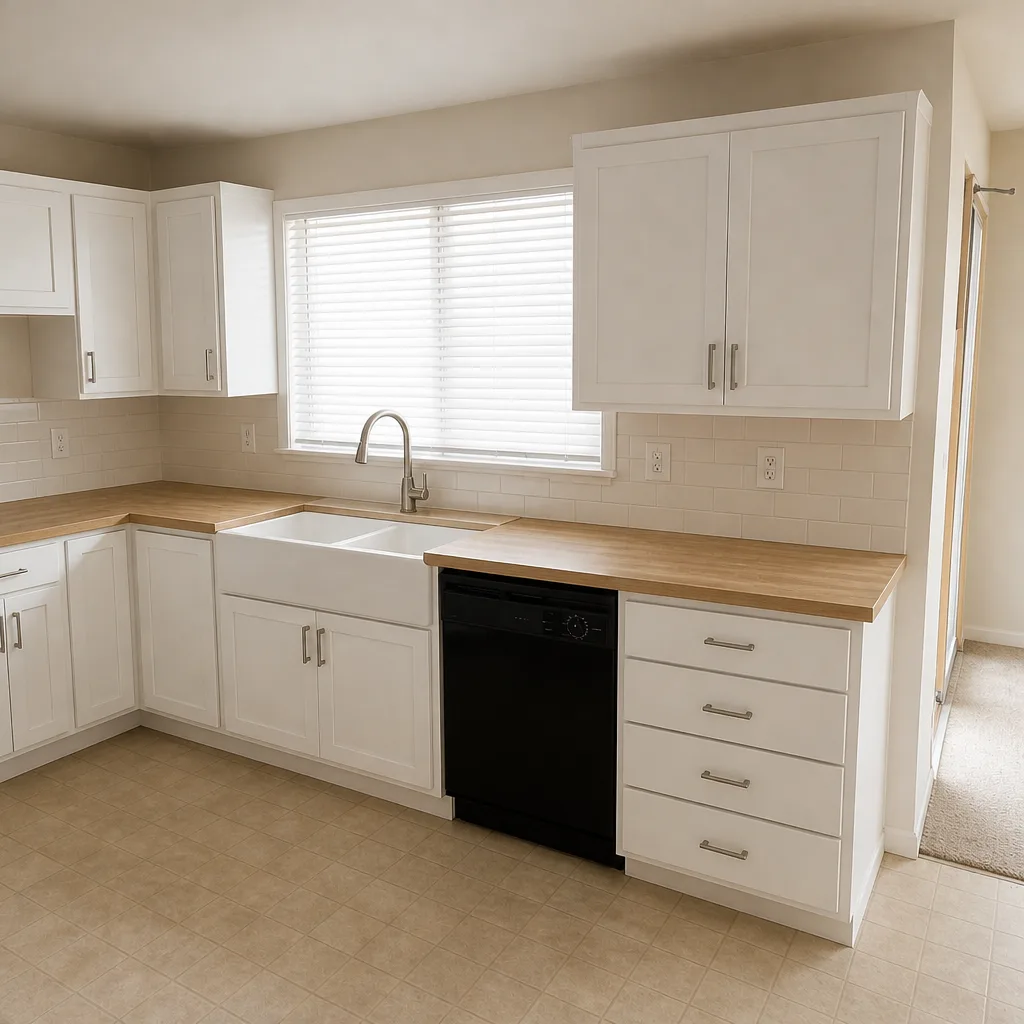
See the difference
 Before
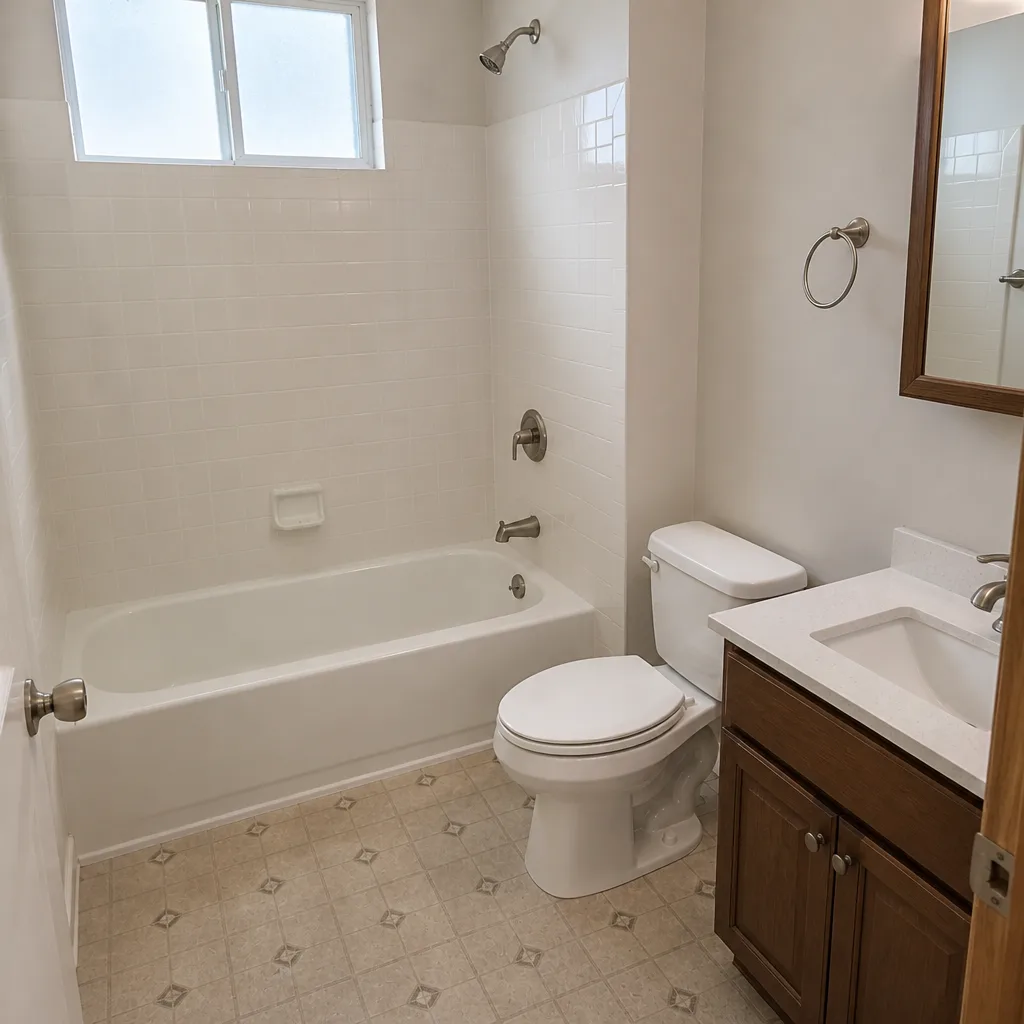 After
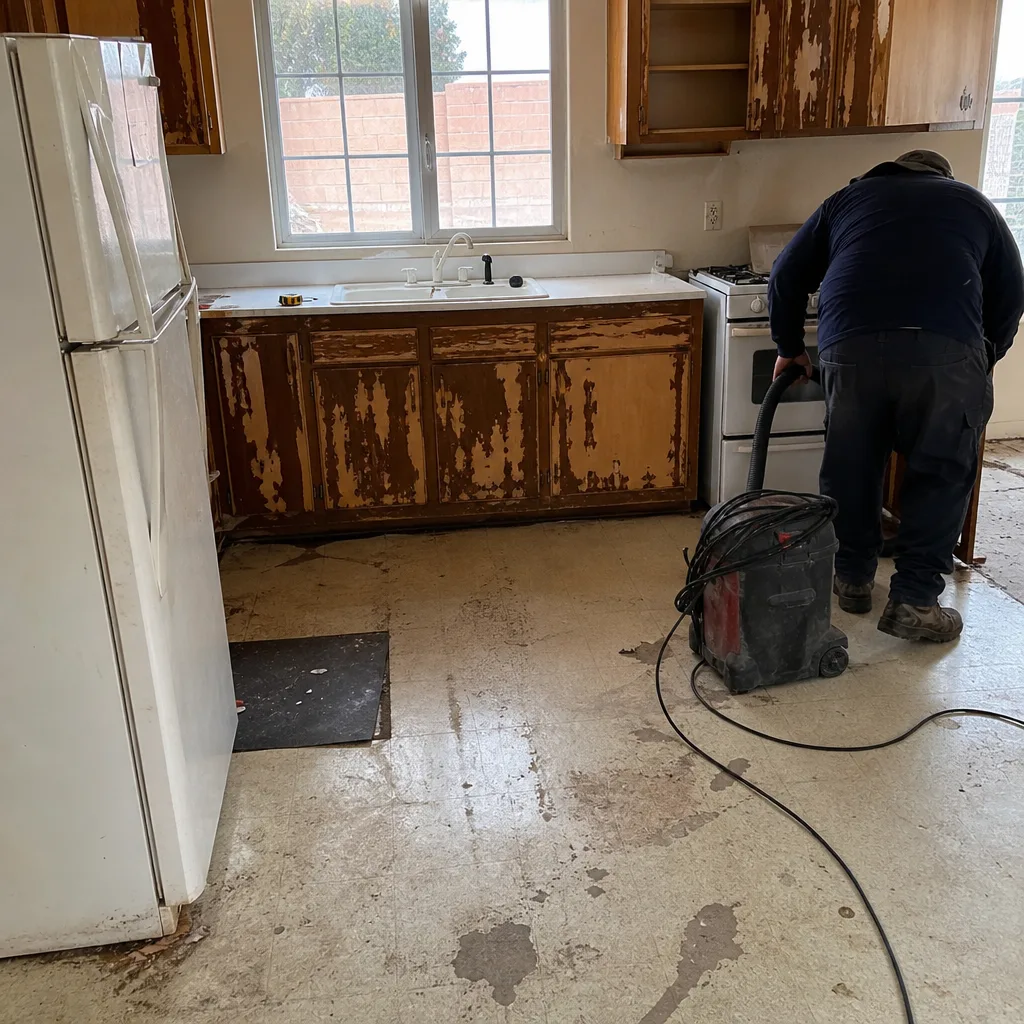 Before
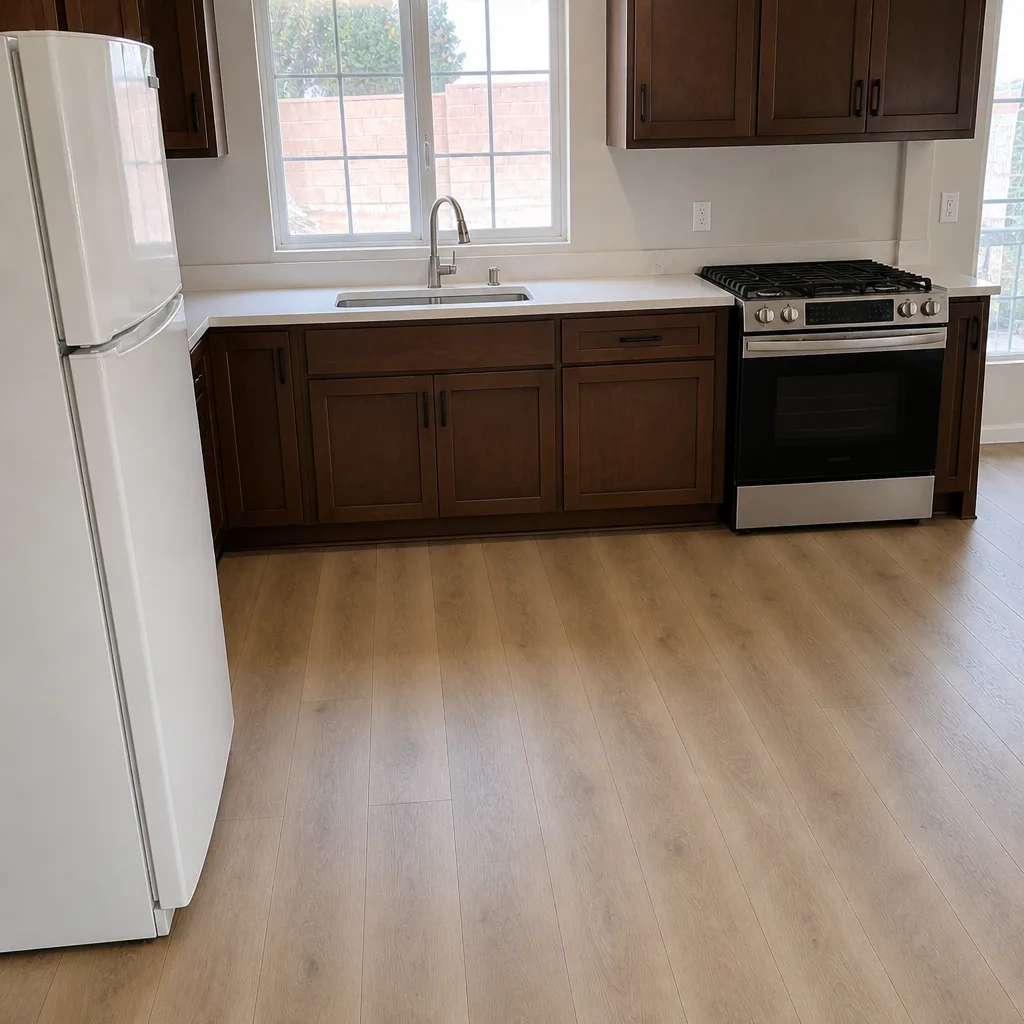 After
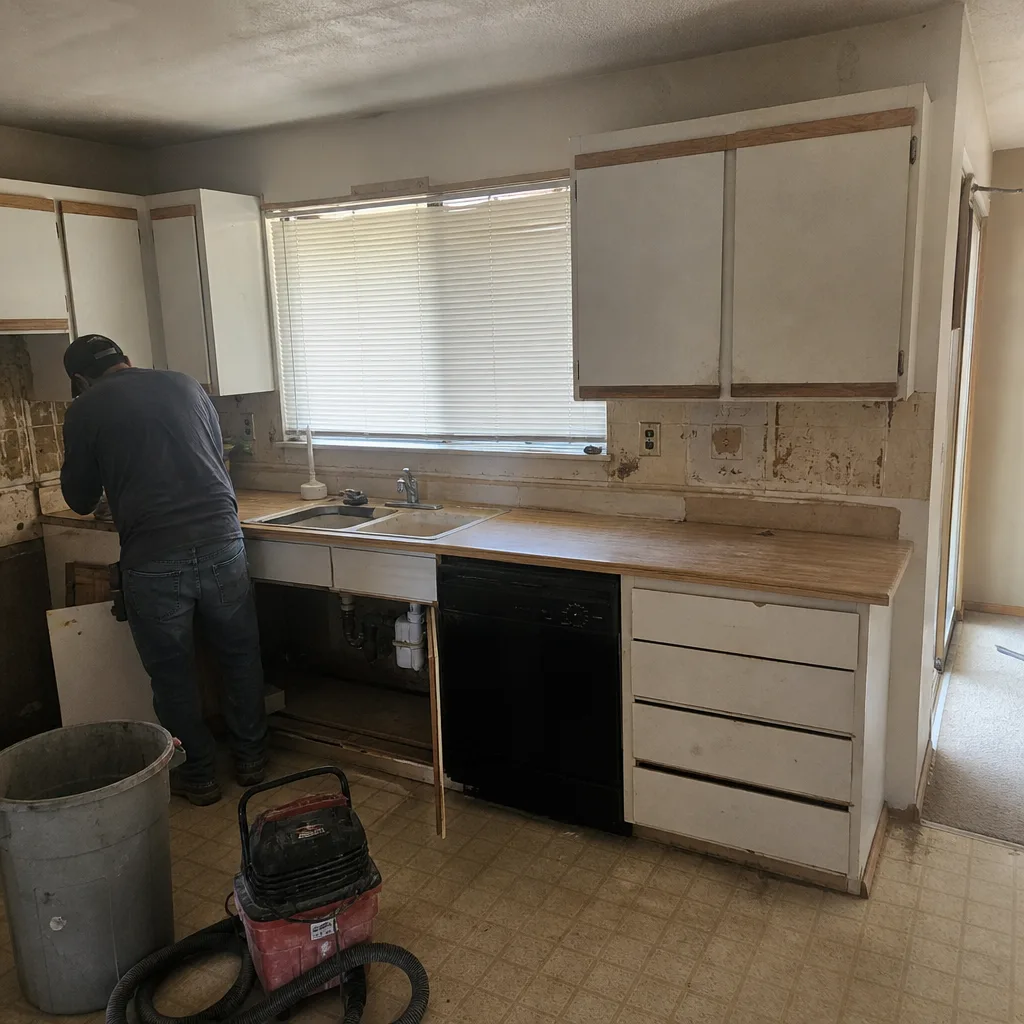 Before
 After
When to Call a Professional
Call a professional before you sign if a bid has no line items, if the permit question gets a vague answer, or if the price feels too good to be true. Call mid-project if waterproofing went in without a flood test, if the crew can’t explain the schedule, or if you’re seeing gaps, shortcuts, or a work area that’s been abandoned for days. Call a second opinion if you’re already in a dispute and want a calm, neutral read on the work so far. The whole point is to catch a problem while it’s still fixable. Groundwork Construction Co. of Boulder City offers free estimates in Boulder City. Call (888) 282-1693 to schedule yours.
Frequently Asked Questions
Usually yes, if the work moves or adds plumbing, changes electrical, or reconfigures walls or framing. Cosmetic changes like paint and a new vanity top may not require one, but anything behind the wall generally does. Ask your contractor to confirm in writing and show you the permit number once it’s issued. Call (888) 282-1693 for a free estimate and we’ll walk you through what your specific bathroom will need.
A single lump-sum number with no line-item breakdown and no named materials. It gives you nothing to compare and nothing to hold the contractor to when scope questions come up later. A real bid itemizes demo, plumbing, electrical, waterproofing, tile, fixtures, and permits, and names brands where it matters. Call (888) 282-1693 for a free, upfront estimate with the breakdown in writing.
A typical bathroom remodel runs several weeks depending on scope and inspection timing, and older Boulder City homes can run longer if the plumbing or wiring needs work. You’ll know it’s behind when nobody can tell you the schedule for the week, or when the same crew has been idle for days with no explanation. Ask for a written schedule before work starts so “behind” has a baseline. Call (888) 282-1693 for a free estimate and a clear timeline.
It shouldn’t if the bid was a real line-item quote with a defined scope and a contingency for hidden conditions. Change orders happen when something was left out of the bid, or when an old home reveals a problem nobody planned for. The fix is upfront pricing with the scope in writing, so the number you see is the number you pay except for documented surprises. Call (888) 282-1693 for a free estimate built that way.
Ask the lead for a walkthrough and a plain explanation of how the shower pan and walls were waterproofed, then document what you hear and see. If a flood test wasn’t done before tile, raise the concern in writing and get a neutral second opinion before more work is covered up. You’re not accusing anyone by asking; you’re protecting a job that’s still fixable. Call (888) 282-1693 if you want that second opinion.
Fixtures and surfaces that hold up to daily use and, in Boulder City, to hard water. That means reputable plumbing brands, a real waterproofing system behind the tile, and vanity tops from names that stand behind their product. If a bid names no brands at all, ask why. Call (888) 282-1693 for a free estimate and we’ll walk through the materials for your bathroom.
The Bottom Line
The wrong bathroom contractor announces themselves early. A bid with no line items. A permit question that gets a shrug. A crew that skips the flood test and rushes the grout. In Boulder City, where older homes hide old plumbing and the dry climate masks leaks until they’re expensive, those early signs matter more than anywhere. Read the job site, ask the boring questions, and get the scope and the permit in writing. Groundwork Construction Co. of Boulder City builds bathroom remodels with upfront pricing, permits pulled and inspected, and a 730-Day Done Right Promise. Call (888) 282-1693 for a free estimate.
Written by the team at Groundwork Construction Co. of Boulder City.