Last updated November 18, 2026




Free written scope consultation - allowances, timeline, and change-order rules on paper before a single trade is scheduled
Home Additions & ADU Maintenance Schedule: What to Do and When
Here’s the thing nobody tells you when you finish an addition or an ADU: the brand-new section will often need more attention in its first few years than the house you’ve lived in for two decades. The seam where new framing meets old framing moves. The new roof plane meets the old one at a valley that collects debris. And in Boulder City, that seam takes a solar beating and a monsoon soaking that a Portland bungalow checklist never imagined. This guide lays out a real schedule for what to check, when to check it, and what to log, built around how additions actually age in the Mojave.
Quick Answer
Inspect your addition or ADU at the tie-in points twice a year (spring and early fall), service the extended HVAC system every six months instead of annually, and photograph the roof penetrations, foundation joint, and exterior sealants once a year before the monsoon season. In Boulder City’s climate, the connection between the original structure and the new one is where problems show up first, and the August-to-September rains are when they show up all at once.
Styles & brands we work with
- Kitchen remodeling
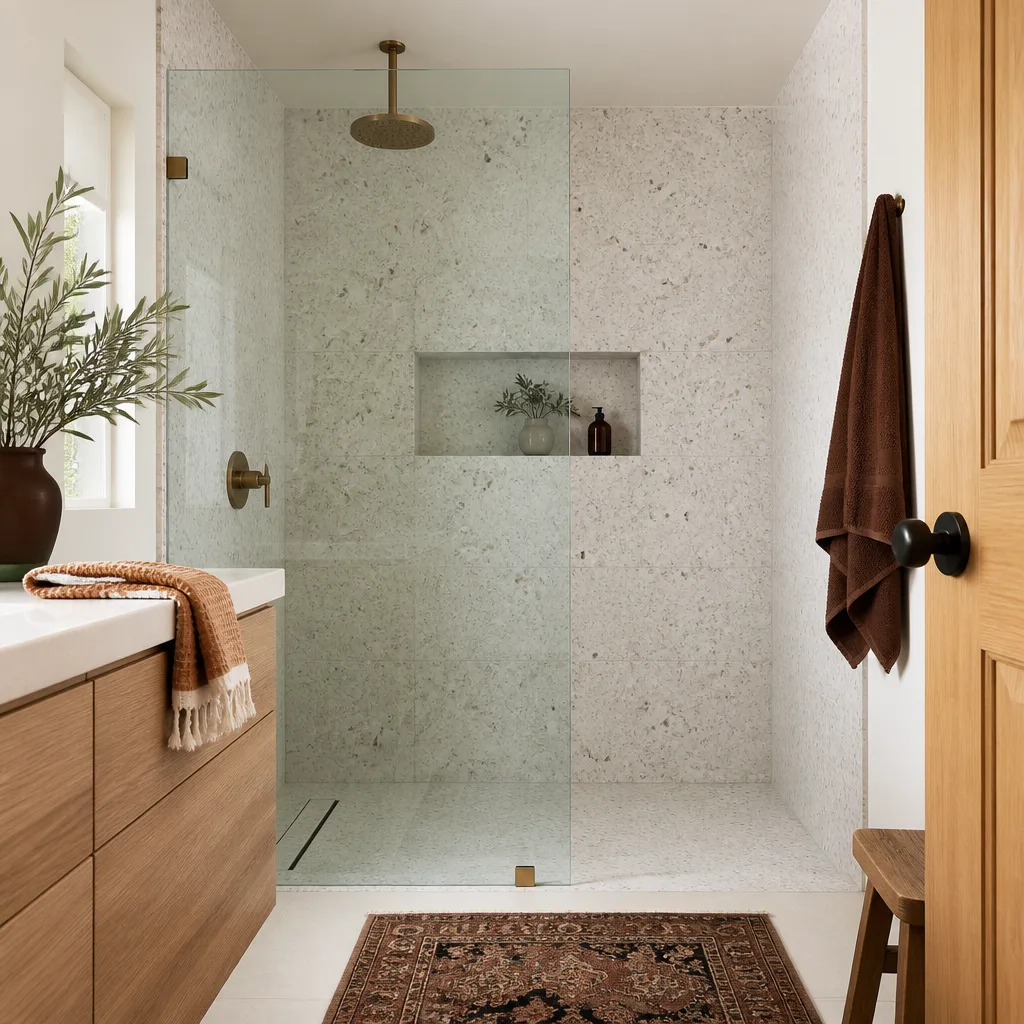
- Bathroom remodeling
- Home additions & ADU
- Roofing
- Windows & doors
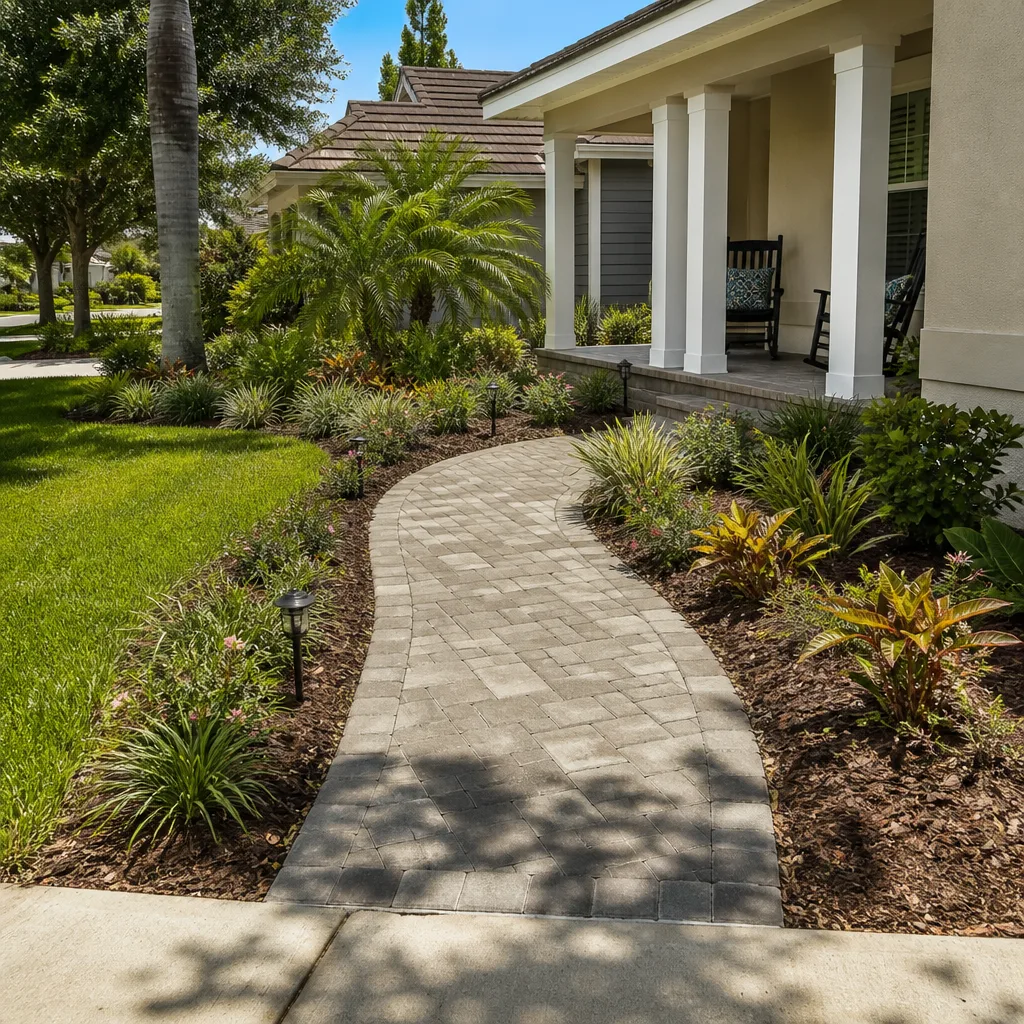
- Driveway & pavers
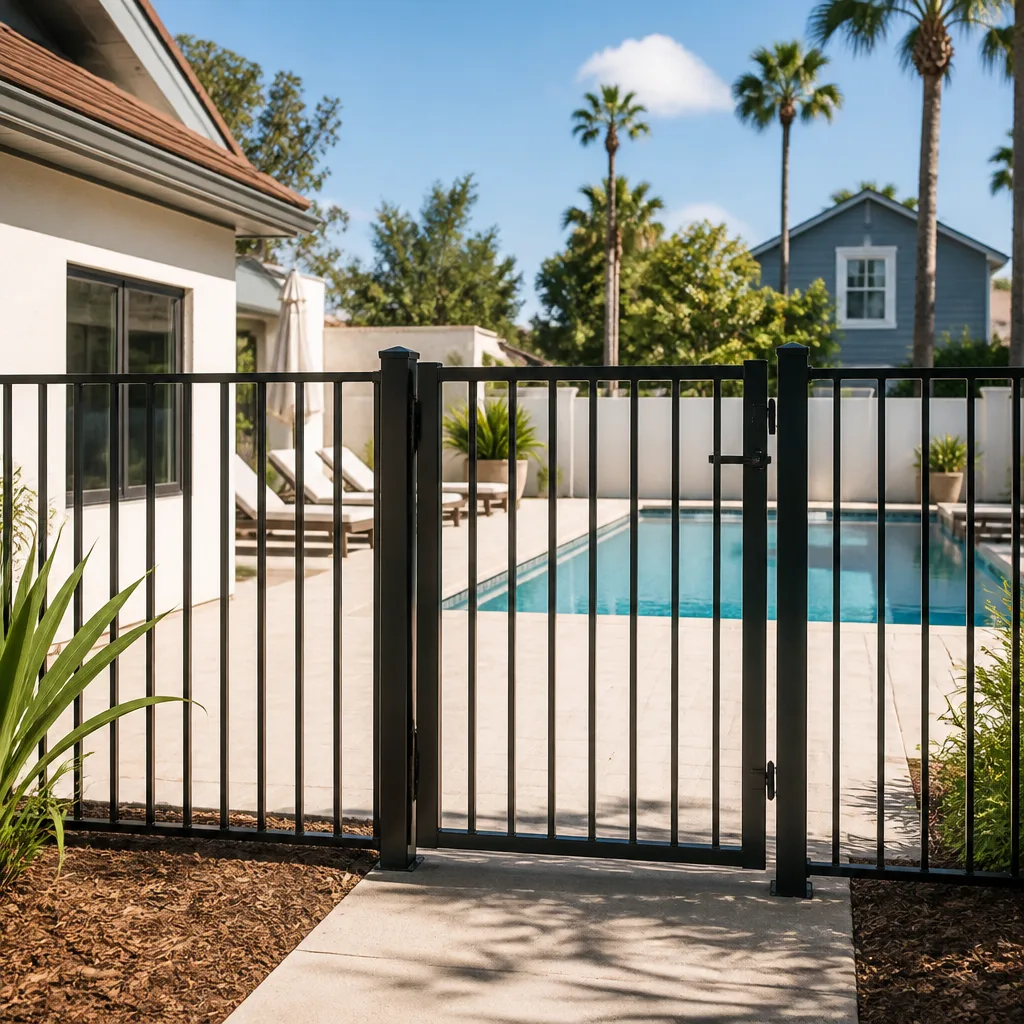
- Fence
Table of Contents
- Why the Tie-In Is the Most Important Spot on Your Property
- UV Degradation: What the Desert Sun Does to New Exterior Finishes
- Thermal Expansion Gaps and the Joint That Moves
- Monsoon Moisture: The August-September Test
- HVAC Service for Systems That Grew With the House
- ADU-Specific Maintenance: Meters, Doors, and Water Heaters
- What to Log and Photograph Every Year
- The Full Boulder City Maintenance Calendar
Why the Tie-In Is the Most Important Spot on Your Property
The connection point between your existing home and a new addition is the single most maintenance-critical location on the entire structure. It doesn’t exist in a house that was never added onto, which is exactly why it never appears on the generic maintenance checklists handed out at the hardware store. Every other wall on your property has been settling for years and has found its resting place. The new wall hasn’t.
When we frame an addition in Boulder City, the new structure and the original were built to different tolerances, often on footings poured decades apart, and the joint between them is designed to accept a small amount of independent movement. That’s not a defect. It’s physics. The wall you added will expand and contract at a slightly different rate than the wall it’s attached to, and the sealants, flashing, and trim at that seam are what absorb the difference.
What to inspect at the tie-in, every spring and fall:
- Exterior sealant joints where old siding meets new siding. Look for cracking, pulling away, or a shadow line that wasn’t there before.
- The roofline transition, where the new roof plane dies into the existing wall. This is a flashing detail and it’s where water finds its way in if anything has lifted or pulled back.
- Interior drywall seams near the connection. A hairline crack that appears and stays put is usually normal settling. A crack that keeps widening is worth a call.
- The foundation joint at grade, where the new slab or stem wall meets the old. Look for separation, efflorescence (that white chalky staining), or soil that has pulled away from the foundation line.
- Door and window operation near the seam. If a door that closed cleanly last spring now sticks at the top corner, something has shifted.
We’ve walked additions in Boulder City where the only real issue after five years was a bead of sealant at the tie-in that had dried out and was letting wind-driven rain track behind the trim. That’s a $200 fix caught early and a $6,000 repair caught late.
UV Degradation: What the Desert Sun Does to New Exterior Finishes
Boulder City sits at roughly 2,400 feet in the Mojave, and the UV index here runs high most of the year. That matters for a new addition because brand-new exterior finishes look great for the first two summers, then start showing their age faster than you’d expect. The new section often fades at a different rate than the old house, and that mismatch is your early warning system.
What degrades first, in our experience:
- Paint and stain on new siding and trim. South- and west-facing surfaces take the most damage. That side of your addition may need repainting two to three years before the rest of the house does.
- Caulk and sealant. Standard exterior caulk in this climate can dry, crack, and lose adhesion within 24 to 36 months. High-quality elastomeric sealant holds longer, which is what we specify on additions for exactly this reason.
- Composite and fiber-cement trim. Materials like Boral hold up well in desert sun, but the factory finish still needs inspection and periodic recoating.
- Window frames and gaskets. The weatherstripping and glazing seals on new windows dry out faster here. We’ve seen PGT and similar quality units hold up well when the seals are checked yearly.
- Roofing membrane and underlayment on the new roof plane, particularly at the valleys and penetrations.
A practical rule for the Boulder City owner: do a visual pass on all south and west exterior surfaces of the addition every spring. Run your hand along caulk joints. If a bead crumbles or pulls away cleanly, it’s time to reseal before summer. Catching it in April is a weekend project. Catching it after the first monsoon in September means water has already been behind the trim.
If you’re planning the addition now and want the exterior spec’d for this climate from the start, our Home Additions & ADU in Boulder City page covers how we approach materials and detailing for the desert.
Thermal Expansion Gaps and the Joint That Moves
Desert temperature swings are the engine behind most addition maintenance. Boulder City routinely swings 30 to 40 degrees between a summer afternoon and that same night. Every material on your addition responds to that, and the connection point is where those responses add up.
What that means for you in practice:
- Exterior joints move daily. The sealant at the tie-in is doing real work. Flexible sealant is the correct choice; rigid filler will crack.
- Roof flashing expands and contracts. The metal flashing at the valley where the addition roof meets the house roof should be checked for fasteners that have backed out or lifted edges.
- Concrete flatwork cracks, and that’s normal. New patios, walkways, and slab edges around an addition will show control-joint cracking. What matters is whether the cracks stay hairline or open up. If a slab has lifted or a joint has heaved, that’s a drainage or soil issue worth a look.
- Interior door gaps and trim. Wood trim expands and contracts with the seasons. Small gaps at mitered corners that open in summer and close in winter are cosmetic. Persistent gaps that don’t close are worth noting.
The honest answer: some movement is designed in, and not every crack or gap is a problem. What you’re looking for over time is a trend. A gap that’s the same size next year as this year is a gap. A gap that’s noticeably wider next year is a signal.
Monsoon Moisture: The August-September Test
Boulder City’s monsoon window runs roughly July through September, and it delivers short, intense bursts of rain that find every weak point in a building envelope. An addition that has been bone dry for 11 months gets tested in a matter of hours. This is the section of your maintenance calendar where being proactive actually changes the outcome.
Do this before monsoon season, in late June or early July:
- Walk the roof. Clear debris from the valley where the new roof meets the old. In the Mojave, wind-blown dust, dried palm fronds, and grit collect there. A blocked valley in a heavy rain event sends water sideways.
- Check the flashing and penetrations. Every vent, skylight, and roof-to-wall junction on the addition should be sound and sealed. The most common leak we see on additions is a penetration detail that was fine at install and has since lost its sealant.
- Inspect the tie-in sealant. Same joint as always, but this is the load-bearing check of the year.
- Test drainage away from the foundation. Pour a bucket of water against the base of the new wall and watch where it goes. It should run away from the structure, not pool. If your addition sits on graded soil that has settled, you may have a low spot holding water against the foundation.
- Check interior ceilings on the addition side for any faint staining after the first real rain of the season. A rusty pinprick on a ceiling is an early sign.
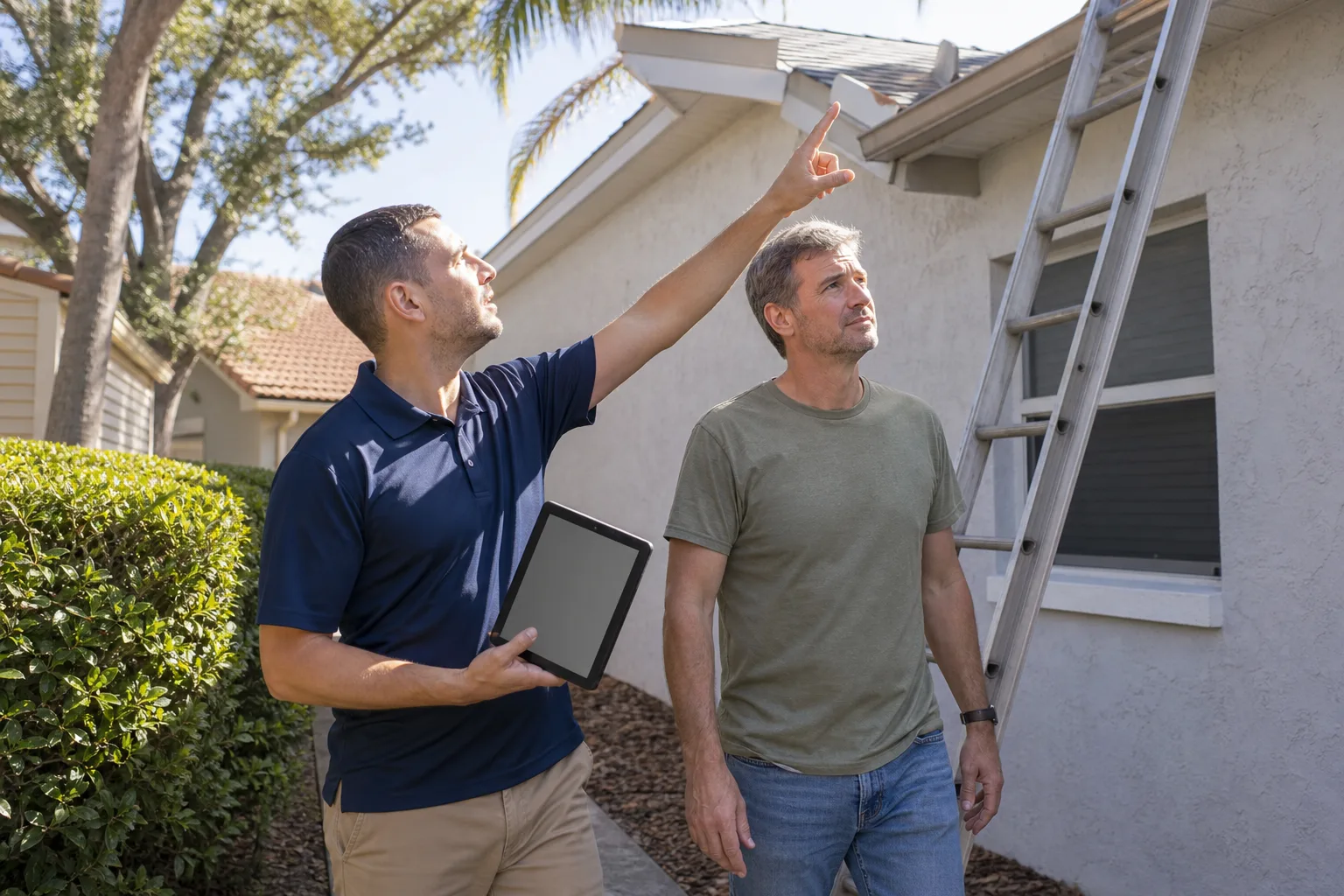
If you find staining or an active drip, call a professional. Roof and flashing repairs are not a place to improvise, and on a new addition you want the fix documented properly. Groundwork Construction Co. of Boulder City offers free estimates if you’re not sure what you’re looking at.
HVAC Service for Systems That Grew With the House
When your HVAC system was extended to cover the addition, it changed. A system sized for 1,800 square feet now serves 2,400, and in a Boulder City summer that equipment runs harder and longer than it used to. The maintenance schedule that worked for the original house is no longer the right schedule.
What changes:
- Filter changes. If you were changing filters every 90 days before the addition, step it up to every 60 days during cooling season. The system is moving more air and pulling in more dust.
- Seasonal tune-ups. Twice a year instead of once, ideally spring before the cooling season and fall before heating. A system that’s working harder needs eyes on it more often.
- Duct inspection. Extended duct runs are the usual approach for additions, and those longer runs can develop leaks at the new joints. Once a year, have a technician check that the new ductwork is sealed and that airflow to the addition’s rooms is adequate. A room that never quite cools in July is often a duct issue, not a system issue.
- Return air. Confirm the addition has adequate return air. Undersized returns make the whole system work harder and shorten its life.
- Mini-split service. If the ADU has its own ductless system, clean the indoor unit’s filter every 60 days during use and have the outdoor unit checked once a year. Coils in this climate foul with dust fast.
This is one of the most overlooked items in any home addition maintenance plan. The mechanical system is doing more work than it was built to do, and it deserves more attention, not less.
ADU-Specific Maintenance: Meters, Doors, and Water Heaters
A detached ADU in Boulder City has its own maintenance profile because it typically has its own utilities and its own envelope. It’s essentially a small second house, and it needs its own schedule, not a footnote on the main home’s list.
Items unique to the ADU:
- Utility meters. If your ADU has a separate electric or gas meter, calibrate and verify it annually against your actual usage. A meter that has drifted or been misread inflates bills and can complicate future resale and disclosure. Get in the habit of reading it yourself monthly and keeping those readings.
- Exterior entry door weatherstripping. The ADU’s entry door takes the full brunt of the desert heat on one side and air conditioning on the other. Weatherstripping and door sweeps in this climate dry and compress faster than you’d expect. Check them twice a year; replace when a dollar bill slides freely through the closed door’s gap.
- Water heater. A separate ADU water heater is doing its own work. Flush it annually to clear sediment, check the anode rod, and check the pressure relief valve. In hard desert water, sediment builds fast and shortens heater life.
- Independent roof and exterior. The ADU’s roof, siding, and sealants are a separate set of surfaces to inspect. Don’t assume the main house walk-through covers it.
- Separate electrical panel. Once a year, have the panel checked by a qualified professional and confirm the breakers are labeled correctly. Never open a panel yourself; electrical work belongs to a licensed electrician.
If the ADU operates as a rental, keeping this schedule documented matters even more. A tenant change is the moment you’ll want the records. Our Groundwork Construction Co. of Boulder City home page gives an overview of how we handle ADU construction and detailing from the start.
What to Log and Photograph Every Year
This is the unglamorous part of the schedule and the part that pays off most. Annual documentation protects your warranty claims and, in Nevada, supports the disclosure requirements that come with a future sale. When a buyer’s inspector finds a hairline crack at the addition joint, a dated photo log showing it looks exactly the same today as it did three years ago settles the question in five minutes.
Build a simple annual record. A folder on your phone works fine. Once a year, photograph and date:
- The exterior tie-in, where old meets new, from both sides.
- Every roof penetration and the valley where the addition roof meets the house roof.
- The foundation joint at grade, including close-ups of any cracks.
- All exterior sealant joints on the addition, especially south and west faces.
- The ADU’s entry door, weatherstripping, and its utility meter readings.
- Interior ceilings and walls of the addition, for any staining or cracks.
- The HVAC filter (photograph the date on the filter you installed).
Keep your maintenance receipts too. If you have a water heater serviced or a roof detail repaired, that receipt goes in the folder. In Nevada, a documented maintenance history is a strong disclosure asset and a legitimate resale selling point, and it’s the first thing we ask for when a homeowner calls with a warranty question. Every project we complete is backed by our 730-Day Done Right Promise, and a clean record makes any claim straightforward to resolve.
The Full Boulder City Maintenance Calendar
Here’s the schedule in one place, built around Boulder City’s climate rather than a generic national template.
Spring (March-April) – before the heat:
- Inspect exterior sealants, especially south and west faces of the addition.
- HVAC cooling season tune-up; change filters.
- Walk the roof, inspect flashing, and clear the valley.
- Check tie-in joints inside and out.
Early summer (June-July) – before the monsoon:
- Full roof and drainage check; clear debris from valleys and drains.
- Test that water drains away from the foundation.
- Photograph the annual record.
- Confirm ADU weatherstripping and door sweeps.
Fall (September-October) – after the rains:
- Check interior ceilings and walls for staining after monsoon season.
- Flush the ADU water heater and check the anode rod.
- HVAC heating season tune-up; change filters.
- Inspect any sealant or caulk that showed wear in spring.
Winter (November-February):
- Review the year’s photos and note any trend (widening cracks, new gaps).
- Plan any repainting or resealing before next summer.
- Verify ADU meter readings against utility bills.
Older homes and larger additions need extra attention. If your addition also includes paver work or a new fence, those get their own seasonal checks, and our Driveway & Pavers in Boulder City and Fence Installation in Boulder City pages cover the desert-specific care those surfaces need.
Common Mistakes to Avoid
- Ignoring the tie-in because it looks fine. The whole point of the connection point is that it moves quietly before it fails. You have to look twice a year whether or not you think there’s a problem.
- Treating the addition like the original house. The new section has different materials, a different settling curve, and a different maintenance rhythm. A checklist built for the original structure misses it.
- Resealing with rigid caulk. Rigid filler on a joint that expands daily will crack within a season. Use flexible elastomeric sealant and let the joint work.
- Skipping HVAC service because it was just done last year. An extended system is working harder than it did before the addition. One tune-up a year isn’t enough.
- Letting monsoon debris collect in the roof valley all season. A blocked valley in a heavy August rain is how water gets behind flashing in an hour. Clear it before the season, not after the leak.
- Never photographing anything. A year of dated photos is the single easiest thing you can do to protect a warranty claim and a future sale. Most homeowners never build the record.
- Assuming a small crack means a big problem, or that a widening crack is just settling. Some movement is normal. A crack that’s changing year over year is the one to have looked at.
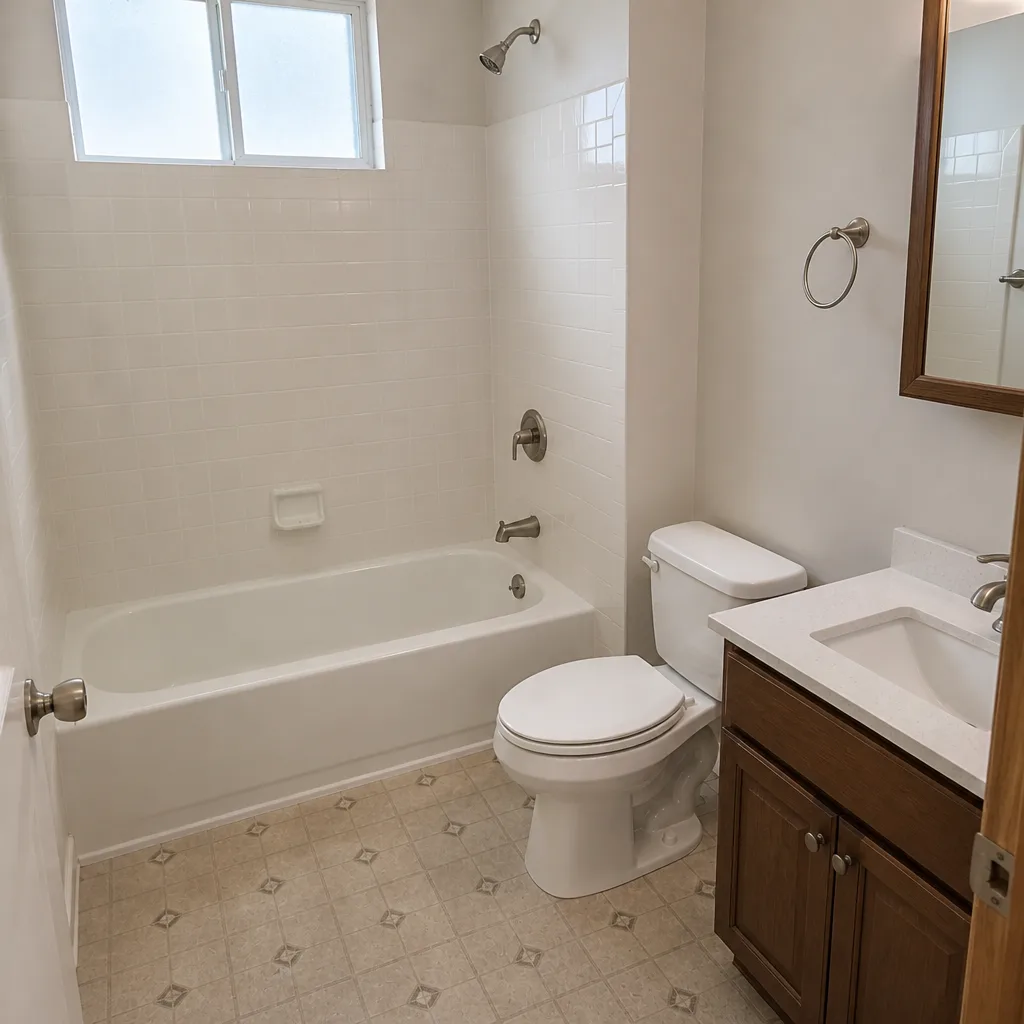
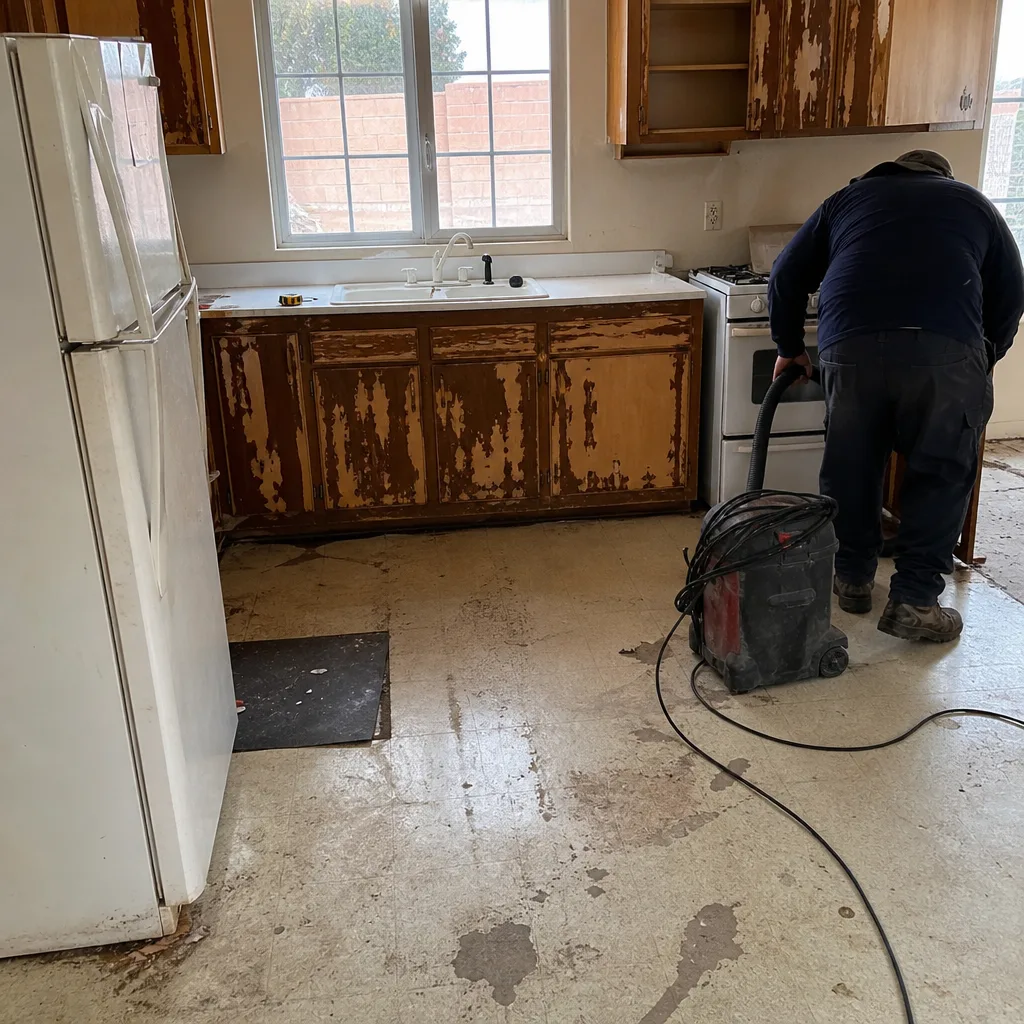
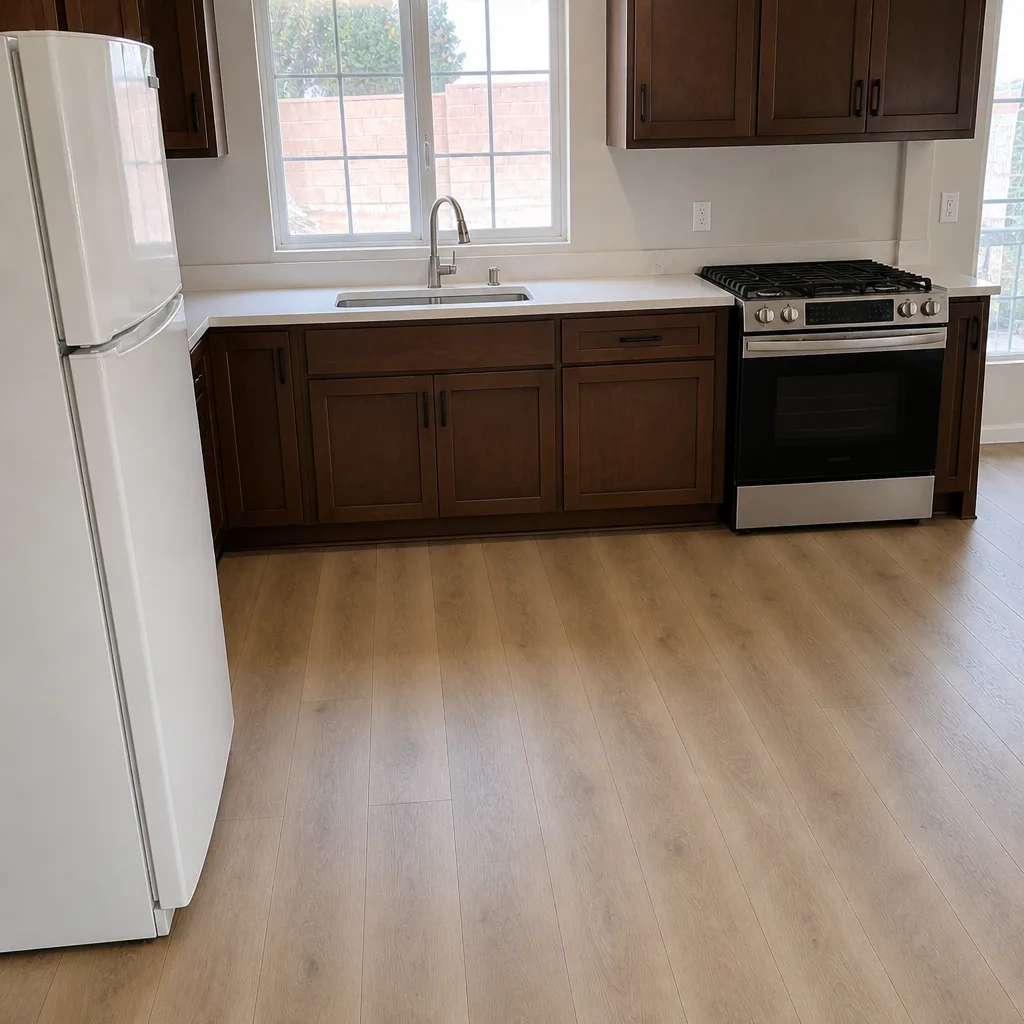
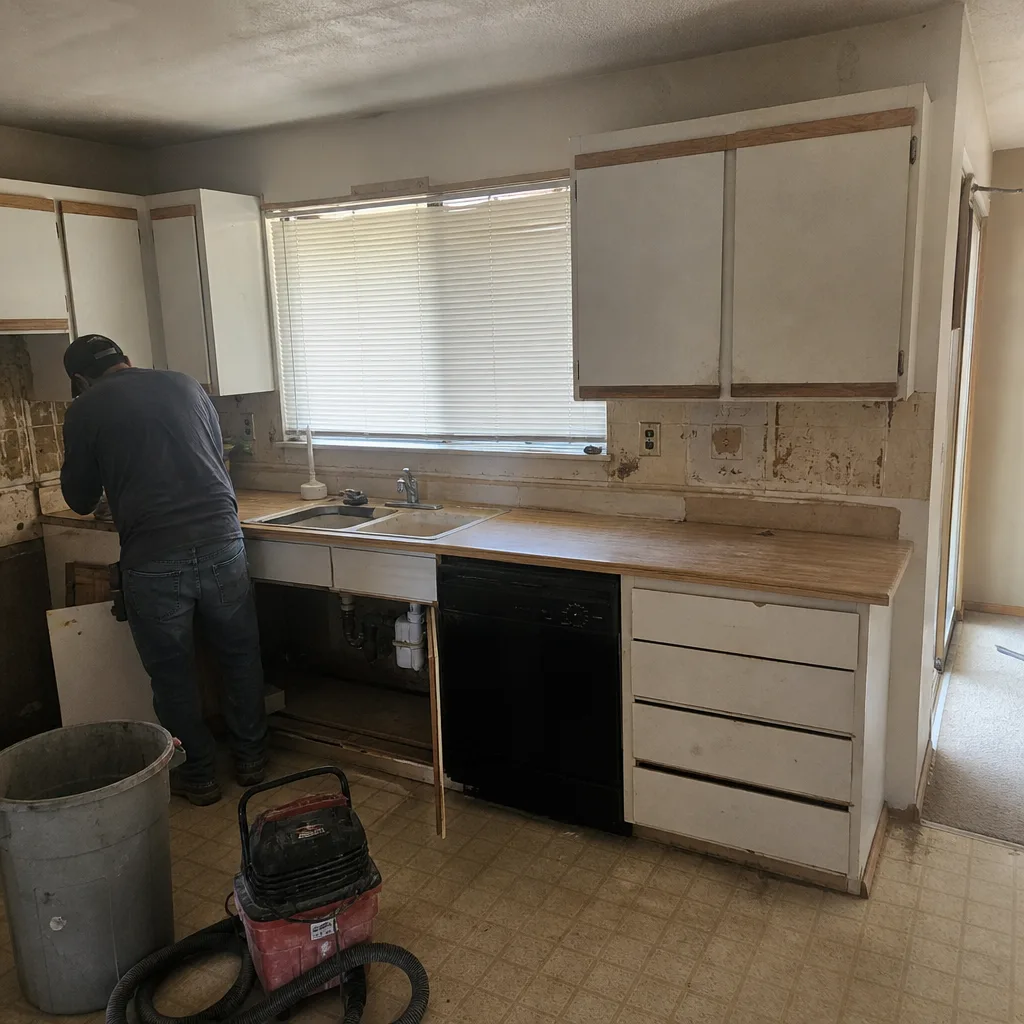
See the difference
 Before
 After
 Before
 After
 Before
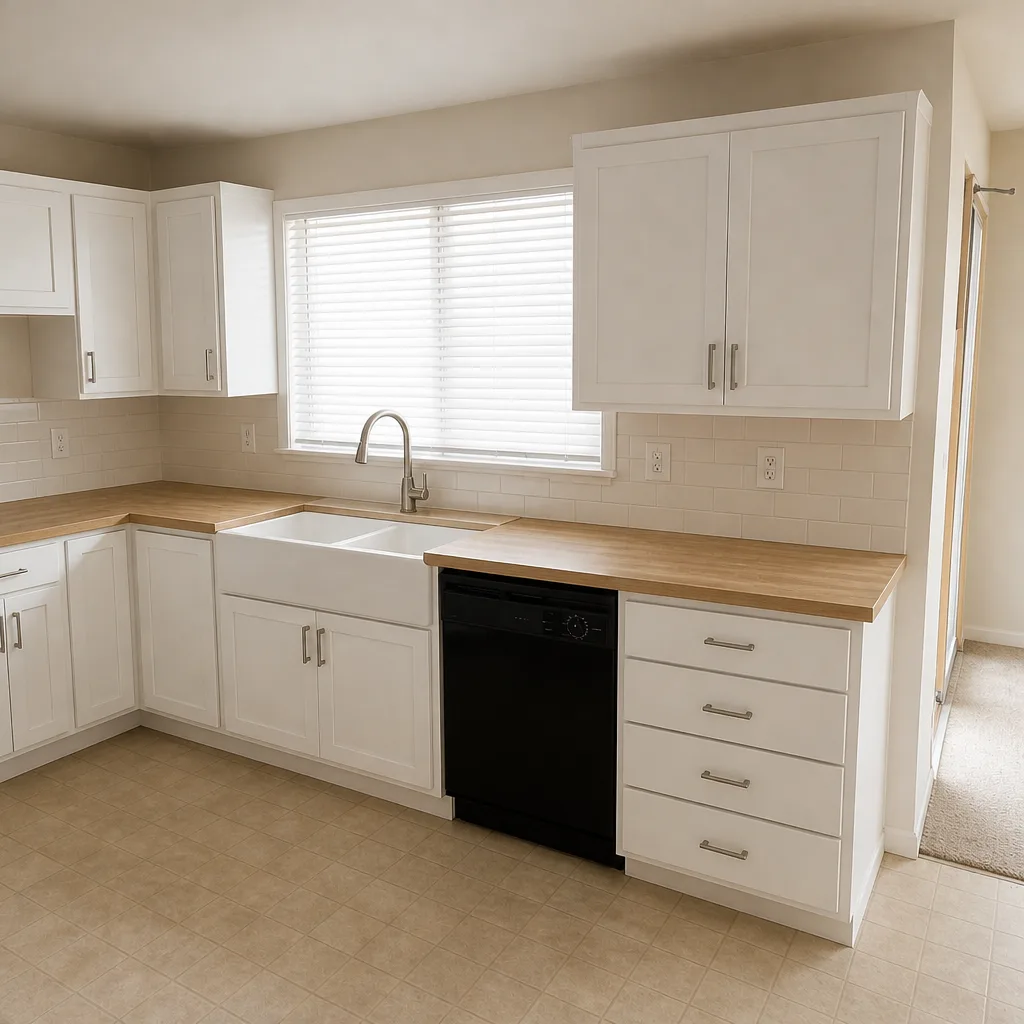 After
When to Call a Professional
Call us when the inspection turns up something you’re not sure about. That means active staining or a drip on an addition ceiling after rain, a roof valley or flashing detail that has lifted, a foundation joint that has visibly opened or is holding water against the wall, a tie-in sealant that has failed across a wide run, an interior crack that’s wider than it was last year, or any electrical or gas concern on the ADU. Roofing, structural, and electrical work on a new addition isn’t DIY territory, and it deserves to be documented properly. Groundwork Construction Co. of Boulder City offers free estimates in Boulder City, and our line is answered by a live person around the clock. Call (888) 282-1693.
Frequently Asked Questions

Twice a year for the tie-in points, plus one full roof, flashing, and sealant inspection before monsoon season in late June or early July. The connection between the original house and the addition is the priority because it’s the location most likely to show wear first in this climate.
Because the two structures move at slightly different rates in the desert’s daily temperature swings, and the sealant at that seam is designed to absorb that movement. A recurring hairline crack that stays the same size is usually normal. A crack that widens year over year is worth having inspected.
Twice a year instead of once, with filter changes every 60 days during cooling season in Boulder City. The system is moving more air and covering more square footage than it was sized for, so it runs harder and needs more frequent attention. Call (888) 282-1693 for an estimate on HVAC-related work tied to your addition.
The ADU typically has its own utilities, roof, and envelope, which means it needs its own inspection and service schedule. The big items are the separate utility meter (verify annually), the exterior entry door weatherstripping (check twice a year in this heat), and the water heater (flush annually).
Dated photos of the tie-in, roof penetrations, foundation joint, and exterior sealants once a year, plus receipts for any service or repair. In Nevada, a documented maintenance history protects your warranty and supports the disclosure requirements that come with a future sale.
It depends on the scope. Cosmetic sealant and painting generally don’t require a permit, but structural repairs, roof work that changes the envelope, and any electrical or plumbing changes typically do. When in doubt, ask before the work starts. Call (888) 282-1693 for a free estimate and we’ll walk through what the job involves.
The Bottom Line
An addition or ADU isn’t just more house; it’s a new relationship between two structures, and that relationship is what you’re maintaining. Look at the tie-in twice a year, do a full roof and sealant pass before monsoon season, service the extended HVAC system twice a year, give the ADU its own utility and water heater schedule, and photograph everything once a year with dates. In Boulder City’s climate, doing those five things on time is the difference between a small repair and a big one. And when something turns up that you’d rather hand to a pro, that’s what we’re here for.
Call (888) 282-1693 to schedule your free estimate. Groundwork Construction Co. of Boulder City stands behind every project with our 730-Day Done Right Promise, upfront pricing with no surprises, and a live person on the line around the clock. From foundation to finish line, we’re built to last and backed in writing.
Written by the team at Groundwork Construction Co. of Boulder City.