

Free written scope consultation - allowances, timeline, and change-order rules on paper before a single trade is scheduled
Styles & brands we work with
- Kitchen remodeling
- Bathroom remodeling
- Home additions & ADU
- Roofing
- Windows & doors
- Driveway & pavers
- Fence
See the difference
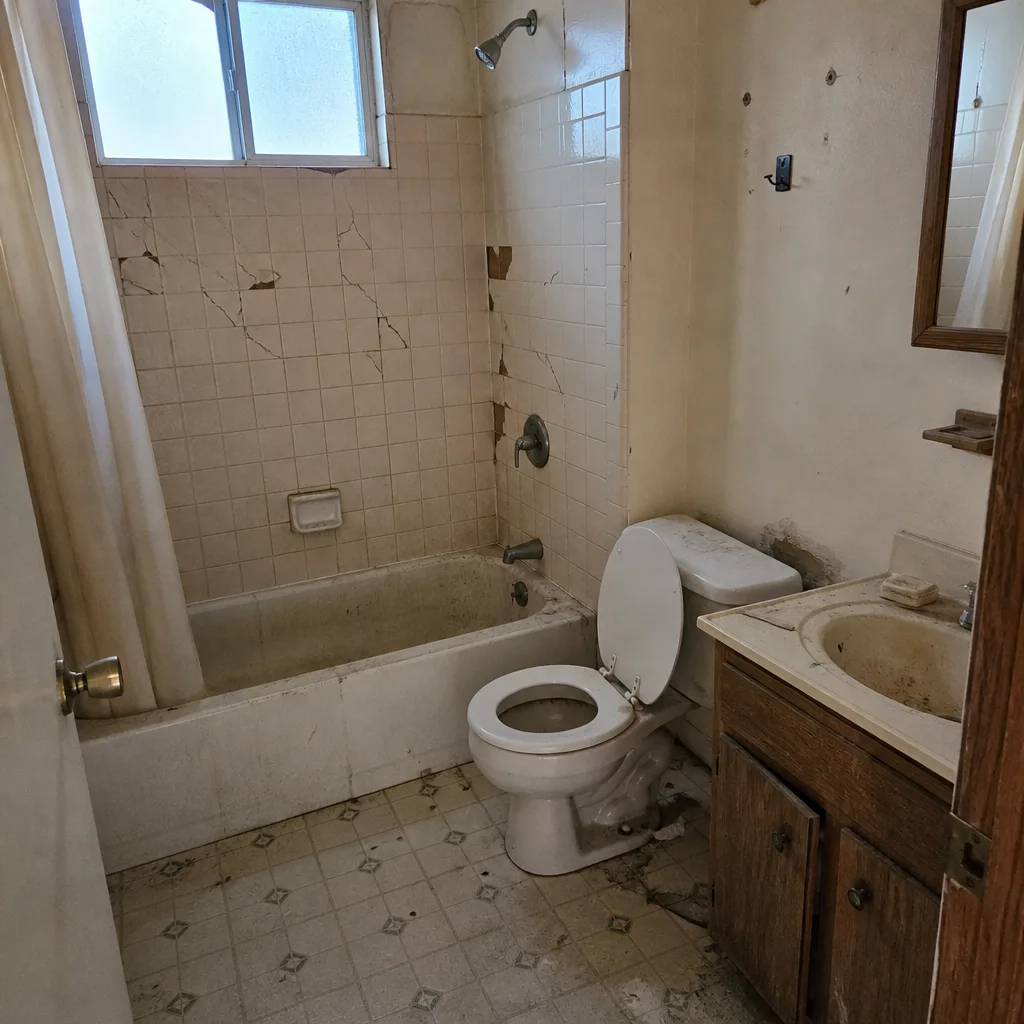 Before
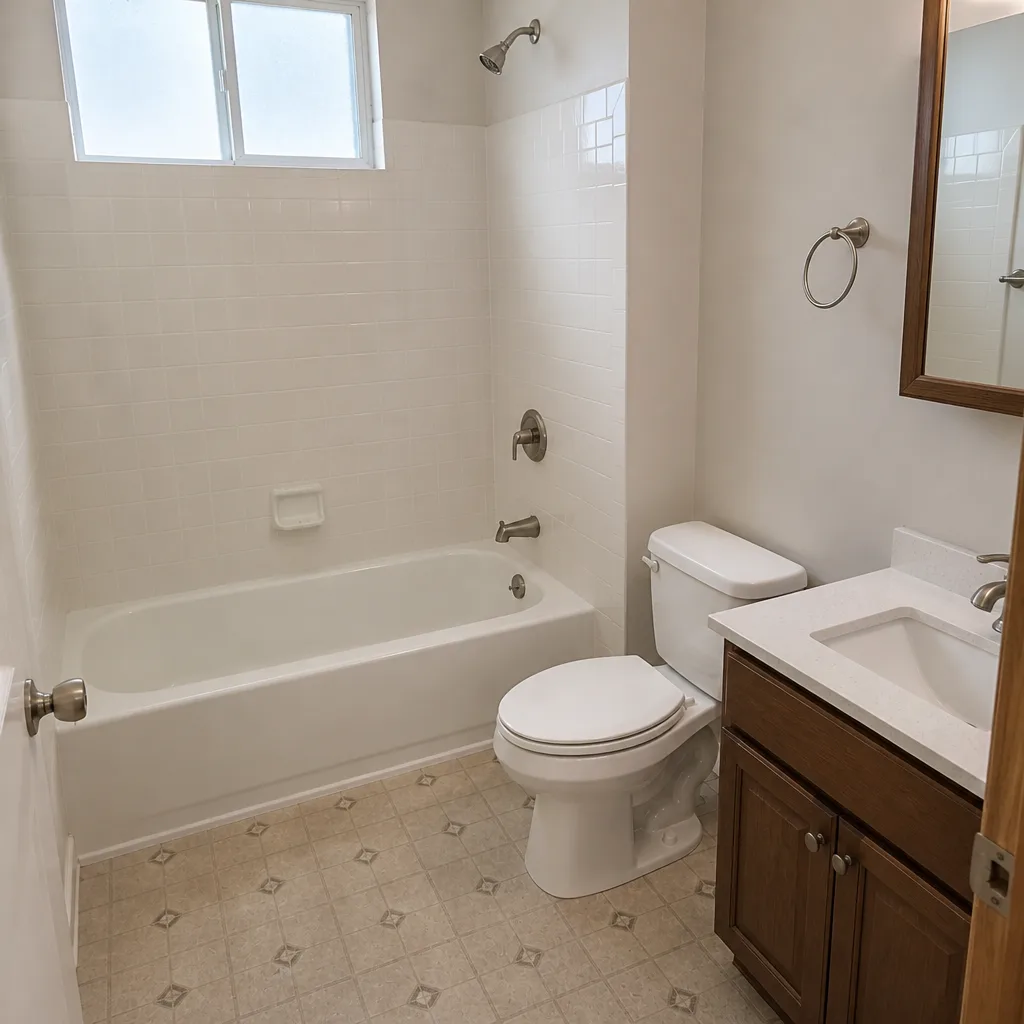 After
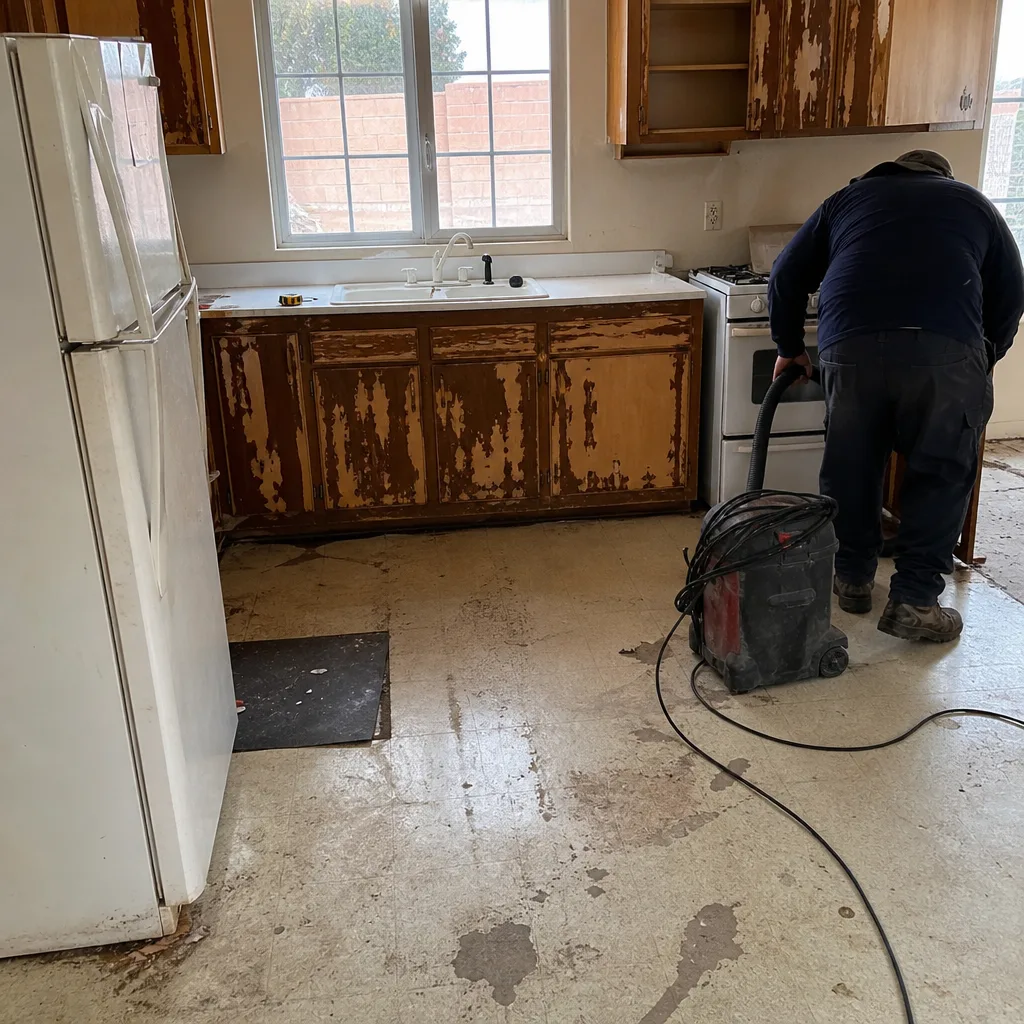 Before
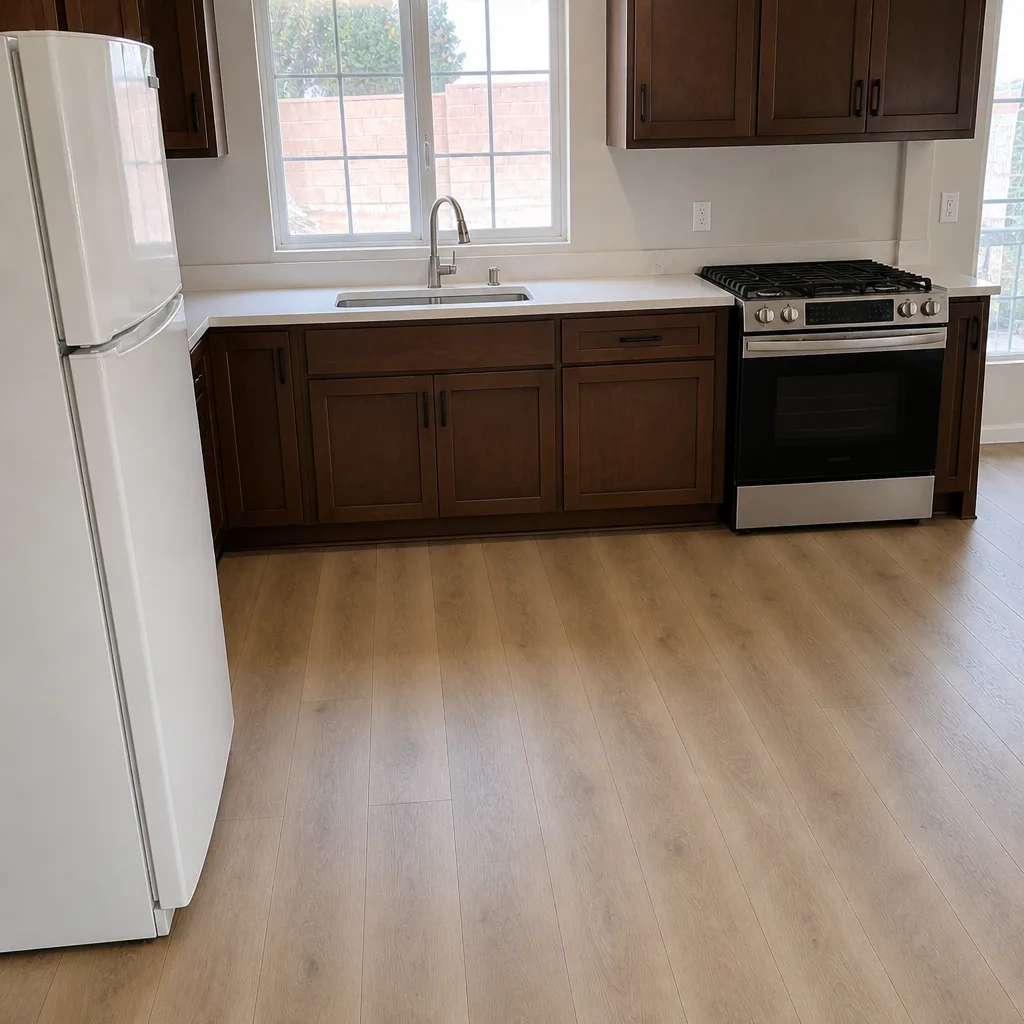 After
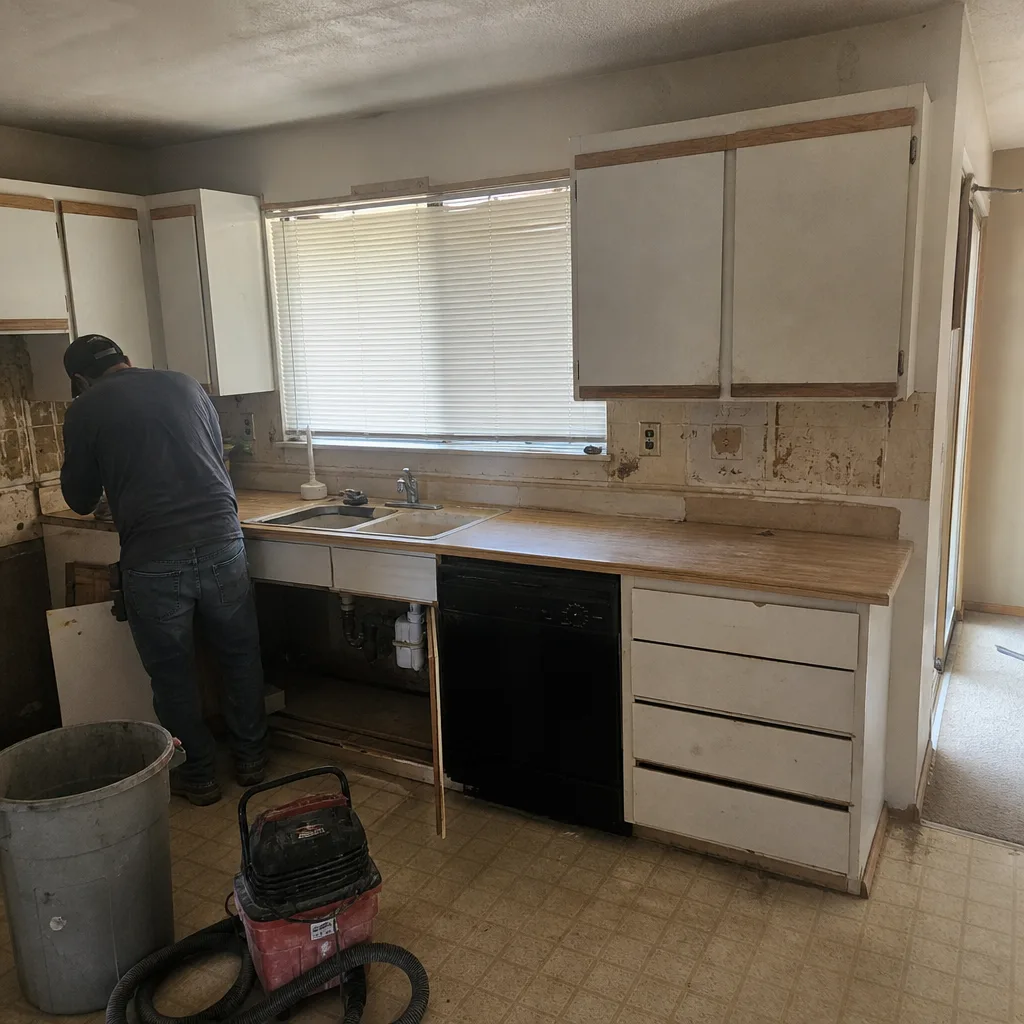 Before
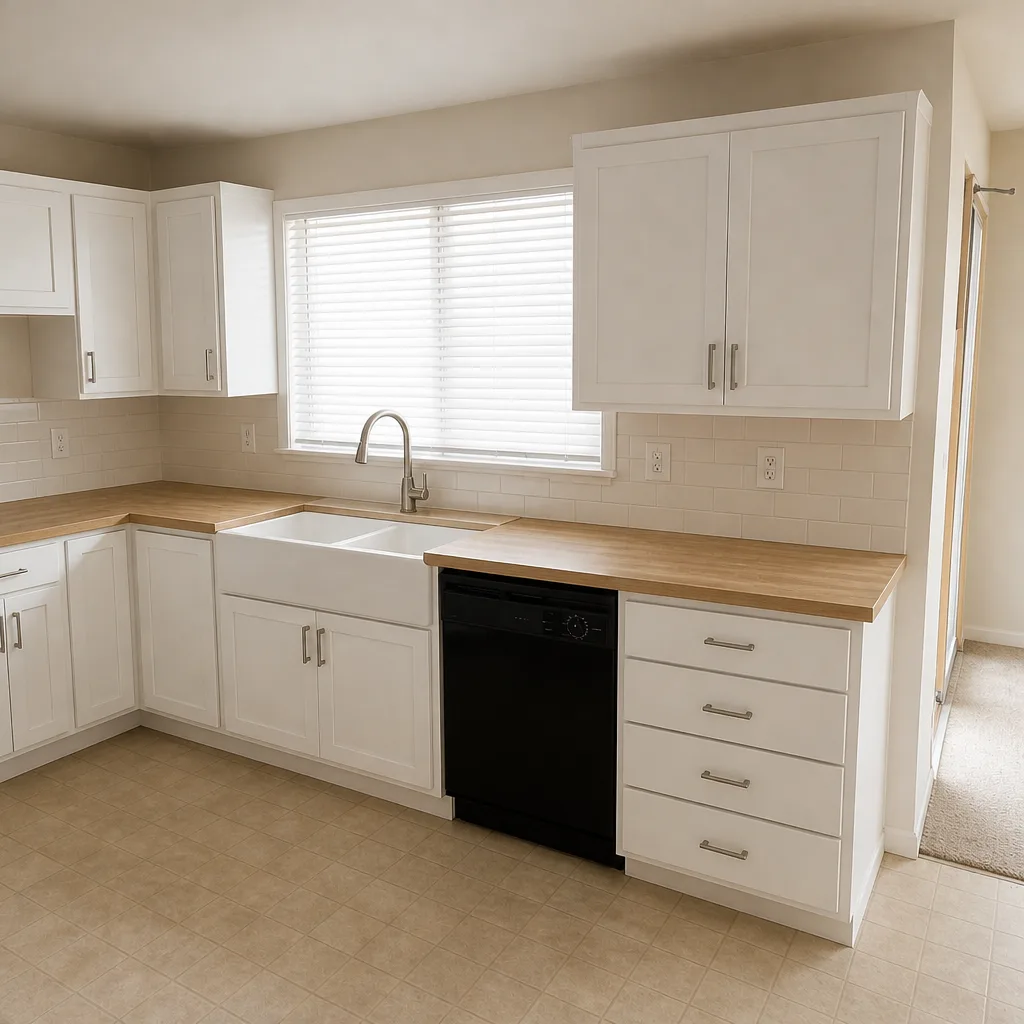 After
Do You Need a Permit for a Home Addition in Boulder City, NV? Yes – and Inside the Historic District, You Need Two Approvals
If your Boulder City address falls inside the historic district, the answer to “do I need a permit for a home addition?” is almost always yes, and then some. Standard building permits apply, but qualifying pre-WWII properties also trigger a separate Historic Preservation Commission review before you touch a load-bearing wall or change an exterior face. Outside the historic core you still need a Boulder City building permit, and the biggest projects here – we commonly quote $45,000 to $130,000 for a real addition – can stall fast if you skip steps. Call (888) 282-1693 and we’ll tell you which approvals your address needs.
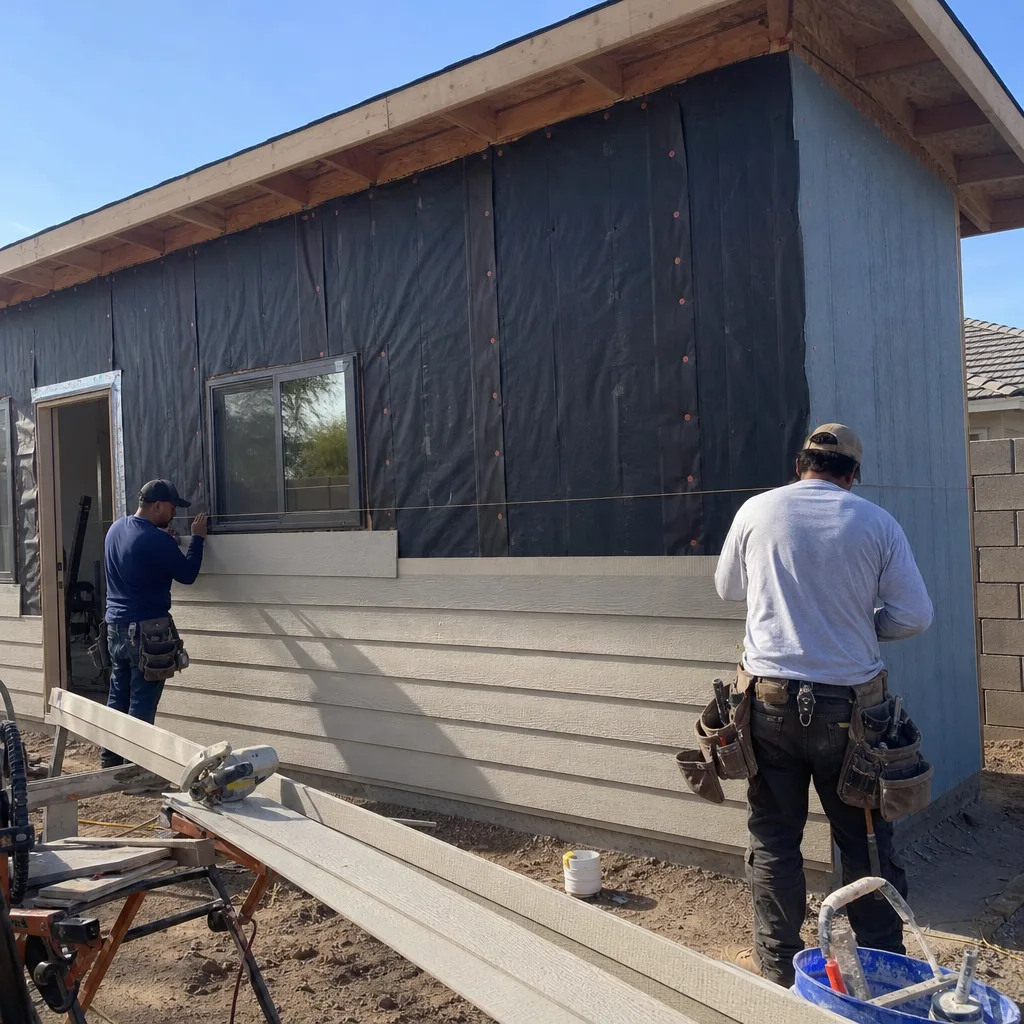
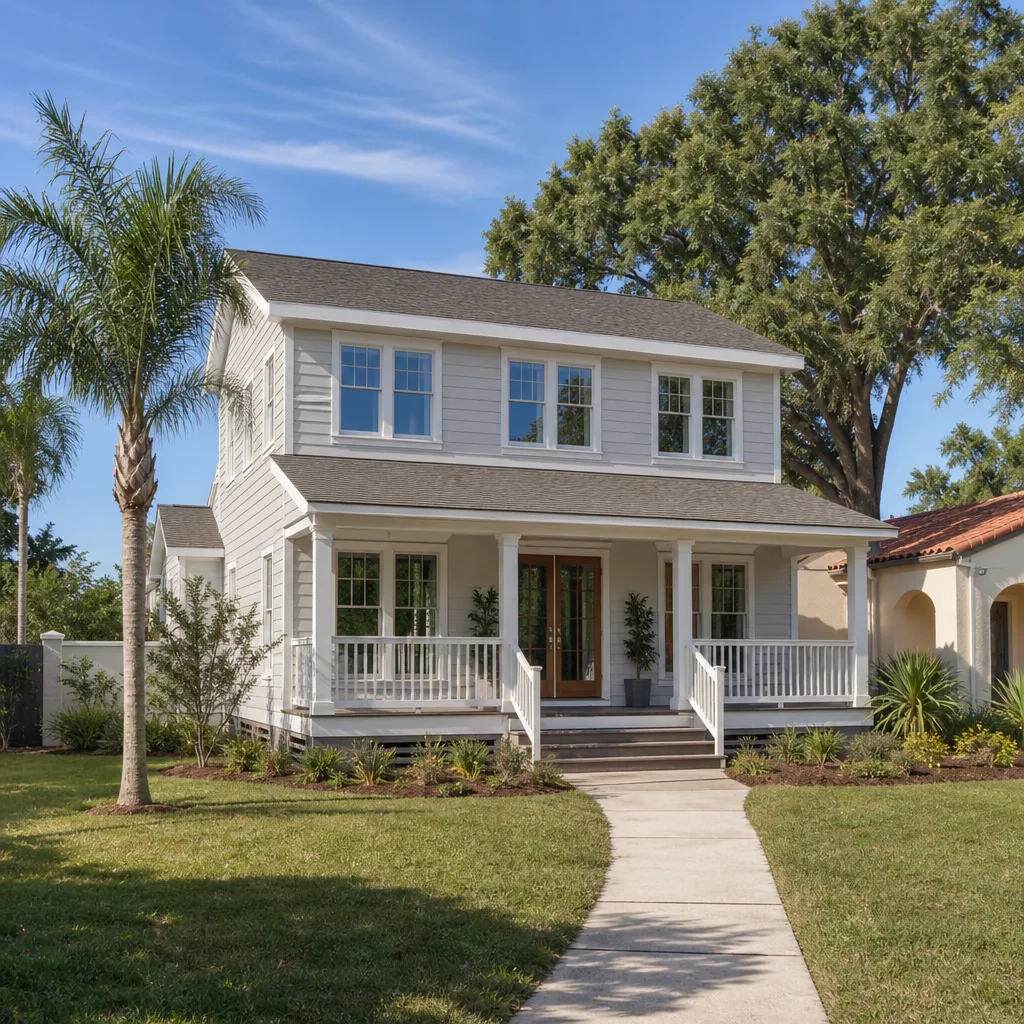
Why Boulder City Isn’t Clark County, and Why That Bites Homeowners
Boulder City is a federally chartered municipality. It runs its own permitting under its own municipal code, separate from Clark County. That matters more than it sounds. A contractor who prices your addition using Henderson or Las Vegas thresholds can miss a required step entirely, especially when the property sits in the historic district.
Most of the original townsite grew up around the Hoover Dam workforce in the 1930s and 1940s. Those bungalows and cottages cluster near the historic district, which means construction here runs straight into Depression-era methods: unreinforced brick, pier-and-beam foundations, original framing. A job that’s a straightforward remodel in Henderson becomes a preservation-sensitive project two streets over in Boulder City.
- Building permit through Boulder City Community Development (standard track)
- Certificate of Appropriateness from the Historic Preservation Commission for qualifying properties (the second track most guides never mention)
- Soils report or structural engineer sign-off when pier-and-beam foundations and expansive desert soils are in play
The Two-Track Approval Process, Explained
Here’s where Boulder City additions get genuinely tricky. A historic district property faces two separate reviews, and they aren’t interchangeable. The building permit covers structural, safety and code compliance. The Certificate of Appropriateness covers how your addition changes the look and character of a qualifying pre-WWII home – exterior alterations, additions, even window replacements.
We’ve seen the failure mode firsthand. A homeowner gets the building permit, breaks ground, framing goes up, and a stop-work order lands because the preservation review was never filed. That can pause a project mid-build and add real cost. In Boulder City, we file both tracks together so nothing surprises anyone after demolition.
That second track has a practical edge too. Show up with a standard vinyl-window quote for a 1930s Hoover Dam cottage and you may be told to match the original divided-light wood profile. Knowing the historic district rules and the 1930s material palette before you order means fewer redos.
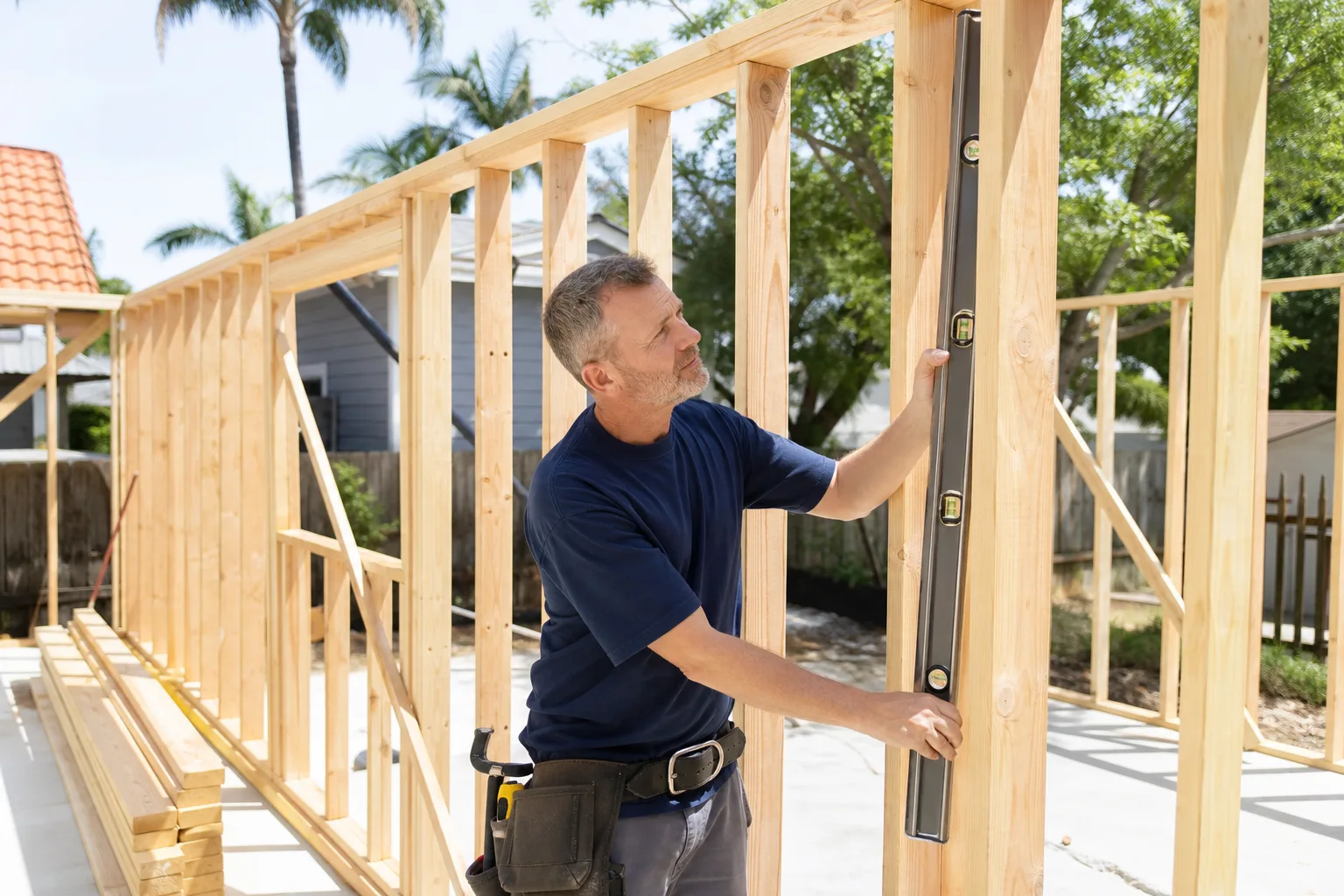
What Actually Goes Into an Addition Permit Package Here
Framing the permit correctly starts with the ground under the house. Many original Boulder City homes sit on pier-and-beam foundations, and the expansive desert soils around town move with moisture – shrink-swell behavior that cracks slabs and shifts footings. Inspectors flag it immediately, so a soils report or structural engineer sign-off often becomes part of the package.
Beyond the foundation, expect the submittal to touch structural load, setbacks, egress and the preservation review if you’re in the district. This is where a detail-driven Home Additions & ADU process pays for itself – the plan has to satisfy two reviewers, not one.
| Permit-Related Cost (Boulder City) | Typical Range |
|---|---|
| Full home addition, construction | $45,000 – $130,000 |
| ADU construction | $90,000 – $220,000 |
| Garage conversion | $30,000 – $80,000 |
Those construction numbers don’t include separate permit and review fees, which Boulder City assesses on its own schedule. We price them out with the Upfront Pricing promise: the number you see is the number you pay.
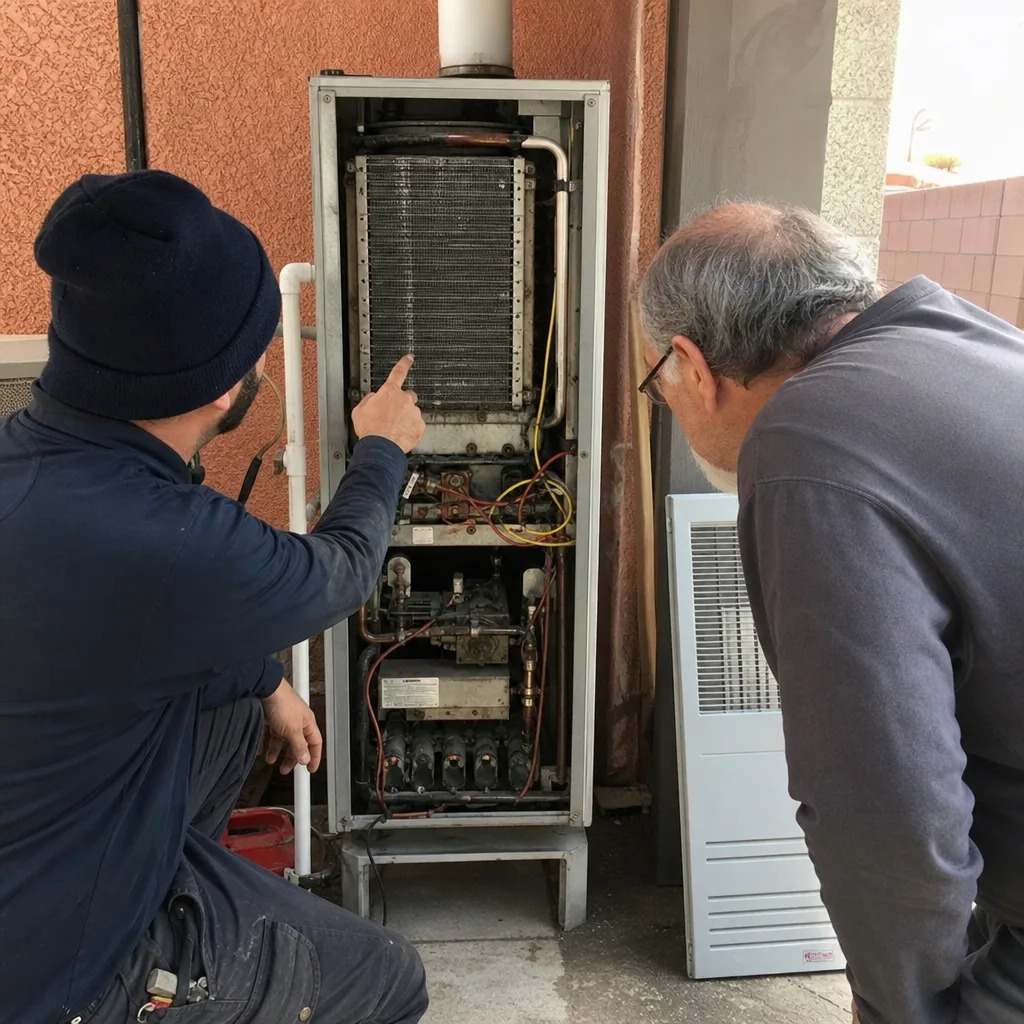
How We Handle Permits So You Don’t Have To
Groundwork Construction Co. of Boulder City pulls permits directly. You never stand at the counter navigating Boulder City Community Development or the Historic Preservation Commission yourself. Our technicians have up to 12 years of experience, and every project is covered by the 730-Day Done Right Promise – if it isn’t done right, we make it right. That guarantee covers permitted work from day one, so an inspection failure doesn’t become your out-of-pocket problem.
When you call, a live person answers, 24/7. We arrive background-checked and in uniform. And because additions are a big financial move, we back projects with home construction you can plan around, 0% financing for 18 months, and $1,000 off projects over $10,000.
Common Local Scenarios We See in Boulder City
Most permit questions here fall into a few recognizable shapes:
- A 1940 cottage near the historic district – you want a rear addition. Expect both the building permit and a Certificate of Appropriateness, and plan finishes that read as period-appropriate.
- A 1960s-70s tract home east of the historic district – usually one-track permitting, but the pier-and-beam and soil issues still apply if the foundation is original.
- A garage conversion – common and smart, but converting to living space changes egress, insulation and sometimes parking requirements, all of which the plan has to reflect.
- A window upgrade on a pre-WWII home – even this can trigger preservation review, so the right profile matters before you order.
Skipping the Permit Is the Expensive Option
Unpermitted additions in Boulder City’s historic core create title problems at resale and can force retroactive demolition. The cost of doing it right the first time almost always beats the cost of untangling it later. If you’d rather not gamble on your biggest investment, a no-pressure assessment is the simplest starting point.
FAQs
Yes. Boulder City requires a building permit for an addition regardless of size, and if the property is a qualifying pre-WWII home in the historic district, you also need a Certificate of Appropriateness. The division that separates Boulder City from Clark County matters here. Call (888) 282-1693 and we’ll confirm which reviews your address needs – estimates are free.
A full addition typically runs $45,000 to $130,000, with ADUs at $90,000 to $220,000 and garage conversions at $30,000 to $80,000, before separate permit and preservation review fees. That’s the construction cost; the review add-on depends on your address. Upfront pricing means the number you see is the number you pay – call (888) 282-1693 for an exact quote.
A Certificate of Appropriateness is the Historic Preservation Commission’s approval for exterior changes to a qualifying property in Boulder City’s historic district, and you need it in addition to your building permit if your home qualifies. It covers additions, exterior alterations and even window replacements. We handle both tracks together so a stop-work order never happens mid-build.
Yes. We pull permits directly and offer free estimates, and a live person answers our line 24/7 – no voicemail. We’re typically able to assess your Boulder City project quickly. Call (888) 282-1693 and we’ll set it up.
Talk Through Your Addition
If you’d rather have it looked at than guess, Groundwork Construction Co. of Boulder City offers a no-pressure assessment in Boulder City – we’ll map out which permits and reviews your address triggers, then give you a fixed number. Call (888) 282-1693 to get started.
Written by the team at Groundwork Construction Co. of Boulder City, serving Boulder City, NV.