Last updated November 18, 2026







Free written scope consultation - allowances, timeline, and change-order rules on paper before a single trade is scheduled
Seasonal Construction Care for Boulder City: Year-Round Homeowner’s Guide
The window to do exterior repairs in Boulder City that actually cure and bond properly is roughly eight weeks, mid-October to mid-December, and most homeowners miss it entirely. They call in July when stucco is spiderwebbing and attic heat has cooked a roof deck, or in March after a winter leak has already stained a ceiling. This guide reframes home care around how Boulder City actually behaves: not four equal seasons, but a brutal summer that breaks things, a monsoon window that tests drainage, a mild winter that hides moisture intrusion, and a short spring that’s your best chance to get ahead of the damage cycle. You’ll get checklists you can act on, timing that matches the local climate, and a maintenance log that protects you against warranty disputes.
Quick Answer
Seasonal construction care in Boulder City runs on four real cycles, not the calendar on a greeting card. Pre-summer (March through May) is for thermal expansion joints, roof deck prep, and stucco crack assessment before temperatures exceed 100°F. Monsoon season (July through September) is for drainage audits and grading checks. The fall action window (mid-October to mid-December) is when exterior repairs actually cure and bond, so it’s the right time for stucco, paint, roofing, and concrete work. Winter is for interior inspections that catch moisture before it reaches structure. Building a written maintenance log across all four makes every future repair, warranty claim, and contractor conversation easier.
Styles & brands we work with
- Kitchen remodeling
- Bathroom remodeling
- Home additions & ADU
- Roofing
- Windows & doors
- Driveway & pavers
- Fence
Table of Contents
- Why Boulder City Doesn’t Have Four Equal Seasons
- Pre-Summer Checklist: Beating the 100°F Threshold
- Monsoon Drainage Audit for Boulder City Lots
- The Fall Action Window: Eight Weeks That Actually Cure
- Winter Inspections That Catch Moisture Before It Becomes Structural
- Building a Rolling Maintenance Log That Protects Your Warranty
- Timing Each Trade Right: Roofing, Stucco, Concrete, Windows
- Common Mistakes to Avoid
- When to Call a Professional
- Frequently Asked Questions
Why Boulder City Doesn’t Have Four Equal Seasons
Boulder City sits at roughly 2,500 feet in the Mojave, which means three months of 100°F-plus afternoons, a window of intense monsoon storms in late summer, and winters where the occasional hard freeze sneaks in after weeks of 65°F afternoons. That’s not a balanced climate. It’s a punishing one, and it does different kinds of damage at different times.
Summer is the destroyer. Thermal expansion pushes on every joint, seam, and caulk line. Roof materials cook and dry out. Stucco hairline cracks open wider as the substrate underneath moves. Monsoon season is the tester. When two inches of rain fall in forty minutes on a lot graded before modern drainage standards, water finds the low spot. Fall is the fixer, because most exterior materials need cooler temperatures to cure and bond correctly. Winter is the revealer, because moisture that got in during monsoon season starts showing up inside as staining, efflorescence, or the smell of a musty closet.
The problem with the standard “spring cleaning, fall gutters” advice you’ll find online is that it was written for wetter, milder climates. In Boulder City, the spring checklist matters most before Memorial Day, not after. The fall checklist is not about raking leaves. It’s about getting exterior work done in the eight-week window when sealants, coatings, and concrete can cure without cooking off.
What the Local Housing Stock Adds to the Equation
Boulder City’s older neighborhoods near the historic district carry homes from the 1930s through the 1970s, built long before current vapor management standards. Those homes tend to have block or stucco walls with minimal interior drainage planes and flat or low-slope roof sections that can’t shed water as fast as a modern pitched roof. Newer builds on the edges of town usually have better envelope detailing but can still go wrong on grading because the lot was cut and filled during development.
Both vintages suffer in the same seasonal pattern. The fix schedule just changes. Older homes need more winter attention to moisture intrusion, newer homes need more attention to gutters, downspouts, and grading.
Pre-Summer Checklist: Beating the 100°F Threshold
Once Boulder City crosses 100°F for the first sustained stretch, usually in early June, most exterior repair work stops being effective. Caulk skins before it bonds. Roofing sealants soften before they cure. Stucco patch won’t cure evenly. That’s why the pre-summer window, roughly March through May, is when you prepare your home to survive rather than when you fix what already broke.
Thermal Expansion Joints
Every long stretch of stucco, every concrete flatwork run, every joint where two materials meet is a thermal expansion joint, whether the original builder labeled it that way or not. In summer, those joints open and close by fractions of an inch every day. If a joint was installed correctly with the right backer rod and sealant, it flexes without splitting. If it was sealed with the wrong product, or the sealant has aged four or five summers, it splits and then takes on water during monsoon season.
Walk the perimeter of the house in March and look at every horizontal joint, window-to-stucco transition, and line where your driveway meets the garage slab. Sealant that has cracked, pulled away, or turned chalky needs to be replaced before summer. The best weather to actually replace it is the fall window, but you want to know what needs fixing before then.
Roof Deck Prep
Attic temperatures in Boulder City routinely exceed 140°F in July. That heat dries out the underside of the roof sheathing and accelerates the breakdown of asphalt shingles from below. Missing or damaged attic ventilation shortens roof life faster here than almost anywhere else in Nevada.
Before summer, confirm your attic ventilation is working. Ridge vents should be clear, soffit vents unobstructed, and any powered attic fan functional. If you have a low-slope or flat roof section, check for standing water after the last spring rain and confirm the scuppers and drains are clear. That’s the last easy chance to clear debris before monsoon season, because monsoon rain arrives fast and a blocked drain means water backs up onto the roof surface.
Stucco Crack Assessment
Hairline stucco cracks, the ones thinner than a credit card, are mostly cosmetic and common in the desert. Cracks wider than a dime, cracks that run diagonally from window corners, or cracks that repeat in the same location every year are telling you something structural is moving behind the stucco. Photograph and measure those cracks before summer so you have a baseline. If they grow over the season, you know it’s active movement, not settling.
Look for efflorescence too, the white powdery staining on stucco that appears when moisture is moving through the wall from inside to out. Efflorescence in spring means water got in during winter and is now drying out. That’s a moisture intrusion issue, not a stucco issue, and it will return every year until the source is fixed.
Pre-Summer Checklist
- Photograph and measure all exterior stucco cracks wider than a dime.
- Check attic ventilation: ridge, soffit, and any powered fans.
- Clear roof drains and scuppers.
- Inspect every expansion joint and window-to-stucco seal for cracking.
- Test exterior hose bibs and irrigation lines for winter freeze damage.
- Check HVAC condensate drain and refrigerant lines for insulation damage.
- Confirm grading slopes away from the foundation at all four sides.
- Look for efflorescence on any stucco or masonry surface.
Monsoon Drainage Audit for Boulder City Lots
Boulder City gets most of its annual precipitation in a compressed window from July into September, and monsoon storms can drop more water in forty minutes than the rest of the year combined. If your lot grading or drainage was marginal the other eleven months, monsoon season finds every weakness. This is not a rain-suitability test. It’s a rain-shock test.
Why Boulder City Lots Drain Differently
Older neighborhoods in Boulder City were platted with tighter lots and street grading that predates modern stormwater requirements. Water on a small lot with an aging grade often has nowhere to go but toward the house. Newer subdivisions usually have engineered drainage, but the finish grading around individual homes is only as good as the contractor who did it, and years of settling have probably changed it.
Caliche, the hardpan layer common in Mojave soils, makes drainage unpredictable. Water that would soak into ordinary soil runs off caliche and finds the low point. If your lot has caliche just below the surface, you may see water pooling in a spot that doesn’t look like a low point, because it’s flowing along the caliche layer beneath the visible surface.
How to Audit Drainage
- Walk the lot during or right after a heavy storm and identify any place water is running toward the house.
- Check every downspout has a splash block or extension that pushes water at least 3 feet from the foundation.
- Look for evidence of scour, the small channels water cuts in soil, along the base of walls or at the edges of flatwork.
- Check any swale or drainage channel for debris, especially after a dust event.
- Verify window wells (if present) are clear and draining.
- Inspect the driveway apron where it meets the garage slab, since a sinking apron directs water under the door.
- Photograph any pooling spot and note whether it dries within a day or stays wet for three or more.
Common Lot Grading Fixes
If water is pooling near the house, the fix is usually regrading the first six to ten feet from the foundation so it slopes away at a visible rate, adding extensions to downspouts, and in some cases replacing a section of concrete flatwork that has settled toward the house. Driveway problems in Boulder City often announce themselves during monsoon season, and a proper repair uses a base that drains, not just a fresh slab on top of what was already failing. You can see how we handle that on our Driveway & Pavers in Boulder City page.
If your lot is graded toward the house and you also need perimeter security, doing both projects in one fall window makes financial sense. See how we coordinate that with Fence Installation in Boulder City.
The Fall Action Window: Eight Weeks That Actually Cure
This is the section that matters most. Roughly mid-October to mid-December, Boulder City has the combination most exterior work needs: daytime highs between 55°F and 80°F, cool evenings, low humidity, and no afternoon heat that flash-cures sealants before they bond. Miss this window and you’ll push work to spring, which crowds into the pre-summer scramble.
Which Work Belongs in the Fall Window
- Stucco patching and repair. Stucco needs moderate temps and steady curing to bond and dry evenly. Fall is the sweet spot.
- Exterior painting and elastomeric coatings. These products need overnight lows above about 50°F and daytime highs that don’t cook the surface.
- Roofing. Asphalt shingle seal-down tabs need moderate heat to activate properly. Fall gives the best combination of workable temperature and time to seal.
- Concrete flatwork and paver installs. Concrete cures too fast in summer heat, which causes cracking, and too slow in deep winter if a hard freeze hits.
- Expansion joint replacement. Sealants need cool but not cold application temps.
- Window and door replacements. Cooler weather means the house isn’t open to 110°F air during the install, and sealants around the frame cure properly.
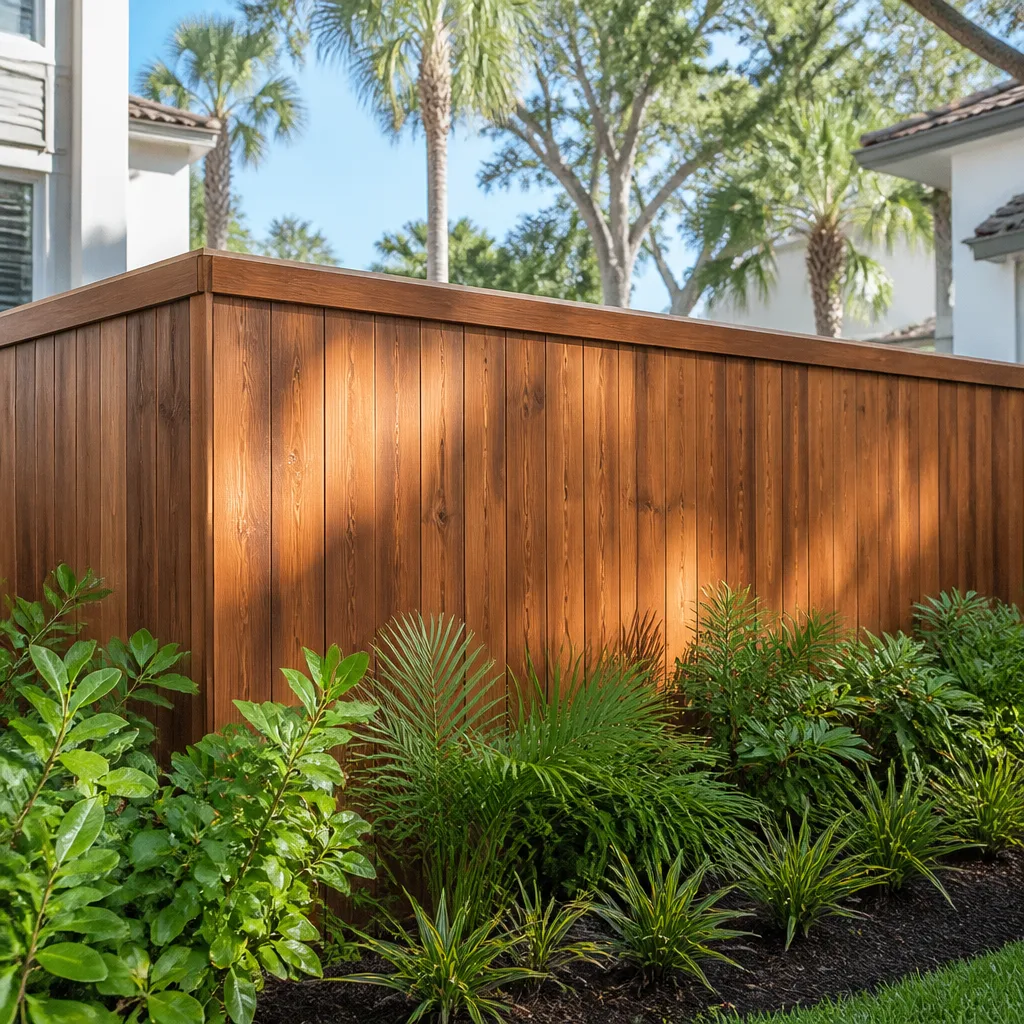
- Fence installs. Wood needs to be sealed while it’s not fighting summer heat. Metal and vinyl are less seasonal but still easier to install without heat stress on the installers.
Which Work Should Not Be in the Fall Window
Interior remodeling is less seasonal in Boulder City, but if your project opens the envelope, fall is safer than summer because you’re not fighting 110°F infiltration while the wall is opened. Home additions and ADUs need permitting lead time, so the smart move is to lock in the permit in fall for a spring or fall build the following year. Our Home Additions & ADU in Boulder City page covers permitting and design timing.
How to Sequence Fall Exterior Work
- Book your contractor evaluation in September, before the window opens and schedules fill.
- Do roof and drainage work first, because everything else sits below it.
- Do window and door replacements next, so sealant cure doesn’t happen behind fresh paint.
- Patch and repair stucco after envelope work is complete.
- Paint last, once repaired surfaces have cured and the weather has settled into fall overnight lows.
- Handle concrete flatwork, driveways, and pavers at any point in the window, but ideally before the first sustained cold snap.
- Replace expansion joints and sealants as the final step so they cure before hard winter weather.
Winter Inspections That Catch Moisture Before It Becomes Structural
Boulder City winters are mild enough that most people don’t think of winter as a repair season. That’s the problem. Winter is when moisture that got in during monsoon season starts appearing in places that alarm homeowners: ceiling stains, popped paint, efflorescence on interior wall bases, musty closets, soft drywall. Winter’s job is to catch that early, before it becomes structural.
What to Check at Winter
- Attic sheathing. Look for rusted nails, dark staining, or visible moisture on the underside of roof sheathing. This tells you about roof leaks that haven’t broken through the ceiling yet.
- Ceiling and wall stains. Any brown tint near ceiling edges or window tops is a moisture trail. Trace it back to the exterior.
- Base of interior walls. Popcorn-textured paint bubbling, drywall softening, or efflorescence along wall bases indicates water rising from below or migrating through the slab edge.
- Doors and windows. Sticking doors in winter can be a sign of envelope moisture swelling the wood, not just humidity.
- Crawl spaces. If your older Boulder City home has a crawl space, check for standing water or damp insulation after any winter rain.
- Roof flashing. From a ladder with a spotter (never on the roof in winter), look for lifted or separated flashing at penetrations.
- Gutters and downspouts. Confirm they’re moving water away from the house, not depositing it at the foundation.
Boulder City’s Older Housing Stock
If your Boulder City home predates the 1980s, odds are good it was built without a modern weather-resistive barrier behind the stucco. That doesn’t mean it’s failed; it means any intrusion has fewer barriers between the exterior surface and the interior drywall. It’s why winter inspection matters more, and why a small monsoon-driven leak that wouldn’t matter on a newer home can leave a mark on an older one within a single season.
Freeze risk is real in Boulder City even in a mild winter. Insulation on exterior hose bibs, backflow preventers, and any exterior plumbing is worth installing before the first hard freeze, which usually lands somewhere between late December and February.
Building a Rolling Maintenance Log That Protects Your Warranty
Here’s the quiet advantage most Boulder City homeowners miss: a written maintenance log. Not because a log makes the house work better, but because it establishes the pre-existing condition of every component before a contractor touched it. That’s your defense if a warranty claim ever gets disputed, and it’s also the difference between accurately attributing a failure and guessing.
We’ve seen warranty disputes that would have resolved in an hour if there had been a dated photo of a stucco crack from the prior year. Instead, the question became whether the crack was pre-existing or caused by the recent repair, and both sides had nothing but memory to argue from.
What Goes in the Log
- Date-stamped photos of every exterior wall. One shot from each corner, one mid-wall, once per season.
- Measured widths of any stucco or masonry cracks. A photo with a coin held next to the crack works. Note the date.
- Roof photos taken at the start of each season. From the ground with a zoom lens, or from a drone if you have access.
- Dated receipts and work orders for every repair, including a description of what was done and who did it.
- Photographic record of pre-existing conditions before any contractor starts a job, especially before exterior painting or stucco repair.
- Storm event log. Date, duration, and any drainage or visible moisture findings immediately after.
- Warranty documents with registered product names, coverage dates, and claim instructions.
How the Log Pays Off
A well-kept log makes warranty claims fast and clear. It also makes it easier to plan seasonal work, because you can see patterns over years. And it strengthens your negotiating position on any future resale, because you can show a buyer exactly what was repaired when.
The log also supports the workmanship warranty you get on any major repair. For a repair done by Groundwork Construction Co. of Boulder City, the 730-Day Done Right Promise means if it isn’t done right, we make it right. That promise is stronger when you have the paperwork to show what the condition was before we started and what changed after. Every homeowner deserves that kind of trail.
Timing Each Trade Right: Roofing, Stucco, Concrete, Windows
Not every trade is equally seasonal in Boulder City. Here’s what actually drives timing for each, so you can plan work around the real constraints instead of a generic seasonal calendar.
Roofing
Asphalt shingles seal to each other when the sun heats them. In extreme heat, the seal activates too fast and can trap moisture or over-cure the adhesive strip. In cold weather, the seal doesn’t activate at all until the following summer. The fall window is the ideal combination: install in moderate temps and let the shingles seal on the first warm spring days without any risk of summer damage. Fasteners and flashing sealant need moderate temps too.
Stucco
Three-coat stucco cures chemically, not by drying, so it needs steady moderate temperatures for the first several days after application. Summer installs risk surface crusting while the interior stays weak. Winter installs risk freeze damage if the temperature drops hard at night. Fall is the safest. Spring is workable but crowds the pre-summer window.
Concrete Flatwork and Pavers
Concrete wants to cure slowly. Summer heat drives the water out too fast and causes surface cracking. Deep winter cold can freeze the curing concrete and weaken it. Late fall and early spring are the best windows. Pavers are more forgiving because they’re pre-cured, but the base material still needs compacting at reasonable temperatures.
Windows and Doors
Replacement windows and doors can technically be installed year-round, but the sealants and flashing tapes surrounding the frame need moderate temperatures to bond. In Boulder City’s summer, these products skin too fast. Fall is the easiest. Spring is fine if scheduled early. Every installation should also be accompanied by an updated inspection of the surrounding stucco or siding.
Fencing and Gates
Wood fences need sealing after install, and sealant applied in summer heat or direct sun can peel. Metal and composite fencing is less seasonal. Regardless of material, a fall install means the gate hardware and post footings settle over winter rather than bake into position. See our Fence Installation in Boulder City page for materials and typical install sequencing.
Kitchen and Bath Remodels
Interior remodels are the least seasonal trade in Boulder City, but the exterior envelope still needs to be opened carefully if any wall work is involved. For a kitchen, choosing finishes in the fall is ideal because material lead times are longest between November and February. Brands like Cambria and Wellborn have long lead times during the fall, so ordering in October or November keeps a spring install on schedule. For some context on how finishes fit into a remodel, see our Groundwork Construction Co. of Boulder City home page.
Common Mistakes to Avoid
- Waiting until you see water inside. By the time a ceiling stain appears, moisture has already been in the assembly for weeks. Check at every season, not after the leak shows up.
- Patching stucco in summer. Patchwork applied above 95°F skins too fast, fails to bond, and often fails within one season. Hold exterior stucco repairs for the fall window.
- Ignoring the driveway apron. Boulder City lots often slope from the street to the garage. If the apron sinks even an inch, monsoon water runs straight under the garage door. It’s the most overlooked envelope failure in town.
- Skipping pre-work photos. If you don’t photograph a crack, stain, or pre-existing condition before the contractor starts, you can’t prove the difference between old and new damage if a warranty question arises.
- Letting grading slide over years. Soil settlement moves water a small amount each year. Small changes compound. A regrade done once in ten years prevents most foundation water problems.
- Treating monsoon as a spring issue. Most people do drainage prep in April. But monsoon arrives with little warning, and April grading has often settled by August. Re-check grade just before monsoon season starts.
- Replacing windows or a roof without touching the surrounding envelope. A new window set into weathered stucco, or a new roof against aged flashing, will fail faster than the piece it replaced. Plan both together.
- Using summer-only products in winter. Some caulks and elastomeric coatings can’t cure below a certain temperature. Check the label and match the application to the season, not the other way around.
When to Call a Professional
Some seasonal maintenance is reasonable for a homeowner: clearing drains, checking gutters, photographing cracks. Other items belong to a trained professional, and calling one faster often saves money.
Call for a professional inspection and estimate when you notice stucco cracks wider than a dime, efflorescence that returns in the same location each year, a ceiling stain, wet attic sheathing, a driveway apron that is visibly settling toward the garage, or any gate post that has loosened after monsoon season. Roof access should always be a professional call. Working on a ladder or a roof slope in Boulder City’s heat or wind is where serious homeowner injuries happen, and roof sheathing in a home older than thirty years can hide soft spots that give way underfoot.
Groundwork Construction Co. of Boulder City offers free estimates in Boulder City. Call (888) 282-1693 to schedule. We’re told what we do in writing, with upfront pricing and no surprises, and every project we touch carries the 730-Day Done Right Promise.
Frequently Asked Questions
Confirming your exterior expansion joints and window seals are intact before summer. Those are the vulnerable lines that open the door for monsoon water. If the seals are good before June, your house has a much better chance of coming through the season without moisture intrusion. Call (888) 282-1693 if you want an inspection – estimates are free.
Patchwork on small hairline cracks is reasonable for a homeowner. Anything wider than a dime, any crack that repeats each year, or any crack near a structural transition is a sign of underlying movement that a surface patch won’t fix. Call a professional before it grows. Estimates in Boulder City are free – (888) 282-1693.
Roughly mid-October through mid-December for anything that needs to cure or bond in moderate temperatures. That covers stucco, paint, roofing, concrete, and window installation. Spring (March through May) is a secondary window, but it crowds into the pre-summer scramble and leaves less slack if weather turns.
Walk your lot right after a monsoon storm and look for any place water is running toward the house, pooling near the foundation, or cutting a channel in the soil. If water is pooling and doesn’t drain within about 24 hours, your grading or drainage has a problem. Boulder City’s caliche layer makes this common, since water runs along the hardpan instead of soaking in. Call (888) 282-1693 if you want someone to look at it.
Both. We handle stucco repair, roofing, windows and doors, exterior painting, driveway and paver work, and full home remodels under the same 730-Day Done Right Promise. For small repairs we still give you upfront pricing with no surprises and the same written guarantee. Call (888) 282-1693 to schedule a free estimate.
It’s our written workmanship guarantee. If something we installed or repaired isn’t done right within 730 days of completion, we make it right. It applies to every project we complete, whether it’s a full kitchen remodel or a single stucco repair. For details, call (888) 282-1693.
The Bottom Line

Boulder City seasonal care isn’t about a generic calendar. It’s about timing: getting ahead of the heat with pre-summer inspections, testing drainage before monsoon, using the eight-week fall window to actually cure and bond exterior work, and using winter to catch moisture intrusion before it becomes structural. A simple rolling maintenance log with dated photos makes every future repair and warranty claim easier, and it lets you spot patterns over years instead of reacting to each failure in isolation.
Some of this belongs in a homeowner’s hands. Roof work, stucco repair, envelope work, and drainage fixes belong to a professional. If you’re not sure what needs attention first, that’s exactly what a free estimate answers.
Call (888) 282-1693 for a free estimate with Groundwork Construction Co. of Boulder City. Live person on every call, upfront pricing, and a 730-Day Done Right Promise on the work. Our technicians have up to 12 years of experience, we use vetted brand partners like Cambria, Wellborn, and James Hardie, and every project starts with a written plan you can act on.
Written by the team at Groundwork Construction Co. of Boulder City.
See the difference
 Before
 After
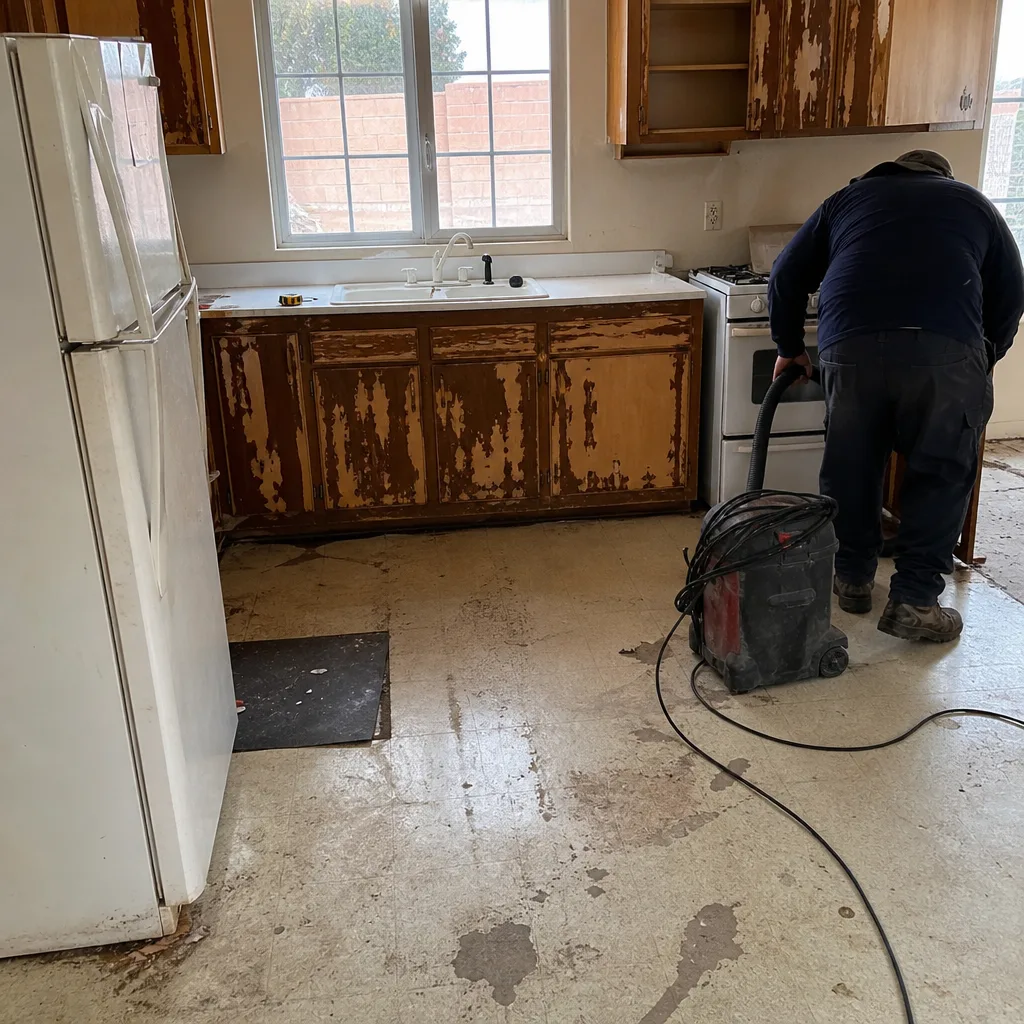 Before
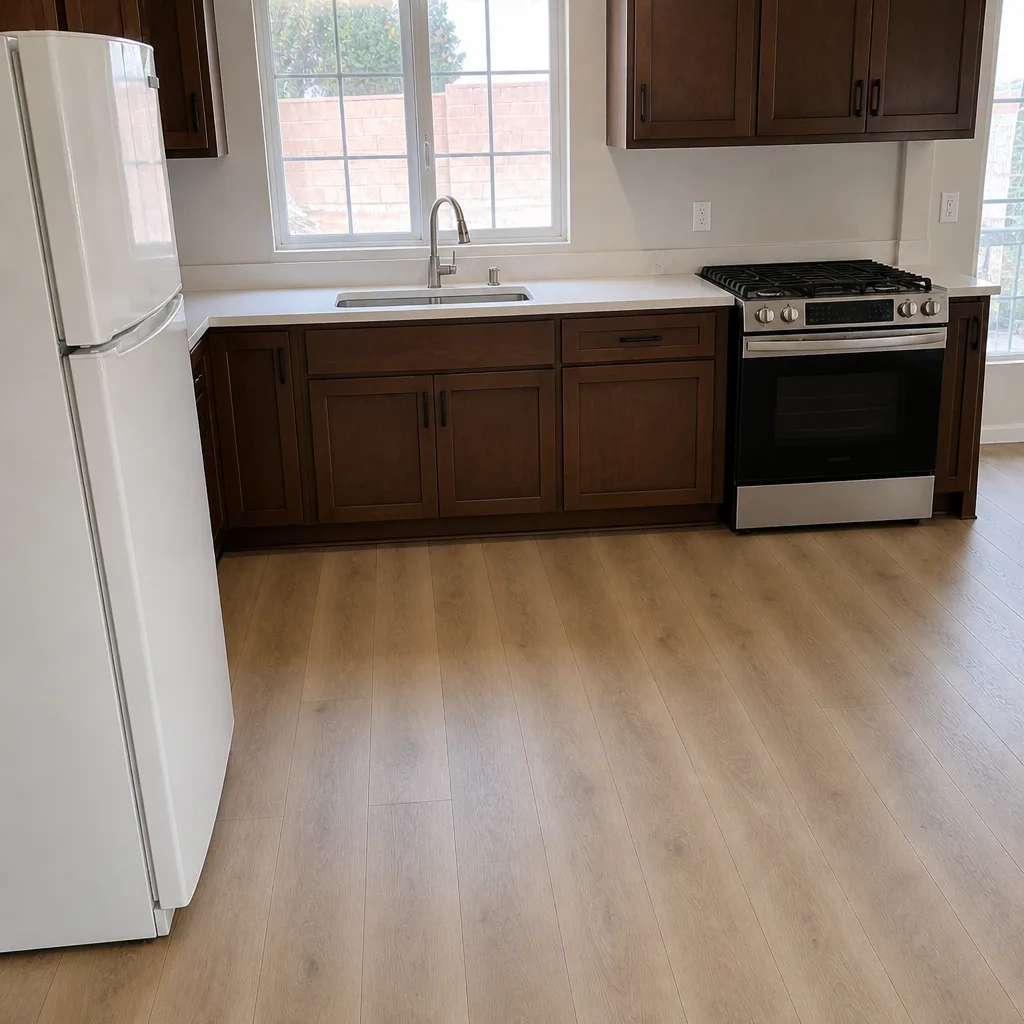 After
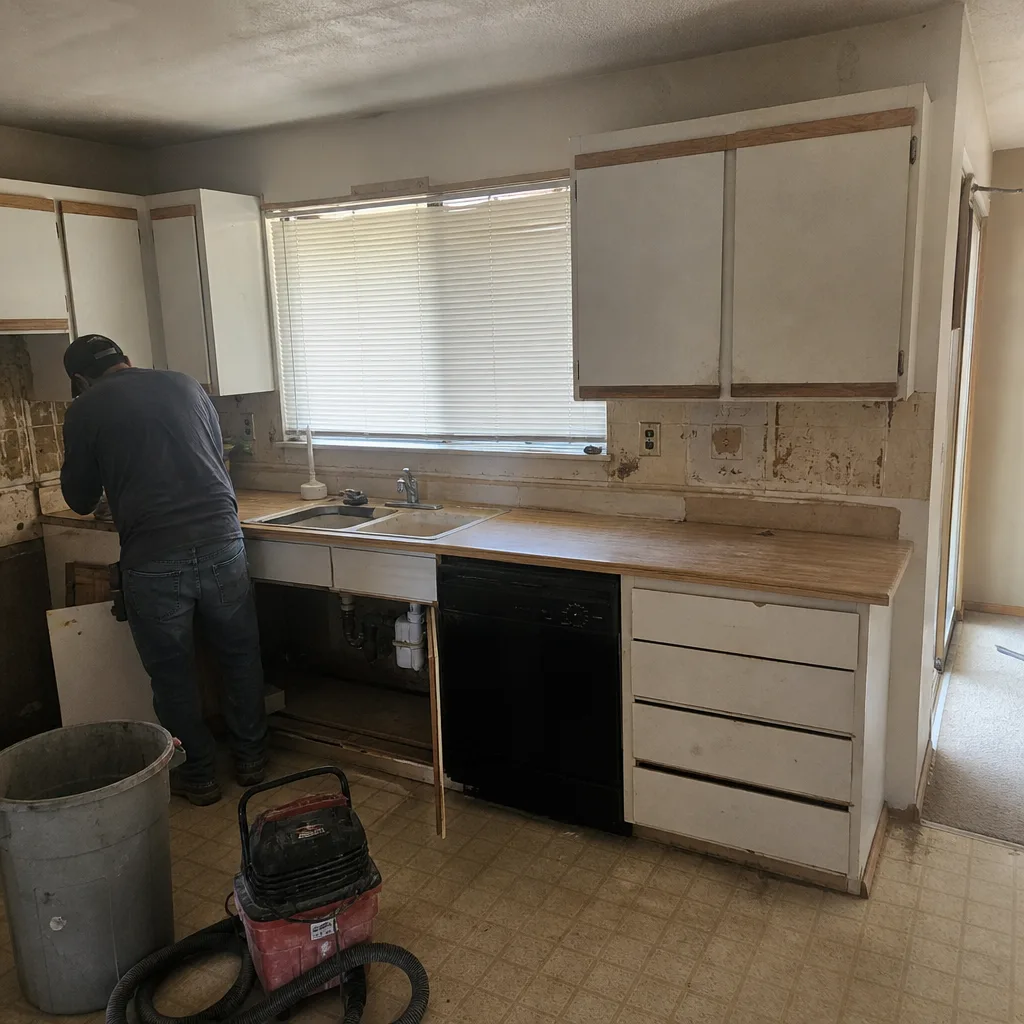 Before
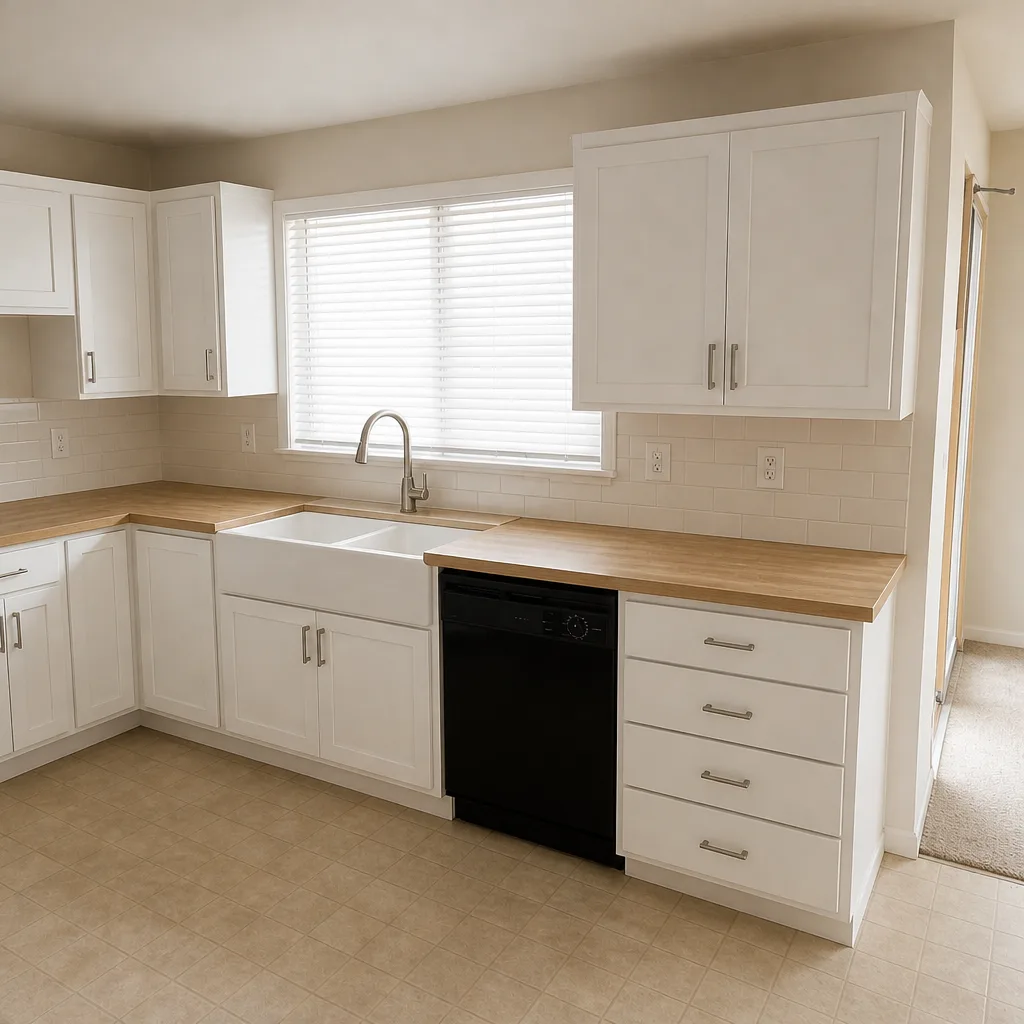 After