Last updated November 18, 2026


Free written scope consultation - allowances, timeline, and change-order rules on paper before a single trade is scheduled
Driveway & Pavers Troubleshooting: Common Problems and How to Fix Them
That single sunken paver you’re calling a “settling issue” is almost always a drainage failure telling you water is pooling directly under your base layer. Here’s the number that surprises most homeowners: the paver itself is rarely the problem. When we tear into a failed driveway in Boulder City, the surface stones are usually fine. The damage is underneath, in the base or the bedding layer, where nobody looks until a corner of the driveway drops an inch and a car tire finds it. This guide walks you through how to diagnose what actually failed, which repairs hold, and which ones just postpone the next crack.
Quick Answer
Most driveway paver problems come from one of three root causes: bad base prep, the wrong joint sand, or drainage that was never designed correctly. Sinking pavers almost always mean water is undermining the base. Spreading pattern edges and “walking” pavers point to failed edge restraint. Cracking that radiates from a single point is usually a base or bedding failure. Fix the symptom without identifying the root cause and you’ll be fixing it again in eighteen months, which is exactly what we tell Boulder City homeowners before we quote a repair.
Styles & brands we work with
- Kitchen remodeling
- Bathroom remodeling
- Home additions & ADU
- Roofing
- Windows & doors
- Driveway & pavers
- Fence
Table of Contents
- How to Diagnose Whether the Problem Is the Base, the Bedding Layer, or the Surface
- Why Pavers Sink and Shift (and What Actually Stops It)
- The Edge Restraint Failure Pattern That Looks Like Base Failure
- Why Polymeric Sand Washes Out Faster in Desert Climates
- The Tap Test: Mapping Hollow Spots Before They Become Sinkholes
- Drainage Design: The Problem Nobody Designs for the First Time
- Which Paver Problems Are Genuinely DIY and Which Require a Section Pull
- Repair Options and What They Cost
How to Diagnose Whether the Problem Is the Base, the Bedding Layer, or the Surface
A driveway is a layered system, and each layer fails in a different way. Before you touch anything, figure out which layer failed, because the repair for a surface problem is a fraction of the cost and labor of a base repair.
Base failure shows up as broad, gradual sinking across several pavers, not one. You’ll see a dip that spans a square yard or more, often near the garage apron or where the driveway meets the street. The pavers move as a unit because the compacted gravel underneath has lost its density or washed out.
Bedding layer failure is narrower. The bedding is the inch or so of coarse sand that sits between the base and the pavers. When it shifts, individual pavers rock or sit proud of their neighbors. You’ll notice a paver that tips when you step on it, and the joint sand around it keeps disappearing no matter how often you refill it.
Surface problems are cosmetic or near-cosmetic: chips, staining, efflorescence (that white powdery haze), or a paver that’s simply cracked from a dropped load. The stones around it are stable.
- Wide, gradual dip across many pavers: base
- Individual rocking or tipped pavers: bedding
- Chips, stains, haze, isolated cracks: surface
- Spreading pattern at the edges with intact center: edge restraint
In Boulder City, we see base failure cluster along the low side of a driveway, the spot where water naturally runs during a summer monsoon. The pavers there look fine in dry weather and drop noticeably after the first hard rain of the season.
Why Pavers Sink and Shift (and What Actually Stops It)
Sinking pavers are a water story, not a stone story. Water gets under the pavers, saturates the base, and either washes the fines out of the gravel or lets the base consolidate and drop. Either way, the pavers follow the base down.
There are four common triggers:
- Poor initial compaction. Base gravel has to be compacted in lifts, usually 2 to 4 inches at a time. A base dumped and compacted once in a thick layer stays loose at the bottom and settles for years.
- No drainage path. If water can’t escape, it pools. On a sloped site, that means running to the low corner and sitting there.
- Failed edge restraint. Without a solid edge, the field spreads outward and every joint opens up, letting water straight down.
- Compromised joint sand. Once the joints open, the sand washes out, and the pavers lose the interlock that holds the whole surface together.
What actually stops it: a properly compacted base, a designed slope, a pinned edge restraint, and joint sand that stays put. You can’t patch a sinking paver from the top – pulling it, re-leveling the bedding, and compacting the base underneath is the only repair that lasts. In Boulder City’s dry, hot climate, the base dries and shrinks between rains, which makes the next storm’s erosion worse. That’s why we design for the water we don’t see for months at a time.
The Edge Restraint Failure Pattern That Looks Like Base Failure
This is the diagnosis most homeowners get wrong, and it leads to expensive unnecessary repairs. Edge restraint failure and base failure look similar from ten feet away: pavers dropping at the edge, joints opening, a slight lean. They are completely different problems.
How to tell them apart: look at the very outside edge where the pavers meet the lawn, the curb, or the landscape bed. If the restraint (the concrete or plastic border that holds the field in place) is cracked, leaning outward, or pushed away from the pavers, you have edge failure. The pavers adjacent to that edge will show the worst movement, and the sinking will fade as you move inward. If the sink is broad and doesn’t track the edge, it’s the base.
The failure pattern of edge restraint looks like this:
- The outer row of pavers leans or spreads outward
- Joints between the outer rows open wider than the interior joints
- The restraint itself has a visible crack or has separated from the field
- Sand is eroding out at the perimeter, not in the middle
The reason this matters: edge restraint repairs are far cheaper and less invasive. You reset or replace the restraint and re-tighten the perimeter. A base failure means pulling the section and rebuilding from the gravel up. In Boulder City we’ve seen homeowners pay for a base rebuild on a driveway that only needed the edge reset, and we’ve seen the reverse – a homeowner refilling joints for years while the actual problem was a restraint that had been pushed out. Get the diagnosis right before you spend a dollar.
Why Polymeric Sand Washes Out Faster in Desert Climates
Polymeric sand is the joint filler that hardens and locks the pavers together. Manufacturers quote a service life based on typical conditions. Desert climates don’t deliver typical conditions.
Here’s what happens in a place like Boulder City: months of hot, dry weather cure the sand to a thin, brittle crust. Then a hard monsoon rain hits a surface that’s been baked and dried, and the thermal shock plus the water volume breaks the bond faster than the product predicts. Rapid heating and cooling, low humidity, and the intensity of summer storms are a combination most polymeric sand wasn’t tested against. We routinely see joints fully compromised in a fraction of the manufacturer’s stated lifespan.
How to tell when polymeric sand is fully gone:
- You can poke a joint with a finger and the sand crumbles or lifts out
- Joints have visibly dropped below the paver bevel, leaving a gap
- Weeds are sprouting directly in the joints
- Water sits in the joints after a rain instead of draining
- Sand collecting on the driveway after storms, in a pattern
Refilling the joints is a real fix, but only if the restraint and base are sound and the joints are cleaned out properly first. Sand poured into a joint that’s still holding old, failed material just sits on top of it and washes out with the next storm. When we re-sand in Boulder City, we cut out the old material, dry the joints, and use a sand rated for the heat and the temperature swings. It’s the difference between a repair that gets you through a couple of seasons and one that holds.
The Tap Test: Mapping Hollow Spots Before They Become Sinkholes
The tap test is the most useful diagnostic a homeowner can run without lifting a paver. It finds hollow spots under the surface before they collapse into visible sinkholes, and it takes about five minutes.
How to do a proper tap test:
- Take something with a bit of weight but not hard enough to chip the paver – a rubber mallet, a dense wooden block, or the plastic handle of a tool.
- Tap each paver firmly and evenly, starting at the garage apron and working toward the street.
- Listen for the change in tone. A solid, supported paver gives a dull, dead thud. A hollow paver gives a higher, ringing tone.
- Mark the hollows with chalk or painter’s tape so you can see the pattern.
- Map where the hollow area is, how big it is, and whether it tracks the edge or the low side.
What a hollow sound means structurally: the bedding layer under that paver has separated from the base or washed away, so the stone is bridging over a void with nothing supporting it. That paver is holding load on the joints around it instead of on the base below. Loaded repeatedly by a car, it eventually cracks – and once it cracks, water runs straight into the void and the problem grows. A hollow tap tells you the material underneath is missing. In our experience, a cluster of hollow taps on the low side of a Boulder City driveway is the earliest warning sign of a drainage problem, weeks before you see any sinking from above.
Drainage Design: The Problem Nobody Designs for the First Time
The single biggest reason driveway pavers fail is that drainage was never planned – it was just assumed. A paver driveway that sheds water correctly needs three things: a slope, an exit, and a barrier that keeps water out of the base.
Slope. Pavers need a consistent slope of roughly 1 to 2 percent away from the house. A flat driveway, or one that slopes back toward the garage, is a project waiting to fail. On a site that’s nearly level, that pitch has to be built into the base.
Exit. Water needs somewhere to go. On a sloped lot, that means the low corner drains to the street or to a designed swale. On a lot that traps water, it means a channel drain, a dry well, or a French drain. A driveway with no exit pools water at the low point and saturates the base from below.
Barrier. Landscape fabric and a compacted edge keep the base from pumping fine material into the surrounding soil. Without them, the base loses density and everything above it settles.
In Boulder City, the monsoon pattern makes this urgent in a way it isn’t in wetter climates. We get most of our rain in short, intense bursts, so the driveway has to move a large volume of water fast, then sit dry for weeks. A design that assumes steady, gentle rainfall doesn’t hold up. If you’ve had a paver repair fail twice in the same spot, the odds are the drainage hasn’t been fixed, only the pavers. That’s a section pull and a base and drainage redesign, not another patch.
Which Paver Problems Are Genuinely DIY and Which Require a Section Pull
Some paver problems respond to an afternoon and a few bags of sand. Others look doable and then fail within a season. Here’s the honest line.
Genuinely DIY-repairable:
- Refilling joints with polymeric sand after a proper cleanup
- Replacing a single cracked or chipped paver with a matching color (remove, clean the bedding, relay, re-sand)
- Light surface staining or efflorescence removal with the right cleaner
- Weeding and cleaning the joints before re-sanding
Requires a section pull – call a professional:
- Broad or deep sinking across multiple pavers
- Edge restraint that has cracked, spread, or separated
- A pattern of hollow taps that clusters in one area
- Pavers that rock or shift underfoot
- Drainage that pools or runs toward the house
- Cracking that radiates from a point source
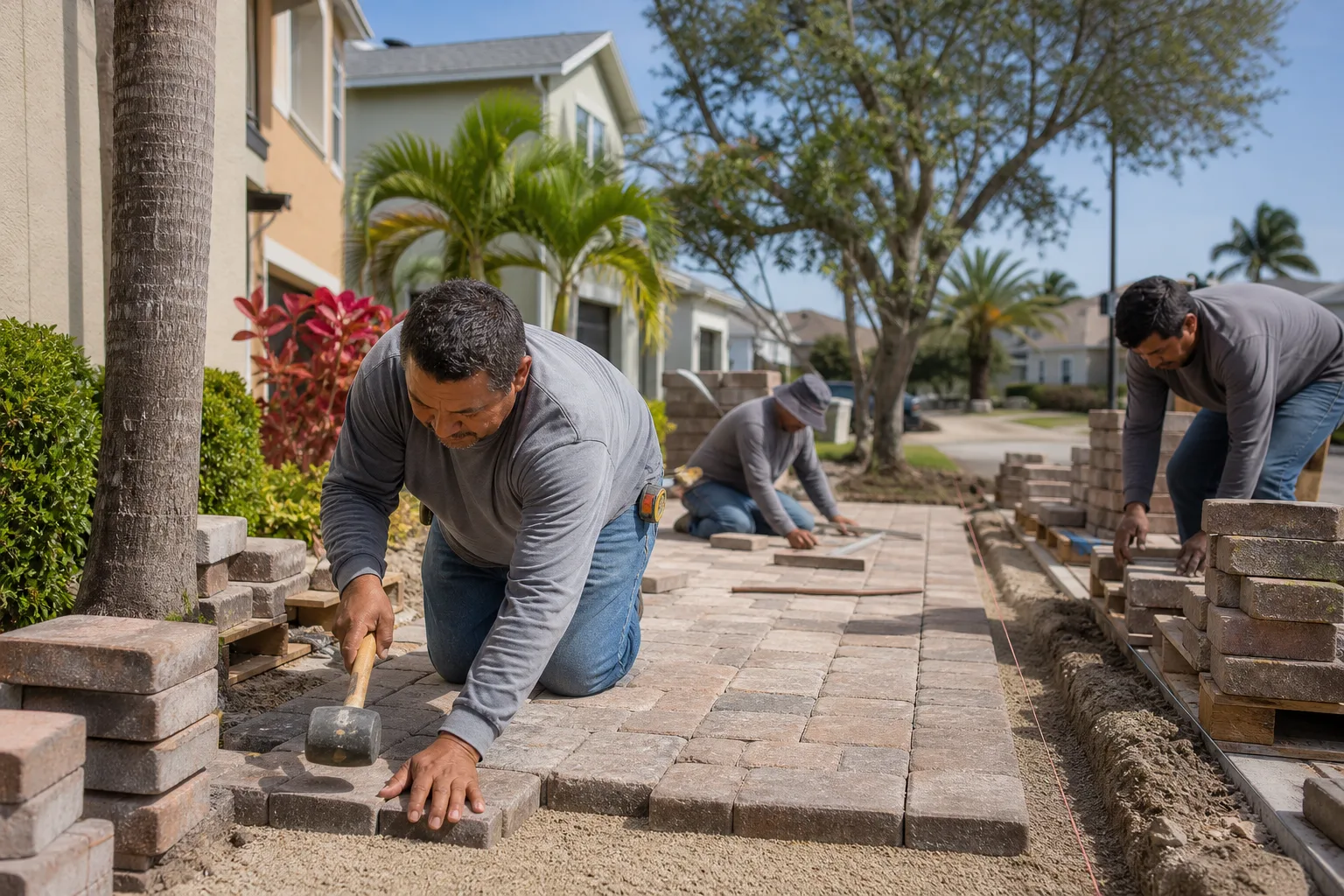
The reason a section pull is a pro job isn’t difficulty – it’s that a proper repair means removing pavers by hand, excavating and re-compacting the base in lifts, re-establishing the slope toward the exit, resetting the edge, and re-sanding. Get one of those steps wrong and the repair fails on the same schedule as the original problem. Our technicians have up to 12 years of experience doing exactly these pulls, and the single most common thing we fix is a repair where the base was never touched. A patch on top of a bad base is a scheduled callback.
Repair Options and What They Cost
Cost depends entirely on which layer failed. The table below gives honest Boulder City ranges for the repair types we see, so you can compare a quote against something concrete.
| Repair | Typical Range | What It Fixes |
|---|---|---|
| Joint re-sand (per 500 sq ft) | $350 – $700 | Compromised polymeric sand, weed growth, joint erosion |
| Single paver replacement | $150 – $300 | Cracked or chipped paver, isolated hollow |
| Edge restraint reset or replacement | $400 – $900 | Spreading perimeter, outward lean, sand erosion at edge |
| Section pull and base repair | $1,200 – $2,800 | Broad sinking, base failure, hollow-spot clusters |
| Drainage correction (channel or drain) | $1,000 – $3,500 | Pooling water, reoccurring failure in the same spot |
| Full driveway rebuild | $9 – $18 per sq ft | Multiple root causes, widespread base and drainage failure |
These are ranges, not a quote. The number you get should be upfront, in writing, and the same number at the end of the job. When a repair fails twice in the same spot, the cheap option is the one that fixes the root cause the first time. A free estimate where someone actually does the tap test and reads the drainage is worth more than three cheap patches. When you’re ready, our Driveway & Pavers in Boulder City service page covers the full scope, and the same team handles the related work if your project touches the property line – Fence Installation in Boulder City often goes hand-in-hand with a driveway rebuild.
Common Mistakes to Avoid
- Patching over a bad base. The most common and most expensive mistake. If the pavers sink again in the same place, the base was never fixed – and you’ve now paid twice.
- Re-sanding without cleaning the joints. New polymeric sand poured on top of failed sand sits loose and washes out with the first monsoon. Cut out the old material first.
- Mistaking edge spread for base failure. In Boulder City, we see homeowners quoted full base rebuilds for what was an edge restraint that needed a reset. Check the perimeter first.
- Ignoring drainage. If water pools toward the garage, fixing pavers without fixing the drainage just reschedules the failure.
- Using the wrong joint sand. Standard sand degrades fast in the desert heat and monsoon swings. It has to be rated for the conditions.
- Skipping the tap test before buying. Buyers walk paver driveways in Boulder City every month. A five-minute tap test maps hidden voids before they become a negotiation.
- Assuming a “settling issue” is minor. A single sunken paver is usually drainage telling you something. Left alone, it’s a sinkhole in a year.
See the difference
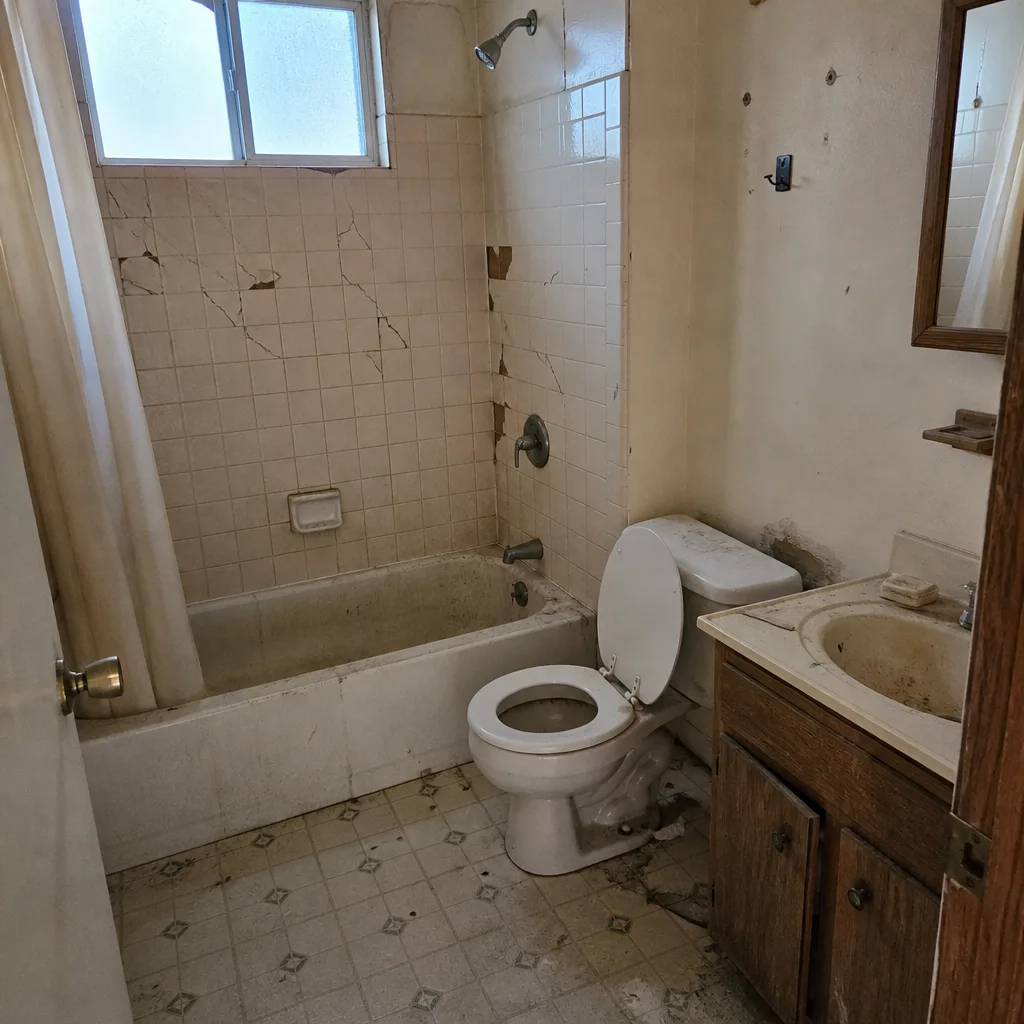 Before
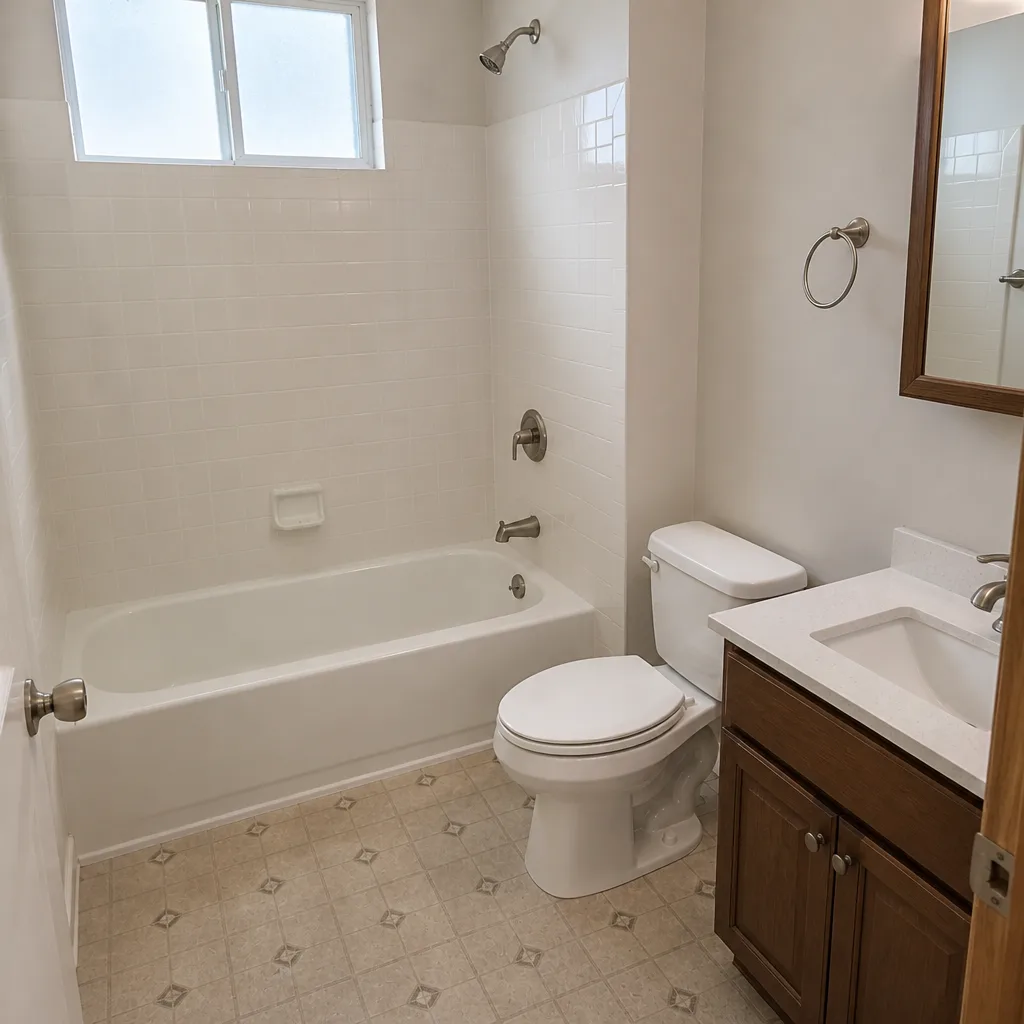 After
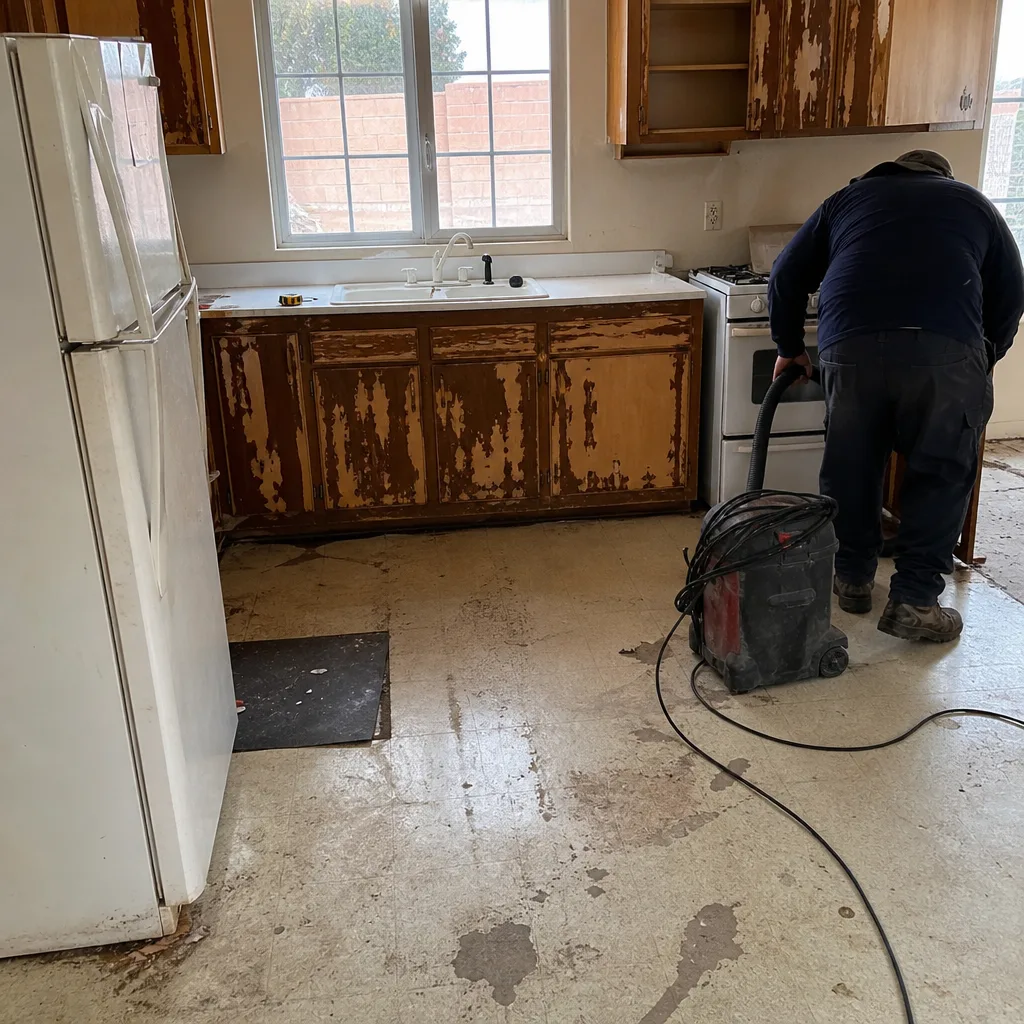 Before
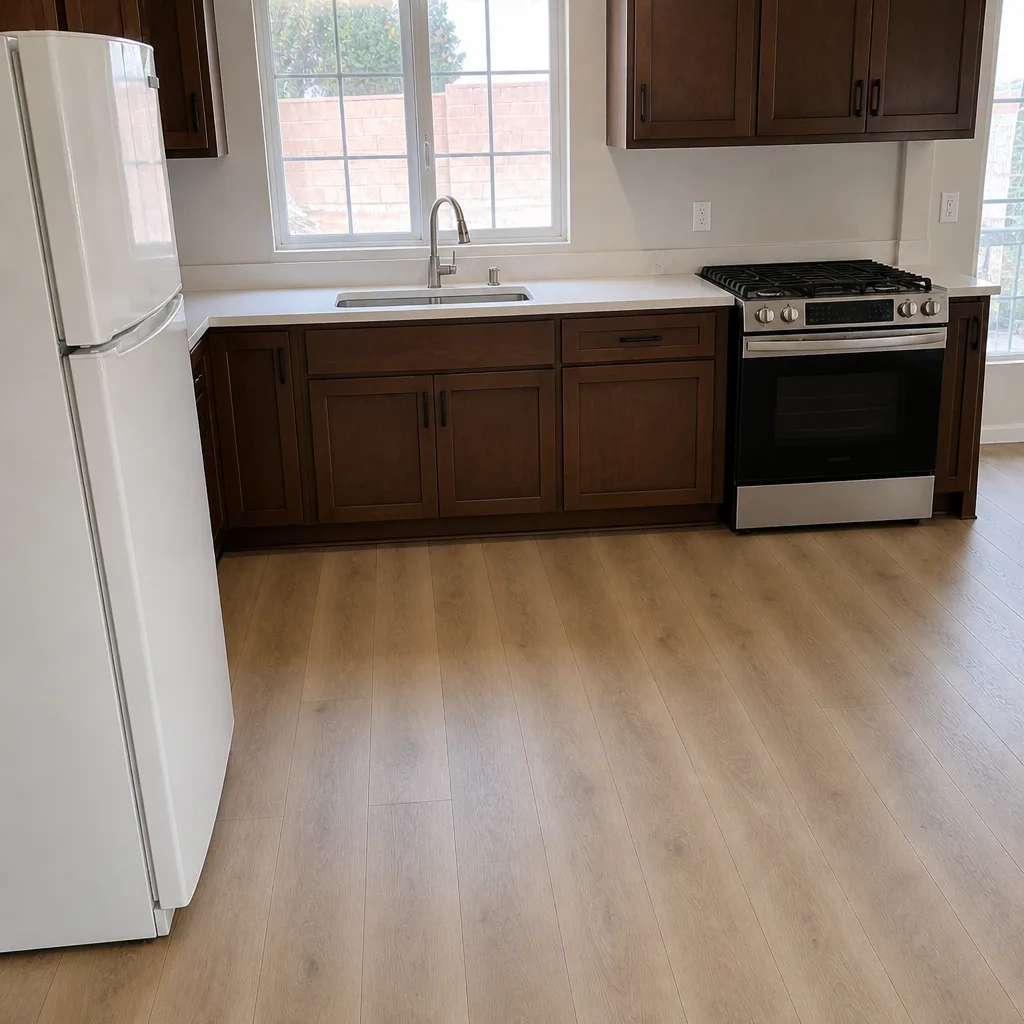 After
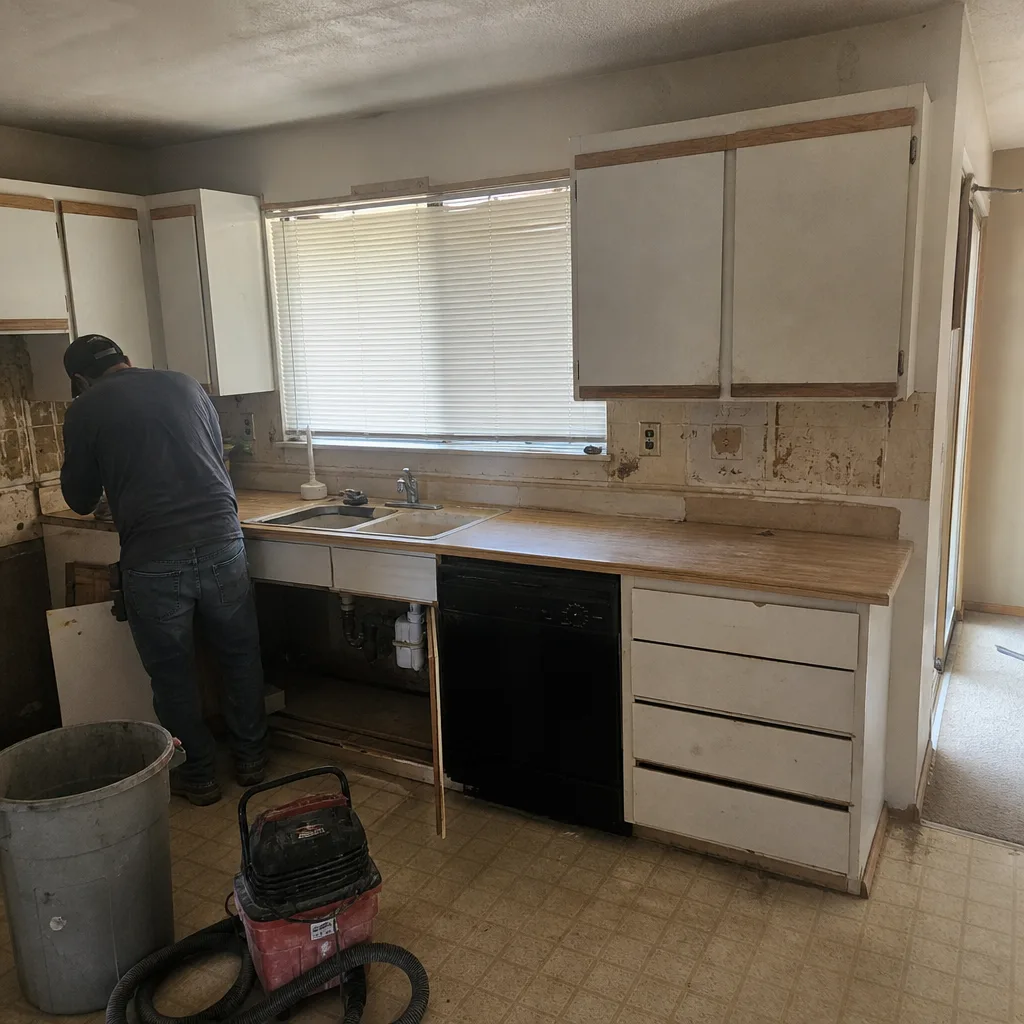 Before
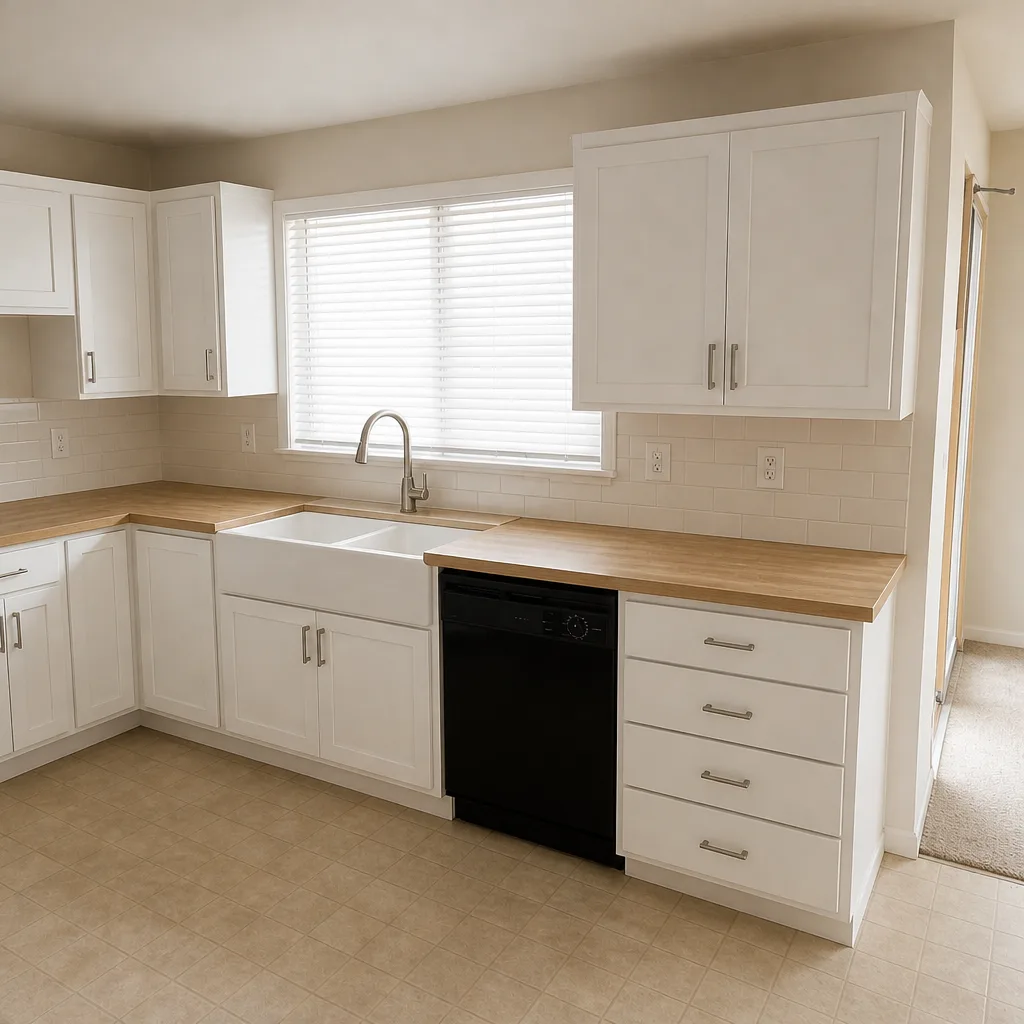 After
When to Call a Professional
Call when the problem is structural, not cosmetic. That means broad sinking across multiple pavers, pavers that rock underfoot, a spreading edge where the restraint has cracked or moved, a cluster of hollow taps in one area, or water that pools toward the house after a storm. Those are the scenarios where a top-surface fix won’t last and a section pull is the only repair that holds. Groundwork Construction Co. of Boulder City offers free estimates in Boulder City – call (888) 282-1693 and we’ll tap the driveway, look at the drainage, and give you an upfront number in writing. Estimates are free, and we pull the numbers apart line by line so you know which layer failed and what fixing it actually costs.
Frequently Asked Questions
Sinking pavers in Boulder City are almost always a base or drainage failure. Water gets under the surface, washes out the compacted gravel base or the bedding layer, and the pavers follow it down. In our experience, the sinking clusters on the low side of the driveway where monsoon runoff collects. A tap test will confirm which layer failed. Call (888) 282-1693 for a free estimate if the sink is broad – estimates are free.
Yes, usually more than it looks. One sunken paver is typically the first visible sign of a drainage problem or a local hollow spot that’s been forming underneath. Left alone, water runs into the void and the problem grows. A single paver can often be pulled, re-bedded, and relaid cheaply. Call (888) 282-1693 to get it looked at – estimates are free.
Most paver repairs in Boulder City run $150 to $900 for single pavers, joint re-sanding, and edge restraint work. A section pull and base repair usually runs $1,200 to $2,800, and a full rebuild runs $9 to $18 per square foot. The range depends entirely on which layer failed. Call (888) 282-1693 for an exact quote – estimates are free.
Re-sanding joints is genuinely DIY-repairable if the base and restraint are sound, the old sand is cut out, and the joints are dried before refilling. The catch is that most homeowners refill on top of old sand, which washes out with the first storm. If the base underneath is hollow or the edge is spreading, re-sanding is a waste of money. Call (888) 282-1693 for a free estimate and we’ll tell you which one you’re looking at.
Ours won’t. We give you an upfront line-item quote before any work begins, and the number you see is the number you pay. There are no change orders on a properly scoped paver repair – if we missed something, that’s on us under our 730-Day Done Right Promise. Call (888) 282-1693 to schedule a free estimate – estimates are free.
Yes. Driveway and paver repairs frequently go alongside fencing, additions, and landscape work, and having one team handle the whole scope from foundation to finish line keeps the drainage design consistent across the property. Our Home Additions & ADU in Boulder City team coordinates with the paving side on any project where a new structure changes drainage. Call (888) 282-1693 for a free estimate.
The Bottom Line
Paver problems are almost never random. They trace back to bad base prep, the wrong joint sand, or drainage that was never designed. That single sunken paver is usually water talking. Diagnose the layer first – base, bedding, surface, or edge restraint – then fix the root cause, not the symptom. A tap test costs five minutes and can save you a base rebuild. If the problem is structural, a proper section pull by a trained crew is the only repair that holds through a Boulder City monsoon and the dry months after it. Fix it right once, and the driveway stops asking for attention.
When you’re ready to price it, our Groundwork Construction Co. of Boulder City home page and the full Driveway & Pavers in Boulder City service lineup are the places to start, and the same team covers related exterior work like Fence Installation in Boulder City and Home Additions & ADU in Boulder City. Call (888) 282-1693 for a free estimate. Every project is backed by our 730-Day Done Right Promise, our phones are answered by a live person 24/7, and the number you see is the number you pay. Built to last, backed in writing.
Written by the team at Groundwork Construction Co. of Boulder City.