Last updated November 18, 2026







Free written scope consultation - allowances, timeline, and change-order rules on paper before a single trade is scheduled
Bathroom Remodeling Maintenance Schedule: What to Do and When
Boulder City’s water hardness averages over 300 mg/L, nearly triple the EPA’s threshold for “hard” water. That single fact explains why so many bathroom remodels that looked flawless at the final walkthrough start showing their age within three years. The tile didn’t fail. The grout didn’t fail. The maintenance plan, or rather the absence of one, failed. Most homeowners are never told what happens after move-in, so the products that were supposed to last two decades quietly give out while nobody’s watching. This guide hands you the schedule nobody gave you: what to check at 90 days, what to reseal every spring, which caulk joints crack first in desert heat, and how to document all of it so your warranties stay valid. If you’ve recently finished a bathroom remodel in Boulder City, or you’re planning one, this is the piece to keep.
Styles & brands we work with
- Kitchen remodeling
- Bathroom remodeling
- Home additions & ADU
- Roofing
- Windows & doors
- Driveway & pavers
- Fence
Quick Answer
A bathroom remodel should be maintained on a quarterly, seasonal, and annual rhythm: reseal grout and natural stone every 90 days in a hard-water market like Boulder City, inspect caulk joints at every season change because desert thermal swings crack them faster than humidity does, clean the exhaust fan every six months, and document every task with a dated photo so your tile and fixture warranties survive. Skip the rhythm and you’ll see grout erosion, mold in corner joints, and fixture scaling inside two to three years, not ten.
Table of Contents
- Why a Bathroom Remodel Needs a Maintenance Schedule at All
- Hard Water in Boulder City: The 90-Day Resealing Rhythm
- The Caulk Joints That Fail First in Desert Heat
- Exhaust Fan Maintenance Nobody Told You About
- Your Seasonal Calendar: Pre-Summer Heat and Post-Monsoon Humidity
- What Voids a Tile or Fixture Warranty (and How to Protect Yours)
- The First-Year Step-by-Step Schedule
- Common Mistakes to Avoid
- When to Call a Professional
- Frequently Asked Questions
Why a Bathroom Remodel Needs a Maintenance Schedule at All
A bathroom remodel is a system, not a coat of paint. Grout, caulk, tile, fixtures, waterproofing membranes, exhaust ventilation, and plumbing all work together, and every one of them has a service interval. When one component drifts out of spec, the others take the strain.
Grout that has stopped repelling water lets moisture into the thinset behind your tile. That moisture doesn’t dry in Boulder City the way it dries in a humid climate. Instead, mineral deposits from the water feed a slow crust of scale at the grout line, and the erosion accelerates. Within two or three years, you have chipped grout, a dull glaze on the tile edges, and a shower that never quite feels clean no matter what you scrub it with.
The alternative is a boring, repeatable rhythm. If you reseal on a hard-water schedule, inspect at every season change, and clean the exhaust fan, the exact same bathroom easily goes twenty years with nothing more than a ten-minute afternoon every quarter.
In our experience working in Boulder City, the difference between a bathroom that holds up and one that doesn’t is rarely the tile choice or the fixture brand. It’s whether the homeowner got handed a schedule at the end of the project. Most don’t. The contractor who installed it should have walked you through the maintenance rhythm before the final invoice, and if they didn’t, this guide is your replacement. If you’re still in the planning phase and haven’t chosen a contractor yet, our Groundwork Construction Co. of Boulder City home page walks through what a properly built remodel includes from the waterproofing layer up.
Hard Water in Boulder City: The 90-Day Resealing Rhythm
Here’s what “hard” actually means in practice. Water hardness is measured in milligrams per liter of calcium carbonate, and the EPA flags anything above 120 mg/L as hard. Boulder City’s source water regularly tests above 300. That’s not a marketing number. That’s the concentration of dissolved minerals actively working on every joint in your bathroom every day you shower.
The Real Cost of Skipping the 90-Day Reseal
Grout sealer is a sacrificial barrier. On day one it repels water. On day ninety in a hard-water market, it has absorbed hundreds of shower cycles and started breaking down at the surface. For the next six months, microscopic amounts of scale embed in the grout pores. You can’t scrub them out because they live in the pores, not on the surface. Resealing on schedule restores the barrier before the scale sets in.
Natural stone (travertine, marble, slate) is more sensitive than porcelain and needs resealing more often than the grout around it. If your Boulder City bathroom has travertine on the floor or walls, treat the stone and the grout as two separate maintenance items on the same 90-day timer.
How to Reseal Grout in a Boulder City Bathroom (Step-by-Step)
- Clean the tile and grout thoroughly with a pH-neutral cleaner. Skip the acidic tile cleaners, they eat the sealer you’re about to apply and degrade cementitious grout over time.
- Let everything dry for at least 24 hours. In desert air this happens faster than in coastal markets, but grout holds moisture longer than you’d think.
- Test an inconspicuous spot. A small section behind the toilet is a good test area. If water beads up, the sealer is still active. If it soaks in and darkens the grout, it’s time.
- Apply a penetrating grout sealer with a small foam brush or roller. Work it into the joints, don’t just skim the surface.
- Wipe excess from the tile face within 5-10 minutes. If it dries on the tile, you’ll be buffing it off with a scrub pad.
- Stay off the surface for 24 hours. No showers, no foot traffic.
That’s a two-hour job, four times a year. The alternative is a grout replacement inside five years at a cost that dwarfs what the sealer costs.
The Caulk Joints That Fail First in Desert Heat
In humid climates, caulk fails from moisture. In Boulder City, it fails from thermal expansion. Daytime summer swings inside a west-facing bathroom can push the wall surface temperature 15-20°F above the room temperature, and the night drop pulls it back down. Every cycle stretches and compresses the caulk joint. Eventually the adhesion at one edge gives way, then water gets behind it, then you have a slow leak into the framing that shows up as discoloration months later.
The Four Joints That Fail First
- Shower-to-tub or shower-to-pan joint. The horizontal junction between tile and the shower base absorbs the most water and the most thermal movement. Inspect it first.
- Where tile meets the shower valve trim plate. The valve is the single hottest point in the shower wall, and the trim plate expands at a different rate than the surrounding tile.
- Where tile meets the ceiling or soffit. Overlooked because you never look up, but the top edge of the shower is where condensation collects.
- Where the tub apron meets the floor tile. A common leak point in tub-only bathrooms, especially on a slab-on-grade home.
Inspection Rhythm
Inspect those four joints at every season change (spring, summer, fall, winter). Look for three failure signs: a visible gap between caulk and surface, dark discoloration creeping underneath the caulk line, or a soft spot if you press the caulk with a screwdriver handle.
When a joint has failed, don’t just caulk over it. Cut it out clean with a utility knife, dry the joint thoroughly (a hair dryer on low works), and reinstall silicone caulk sized for wet areas. The 100% silicone caulks outperform siliconized acrylic in wet areas because they don’t shrink and they hold their elasticity through the thermal cycle. Reapply only to a fully dry surface, and let it cure overnight before any water hits it.
Exhaust Fan Maintenance Nobody Told You About
Here’s the one that catches most Boulder City homeowners. In low-humidity climates, people skip the exhaust fan. The thinking goes: the desert is dry, so why vent the bathroom? The result is a bathroom with a fan that never runs, which means the fan and its ductwork sit unused for years, which means when you actually need them (a shower with a hair dryer running, laundry drying in the bathroom), the fan is caked with dust and running at maybe 40% of its rated airflow.
The moisture that doesn’t get vented condenses on cool surfaces. In Boulder City, that’s the north-facing tile wall and the mirror frame during winter, and the ceiling of any interior bathroom during summer when the AC is cranked.
The Actual Maintenance Schedule
- Every six months, remove the fan grille. Most are held by spring clips or two screws. Twist and pull gently.
- Vacuum the grille and the fan blades visible behind it. A shop vac with a brush attachment, or a vacuum with a crevice tool works fine.
- Wipe the blades with a damp cloth. Dust cakes on the leading edge and cuts airflow significantly.
- Check the duct flap where it exits the wall or roof. In desert climates, dust and insect nests can block the flap open or shut. A stuck flap means no ventilation.
- Listen to the motor. Grinding, rattling, or a fan that sounds like it’s laboring is a sign of bearing wear. A failing bathroom fan is a $60-$150 replacement part, and worth handling before it dies at an inconvenient moment.
Run the fan for 20 minutes after every shower in Boulder City, and 30 minutes after a long steam bath. That’s enough to clear the moisture without wasting air conditioning in summer. If the fan in your bathroom is one the original builder installed 20 years ago, a modern 110 CFM unit will cost less to run, run quieter, and clear the room more effectively.
Your Seasonal Calendar: Pre-Summer Heat and Post-Monsoon Humidity
Boulder City has two weather events that matter for bathroom maintenance. The first is the pre-summer heat ramp, typically May into early June, when the first sustained 100°F days hit. The second is the monsoon, July through September, when the humidity climbs and the summer storms push moisture into every exterior wall. Tie your maintenance to those two markers and you stay ahead of both.
- Early May (pre-summer): Reseal grout and any natural stone. Inspect every caulk joint, especially on west-facing bathroom walls. Clean the exhaust fan and check the exterior duct flap. Test the shower drain for slow flow.
- Late June (mid-summer): Check the shower pan for hairline cracks or discoloration at the tile-to-pan joint. Look for condensation on the interior side of exterior walls, which signals a waterproofing or venting issue.
- September (post-monsoon): Inspect the ceiling and any exterior wall for water staining. Re-check caulk at the shower valve trim plate, monsoon temperature swings can crack it. Run the exhaust fan on high for 30 minutes after any long shower during this window.
- December (winter check): Confirm the exhaust fan runs freely. Check caulk at the tub apron and floor tile, winter temperature swings inside and outside the home stress those joints. Test the shower valve for any drip at the handle.
A calendar reminder on your phone is a real solution. Set the first of May and the first of September as your bathroom-maintenance checkpoints, and treat them like an oil change. Two of them a year isn’t much effort, and it’s the one habit that separates a twenty-year bathroom from a three-year one. If you’re planning an upcoming remodel and want to understand how the waterproofing and ventilation tie together, our Home Additions & ADU in Boulder City page covers how we design the envelope and mechanicals for the same desert conditions.
What Voids a Tile or Fixture Warranty (and How to Protect Yours)
Tile and fixture warranties are rarely denied because of a manufacturing defect. They’re denied because the homeowner didn’t document that they maintained the product according to the manufacturer’s instructions. If a grout manufacturer requires “periodic application of a penetrating sealer” and there’s no evidence the sealer was ever applied, the manufacturer will point at the missing maintenance and decline the claim.
What Actually Voids a Warranty
- Acidic or abrasive cleaners on cementitious grout. Most grout manufacturers specify pH-neutral products only, and many disputes trace directly to a “grout haze remover” that was mostly acid.
- Unapproved caulk on movement joints. If the manufacturer specified a silicone silicone caulk at horizontal joints and someone used siliconized acrylic, the crack that follows isn’t covered.
- Missing expansion joints at the perimeter of large tile installations. A tub surround with no perimeter gap for movement is a classic void of the tile manufacturer’s warranty.
- Improper substrate. If you installed tile over a waterproofing membrane the manufacturer didn’t approve, the warranty was dead the day it went down.
- Damage from a failing shower pan or a slow leak that was allowed to continue. This is the big one, because it’s often the homeowner’s own maintenance gap.
How to Document Your Maintenance
Keep it simple. Create a folder on your phone or computer, label it “Bathroom Maintenance – Boulder City,” and save a dated photo of every resealing and every inspection. Screenshot the receipt for every caulk and sealer purchase and drop it in the same folder. If a claim ever comes up, you have a clear record of the maintenance rhythm you followed.
Additionally, write the manufacturer name and model number of every fixture, faucet, and tile on the inside of the vanity cabinet door with a Sharpie. That single step saves hours of paperwork when a warranty claim does come up.
The First-Year Step-by-Step Schedule
The first year after a remodel is the most important maintenance window because the house is settling in around its new surfaces. Here’s the sequence we recommend for a Boulder City bathroom.
- Day 30: Do a full walkthrough. Check every caulk joint, run every fixture, look for anything that hasn’t cured correctly. Any issue caught in the first month is covered by the workmanship guarantee, and this is the point to call your contractor if anything looks off.
- Day 90: First reseal of grout and any natural stone. Photograph every treated surface and save to your maintenance folder.
- Day 180: Six-month exhaust fan clean, duct flap inspection, and the first full caulk inspection.
- Day 270: Second grout and stone reseal. Re-inspect the shower valve trim joint specifically.
- The 12-month anniversary: Full annual walkthrough. Compare current photos to the ones from Day 30 and Day 90. Discoloration, cracking, or scale buildup feels much smaller when you catch it early.
Repeat the daily, quarterly, and seasonal tasks from that rhythm for the rest of the bathroom’s life. The list of tasks never changes. Your ability to catch problems early does increase with every cycle.
Common Mistakes to Avoid
- Skipping the 90-day reseal because the grout still “looks fine.” Sealer degradation is invisible until the damage is underway. The bathroom in Boulder City that crumbles early is almost always the one where the homeowner waited for a visible problem before resealing.
- Using bleach or vinegar on natural stone. Both are acidic or oxidizing and will etch travertine, marble, or slate permanently. Use a pH-neutral stone cleaner and keep it under the sink.
- Running the exhaust fan for 30 seconds after a shower. The moisture doesn’t clear in 30 seconds. It takes 20-30 minutes of ventilation, and in a Boulder City interior bathroom during summer, that means running the fan even when you think you don’t need to.
- Ignoring the caulk joint at the shower valve trim plate. It’s the joint that fails first in desert climates and the one the homeowner almost never looks at because it’s only visible when you’re standing in the shower.
- Patching failed caulk instead of cutting it out. New caulk over old caulk fails within a month. Cut it out clean, dry the joint thoroughly, and install fresh silicone.
- Never documenting anything. A warranty claim with no dated photos and no resealing receipts is a warranty claim the manufacturer will decline.
- Not resealing after any plumbing repair. A plumber access hole in the wall, a re-caulked shower valve, a replaced faucet, all of these reset the timer on the surrounding sealant. Reapply after any repair as if it were Day 90.
The same maintenance discipline is why we walk Boulder City homeowners through exterior maintenance too, from Driveway & Pavers in Boulder City sealant schedules to Fence Installation in Boulder City post-set checks that matter in desert soil.
When to Call a Professional
Most of the guide above is homeowner-level work: resealing, caulking, cleaning an exhaust fan. But not all of it. Call a professional if you notice soft spots in the tile floor near the shower or tub, if the shower pan shows visible cracks, if the ceiling below the bathroom shows a stain, or if a plumbing fixture leaks behind a wall and you can’t see the source. Those are all signs the waterproofing or a hidden plumbing line has a problem, and they’re the issues a homeowner can’t safely diagnose or repair alone.
Water behind a wall is a framing problem, a mold problem, and potentially an electrical problem within a few months of starting. Get it looked at before you’re remodeling to fix rot.
Groundwork Construction Co. of Boulder City offers free estimates in Boulder City and can walk your bathroom with you, from a single fixture replacement up to a full remodel. Call (888) 282-1693 to schedule your free estimate. Calls are answered by a live person, 24/7, and every project is backed by the 730-Day Done Right Promise.
Frequently Asked Questions
Reseal bathroom grout every 90 days in Boulder City because of the hard water. At over 300 mg/L of calcium carbonate, the water here degrades penetrating sealer faster than almost anywhere else in the country, and the 90-day cadence keeps the barrier ahead of mineral buildup. If your bathroom has natural stone surfaces, add them to the same quarterly schedule. Call (888) 282-1693 if you want an estimate for resealing work that goes beyond routine homeowner maintenance.
Your caulk is cracking from thermal expansion, not from moisture. In Boulder City’s desert climate, bathroom walls (especially west-facing) heat and cool 15-20°F across a day, and caulk joints stretch and compress with that swing. Use 100% silicone caulk instead of siliconized acrylic for wet areas, cut out failed caulk completely before reapplying, and inspect the shower valve trim plate first because it fails earliest. If a crack keeps returning after two or three applications, call (888) 282-1693 for an in-person look.
Clean the bathroom exhaust fan every six months, and the grille every three. Desert climates cause homeowners to skip the fan, but the fan is what prevents condensation on north-facing walls and mirror frames during winter temperature swings. A dusty fan at 40% airflow does very little. If your fan is more than 15 years old, replacing it with a modern 110 CFM unit is a low-cost upgrade that pays for itself in moisture control.
Usually no, unless the crack traces to a workmanship defect rather than a maintenance gap. Most grout and tile manufacturers require periodic resealing, and they’ll decline a claim if there’s no record the maintenance was done. That’s why documenting every reseal with a dated photo matters. If you’re within your 730-Day Done Right Promise period with us and something’s not right, call (888) 282-1693, the promise means we make it right.
Waiting for visible damage before doing anything. In hard-water markets, sealer degradation and grout erosion are invisible for the first year and then accelerate quickly. By the time the grout looks bad, the pores are already filled with scale and resealing is less effective. The homeowners who get twenty years out of a Boulder City bathroom are the ones who reseal at Day 90, Day 180, Day 270, and every 90 days after that, whether the grout “looks fine” or not.
Yes, and the difference is scale. A bathroom remodeled more than seven or eight years ago in Boulder City will often need resealing closer to every 60 days rather than every 90, because grout and tile can absorb more water as they age. Inspect caulk joints more frequently too. If you’re evaluating whether a full remodel makes more sense than ongoing maintenance, call (888) 282-1693 for a free estimate, the numbers usually surprise people.
The Bottom Line
A bathroom remodel is a twenty-year investment only if you maintain it on a rhythm. In Boulder City, that rhythm is defined by two things outsiders rarely account for: water hardness above 300 mg/L that erodes sealer at nearly triple the national rate, and desert thermal swings that crack caulk joints faster than humidity does anywhere else. Reseal grout and stone every 90 days. Inspect every caulk joint at every season change. Clean the exhaust fan twice a year even though you’re in a dry climate. Document all of it so warranty claims survive scrutiny. Skip any of that and the exact same materials that should last two decades start failing inside three years. Do it, and the bathroom gets more durable with every cycle, not less.
If you’re at the starting line instead of the maintenance stage, or if you’ve spotted something that needs a trained eye, Groundwork Construction Co. of Boulder City offers free estimates, written pricing with no change orders, and the 730-Day Done Right Promise if it’s not done right, we make it right. Call (888) 282-1693. Calls are answered by a live person 24/7, technicians are background-checked and arrive in uniform, and the estimate is free.
Written by the team at Groundwork Construction Co. of Boulder City.
See the difference
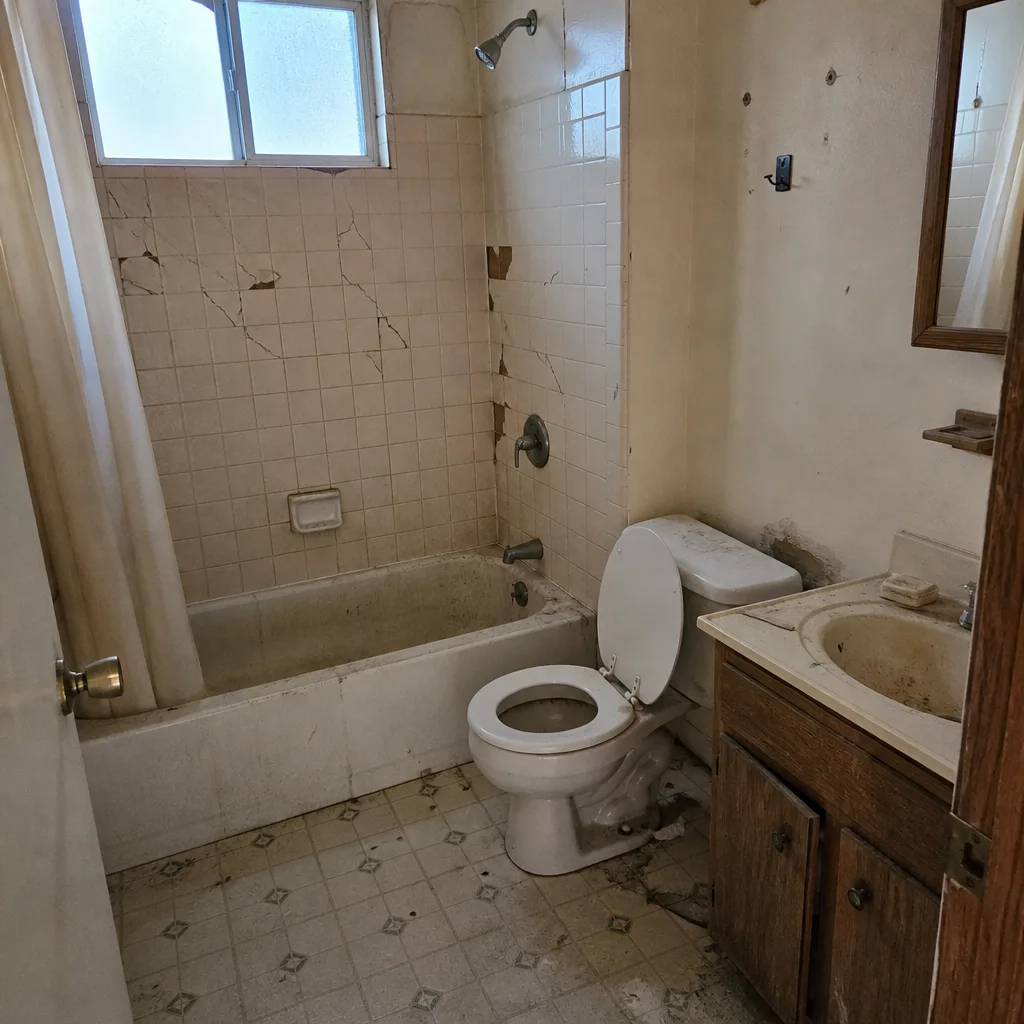 Before
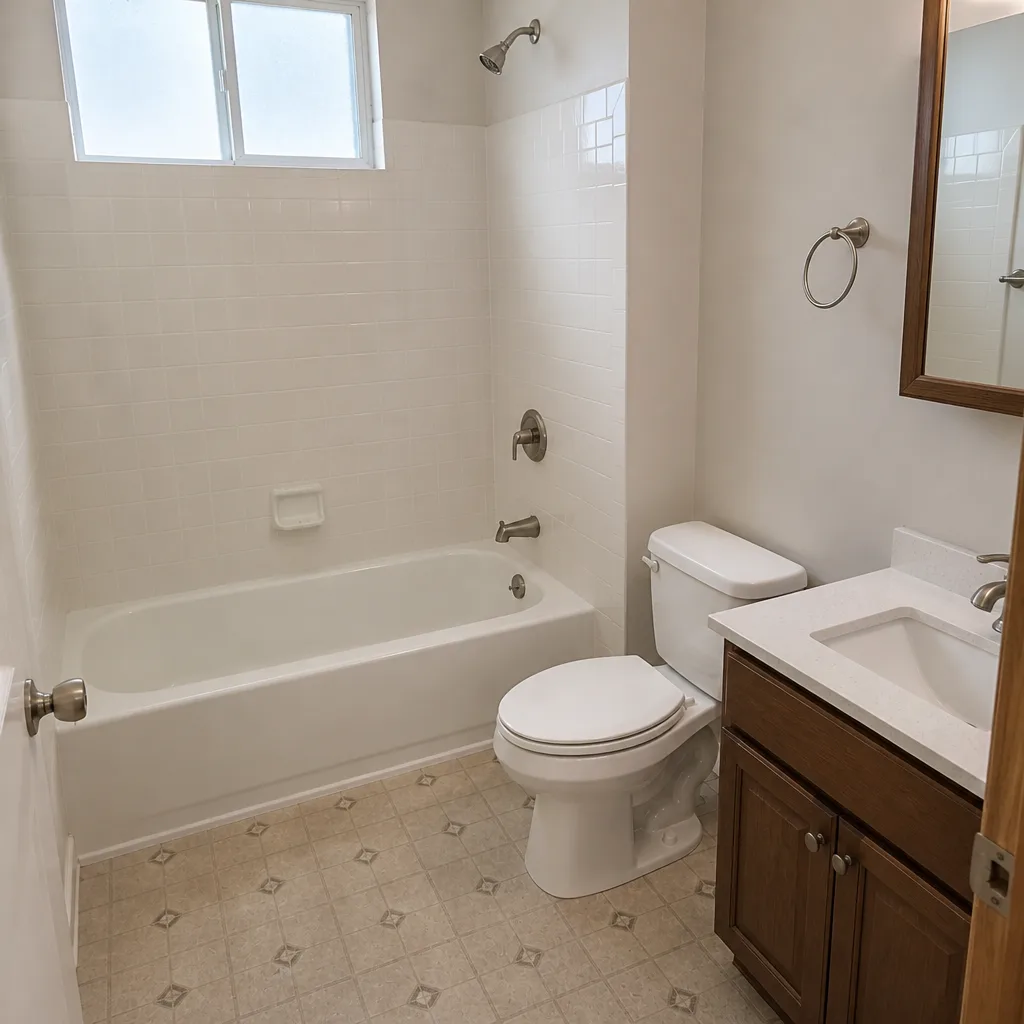 After
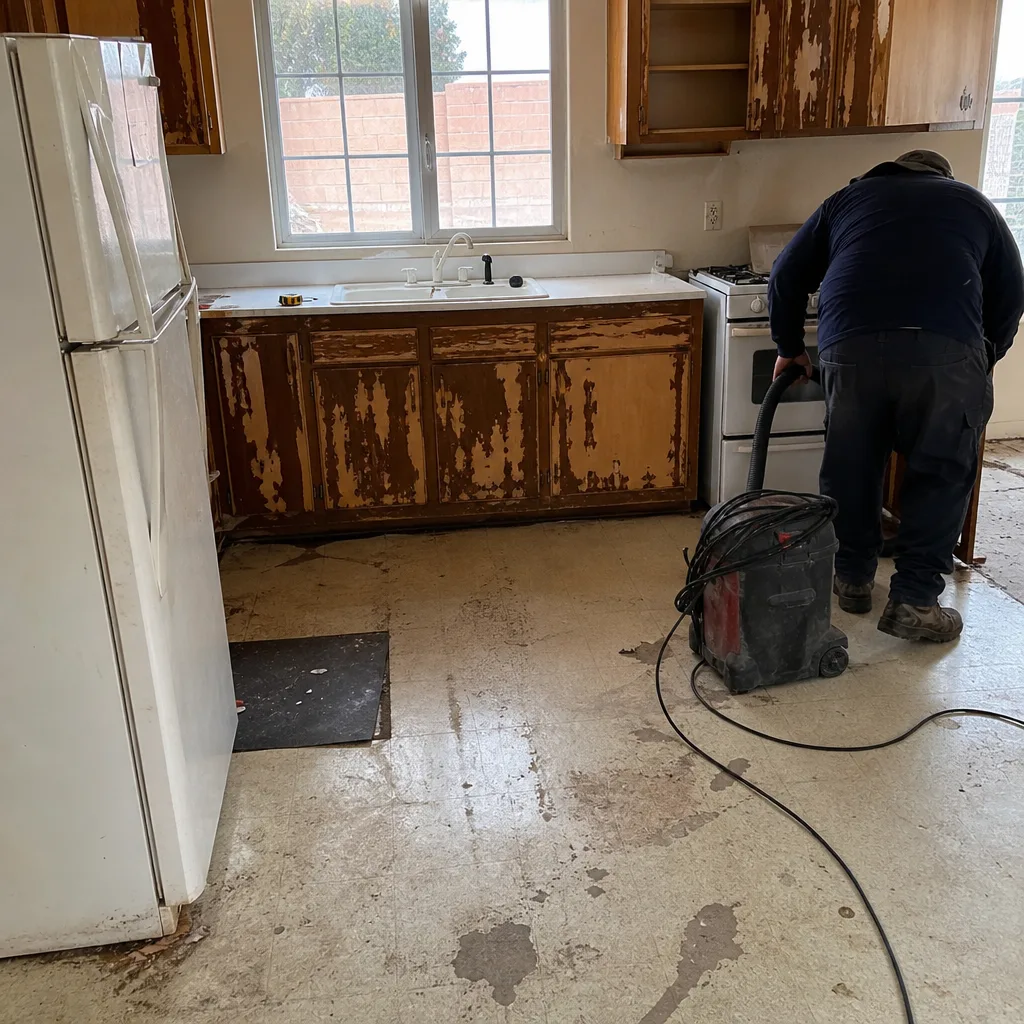 Before
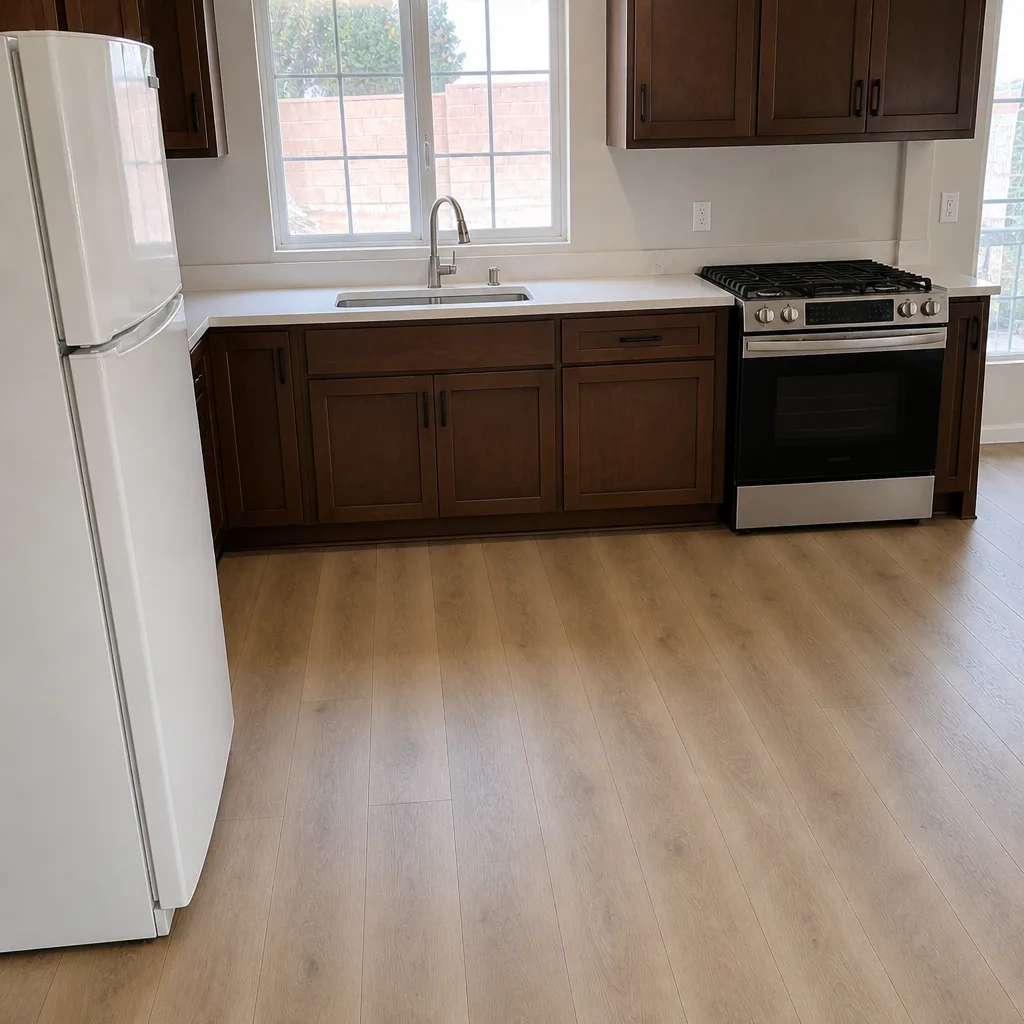 After
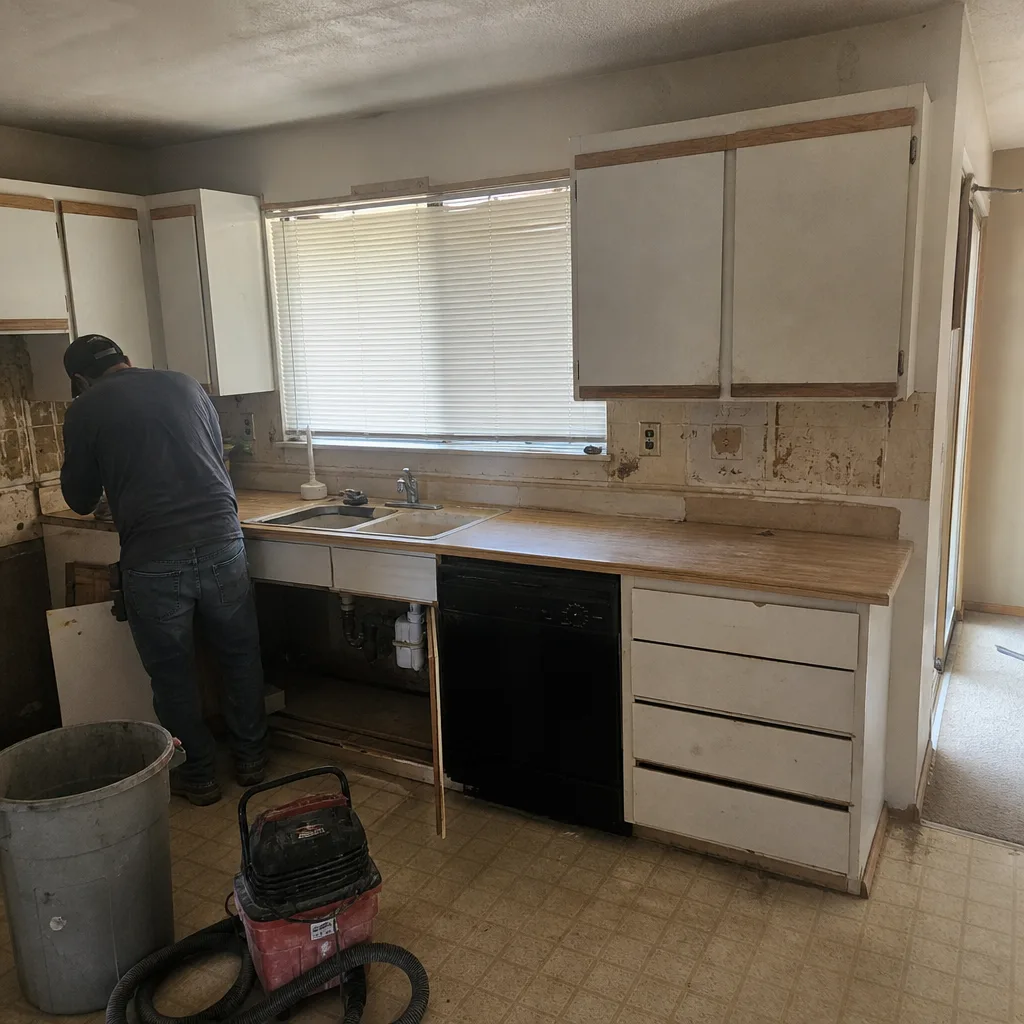 Before
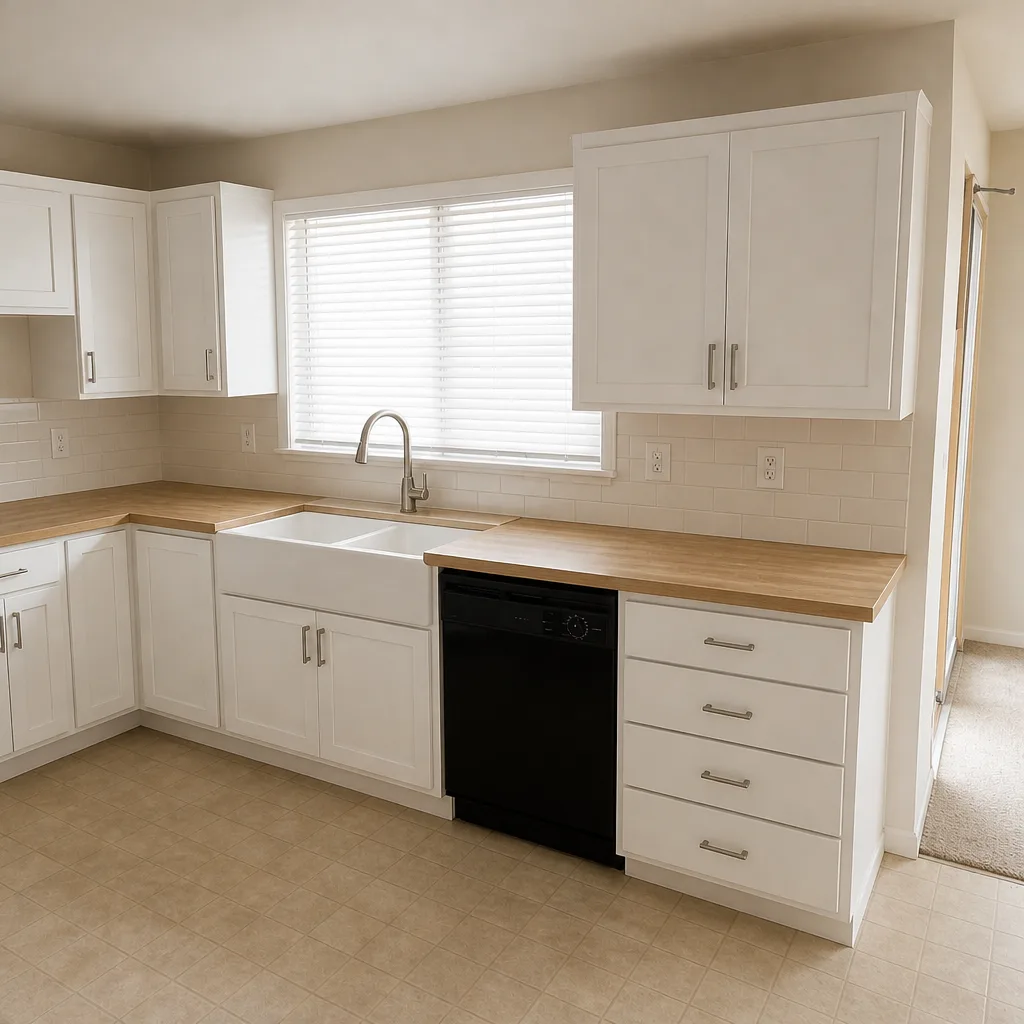 After