
Free written scope consultation - allowances, timeline, and change-order rules on paper before a single trade is scheduled
ADU Site Prep & Utilities in Spring Valley, NV: What It Costs and What It Takes
ADU site prep and utilities in Spring Valley runs $45,000 – $130,000 as a standalone scope, and the trenching, grading, and service runs alone typically eat 4 – 6 weeks of that before a single wall goes up. Prep covers excavation, caliche breaking, footing pads, drainage and grading, plus fresh water, sewer, gas, and electrical runs to the unit. Call (888) 282-1693 for a free on-site estimate. Our technicians have up to 12 years of experience reading Clark County soil and utility maps.
Trenching, Grading, and Service Runs: How We Actually Do This Job
Site prep for an accessory dwelling isn’t a warmup act to construction. It’s the stage that decides whether the rest of the build runs on schedule. Here’s the real sequence we follow in 89113.
Stage 1: Utility locate and site survey (day 1 – 2)
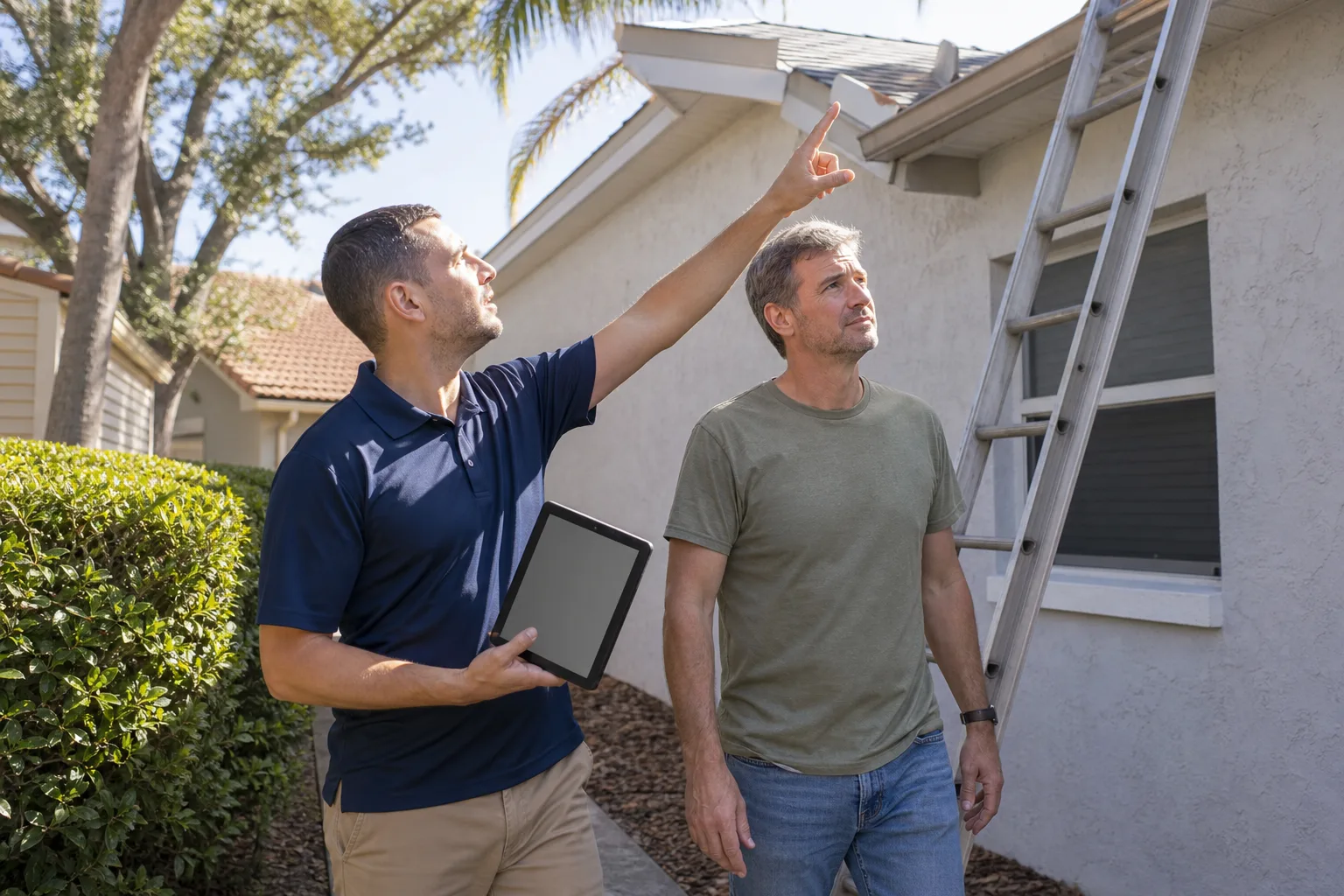
Before anything breaks ground, we call 811 and confirm where existing water, sewer, and gas lines run under the lot, then walk the pad location with you. You decide the exact footprint and where the utility stub-ins land, because that choice drives your trench depth and the length of every run. In Spring Valley’s infill lots, a fence line or an existing driveway slab often sits closer to the sewer tap than the homeowner expects.
Stage 2: Excavation and caliche breaking (day 3 – 10)
This is where the southwest valley separates the prepared contractor from the one who quoted too low. Much of 89113 sits on a hard calcium-carbonate layer just below the surface, and caliche stops a trencher cold. We budget rock-breaking equipment and slower digging into every estimate, and you decide whether to reroute a run around the hardpan or pay to break through. Expect a few extra days here if a footer hits solid caliche.
Stage 3: Footing pads, grading, and drainage (day 10 – 18)
We set and inspect the footing forms, grade the lot away from the ADU foundation, and install drainage that can move a monsoon downpour off the pad. You approve the final grade and where the downspouts and site drain discharge. Poor grading on a flat Las Vegas Valley lot is the number one reason a new ADU gets water against its slab in the first rainy season.
Stage 4: Utility trenching and rough-in (day 18 – 35)
Sewer, water, gas, and electrical conduits go in and get inspected in stages. You sign off on the electrical panel location and the gas-line route, decisions that are expensive to change once the trench is backfilled. Trench depth and slope matter for the sewer especially; a run that doesn’t fall correctly is a callback nobody wants.
Stage 5: Backfill, compaction, and inspection sign-off (day 35 – 42)
We backfill, compact in lifts so the ground doesn’t settle under your future patio, and clear the Clark County inspections on the prep and utility scope. That final sign-off is the handoff to construction. The whole prep and utilities package closes in roughly six weeks on a clean lot, longer if caliche or aging utility lines complicate it.
Styles & brands we work with
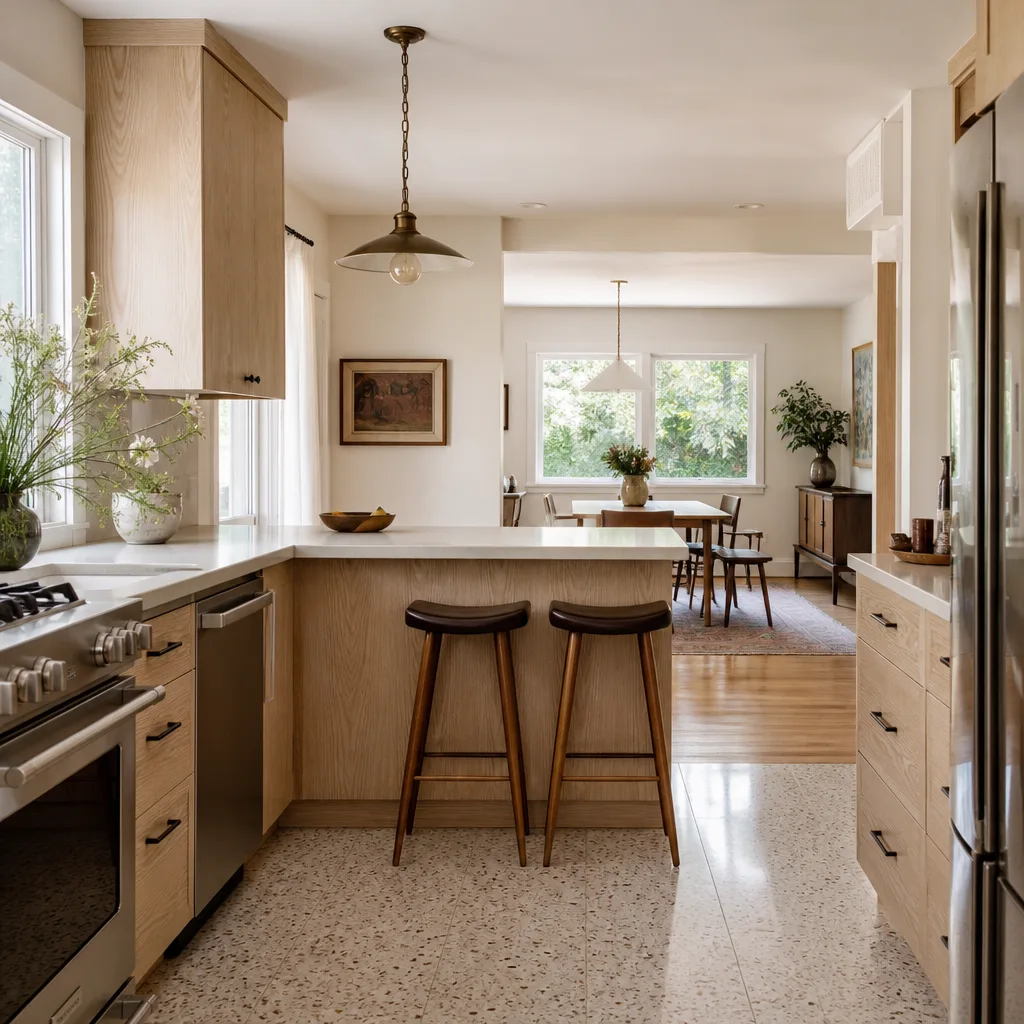
- Kitchen remodeling
- Bathroom remodeling
- Home additions & ADU
- Roofing
- Windows & doors
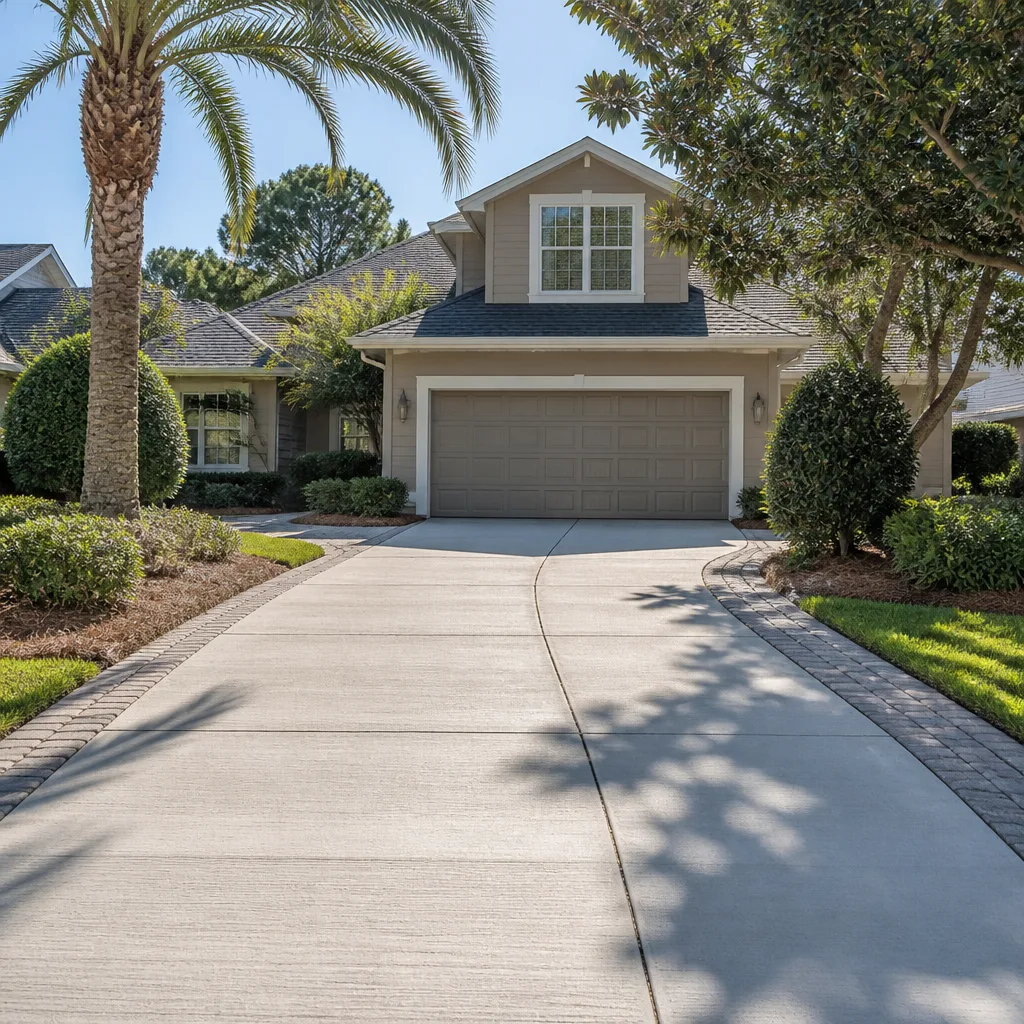
- Driveway & pavers
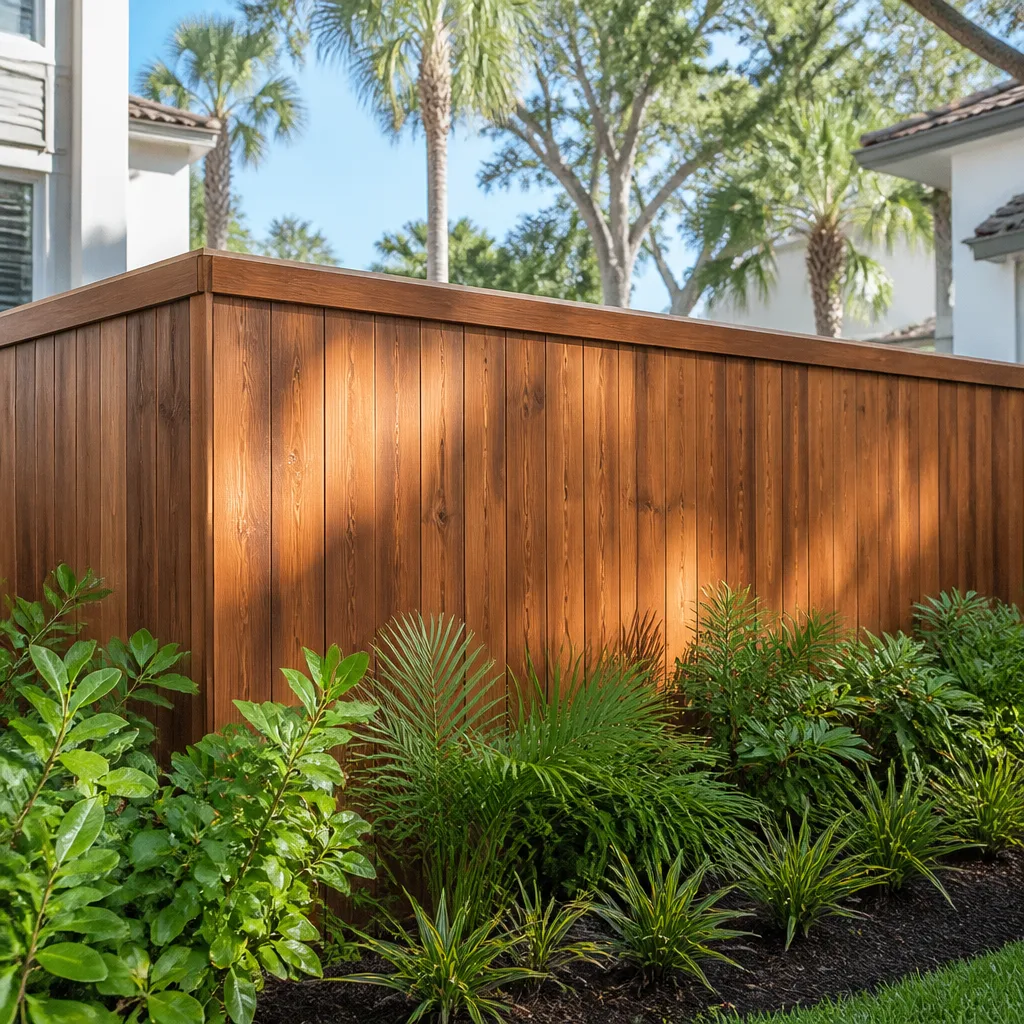
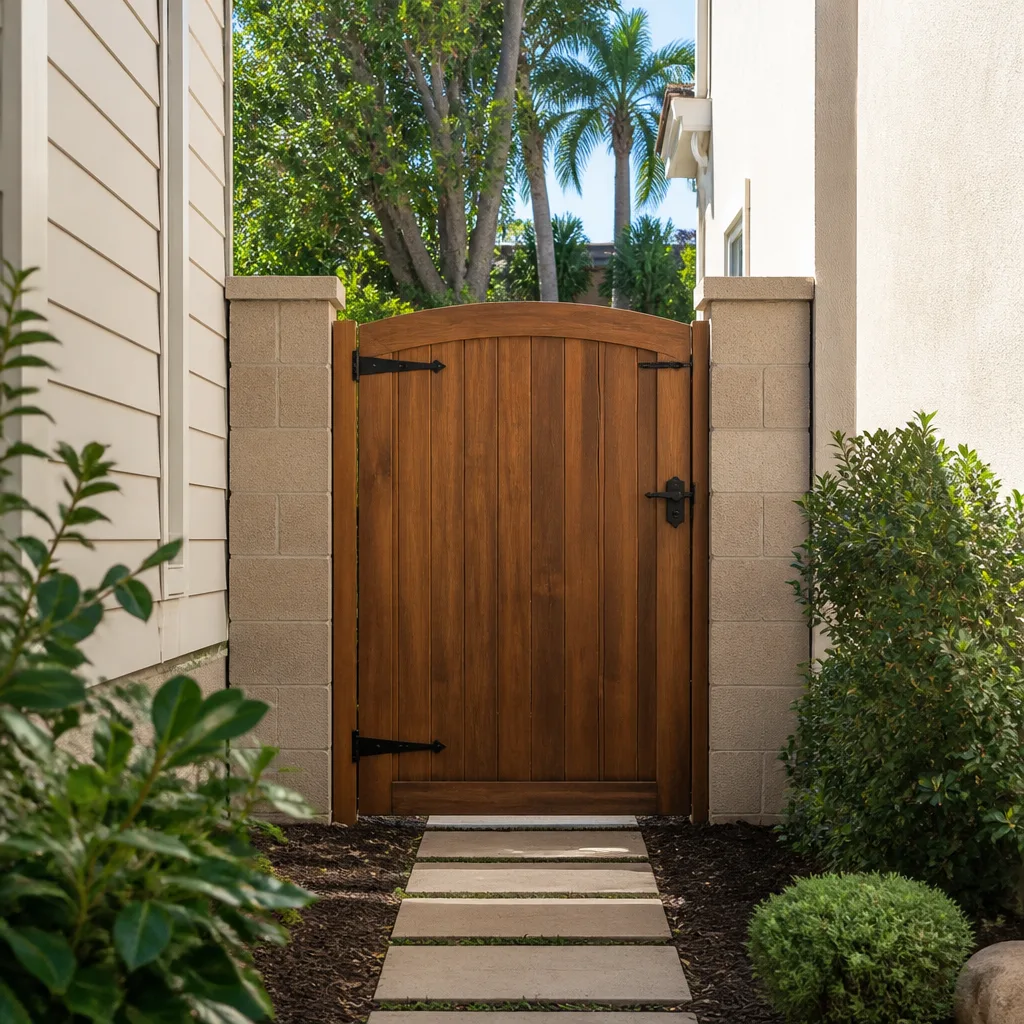
- Fence
The Options You’ll Choose Between on Prep and Utilities
Most of the cost swings on a handful of decisions you make before trenching starts. Here’s what actually varies.
- Caliche breaking vs. rerouting. Breaking through hardpan with the right equipment adds cost but keeps the layout you want. Rerouting saves the rock work but can lengthen runs and complicate drainage. On a tight infill lot, breaking is often the better call.
- Utility trench: shared vs. dedicated. A single shared trench for water and electrical cuts excavation time and cost. Separate trenches cost more but isolate the runs and can be easier to service later.
- Electrical service: panel upgrade vs. new subpanel. If your existing panel has headroom, a subpanel feeding the ADU is the leaner path. An older 89113 home may need a service upgrade, which adds real cost and scope.
- Drainage: French drain vs. surface grading. Surface grading alone is cheaper. A French drain or channel drain handles monsoon runoff more reliably and protects the slab long-term.
- Concrete vs. paver hardscape at the pad edge. Concrete is the budget choice and quick to pour in an early-morning window. Pavers cost more but handle settlement better and match the finish of the main house. Homeowners often pair this with Paver Driveways in Spring Valley so the ADU approach matches the front of the property.
What ADU Site Prep & Utilities Costs in Spring Valley, NV
A standalone site prep and utilities package in Spring Valley lands at $45,000 – $130,000, and where a project falls in that range comes down to five things: lot size and setback, how much caliche the crew hits, whether utilities need relocation, the depth of grading required, and the inspection scope. A clean flat lot with accessible stub-ins sits at the low end. A sloped, rocky infill lot with an aging panel and a long sewer run climbs toward the top.
Five variables move the number most:
- Caliche depth and hardness – the deeper and denser the layer, the more rock-breaking time.
- Distance to existing utilities – every extra foot of trench and pipe adds cost.
- Panel and meter capacity – a needed service upgrade is a real line item.
- Grading and drainage complexity – flat lots are simple; sloped or flood-prone corners are not.
- Permit and inspection scope – staged utility inspections add time and fees.
Our written estimate breaks out excavation, caliche breaking, footing, drainage, each utility run, and permit fees as separate line items, so you see exactly what you’re paying for and what would change if the lot turns rockier than the survey suggests. Upfront pricing means the number you see is the number you pay once scope is agreed.
See the difference
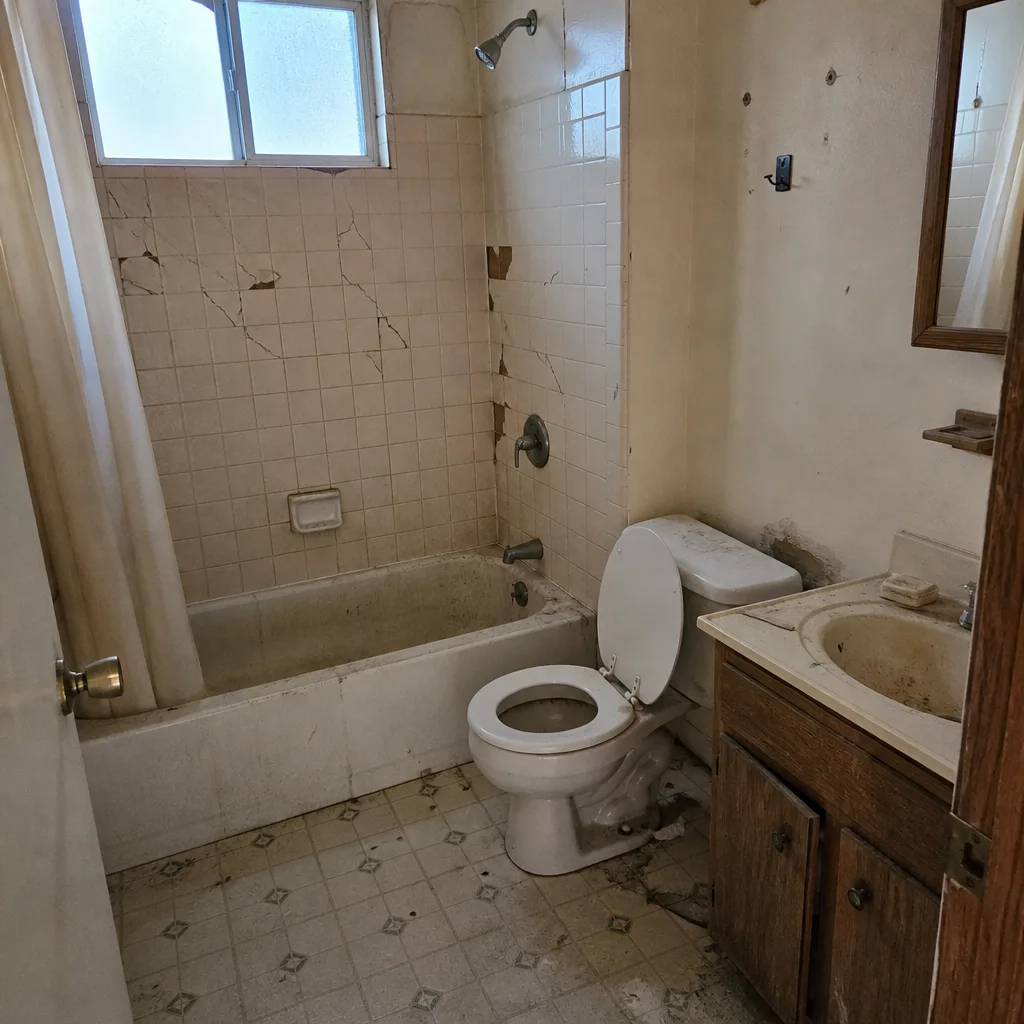 Before
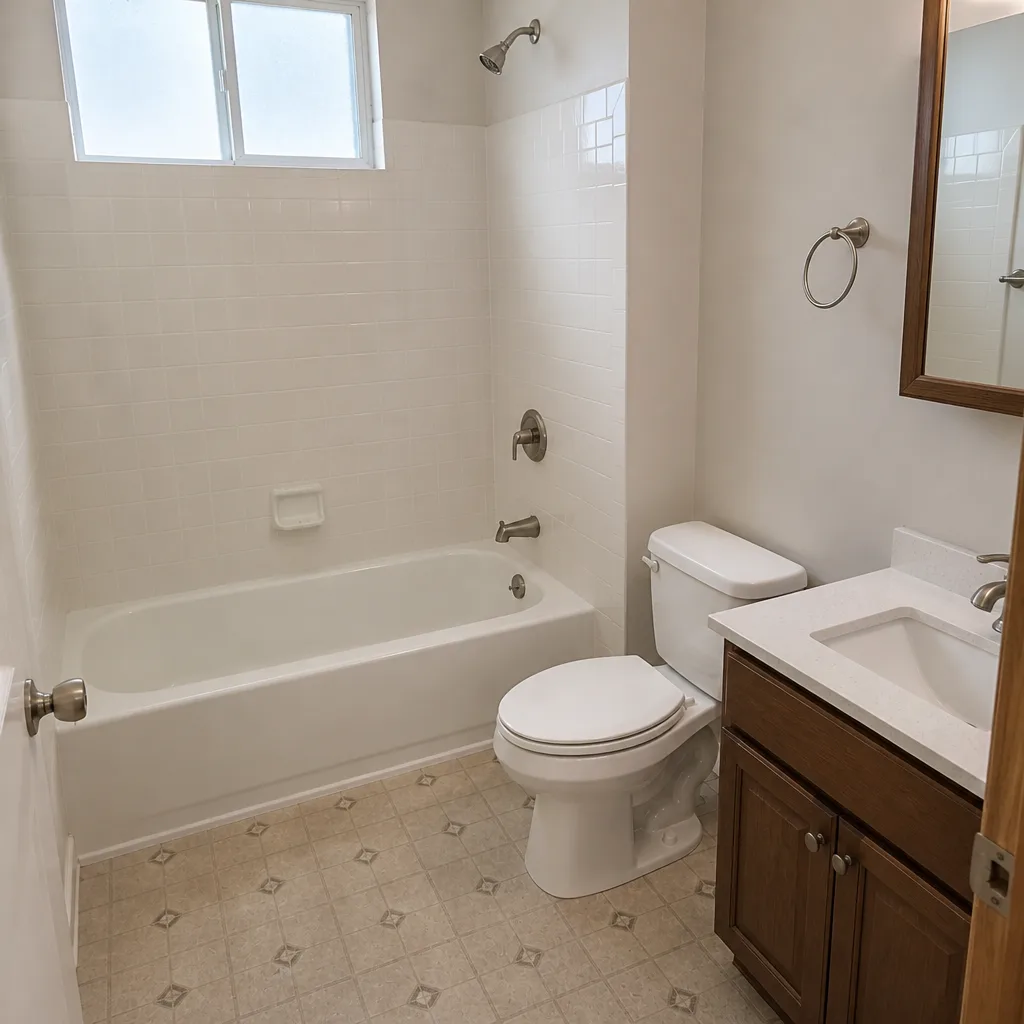 After
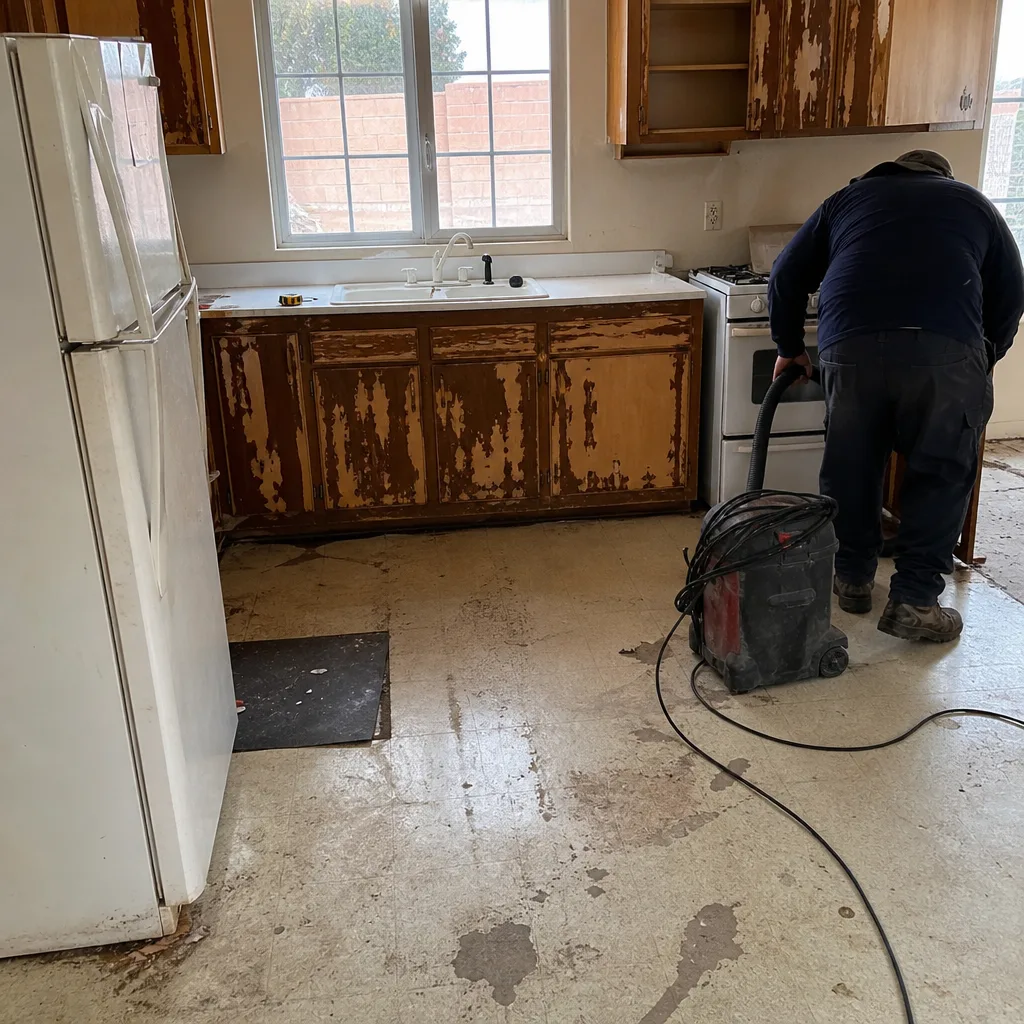 Before
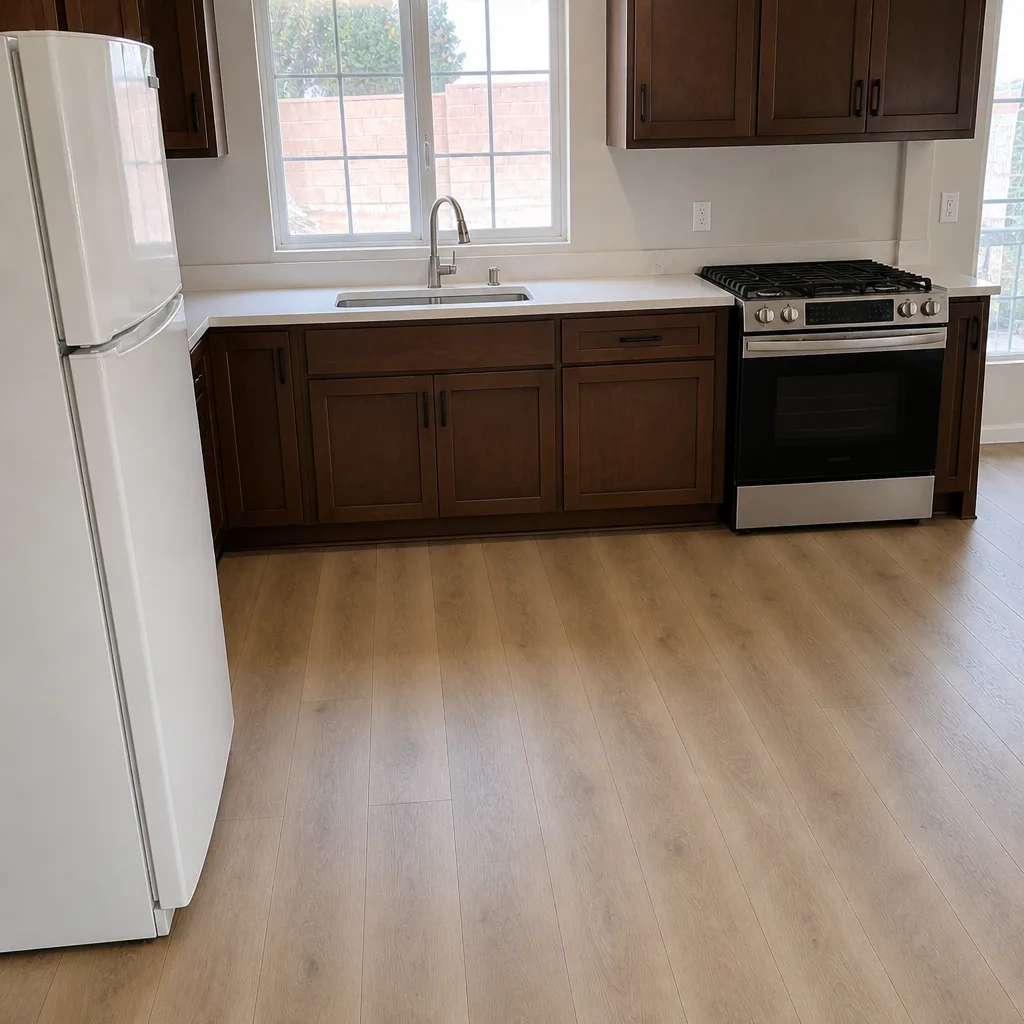 After
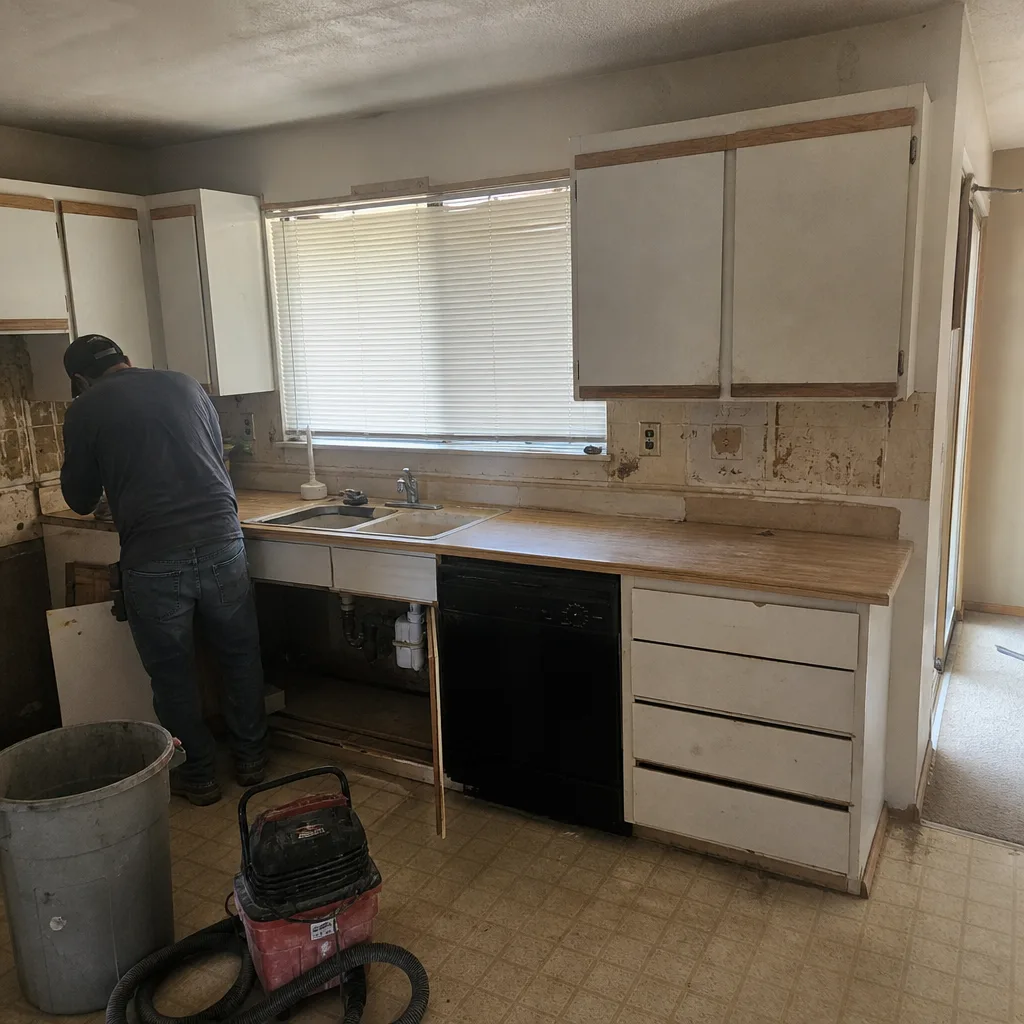 Before
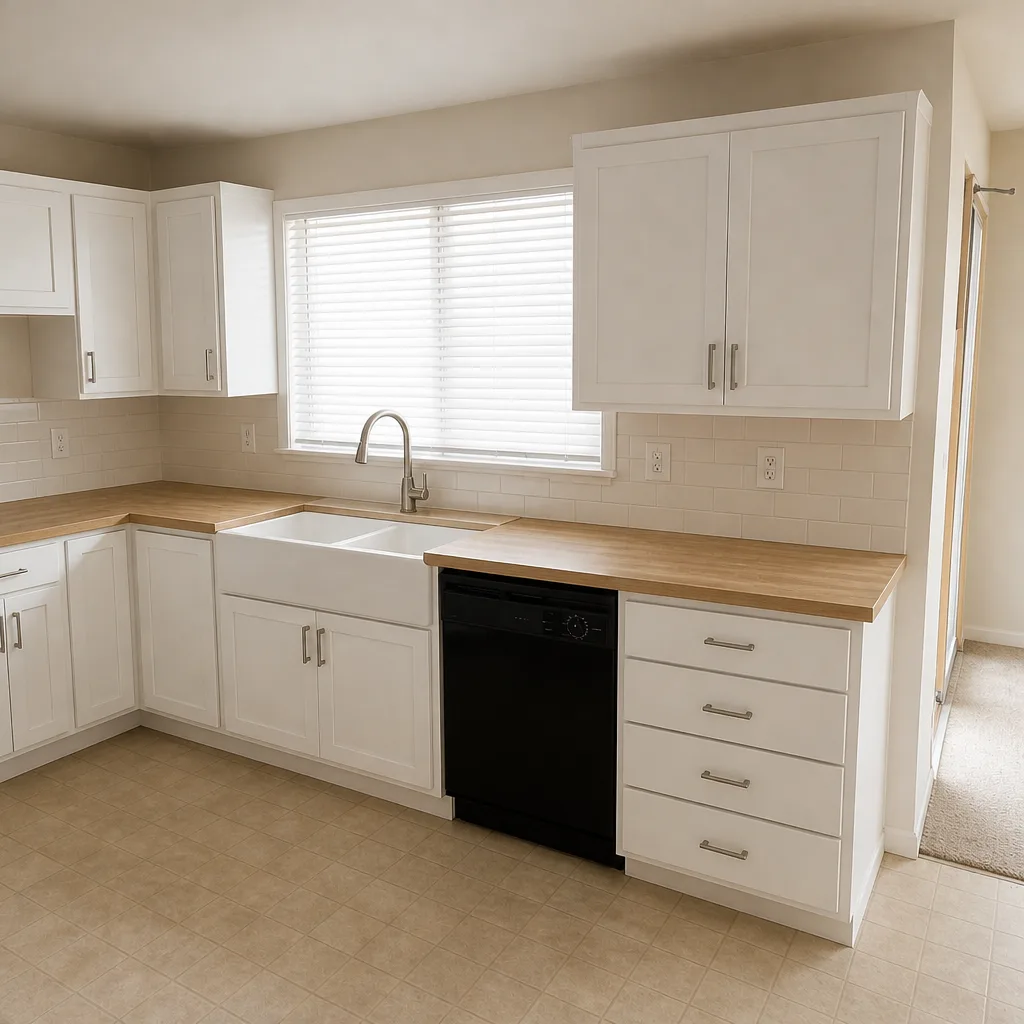 After
What Spring Valley Homes Specifically Do to This Job
Spring Valley is an unincorporated Clark County community, not a city, and that changes the whole permitting picture. Every permit for this work runs through Clark County’s Department of Building & Fire Prevention, not a municipal office, so we build the county’s staged utility inspection sequence into the schedule from day one. The housing stock in 89113 is a mix of 1990s to 2000s stucco-and-tile tract homes inside gated master-planned subdivisions, newer mid-rise apartments, and a wave of custom homes, all built to modern Clark County codes. That means mechanicals are usually sound and structural retrofits are rare, but utility stub-ins and panel capacity on older tract homes need a real look before we quote. The corridor along the 215 Beltway and South Durango has grown lot by lot, so the parcel next door may sit under a different master plan or HOA with its own setback and screening rules. And the caliche under much of the southwest valley is the single biggest scheduling risk, which is why our estimates always carry a contingency line for rock-breaking rather than springing it on you mid-trench. The extreme desert heat also shapes the calendar: we pour footings in early-morning windows when summer highs hit 105 – 110°F, and we protect crews and freshly placed materials from the sun.
When the prep opens into the full unit, we handle the wider build through our Home Additions & ADU in Spring Valley work, and you can see the full scope of our Home Additions & ADU service. We cover the whole of Spring Valley, and homeowners often pair the ADU pad work with Concrete Driveways & Concrete Work in Spring Valley so the approach and parking are finished alongside the unit.
Serving Spring Valley, NV – Our Local Coverage Area
We serve Spring Valley and nearby communities. Use the map below to see the area we cover. If you’re nearby, we can almost certainly help.
Frequently Asked – ADU Site Prep & Utilities in Spring Valley
Plan on 4 – 6 weeks for the prep and utility scope on a clean lot, and up to 8 weeks if caliche is heavy or utility runs are long. Caliche breaking is usually the biggest schedule wildcard. Call (888) 282-1693 to schedule a site walk and get a realistic timeline.
Yes. Because Spring Valley is unincorporated, all permits and inspections go through Clark County’s Department of Building & Fire Prevention, and utility trenches, footings, and service changes each need inspection. We pull the permits and schedule the inspections as part of the job. Call (888) 282-1693 with your lot details for a scope check.
Often yes, if the ADU footprint clears your existing service and stub-ins and your panel has spare capacity. It isn’t automatic, though; an older 89113 home may still need a panel upgrade or a sewer reroute. A site survey tells us in a day. Call (888) 282-1693 for a free estimate.
The standalone scope runs $45,000 – $130,000. The low end fits a flat lot with accessible utilities and a healthy panel; the high end reflects caliche, drainage work, a service upgrade, and long trench runs. You get a written line-item quote. Call (888) 282-1693 for an exact number; estimates are free.
Every job falls under our 730-Day Done Right Promise: if it’s not done right, we make it right. That covers the excavation, footing, grading, and utility work we install. Call (888) 282-1693 with any warranty question before work starts.
Get a Free Estimate for ADU Site Prep & Utilities in Spring Valley
A free on-site estimate starts with a walk of your lot, a look at where your utilities actually run, and a read on the caliche. You’ll leave the call knowing the realistic range for your lot and the decisions that shift it. Calls are answered by a live person 24/7, and the written quote is broken out line by line. Call (888) 282-1693 to schedule yours.
Written by the team at Groundwork Construction Co.