Last updated November 18, 2026






Free written scope consultation - allowances, timeline, and change-order rules on paper before a single trade is scheduled
Fence Installation Warning Signs Every Homeowner Should Know
A fence can pass a visual inspection on day one and still be a complete structural failure, because the most critical work happens below the frost line and inside post holes that get filled with concrete before you ever see them. We’ve watched homeowners in Boulder City admire a brand-new fence in March and call us in a panic the following fall when the gate won’t close and three posts have started leaning. This guide walks you through the warning signs that show up before, during, and after installation: utility locates skipped, post holes too shallow for desert soil, materials swapped at the curb, and warranty language designed to dodge callbacks. Read it before you sign anything, and you’ll know exactly what separates real fence work from a fast-looking shortcut.
Quick Answer
The biggest fence installation warning signs are a contractor who skips the 811 utility locate, can’t show a permit or proof of insurance, sets posts in shallow holes without proper footings, substitutes lower-grade materials than what was quoted, or offers a vague “satisfaction” promise instead of a written warranty. Any one of these is a reason to walk away. In Boulder City’s caliche-heavy desert soil, shallow post depth and undersized footings are the failures homeowners notice most, and they show up within the first year.
Styles & brands we work with
- Kitchen remodeling
- Bathroom remodeling
- Home additions & ADU
- Roofing
- Windows & doors
- Driveway & pavers
- Fence
Table of Contents
- Pre-Installation Warning Signs: What to Check Before Ground Breaks
- The Skipped 811 Utility Locate Is the First Red Flag
- Post Holes That Are Too Shallow for Boulder City Soil
- Posts Set Without Footings and Gates Hung Too Early
- Material Substitution: What Was Quoted vs. What Arrives
- Post-Installation Red Flags in the First 90 Days
- What a Legitimate Fence Warranty Actually Covers
- Common Mistakes to Avoid
Pre-Installation Warning Signs: What to Check Before Ground Breaks
The most expensive mistakes on a fence happen before a single shovel goes in the ground. Ask three questions and you’ll filter out most of the trouble. First: will you call 811 before you dig? In Nevada, that call is free, required by law, and protects you from the contractor hitting a gas line, an irrigation line, or a buried electrical run. Second: are you pulling a permit? Boulder City has permit requirements for fences over certain heights and for any fence in a public right-of-way, and a contractor who tells you permits are “not necessary” is telling you they plan to skip accountability. Third: can I see proof of liability insurance today? Not next week, not a photo of a certificate from a different project.
Here’s what the paperwork should look like:
- An 811 locate ticket number before excavation starts, not after the crew is already on site.
- A pullable permit with the correct property address and fence height and setback noted.
- A current certificate of insurance naming liability coverage, sent directly from the insurer if possible.
- A written scope that states linear footage, post spacing, post depth, concrete yardage, and material grades.
We’ve seen Boulder City homeowners hand over a deposit for a verbal promise and then wait three weeks while the “crew” sorts out licensing. The pattern repeats: no locate, no permit, no insurance, and then no crew at all. When a contractor gets defensive about any of these three, treat it as the first structural crack. Our fence installation in Boulder City process starts with those same checks, because we’d rather lose a job to a homeowner who asks hard questions than gain one who never does.
The Skipped 811 Utility Locate Is the First Red Flag
If a contractor will not call 811, do not let them dig. Period. The 811 service locates gas, electric, water, sewer, and communications lines for free, and in Nevada you’re required to give the utility companies two full business days to respond before excavation. Skipping that step isn’t a shortcut, it’s a gamble with your property and your neighbors’ safety. A struck gas line can evacuate a block. A sliced irrigation main can undermine a driveway. A nicked electrical run can energize a fence post nobody thought to test.
We ask every homeowner a simple question: did anyone paint the ground before digging? Utility locators mark their lines with colored flags and spray paint following a standard color code, and those markings are a good sign you’re dealing with a real operation. If there are no flags on the day the crew arrives, either the locate was never called or it expired, which also happens. Locates go stale, and a contractor who dug two months ago on a nearby property needs a fresh ticket for your address.
Watch for these side effects of a skipped locate:
- Post holes dug right through an irrigation line, which floods the trench and weakens the concrete.
- Posts placed directly on top of an underground conduit, which the next utility crew will eventually cut.
- A crew that suddenly “changes the plan” mid-dig because their shovel hit something nobody mapped.
- Excuses like “we know where the lines are around here” as a reason to skip the call.
The same discipline applies to the rest of the project. If you’re also planning a new driveway or hardscape next to the fence line, use a contractor who calls for locates on that scope too. Our Driveway & Pavers in Boulder City crews treat every dig the same way, and the reason is simple arithmetic: a locate call costs nothing, and a gas line strike costs everything.
Post Holes That Are Too Shallow for Boulder City Soil
This is where the fence quietly fails. The number-one underground flaw we correct in Boulder City is a post hole that’s far too shallow and far too narrow for the load the fence will carry. Standard industry guidance puts fence post holes at roughly one-third of the post’s above-ground height, with a 30-inch minimum depth, and deeper for anything that has to resist wind. For a six-foot privacy fence, that’s a post hole that’s at least two feet deep, and in exposed, windy conditions a footer closer to three feet deep with a wider bell of concrete at the bottom. A post set 14 inches down in loose fill and called “good enough” will be the first to lean when the first monsoon gust pushes the run.
The desert climate adds a wrinkle that northern-state guides don’t address. Boulder City’s freeze-thaw range is mild, but the bigger forces are intense summer heat, long dry spells, and sudden storm saturation. Caliche, the cement-like soil layer that shows up all over the Boulder City area, is another factor: posts need to penetrate or be placed through a stable layer, not just sit on top of an impermeable one where water pools and rots the wood. A contractor who has never dealt with caliche will drill a wide hole through it and fill it with loose backfill, which is fine until the first rain.
Here’s what proper post depth should look like, in the order it should happen:
- Measure the hole depth against the post height. Six-foot post, at least two feet of buried depth, preferably more in wind-exposed runs.
- Widen the bottom of the hole into a bell so the concrete footer resists uplift and lateral pressure, not just gravity.
- Confirm the concrete volume. A typical fence post hole takes forty to eighty pounds of mixed concrete depending on diameter and depth.
- Hold the post plumb with bracing until the pour sets and let the mix cure fully before any loads are added.
- Check slope and drainage so water moves away from the footer instead of pooling against it.
Ask your contractor how deep the post holes will be before they dig, and write that depth into the estimate. If you get a blank stare or a “don’t worry about it,” you’ve just learned something valuable.
Posts Set Without Footings and Gates Hung Too Early
A post set in bare soil with a little rock backfill might hold for a season, then it will move. That’s the difference between “a post in a hole” and “a post in a footing,” and it’s the second most common underground shortcut we see. Concrete footings are not optional in this climate; they’re what keep the whole fence line plumb when the soil expands and contracts through a Boulder City summer. If the contractor quotes a price with no concrete in the line items, they are planning to skip it or bury the cost as a surprise later.
The gate is its own trap. A gate hung before the concrete cures will look fine on install day and drag the following week, because the still-curing footer shifts a fraction of an inch, and a fraction is enough to throw a gate out of plumb. Proper practice gives the concrete footings time to set fully before the gate is mounted and adjusted. Any crew hanging gates the same afternoon the posts went in is telling you they either aren’t using concrete or don’t understand the physics.
Signs a gate has been hung too early or without a proper footing:
- The gate sags toward the latch side within the first month.
- The gate drags the ground at one corner and clears the ground at the other.
- The hinge post visibly leans or rocks when the gate is opened.
- The latch and strike no longer line up after a few weeks of use.
- The gate binds in hot weather and freely opens in the morning.
This is where a written workmanship promise matters. It doesn’t matter what the crew promises on install day; it matters what the company is willing to write down about what happens when the gate fails in month six. We back every installed fence with our 730-Day Done Right Promise, which is one of the longest workmanship guarantees in the residential construction space, and it applies to the underground work as much as the hardware.
Material Substitution: What Was Quoted vs. What Arrives
Material substitution is the most common way a fence looks fine on day one and fails the year after, because the switching happens in the parking lot before the truck ever reaches your property. You agreed to one grade of lumber, one gauge of chain link, one wall thickness of vinyl, and something cheaper showed up. Here’s what to compare, line by line, when the material arrives:
- Lumber grade and species. Cedar, pressure-treated pine, or composite are not interchangeable, and the grade stamp on each board should match what you paid for. A “cedar” fence made of pine pickets is a three-tier downgrade.
- Chain link gauge. Standard residential chain link is usually nine- or eleven-gauge wire. A cheaper ten- or twelve-gauge feels lighter in the hand and dents under a lawnmower within a season.
- Vinyl wall thickness. Residential vinyl privacy fence panels commonly run around .045 inches of wall thickness, and premium lines run thicker. A flimsy panel flexes visibly when you push on it and cracks in cold snaps.
- Post diameter. A 3.5-inch post in a quote that specified four-inch posts is a swap that becomes visible only under wind load.
- Fastener grade. Exterior-rated stainless or coated screws versus standard screws makes a difference in a desert environment where the sun and dry air drive expansion.
We’ve seen Boulder City homeowners stand in their yard staring at a stack of pickets that look right and are actually the wrong grade. Before you accept delivery, ask the crew lead to point out the grade stamp and the gauge and confirm it against your written scope. If they can’t, you’re not being difficult; you’re doing the job their estimate promised. Good suppliers matter too, and we specify materials from leading brands including Boral, PGT, CGI, and CWS in their respective product categories so the material on the truck matches the material on the paperwork.
One more note on the “quote”: a legitimate fence quote separates materials, labor, concrete, permits, and disposal. A single lump-sum number with no breakdown is a warning sign in itself, because the only variable a lowball contractor has to cut is the stuff you’ll never see.
Post-Installation Red Flags in the First 90 Days
The first ninety days are the diagnostic window. A properly installed fence will show tiny cosmetic changes in temperature, but nothing structural. Anything that shows up in this window is the contractor’s problem, not yours, and the honest ones will come back and fix it without argument. Here’s the checklist we suggest every homeowner run at day seven, day thirty, and day ninety.
- Push each post by hand. A properly set post in a cured footing will not rock or lean. If it moves a fraction of an inch, note it and photograph it.
- Check panel spacing. Rail spacing, picket spacing, and the gap at the ground should be consistent across the full run. Variances bigger than the quoted spec mean rails are stretched or the ground wasn’t properly leveled.
- Open and close every gate from fully open to fully closed and watch the latch side. Any drag, sag, or latching misalignment is a job to call back.
- Look at the ground line. Hairline cracks along the base of a post or soil that has visibly settled around it means the footer is moving.
- Check the hardware. Look for missing screws, popped nails, or hinges with loose screws. A good crew won’t leave these on install; a bad one will leave them until you notice.
- Photograph the fence line at day seven from two or three angles. Future callbacks become much easier with a dated baseline.
In Boulder City, the first ninety days also include the wind. If a fence run on the exposed side of your property handled the wind season without a wobble, that’s a strong indicator the underground work is solid. If it moved once and stayed moved, that’s the whole story. Write it down in an email to your contractor the same week, because a written record on day thirty is what makes a warranty claim possible on day 300.
One Boulder City-specific note: desert properties often have a graded slope directly behind the fence line that drains during storms. A fence installed without attention to that grade will see water pooling at the base of the downhill posts all summer. Small moving cracks in the soil at the uphill posts are a genuine warning sign that the fence line is fighting the drainage on the property, and it’s a design issue, not a “wait and see” thing.
What a Legitimate Fence Warranty Actually Covers
A real warranty names what’s covered, how long, who pays, and what it takes to file a claim. A vague warranty says “satisfaction guaranteed” and leaves the definition to the contractor’s mood. Here’s how to read the fence warranty you’re being offered before you sign the contract, and here’s what the bad ones look like.
What a legitimate fence workmanship warranty covers:
- Post failure within the covered period because of insufficient footing depth, wrong concrete volume, or improper soil work.
- Gate sag or latch failure from hanging a gate before the concrete fully cured.
- Panel or picket separation caused by improper fastener choice or spacing.
- Labor for correction at no additional charge, with the timeline clearly stated.
- Materials replacement for any product that fails within the manufacturer’s own warranty, with the paperwork trail included.
What bad warranties look like:
- “Normal wear and tear” used to deny a post that moved because the footing was too shallow.
- “Act of God” invoked for a fence that failed in ordinary wind because it was never installed to handle it.
- Verbal-only promises at the signing table with nothing in writing to back them up.
- A warranty “period” that expires before the first full season ends, usually described as a “30-day courtesy period.”
- Claim instructions that route to a disconnected number or a form that no one ever answers.
Ask one direct question at the signing table: if a post fails to hold plumb within the first year, who pays, and what’s the correction timeline? A real fence warranty answers both before the question is finished. We put 730 days on our fence work because the failures that matter are the ones that show up in year two, not week two.
Common Mistakes to Avoid
- Skipping the 811 locate to save a few days. In Nevada, the locate is free and required, and a hit gas line or an irrigation strike costs far more than the two-day wait. Make the locate ticket a condition of your deposit.
- Signing a single lump-sum quote. A quote without a material and labor breakdown gives a lowball contractor room to swap grades and gauges on the truck. Demand the line items, especially post depth and concrete volume.
- Standing in the yard watching the crew dig without checking depth. Ask the crew lead to measure the first three post holes in front of you. It’s a thirty-second conversation that prevents a year-one callback.
- Hanging the gate the same day the posts are set. Concrete needs full cure before the gate is loaded, and a crew who won’t wait is telling you they aren’t using proper footings either.
- Accepting a fence with no visible flags or locator marks. In Boulder City’s older neighborhoods, the underground lines are not always where the property plat shows, and the flags are the proof the locate actually happened.
- Believing “satisfaction guaranteed” is a warranty. It isn’t. Get the correction timeline, the contact method, and the covered items in writing before you sign.
- Not photographing the fence line at day seven. A dated photo set on install week makes a warranty claim in month eight much easier to resolve.
See the difference
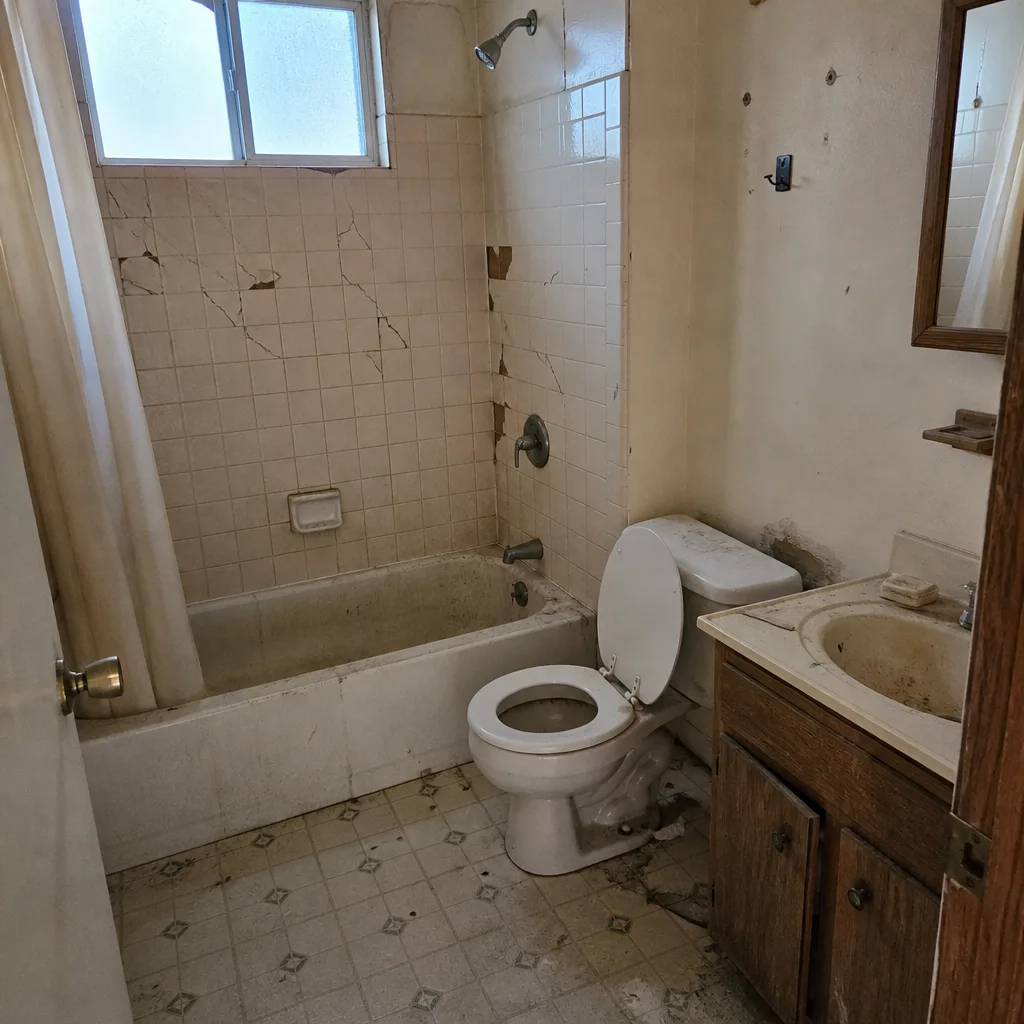 Before
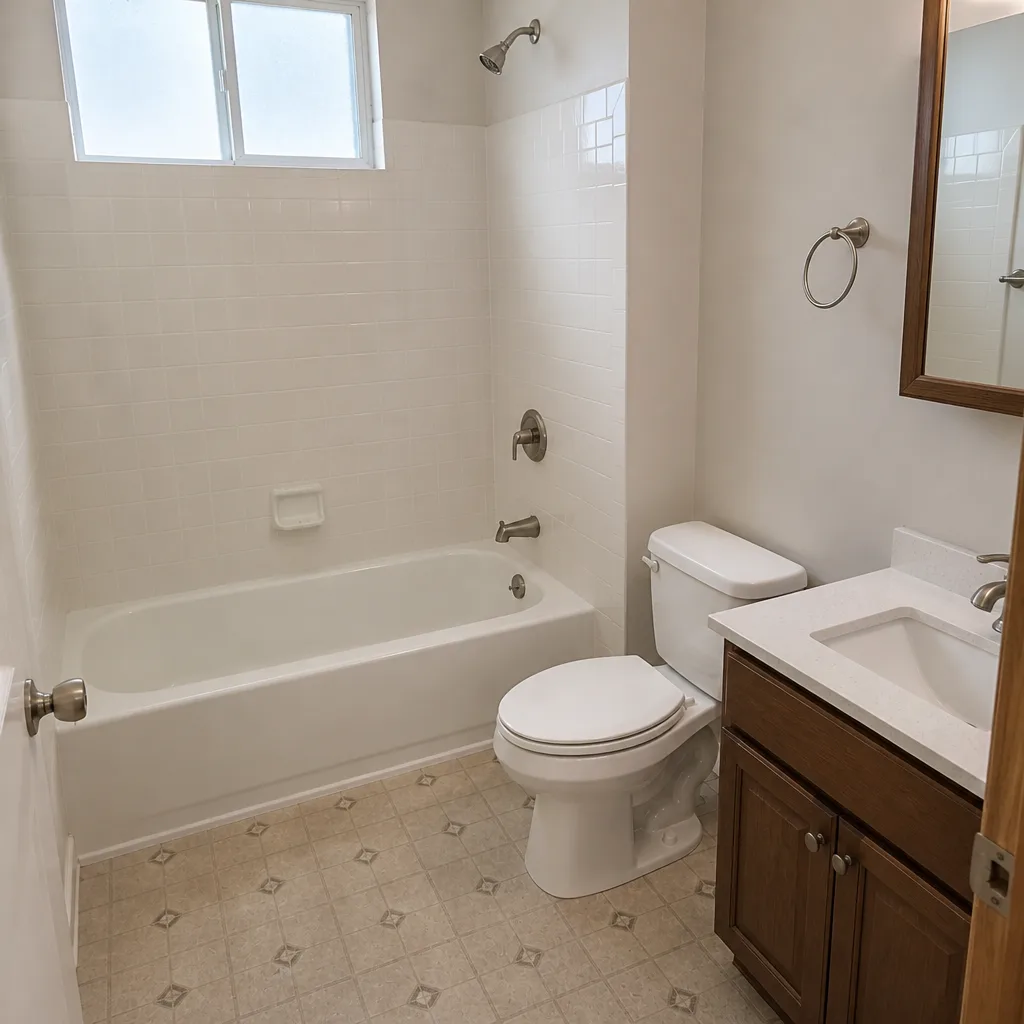 After
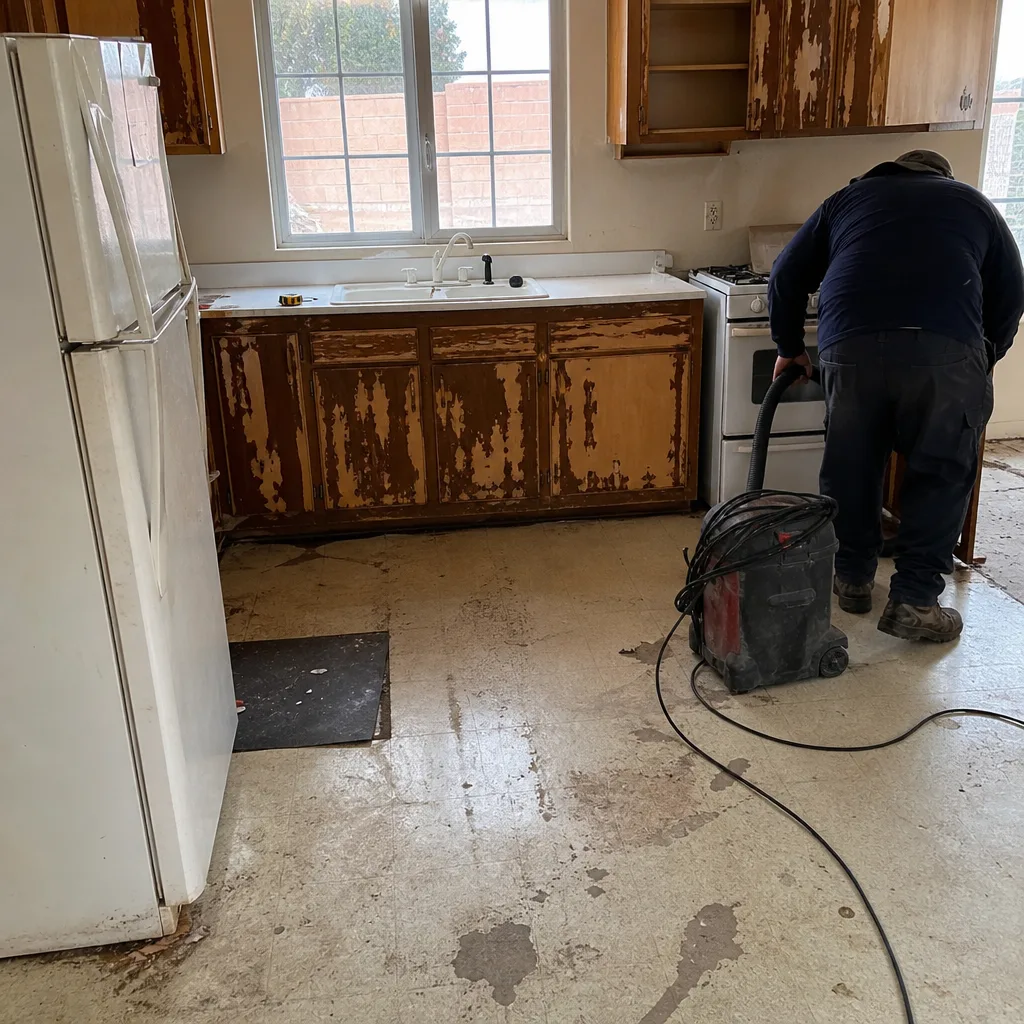 Before
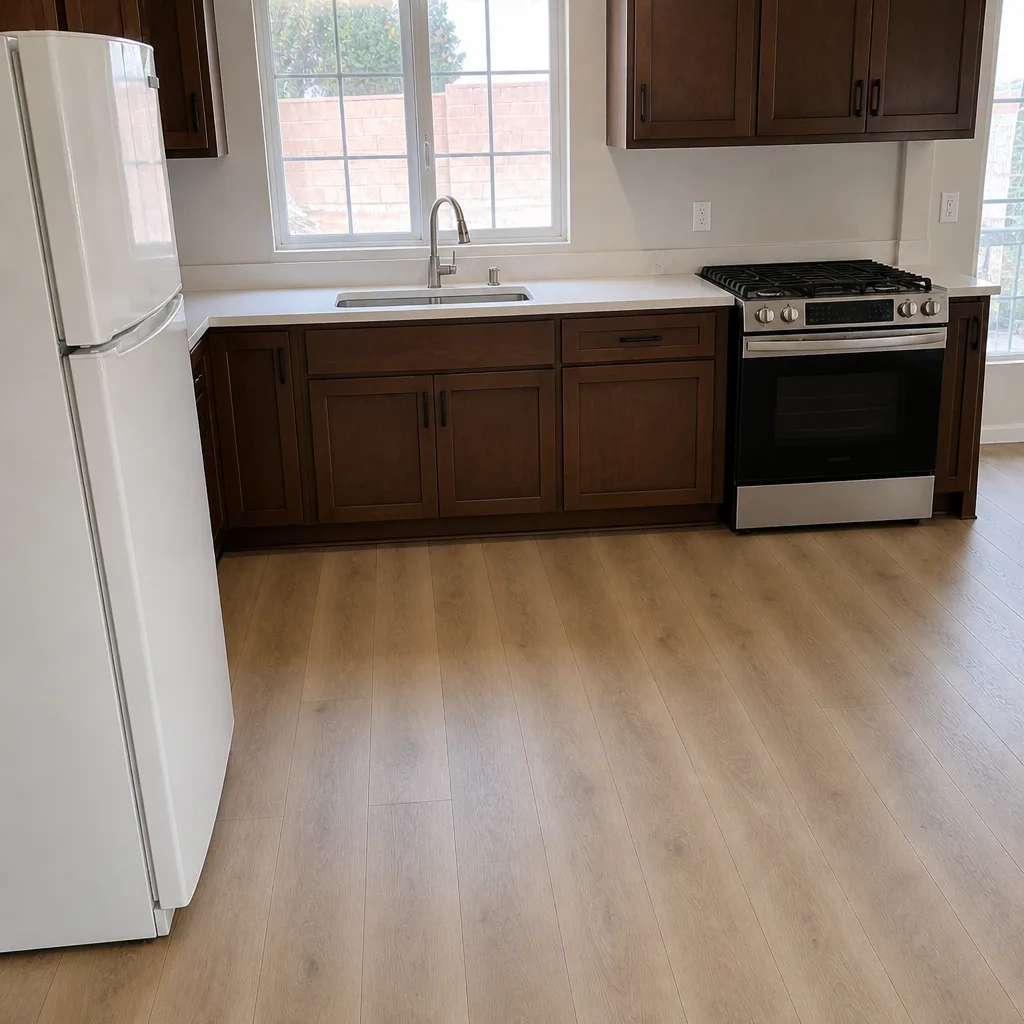 After
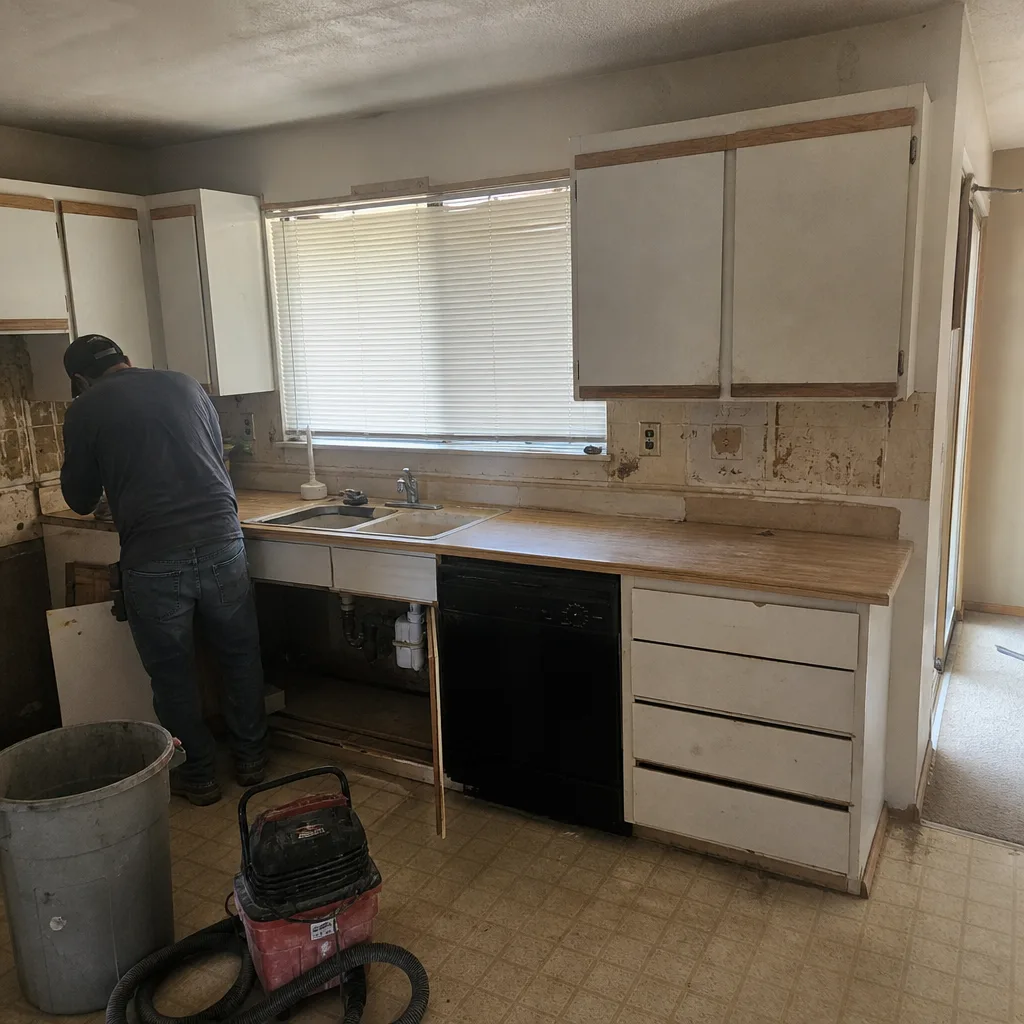 Before
 After
When to Call a Professional
Some fence problems are cosmetic and some are structural, and the difference usually comes down to the underground work. Call a professional if any of the following is true: a post rocks when you push on it by hand; a gate sags within the first month; the soil at the base of a post has visibly settled or cracked; you can’t find a written warranty or know who to call when something fails; or a contractor showed up with no locate flags or proof of insurance and you stopped the project before digging. Those aren’t repairs, they’re rebuilds of the underground work, and the longer they sit, the more of the fence they take with them. Groundwork Construction Co. of Boulder City offers free estimates in Boulder City, and we walk the fence line with you and put what we find in writing. Call (888) 282-1693 to schedule one. Our technicians have up to 12 years of experience and they’ll call the locate, pull the permit, and show you proof of insurance before the first shovel moves.
Frequently Asked Questions
Walk the line and push every post by hand, open and close every gate, and check the spacing between pickets and rails. A correctly installed fence doesn’t rock, don’t sag, and keeps consistent spacing from one end to the other. In Boulder City, the soil adds one more check: look for settling, cracking, or pooling water around the base of each post. If any of those show up in the first ninety days, call the installer back and get it documented in writing. A fence that passes these checks at day thirty and day ninety is likely solid underground, where you can’t see.
Standard practice is a post hole at least one-third of the post’s above-ground height, with a minimum of about 30 inches of buried depth, and deeper for wind-exposed privacy fences. For a six-foot fence, that means at least two feet of depth with a wider footer at the base to resist the load. Boulder City’s caliche layer makes depth trickier, because the crew needs to penetrate the hardpan and set the post in stable soil rather than loose backfill. Ask the crew lead to measure the first few post holes before pouring concrete; if the number isn’t in your quote, that’s the first thing to correct.
A real fence warranty covers workmanship failures for a stated period, including posts that fail to hold plumb, gates that sag because they were hung early, and panels that separate from improper fastening. It should name the covered items, the correction timeline, and how to file a claim. Vague language like “satisfaction guaranteed” or “normal wear and tear” is designed to let a contractor deny a callback. Our fence work is backed by our 730-Day Done Right Promise because the failures that matter usually surface in year two, not week two. Ask to see the warranty wording before you sign, not after.
A gate sagging within a few weeks is almost always the result of a gate hung before the concrete footings fully cured, or a hinge post set without a proper footer. The post shifts just a fraction as the concrete cures, and a fraction is enough to throw the gate out of plumb. In Boulder City, the added wind load on a privacy gate makes this worse. The correction is a genuine fix on the post footing, not just a hinge adjustment. If the installer wants to “tighten it up” and move on, ask what happens if it sags again in the next month, and get the answer in writing.
Boulder City requires a permit for many fence installations, especially for fences over a certain height and for any fence placed in a public right-of-way or easement. The exact threshold depends on the property and the fence type, so the correct approach is to check with the city before the work starts. A contractor who tells you “you don’t need a permit” without checking is either wrong or planning to skip the step and leave you holding the problem. We pull the permit and pass the inspection as part of the scope, and we put that in writing with your estimate. Ask any contractor you talk to for the same commitment.
Compare the physical materials on the truck to the grade stamps, gauges, and wall thicknesses in your written scope before the crew starts installing. The most common swaps are a lower lumber grade than quoted, a thinner chain link gauge than quoted, and a flimsier vinyl panel than quoted. Ask the crew lead to point out the grade stamp on a sample picket and confirm the gauge on a chain link roll. If they can’t, you have a legitimate reason to stop the install until the paperwork matches the material. We specify brands like Boral, PGT, CGI, and CWS where they fit the product line, so the material on the truck is the material on the estimate.
The Bottom Line
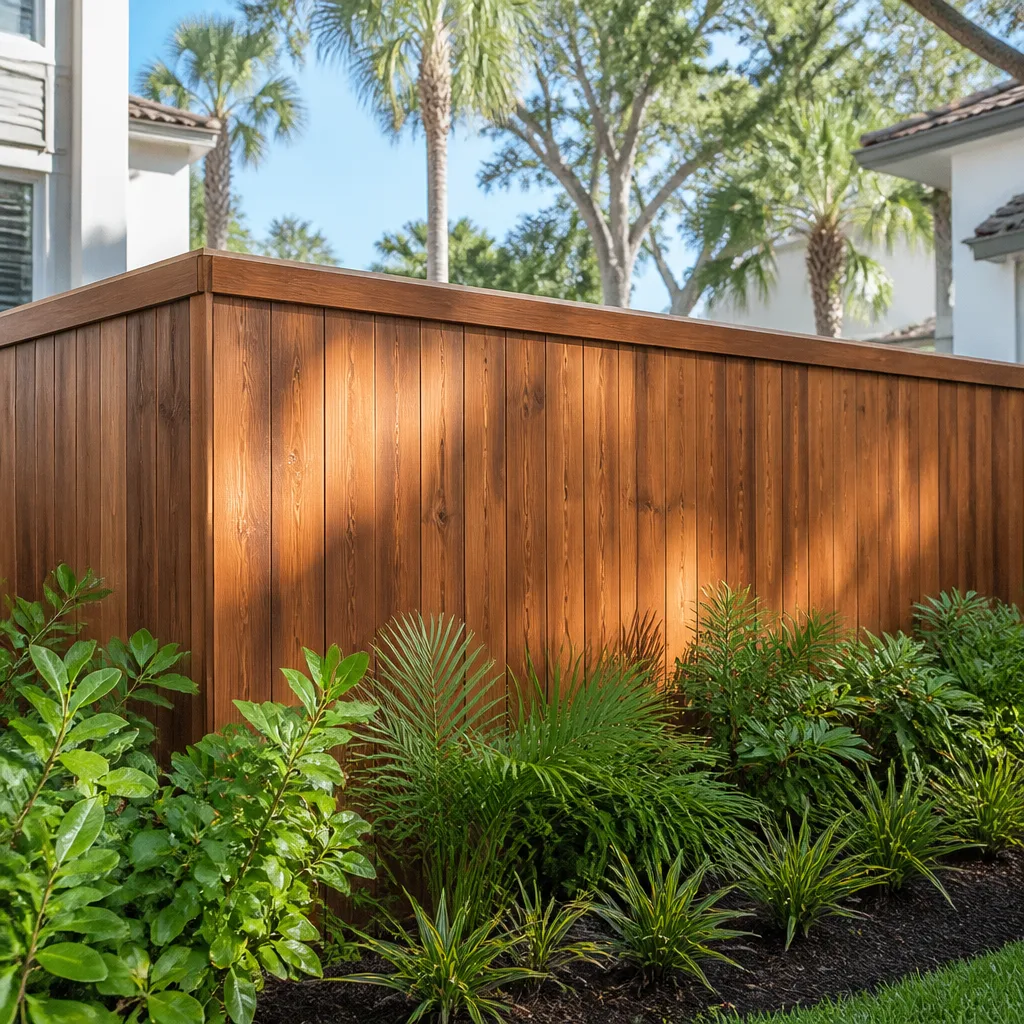
The fence installation failures that matter are the ones you can’t see: a post hole that’s too shallow, a footer that was never poured, a gate hung before the concrete cured, a gauge of wire swapped in the parking lot, an 811 locate that never happened. Visual inspection on install day tells you almost nothing about any of those. What tells you the truth is a written scope with post depth and concrete volume, a permit on file, proof of insurance, and a warranty that names specific failures and a correction timeline. We put 730 days on our fence work because it’s the only promise that survives month eighteen. Ask the hard questions before the first shovel moves, and you’ll spend your weekends using your fence, not chasing the contractor who built it. For a free, no-pressure estimate and a written scope, call Groundwork Construction Co. of Boulder City at (888) 282-1693, or reach us through our Groundwork Construction Co. of Boulder City home. The same standards apply to our Home Additions & ADU in Boulder City work, and we’re happy to look at the whole property while we’re out.
Written by the team at Groundwork Construction Co. of Boulder City.