Last updated November 18, 2026

Free written scope consultation - allowances, timeline, and change-order rules on paper before a single trade is scheduled
Fence Installation Maintenance Schedule: What to Do and When
Most fence maintenance advice was written for climates with four wet seasons and mild sun. Boulder City gets roughly 300 days of hard sunlight a year, single-digit humidity most of the summer, and enough heat cycling to make wood and vinyl move constantly. A wood fence finish here fails in 18 to 24 months without a UV-blocking sealer, not because homeowners skip the work but because they follow schedules and products built for Ohio or Oregon. This guide gives you a maintenance calendar tuned to the desert: what to do in each season, which products actually hold up, how gate hardware behaves in heat, how to check footings after a monsoon, and how steel, vinyl, and wood composite each need a different checklist.
Quick Answer
Fence maintenance in a desert climate runs on a four-stage calendar: inspect after monsoon season for soil movement, apply UV-blocking treatment before summer, adjust gate hardware at the first winter contraction gap, and touch up wear in early spring. Wood needs a high-UV sealer roughly every 18 to 24 months, not annually. Powder-coated steel mainly needs hardware checks and touched-up scratches. Vinyl needs cleaning, never sealant. Composite follows the manufacturer’s schedule, usually a wash every 12 months.
Styles & brands we work with
- Kitchen remodeling
- Bathroom remodeling
- Home additions & ADU
- Roofing
- Windows & doors
- Driveway & pavers
- Fence
Table of Contents
- Why Desert Fence Maintenance Is Different
- The Boulder City Fence Maintenance Calendar
- Post-Monsoon Inspection: Watching the Soil, Not the Wood
- Pre-Summer UV Treatment: What Actually Blocks Nevada Sun
- Gate Hardware: Thermal Contraction and the Semi-Annual Adjustment
- Checking Footing Integrity Without Excavating
- Material-Specific Schedules: Steel vs. Vinyl vs. Composite vs. Wood
- Common Mistakes to Avoid
- When to Call a Professional
Why Desert Fence Maintenance Is Different
Three forces do most of the damage to a fence in Boulder City, and none of them are “old age” in the way most maintenance guides describe. The first is UV radiation. At this elevation, solar intensity is roughly 10 to 25 percent stronger than at sea level, and the same latitude gives us a solar index that dries and breaks down finishes far faster than coastal or eastern climates. A sealer rated for a five-year lifespan in a moderate climate often gives two here. That’s the whole reason wood finishes fail in 18 to 24 months.
The second force is thermal expansion. Daytime and nighttime swing can run 25 to 30 degrees in spring and fall. Metal gate frames grow and shrink against wood posts that expand and shrink at a different rate. The result is loosening hardware and gaps that open and close through the year.
The third force is soil movement. Boulder City’s soils are generally caliche-heavy, and much of the caliche here forms a hard, cement-like layer that behaves well when dry. Then come the monsoon weeks from July through September, when a single storm can drop more rain in an hour than the ground can absorb. That hard layer limits how fast water drains, so it pools, softens, and re-settles around post footings. The result is a fence that looks fine but wobbles at the base after a good rain. Nobody in Portland or Atlanta deals with this, and it’s exactly what a maintenance schedule written for the desert has to account for.
If you read about fence care written for other climates, it assumes regular moisture keeps wood from cracking and checks posts for rot. Neither assumption holds on a fence around a Boulder City home.
The Boulder City Fence Maintenance Calendar
The maintenance calendar here is built around those three forces, and it assumes a fence installed to proper depth with a desert-appropriate material. Here is the shape of a working year for a Boulder City fence, whether it’s wood, vinyl, steel, or composite:
- Early spring (March to April). Walk the whole fence line. Note any post that rocks when you lean on it. Look for finish that has chalked, cracked, or flaked. Note gate sag. This is the injury report, before summer heat.
- Late spring (May, before the first hard UV weeks). Apply UV-blocking treatment to wood if it’s due – every 18 to 24 months, not every year unless you’re using a lighter-bodied conditioner. Scrub vinyl of pollen and dust. Touch up any scratched powder-coat.
- Monsoon season (July to September). Inspect about 48 hours after any heavy rain event. The soil probe method covers the footing check below. Watch gate swing; heat and moisture both change it.
- Fall (October to November). Semi-annual hardware adjustment on every gate. Tighten, lubricate, replace worn hinges. Check for hairline cracks in post shoulders.
- Winter (December to February). Watch for contraction gaps between gate and post and between panels. This is normal; don’t force panels together. Clear hardscape drains so winter rain doesn’t pool at post bases.
The single most important thing about this calendar: it’s not annual. It’s event-driven. Desert fences don’t fail on an annual clock; they fail on a storm or a heat wave.
Post-Monsoon Inspection: Watching the Soil, Not the Wood
The first-responder instinct after hard rain is to check the wood. In Boulder City, you want to check the ground. The rare heavy rain event after months of dryness is the biggest mover of fence failures here – bigger than sun, bigger than wind. Water finds the easiest path through the caliche layer and moves soil around and under post footings.
What to look for in a post-monsoon walk:
- Water tracks. Lines of scoured dirt running toward or away from a post base. This tells you where water pooled and where it drained.
- Settled soil. Any sunken ring or gap around the base of a post. A post that used to sit flush in the soil and now shows a wide gap is surrounded by loose fill.
- Efflorescence. That white chalky staining on concrete or masonry around the fence line. It often appears where water is passing repeatedly through a concrete footing.
- Racking or lean. Stand at one end of the fence and sight down the line. A post leaning a couple of degrees is a real warning sign; a post leaning much more than that is a job for a contractor.
- Gate misalignment. A gate that used to latch cleanly and now drags or binds after a big rain is a warning about the hinge post, not the latch.
Two things to know about monsoon rain in Boulder City. The first: it’s short and intense, which makes it more damaging to a fence footing than a slow soak because the water can’t infiltrate and pools instead. The second: it triggers the caliche layer to re-form as it dries, and that repeated swell-and-shrink cycle is what gradually loosens a footing. You can’t fight it, but you can catch it.
Pre-Summer UV Treatment: What Actually Blocks Nevada Sun
This is the section that changes the most for a Boulder City fence. The majority of wood fence sealants sold nationally are not rated to block the UV load here for more than one season. Choose the wrong product and you’ll be re-coating every year, staying ahead of the sun and never catching up. The right products last three to five years.
What to look for on the label:
- Explicit UV-inhibitor or UV-blocker claim. Not “clear sealer” or “waterproofer” – those don’t block UV. Look for a UV-inhibitor percentage or UV-blocking wording.
- An SPF or UV rating benchmark. Many quality exterior finishes now list a UV resistance rating or an approximate years-of-color-retention figure. A finish rated for only one or two years of color retention is what you’d buy in a milder climate. A finish rated for three to five years is the appropriate desert product.
- Pigmented vs. clear. Clear sealers let UV through; they can even accelerate photo-oxidation under a window of clear film. A semi-transparent stain with UV-blocking pigment on a western or southern exposure is a tougher finish than a clear coat.
- Oil-based vs. water-based. On dry caliche-country wood, an oil-based penetrating stain soaks into the grain and holds up better under UV; a film-forming water-based topcoat cures brittle and chalks quickly in our heat. Read the finish label’s suggested service life as a real number for our climate.
Application timing matters too. Don’t apply finish in the middle of the day in July. The wood surface can be well over 120 degrees in direct sun, and finish that flashes dry too fast doesn’t penetrate and peels off. The best window at this latitude is late spring, on a morning in the 70s, and apply early, before heat pushes the finish off the grain.
If you’ve been thinking about replacing a failing fence instead of refinishing it, our Fence Installation in Boulder City page covers lifetimes and material selection, and it’s worth a look before committing another summer to repainting.
Gate Hardware: Thermal Contraction and the Semi-Annual Adjustment
Gates are the moving part, and gates are where a heat-driven problem shows up first. Desert heat causes gate hardware to loosen faster than in temperate climates, mainly because the metal frame expands in the afternoon and the wood post it’s bolted to expands less and lags behind. Each day cycles them against each other. Over a single summer that’s hundreds of small mechanical cycles, and every one of them loosens the hinge bolt or widens the screw hole.
A proper semi-annual adjustment is more than tightening screws. What it covers:
- Check and tighten every hinge and latch bolt to the manufacturer’s torque spec. Don’t overtighten to strip the wood.
- Look for worn or elongated hinge holes: a hinge that rattles but won’t tighten down is a hole worn into a screw pitch.
- Lubricate hinges and latches with a dry or lithium-based product. Oil-based products collect desert dust and become an abrasive.
- Check the gate stays level through the open/close arc. Rubbing at the bottom indicates the gate needs re-hanging, not forcing.
- Verify latch strike alignment. A latch that requires the gate to be lifted or pushed is a warning sign the hinge post has moved.
Best months for the two adjustments: right before summer (May) and right after the heat breaks (October). A gate that needs adjustment more than twice a year, or whose post cannot be tightened down, is a sign the post itself is failing – see when to call a professional below.
Checking Footing Integrity Without Excavating
You don’t need to dig up a footing to know if it’s moving. The soil probe method works for a Boulder City fence where the ground is dry for most of the year:
- Push a long screwdriver or stiff soil probe into the ground 6 to 10 inches out from the base of a post, going about 12 inches deep if the soil allows it. Repeat at three or four points around the post.
- Resistance tells you a lot. Firm, consistent resistance means compacted soil – good. Easy penetration at one side but not the others means loose, water-washed fill on that side.
- A post with a soft or void side, especially on the downhill or drainage side, has water infiltration around the footing. That’s not an emergency, but it predicts a wobble after the next heavy rain.
- Push sideways on the post at waist height with a moderate hand. No give is fine. Slight movement at the base on a post whose concrete cap is exposed is a warning sign.
- Photograph every post that shows movement, with the day’s date. Compare the next time you do this. A single quiet wobble after a storm is common. A wobble that returns after two events means the footing is failing.
The takeaway: check soil, not concrete. A powder-coated steel fence can look completely intact while a footing underneath has lost its compaction. That’s the finding that a national maintenance article cannot give you, and it’s why a post-monsoon walk has a real place on a Boulder City schedule.
Material-Specific Schedules: Steel vs. Vinyl vs. Composite vs. Wood
The biggest scheduling mistake homeowners make is applying one checklist to every fence on the property. A powder-coated steel fence and a wood fence on the same lot need completely different care. Here’s what each material really requires in our climate:
- Powder-coated steel. The finish does the UV-blocking for you. Maintenance is hardware and damage control: check bolts every six months, touch up chips and scratches right away (that’s the one thing powder coat can’t forgive – a chip exposes steel, and steel exposed to a monsoon eventually shows rust), wash off dust twice a year. No annual sealing.
- Vinyl. No sealant ever, and no clear coat – both can discolor or yellow under high UV. Vinyl needs one deep wash a year and a quick rinse after dusty season. Check that posts and panels haven’t shifted through contraction. Watch for chalkiness on south-facing panels; chalkiness means the UV inhibitors in the plastic are being used up, and it’s a sign of age.
- Wood composite. Follow the manufacturer’s written schedule, and don’t default to annual sealing. Many composite systems call for washing every 12 months and re-sealing every three to five years. Because composite often uses a wood-plastic blend, it expands and contracts a lot with heat; keep the gate hardware schedule up and treat minor swelling at joints as normal.
- Wood. The most demanding material here. UV-blocking stain every 18 to 24 months, a real inspection of all post bases post-monsoon every year, and touching up any bare wood immediately after it appears. Bare wood absorbs moisture and sun simultaneously, and it’s what fails.
If you’re choosing between materials, our Driveway & Pavers in Boulder City page shows how we plan perimeter hardscape and fence lines together, which matters because a fence base drains into the same soil a paver border sits on.
Common Mistakes to Avoid
- Re-sealing wood every year without checking the finish. In Boulder City that can build too many layers of finish on the surface, which then peels and flakes instead of just wearing. Wait until the finish tests chalky or shows wear, then re-coat with a UV-rated product.
- Buying a clear sealer for the sunniest side. Clear film is a UV sieve. A clear sealer on a south or west fence in Boulder City will let sun through to the wood; a pigmented UV-blocking stain is the harder-working product on those exposures.
- Ignoring post-monsoon soil checks. Homeowners inspect the fence panels and never touch the dirt. The footing is where the failure starts here; a post that wobbles after the first good rain won’t fix itself.
- Skipping the fall hardware adjustment. Gate hardware loosening is normal in desert heat. A gate that binds or drags in December usually started loosening in July, and by fall, a cheap tightening could have avoided a re-hang.
- Painting a powder-coated or vinyl surface to hide chalkiness. It doesn’t restore UV protection; it traps moisture and, on vinyl, can yellow or flake. Clean and let the material do what it’s designed to do, or plan a replacement.
- Applying finish in full afternoon sun. Finish applied over a 120-degree wood surface flashes dry before it soaks in. In Boulder City, schedule application for an early morning in a mild month.
- Excavating around a post “to check it.” Digging out a footing can loosen it. The soil probe at 6 to 10 inches out gives you the same information without moving the footing.
When to Call a Professional
Schedule your maintenance walk in spring and fall, and do most of it yourself. Call a professional when the fence crosses into structural territory: a post that rocks on more than one inspection, a gate that can’t be tightened or re-hung because the post is failing, a post whose base shows repeated soil washout after monsoon rain, a run of wood that needs re-fencing because the panels are more patched than solid, or any fence on a property line where local codes govern placement and depth. That last point matters in Boulder City, where knowledge of what the ground sits on is part of any footing decision. Groundwork Construction Co. of Boulder City offers free estimates in Boulder City, and you can reach us at (888) 282-1693. Our technicians have up to 12 years of experience, and we back the work with our 730-Day Done Right Promise.
Frequently Asked Questions
Every 18 to 24 months with a UV-blocking sealer, not every year. The desert sun burns through standard finishes faster than in a wetter climate, but the answer is a stronger product, not more coats. Wait until the finish shows chalkiness or wear, then re-coat. Call (888) 282-1693 if you’d like an honest assessment of where your fence’s finish stands.
Thermal expansion is the cause. The metal gate frame expands more than the wood post it’s bolted to, so the hardware cycles loosen through the summer heat. A semi-annual adjustment in May and October handles it. If a hinge won’t hold, the hinge post is likely failing.
Use the soil probe: push a long screwdriver into the soil 6 to 10 inches from the post base and compare resistance on each side. A soft, easy side on the downhill side is a sign of water infiltration. Don’t dig out the footing to check it, which can make it worse.
No. Vinyl never needs sealant, and clear coats can yellow under high UV. Wash the panels once a year and check the post base positioning before and after monsoon season. If a south-facing panel starts to chalk heavily, the material’s UV inhibitors are wearing out and it’s a hint about age.
Powder-coated steel holds up with the least maintenance because the finish itself handles the UV and the material doesn’t need refinishing. Wood looks better to a lot of homeowners and, with a proper UV-blocking stain every 18 to 24 months and a monsoon inspection, it lasts well. The main variable is how much maintenance you want to do.
When the posts themselves are failing, not just the finish. A post that can’t be tightened, a run of panels more patch than solid wood, or a fence whose post-monsoon inspections keep showing movement even after repair is a replacement. For a replacement, companies like ours use quality materials such as James Hardie and Andersen where the trade calls for it, so the new fence gets the same long-horizon care.
The Bottom Line
Fence maintenance in a desert climate isn’t an annual painting habit. It’s a calendar built around three forces: UV radiation, thermal expansion, and how caliche soil moves in the rare heavy rain. In practice that means a UV-blocking stain on wood every 18 to 24 months, a post-monsoon soil probe on every post base, a semi-annual gate hardware adjustment in May and October, and a material-specific schedule for powder-coated steel, vinyl, and composite. Build those four habits into your year and the fence will hold up to the sun. From foundation to finish line, good work lasts longer when the maintenance stays on schedule, and that’s the point of the schedule.
See Something That Needs a Second Look?
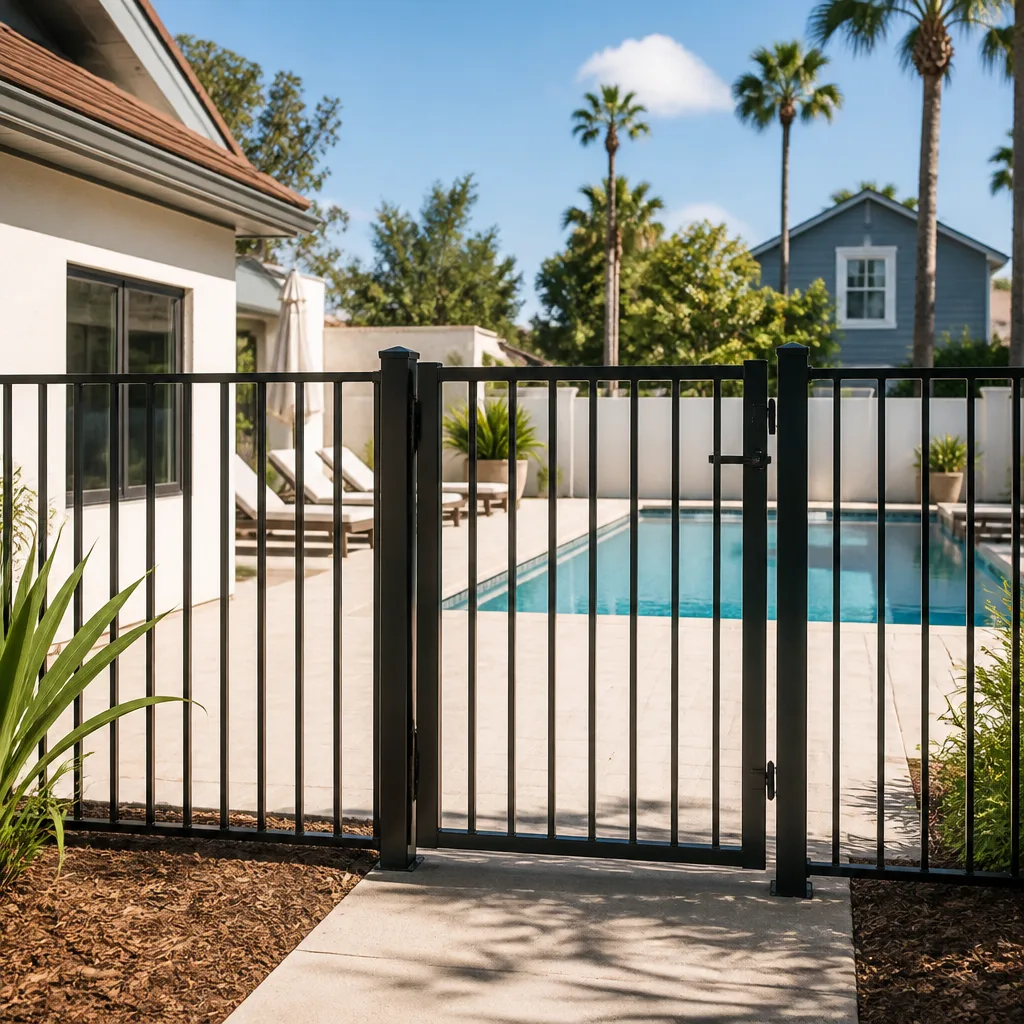
If your post-monsoon walk turns up a post that moves, a gate that binds no matter how you adjust it, or a fence that looks like it’s at the end of its run, get a free estimate before another season of sun and rain does the deciding. Groundwork Construction Co. of Boulder City answers every call with a live person, around the clock, and every project is backed by our 0% financing for 18 months and $1,000 off projects over $10,000. Call (888) 282-1693 to schedule your free estimate, and keep your fence standing steady. Explore our Groundwork Construction Co. of Boulder City home for our full range of services, or see how a new addition or ADU can be planned with your Home Additions & ADU in Boulder City project in mind.
Written by the team at Groundwork Construction Co. of Boulder City.
See the difference
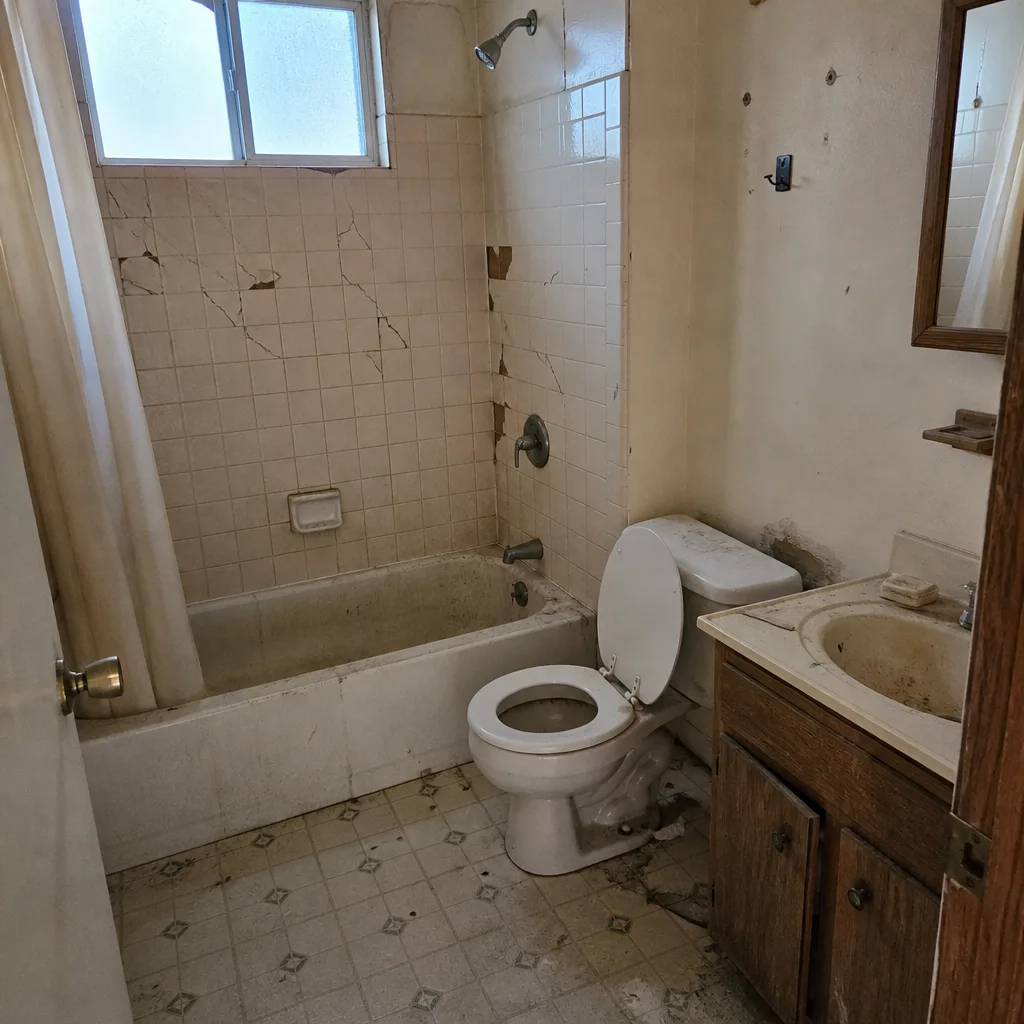 Before
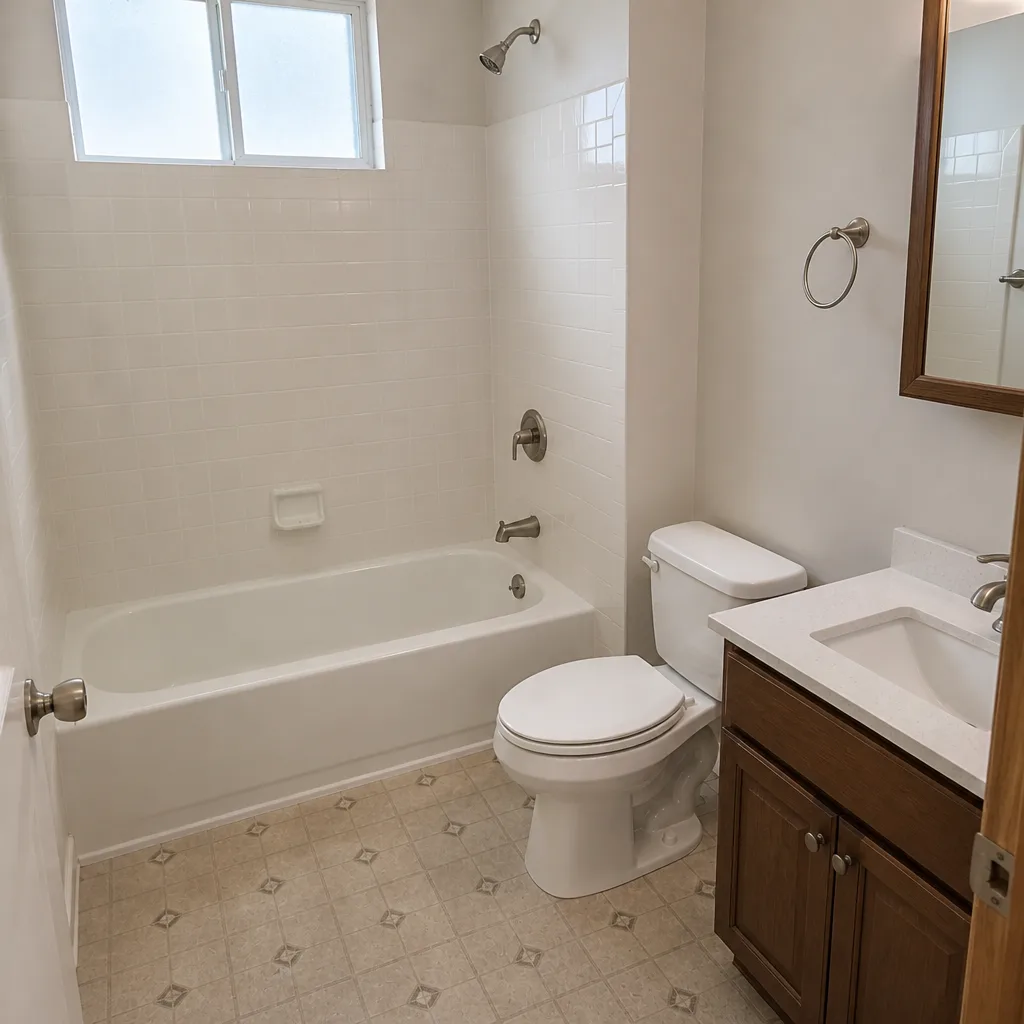 After
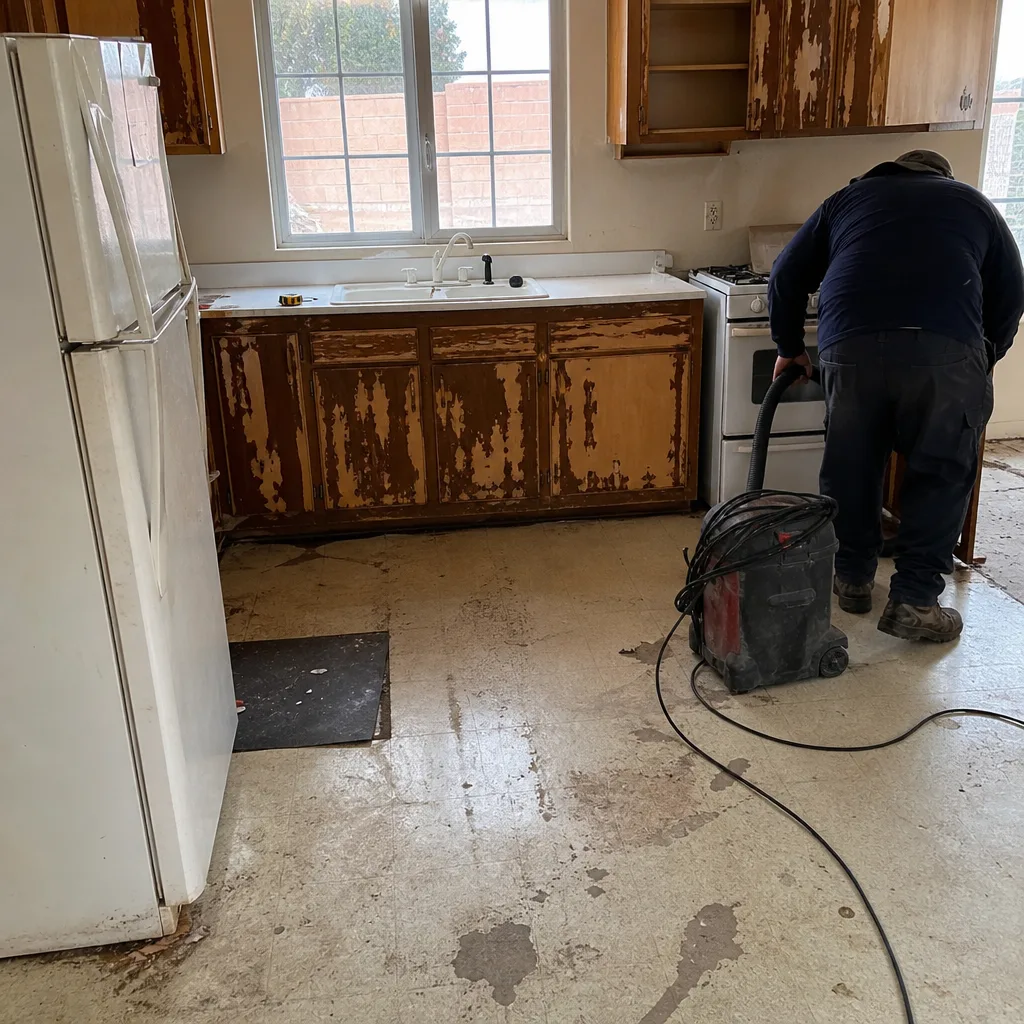 Before
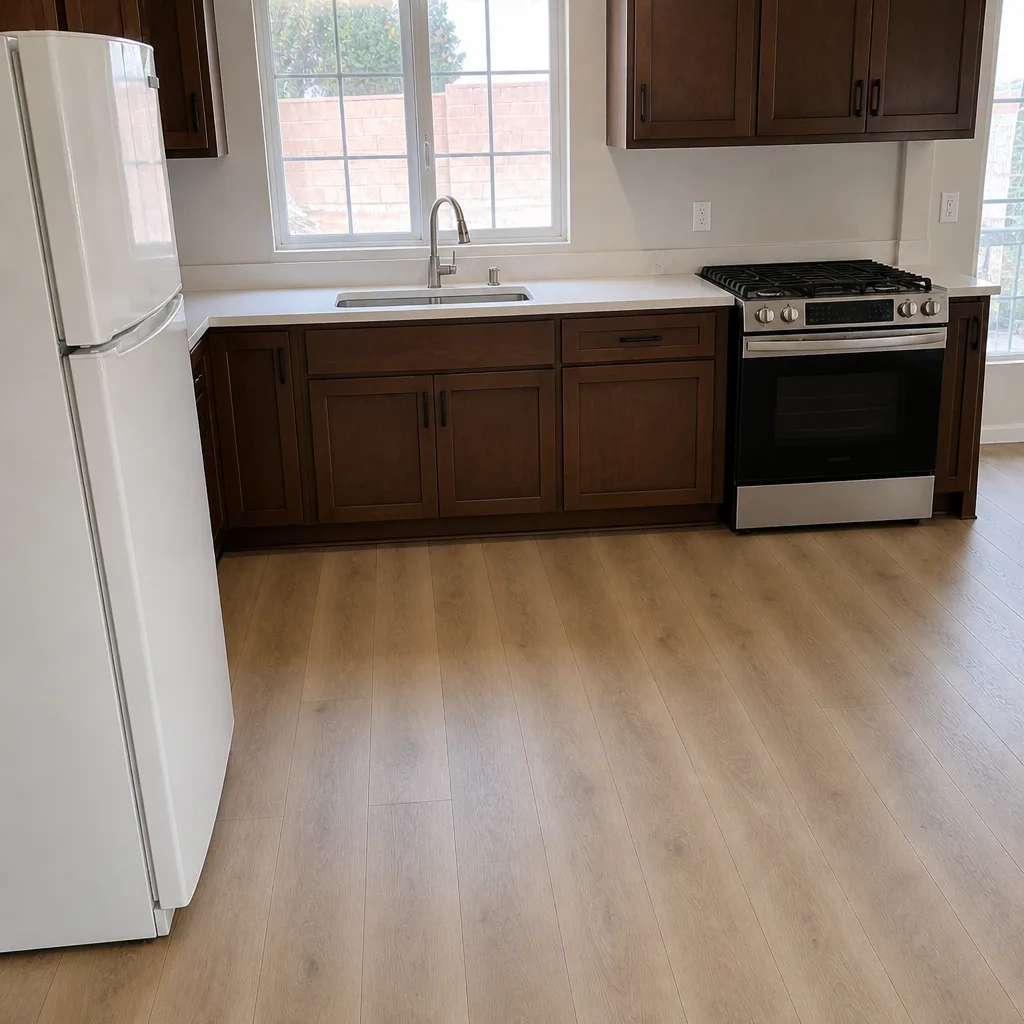 After
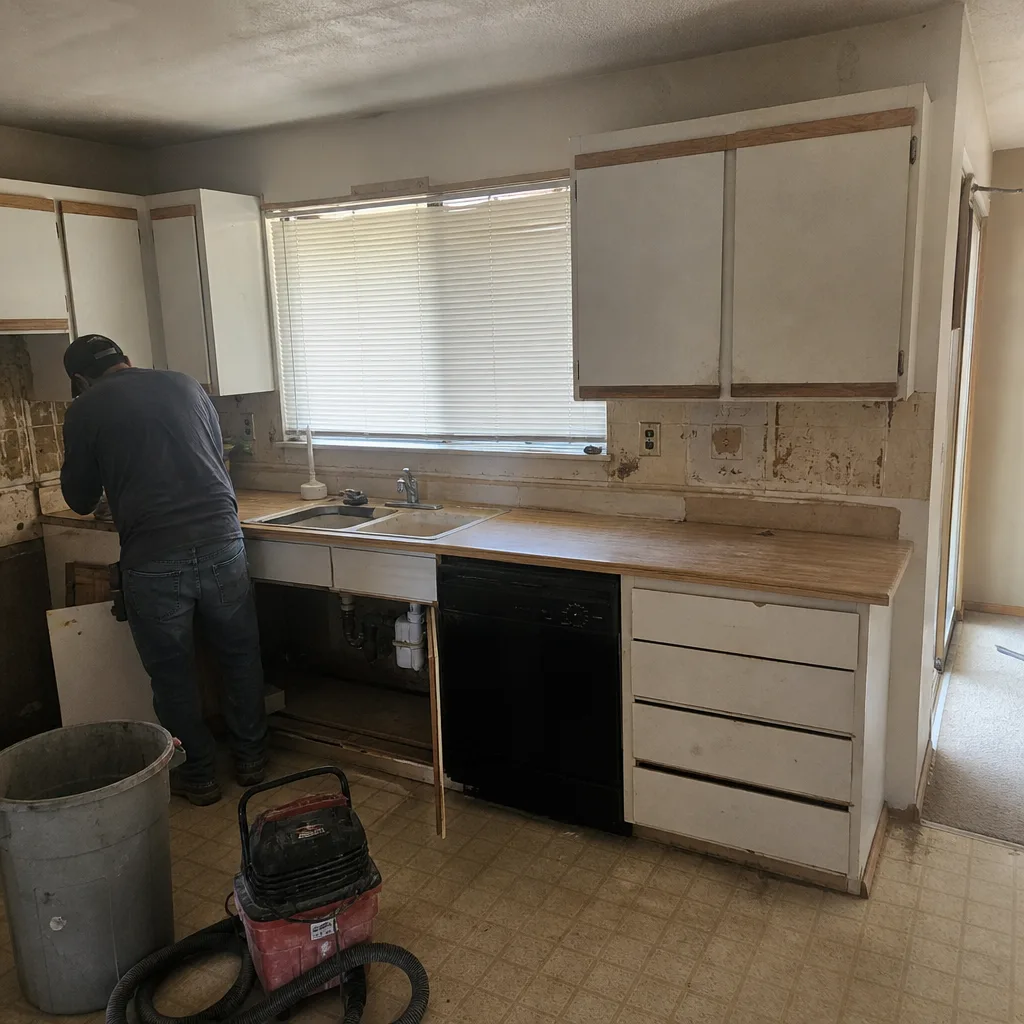 Before
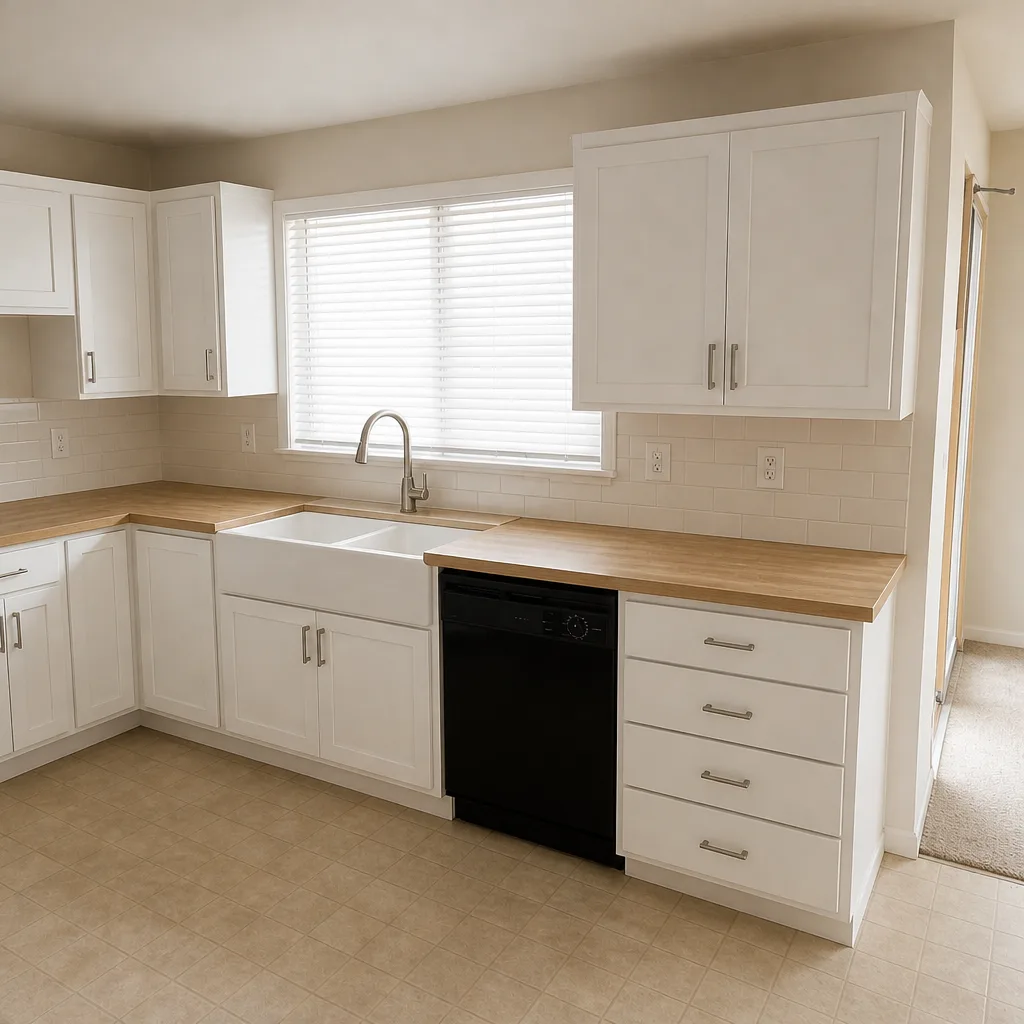 After